Wondering whether to plant a dwarf or standard fruit tree? This guide breaks down the differences, wind resistance, harvesting, and space requirements for home gardeners. As someone who grows a lot of fruit trees in a small space…dwarf fruit trees are something I use intentionally in my urban permaculture garden but…
There are some big misconceptions when it comes to dwarf fruit trees.
Dwarf and semi-dwarf fruit trees allow me to fit more varieties into my urban food forest and reduce the amount of work I need to do in terms of pruning … because when you’re looking after 100s of trees, this makes a difference! But not all dwarf fruit trees are equal!
Over the years, I’ve realised that a lot of people misunderstand what “dwarf fruit trees” actually means. So in this post, I want to break it down:
- What does a dwarf fruit tree really mean?
- How do they differ from semi‑dwarf and standard trees?
- How to decide if dwarf or standard fruit trees are best for your garden?
- What are other ways to keep fruit trees smaller?
- Do standard fruit trees live longer?
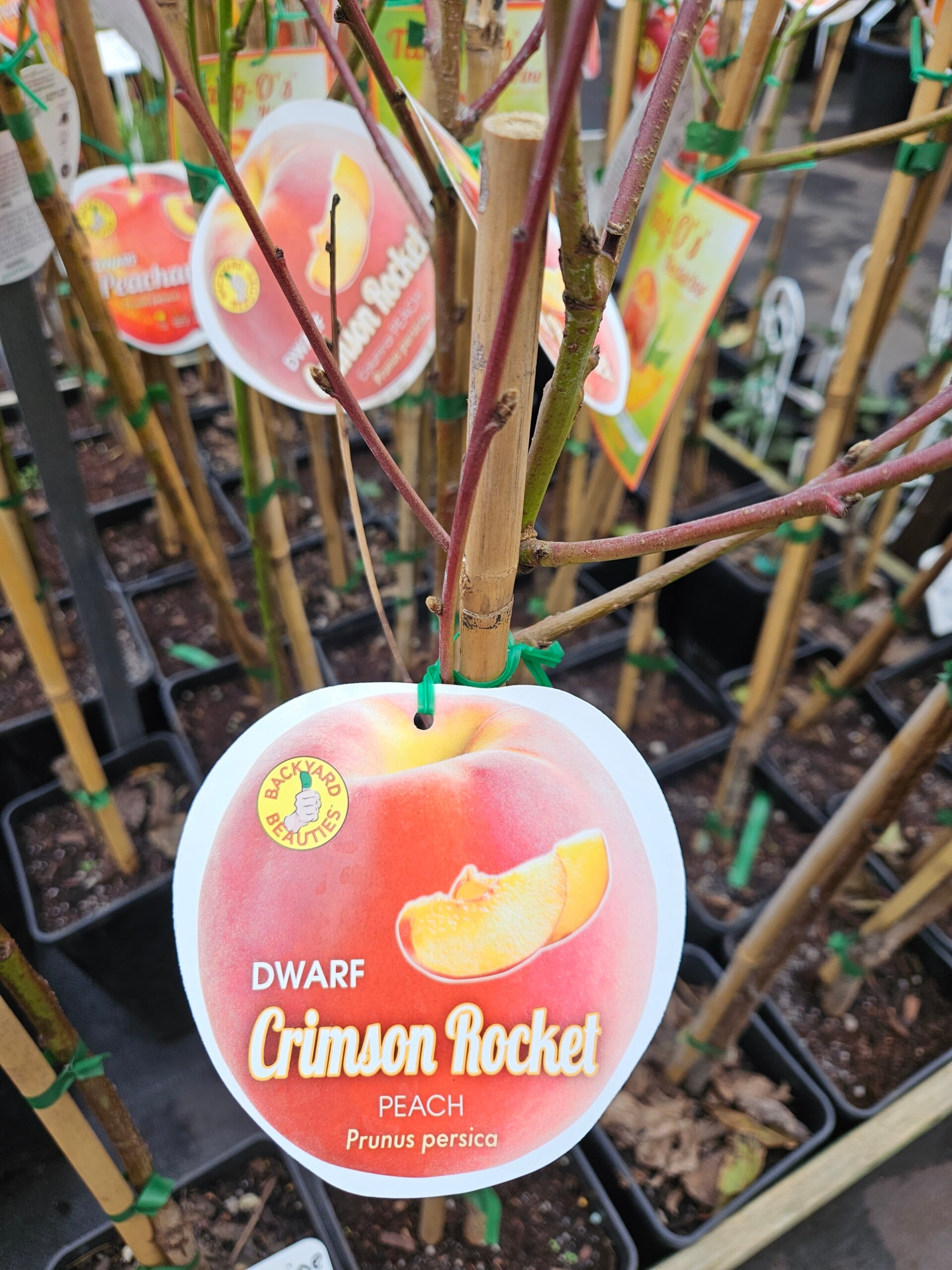
What Do “Dwarf Fruit Trees” Actually Mean?
When we talk about dwarf fruit trees, we’re not talking about a different type of fruit.
We’re talking about the rootstock.
If you get, for example, a Meyer lemon, it might come in dwarf, semi-dwarf, and standard. The actual Meyer lemon tree and genetics are the same across all 3.
The fruit will be the same size, same colour, same flavour, the leaves the same, everything is genetically the same.
The difference is that they are all grafted onto a different rootstock.
Rootstocks are usually seed-grown or cloned for specific traits.
Dwarf rootstocks grow slowly, and the root systems are smaller and less vigorous. This means the trees stay small and dwarfed. Standard sizes, however, will utilise a rootstock that grows vigorously to get big, quick-growing fruit trees.
This does affect the amount of fruit you can get! A 3-4m tree will be able to hold a lot more fruit than a compact 1m tree.
Why “Dwarf” Doesn’t Mean “Tiny Forever”
One of the biggest misconceptions is that dwarf fruit trees stay small automatically. This is not always the case:
In reality, dwarf trees are smaller than standard trees..
But they still grow….
…and they still benefit from pruning and management!
This is especially important with larger fruit tree species.
For example:
- A dwarf lemon might mature around 2 metres tall
- But a dwarf avocado or mango can still reach 4–5 metres
The difference is how fast they get there.
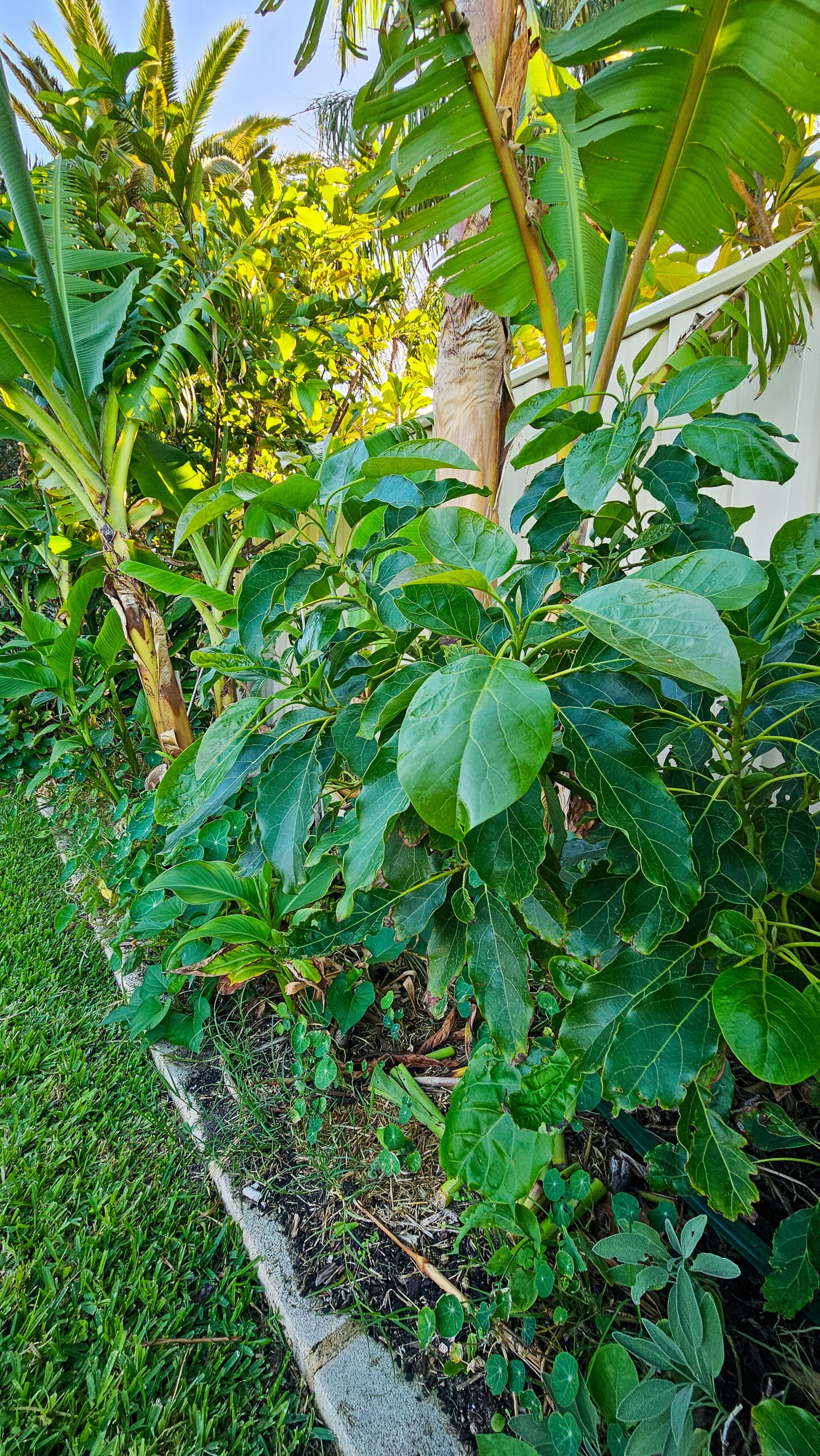
A standard avocado can shoot well over 5 metres in just a few years, and then reach 8+ m once mature. While a dwarf avocado grows much more slowly and predictably, which makes it far easier to manage in a home garden or food forest. On the downside, restricted, slow growth may not be the right fit for you. You may want to have your tree grow quickly, create shade cover, and then maintain it at the desired height by regular pruning. It all depends on your goals!
Dwarf vs Semi‑Dwarf vs Standard
There are pros and cons to both dwarf and non-dwarf fruit trees…So how do you decide which is right for you?
Super Dwarf and Dwarf Fruit Trees
Super Dwarf Stonefruit: There is a small collection of fruit trees classed as “super dwarf”, such as the super dwarf nectarine and peach trees. I have one of each, and they are said to grow to 1.5m tall. Their growth has been very slow! Only growing a few inches in a season compared to my dwarf nectarine, which grew over 1m in a season. These would be great for pots and people with very small spaces. I am also using them in my food forest to grow in the low – middle layers.
Dwarf Citrus: Again, these can be very slow growing – I have a dwarf lime that is about 1.5m tall at 8 years old. Great for pots or small spaces, but very slow-growing!
Dwarf Stonefruit: These are great for urban gardens and pots. Stonefruit such as peach, apricot and plum trees can grow rapidly and require heavy pruning to shape them. Dwarf stonefruit still grows pretty fast and will need pruning from a young age to shape, but a little less aggressively, which is nice! All the stonefruit that i grow in my urban garden are on dwarf rootstock.
Dwarf Mango: Unlike other fruit trees, dwarf mango trees are usually more about a variety that is slow-growing and not the rootstock. Dwarf Mangos may still get to 5+m tall if left unpruned, but it could take them over 10 years to get there. Slower growth may mean you only need to prune them every other year or so.
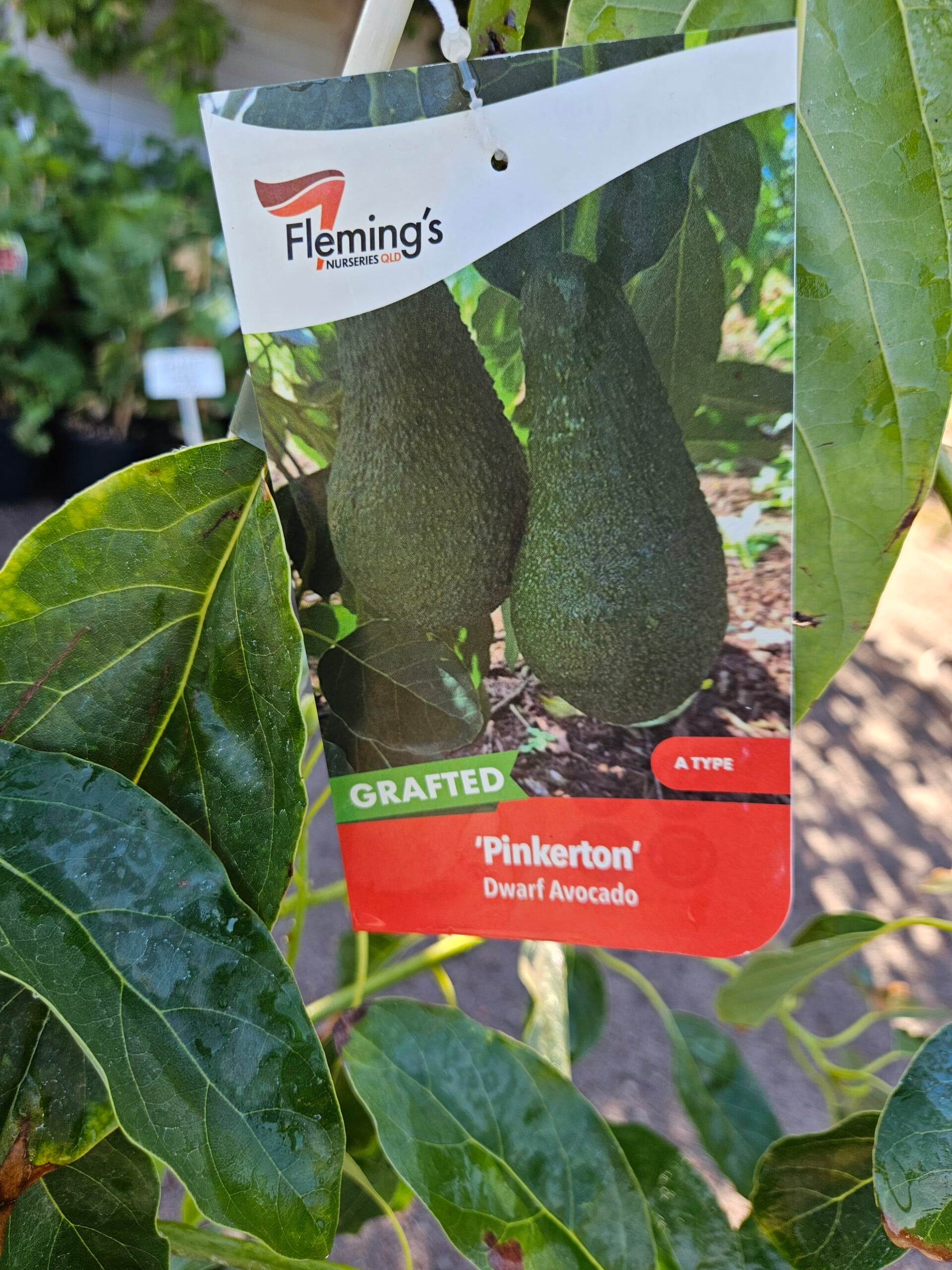
Dwarf Avocado: Dwarf Avocados, like mango, can still grow to be a very large tree if left unpruned. Slower growth rates will allow you to prune less aggressively to keep them compact.
Dwarf Mulberry: You may be surprised to hear that dwarf Mulberries can also grow to be large trees! Slower growth rates will help to keep them smaller. Regular pruning as the mulberry fruit well on new growth.
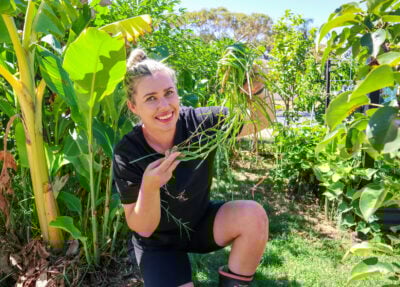
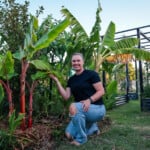
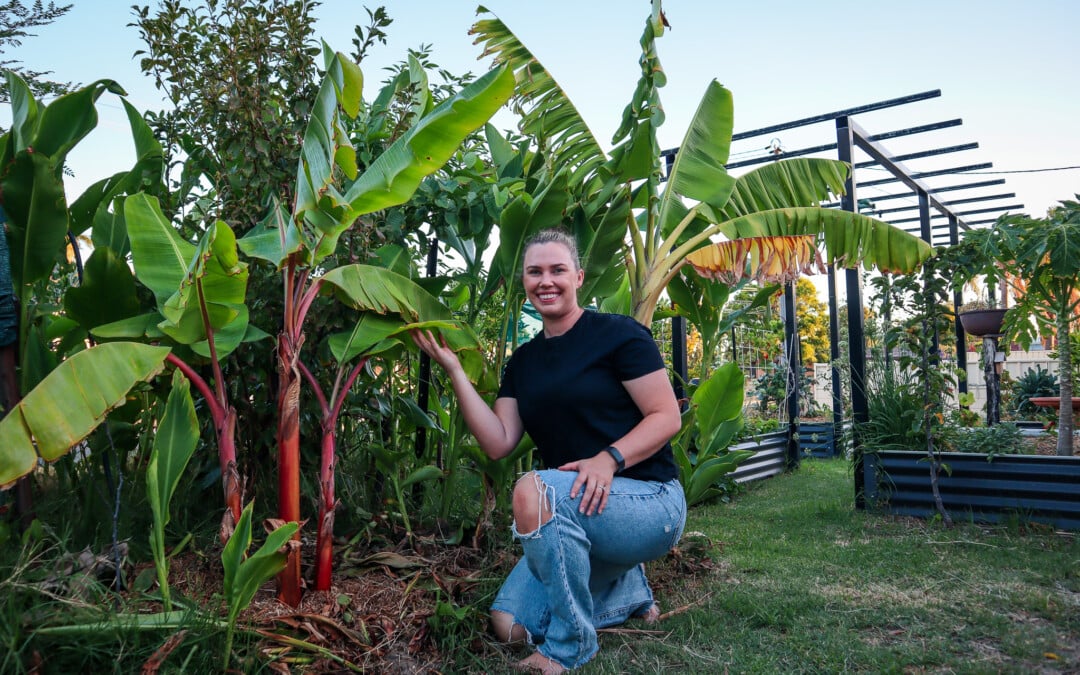
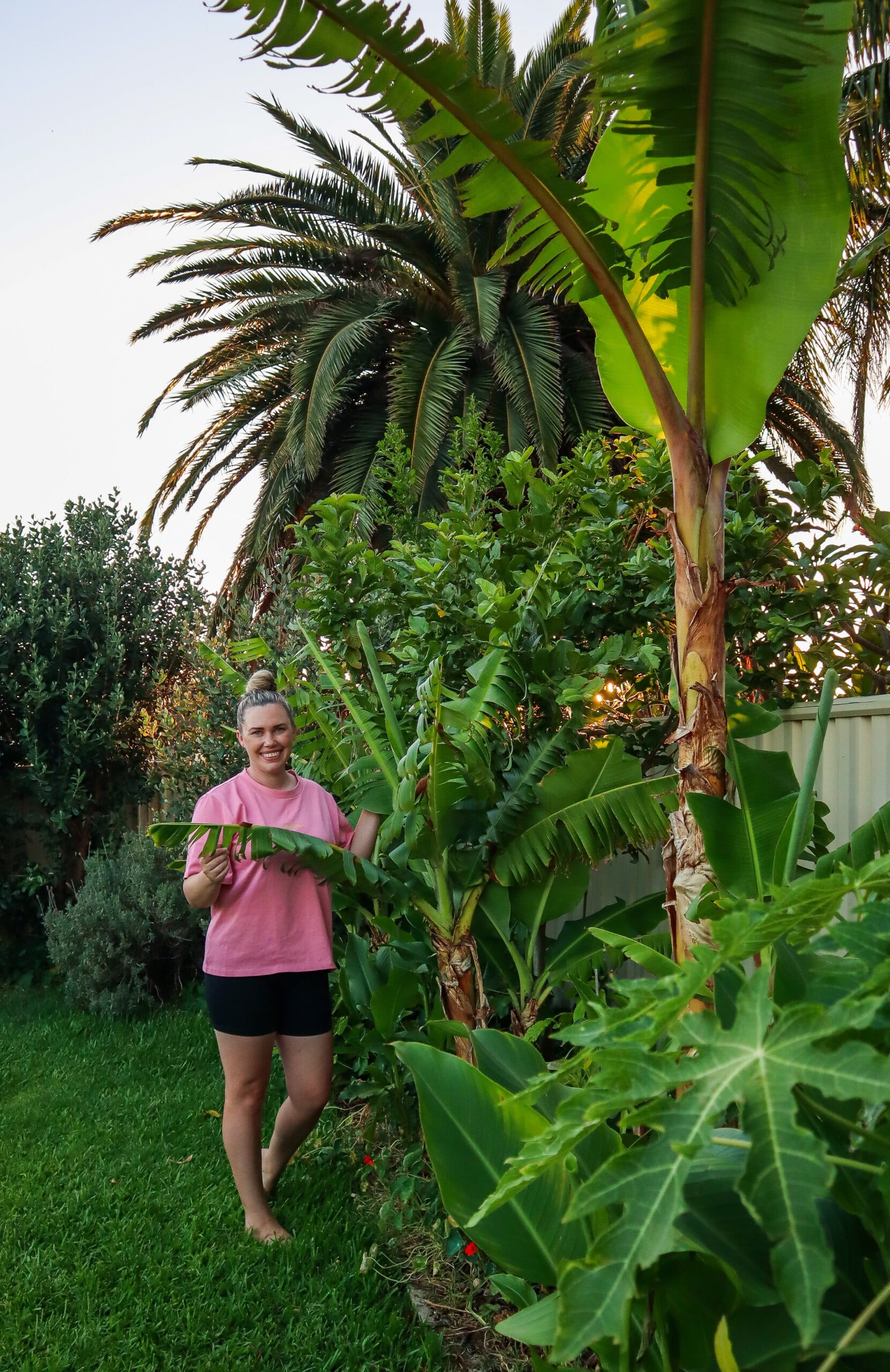
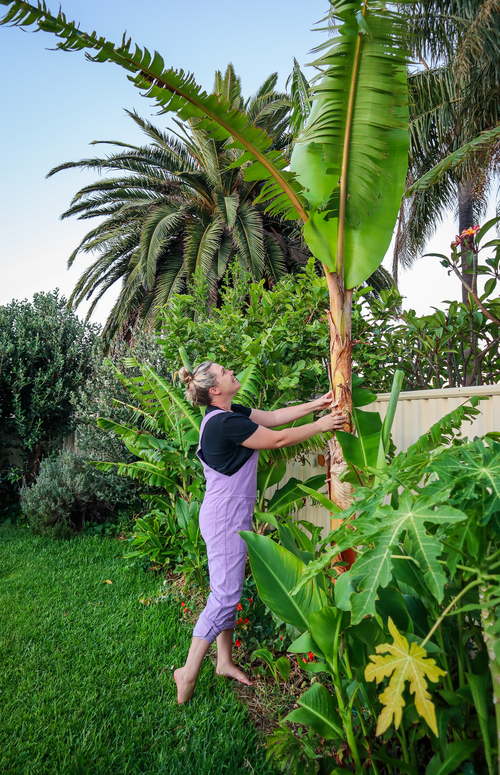
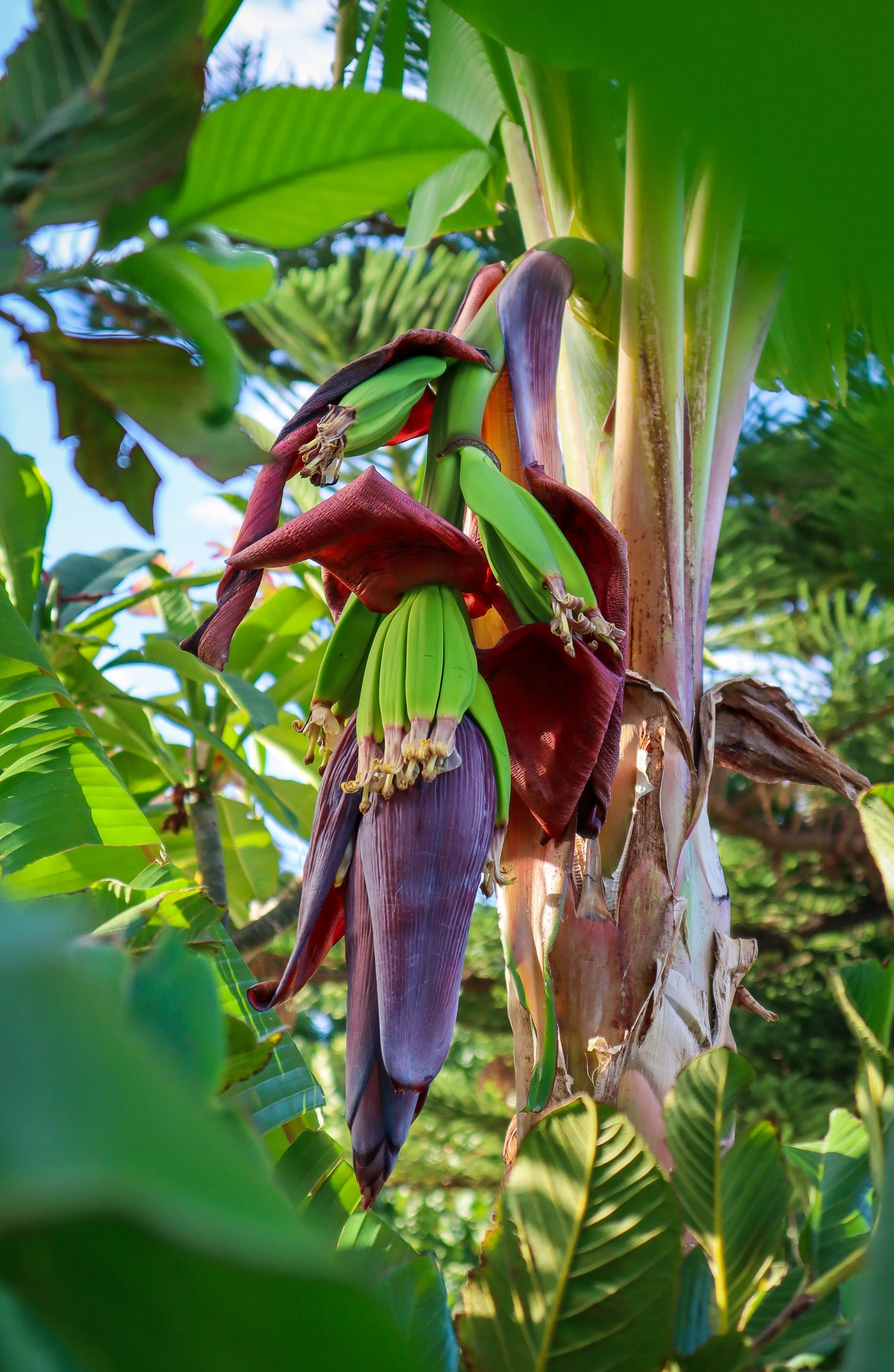
Dwarf Banana: Full-sized banana racks that you can reach without climbing a huge ladder! The shorter varieties get less battered by wind.
Semi Dwarf Fruit Trees
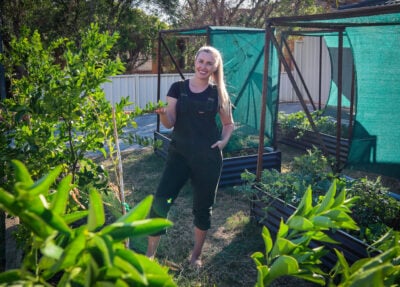
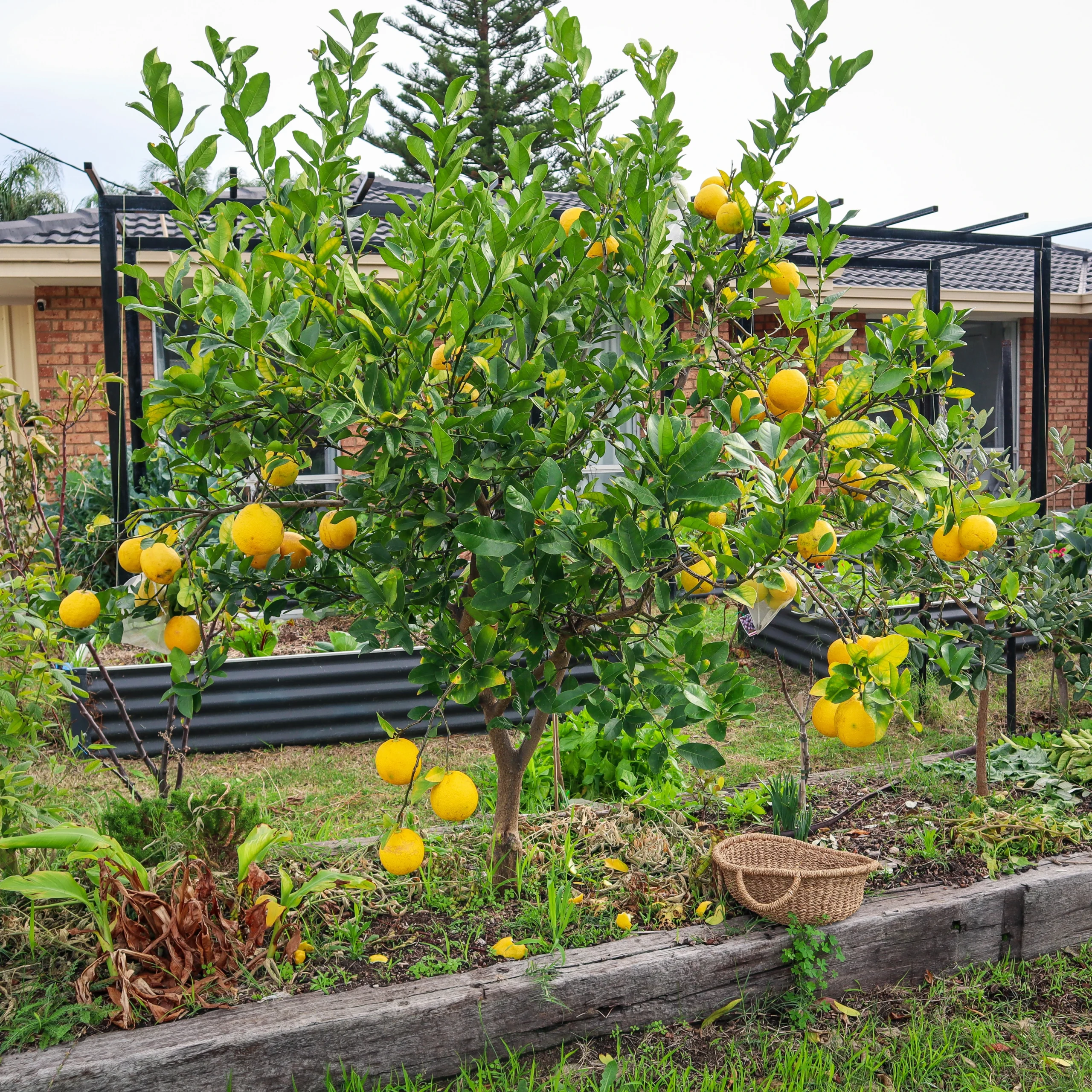
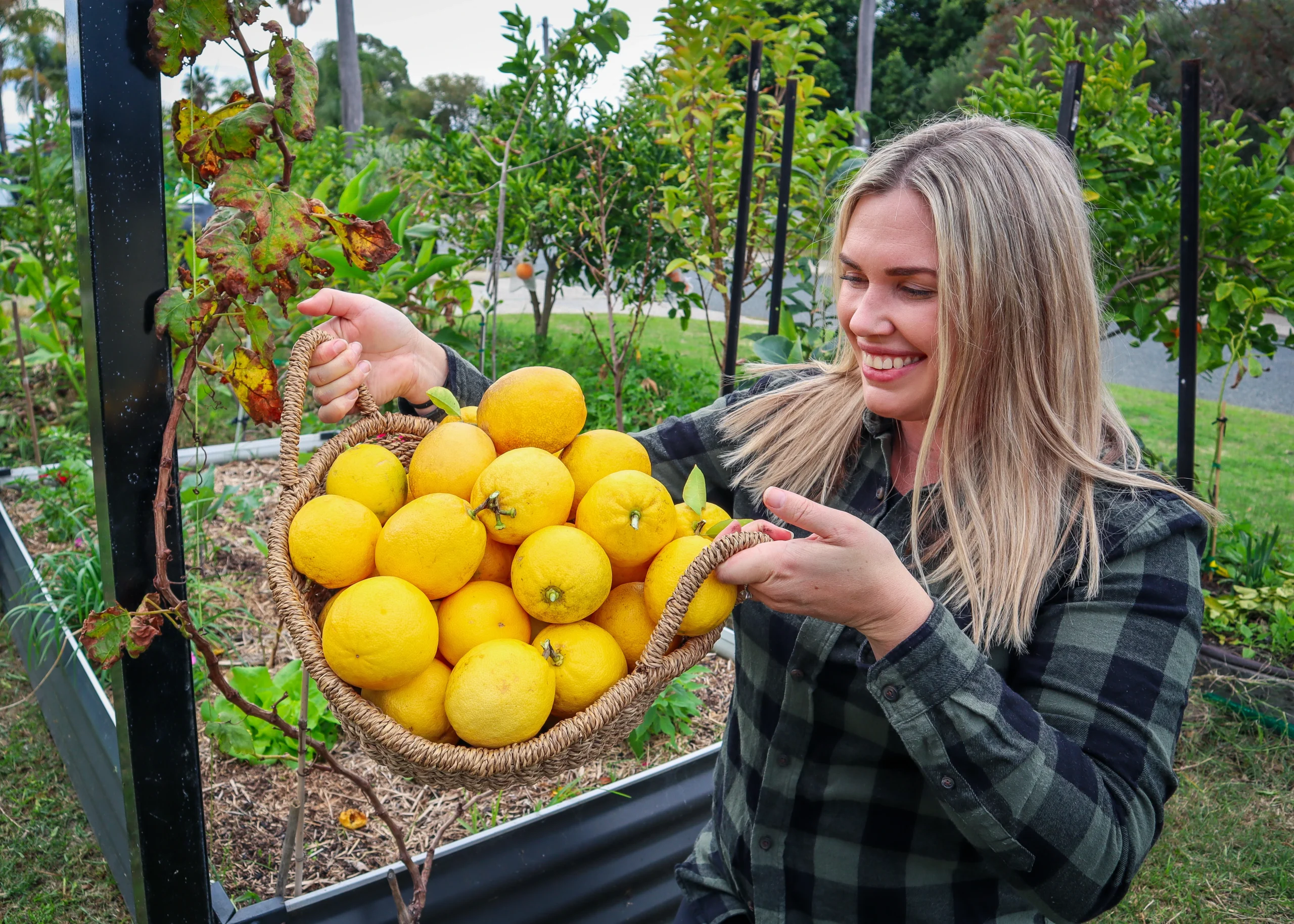
I love semi dwarf fruit trees as they grow faster than a dwarf but not as intensively as a standard. A productive, happy medium if you are prepared to prune. For citrus, I would recommend selecting a semi-dwarf, even for a pot. Like my semi-dwarf Lemonade Tree pictured below! Productive but still manageable. Faster growing and stronger root systems, but still manageable. Larger trees like avocado and mango, I like selecting the dwarf varieties.
Standard Fruit Trees
Standard fruit trees do not hold back. They can get to their mature height within a few years if left unpruned. This also means you can get quick shade and abundant harvests a lot faster! Bigger roots = bigger trees = more fruit.
Great if size is not a problem and you don’t mind a regular pruning routine. After all, pruning can be turned into mulch to feed your garden.
The downside is that if they do get very large and tall, it can make maintaining them a lot harder (or more expensive). Fruit that may be too hard to reach, trees cannot be netted, and then they attract unwanted pests and diseases.
Did you know dwarf fruit trees may not live as long as a standard? Due to their root restrictions dwarf fruit trees may live 10-20 years compared to a stanadard that may live 30+ years!
Dwarf vs Non-Dwarf Bananas
What’s the Difference?
Bananas are often grouped into “dwarf” and “non-dwarf” types, but the key difference isn’t fruit size…It’s plant height and manageability.
- Dwarf bananas typically grow around 2–3.5m tall
- Non-dwarf bananas can reach 4–7m+
Despite the size difference, both can produce similar-sized bunches. The real impact is how they perform in your garden’s conditions.
Wind Resistance
Wind is one of the biggest challenges when growing bananas.
- Dwarf varieties are shorter and more compact, making them far more stable in strong winds. They’re less likely to snap, lean, or topple…especially important in exposed gardens.
- Non-dwarf varieties grow tall with large, sail-like leaves. This makes them much more vulnerable to wind damage, particularly when carrying heavy fruit. They often need shelter or support to prevent falling over. The size and amount of the bananas produced are determined throughout the whole growing period. shredded leaves = less sun captured, which can result in smaller bunches of bananas.
Harvesting
Harvesting is where dwarf bananas really stand out for home gardeners.
- Dwarf bananas produce fruit at a reachable height, making harvesting simple, safe, and ladder-free.
- Non-dwarf bananas Harvesting often requires ladders or tools, and heavy bunches can be awkward and risky to manage.
Other ways to Keep Fruit Trees Smaller? (Size Control Beyond Rootstock)
Marcotting (Air Layering)
Marcotting, also known as air layering, is a method where a branch is encouraged to grow roots while still attached to the parent tree. Once roots have formed, that branch is cut off and planted as its own tree.
Why this matters for size control:
- Marcotted trees grow on their own roots, not a vigorous seed-grown rootstock
- They tend to be less vigorous than grafted standard trees because they have no tap root
- The tree often stays smaller and easier to manage
- Many tropical and subtropical fruit trees respond very well to this method
Commonly marcotted trees include:
- citrus (bush types)
- lychee
- longan
- fig
- mulberry
Marcotting doesn’t create a true “dwarf” tree in the commercial sense, but it often results in a naturally compact, slower-growing tree… especially compared to seed-grown or standard-grafted trees.
Regular Pruning – To Control the Size
This is one of the most overlooked truths about fruit trees: Tree size is something you manage over time. Even a standard fruit tree can be kept small with:
- consistent pruning
- removing vertical leaders
- encouraging horizontal growth
Pruning little and often is far easier than letting a tree grow huge and trying to cut it back later. This approach is commonly used in: backyard orchards, food forests, and espalier systems. Pruning in late summer or autumn after a tree has finished fruiting can help keep the size down.
But…. some trees can mean you do more pruning than it is worth it. This is a personal decision, but I have removed trees for this exact reason! My Mulberry tree was creating more work than I received in fruit, so I ended up removing it to plant something else.
Root Restriction – Containers & In-Ground Methods
Limiting root space naturally limits tree size. This can be done by:
- Growing fruit trees in large pots
- Planting in raised beds
- using root barriers in the ground
While root restriction can reduce ultimate size, it does mean more attention to watering and more attention to soil health and nutrients.
Soil & Fertility Management
Highly fertile, heavily watered soil encourages fast, vigorous growth. In my garden, I have poor sandy soils and low rainfall, so that naturally slows down the growth rate.
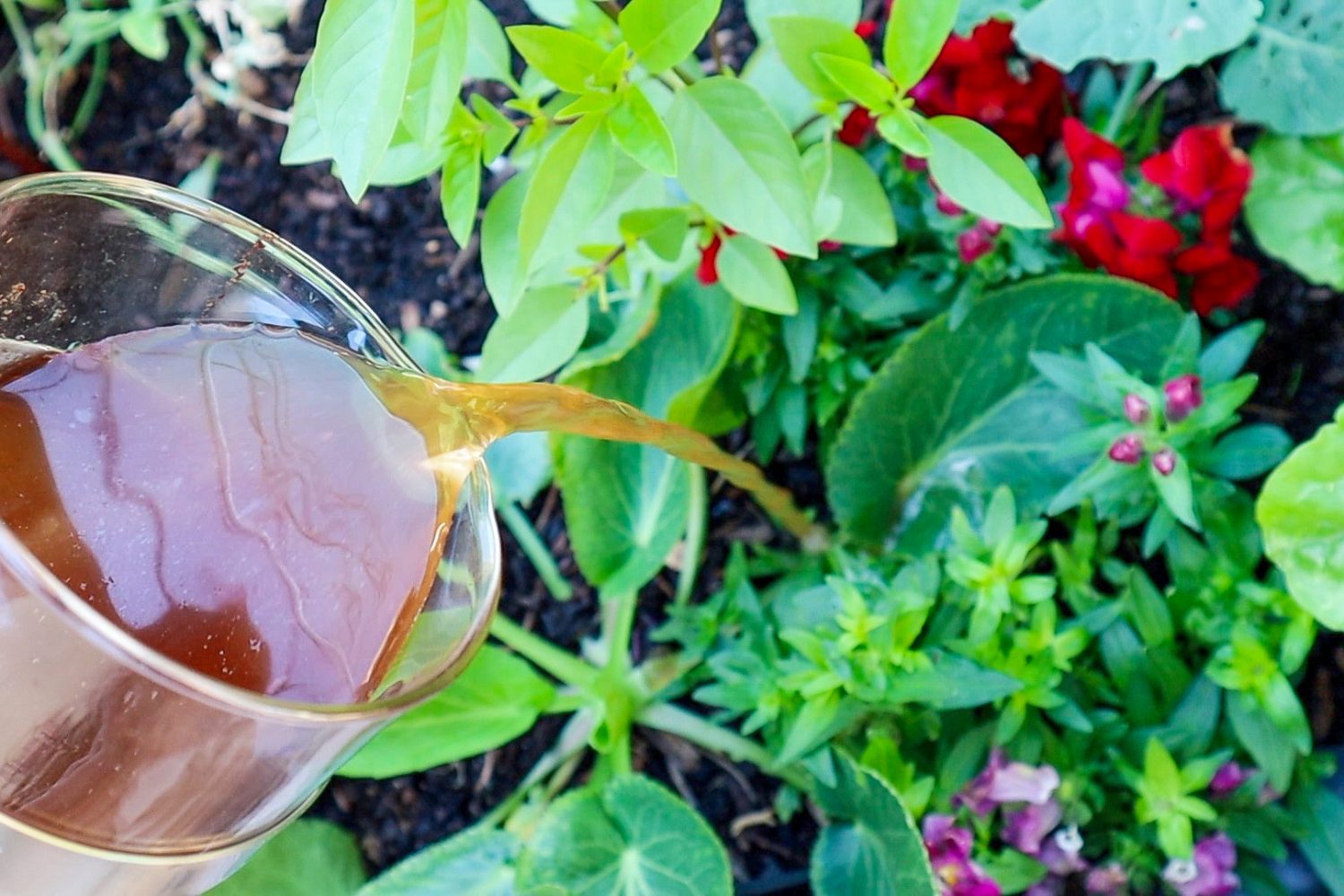
Using natural gardening methods such as chop and drop, composting and worm castings will act as slow-release energy.
Synthetic commercial fertilisers can cause extreme growth rates or yields, which means the trees can grow faster than the roots can keep up with. Leading to snapped branches and damaged trees.
Climate and Conditions
Your climate and conditions can slow the rate of growth in fruit trees. Short summers or cool winters may mean tropical trees like avocado and mango only grow for short periods of the year. Other climates that have optimum conditions could mean the trees grow all year long, resulting in 2-3x faster growth.
Here in Perth, tropicals like Banana, Papaya and Mango slow down and stop growing during the colder winter months (they also lack water during our hot dry summers!). This means our tropical trees do not get as big as quickly as warmer, more tropical locations.
So… Which One Is Right for You?
Choosing between dwarf, semi‑dwarf, and standard fruit trees comes down to a few key questions:
- How much space do you realistically have?
- Do you want low‑maintenance or are you happy to prune regularly?
- Are you growing in a food forest, backyard, or orchard setting?
- Do you want faster, smaller harvests or larger harvests and long‑term canopy trees?
In my own garden, dwarf and semi‑dwarf trees allow me to grow more diversity, more fruit, and manage everything sustainably without spending every weekend pruning.
I tend to avoid dwarf citrus and select semi-dwarf for quicker growth and more fruit. I opt for dwarf Stonefruit, Mango and Avocados where possible.
Due to not using synthetic fertilisers I encourage slow, sustainable growth using natural fertilisers.
There’s no single “best” option… just the best choice for your garden and lifestyle. But in smaller gardens where space is a huge consideration, dwarf and semi-dwarf can be a great way to go!
If you have any questions about growing dwarf fruit trees vs standard, let me know.
Happy gardening 🌱