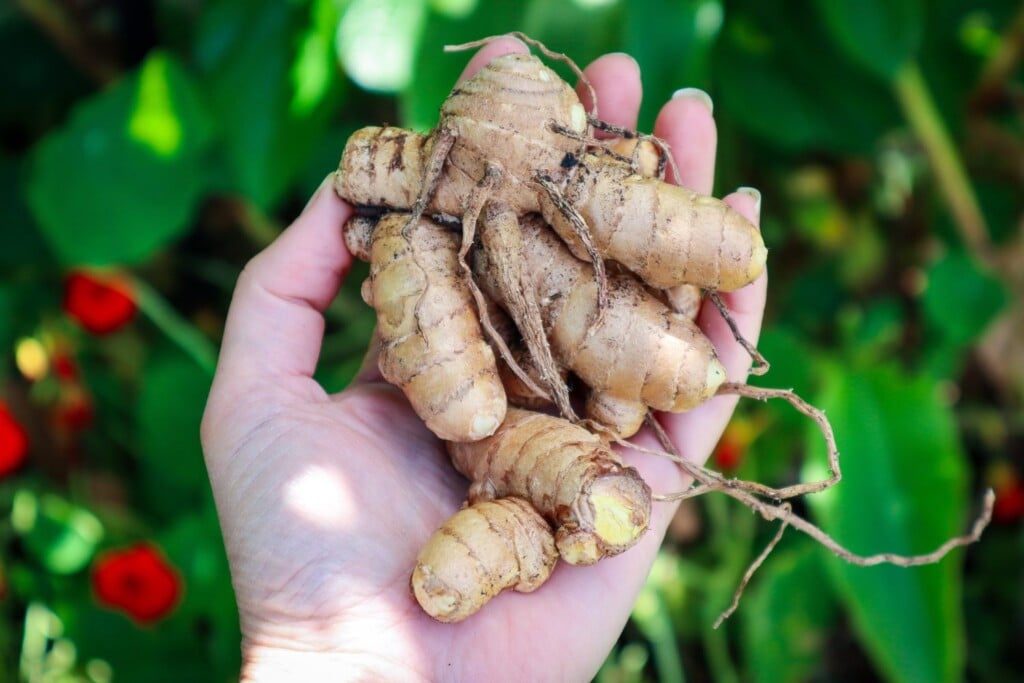
Plant of The Month
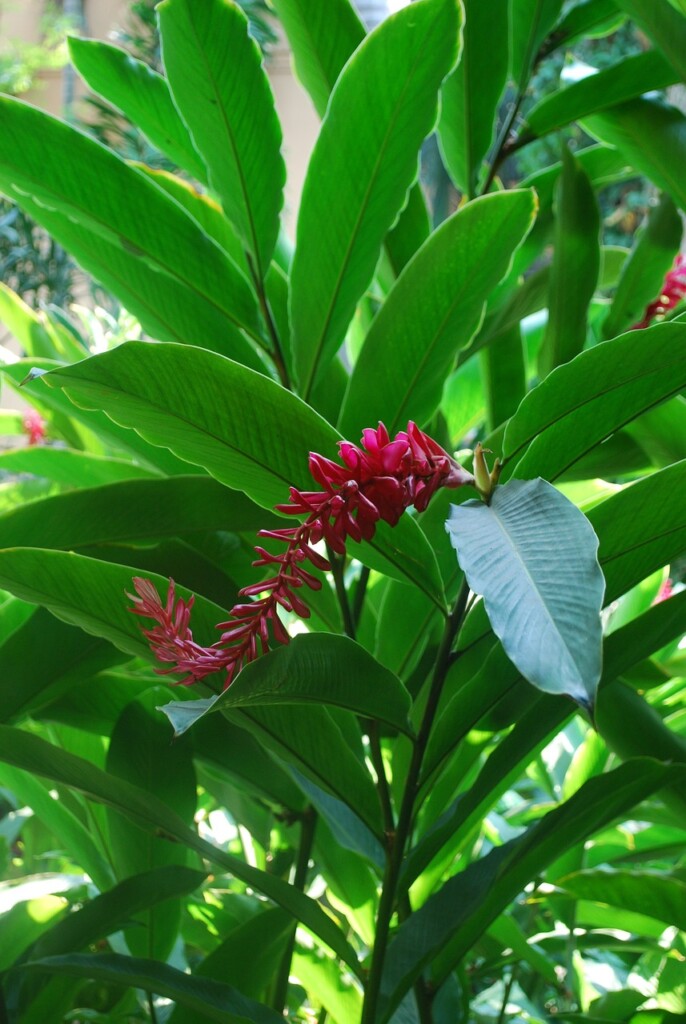
Ginger (Zingerber officinale) is a perennial herb with beautiful lush leaves and produces edible rhizomes that are both flavour-enhancing and medicinal. Ginger is a great addition to your edible garden as it can be grown in pots or as an understory part of your food forest. Ginger easily self propagates and you can divide the rhizomes up to regrow more and more ginger each year. Ginger is a staple for your medicinal garden.
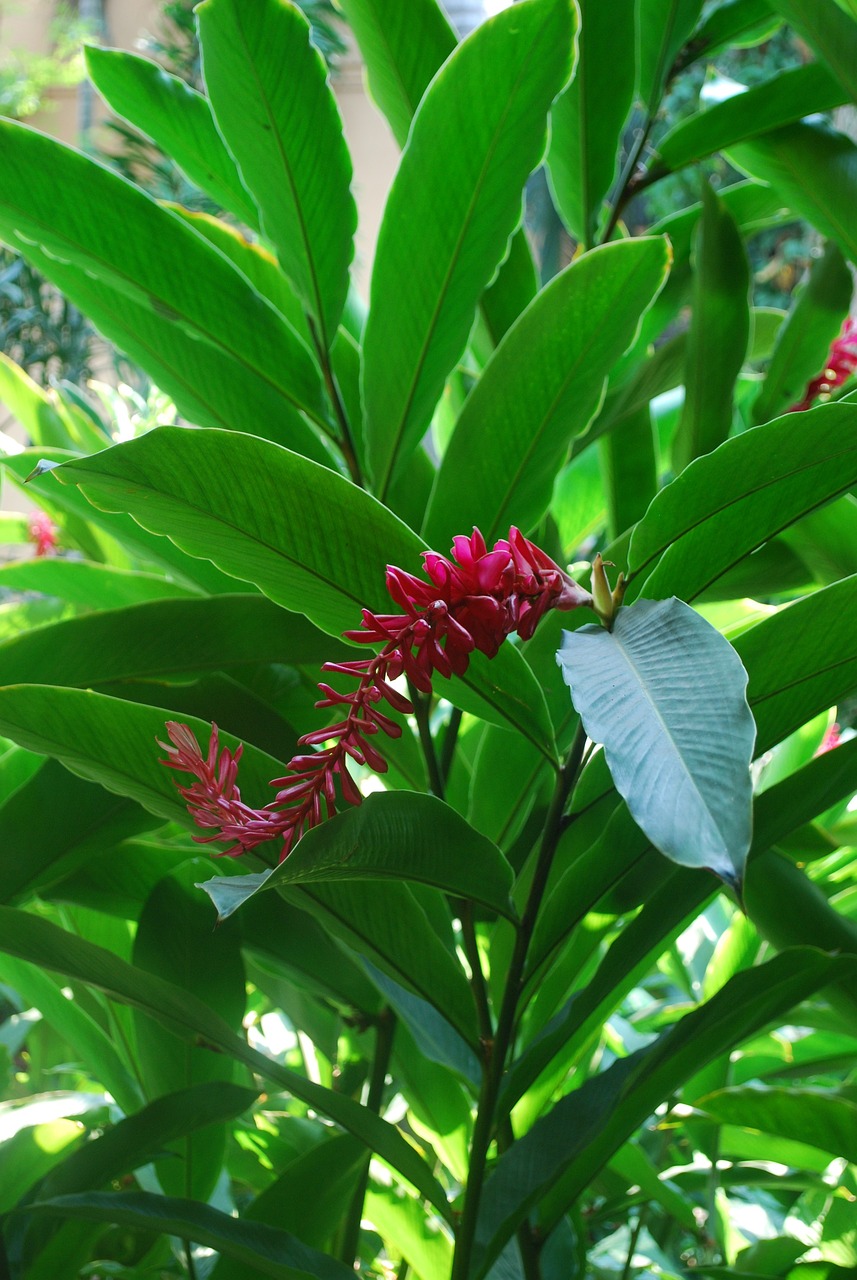
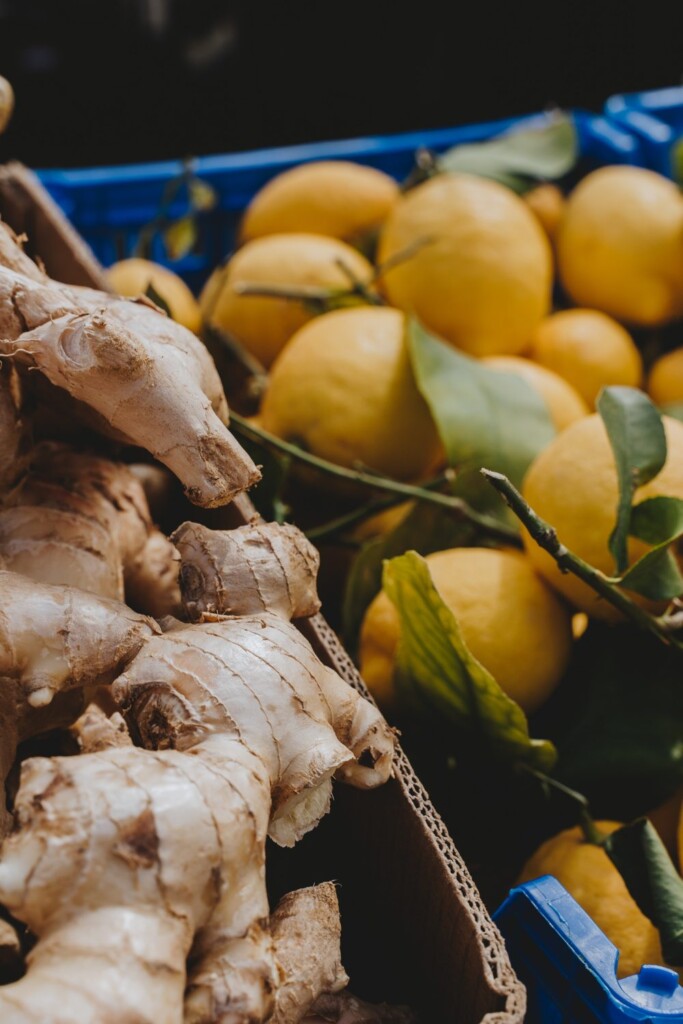
What parts of Ginger are edible?

PLANT
Late winter – early Spring after the last frost.

SOIL
Fertile, moist, well-drained soil. Plenty of compost.

LOCATION
Dappled or part shade position. Sheltered and warm.

CARE
Regular watering.

FERTILISE
Compost teas or liquid fertilisers.

PESTS

HARVEST
Harvest in autumn or 8-10 months after planting. When leaves die off. Harvest all at once or leave some to regrow.

REPRODUCE
Cut the rhizomes into pieces with at least 2 “eyes”. Allow cuts to dry off before planting.
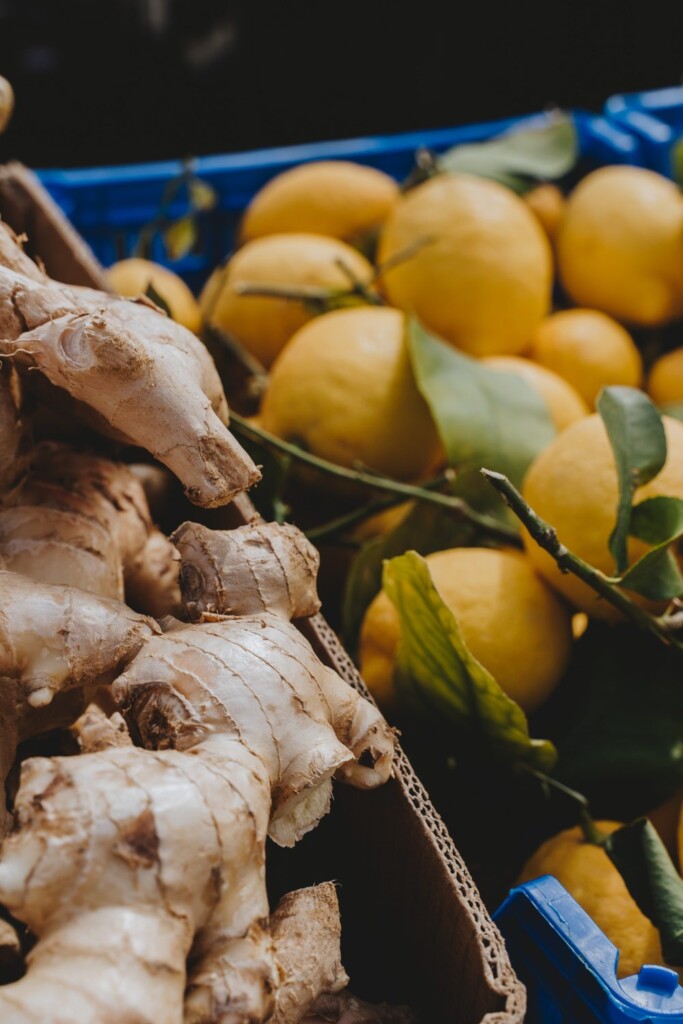
Why Grow Ginger?
Ginger is a slower grower but low maintenance and produces an abundance of rhizomes beneath the surface.
Here are some of the many reasons to grow Ginger
- Easy to grow
- Versatile produce
- Low maintenance
- Aids in nausea
- Antioxidants
- Flavour enhancer
- Visual Aesthetics
- Supports Immune health
- Rich in Vitamin A,B,C
- Can be eaten raw, cooked, or pickled
- Anti-inflammatory properties
Popular Ginger Varieties
Ensure you have edible ginger plants before planting as there are many types of ornamental gingers that can be invasive. Selecting organic locally grown ginger rhizomes from the shops can be a good way to regrow ginger plants.
When to Plant Ginger
Ginger is a warm loving tropical plant. It thrives in humid conditions but can still be grown in a range of different climates. Plant ginger late winter-spring depending on how cold your climate is. Plant after the last frost when temperatures are warming up. Ginger likes temperatures between 20-30 degrees and needs at least 5-8 months to grow. If you live in a cooler climate you may need to start or finish your ginger of indoors or in a greenhouse to keep it warm.
How to Grow Ginger
- Choose a sheltered, sunny spot with dappled or part shade.
- Prepare the soil with rich compost or a pot at least 300mm wide.
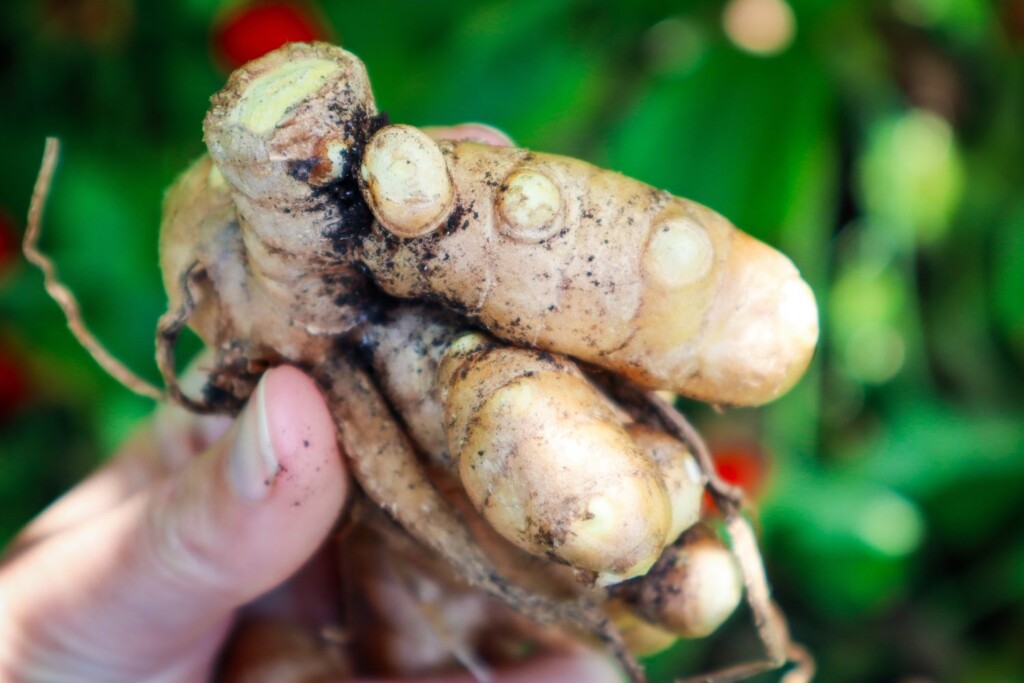
- Cut Rhyzomes into pieces with at least 2 “eyes each. The eyes are on the end of the knobs and have a little circle. Wait a few days until the cuts have dried off to prevent rot.
- Plant 15cm apart.
- You can also plant the whole piece in the ground without cutting it first.
- Ginger can be a little slow to get growing and show through the soil so don’t stress. Keep them moist but not soggy.
Care/ Maintenance
Keep Ginger well-watered but not soggy. Ginger doesn’t like strong winds so protection using larger trees or plant in sheltered locations.
Pests / Disease
Ginger is pretty hardy and will thrive with minimal effort. Use natural pest management.
How/ When to Harvest
- Once the leaves start to die off in Autumn reduce the watering and let the plants start to die down to put energy into the rhizomes.
- You can harvest ginger throughout the growing period the young ginger or “green ginger” has a more mild flavour and can be used raw. Just ensure you don’t disturb the patch too much.
- Once the leaves are all brown dig up the patch.
- You can select some to regrow and plant straight back in the soil.
- Rinse off the soil and remove the roots. These are the skinny smooth parts below the rhizomes.

Reproducing
Ginger is best reproduced by cutting up the rhizomes to produce more plants or left to repopulate on its own. Leaving ginger in the ground without harvesting can help produce an established patch. Then each year in Autumn harvest what you need and leave the rest to regrow.
Cooking and Using Ginger
Ginger can be eaten raw, cooked, pickled or fermented.
Ginger pairs well with: Garlic, onion, chilli, apple, lemon, lime, turmeric, pears, orange, passionfruit, mint, pineapple, coconut, rhubarb, spinach, papaya, guava, asparagus, tamari/soy, milk, nuts
Ginger ideas:
- Salads
- Curry pastes
- Flavoured salt
- Icecream
- Tea
- Baking
- Stirfries
- Refreshing drinks
- Pickled
Preserving the Harvest
Ginger can be easily preserved to use throughout the year.
- Frozen raw
- Fermented
- Dehydrated powder
- Pickled
- Grated and frozen
- Juiced and frozen
Ginger Posts

Simple Homemade Green Curry Paste with Fresh Garden Herbs
Making your own homemade green curry paste is so easy! You will…

Previous Feature Plants