Plant of The Month Info Card
Sunflowers (Helianthus annuus) are beautiful, edible flowers that can grow well in any garden. Sunflowers just like their name suggest, brighten up the day with their large striking flowers and they also attract pollinators to your garden. Sunflowers have a lot of beneficial relationships and within the garden and are on my must grow list every year.

SOW
Spring/Summer

SOIL
Deep, rich compost & well draining.

LOCATION
Full sun. Plant 30cm apart.

CARE
Water at base. Keep mulched.

FERTILISE
Fertilise fortnightly with organic seaweed solutions.

PESTS
Seeds – mice, rats, pigeons. Seedlings – slugs snails. Flowers – birds.

HARVEST
8-10 weeks. Harvest as the petals open.

REPRODUCE
Seeds appear in the centre of the flower.
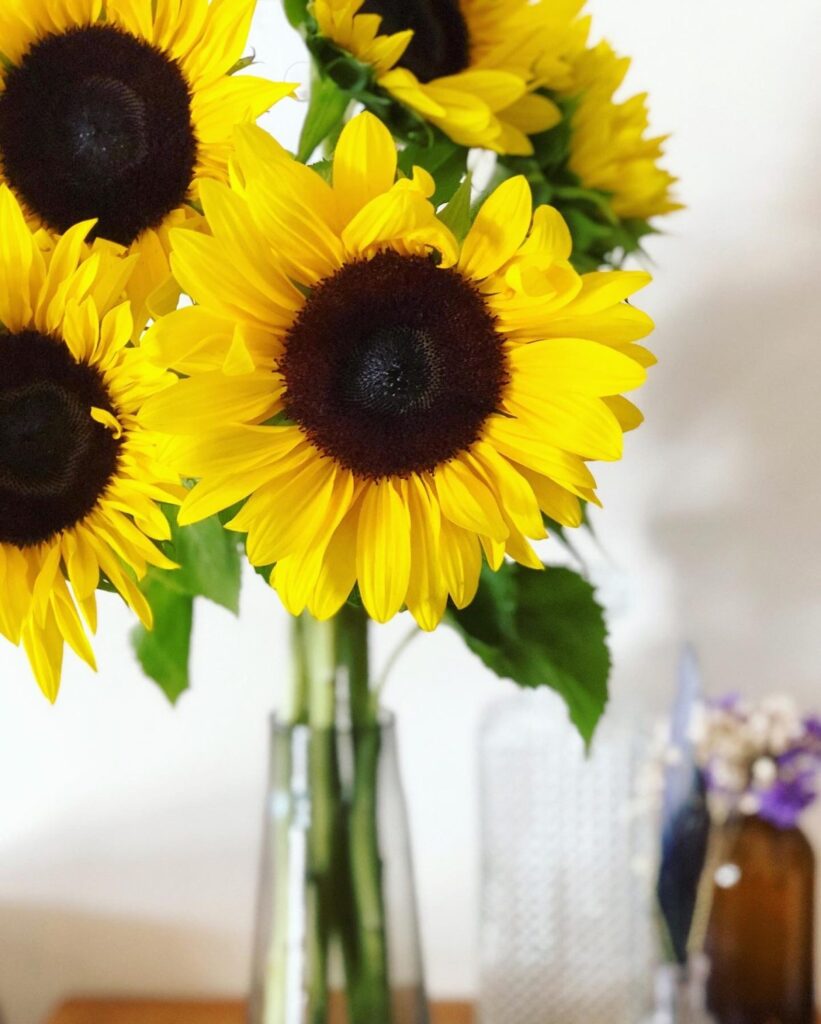
Why Grow Sunflowers?
Sunflowers offer so many beneficial relationships within your garden. They are also known to remove toxins from the soil. This can be a great way to regenerate soil. If you have had spill of chemicals or other sprays have been used on your soil, plant sunflowers to help remove some of these toxins. But of course do not eat any that have been planted in the “bad soil”.
Here are some of the many reasons to grow sunflowers:
- Low maintenance
- Drought tolerant
- Pest resistant
- Attract Pollinators
- Create diversity in the garden
- Add colour to your garden
- Edible flowers, seeds, stalks and leaves
- Add nutrients to your meals
- Aid in soil regeneration
- Bird or animal feed (seeds)
- Make oil
- Natural plant dyes
- Act as a trellis to grow vines up
- Green manure
Popular Sunflower Varieties
‘Mammoth ‘Russian‘– Large single yellow flowers. Grows 2-4m tall. Abundance of edible seeds.
‘Prado Red‘ – Rich red colour. Multiple flowers up to 10 per stem. Grows to 1.5m tall. Remove old flowers to promote extra growth.
‘Van Goghs Landscape’ – Large single traditional yellow flower. Grows to 1.5m tall.
‘Double Dazzler’ – Semi-double single stem flower with tightly packed petals. Edible petals and seeds. Grows to 2m tall.
‘ Evening Sun’ – Striking multi head sunflower. Colours range from red, bronze and yellow.
‘Italian White’ – Pale yellow multi head flowers. Grows to 1.5m tall. Great cut flowers.
‘Moonwalker’ – Pale yellow multi head flowers. Grows to 2m tall. Bushy plant great for screening. Remove old flowers to promote extra growth.
‘Teddy bear’ – Fluffy deep gold double flowers. Multi-stems per plant. Dwarf variety grows up to 50cm tall. Great for pots.
‘Dwarf Sunsation’ – Compact plant with golden yellow flowers. Multi-stems per plant. Dwarf variety grows up to 45cm tall. Great for pots.


How to Grow Sunflowers
Sunflowers like a full sun location. They will turn their head to follow the sun during the day! Sunflowers grow well in most soil but do prefer fertile, free-draining soil. Plant the seeds directly in the soil during spring and summer after the last frost. Plant 30cm apart. Sow seeds in trays indoors first to speed up germination if you are planting late in the season.
When to Plant Sunflowers
Sunflowers are warm weather plants so plant the seeds during spring and summer. There are many varieties available with differing lengths of growth and harvest.
Care/ Maintenance
Keep the plants well-watered on warm days. Mulch the base to keep moisture in and weeds out. For an extra boost you can feed your plants with a liquid seaweed solution every 2-3 weeks. Be aware that your local birds may find your sunflowers once they start to form seeds so you may need to harvest them early and keep in a vase inside to fully open. Plants with multiple flowers on each stem can be “dead headed” (cut old flowers off) to promote more flowers to form. The large single flowering varieties such as the ‘Mammoth’ may need staking to help keep them upright especially with wind or rain.
Pests / Disease
Mice and rats love the sunflower seeds so be aware and if you have an issue with this it may be best to start the seeds off inside until they are seedlings. Slugs and snails may be an issue when the plants are young. Utilise natural pest management . As the sunflowers mature there will be less pests until they flower and attract birds. If you plant plenty there may be enough for you and the local birds to enjoy!
How/ When to Harvest
Harvesting will depend on the variety of Sunflower you have chosen. Read the packet or label to determine the type and length of harvest. Multi- stem flowers can be picked as they flower to promote more growth. Large single head flowers will be ready to pick as their petals open. Leave longer on the plant if you want to harvest the seeds (but before the birds do). Use a sharp pair of secateurs.
Reproducing / Saving Seeds
Sunflower seeds will form in the centre of the flower. These will form last as the petals start to fall off. Pick the flower and hang it upside down somewhere warm and dry (away from any birds, rats or mice). Once the head is completely dry, remove the seeds and place in a tray to dry further for a few days. Once the seeds are all dry place them in a brown paper back and label them with the variety and year of harvest. Keep the seeds in a cool, dry dark place ready to plant again the following year.
Cooking and Using Sunflowers
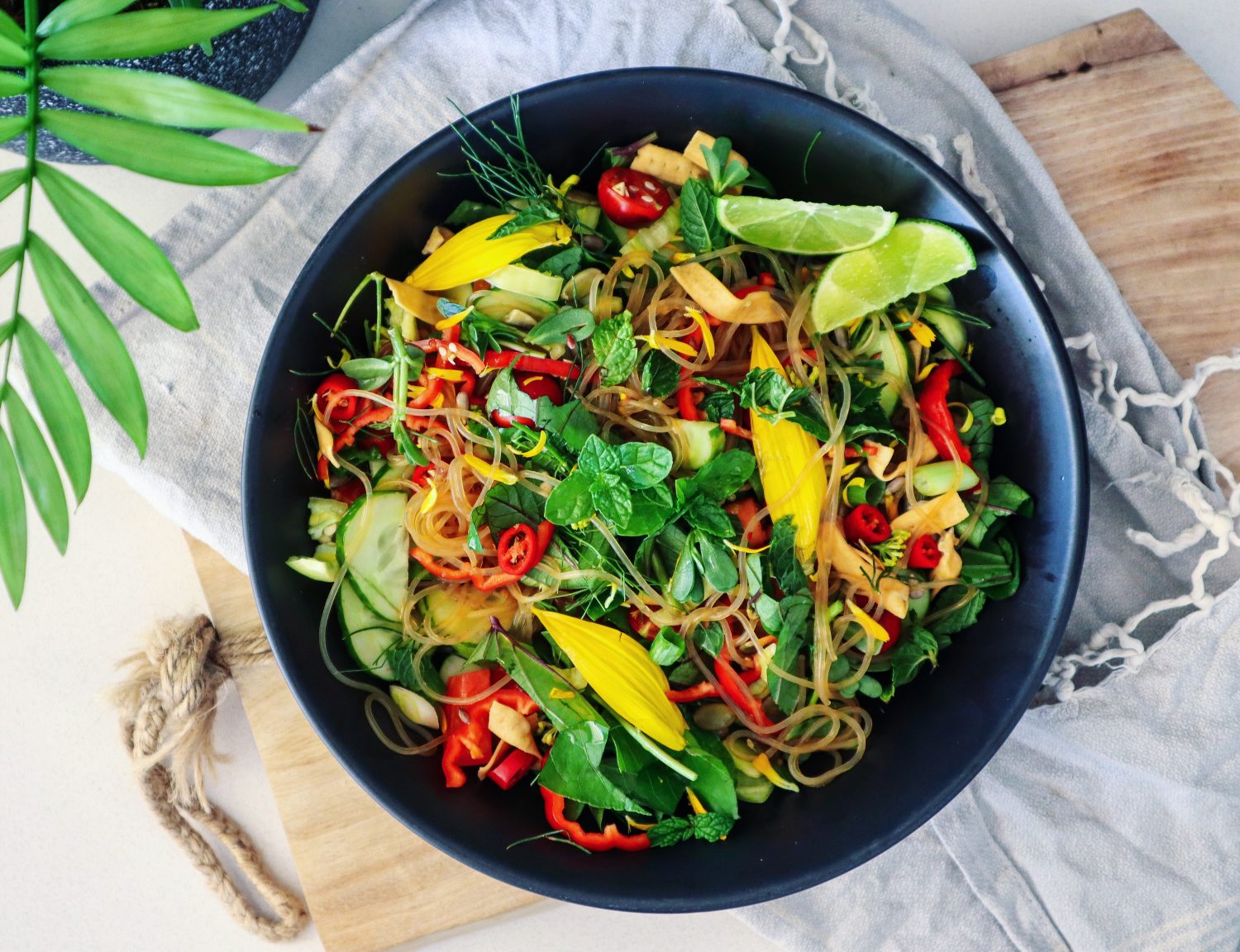
Sunflower petals and seeds can be eaten fresh. The seeds can also be pressed using specialty equipment to make vegetable oil. The petals can be used fresh in salads or baking as garnish. The petals can also be used to make natural dyes. The sunflower leaves can be used just like spinach or collard greens. The younger leaves are best. The young stems can also be used fresh or cooked.
Preserving the Harvest
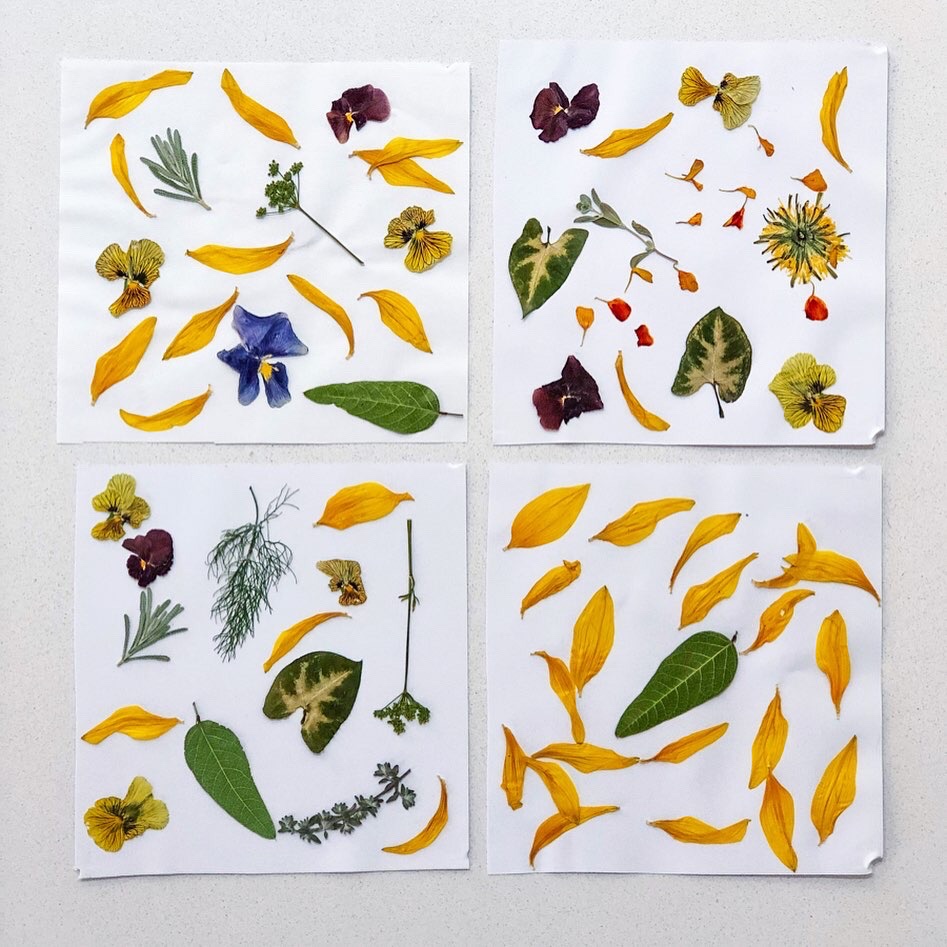
Sunflower petals can be preserved by pressing or drying and keeping in an airtight container. These can then be used to add bright colourful edible flowers to any meal throughout the year. Sunflower seeds can be dried and kept in a jar to use in cooking by roasting the seeds.



Sunflower Posts

Beginners Guide to Edible Flowers
Edible flowers offer so many beneficial relationships within a home garden. When creating a sustainable

Previous Feature Plants