How to Create Windbreaks to Reduce Heat Stress and Protect Your Garden This Summer

How to Create Windbreaks to Reduce Heat Stress and Protect Your Garden This Summer

In hot climates, heat isn’t the only thing stressing your garden – create windbreaks to reduce heat stress and protect your garden this summer. Here in my Perth garden, summer not only brings disgustingly hot temperatures (40+ degree club) but it also brings HOT WINDS to double the heat stress. Wind pulls more moisture from leaves, dries soil faster than the sun ever could, and turns hot days into survival mode for plants. Even a “mild” breeze can double water loss in summer, which means wilting, leaf scorch, poor fruiting, and stressed soil life! Most summer gardening advice focuses on sun and water…But in hot climates, windbreaks and shade are key! If you’re gardening in heat, windbreaks are one of the most underrated tools for building a resilient, productive summer garden.

Why Wind Is So Damaging in Hot Climates

In summer, plants are already working hard to stay cool. They regulate temperature by releasing water through their leaves (transpiration). Wind forces this process to speed up. Creating windbreaks for heat stress will help your gardens survive a hot summer!

The result: Faster moisture loss from leaves, increased evaporation from soil, reduced humidity around plants, and greater demand on root systems. This creates compound stress: Heat stress + wind stress means plants end up burnt and crispy faster! That’s why a garden can fail in summer even when you’re watering well.

What a Windbreak Actually Does for Heat Stress

A windbreak doesn’t stop wind completely…instead, it slows and filters airflow, creating a calmer environment for plants to thrive. By reducing the speed of the wind, it lowers evaporation from both soil and leaves, helping your garden retain moisture more effectively. Young plants and fruit trees benefit particularly, as they are less stressed and more likely to grow strong. Even partial wind protection can reduce wind speed by 30–50%, producing a noticeable improvement in plant health and water retention throughout the garden.

Where Windbreaks Matter Most in Hot Summer Gardens

Front yards and newly established gardens tend to be hit hardest because they’re often open on multiple sides, with little existing shelter. This creates a funnel effect and increases the speed of the winds. Exposed sites and sandy soils make the problem worse, as moisture is already quick to drain, and wind accelerates drying even further.

Here in my garden the the western and south-western sides of the garden are usually the most vulnerable. This is where hot afternoon winds arrive, compounding heat stress at the exact moment plants are already struggling to cope. Summer winds tend to be predictable, so it is important to work out which direction your garden is getting hit with. You may live near the coast and have a strong afternoon sea breeze or swirling winds from nearby buildings.

Also, some plants just really hate wind more than others! Trees like avocado, banana, tamarillo, papaya, and even young citrus really do not like wind. Their large, soft leaves lose moisture quickly, stems snap or bend under pressure, and growth often stalls despite good soil and regular watering. In windy conditions, these trees may survive, but they rarely thrive or are productive. Tall Banana leaves can get shredded, and that causes a huge reduction in photosynthesis – resulting in smaller banana racks or none at all….

How to Create Effective Windbreaks to Reduce Heat Stress in the Garden

The most successful windbreaks don’t try to block wind completely. Instead, they slow it down, filter it, and soften its impact. Solid walls or fences often create swirling winds, sending fast-moving air over the top and around the edges. A good windbreak works with airflow, not against it.

In summer gardens, wind protection usually falls into three categories: living windbreaks, temporary windbreaks, and permanent structures. Many gardens use a combination of all three, especially while new plantings are establishing.

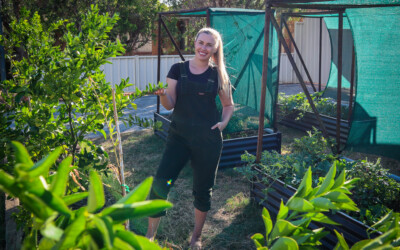
I prefer to use living windbreaks in the garden, but while I’m waiting for these to establish, I set up temporary relief around more vulnerable plants such as Avocados.

Living Windbreaks: The Most Effective Long-Term Solution

Living windbreaks are the ultimate goal for long-term sustainable gardens in hot climates. Because they’re permeable, they reduce wind speed gradually rather than deflecting it harshly, creating calmer, more stable growing conditions – which we like! And so will your plants.

Well-chosen and placed plants also provide multiple benefits beyond wind protection — shade, organic matter for chop & drop, habitat for beneficial insects, and often food. Having plants that have multiple uses and benefits will skyrocket your garden’s success!

Good options for hot climates include pigeon pea, moringa, pomegranate, mulberry, feijoa, katuk, queensland arrowroot, natives, and clumping bamboo (always clumping, never running). These plants handle heat well and respond positively to pruning, making them easy to shape over time. Some, like the Mulberry and Pomegranate, are deciduous, so they will let light in during winter. If you want wind protection or privacy screening all year round, go for an evergreen tree such as Feijoa or Pigeon pea.

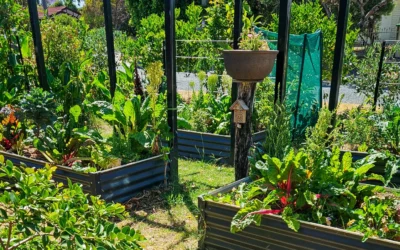
I have recently planted a bunch or queensland arrowroot and pigeon pea around the western sides of my raised garden beds. These will grow fast to offer protection from the hot afternoon sun. Helping not only shade the annula veggie patch but also reduce the sides of the garden beds from heating up.

The key to success is layering. A mix of heights and leaf textures filters wind far more gently than a single solid hedge. Taller trees slow high winds, shrubs reduce mid-level airflow, and ground-level plants protect soil from drying out. As a bonus, living windbreaks improve the overall resilience and productivity of the garden as they mature. If you don’t need them during a season, then you can cut them back to let light in or increase airflow during the wet season. Essentially, growing a windbreak and your own mulch or fertiliser.

Plants That Make the Best Living Windbreaks and more!

A living windbreak doesn’t just slow wind, it can also feed your garden, protect your soil, and improve the microclimate. Choosing plants with multiple benefits ensures your windbreak contributes to long-term garden productivity.

Using Native Plants for Hardier Windbreaks

Native plants are often underappreciated in hot, windy gardens. Because they’ve evolved in local climates, many are naturally hardy, drought-tolerant, and well-adapted to cope with constant airflow. Their sturdy, scrubbing growth habit makes them particularly effective as living windbreaks, creating dense layers of protection without requiring excessive maintenance.

Using native trees and shrubs can also boost biodiversity, providing habitat and food for local birds, insects, and beneficial wildlife. Many species are evergreen, giving year-round wind protection. By selecting a mix of heights, textures, and flowering times, you can build a multi-functional windbreak that slows wind, stabilizes soil, and adds so much value to the garden, as well as creating windbreaks for heat stress! I plan to have a row growing along my verge to act as a buffer from the road, not only providing wind breaks but also plenty of food for the pollinators.

Some examples of hardy native windbreak plants for hot climates include:

  • Acacia spp. – Nitrogen-fixing, fast-growing, excellent for screening.
  • Callistemon / Bottlebrush – Dense, flowering shrubs that tolerate heat and wind.
  • Grevillea spp. – Evergreen, drought-tolerant, attracts pollinators.
  • Leptospermum spp. (Tea tree) – Tough shrubs or small trees, wind- and drought-hardy.
  • Eucalyptus spp. (small varieties) – Provide taller screening with minimal water once established.

By integrating natives into your windbreak design, you not only protect your more delicate plants but also create a resilient, self-sustaining garden ecosystem. In combination with perennials, annuals, and temporary barriers, natives make wind protection both effective and beautiful.

Temporary Windbreaks: When You Need Protection Fast

Not every garden has the luxury of time. New plantings, heatwaves, or exposed sites often need immediate protection while permanent solutions are slowly establishing. Temporary windbreaks are not always the most aesthetic…. but they can dramatically reduce stress in a very short time.

  • Shade cloth at 30–50% allows airflow while slowing wind speed.
  • Mesh fencing and trellises act as effective filters, especially when combined with climbing plants.
  • Tall, fast-growing seasonal crops like corn, sunflowers, or sorghum can also act as living wind buffers during the hottest months.

These short-term solutions are flexible and forgiving. They can be adjusted, moved, or removed as conditions change, and often become part of a longer-term windbreak strategy rather than a wasted effort.

Permanent Structures: Supporting the System

Fences, walls, sheds, and pergolas can all form part of a broader windbreak system to reduce heat stress when combined with planting. On their own, solid structures tend to create wind tunnels and pressure points, but softened with plants or placed strategically, they help redirect and slow airflow across the garden. Planting vertical climbers can not only reduce the speed of the wind but also help cool it down. Passionfruit is a great heat-tolerant climber that can help soften permanent structures, or try grapes for a deciduous option.

The most resilient summer gardens rarely rely on a single solution. Instead, they build layers of protection over time, starting with temporary measures and evolving toward living windbreaks that grow more effective with each season.

Plants That Struggle in Hot Windy Gardens

Some plants simply don’t cope well with high winds. Wind can tear leaves, stress stems, accelerate water loss, and stunt growth in these species. Knowing which plants are vulnerable helps you place them wisely and protect them with windbreaks.

  • Avocado (Persea americana) – Large, soft leaves and shallow roots make it prone to leaf damage and windburn.
  • Banana (Musa spp.) – Tall, flexible stems and wide leaves shred easily, resulting in poor growth and production. They also topple over easily.
  • Tamarillo / Tree Tomato (Solanum betaceum) – Fragile stems and leaves are easily damaged, affecting fruit production.
  • Papaya (Carica papaya) – Tall, thin stems with large leaves are highly susceptible to wind stress.
  • Young citrus (especially lemon, lime, and mandarin) – Small branches can snap, flowers drop, and young trees struggle in constant wind.
  • Soft-leafed subtropicals – Any tender, large-leafed plant benefits from partial wind protection until established.

Maximising Your Windbreak to Reduce Heat Stress

The key to a resilient windbreak for heat stress is layering plants of different heights and growth habits. Tall trees or fast-growing perennials slow high winds, shrubs reduce mid-level airflow, and annuals or low-growing perennials fill in gaps and protect soil. Combining food, mulch, and nitrogen-fixing plants ensures your windbreak contributes to soil fertility, provides food, and stabilises the microclimate for your main crops. Even a small suburban garden can benefit from a multi-layered, multifunctional windbreak, giving you calm, protected spaces, improved yields, and less stress in a hot climate!

Happy Gardening,

Holly

How to Protect your Garden from Heat in a Hot Climate (And Keep It Thriving All Year)

How to Protect your Garden from Heat in a Hot Climate (And Keep It Thriving All Year)

If your garden struggles every summer, you’re not alone! Trying to protect your garden from Heat in a hot climate, especially in places like Perth… is tough! The sun is so harsh, and summer seems to drag on forever! The soil dries out faster, and plants need backup systems to survive. But it doesn’t have to be a struggle… I want to share everything I’ve learned from growing in a hot climate like Perth, and what I wish I had done sooner….to help keep your garden thriving through a hot summer!

Start Your Garden with Hardy, Heat-Tolerant Plants

A resilient summer garden starts with strong foundations. Hardy plants give structure, create shade, and protect more sensitive species as your garden matures. Think of them as your garden’s framework. This is a garden design strategy I have used since starting my edible gardens, and now that I have more established trees, I have started adding in the more sensitive tropicals. Begin by creating the growth structure from heat-tolerant plants that support everything else. Plant these in hot spots near driveways or to protect your garden from the hot afternoon sun.

Use hardy trees and shrubs on the outer edges, such as:

These plants work as windbreaks, reduce evaporation, cool the garden, and help create microclimates. I focus on planting these in hot spots near driveways or bordering the areas that get hot afternoon sun. Then bring in deciduous trees (like stone fruit) closer to your annual garden beds to provide your patch with much-needed shade in summer but let the sunlight in during winter. And don’t forget perennials!

Grow Living Shade! The Best Way to Keep Your Garden Cool

Fast-growing “living shade” is honestly a game-changer to easily protect your garden from heat… even if it’s temporary. Use quick growers to create a shady “umbrella-like” canopy by planting things like:

  • Moringa
  • Papaya
  • Pigeon pea,
  • Cassava
  • Banana
  • Mulberry

These plants grow fast, create dappled shade, and cool the entire garden. They also act as temporary “nurse plants” for your fruit trees. These don’t need to be permanent. You can utilise them for a few years while your main trees grow, then take cuttings, save seeds and chop and drop them to create mulch and organic fertiliser. I have grown mulberries from a cutting, and after a few years of harvesting fruit and utilising the shade, I have removed them to give my other trees the space they need.

Mulching & Groundcovers to Protect Your Garden from Heat

Something I have learned from gardening in sandy soil is the importance of continuously adding fibre and nutrients to my soil. If you’re in a dry, hot climate like me here in Perth, growing mulch plants could save your garden! Use living mulches like sweet potato, pumpkin, New Zealand spinach, and Nasturtium to protect bare soil and suppress weeds. Mulching doesn’t just help retain moisture…It also protects the shallow feeder roots of fruit trees from getting hot and cooked! And the bonus… mulch breaks down into compost, feeding soil microbes and improving soil structure over time.

Add Vertical Gardens

Adding vertical structures like trellises, arches, and fences for climbers (passionfruit, beans, grapes, cucumbers) creates natural shade for the garden beds underneath. Creating micro-shade pockets. Plan your layout to off the best shade for your garden. Growing edible climbers that are deciduous can be a great way to create summer shade, but let the light in during winter when they lose their leaves. I have grape vines growing over my raised garden beds to add summer protection from the heat, produce delicious crops and also allow winter sun to reach my garden.

Watering Strategies for Extreme Heat

Most plants die in heatwaves because they’re watered incorrectly — not because they’re not watered enough. Water deeply and less often. Deep watering encourages deep roots, which makes plants far more heat-tolerant. Consistency is also important. Long periods without water can cause the soil life to die, and the soil will become hydrophobic. Think of your soil as alive (it is) and that you are watering to feed the microbes, not just the plants. Happy, healthy soil will reward you with happy and healthy plants!

Most plants die in heatwaves because they’re watered incorrectly…. not because they’re not watered enough.

✔️ Water deeply and less often- Deep watering encourages deep roots, which makes plants far more heat-tolerant.

✔️ Cover your soil – whether that is with mulch, ground covers/living mulch or even better, a combination of both! This will help retain moisture and keep the soil alive.

✔️ Consistency is also important. Long periods without water can cause the soil life to die, and the soil will become hydrophobic. Think of your soil as alive (it is) and that you are watering to feed the microbes, not just the plants. Happy, healthy soil will reward you with happy and healthy plants!

✔️ Best times to water: early morning (best) or late afternoon (second best). Avoid midday watering — 80% of the water evaporates, and water on the leaves can burn your plants.

✔️ Sandy soils can also drain water fast and can easily become hydrophobic. It is important to add fibre by increasing the organic matter. This can be done by adding compost, manure, chop and drop and mulching.

High-Density & Succession Planting to Create Microclimates

This is honestly one of my biggest summer survival strategies…High-density planting helps shade the soil, reduce evaporation, minimise hot wind, and create cooler microclimates. Plants actually protect each other… more foliage means more shade and less moisture loss.

Annuals – Fill gaps quickly with fast growers like basil, bush beans, or herbs.

Perennials – Use mulch plants, nitrogen fixers, low shrubs, tall canopy plants, hardy fruit trees, and ground covers to fill all the gaps.

Succession planting fruit trees is a concept I dabbled in early on, but I wish I had gone harder! Planting from seed and cuttings will allow you to plant more and utilise high-density without the fear of deleting them later down the track. High-density doesn’t mean overcrowding… it means layering, timing, and letting plants work together… instead of cooking alone. They don’t ALL need to be permanent…some can be “nurse trees” until your “main fruit trees” are established.

What to Do Before a Heatwave Hits

When a heatwave is in the forecast, a little preparation can make the difference between a thriving garden and a fried one. These quick actions help your plants stay hydrated, cool, and protected during extreme temperatures — and they take less than an hour to set up.

  1. Water deeply the night before – Give your plants a long, slow soak so the water reaches deep into the root zone. Moist soil holds temperature better than dry soil and keeps plants stable through the hottest part of the day.
  2. Add temporary shade cloth – A simple 30–50% shade cloth over garden beds, young fruit trees, or tender plants such as avocados and young tropicals can prevent sunburn and drastically reduce heat stress and wind damage. Even a beach umbrella or an old sheet works (allow airflow).
  3. Move pots into shade or under cover – Potted plants heat up far quicker than plants in the ground. Move them against a cool wall, under a patio, or beneath a tree canopy to protect their roots from overheating.
  4. Mulch any exposed soil – Bare soil is the fastest to dry out and heat up. Add a thick layer of mulch around fruit trees, garden beds, and seedlings to keep the soil cool and reduce evaporation.
  5. Water deeply early in the morning – Give your plants a long, slow soak at sunrise. This allows the water to move deep into the soil before the sun becomes intense. Moist soil holds temperature better than dry soil and helps your plants stay hydrated throughout the day.

Grow and Chop-and-Drop Your Own Mulch

I think one of the best ways to protect your garden from heat is to grow your own mulch. It not only offers shade when you need it, but you also get to chop it back to create your own organic mulch or fertiliser. This will help feed your soil and, in turn, improve the water retention! a WIN-WIN. When your garden produces its own leafy biomass, you have a constant supply of materials that cool the soil, protect roots, and feed the microbes that build long-term resilience. It’s a system that works with your climate instead of against it.

Great chop-and-drop plants for hot climates include:

  • Pigeon pea – fast-growing, drought-tolerant, nitrogen-fixing
  • Queensland Arrowroot – Repopulates fast with water-filled stems
  • Moringa – rapid growth and abundant leafy material
  • Lemongrass – dense, fibrous clumps that suppress weeds
  • Cassava – hardy, productive, and perfect for biomass
  • Mexican sunflower (Tithonia) – one of the fastest biomass producers

These plants bounce back quickly after pruning and thrive even in harsh conditions. Each layer protects the roots from harsh sun, reduces water loss, and breaks down into organic matter that improves soil structure over time. It’s the most sustainable long-term strategy for gardeners in hot, dry climates.

🌱 Want a deeper guide to mulch plants, chop-and-drop strategies, and soil-building techniques?

You’ll love my ebook How to Grow Your Own Natural Fertiliser, where I break down exactly how to select, grow, and use mulch plants to create a self-feeding, low-maintenance garden. It’s packed with practical tips specifically for hot climates and sandy soils.

Happy Gardening,

Holly