Summer is a busy time in the garden and also in life! It can often feel overwhelming with harvesting, watering, and generally trying to keep your garden alive during hot periods, all whilst trying to enjoy time with loved ones. Summer harvests can come on hard and fast and we want to make the most of that time to use and preserve extra harvest to use throughout the year. It can be a great time to stock up the pantry with homemade preserves. Tomatoes, Cucumbers, Zucchini, Watermelon, Chillies and Capsicum are just a few of the fruit and vegetables that are in abundance during the warmer months. If you go away a lot, or want to spend more time relaxing, then it can be a great idea to prep your harvests and freeze so that you can use the slower autumn months to create your jams, chutneys and other preserves using your summer harvests.
Summer can bring really harsh weather for your gardens and it pays to be prepared to keep your gardens happy and healthy. Creating sustainable systems and working with nature rather than against it, can help you maintain lush gardens without too much time and effort.


Summer Gardening
Summer can be a little chaotic in the garden. Warm weather can bring quick growth spurts and an abundance of ripe fruit and vegetables. It can also bring harsh weather conditions with summer storms and high temperatures. Summer is also a time when we tend to go away more often, or spend more time out and about with friends and family. It is important to establish systems to keep your gardens hydrated and thriving, so you don’t loose all your hard work with just a few hot days.
Below are a few tips to help keep your gardens thriving through summer without having to put in any extra time or effort.
- Ensure gardens are mulched and soil is not exposed to direct sun
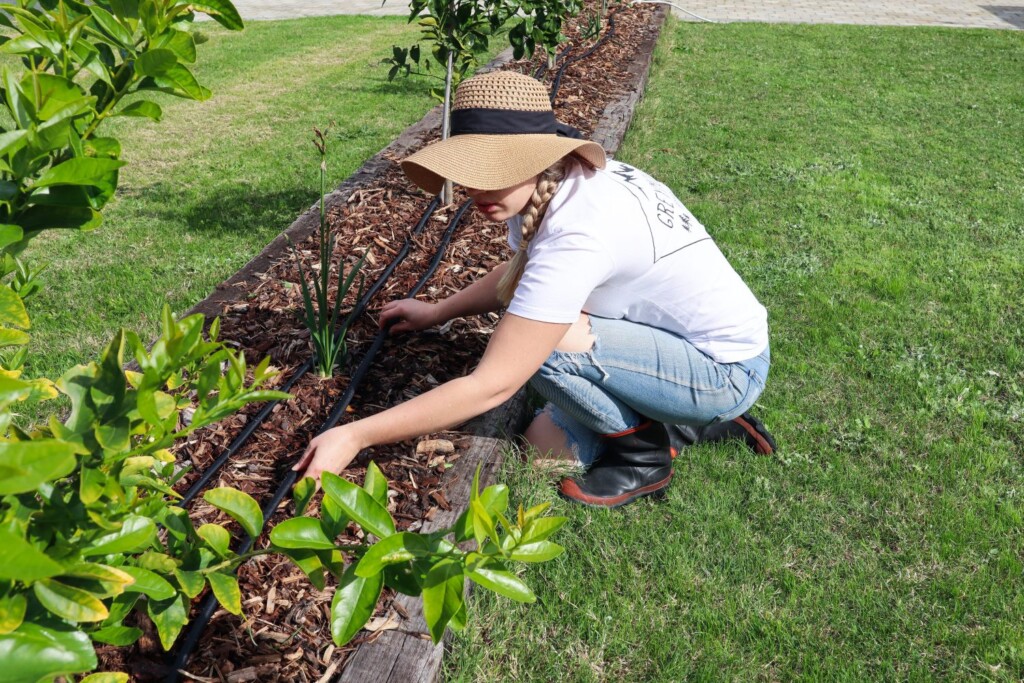
- Set up automatic sprinklers or irrigations systems
- Set your automatic sprinklers to very early morning so the plants have time to absorb the water before the sun rises and drys it out
- Utilise shade or set up temporary shade
- Move pots under shade when you’re going away to reduce heat exposure
Water-wise Gardening Tips
🌱 SLOW AND STEADY | The best way to get your plants to effectively absorb the water is to slowly distribute it and allow the plant time to absorb it. If you simply pour it on and walk away a lot of water will spread and run away across the surface and not be drawn down to the roots.
🌱 WATER UNDER MULCH | If you have a thick layer of mulch and only a limited amount of water, it is a good idea to pull back some of the mulch around the plant and pour the water directly onto the soil. Mulch can sometimes absorb ALL the water and not leave any for the plants. Mulch is great for protecting the soil and stopping evapouration so once the water is on the soil, push the mulch back around to keep the moisture locked in.
🌱 TIME IT RIGHT | Timing is everything. Choose cooler times to water your plants such as the early morning or late evening. This allows the plants to absorb as much of the water as possible before the sun and heat evapourate it. I tend to water any plants that are prone to mildew such as pumpkins, melons, cucumbers etc early in the morning rather than at night. That way they have time to absorb the moisture but they will also have all day to dry out if any moisture has reached their leaves. The rest of my gardens I tend to water in the evenings.
🌱 IMPROVE SOIL | Poor soil structure will be so hard to keep well watered as it will just let the water runoff or filter away. Sandy soils can become aquaphobic and be basically waterproof. Clay rich soils will become hard and compact restricting water flow to the roots. The best way to improve soil structure is to add fibre to your soils. Adding fibre means adding more plant matter by either compost of composted manure. Compost rich soil will retain more moisture and feed your plants. Healthy well-feed plants won’t require as much watering as their roots will be more developed and widespread to capture water more effectively.
🌱 SELECTIVE PLANTING | If you often have water restrictions or know there is likely to be a real water shortage in your area then make sure you are selective in what you choose to grow. Some plants will require more water than others so do your research and select plants that will work best for your conditions. Plants such as watermelons, tomatoes, cucumbers and lettuce will require a lot more water than plants such as chilli, natives, citrus, corn, sweet potato or mini eggplant.



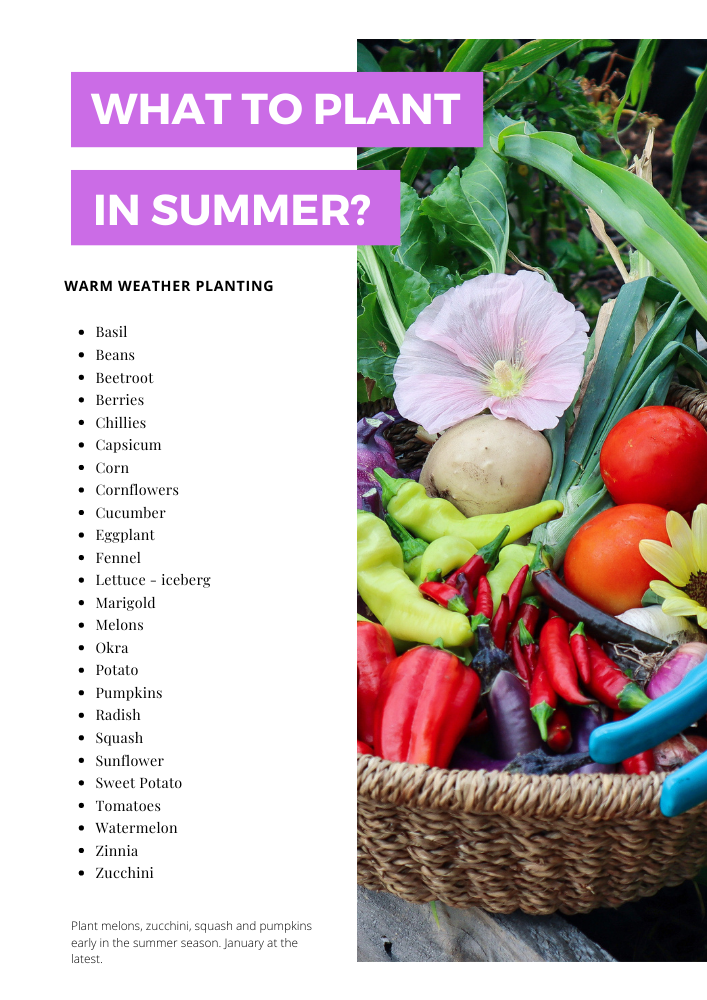
What to Plant
Summer Maintenance
Summer is all about harvesting and maintaining your crops. It’s an abundant time in the garden with rapid growth. Keep on top of staking and tying tomatoes.
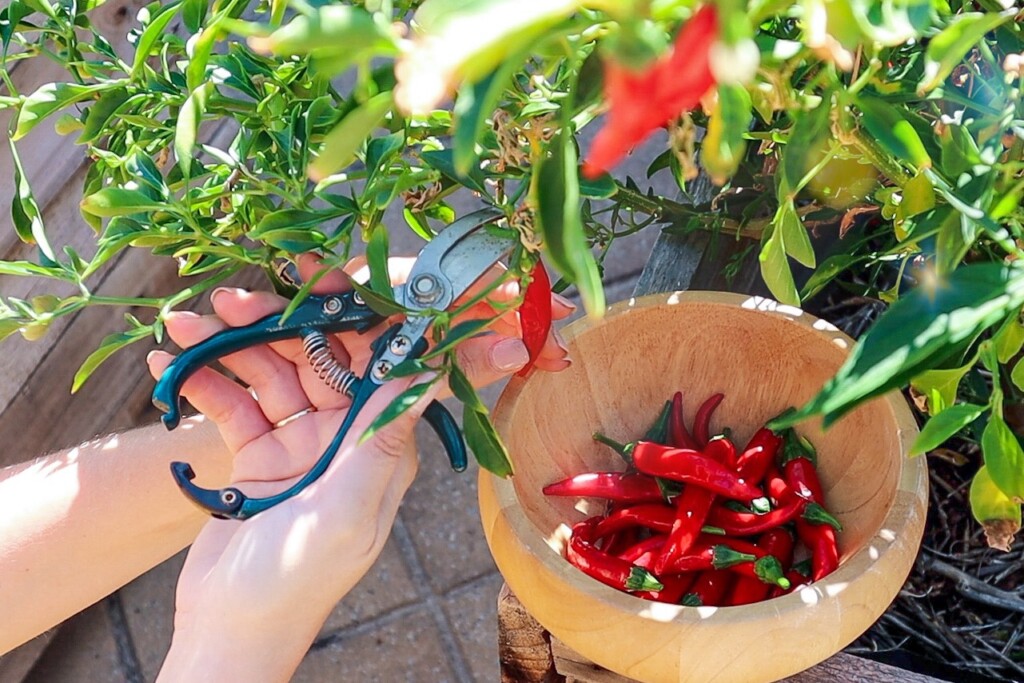
Often the more you pick, the more your plants will produce, so keep picking your harvests to ensure you maximise crops and don’t let food go to waste.
- Tie and stake tomatoes regularly
- Net or bag stone fruit
- Pick any fruit from the ground as to not attract bugs and fruit flies
- Keep pathways clear
- Pick weeds before they go to seed
- Apply mulch to keep moisture in
- Apply fruit fly nets or bags after the fruit has been pollinated
- Clean your tools regularly to stop any diseases from spreading
- Remove any plants that look unhealthy or diseased to stop the spread
- Dead-head any flowers bushes such as chrysanthemums or lavender to encourage more flowers
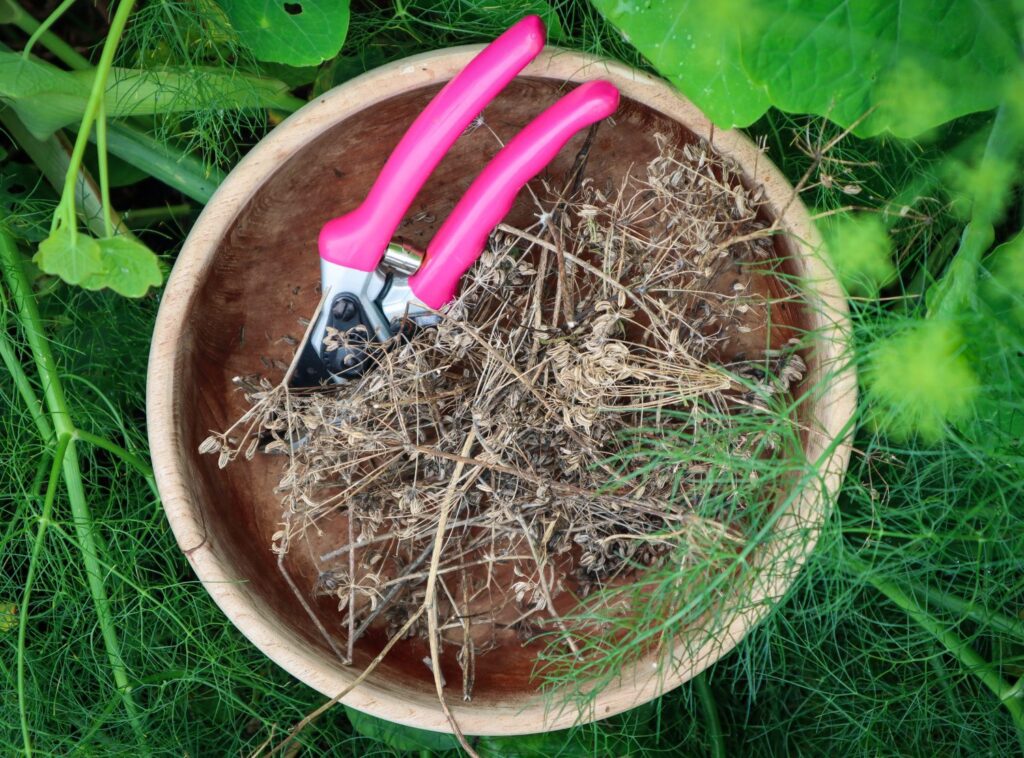
- Pick and save any seeds from your successful plants
Harvesting and Preserving
Picking your veggies is actually a very important part of growing if you want to have an abundance. Your veggie plants are producing flowers and fruit to then produce seeds and be able to reproduce.
If you are constantly picking the harvests, your plants will work harder to make sure they are producing more to get its seeds out there for another year. If you leave your veggies on the plant too long, they will think their job is done and slow down production.
Summer fruit and veggies are some of our all-time favourites, so it’s important to harvest as much as we can and preserve them for later in the year.
Ways to preserve summer produce:
- Tomato sauce, passata, chutney.
- Freeze whole or chopped tomatoes for future sauce or add straight to cooking.
- Freeze Chopped Zucchini for smoothies, soups and future preserves
- Make garden pesto using any leftover greens and freeze in large ice-cubes.
- Make pickles
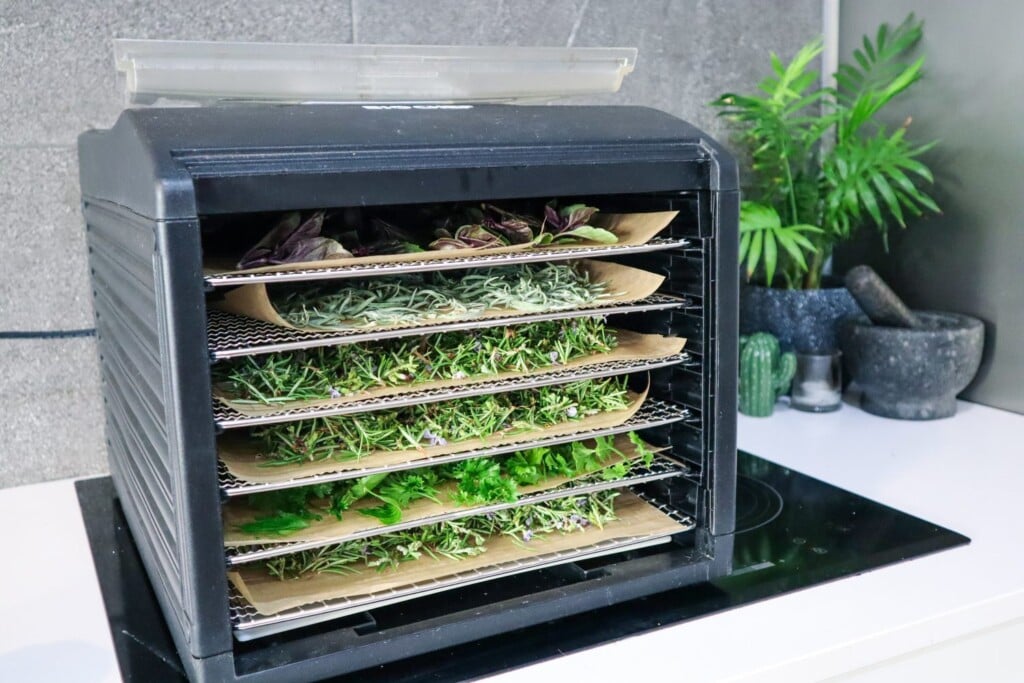
- Dried flowers for garnishing
- Dehydrate excess fruit
- Freeze fruit for smoothies or future preserves.
- Chutney and jams – This is a great skill to have so practice preserving your produce. They make perfect gift ideas.
- Nasturtium capers
- Infused vinegar and oils
- Zucchini relish


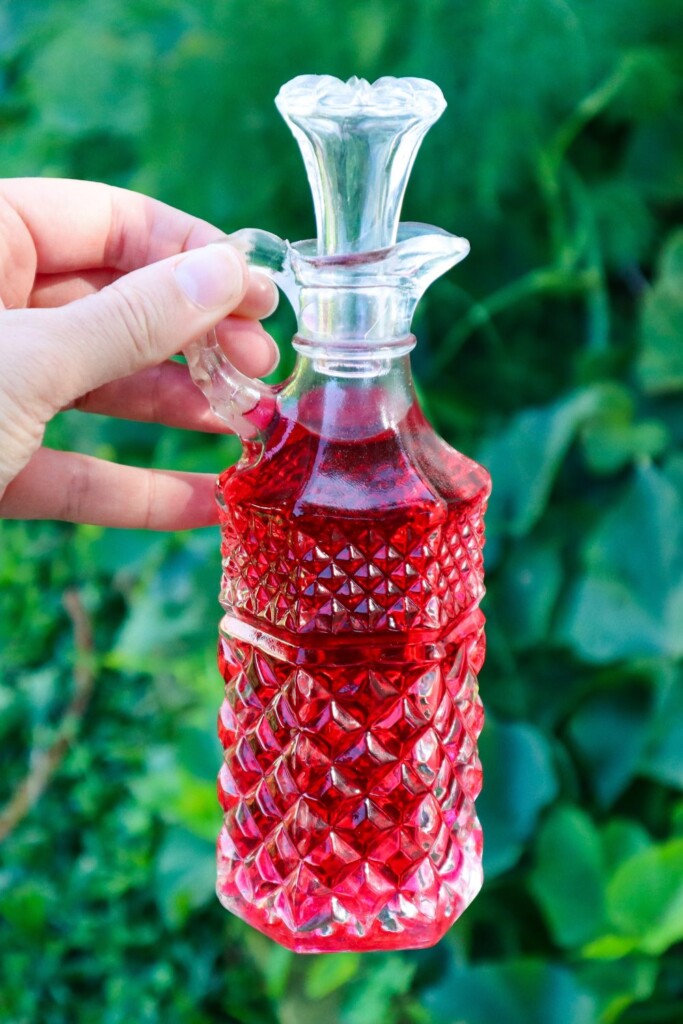

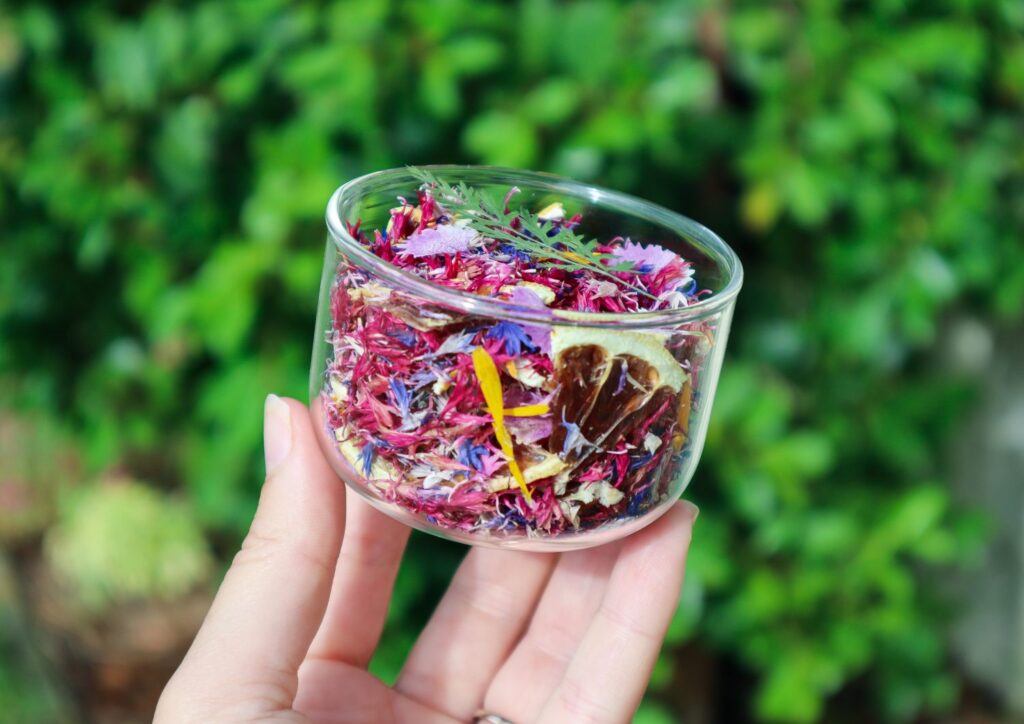
Be inspired by Summer
- Hang solar fairy lights
- Create an outdoor dining area
- Make a bird and bee bath
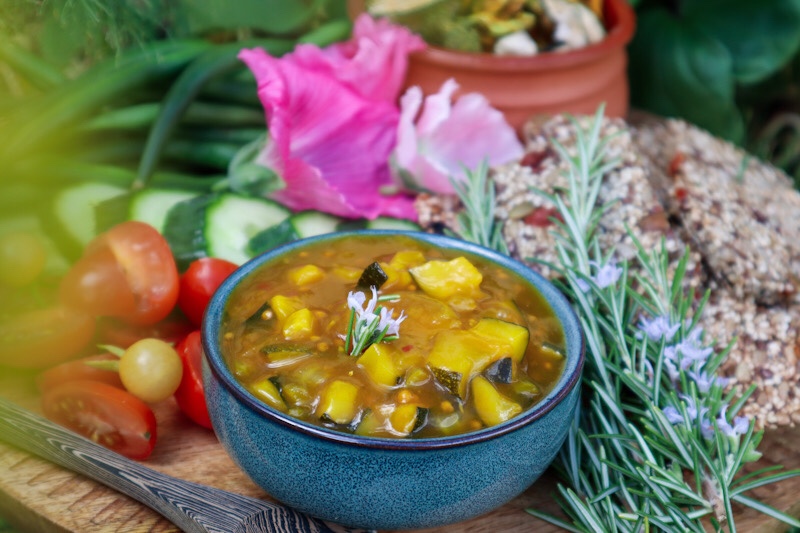
- Edible flower icecubes
- Edible flower salt
- Make your own Iceblocks
- Bake a festive cake with edible flowers
- Make preserves, jam, sauce, chutney and relish to gift and trade
- DIY Pots and gift seedlings
- Plant a pineapple from scraps
- Start a cocktail garden – Plant herbs and flowers so you can enjoy beautiful refreshing summer drinks.
- Press flowers – Preserve the colourful blooms of spring to create cards and art during the slower seasons.
- Try your hand at some photography! The bees and flowers will be putting on a brilliant show.
- Have a picnic in your backyard
- Host a summer dinner party or high tea to celebrate and welcome the change of season. Use edible flowers to create show-stopping, colourful drinks and dishes.
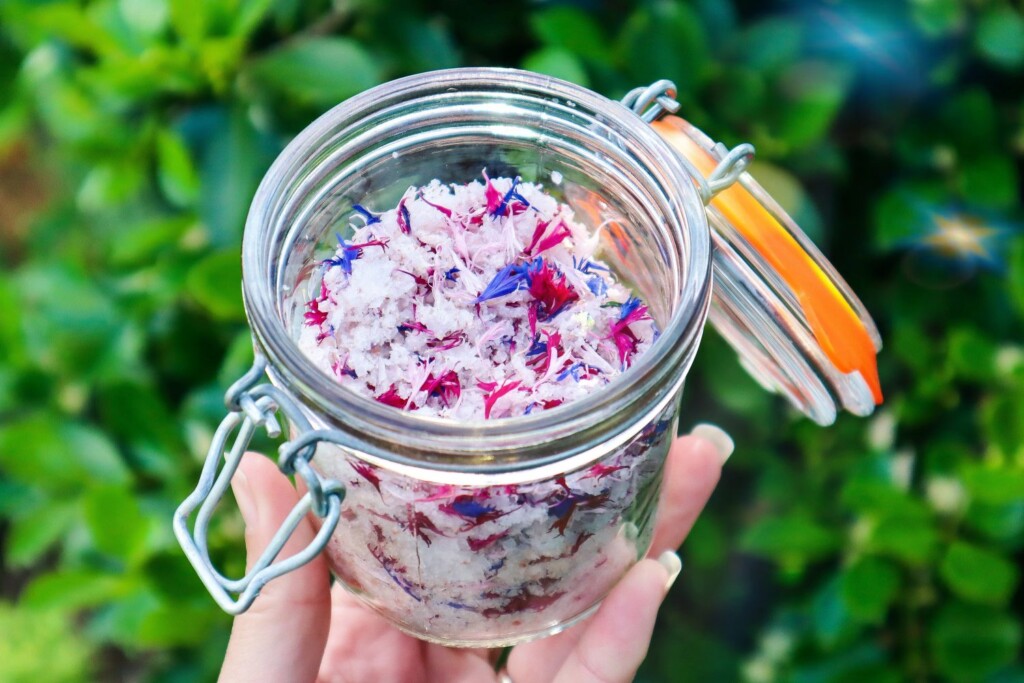




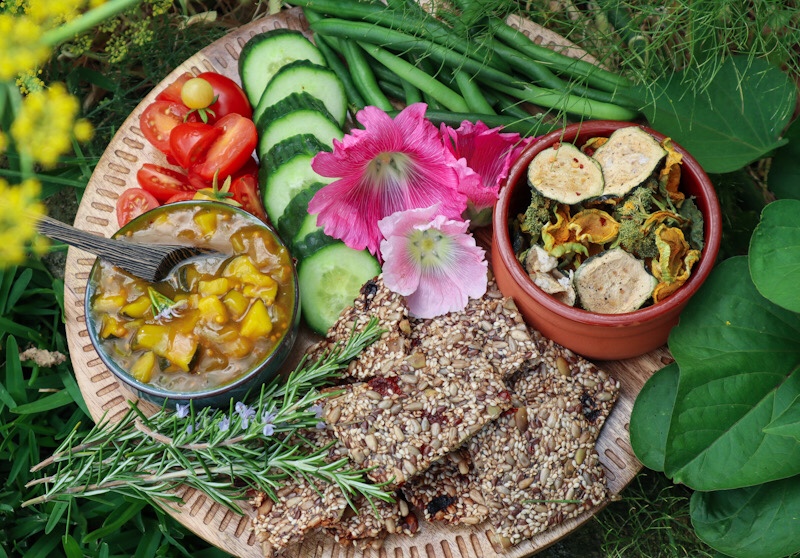
Planning for Autumn
The key to easy and successful gardens is to plan ahead. This can help you maximise your food production and help maintain momentum. Summer can be a harsh season in the garden and Autumn will come as a welcomed relief. Production will be slowing down and you can start planting out your winter seeds.
Planting seeds will give you a head start and a smooth transition of food across the seasons.
- Harvest and preserve as much as you can
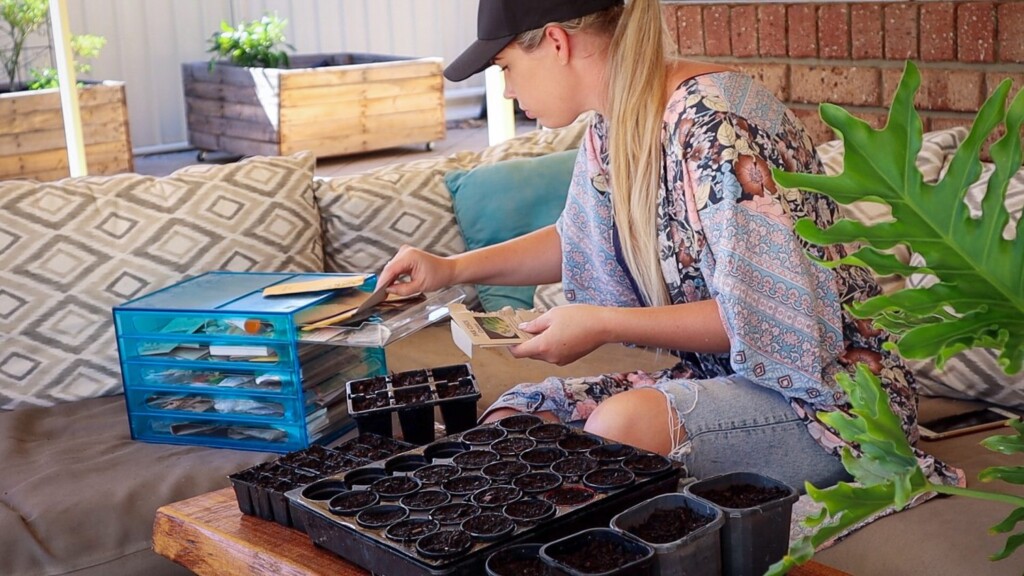
- Save seeds from successful plants or identify ones you want to leave to go to seed
- Plan out where you want to have your winter gardens and which crops you want to grow where
- It’s a good idea to grow crops in different beds than you did the previous year to allow the soil time to recover from the specific minerals each crop depletes
- Pull out any crops that have finished and compost them
- Deadhead annual flowers to encourage repeat flowering
- Remove any dying or diseased looking plants. This stops any diseases from spreading to other plants and they may attract unwanted pests. Plus if they aren’t very productive anymore they are taking up valuable real estate for more plants
- Keep your compost hydrated. In summer composts can dry out too, so give them a sprinkle of water every now and then. Make sure you turn it to aerate
- At the end of summer, you can start planting your early autumn and winter seeds