SPRING is all about planting seeds, seeds and more seeds. It’s an active time for gardeners which is a refreshing and much welcomed change after slowing down during the winter months. In winter I tend to spend more time indoors, sipping too much coffee, flicking through inspiring books and dreaming up all the potential new gardens for Spring.
Be careful during the spring months for late frosts and cold weather snaps. Starting your seeds inside or in a greenhouse is a good idea. Towards the end of spring you can start to sow some of the hardier seeds such as Zucchini and Pumpkin directly into the garden.

Spring Gardening
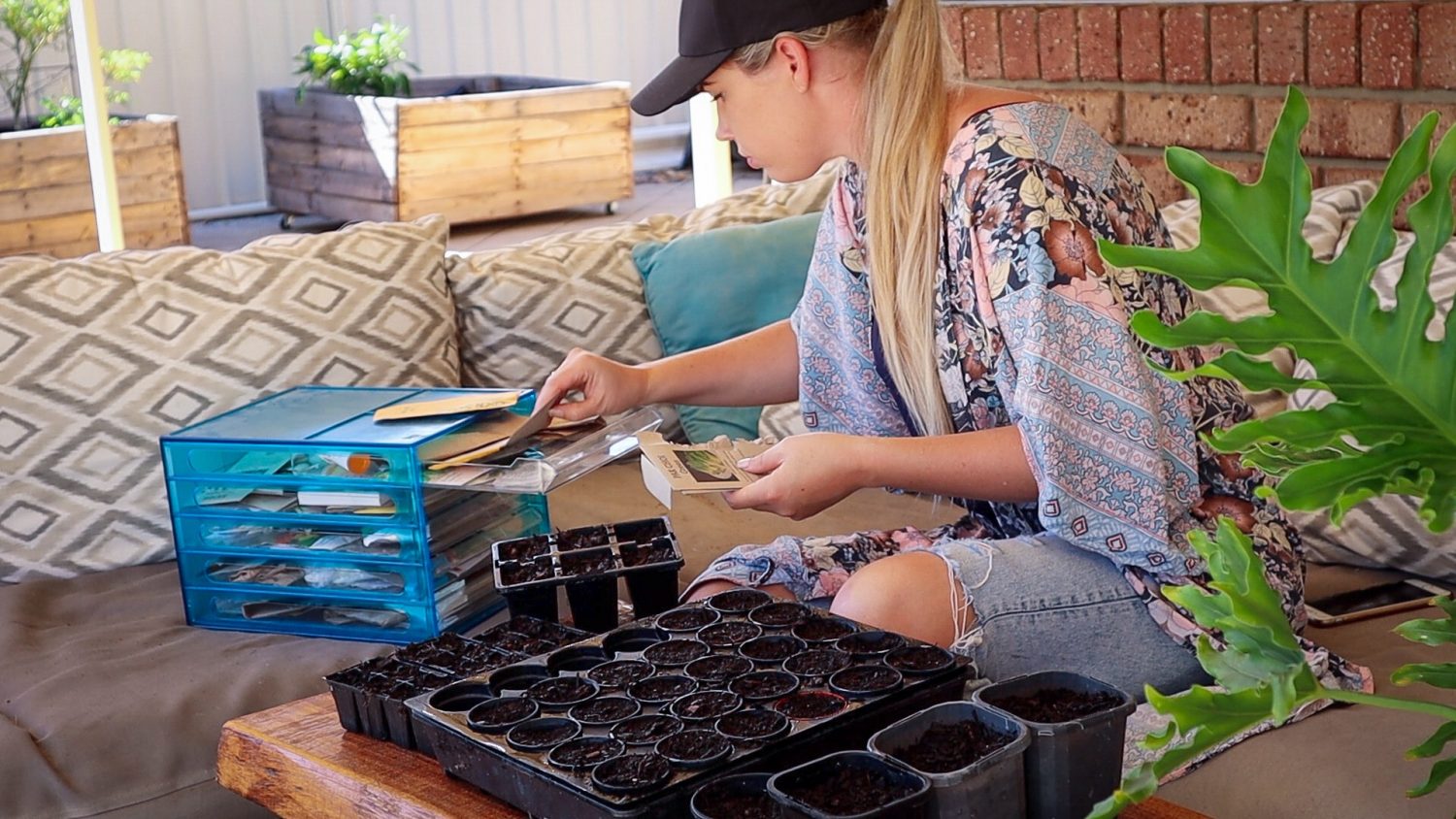
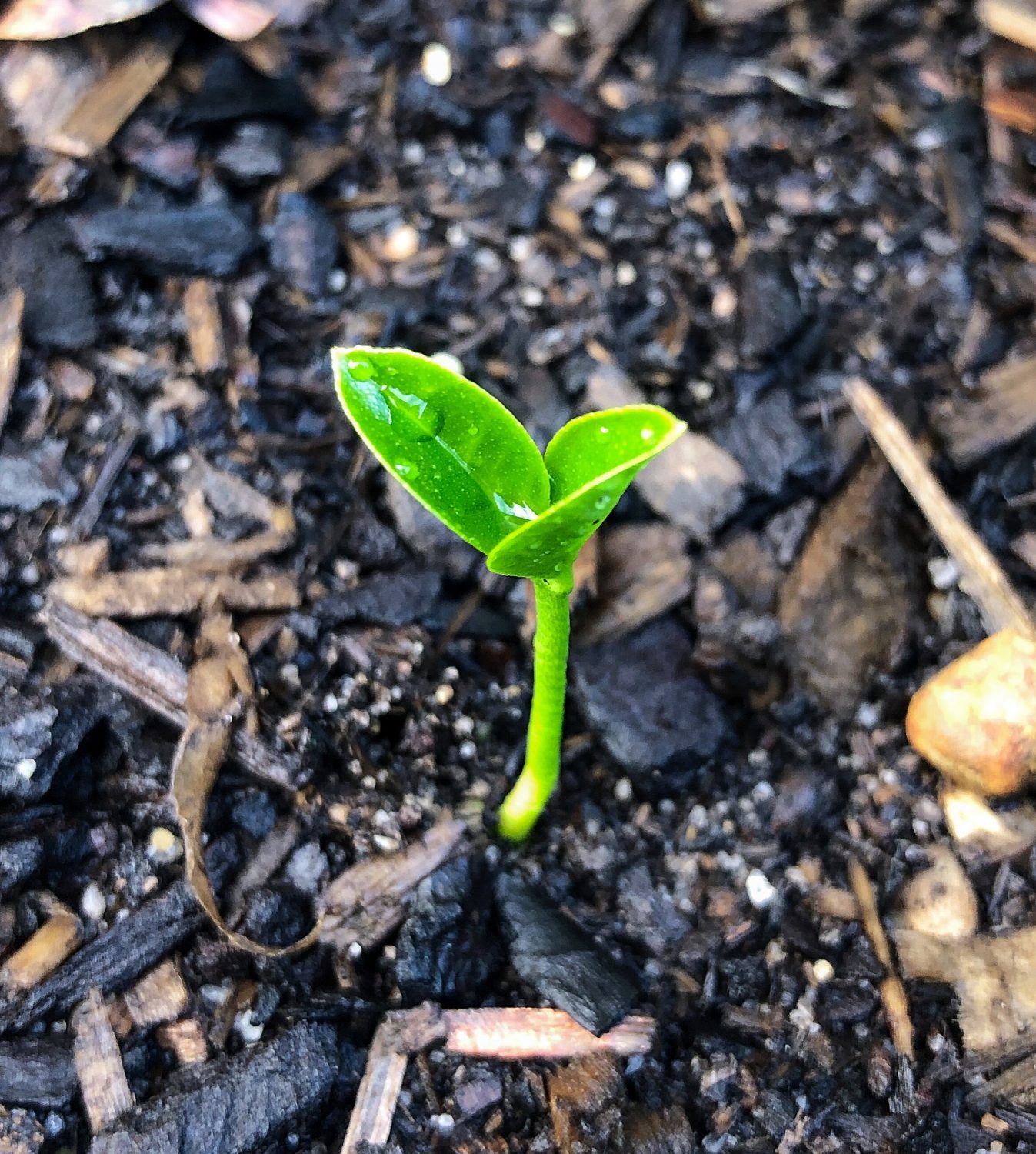
Spring can be a bit up and down with temperatures so it’s best to start your seeds in seed trays and keep them somewhere warm to germinate. Greenhouses and sunny windows inside will work well to get your seeds up and growing.
There are a few mini-greenhouse systems you can get these days or I often use clear storage containers and fish tanks as makeshift greenhouse systems.
The key is to keep your seeds warm but still allow plenty of diffused sunlight, air and moisture. These systems can also protect your seeds from hungry little mice who often like to dig up and eat your seeds before they get a chance to sprout!

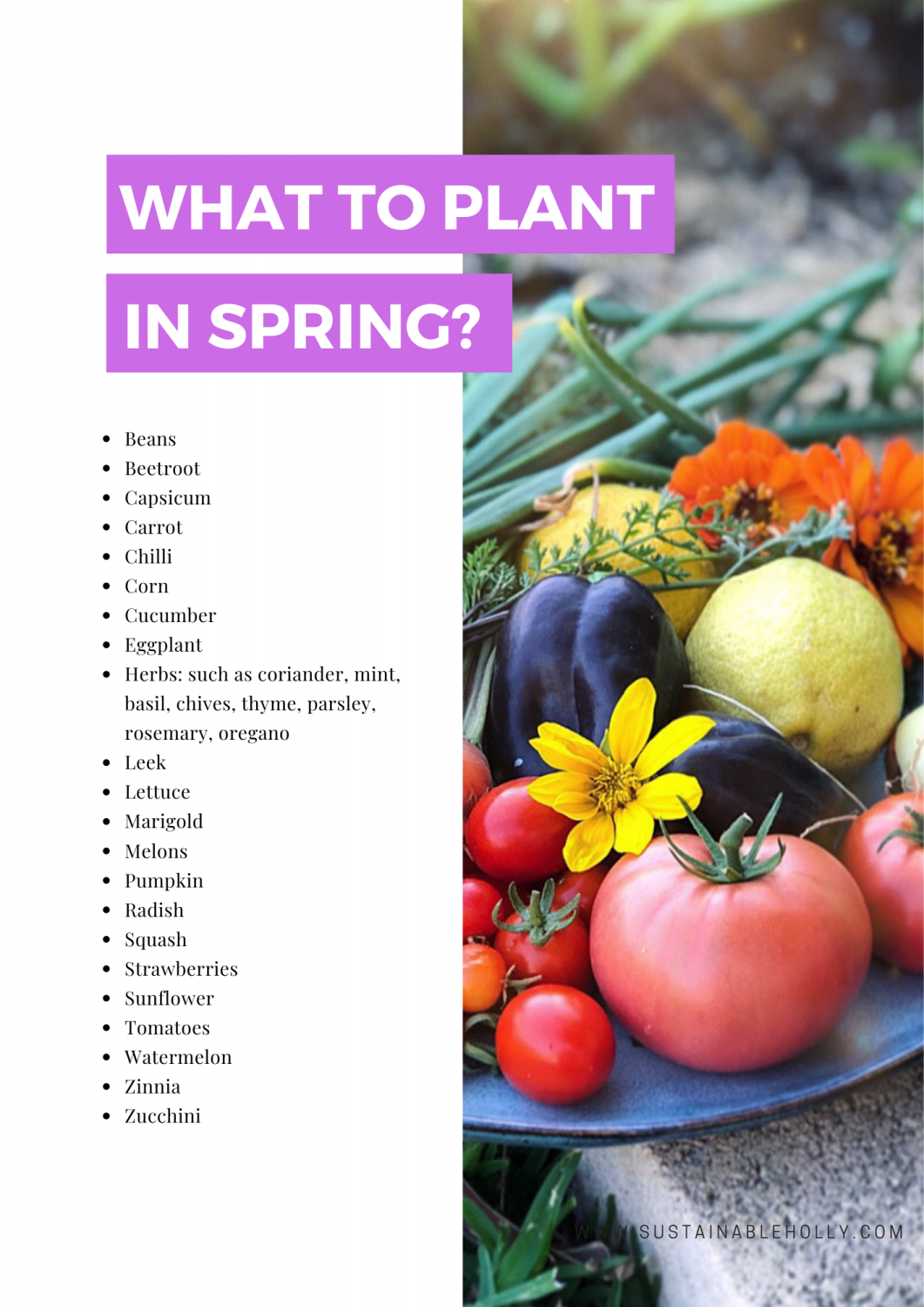
What to Plant
Spring Maintenance
- Prune your fruit trees such as citrus if they are out of shape or too big. Do this before the spring growth starts. Keeping fruit trees pruned to a manageable height will allow the tree to put more of its energy into fruit production and also means you can harvest the fruit easier before the birds or other animals get to it.
- Let your best vegetables go to seed so that you can collect your seeds. Some of your Winter veggies will be coming to an end so finish harvesting and allow the best ones to go to seed. This means you will have seeds to plant the next year which will be acclimated to your exact conditions. It also means some seeds will end up in the soil and will pop up on their own next season when the conditions are just right! This is my favourite thing to do. Let nature do its thing and everything becomes so easy and flows without any external work or force.
- Keep gardens mulched to help retain moisture for the warmer months. Mulch will also help reduce the amount of weeds popping up during their peak growth months.
Harvesting and Preserving
Preserve your harvests:
- Dehydrating citrus for teas, baking and a delicious pot of mulled wine.
- Squeeze lemons and freeze the juice in icecubes
- Use leftover citrus scraps to make house cleaner or lemon sprinkles
- Blanch and freeze extra greens such as Rainbow Chard, Spinach, Silverbeet, Collard Greens
- Chop and freeze spinach for smoothies
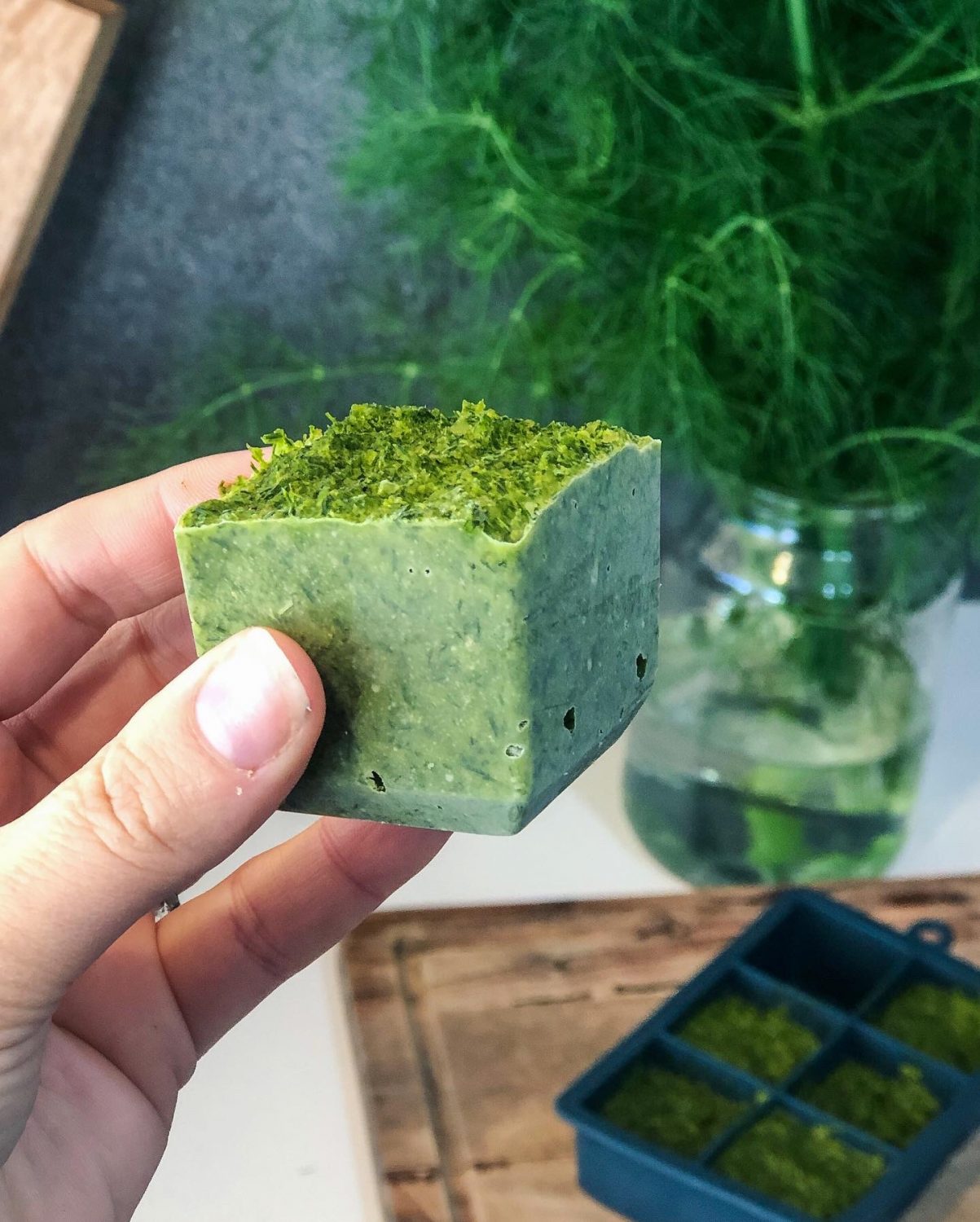
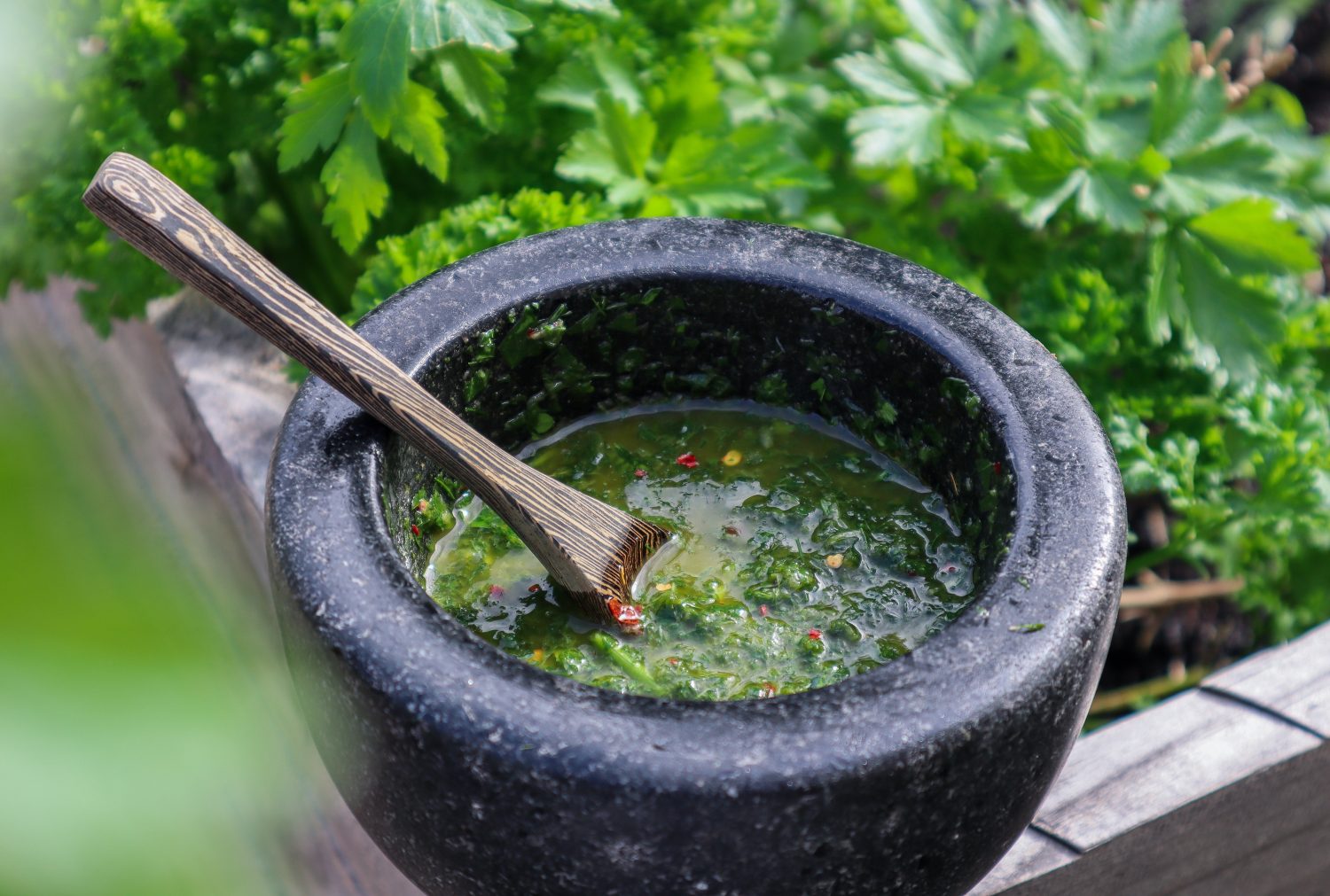
- Make garden pesto and freeze in large icecubes for soups, easy pasta dishes and platters for entertaining.
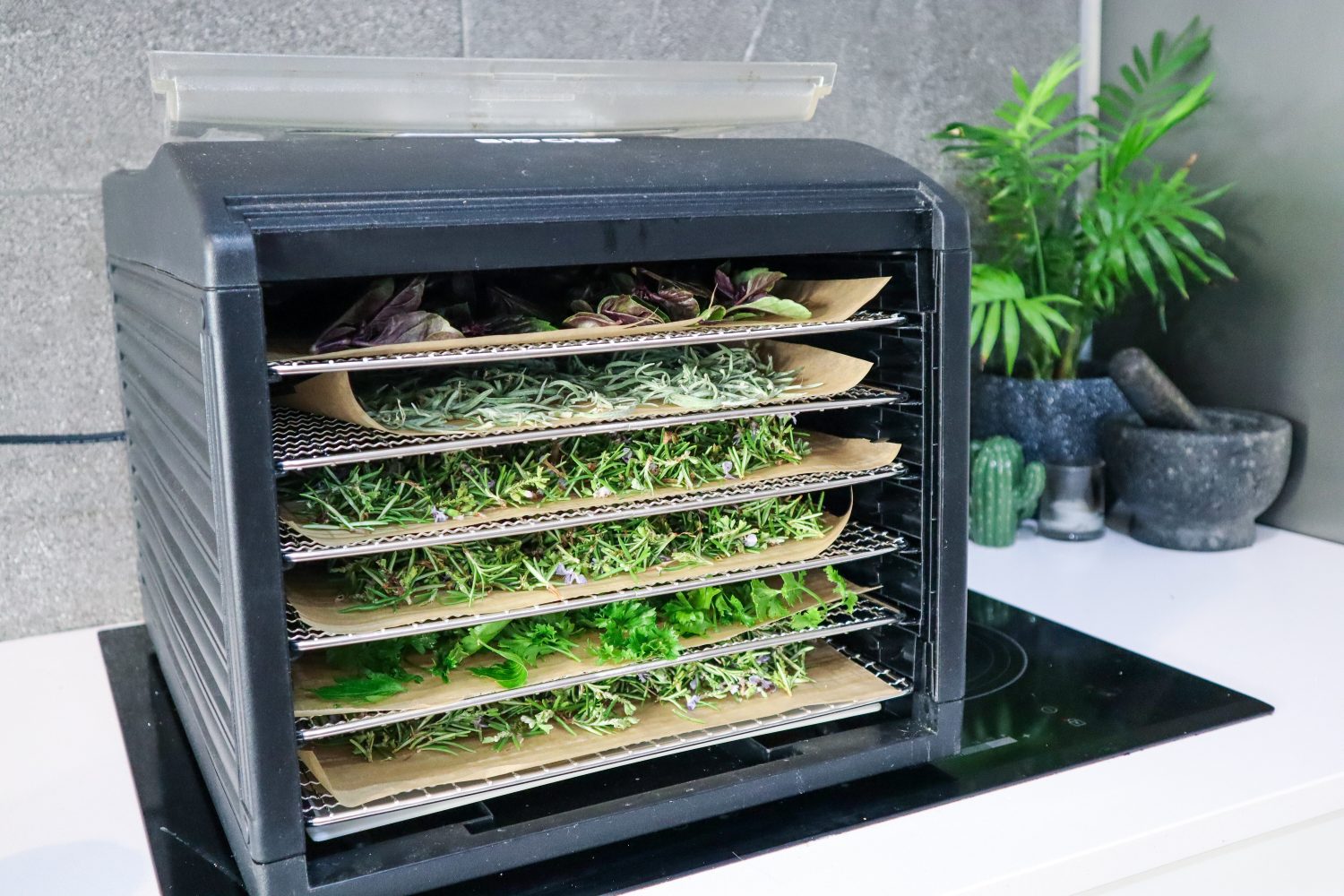
- Dry and preserve extra herbs
- Blanch and freeze extra broccoli and cauliflower
- Turn extra cabbage into sauerkraut
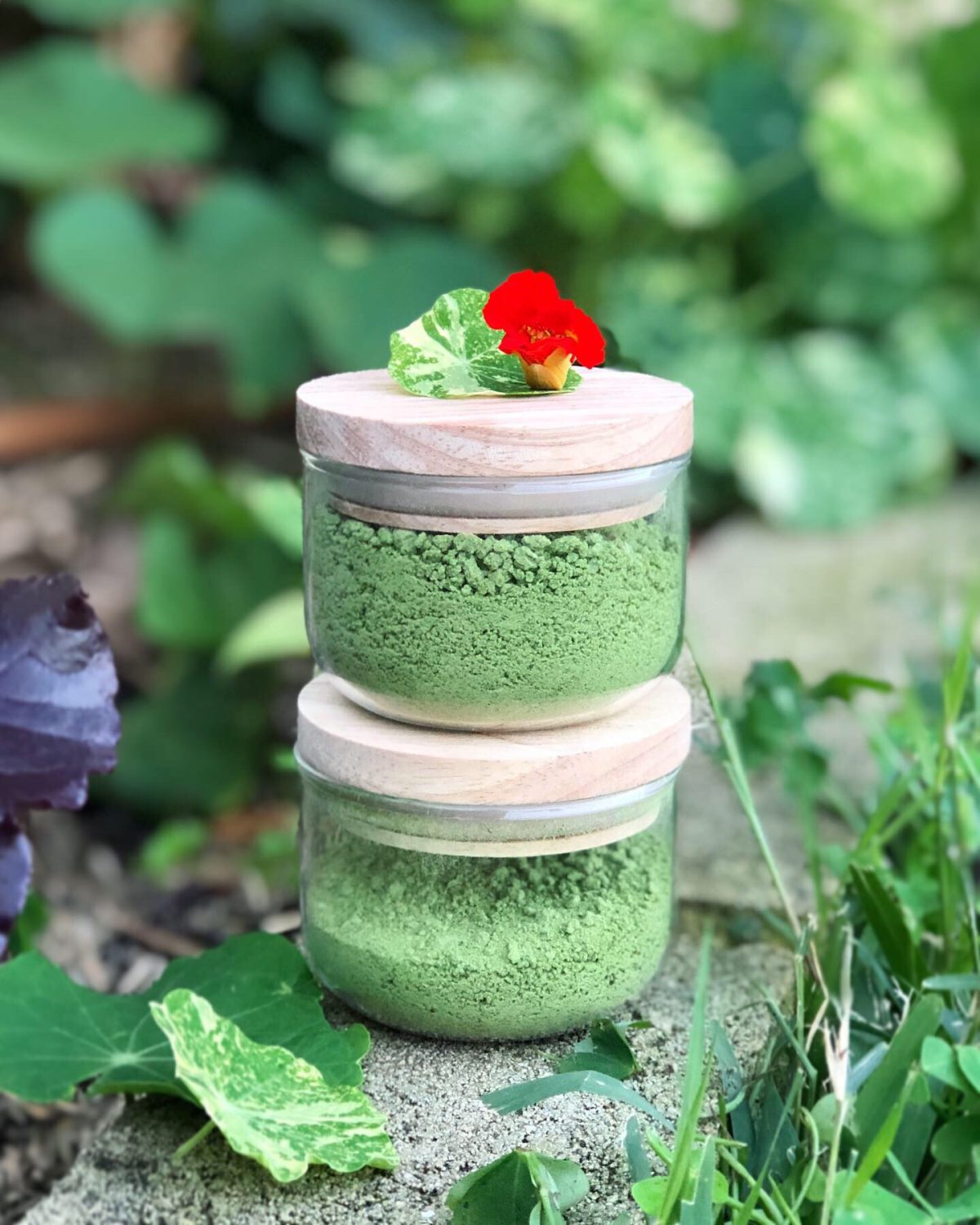
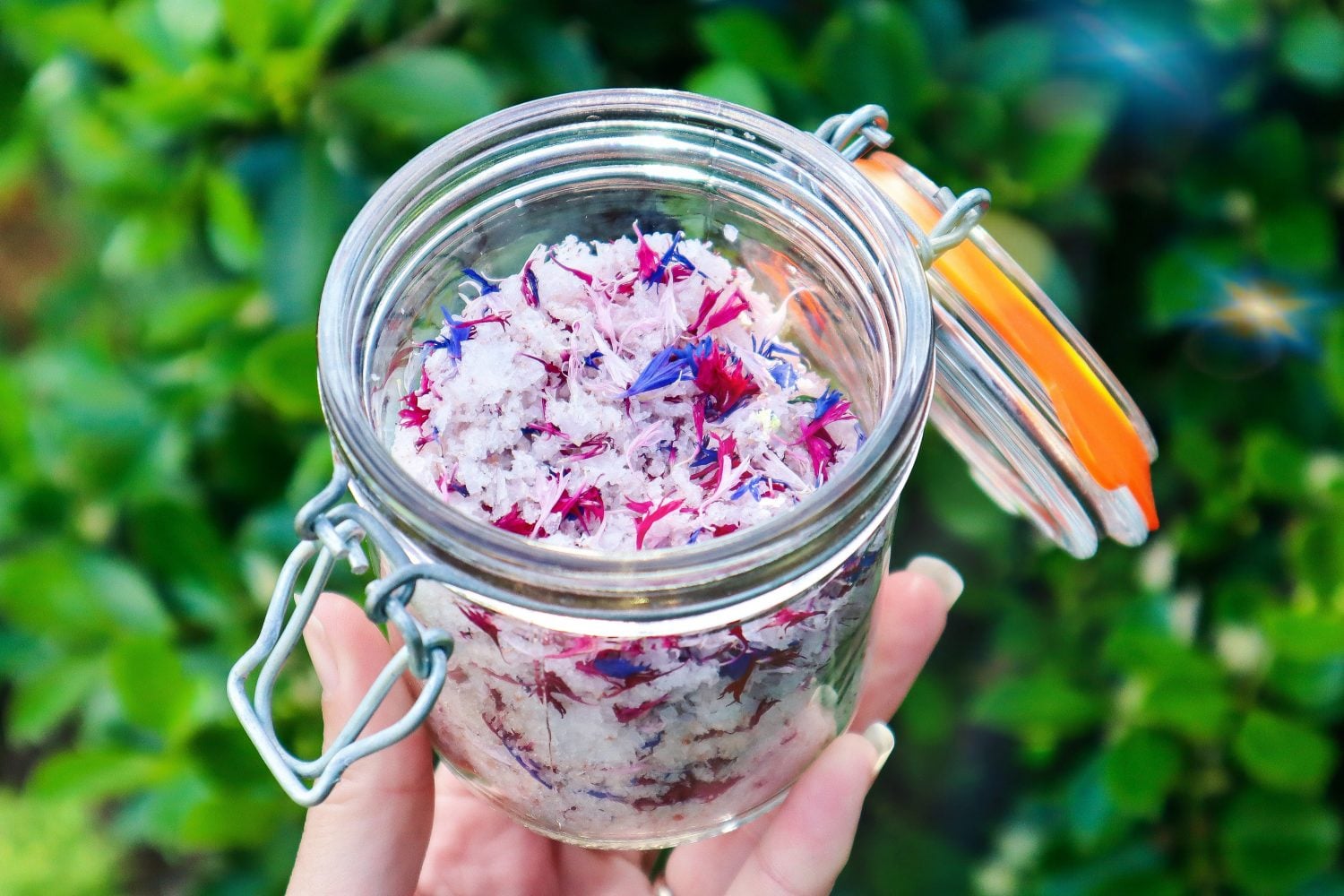
- Flavoured Salts
- Press and dry flowers
- Save the ends and scraps of your greens, herbs, onion and root vegetables and make a batch of Veggie Scrap Stock
- Make extra soups to freeze


Be inspired by Spring
- Hang solar fairy lights.
- Create an outdoor dining area.
- Cook over an outdoor fire pit or fireplace and spend more nights outside.
- Make an insect hotel using foraged sticks.
- Make colourful plant labels for your new seedlings.
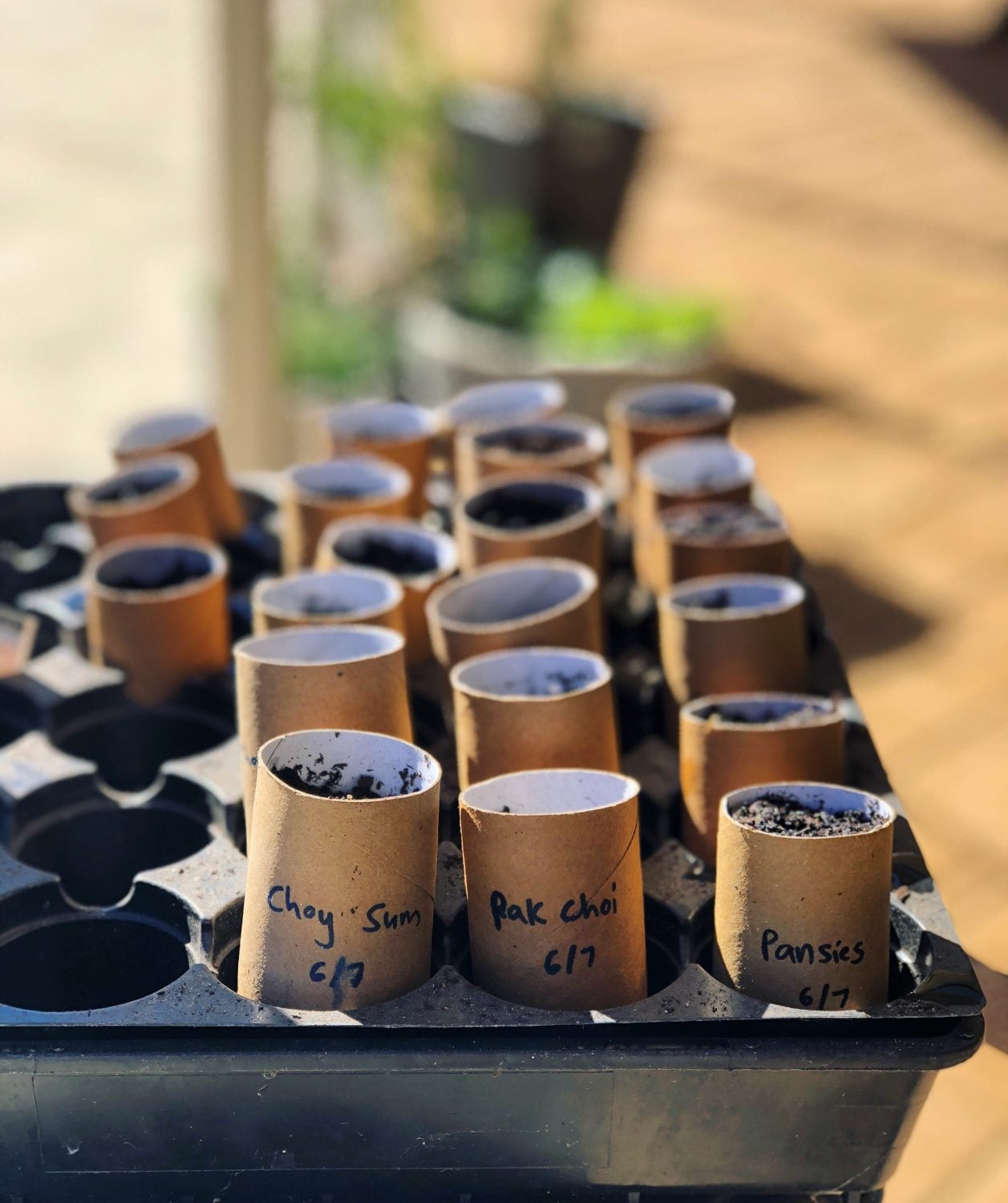
- Make recycled pots and seed trays using toilet rolls, newspaper and egg cartons.
- Start a cocktail garden – Plant herbs and flowers so you can enjoy beautiful refreshing summer drinks.
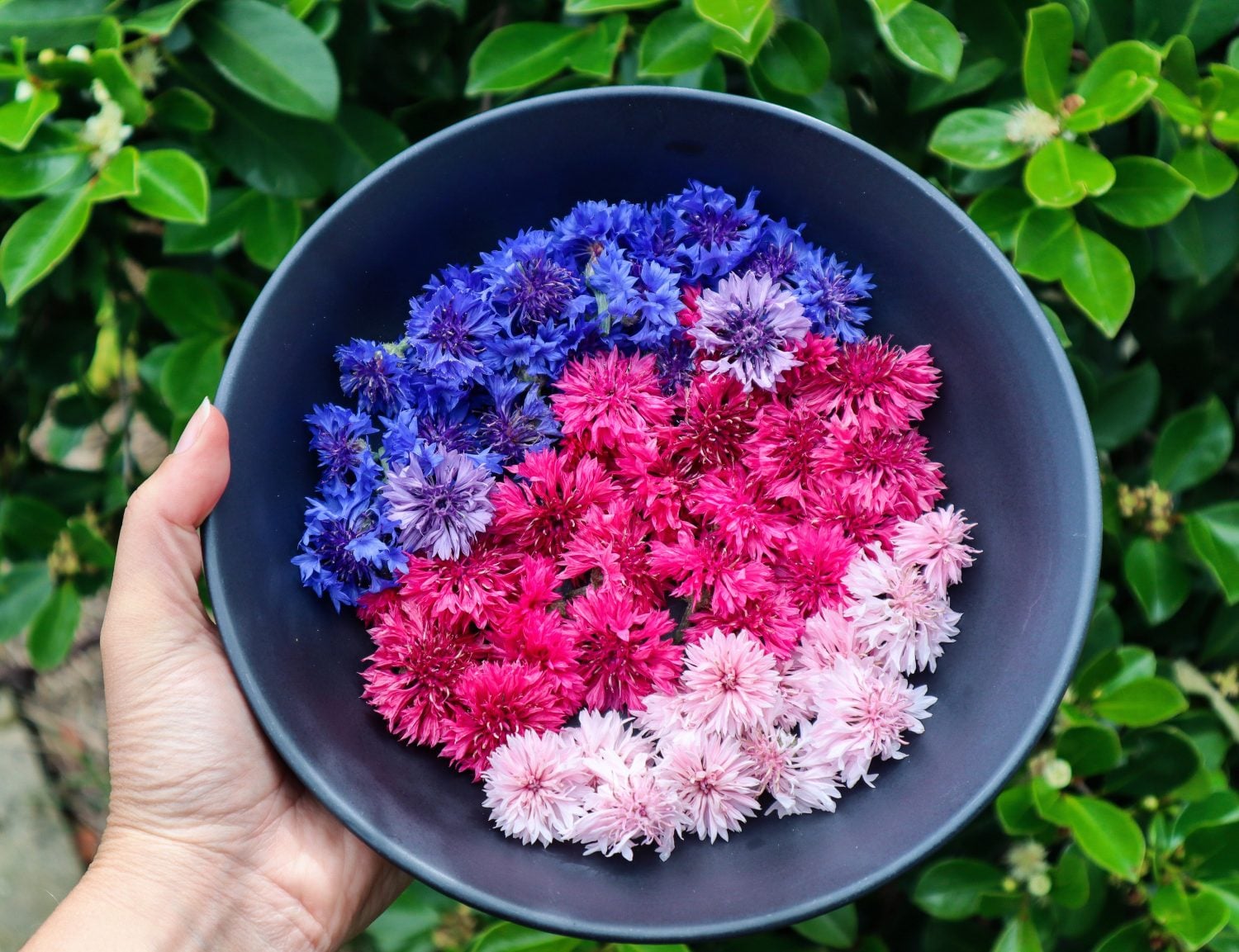
- Press flowers – Preserve the colourful blooms of spring to create cards and art during the slower seasons.
- Try your hand at some photography! The bees and flowers will be putting on a brilliant show.
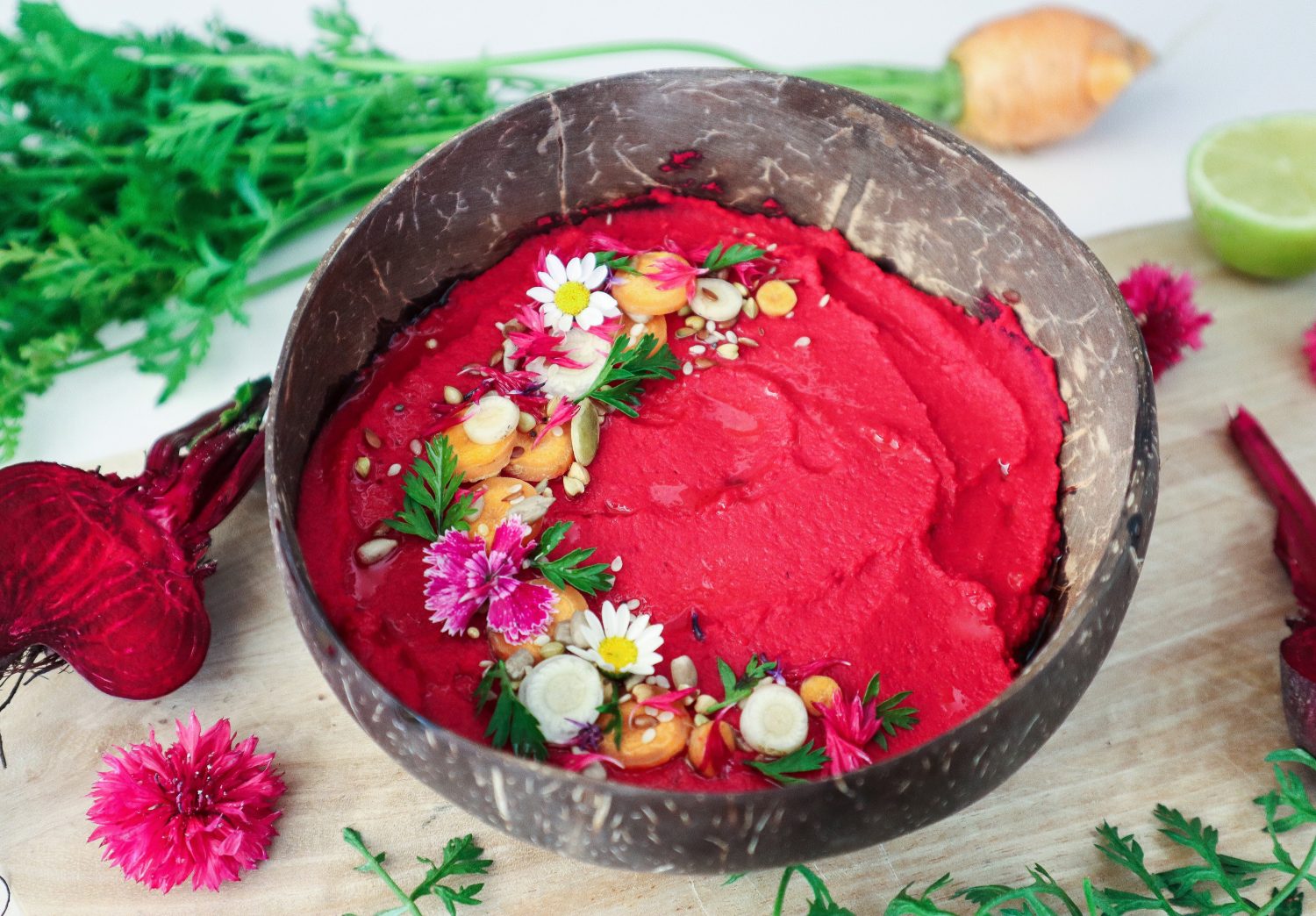
- Host a dinner party or high tea to celebrate and welcome the change of season. Use edible flowers to create show stopping, colourful drinks and dishes.
Planning for Summer
The key for easy and successful gardens is to plan ahead. This can help you maximise your food production and help maintain momentum. Summer can be a harsh season in the garden but there are a few things you can do to get the most out of your summer crops. The last month of Spring is a great time to get prepared and create a seamless transition into summer gardening.
- Plan and prep any new garden beds with plenty of compost and composted manure.
- Lay a thick 10cm layer of mulch to help retain water during summer.
- Think about shade, if your garden beds will be in full sun do they need temporary shade.
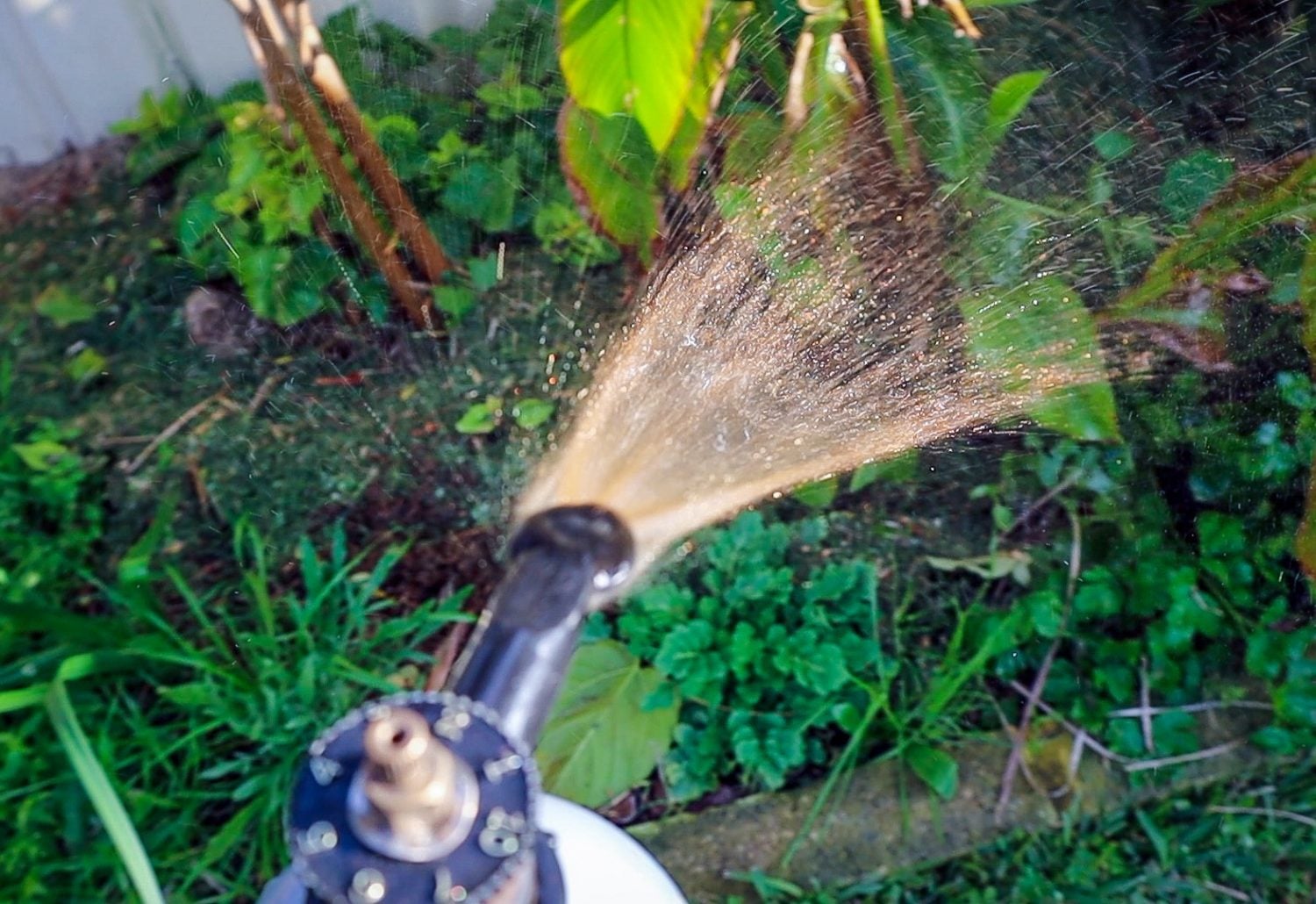
- Water and irrigation – Check your systems are adequate and working.
- Clean out any sprinkler heads and remove grass or plants from around the nozzles.
- Do you have a hose nearby for ease of watering? On those super hot days you may need to water early morning and late evening so it is much easier and more realistically achievable if you have a hose close by.
- Weeper hoses are great for distributing water slowly and allow the plants and trees to absorb it.
- Plant flowers for the Bees. With lots of flowering fruit and vegetables over summer, it is vital you have pollinators in your garden to get a successful harvests. Plant lots of flowers in between your fruit trees and vegetables. Choose edible flowers so that you can also use them too! Zinnia and sunflowers are beautiful summer editions that the bees love.