How to Make Spinach Wraps – Easy, Healthy & Gluten-Free Recipe

How to Make Spinach Wraps – Easy, Healthy & Gluten-Free Recipe

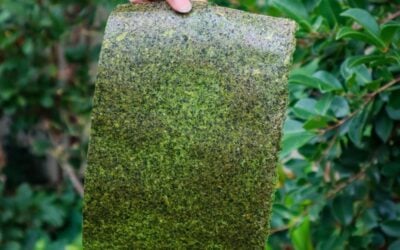
Looking for a healthy, homemade wrap alternative? These DIY spinach sushi wraps are a delicious and nutritious way to use up garden greens and create quick, wholesome meals. Whether you follow a gluten-free, low-carb, or plant-based lifestyle, these wraps are a game-changer. Made from fresh spinach, herbs, and garden vegetables, they’re packed with nutrients and completely free from preservatives and additives.

These wraps have the texture of nori but are 100% vegetable-based. Use them for sushi, wraps, or as a healthy tortilla alternative. This is the perfect recipe for zero-waste gardeners who want to make the most of their seasonal harvests. I am so impressed with how amazing these are!

These dehydrated spinach sushi wraps taste and feel just like the real deal but I know exactly what is in them. Use excess garden greens along with bottle gourd or zucchini to make a batch of sushi wraps for a quick and easy lunch. Like most of my recipes, you can mix and match different greens and herbs depending on what’s in season or in abundance in your garden.

Garden Vegetable Variations

Don’t have spinach? No problem. Try other leafy greens such as:

  • NZ spinach (Tetragonia)
  • Swiss chard
  • Rocket/arugula
  • Sweet potato leaves
  • Amaranth greens

You can even mix in edible weeds like chickweed or purslane for extra nutrition.

Recipe Notes

  • Psyllium Husk helps bind the mixture and gives flexibility.
  • Herbs are optional but add great flavor.
  • Dehydration Time varies depending on water content and thickness.

Spinach "sushi" wraps

Yield: 8
Prep Time: 10 minutes
Cook Time: 6 hours
Total Time: 6 hours 10 minutes

Easy way to preserve excess produce and have wraps on hand for a quick garden-to-plate lunch when you need it.

Ingredients

  • 4 cups spinach or greens*
  • 1/2 cup fresh herbs*
  • 1 TBSP psyllium husk
  • 1 - 2 TBSP water
  • 2 cups chopped bottle of gourd or zucchini

Instructions

  1. Rinse the greens and quickly blanch for 30 seconds in hot water then transfer to iced water to cool.
  2. Strain and add to a mixer or blender. (use the blanching water on the garden once it has cooled down)
  3. Peel Bottle gourd using a vegetable peeler, remove the center seeds and pith then chop into 2-3cm cubes. If using zucchini there is no need to peel.
  4. Add all the ingredients to a blender or mixer and blitz until combined. You may need to move things about with a spoon to get it mixed or add a dash more water. You want a thick paste-like consistency not too watery.
  5. Spread the mixture onto 3-4 silicon dehydrator trays. You may need to do this in batches or use baking paper and a tray if you do not have enough of the silicon trays. The mixture should be thick enough to not see through to the tray or paper but also as thin and even as you can (before seeing through to the tray)
  6. Dehydrate at 50 degrees celsius until dry. Check after 2-3 hours as the time will vary depending on the water content of the greens you used.
  7. Remove and carefully run a knife around the edges to loosen it. Carefully peel off the sheet it is best to do this one bit at a time holding the sheet as close to the tray as possible as to not tear it.
  8. Once removed from the tray cut the sheets into the desired size (I cut in half for wraps but I keep them whole for sushi rolls) then roll them up and place them in an airtight storage jar. Or use them straight away. would
  9. Use the wraps with your favorite salad ingredients and grilled chicken, haloumi or similar.

Notes

Greens - I used NZ spinach including the young stems but you could use any spinach or greens such as chard, rocket, sweet potato leaves etc just remove any thick stems.

Herbs - add herbs or leave them out (replace with more greens) completely up to you. Try adding 1/2 cup of herb such as parsley, chives or coriander for added flavour.

If you do not have a dehydrator you can use an oven on low to 50 degrees but be aware it may take up 6 hours so ensure you are home and not leaving the oven unattended.

How to Use Your Spinach Wraps

  • As sushi wrappers with your favorite fillings
  • Wrap up grilled veggies, haloumi, or chicken
  • Cut into strips and serve with hummus or dip
  • Roll and slice for a fun lunchbox snack
  • Use as a gluten-free tortilla swap

Try wraps with this creamy garlic sauce

These homemade spinach sushi wraps are a sustainable way to reduce kitchen waste and boost your nutrition. Whether you’re preserving an abundant garden harvest or just trying to eat healthier, they’re a delicious, eco-friendly addition to your kitchen staples.

Happy Gardening,

Holly 🌿

How to Grow Bottle Gourd – The Ultimate Garden-to-Plate Guide

How to Grow Bottle Gourd – The Ultimate Garden-to-Plate Guide

How to Grow Bottle Gourd

Explore how to grow Bottle Gourd in your garden and how to preserve the harvest! Bottle Gourds are an abundant climbing plant that produces a range of different-sized and shaped fruits depending on the variety. Not only do they produce a huge amount of food, but they can also be dried to use as bowls, cups, bottles, and other vessels or containers.

So far this season, each vine has produced over 30kg of food with the potential for much more! Once you know how to grow and use bottle gourd, it may just become one of the most-used vegetables in your garden.

What parts of Bottle Gourd are edible?

Quick Tips on How to Grow Bottle Gourd at Home

PLANT

Sow seeds in spring- summer.

SOIL

Free-draining compost.

LOCATION

Warm sunny location

CARE

Help train the vines up structures. Prune older leaves to improve airflow. Hand pollinate when possible.

FERTILISE

Feed with compost teas and keep well mulched.

PESTS

Rats, aphids, snails.

HARVEST

Harvest when large and still green for eating or leave to dry out for bottles.

REPRODUCE

Grows easily from seed.

Why Grow Bottle Gourd?

Here are some of the many reasons to grow Bottle Gourds

  • Easy to grow
  • One plant provides an abundance!
  • Climbing vine – vertical gardening
  • Cover or create shade for the garden
  • Versatile crop
  • Make bowls or vessels
  • Base crop to make many dishes
  • Grows well in containers

Popular Bottle Gourd Varieties

Gourds come in many different shapes.

New Guinea Bean – Lagenaria siceraria – Italian heiloom. Popular in India where it grows easily. Large pale green tube-like gourds that can grow over 1m if left. Harvest at 40cm for eating. creamy white flesh simular to Zucchini.

Birdhouse Gourd – Lagenaria siceraria – Round bowl-shaped gourds with a narrow neck that can be used green as a zucchini substitute or left to dry and make into bowls and hanging bird feeders.

Round Bottle Gourd – Lagenaria siceraria – Large round bottle gourds that are perfect for making bowls. Can be eaten when young and green.

Mini bottle Gourd – Lagenaria siceraria – Popular for crafts. Round on the bottom then a skinny center with another bowl at the top similar to an hourglass shape.

Cucuzza Squash – Lagenaria siceraria – Slim elongated pale yellow-green gourd. Can be used as a Zucchini substitute.

Speckled Swan or Gooseneck Gourd – Lagenaria siceraria – Dark green with light speckles. Bowl-shaped base with a curved neck to look like a swan. Very decorative gourds.

When to Plant Bottle Gourd?

Gourds love warm weather! Plant your seedlings out into the garden after your last frost when the weather is starting to warm up. Seeds can be started indoors until it is warm enough to go into the garden.

Top Tips on How to Grow Bottle Gourd

  • Choose a sunny spot with 6-8 hours of sunlight or dappled part shade.
  • Plant seeds directly in the garden or in seed trays first.
  • Ensure you have a decent-sized trellis or arbor for them to grow up. Bottle gourds are vigorous growers similar to a pumpkin. It is best to train them up off the ground. Pergola-type structures or tunnels work best so that the bottle gourds can hang down.
  • Keep new plants well watered, especially during summer
  • Prune older leaves off that are starting to go brown or damaged to allow more airflow. Bottle gourds, like pumpkins, can get powdery mildew in wet or humid weather.
  • Hand pollinate to ensure successful harvests. I have found that even with bees about hand-pollinating is often necessary. Remove the petals from the male flower (which has no baby fruit on it) and dust the female flowers with pollen (they have baby fruit at the base of the flower)

How to Care and Maintain Bottle Gourd

Bottle Gourd plants will grow quickly in late summer and may need help to be trained or directed in the right direction to remain on the trellis. Hand-pollinate for added success. Remove powdery mildew leaves.

Pests / Disease

Rats may eat the fruit. Slugs and snails can be an issue when the plants are still small.

How/ When to Harvest Bottle Gourd?

  • Bottle gourds can be harvested at many stages. While the skin is still soft and can be easily scratched, they are best for eating.
  • To get a continuous crop harvest regularly, so the plant has more energy to keep producing. Near the end of summer, when the plant slows dow,n you can leave the gourds on the vine to dry and go brown for crafts and vessels.

Reproducing Bottle Gourd

Bottle Gourds grow easily from seed.

  • Allow the gourd to mature on the plant (until it stops getting bigger and starts to get harder skin or go brown and dry). Cut the gourd open and scoop out the seeds. Separate from the flesh and allow to dry completely on a plate. Pop in a container or brown paper bag, label and date, then store in a coo,l dark location until next spring.

Ways to Cook and Use Bottle Gourd

Bottle Gourd can be used fresh, dried, or frozen. Bottle gourd is used in a similar way to Zucchini. Peel the outer skin off using a vegetable peeler. If the gourd has started to go hard on the outside, you may need to use a knife to slice the outer skin. Remove the center pith and seeds.

Bottle gourd has very little flavour and makes a great vegetable to use as a filler or to carry flavours via dressings and marinades. Bottle gourd is a great way to thicken up smoothies.

Bottle Gourd pairs well with: Garlic, Ginger, Spinach, Tomato, Chilli, Banana, Apple, Lemon, Cheese, Nuts, Cream, Herbs

Bottle Gourd ideas:

  • Juices
  • Smoothies
  • Cakes
  • Fritters
  • Chutney
  • Pasta
  • Sushi Wraps

Preserving the Harvest

Bottle Gourd can be frozen to use in soups, curries, or smoothies. Dehydrated strips using a vegetable peeler or zoodle maker can be dried and used as an alternative to pasta.

More Bottle Gourd Posts

Other Grow Guides