How to Protect your Garden from Heat in a Hot Climate (And Keep It Thriving All Year)
If your garden struggles every summer, you’re not alone! Trying to protect your garden from Heat in a hot climate, especially in places like Perth… is tough! The sun is so harsh, and summer seems to drag on forever! The soil dries out faster, and plants need backup systems to survive. But it doesn’t have to be a struggle… I want to share everything I’ve learned from growing in a hot climate like Perth, and what I wish I had done sooner….to help keep your garden thriving through a hot summer!
Start Your Garden with Hardy, Heat-Tolerant Plants
A resilient summer garden starts with strong foundations. Hardy plants give structure, create shade, and protect more sensitive species as your garden matures. Think of them as your garden’s framework. This is a garden design strategy I have used since starting my edible gardens, and now that I have more established trees, I have started adding in the more sensitive tropicals. Begin by creating the growth structure from heat-tolerant plants that support everything else. Plant these in hot spots near driveways or to protect your garden from the hot afternoon sun.
Use hardy trees and shrubs on the outer edges, such as:
These plants work as windbreaks, reduce evaporation, cool the garden, and help create microclimates. I focus on planting these in hot spots near driveways or bordering the areas that get hot afternoon sun. Then bring in deciduous trees (like stone fruit) closer to your annual garden beds to provide your patch with much-needed shade in summer but let the sunlight in during winter. And don’t forget perennials!

Grow Living Shade! The Best Way to Keep Your Garden Cool
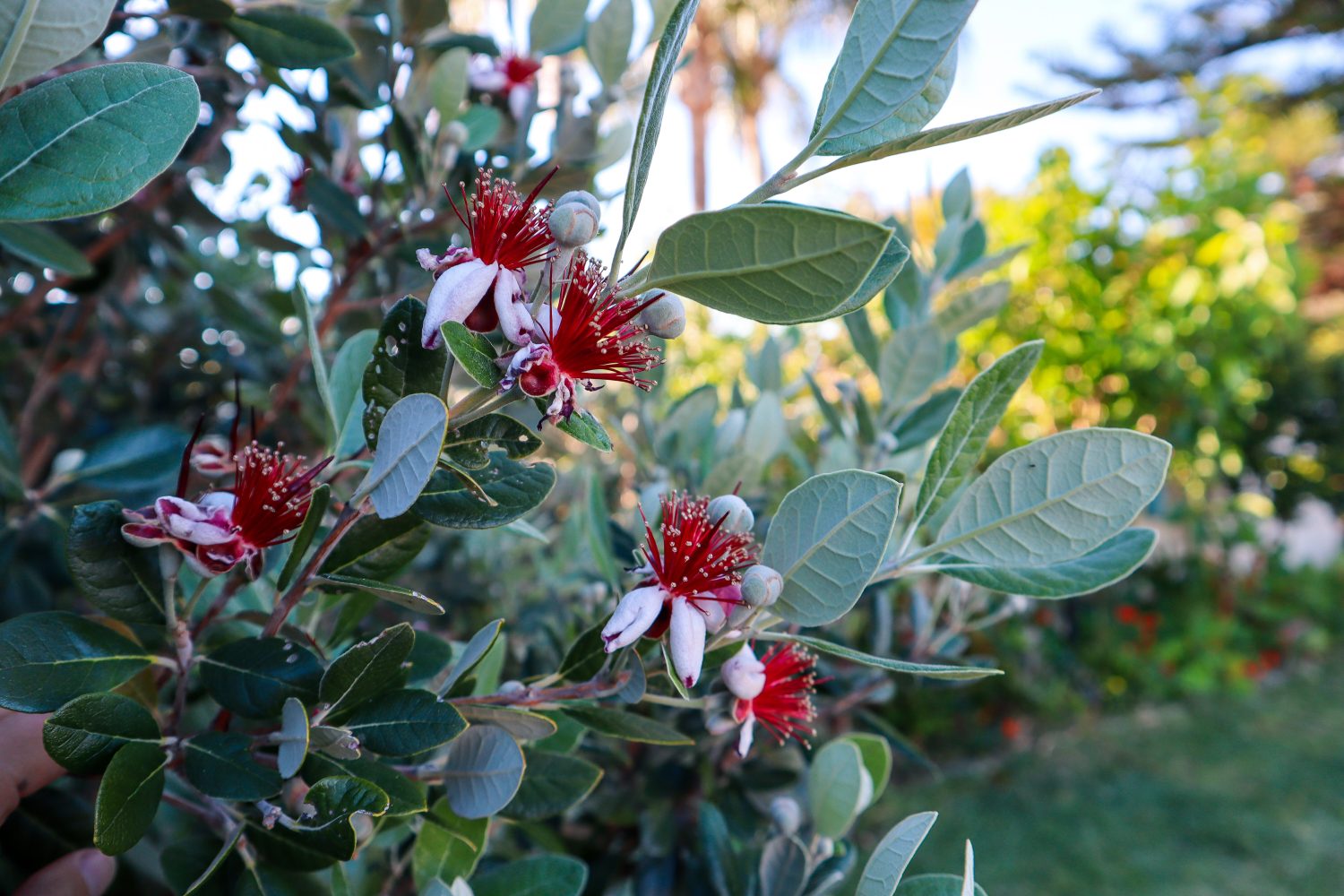
Fast-growing “living shade” is honestly a game-changer to easily protect your garden from heat… even if it’s temporary. Use quick growers to create a shady “umbrella-like” canopy by planting things like:
- Moringa
- Papaya
- Pigeon pea,
- Cassava
- Banana
- Mulberry
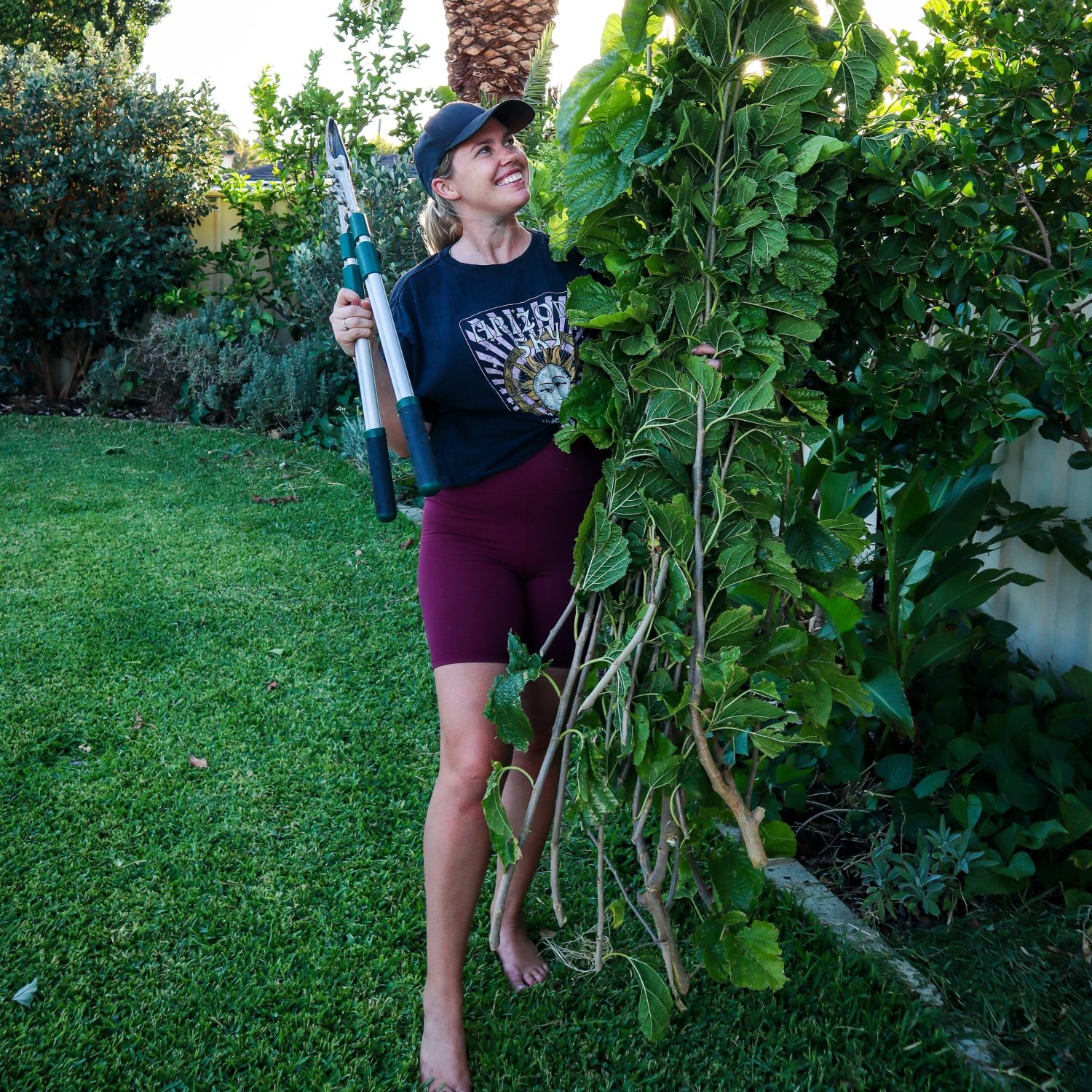
These plants grow fast, create dappled shade, and cool the entire garden. They also act as temporary “nurse plants” for your fruit trees. These don’t need to be permanent. You can utilise them for a few years while your main trees grow, then take cuttings, save seeds and chop and drop them to create mulch and organic fertiliser. I have grown mulberries from a cutting, and after a few years of harvesting fruit and utilising the shade, I have removed them to give my other trees the space they need.

Mulching & Groundcovers to Protect Your Garden from Heat
Something I have learned from gardening in sandy soil is the importance of continuously adding fibre and nutrients to my soil. If you’re in a dry, hot climate like me here in Perth, growing mulch plants could save your garden! Use living mulches like sweet potato, pumpkin, New Zealand spinach, and Nasturtium to protect bare soil and suppress weeds. Mulching doesn’t just help retain moisture…It also protects the shallow feeder roots of fruit trees from getting hot and cooked! And the bonus… mulch breaks down into compost, feeding soil microbes and improving soil structure over time.
Add Vertical Gardens
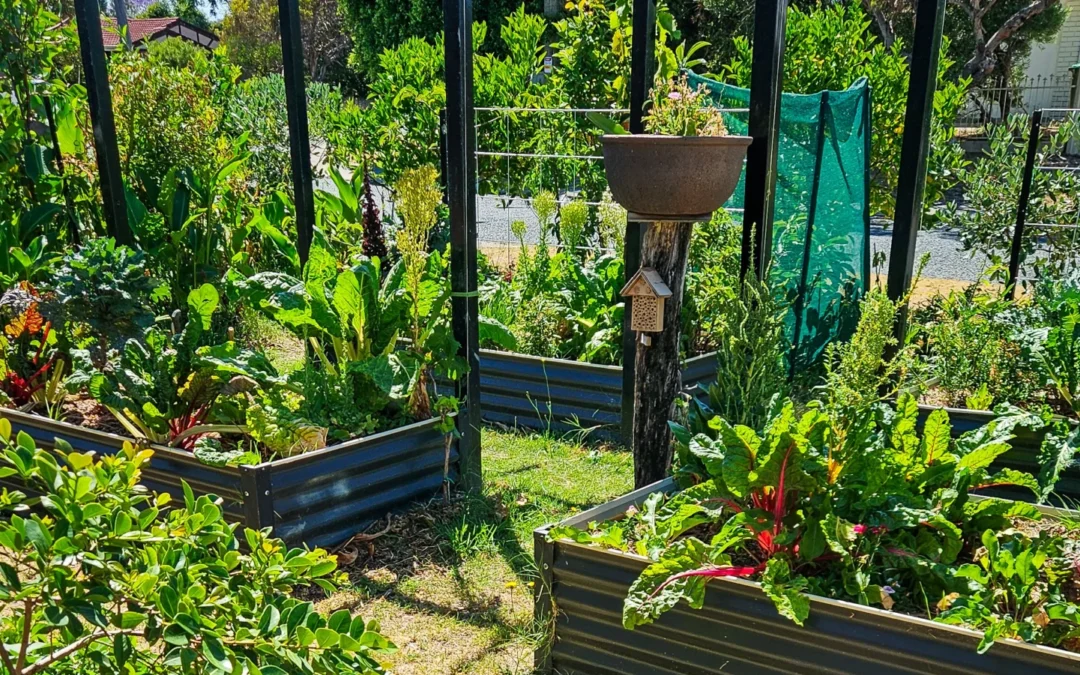
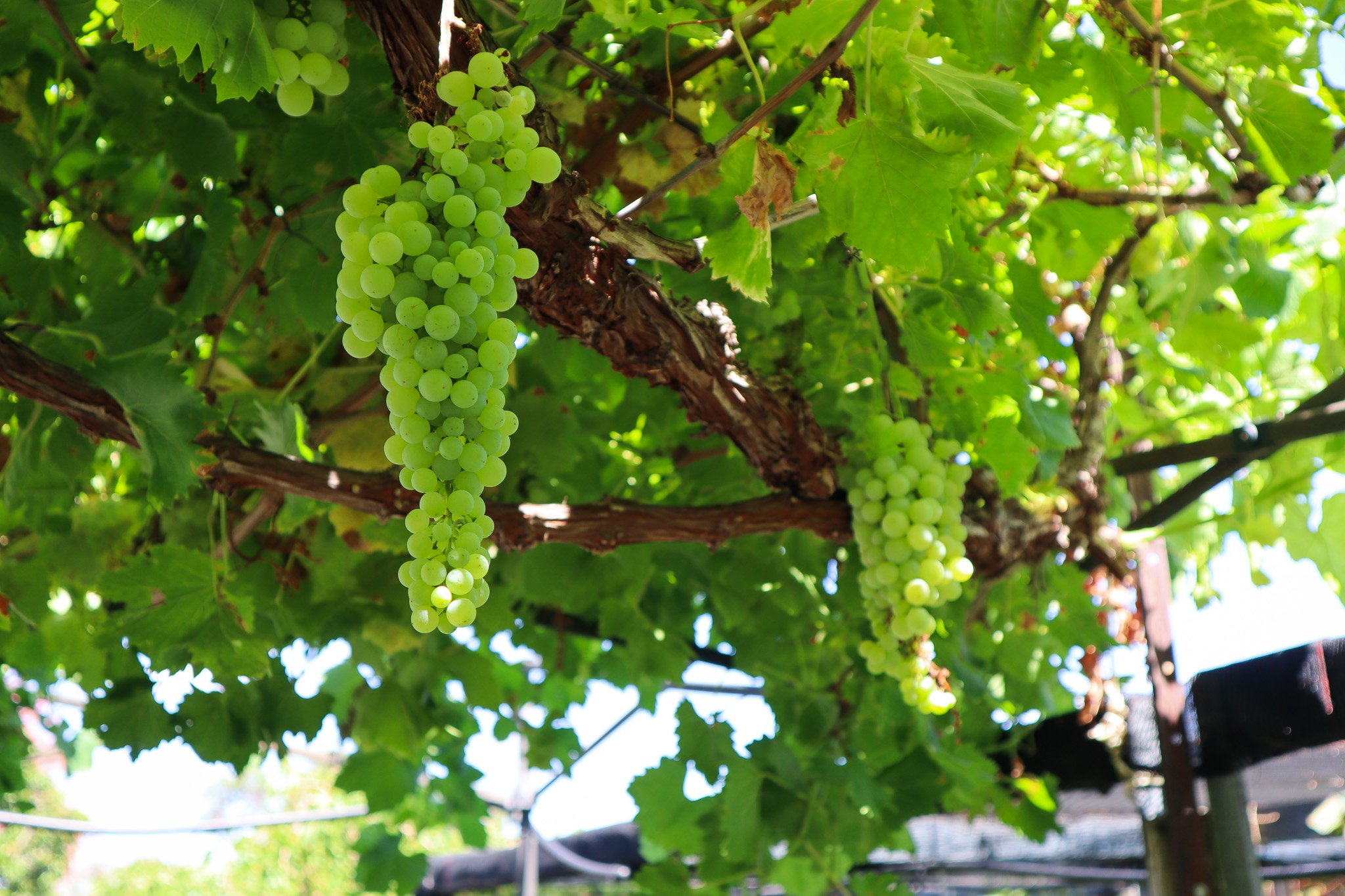
Adding vertical structures like trellises, arches, and fences for climbers (passionfruit, beans, grapes, cucumbers) creates natural shade for the garden beds underneath. Creating micro-shade pockets. Plan your layout to off the best shade for your garden. Growing edible climbers that are deciduous can be a great way to create summer shade, but let the light in during winter when they lose their leaves. I have grape vines growing over my raised garden beds to add summer protection from the heat, produce delicious crops and also allow winter sun to reach my garden.

Watering Strategies for Extreme Heat
Most plants die in heatwaves because they’re watered incorrectly — not because they’re not watered enough. Water deeply and less often. Deep watering encourages deep roots, which makes plants far more heat-tolerant. Consistency is also important. Long periods without water can cause the soil life to die, and the soil will become hydrophobic. Think of your soil as alive (it is) and that you are watering to feed the microbes, not just the plants. Happy, healthy soil will reward you with happy and healthy plants!
Most plants die in heatwaves because they’re watered incorrectly…. not because they’re not watered enough.
✔️ Water deeply and less often- Deep watering encourages deep roots, which makes plants far more heat-tolerant.
✔️ Cover your soil – whether that is with mulch, ground covers/living mulch or even better, a combination of both! This will help retain moisture and keep the soil alive.
✔️ Consistency is also important. Long periods without water can cause the soil life to die, and the soil will become hydrophobic. Think of your soil as alive (it is) and that you are watering to feed the microbes, not just the plants. Happy, healthy soil will reward you with happy and healthy plants!
✔️ Best times to water: early morning (best) or late afternoon (second best). Avoid midday watering — 80% of the water evaporates, and water on the leaves can burn your plants.
✔️ Sandy soils can also drain water fast and can easily become hydrophobic. It is important to add fibre by increasing the organic matter. This can be done by adding compost, manure, chop and drop and mulching.
High-Density & Succession Planting to Create Microclimates
This is honestly one of my biggest summer survival strategies…High-density planting helps shade the soil, reduce evaporation, minimise hot wind, and create cooler microclimates. Plants actually protect each other… more foliage means more shade and less moisture loss.
Annuals – Fill gaps quickly with fast growers like basil, bush beans, or herbs.
Perennials – Use mulch plants, nitrogen fixers, low shrubs, tall canopy plants, hardy fruit trees, and ground covers to fill all the gaps.
Succession planting fruit trees is a concept I dabbled in early on, but I wish I had gone harder! Planting from seed and cuttings will allow you to plant more and utilise high-density without the fear of deleting them later down the track. High-density doesn’t mean overcrowding… it means layering, timing, and letting plants work together… instead of cooking alone. They don’t ALL need to be permanent…some can be “nurse trees” until your “main fruit trees” are established.
What to Do Before a Heatwave Hits
When a heatwave is in the forecast, a little preparation can make the difference between a thriving garden and a fried one. These quick actions help your plants stay hydrated, cool, and protected during extreme temperatures — and they take less than an hour to set up.
- Water deeply the night before – Give your plants a long, slow soak so the water reaches deep into the root zone. Moist soil holds temperature better than dry soil and keeps plants stable through the hottest part of the day.
- Add temporary shade cloth – A simple 30–50% shade cloth over garden beds, young fruit trees, or tender plants such as avocados and young tropicals can prevent sunburn and drastically reduce heat stress and wind damage. Even a beach umbrella or an old sheet works (allow airflow).
- Move pots into shade or under cover – Potted plants heat up far quicker than plants in the ground. Move them against a cool wall, under a patio, or beneath a tree canopy to protect their roots from overheating.
- Mulch any exposed soil – Bare soil is the fastest to dry out and heat up. Add a thick layer of mulch around fruit trees, garden beds, and seedlings to keep the soil cool and reduce evaporation.
- Water deeply early in the morning – Give your plants a long, slow soak at sunrise. This allows the water to move deep into the soil before the sun becomes intense. Moist soil holds temperature better than dry soil and helps your plants stay hydrated throughout the day.
Grow and Chop-and-Drop Your Own Mulch
I think one of the best ways to protect your garden from heat is to grow your own mulch. It not only offers shade when you need it, but you also get to chop it back to create your own organic mulch or fertiliser. This will help feed your soil and, in turn, improve the water retention! a WIN-WIN. When your garden produces its own leafy biomass, you have a constant supply of materials that cool the soil, protect roots, and feed the microbes that build long-term resilience. It’s a system that works with your climate instead of against it.
Great chop-and-drop plants for hot climates include:
- Pigeon pea – fast-growing, drought-tolerant, nitrogen-fixing
- Queensland Arrowroot – Repopulates fast with water-filled stems
- Moringa – rapid growth and abundant leafy material
- Lemongrass – dense, fibrous clumps that suppress weeds
- Cassava – hardy, productive, and perfect for biomass
- Mexican sunflower (Tithonia) – one of the fastest biomass producers
These plants bounce back quickly after pruning and thrive even in harsh conditions. Each layer protects the roots from harsh sun, reduces water loss, and breaks down into organic matter that improves soil structure over time. It’s the most sustainable long-term strategy for gardeners in hot, dry climates.
🌱 Want a deeper guide to mulch plants, chop-and-drop strategies, and soil-building techniques?
You’ll love my ebook How to Grow Your Own Natural Fertiliser, where I break down exactly how to select, grow, and use mulch plants to create a self-feeding, low-maintenance garden. It’s packed with practical tips specifically for hot climates and sandy soils.
Happy Gardening,