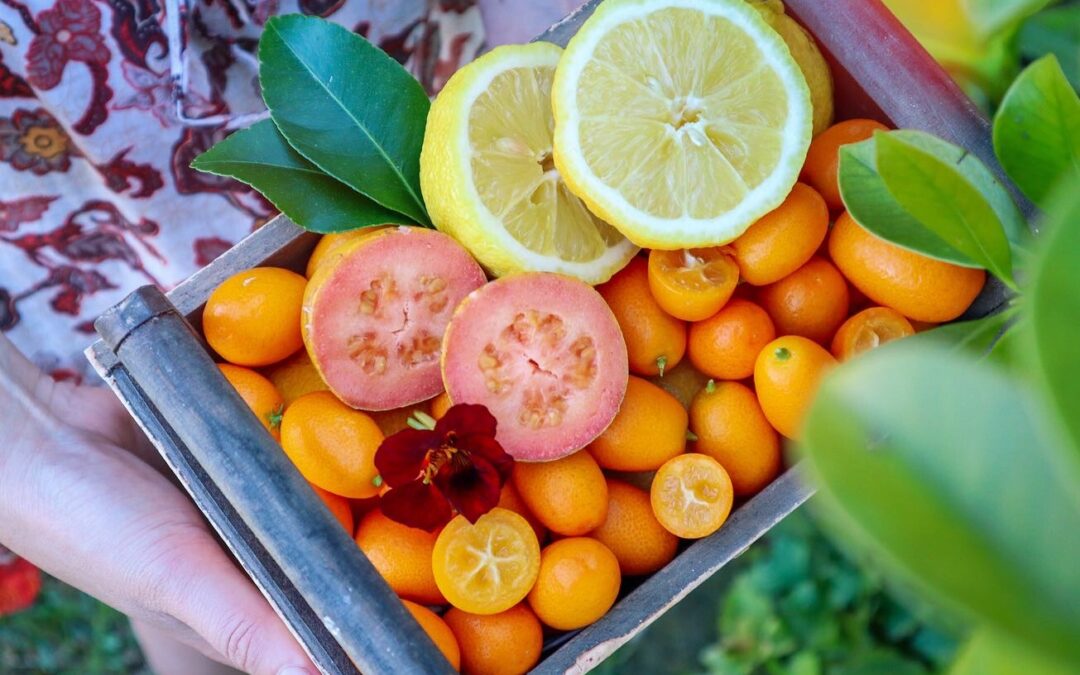
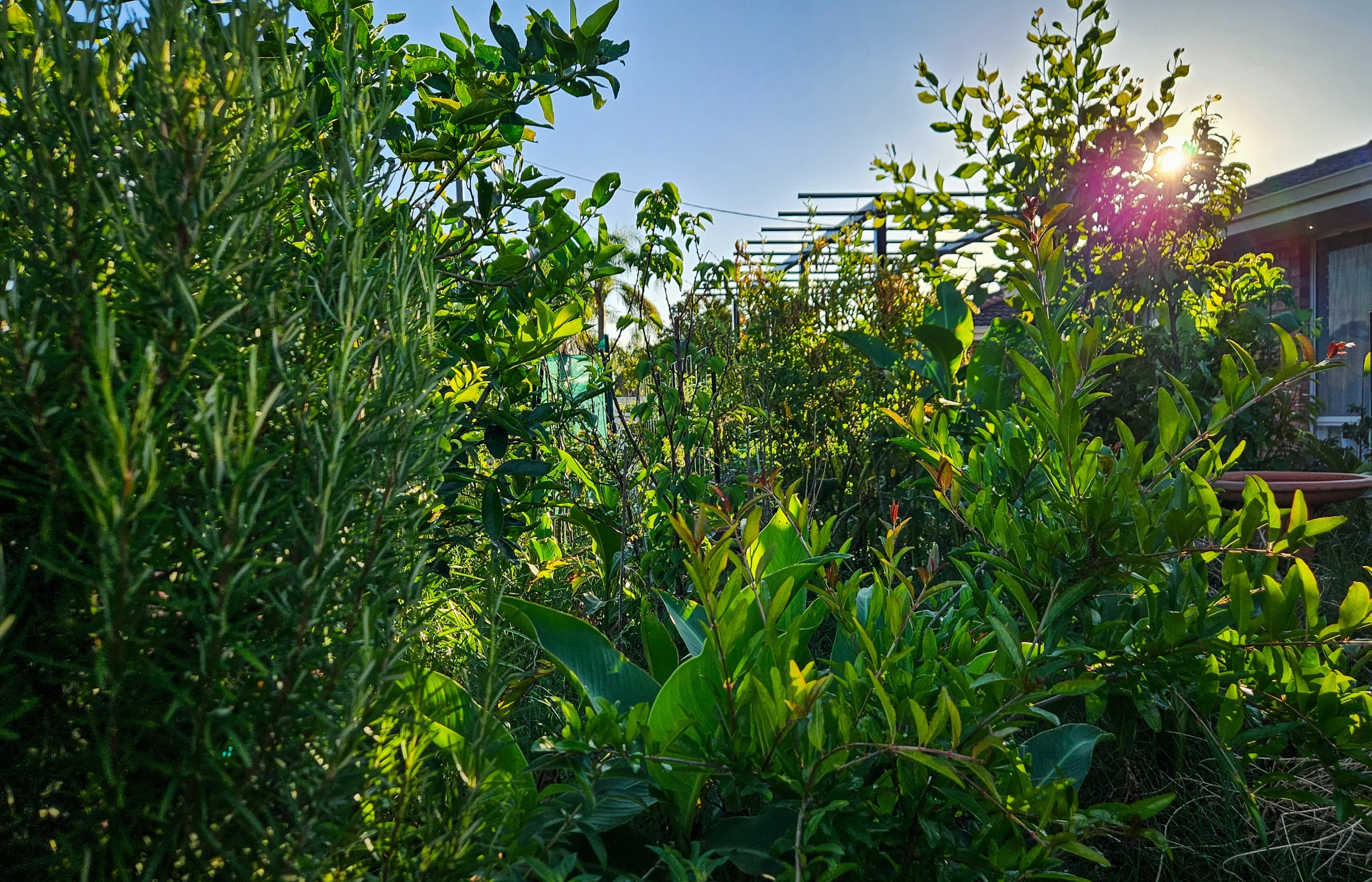
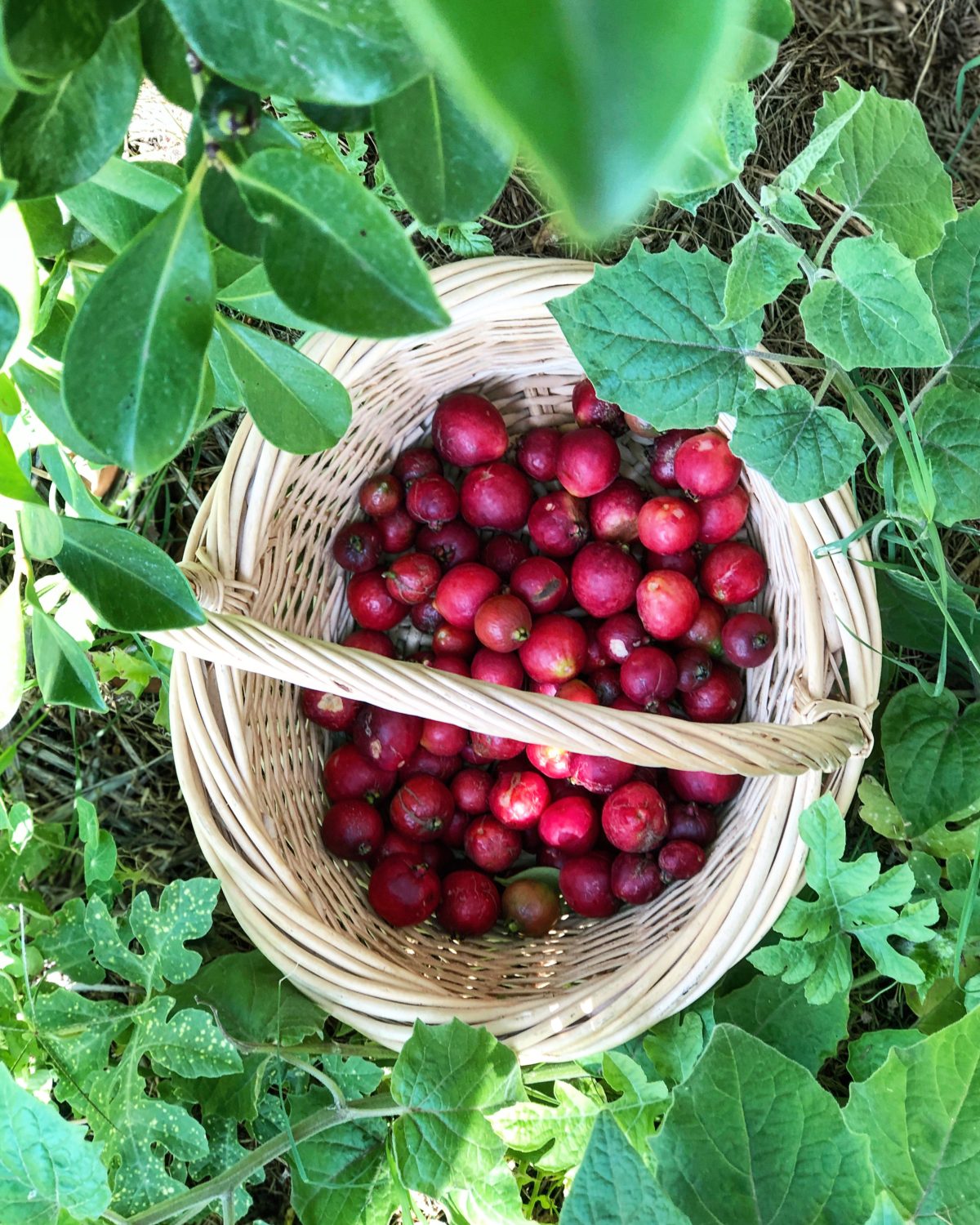
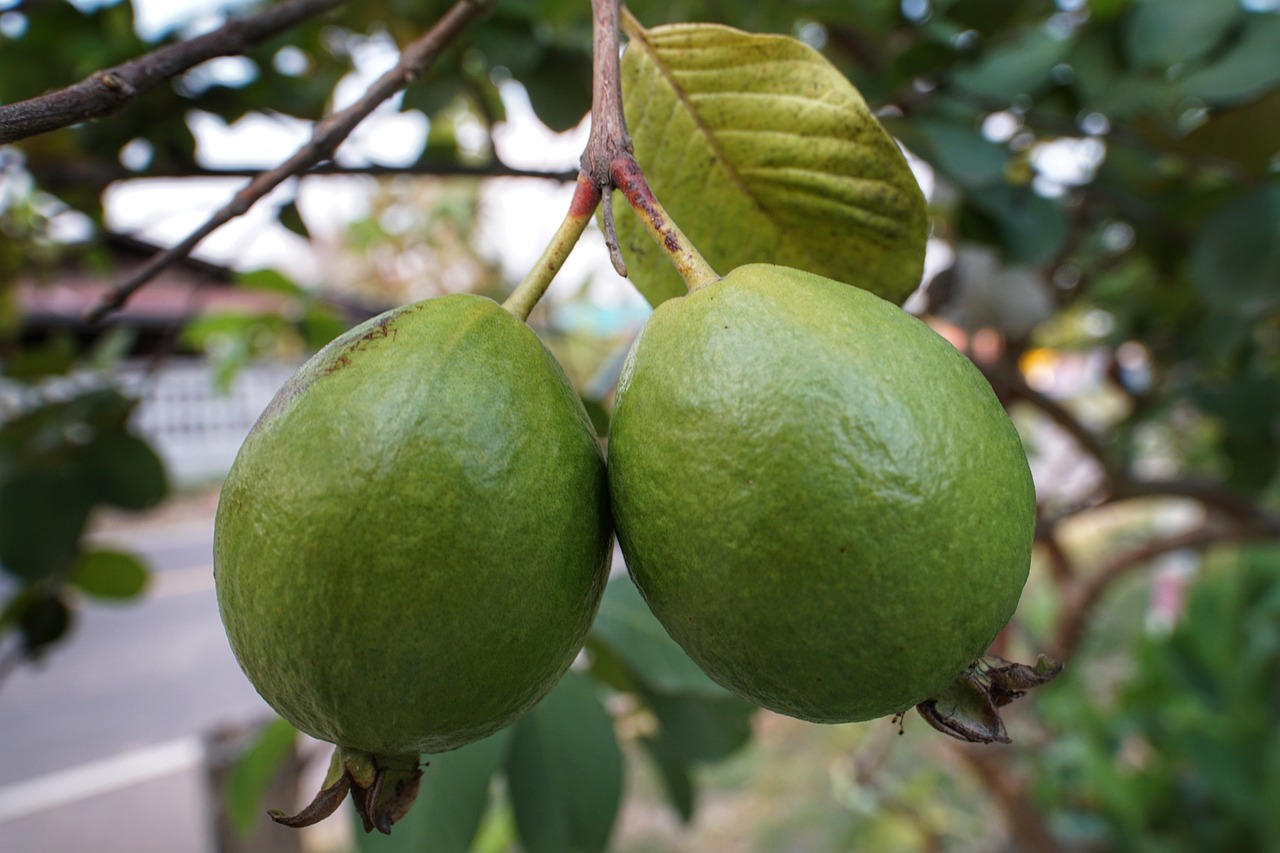
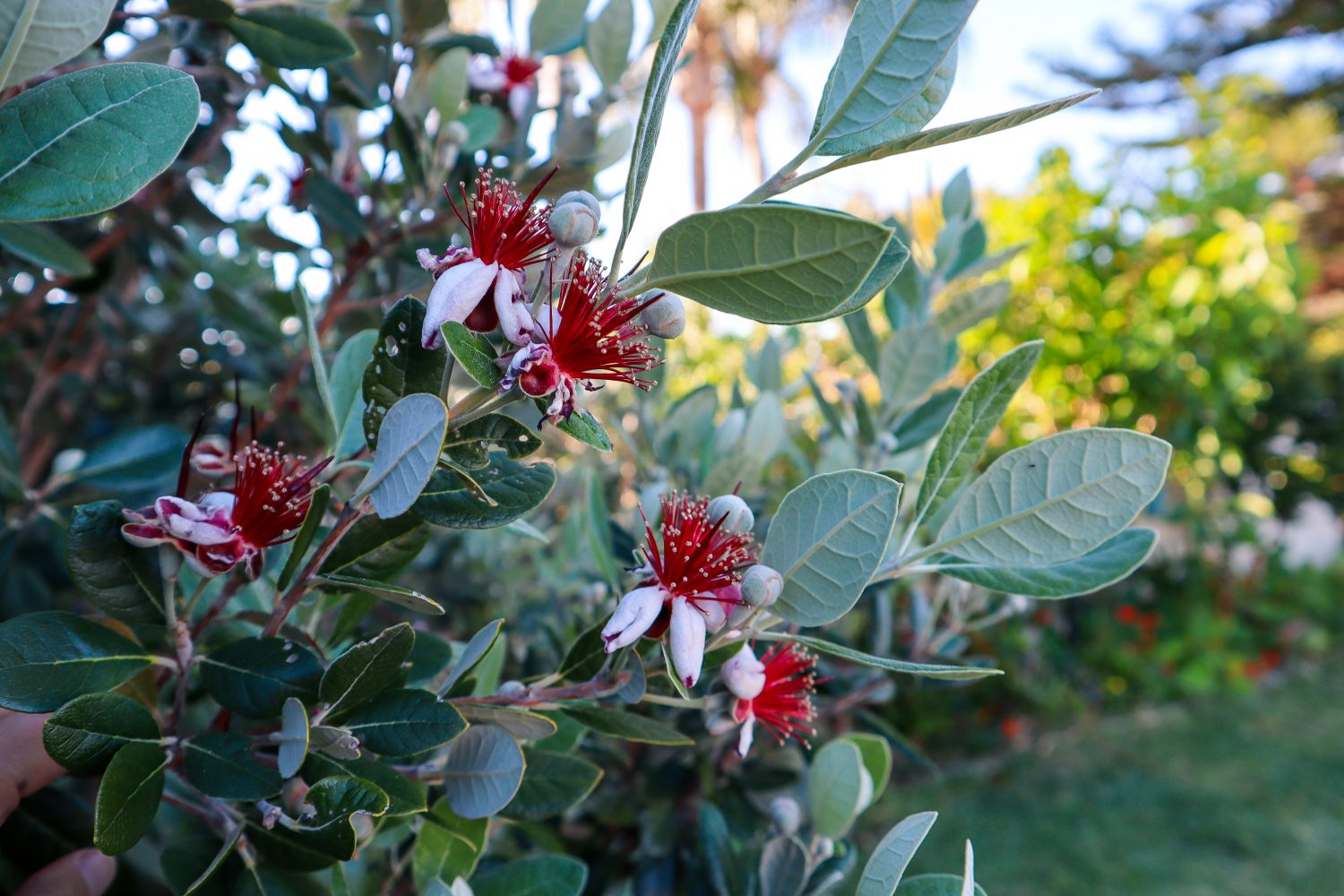
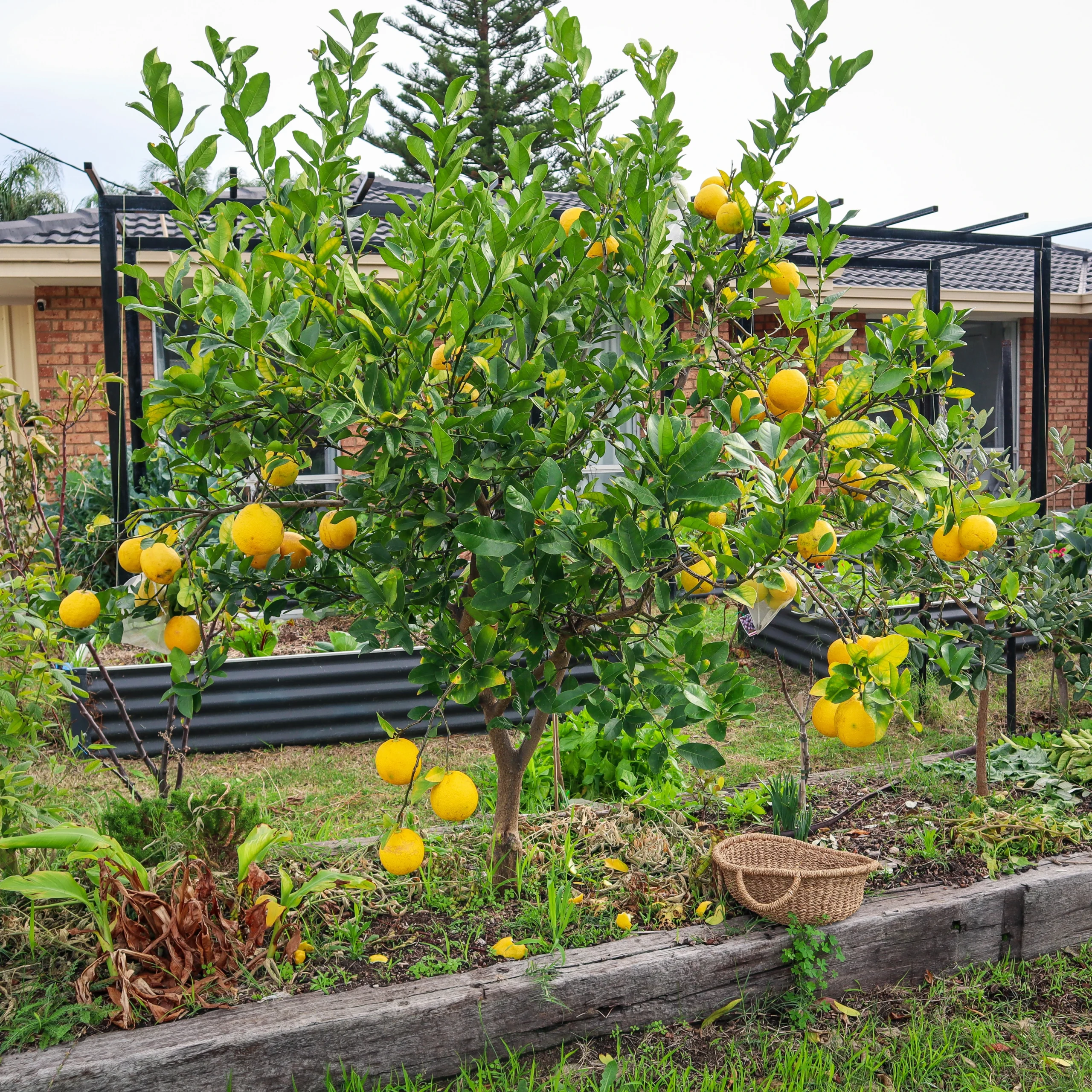
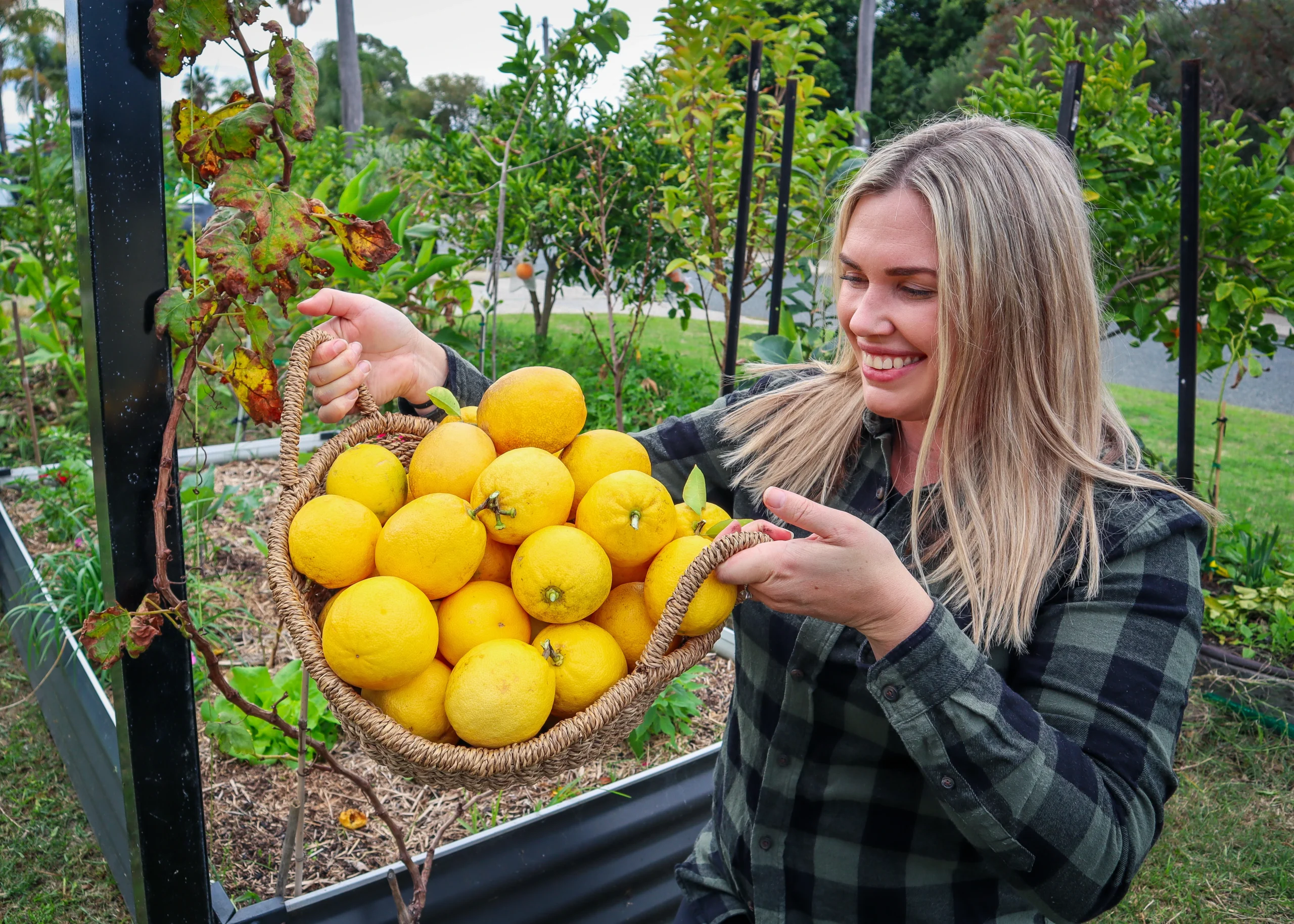
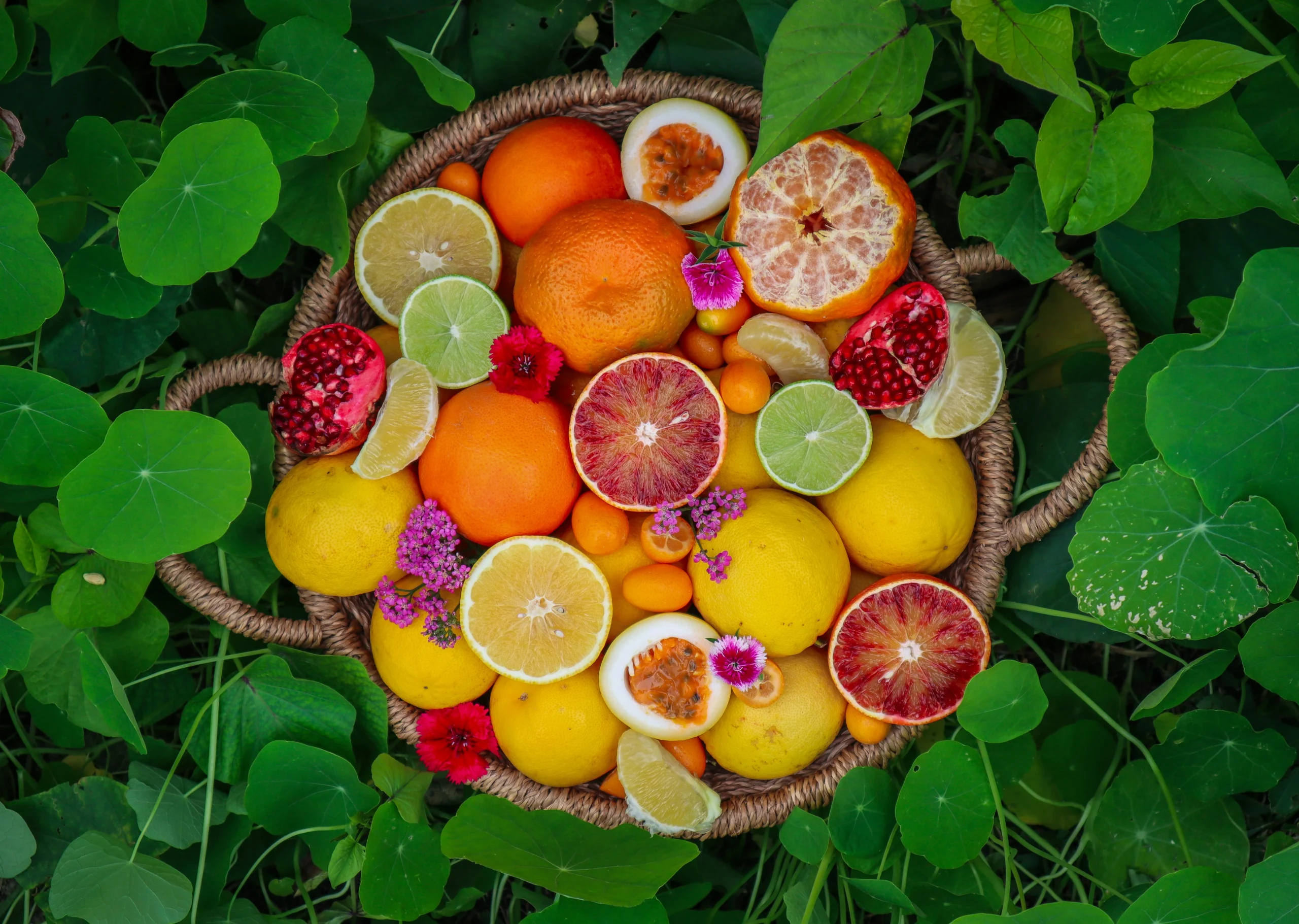
Learn how to grow Feijoa and what to make with their abundant crops! Feijoas or Pineapple Guava (Feijoa Sellowiana) are an abundant-producing fruit tree with green, sweet-tasting fruit. The trees are evergreen with dark green and silver foliage. Feijoas are easy to grow and, due to their thick foliage, they make a great screening tree or edible hedge!
This fruit tree is a prolific producer and can grow in a range of climates from temperate to subtropical, but grows best from zones 8-11.
Prune for size in autumn. Keep well watered in summer when fruiting.
FERTILISE
Feed with compost and keep well mulched.
PESTS
Rats, fruit flies, birds, guava moth, possums, scale.
HARVEST
Ripe when they fall from the tree. Collect daily.
REPRODUCE
Can grow from seed but best results are from grafted plants.
Why Grow Feijoa?
Here are some of the many reasons to grow Feijoa
It produces in abundance!
It is self-fertile
Evergreen – ornamental all year round
Delicious juicy fruit that are sweet with a perfumey flavor
Green fruit, which is harder to see from pests
Hardy tree – easy to grow
The whole fruit is edible!
Flowers are edible
Foliage is said to have fire-retardant qualities
Drought tolerant
Dense foliage can be pruned into a hedge for screening areas
Popular Feijoa Varieties
Feijoas are commonly sold as seedling plants under the name Pineapple Guava or Feijoa Sellowiana these will perform with mixed results and can take 6+ years to start fruiting. Choosing a grafted or named variety will offer a quicker-producing tree that will be true to type. Varieties will vary from country to country.
Duffy – Medium – large-sized fruit. Popular all-around variety.
White Goose – Large fruit with juicy white flesh. Early season fruiting that can last quite a long time.
Mammoth – Large round fruit with thick wrinkled skin. Can benefit from a pollinator tree. Tall upright tree.
Apollo – Medium – large oval fruit. Smooth light green skin. Tall upright tree. Semi-self-fertile – benefits from another pollinator tree.
Unique – Medium-sized fruit. Smooth, juicy, and sweet. Starts fruiting from a young age.
Triumph –Medium-sized fruit. Slightly gritty but good flavour. Late season bearing.
Nazemetz – Large oval/pear-shaped fruit. Smooth skin with sweet flesh. Self-fertile but will bear heavily with cross-pollination.
QUICK TIPSON HOW TO GROW FEIJOA
Choose a named variety (x2 different ones for bonus pollination)
Choose a sunny location
Add plenty of compost
Mulch
Ensure plenty of water during fruiting (summer)
Fruit is ready in Autumn
When to PlantFeijoa Trees
Plant your Feijoa plants in Spring or Autumn to avoid added stress from summer and winter temperatures.
How to GrowFeijoa
To plant your Feijoa, pick a sunny spot, they like full sun for 6-8 hours at least. And quite a bit of space, as these trees will grow quite large (2-5m). You can prune them back heavily though, so it’s not a major issue. They will also grow well in a large pot.
Dig a hole twice as big as the pot and mix a little compost in with the soil. If your plant has tightly bound roots, free them up before planting them out. Firmly pack the soil back around and cover it with mulch. Just pull back the mulch from the trunk so you don’t rot the trunk. Feijoas have shallow feeder roots so keep weeds and plants at a minimum under the tree line.
Give it big water! Now you basically don’t have to do anything for the first couple of years except keep it watered, especially during the dry season. You may get flowers in the first year or it makes take a couple of years until it is established enough to put out flowers. It flowers in spring and the fruits are usually ready and ripe in Autumn.
How to Care and Maintain Feijoa Trees
Feeding
Once your tree is established and starting to flower and fruit you can look at more fertilizing and watering. You can feed your plants near the end of winter, spring, and summer with compost or worm teas, or liquid seaweed. I don’t do a lot of feeding but I do chop and drop the prunings and add layers of mulch each year.
Watering
Another key tipis to ensure your plants get plenty of water during summer and late summer as the fruits are developing. This is something we struggle with here in Perth because we basically get no rain in summer. This last summer was so dry in Perth, and my trees were loaded with fruit. I obviously didn’t water them enough for the amount of fruit they had and the results are a strange hollow center. The fruit still tastes delicious, just not quite as juicy as it should be.
So I will have more mulch and more water next season. From memory, I was only hand watering max twice a week, and it was extremely hot here, so I’m not surprised really.
Pruning
Once your feijoas have finished fruiting, and you have picked up all the dropped fruit. It can be a good time to prune your trees if you want. I like to prune mine each year so that the fruit is always within reach. Otherwise, it ends up over the neighbor’s fence or is bruised from falling so far to the ground. Feijoas love a prune and it can actually improve fruiting. I cut back about 20-30% each year and I find that it grows back about that much so my trees stay relatively the same height by doing this.
Plus, by cutting back 20% of the tree, I get a whole lot of green material to chop and drop. In my food forest-style garden, I don’t remove anything so all prunings go directly back into the garden. I prune using hedge shears or loppers for larger branches and then run them through my small mulcher. You can also chop them into small pieces, then lay them around the trees. This will break down and act as a natural fertilizer.
Pollination
You may notice lots of small birds in your trees when they are flowering. Don’t worry as they are helping pollinate the flowers. They harvest the nectar and also eat the petals but generally allow the main flower to stay put and fruit. Bees and small birds are the main types of pollinators.
One tree will still perform amazingly as they are self-fertile but having multiple just increases your harvests. It can also extend your season. Meaning different varieties take longer or shorter to flower or ripen and you can get extended harvests.
One thing to note is that feijoas ripen quickly and in bulk. So they come in hard and fast.
Pests / Disease
Rats and possums will love your fruit, and also parrots and birds. You may want to net or bag fruits if you are worried. I definitely have rats and parrots but so far I haven’t needed to bag fruit as they are doing minimal damage to my large harvests. Fruit flies and guava moths are also a problem in other areas. Again, this would mean you need to bag the fruit or net the tree when the fruit is young before they get stung.
How/ When to HarvestFeijoa
Now comes the fun part – harvesting. How do we tell when the fruit is ripe if it remains green? Well, it falls off the tree. So each morning, you can go out and pick up all the fruit from the ground. It is important to pick all the fruit up because otherwise, you will attract pests like rats and possums, or fruit flies. Feijoas do continue to ripen off the tree so you want to eat them quite quickly or use and preserve them. I like the tartness of fresh feijoas, and they get sweeter and more perfumy as they ripen, which is why I never like feijoas from the stores, as I find them too overripe.
Most people will cut the fruit in half and scoop out the inside to eat but you can eat the whole fruit. Especially when they are quite ripe the skin is sour and the inside is sweet it has a nice balance.
Reproducing
Ripe feijoas may have small brown seeds inside. These can be planted in moist soil. Feijoas do not grow true to type from seed so they may produce fruit different from the one you saved the seeds from.
Ways to cook and use Feijoa
Feijoas are delicious when eaten fresh off the tree. You can eat the whole fruit or cut it in half and scoop out the insides. Once they fall from the tree, they may still be a little tart. Allow them to ripen for a few days, and they will become softer, sweeter, and juicier. However, they will continue to ripen and become over-ripe. Fruit flies may also find them on the bench, so I like to keep them in the fridge.
Feijoa flowers are beautiful, and the petals are edible. I saved a bunch to add to teas. Just carefully remove the soft white and pink petals without removing the whole flower.
Feijoa pairs well with: Ginger,Coconut, Apple, Cinnamon, Chilli, Citrus, Pear, Nuts, Dark chocolate, Yogurt
Feijoa ideas:
Juices
Smoothies
Cakes
Jam
Crumble
Muffins
Icecream
Preserving your Feijoa Harvest
Feijoa trees, once mature, will produce bucketloads of fruit! They can be frozen to use in smoothies and juices or baking, or preserved in jams, chutney, alcohol infusions, and bottled.
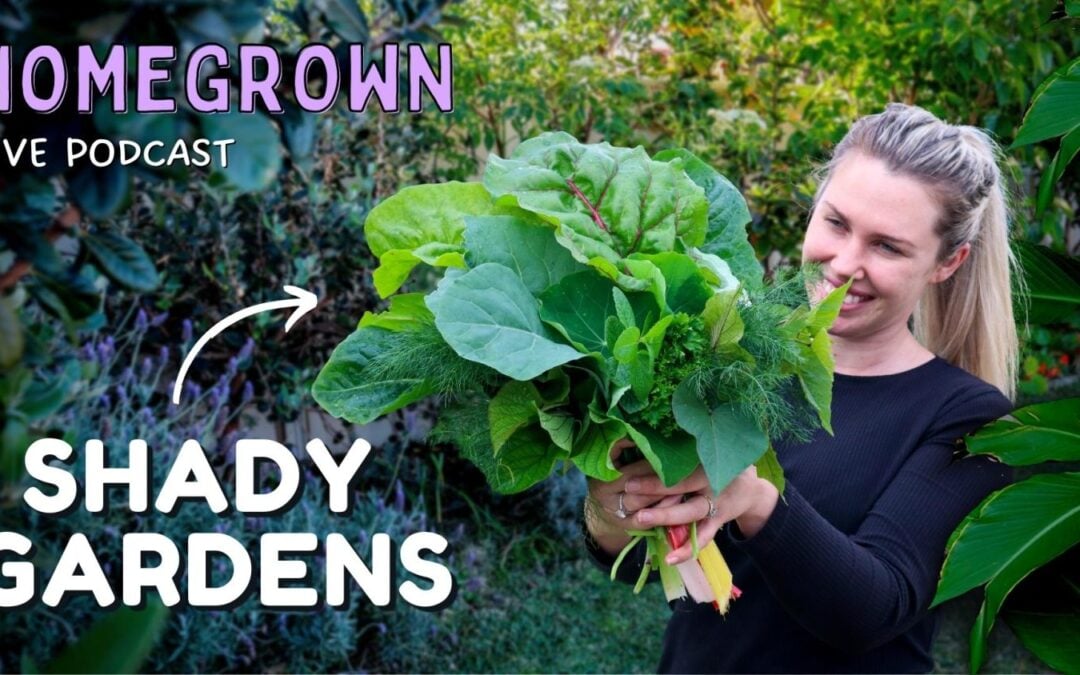
Our gardens will inevitably get shadier as mature trees start to grow. We will also get more shade in our gardens throughout the year during different seasons. In this episode of the Homegrown Podcast, we will discuss how to grow food if you have areas of shade in the garden. What to plant, how to maximise production and minimise disease.
I am so excited to announce the launch of my brand new live show and podcast – Homegrown with Sustainable Holly. Homegrown the live show is a live podcast for those who want to grow food at home and live a more sustainable lifestyle.
Welcome to the edible gardening Podcast x Livestream where you can listen, ask questions, or watch live and be a part of an interactive gardening show. Together we will sow seeds, discuss what’s happening in the garden, make plans, and track goals to grow more food at home naturally and sustainably.
Homegrown is hosted by Holly an Edible Gardener, YouTuber, and Photographer creating a more sustainable life in the suburbs of Perth, Australia. Join us Wednesdays at 5pm AWST – live on YouTube and grow your own nourishing homegrown food!
Be sure to subscribe to get updates on when new episodes go live! And if you found some inspiration from the show I would love it if you could give me a rating and review. This helps me grow the show and be able to get lots more exciting guests.
Why is it a live show?
Live streaming allows us to have real, raw and unedited conversations about growing food at home and also behind the scenes of growing a business from the garden it’s going to be an evolving show but we are starting right here in my kitchen. I’m so excited to have you along for the journey and to see where we can go next with this live cast. I already have some incredible inspirational guests that are crazy enough to put their hands up to join us here in future episodes.
And just a forewarning whether you are watching is live on YouTube or listening to the podcast after the fact i just want to put it out there that this is a live show so there may at times real life background noise like my dog Tama barking at someone driving down “his” street or people turning up, neighbors on power tool. I mean who knows what is going to happen but its all part of the adventure right?
How can I get involved?
Join for the livestream over on YouTube on Wednesays and get involved! Join in the live chat, ask questions and make suggestions for future episodes. To keep the flow of the show for those that are listening to it after recording, i will answer questions at the end. So pop any questions you have in the livechat and write a Q at the start so i can see them clearly from the comments and stick around to the end and i will feature some of your questions!
Want to be a Guest on the show? Send me a quick message with a little info about your garden and we will take it from there!
Edible Climbing Vines help maximise growing space and double the amount of food in each garden bed or container. One thing that I think is so underrated is the ability to grow food up 👆 This list of edible climbers to grow in your garden will help you utilise vertical space and create shade and protection. These 10 edible climbing vines are perennials,which means they will produce more and more food each year without us having to replant them! There are so many incredible reasons you should be growing food vertically. Not only to maximise space but also to increase airflow to reduce rot or disease, strategic shade, or like me, to reduce some of the heat in my garden by covering my ugly fences!
Annuals vs Perennials 🌿
Annuals will allow you to still change up your garden beds each season and have the flexibility of space. Whereas perennials (which grow for longer than 2 years) will allow you to get a crop established and provide long-term protection, and produce more and more food each year.
Click to watch for bonus Planting Tips 👇
10 Perennial Edible Climbing Vines
1. Passionfruit
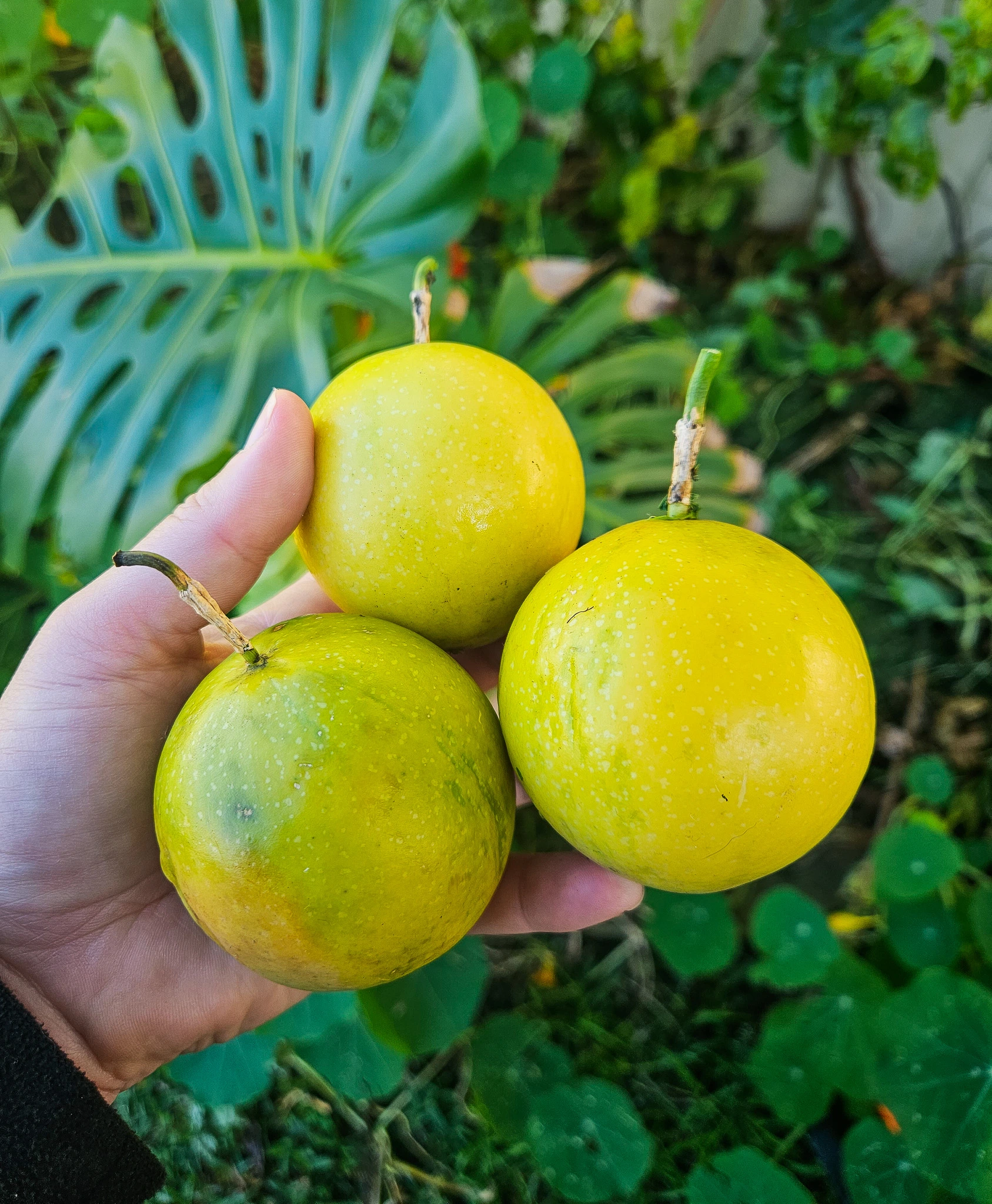
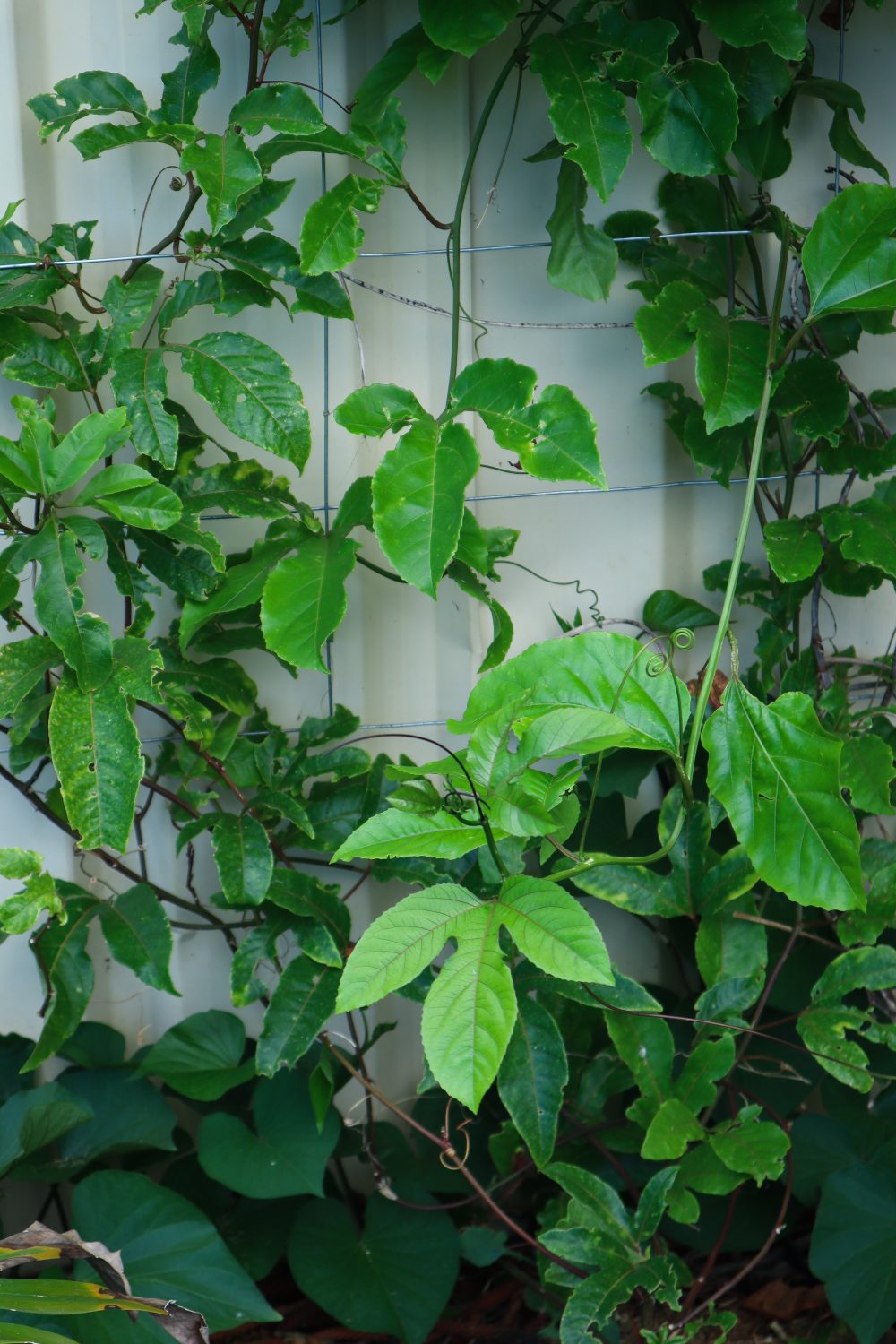
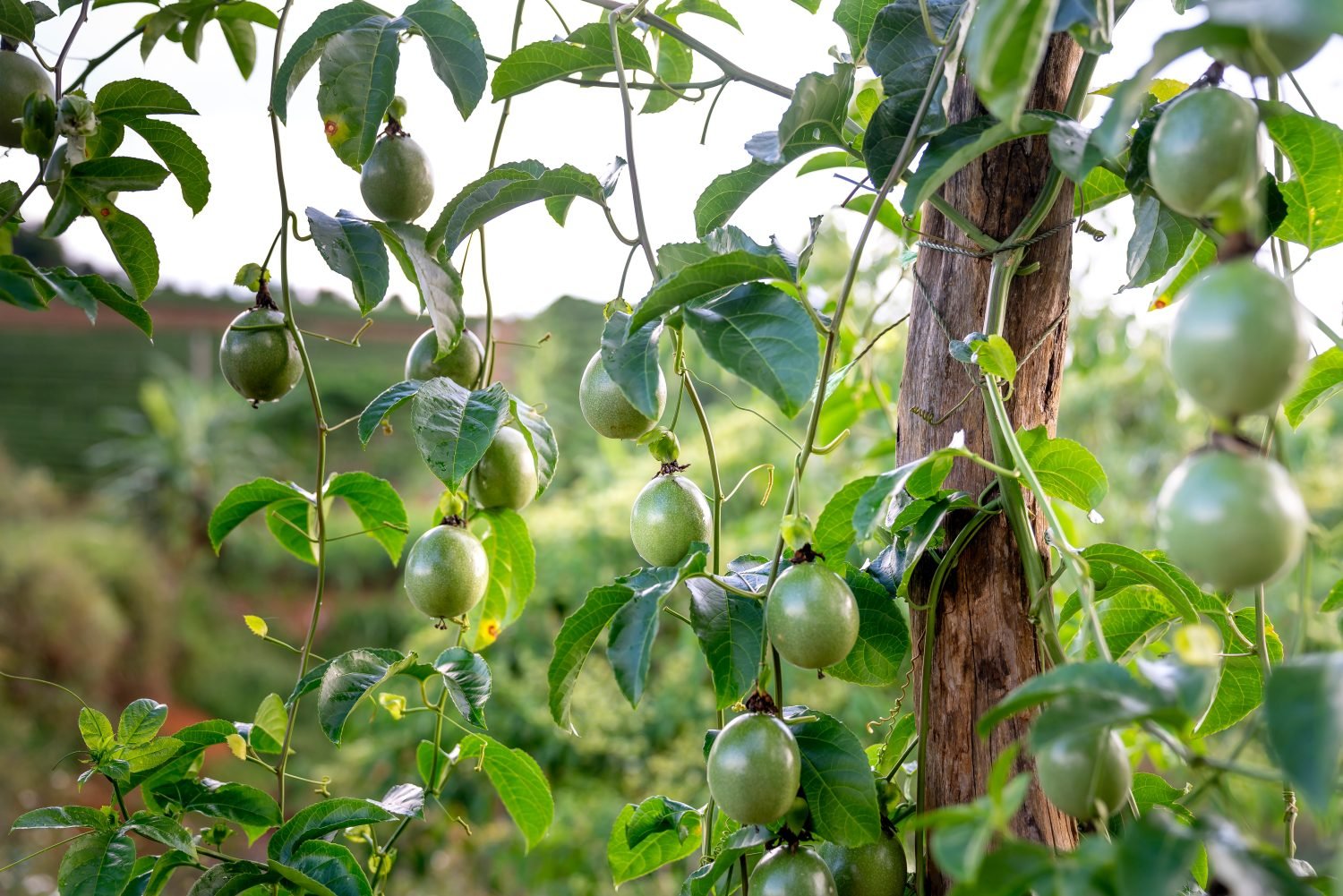
Passionfruit is one of my favourite fruits to eat, and the main reason I am growing this edible climber in my garden. They are also evergreen, so it has leaves all year round to create shade and protection. Passionfruit have thick, lush leaves, so they work perfectly to cover fences or create screens to block out unsightly structures or areas. Watch the video above to see how to plant passionfruit from a store-bought fruit!
BONUS TIP: Purchase a passionfruit plant that is NOT grafted. Grafted passionfruit needs to be carefully maintained or the rootstock can quickly take over and become invasive with no fruit.
2. Choko /Chayote
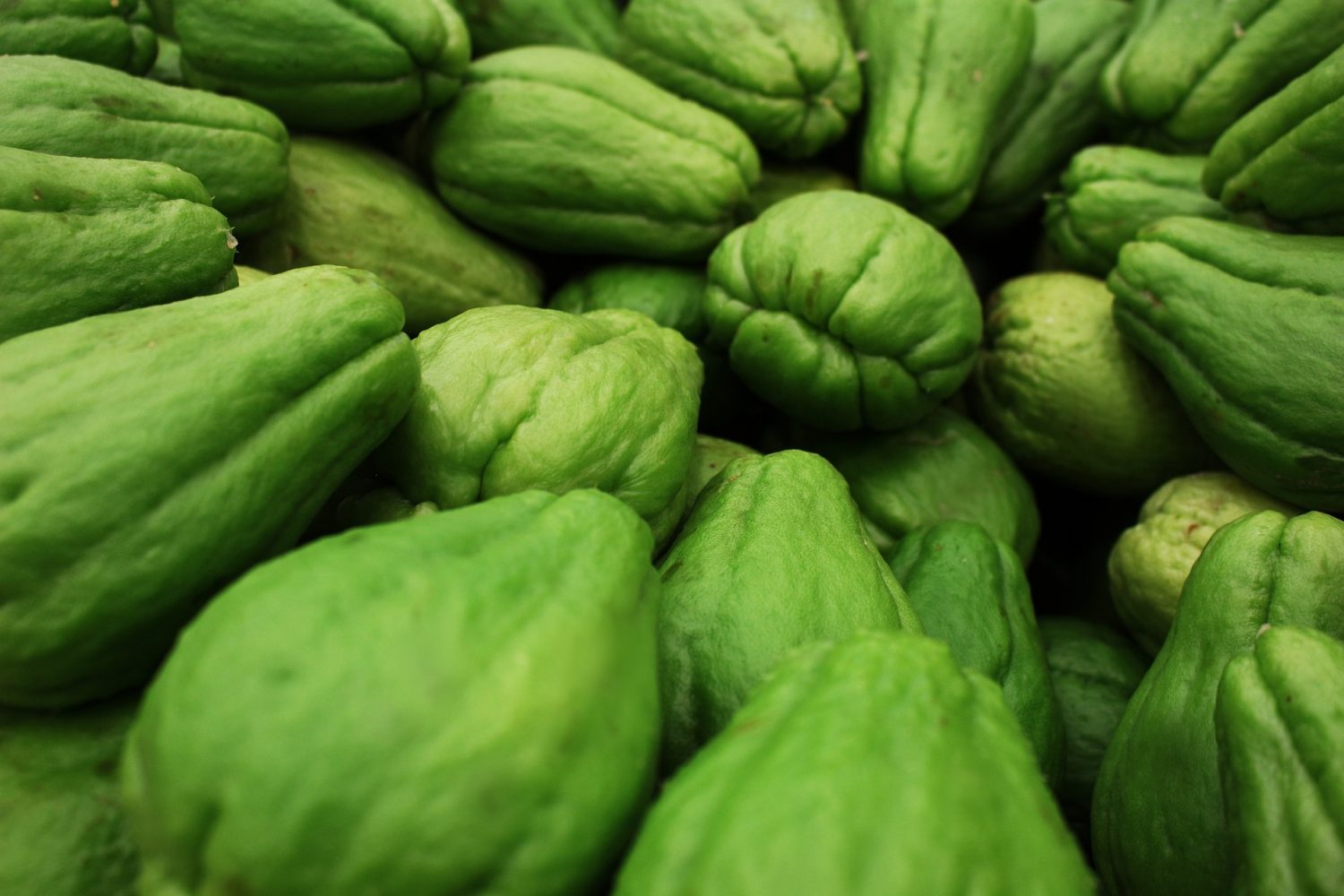
Choko is a quick-growing, vining edible plant that can make great summer shade to protect your summer garden. They will often die back over winter but will pop up and regrow each spring. Any fruits left on the ground will also easily regrow. Choko are similar to a large zucchini or marrow and can be used as a substitute for potatoes or even apples to bulk up pie recipes.
3. Sweet Potato
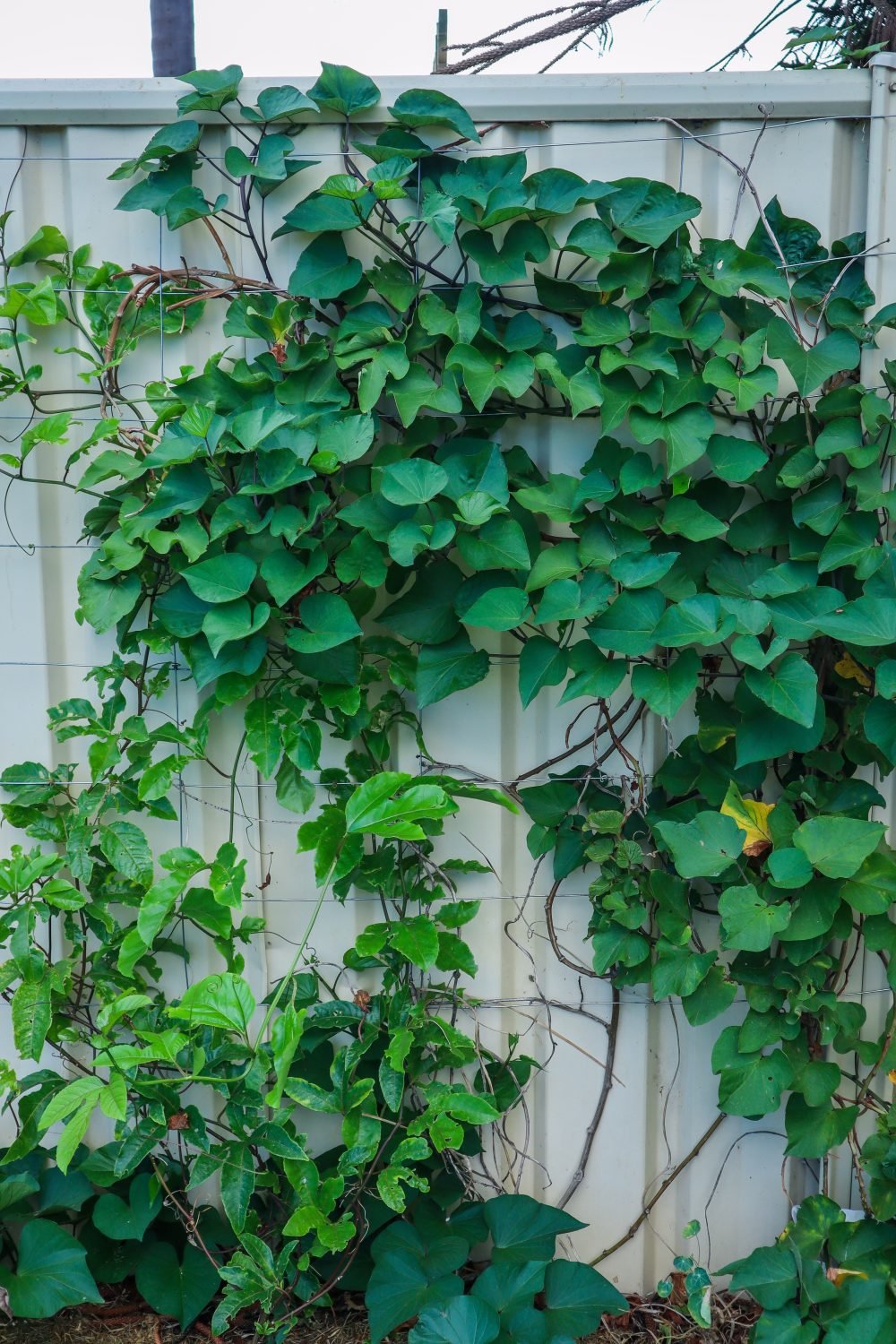
Growing Sweet Potatoes / Kūmara (Ipomoea batatas) in your home garden is a great step toward self-sufficiency. They are my favourite permaculture plants and are an easy crop to grow for beginner gardeners. It is important to grow plants that support and encourage other plants and beneficial insects in your garden. Creating a cohesive ecosystem that promotes the growth and success of your garden’s health and supports abundant harvests. Sweet potatoes send out runners and can easily be trained up a vertical trellis. Plus, many people do not know that the leaves of the sweet potato plant are also edible.
4. Grapes
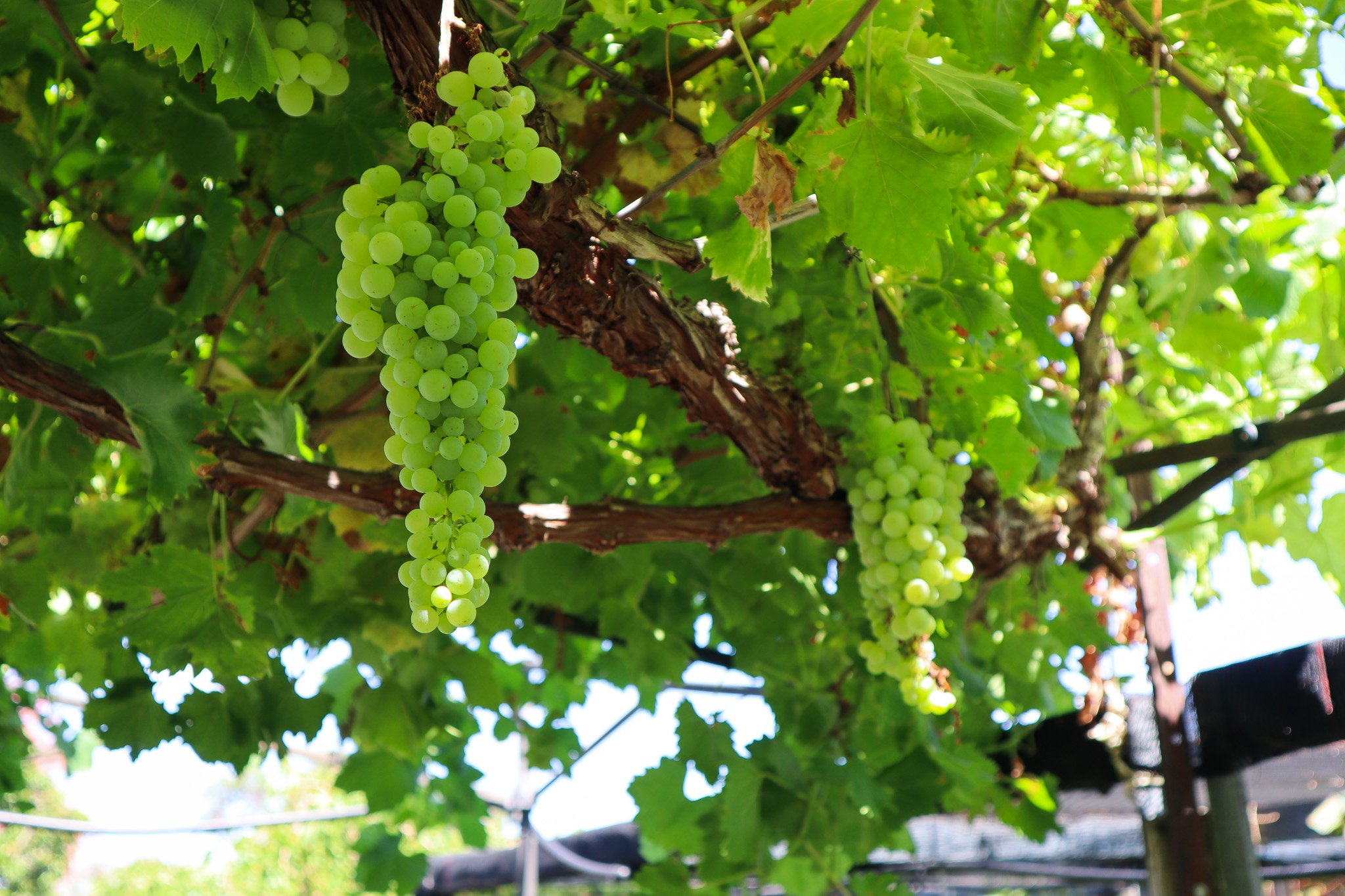
The great thing about growing grapes as edible climbers is that they are deciduous. This means they lose their leaves in winter, so you can plant grapes strategically to provide shade in summer and let light through in winter!
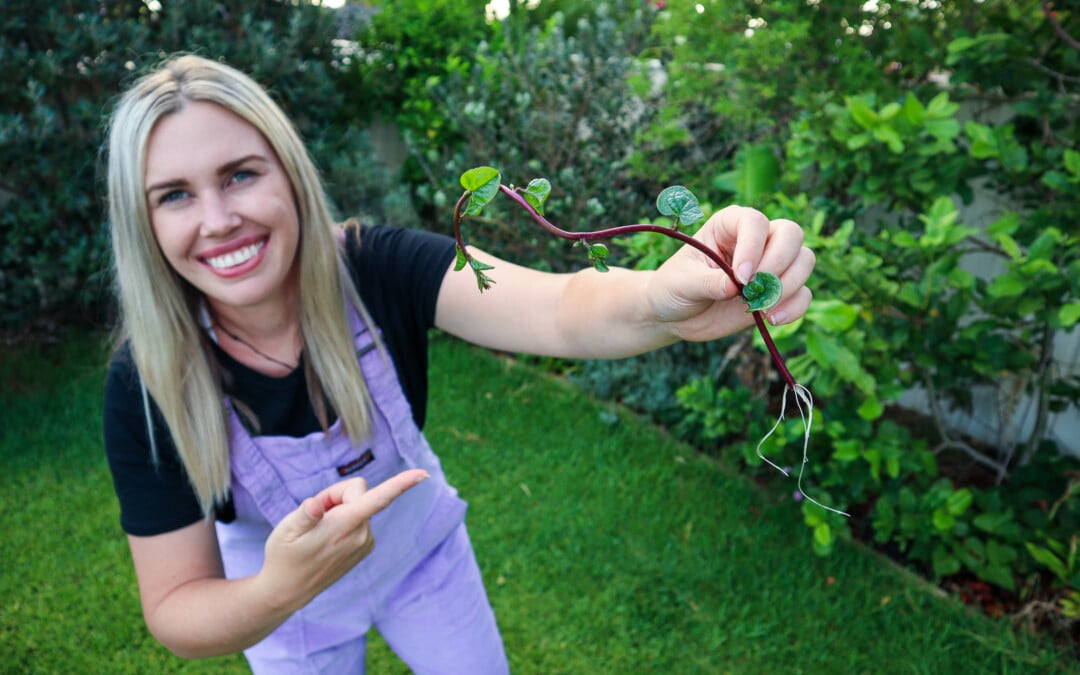
5. Malabar Spinach
Malabar spinach is a fantastic edible climber for warm or tropical climates. It thrives in summer during warm weather when most other spinach and leafy greens die off. This can help fill the gaps in your seasonal harvests. Malabar spinach can be grown in pots or containers. It has succulent-like leaves, so it can handle hot weather, but it can be frost sensitive.
6. Butterfly Pea
If you love colour, then this edible climber will be perfect for you! With bright blue-purple flowers, the butterfly pea is a striking addition to an edible garden. The flowers can be used as a natural food colouring or infused in teas or cocktails. Plus, if you add acidity such as lemon juic,e the colour will transform to hot pink! Such a fun plant to grow.
7. Kiwifruit
Kiwifruit can be grown over structures to create great canopy shade. They are prolific producers and the fruit can be eaten fresh, frozen for smoothies, made into jams and even dehydrated for naturally sweet treats. You will need to have both a male and a female plant for pollination.
8. Kiwiberry
Kiwi berries have a similar taste to the kiwifruit, but are much smaller, around the same size as a grape. Kiwi berry vines grow really well in containers or urban gardens.
9. Nasturtium
Nasturtium is often known for its wild rambling nature but it can be trained vertically as an edible climber. The whole plant is edible, including the leaves, flowers and seed pods. Nasturtium has a strong peppery taste and can be used in salads, flavoured salts, pickles and many other recipes. Here in Perth, my Nasturtium dies down in summer but will pop up and regrow by itself in Autumn/winter.
10. Scarlett Runner Bean
Scarlet runner beans are also known as the 7-year bean because they pop up and regrow each year (for about 6-7 years). Beans are a great addition to an edible garden and can easily be cooked or frozen to preserve.
Annual Climbing Vines 🌿
Annual climbers are also great because they don’t need dedicated space, so you can grow, harvest and remove them to grow something different each season! Having a mix of annuals and perennials will help you grow more food all year round. Annual climbers can be plants such as Cucumber, Squash, Tomatoes, Pumpkin, and Melons.
Fruits that Grow on Vines
Want to grow more fruit without taking up extra ground space? Climbing fruits are a great way to grow more varieties without taking up more garden space! Check out these 17 fruits that grow on vines to get more fruiting plants in your garden.
Do you have big dreams and sustainable homestead goals to grow food and create your dream self-sufficient lifestyle but it feels so far off? You may be renting or in an apartment. Today, I’m going to share 10 actionable steps to help you achieve your sustainable homestead goals no matter how far away they feel. This is the path I have been on and I think this may help or inspire you too.
Are you ready? because your dream life starts now!
Click to watch the video 👇
I was listening to a podcast the other day and they were talking about you are where you are for a reason and that is because you still have more to learn. If I got /my big break and had 100s or 1000s of people flocking to join my garden-to-plate membership would I cope? the answer is probably not! My systems have been built on a small scale and I still have lots more work to do before reaching that level (goals!). Hopefully one day I will be able to help 100s and 1000s of people grow food so I’m continuously working on improving my systems.
The same with getting your dream homestead, if you suddenly found yourself dropped in the middle of an off-grid property would you know exactly what to do? Would you know how to improve your soil, plant trees, care for animals, or afford a house, infrastructure, and the bills that come along with it? or would it be an overwhelming chaotic mess?
There are so many small steps you can start taking today and these are the 10 stages I have been working through to bring my dreams to life. so hopefully they help and inspire you too!
10 ACTIONABLE STEPS to start your Sustainable Homestead Goals now
1. What are your goals?
Write them down. Where do you want to live? What lifestyle do you want to achieve? How do you want your days to look?
The great thing about having clear goals is that decisions along the way become easier (great for people like me that struggle with decision-making!) Does this align with my goals or not? Start at the end and work backward. Will this change along the way? Probably but at least it will give you a direction to start working towards and not be stuck doing nothing.
2. Make a vision board
I like to do this every year and I use Canva and put together a collage type of document. I then have mine as my screen savers on my phone and computer for constant reminders but you could just print out some images and put them on the fridge or the wall. I am a real visual person so this works for me.
3. Pay off debts
Ditch after pay and all that. Don’t buy things you don’t need with money you don’t have. That has always been part of my mentality so I have never financed furniture or anything like that…Hence why my house looks a little bare 😅 I prioritize money in other ways.
One of the hardest things I did was prioritize paying off my student loan. It took me a few years and I set up automatic payments to come out after each pay. If I was still buying coffees and let’s be honest probably plants…then I would increase my repayments a bit because I obviously still had disposable income. ..and repeat. As a student, I knew how to live off the minimum. Lifestyle creep is inevitable but if your dreams are big and solid you can do it!
Hard now and easy later!
Something I found so useful was the debtfree charts. You can choose a relevant one and divide the amount into sections. Each time you pay one down you can highlight it. For a visual person like me, this worked a treat. I just wanted to pay one more line . These also work great for savings too.
4. Start savings
Once you have your debts out of the way start saving. You know what you are capable of paying after paying off your debts so switch to a savings mode. Don’t get into the continuous reward stage. Remind yourself of the goals you are working towards.
5. Start growing food
This can be started from day one. You don’t need all the gear or all the nice raised garden beds, that will come. Start with what you have. Keep an eye on marketplace there are so many free pots and random things that you will be able to turn into gardens. Both my compost bins were free and I even got a free fruit tree recently.
If you dream of creating these thriving edible gardens that produce a whole lot of food then the only way there is through it. There’s no quick fix. you have so much to learn and you will learn faster by doing.
So get seeds in the soil and start growing.
6. Learn learn learn
We are so lucky to have incredible resources at our fingertips. Watch YouTube, listen to podcasts, invest in the skills you want to have, and visit community gardens. Learn to love the process because continuous learning is so important!
7. Take action
Take what you have learned and put it into practice. Grow cuttings, and plant fruit trees in pots, if you plan to have a homestead in the same state then you can be growing your future plants and trees in containers to eventually take with you. Or even sell at a higher price to add to your savings.
8. Surround yourself with Like-minded People and Communities.
This is a great way to stay motivated and learn so much. Not just about how to grow food or raise chickens but just about their outlook on life and values. People are so generous with their time and resources. Offer to help someone in their garden, this is a great way to learn and you may even receive cuttings or seeds from special plants.
9. Start working on Financing the Dream.
We all need to make money its just part of the world we live in. Does your current job and career align with the sustainable homestead goals or lifestyle you are working towards? It may do, you may already love your job but it also more than likely does not. Start a side business or grow your hobby with the direct intention of it becoming your career. Keep coming back to that lifestyle you set out in stage 1. If you want to have time to go on adventures or spend days in the garden then make sure what your working towards actually allows for that.
Do you dream of starting a flower farm? What can you do now? Start social media and grow a following. It’s free and it’s a real actionable step toward that goal. If you need some ideas check out this video on 100 ways to make an income from your property. I guarantee if one of those things excites you, there is an actionable step you can take today to make progress.
10. Re-evaluate and check in with yourself.
This is really the stage I am at now. I have been working on the last 9 steps for the last 10 years and it’s important to make sure my sustainable homestead goals and visions are still aligned. Don’t be afraid to pivot. Maybe after growing food or doing cut flowers your are unsure if that really fits anymore. For me, annuals just aren’t really it ( I LOVE PERENNIALS) and I’m actually unsure about all the 100s of animals I initially wanted. Animals are a lot of work and commitment I kind of want the freedom to come and go more often.
My dream is still real and I would love to have land to rewild and have my dream homestead but lots of things have changed. I also want to be able to travel and explore more. So I’m creating new visions that I can’t wait to share with you along the way.
Sometimes it will be really tough. But find joy in the journey, IN THE INBETWEEN, the learning!. and absolutely celebrate the small wins! because they are aligned to stage 1 so they will all add up to be something incredible.
DISCLAIMER: Links included in this description might be affiliate links. If you purchase a product or service with the links that I provide I may receive a small commission. There is no additional charge to you! Thank you for supporting my website so I can continue to provide you with free content each week!
CREATING EXTRA INCOME FOR YOUR HOMESTEAD
Online surveys: https://bit.ly/3Bg0XNr
Ebook templates: https://bit.ly/2UfOXsr
Email lists: https://bit.ly/3VNXRbT
Photography editing: https://bit.ly/3cPfXW8
Create an online community: https://bit.ly/3W6s8mv
Do you want to learn how to GROW, COOK & PRESERVE your own food naturally and sustainably?
Join in monthly Workshops and Challenges, Plant of the Month features, and Garden to Plate Recipes, with a fun and supportive community to live a more sustainable lifestyle.
Do you have areas that get very hot, full sun, and nothing seems to survive? These 22 heat-tolerant edible plants to grow in HOT full-sun locations will help you grow productive edible gardens. I’ve been growing food here in Perth, Australia, for the last 10 years, and let me tell you, it was a big change and learning curve coming from the lush green of New Zealand.
Today, I’m sharing some plant ideas to plant in those super hot locations, but keep reading to the end because it’s not just about what you plant, but also when and how! Bonus tips on that, so you can turn your hot barren wasteland into productive edible gardens.
Click to WATCH 22 heat-tolerant edible plants
22 Heat-tolerant Edible Plants for Full Sun
1. Rosemary
Attracts bees 🐝 and has healing properties, and is great for skin and hair care. Flavour-enhancing culinary herb🌿 When I first moved here, I wondered why so many houses had Rosemary hedges out the front – and it’s because it thrives on neglect and our poor sandy soils. Rosemary is a great heat-tolerant addition to your edible garden. Try making your own Rosemary Salt.
2. Guava – Strawberry & Tropical
Strawberry/cherry, lemon cherry, and tropical Hawaiian/Thai guavas are really hardy, low-maintenance fruit trees that produce bucketloads of fruit!
3. Mulberry
Another powerhouse perennial that survives on neglect – they grow super fast so you can use these as a nanny plant or a pioneer plant. If you have a barren hot area you could plant a Mulberry to get quick shade established and later on remove it or heavily prune if it gets too big. Mulberry also loses leaves in winter to let light in.
4. Lavender
Lavender is drought-tolerant – a great pollinator plant with many medicinal (calming and sleep) and culinary uses. In my garden (which will be different with climates and varieties) Lavender flowers at the same time as my Feijoas so I have it planted in between them to attract pollinators and increase my Feijoa harvests.
5. Feijoa / Pineapple Guava
If you have been following me on Instagram or subscribed to my YouTube, you will have guessed this plant would make the list 😂 Low maintenance, super hardy, and produces plenty of food! Feijoas do taste better when they get 50 chill hours a year so they aren’t optimally grown here in Perth, but they do grow well and are drought-tolerant. They are evergreen and super bushy, so they can be grown as an edible hedge. They are known to have fire-retardant qualities, which is very handy for hot, dry climates. If you are looking to purchase a Feijoa, choose a named variety (such as Duffy, White Goose, Mammoth, plus more) as these will perform better and produce fruit faster than generic seedling plants.
6. Passionfruit
Passionfruit is an edible vine that can be used to cover a fence, structure, or grown over an arbor to create shade. This can help cool your garden down and provide delicious fruit. Passionfruit flowers can also be used to make calming teas to aid in sleep and anxiety. NOTE: Avoid planting a grafted variety the grafts take over and become invasive, hard to get rid of, and don’t produce good fruit.
7. Citrus
Citrus like full sun and, once established, can thrive in hot environments. Avoid planting new trees before or during the hot summer so that they have time to get their roots established before the added stress of summer.
8. Lemon Verbena
A fragrant lemony scent that is similar to lemongrass. Lemon Verbena is great in teas, baking, and all the things! Lemon verbena is one of those plants that quietly becomes a favourite. Its leaves have a sweet, lemony fragrance—similar to lemongrass but softer—and the whole plant smells incredible when you brush past it. It’s perfect for teas, baking, syrups, and infused water,and it keeps its flavour really well when dried. I always keep a jar in the pantry for quick herbal tea blends. In the garden, lemon verbena is easy to grow in full sun and well-drained soil. It drops its leaves in winter (don’t worry, it’s normal!) and comes back quickly once the weather warms.
9. Pomegranate
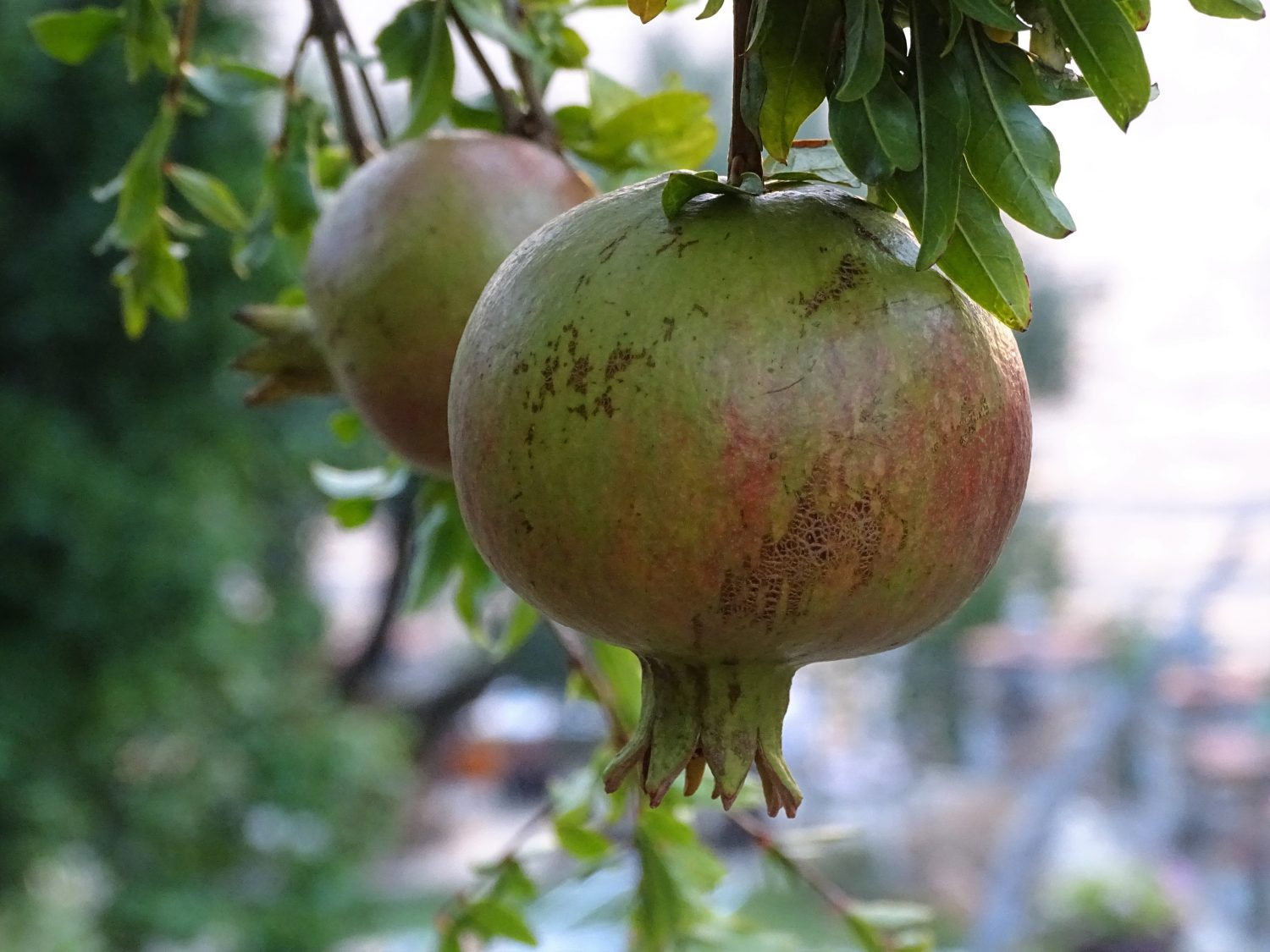
Pomegranates are one of the best heat-tolerant fruit trees you can grow in a hot climate. They thrive in full sun, handle dry conditions like champions, and still reward you with glossy red fruit and bright, beautiful flowers. They’re incredibly low-maintenance, needing far less water than most fruit trees once established. Their deep roots make them drought-resilient, and they’re also naturally pest-resistant — perfect for gardens with harsh summers. If you’re building a resilient, water-wise garden, pomegranates are a must-have: tough, productive, and beautiful all year round.
10. Loquat
Loquats are incredibly hardy, fast-growing fruit trees that thrive in hot, dry climates. They handle poor soils, need very little care once established, and fruit heavily in late winter–spring when not much else is producing. Their sweet, tangy fruit is amazing fresh or made into sauces, and the large, glossy leaves give your garden a lush, tropical look with almost no effort. Loquats can be a pest plant because they grow so easily, and birds spread the seeds, so check with your local area.
11. Lilly Pilly
Lilly pillies are tough, water-wise Australian natives perfect for hedges, screens, or structure in hot climates. They handle heat, humidity, pests, and pruning exceptionally well. Many varieties produce edible pink or purple berries that can be made into jams or syrups. They’re also fantastic habitat plants for beneficial insects and birds. Part of the Syzygium genus is a great dense evergreen hedging plant with bright pink fruits. The fruits are edible and can be made into jams, sauces, and even sparking wine!
12. NZ Spinach / Warrigal Greens
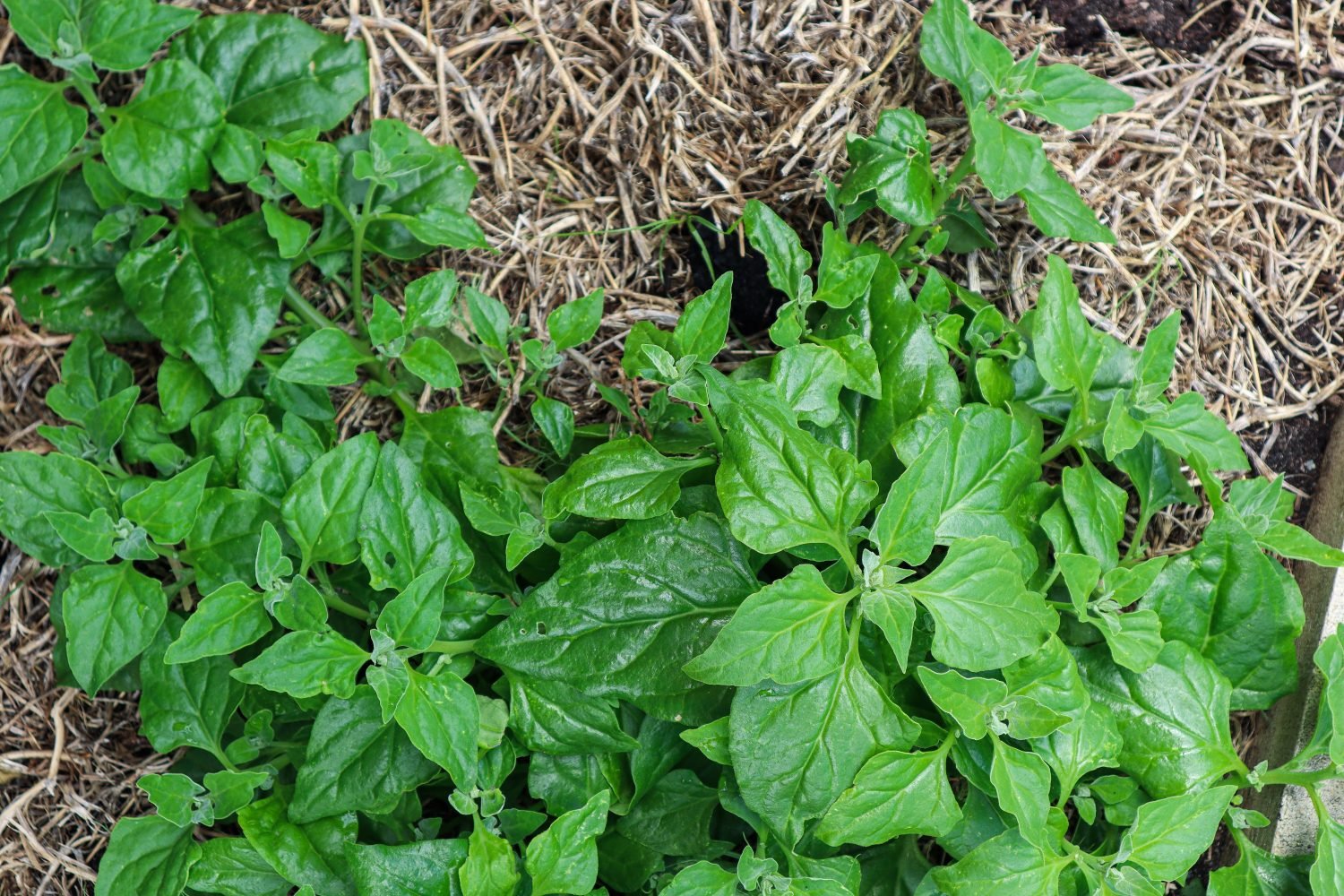
NZ Spinach is one of the best heat-tolerant leafy greens for summer. It thrives when regular spinach collapses, spreading as a groundcover that shades and protects the soil. Harvest the tender tips regularly for stir-fries, and sautés. It’s low-maintenance, productive, and perfect for filling gaps in hot, sunny beds. Due to oxalates it does need to be cooked first.
13. Malabar Spinach
Malabar spinach is a vigorous climbing vine that absolutely loves the heat. Its fleshy, succulent leaves stay tender and productive even in scorching weather, and it grows beautifully over trellises to create summer shade. It’s ideal for warm climates but doesn’t tolerate frost, so give it a protected spot if your winters are cold.
14. Quince
Quince is a hardy, drought-tolerant fruit tree that thrives in hot conditions and poor soils. It produces large, fragrant yellow fruit perfect for making jams, jellies, pastes, and preserves. The tree itself is stunning with pretty spring flowers.
15. Zinnia
Zinnia is an edible flower that thrives in hot dry conditions. Zinnia has vibrant flowers in a huge range of colours. The great thing about Zinnia is that it produces nectar so it attracts a diverse range of pollinators to the garden such as bees, hoverflies, butterflies, and small birds. Zinnia is susceptible to powdery mildew so great for dry summers.
16. Sunflower
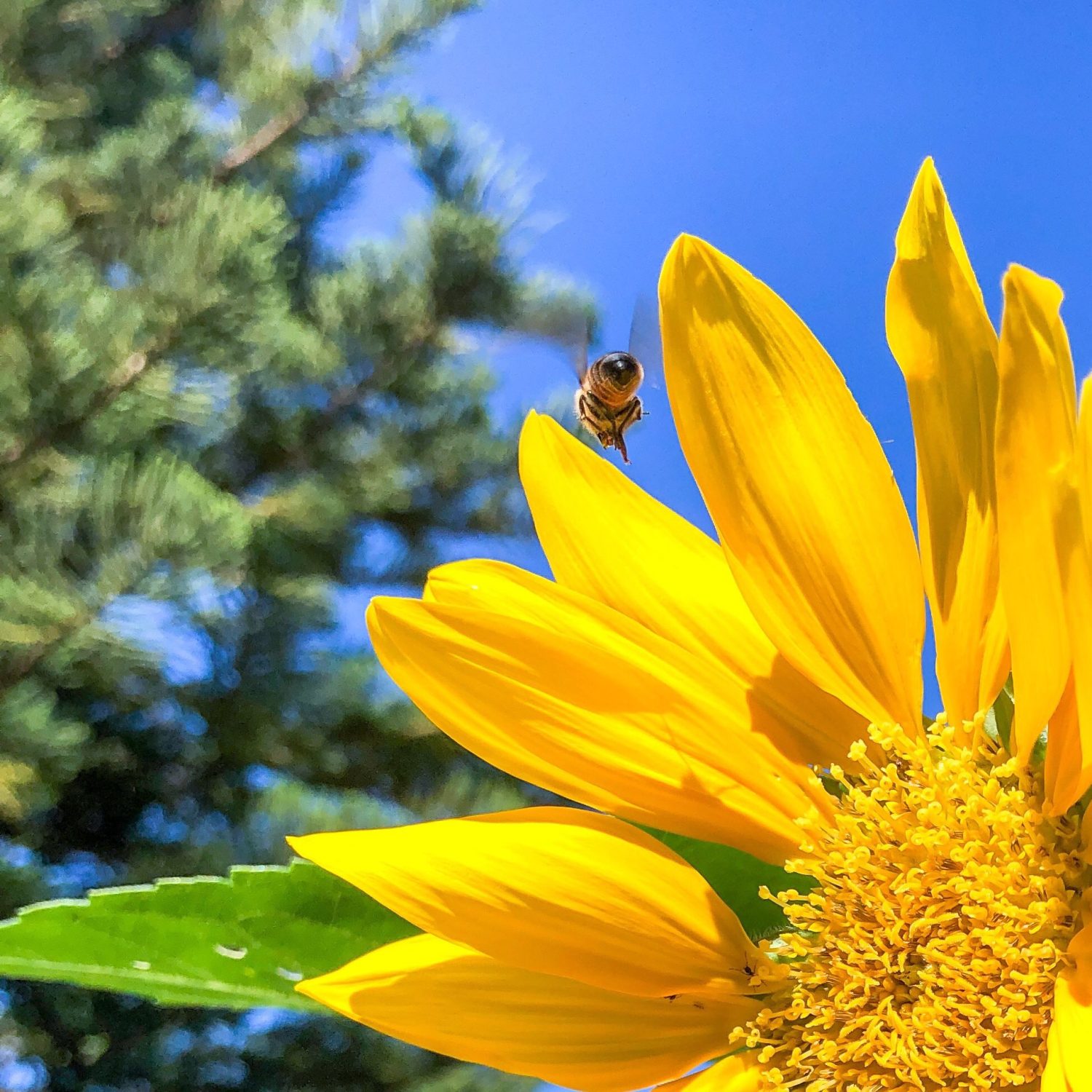
I love growing Sunflowers because they attract a huge amount of pollinators to the garden, and you can pretty much eat the whole plant! I use the petals fresh in a salad or press them to use on baking as garnishes. The seeds can be used on top of salads, to make oil, or to make spreads, and the leaves are also edible. Sunflower stems can even be made into flour! Sunflowers also help remove toxins from the soil, so they are a fantastic addition to a hot, full-sun garden.
17. Figs
Figs are one of the most reliable hot-climate fruit trees. They adore full sun, tolerate drought once established, and produce incredibly sweet fruit with almost no fuss. They grow well even in poor or sandy soil, making them ideal for Perth-style gardens. Prune them in winter to keep them compact and productive.
18. Olive
Olives are true Mediterranean survivors, heat-tolerant, drought-resilient, and long-lived. They thrive on tough love and poor soil, and they’re surprisingly productive even with minimal watering. Whether you grow them for fruit or as hardy ornamental structure, olives add beautiful silvery foliage and year-round resilience to hot-climate gardens.
19. Grapes
Grapes are great for growing over structures to provide shade to your garden and help other plants grow. Grapes are deciduous so they lose their leaves in winter to let light in and have full leaf coverage in summer to protect from the harsh midday sun. Grape plants have so many uses from fresh delicious table grapes to jams, preserves, and wine! grape leaves also have many uses in the kitchen.
20. Hollyhock
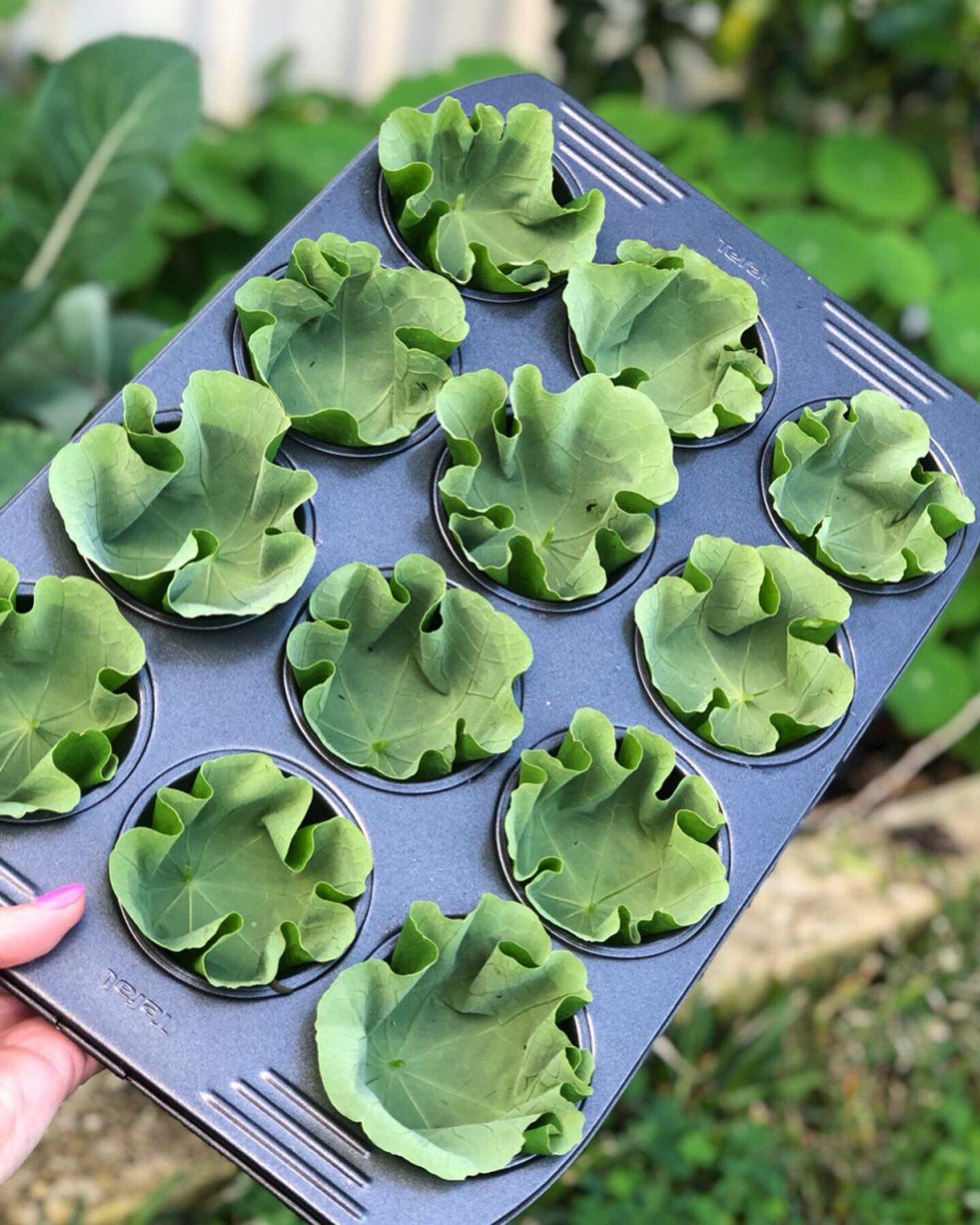
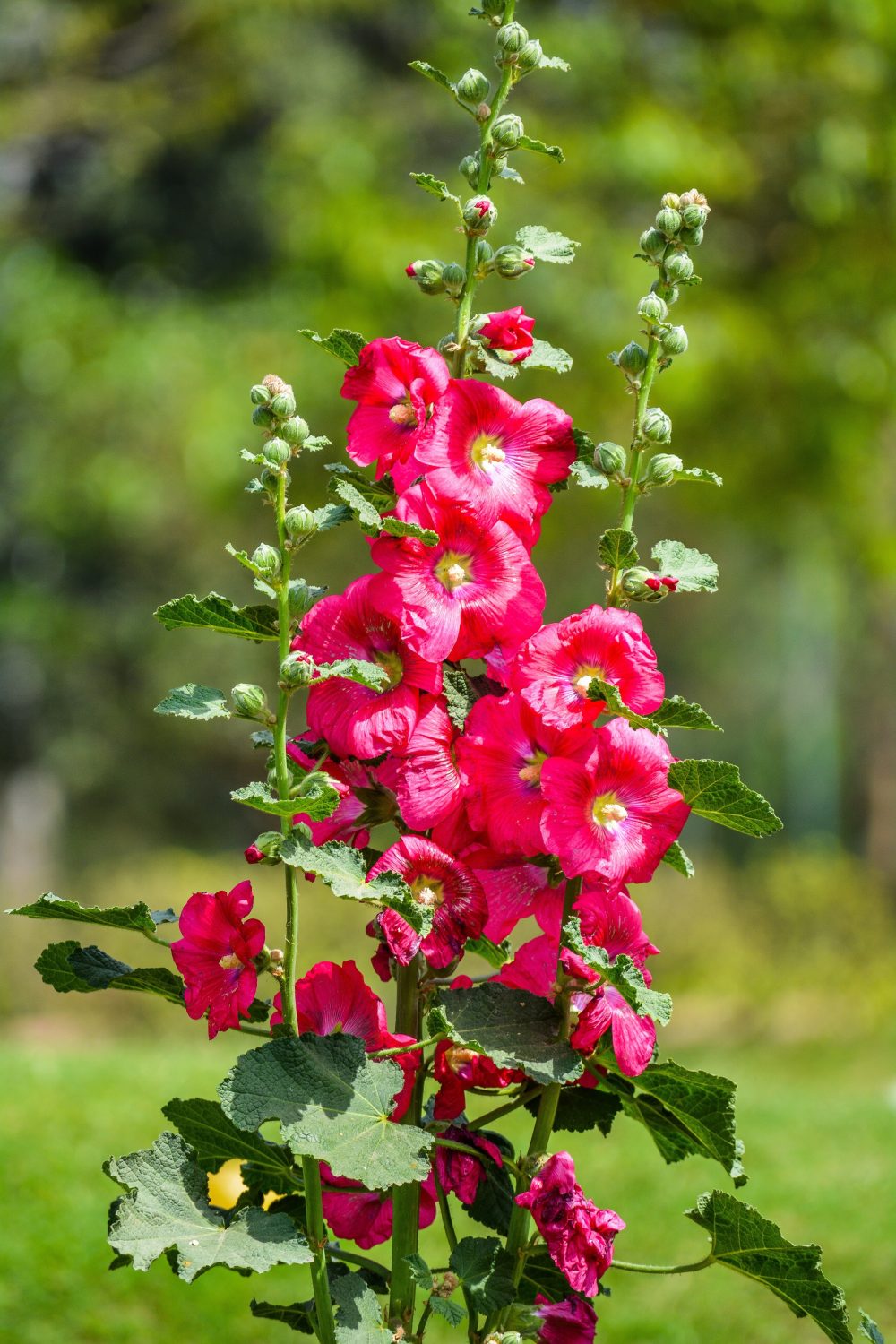
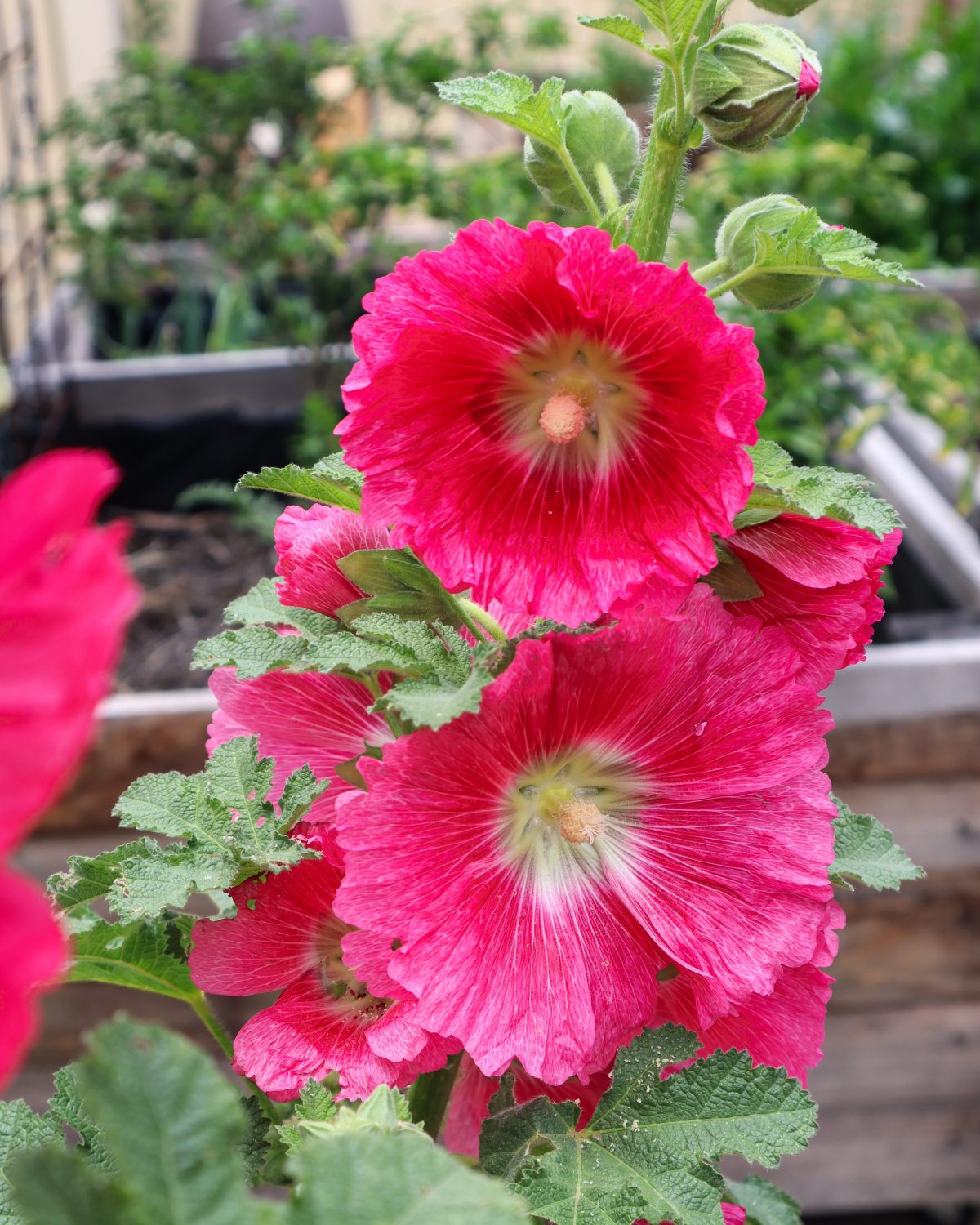
Hollyhocks are edible flowers that can grow up to 10 feet tall! They attract 100 of pollinators to the garden, and their height acts as a flag inviting them in. The leaves are also edible and can be cooked to make wraps. Hollyhocks are an annual so they will need to be planted again each year but they are so worth it! They can be susceptible to powdery mildew.
21. Thyme
Thyme is a hardy herb that thrives in hot conditions. Thyme is very versatile in the kitchen and pairs well with tomato dishes, on pizza, and roast veggies. Thyme also produces masses of tiny white flowers that attract an array of beneficial insects and pollinators. Thyme creeps over the ground so it makes a great edible ground cover plant.
22. Macadamia Nut
Macadamia nut trees can take a long time to start producing (5-7 years) but are really hardy and nuts are great additions to a homestead to make flour and milk from.
8 Tips for Successfully Growing Heat-Tolerant Edible Plants
Many of these heat-tolerant plants listed are perennials, and the reason perennials are so good for hot environments is that they have established roots and have time to get used to their environment. Annuals such as lettuce and tomatoes are planted new and have shallow roots so are more vulnerable to overheating.
Below are some tips to help you get your plants established and thriving through hot periods.
Avoid planting in hot weather (always check the forecast)
Provide temporary protection,such as shade cloth or umbrellas, during hot periods.
Grow nanny plants or pioneer plants (quick-growing trees that provide dappled shade in summer eg: grapes, mulberry, and deciduous fruit trees)
Plant new trees in pots until after the summer heat has passed
Plant densely – allow other plants to protect and shade each other and the soil.
Grow Endless Fertiliser
Growing food in a hot climate doesn’t have to be a struggle. By choosing tough, heat-tolerant plants, layering your garden with support species, and working with your climate instead of against it, you can build a garden that stays productive all summer long.
If you want to take it even further, my new ebook Grow Your Own Natural Fertiliser shows you how to build healthier soil, boost resilience, and keep your garden thriving — even in extreme heat. It’s the perfect next step for creating a truly self-sustaining garden.