Gardening in sandy soil can be a challenge, especially in hot, dry climates. Sandy soil drains quickly, lacks nutrients, and struggles to retain moisture. However, by choosing the right plants, you can naturally improve soil health while also growing food. In this post, I’ll share five of the best plants to grow for mulch and improve sandy soil, all of which are fast-growing, drought-tolerant, and multi-functional. These plants help build organic matter, retain moisture, and create a thriving ecosystem in your garden.
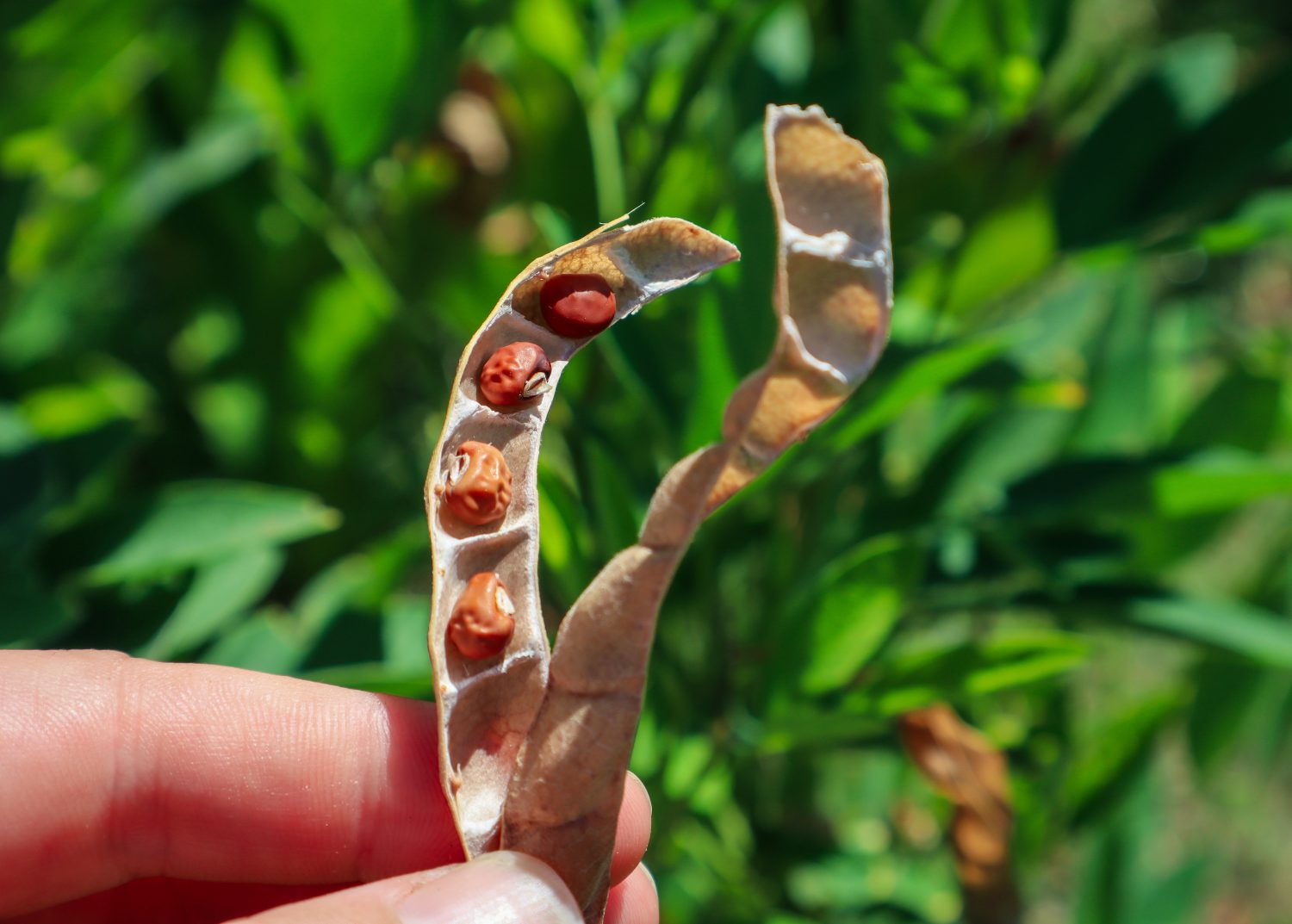
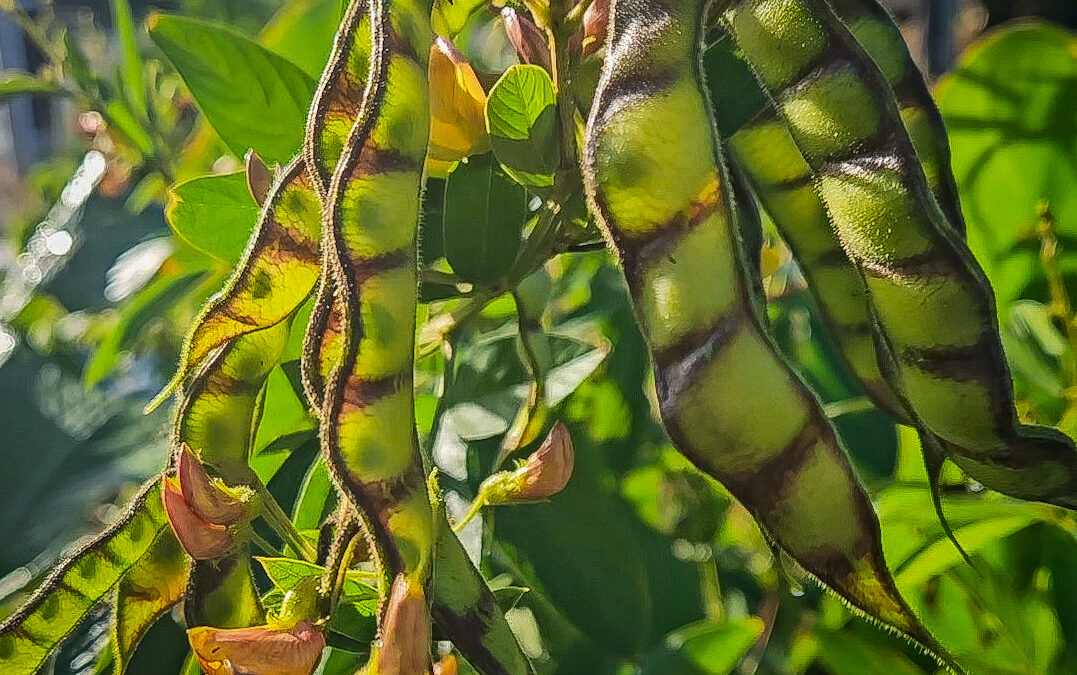
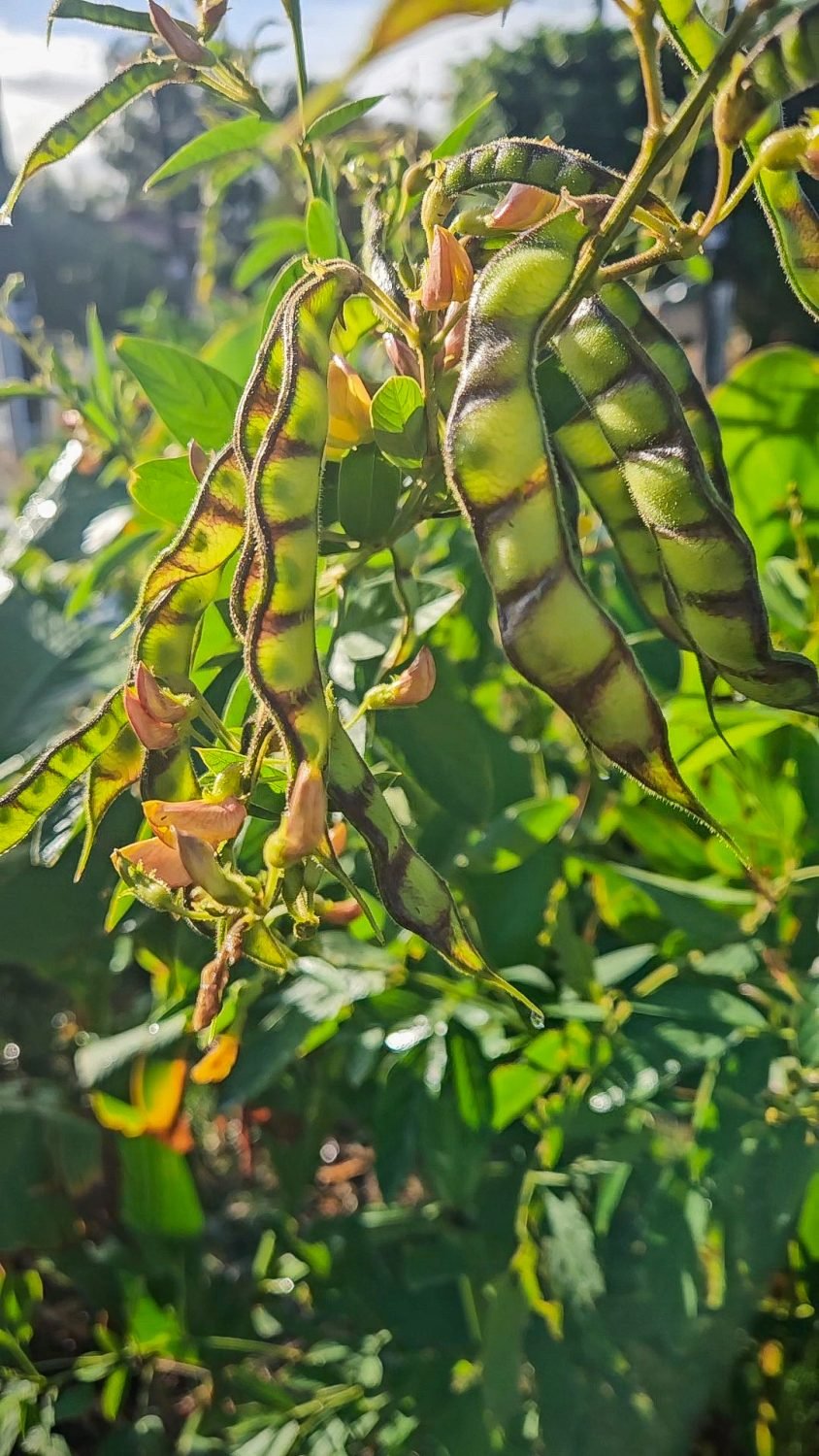
Pigeon pea is a nitrogen-fixing shrub that grows quickly and thrives in poor soil conditions. This makes it an excellent pioneer plant for mulching to improve sandy soil and support other plants in your garden.
Benefits of Pigeon Pea:
Fixes nitrogen, enriching the soil naturally
Produces edible, protein-rich peas
Attracts pollinators and beneficial insects
Provides dappled shade for smaller plants
Offers abundant biomass for mulch and soil improvement
Works as a windbreak and shelter for small birds and insects
Pigeon pea is a short-lived perennial (4-5 years) and can be used to establish a garden while building soil fertility.
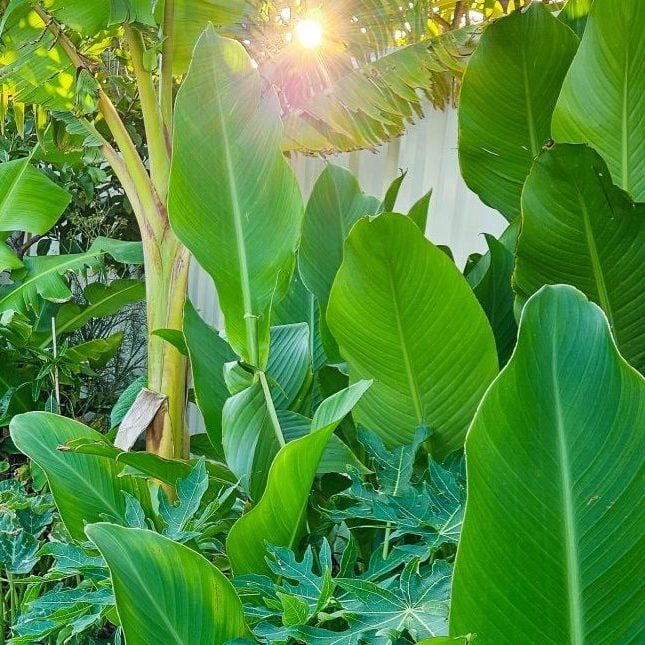
Feijoa, also known as pineapple guava, is a hardy shrub that thrives in drought-prone and sandy soil conditions.
Benefits of Feijoa:
Tolerates drought and poor soil
Produces delicious, fragrant fruit
Provides dense foliage for wind protection
Low-maintenance and easy to grow
Can be used as a hedging plant to protect other crops
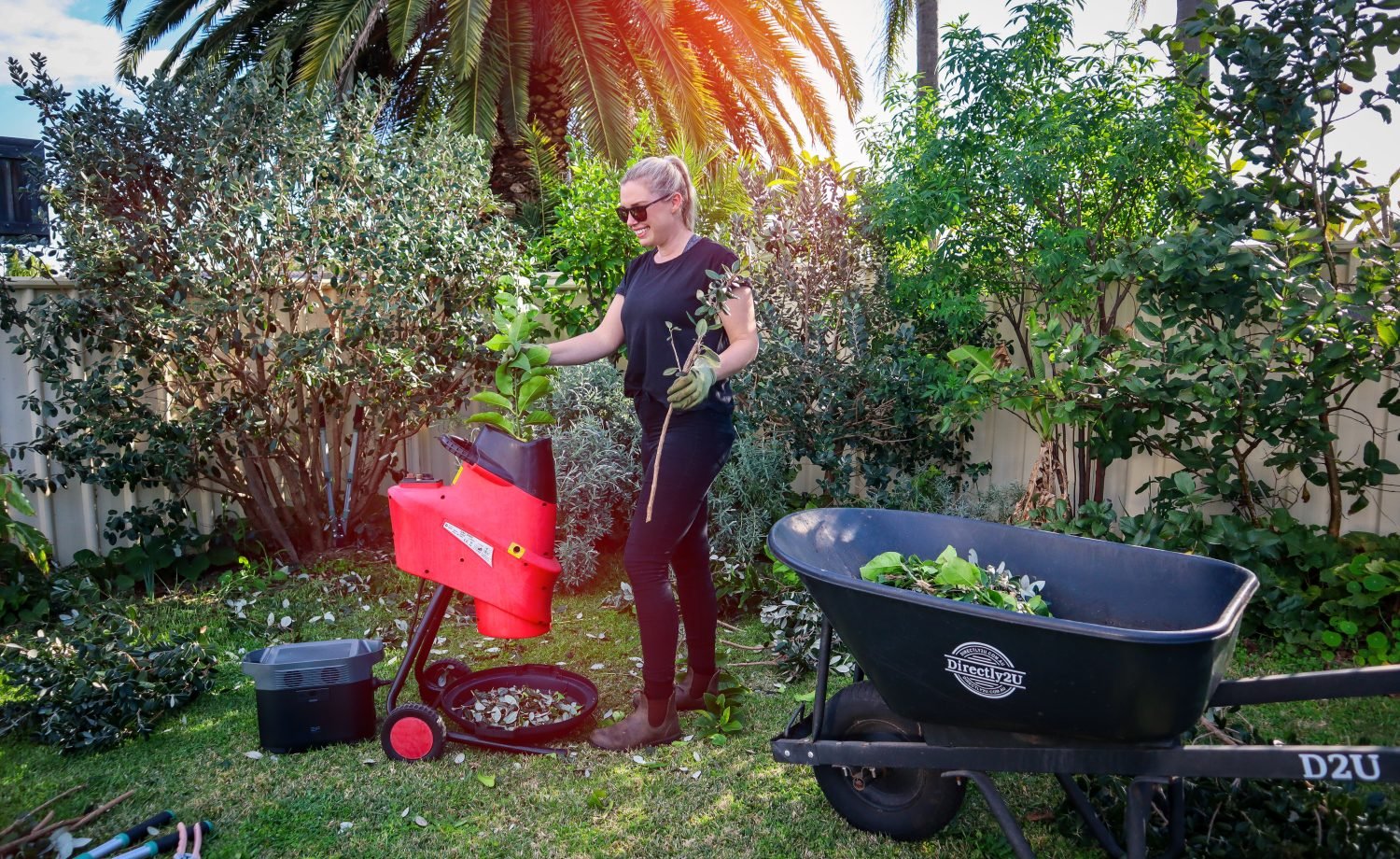
Feijoa is an excellent addition to sandy-soil gardens, offering both food and improved soil structure. They grow so much each year, which provides a consistent supply of green material to mulch. This is currently my top producer for mulch in the garden, and I use a mini mulcher with the Ecoflowbattery pack to give me cordless solar power anywhere in the garden.
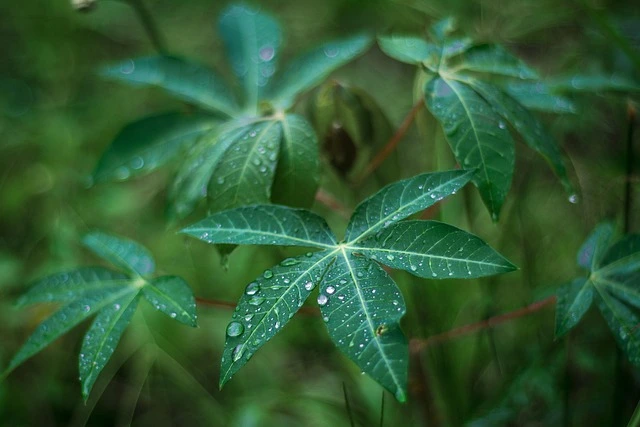
Cassava (Manihot esculenta)
Cassava is a tough, resilient root crop that thrives in hot, dry climates and nutrient-poor soil.
Benefits of Cassava:
Grows well in sandy, well-draining soil
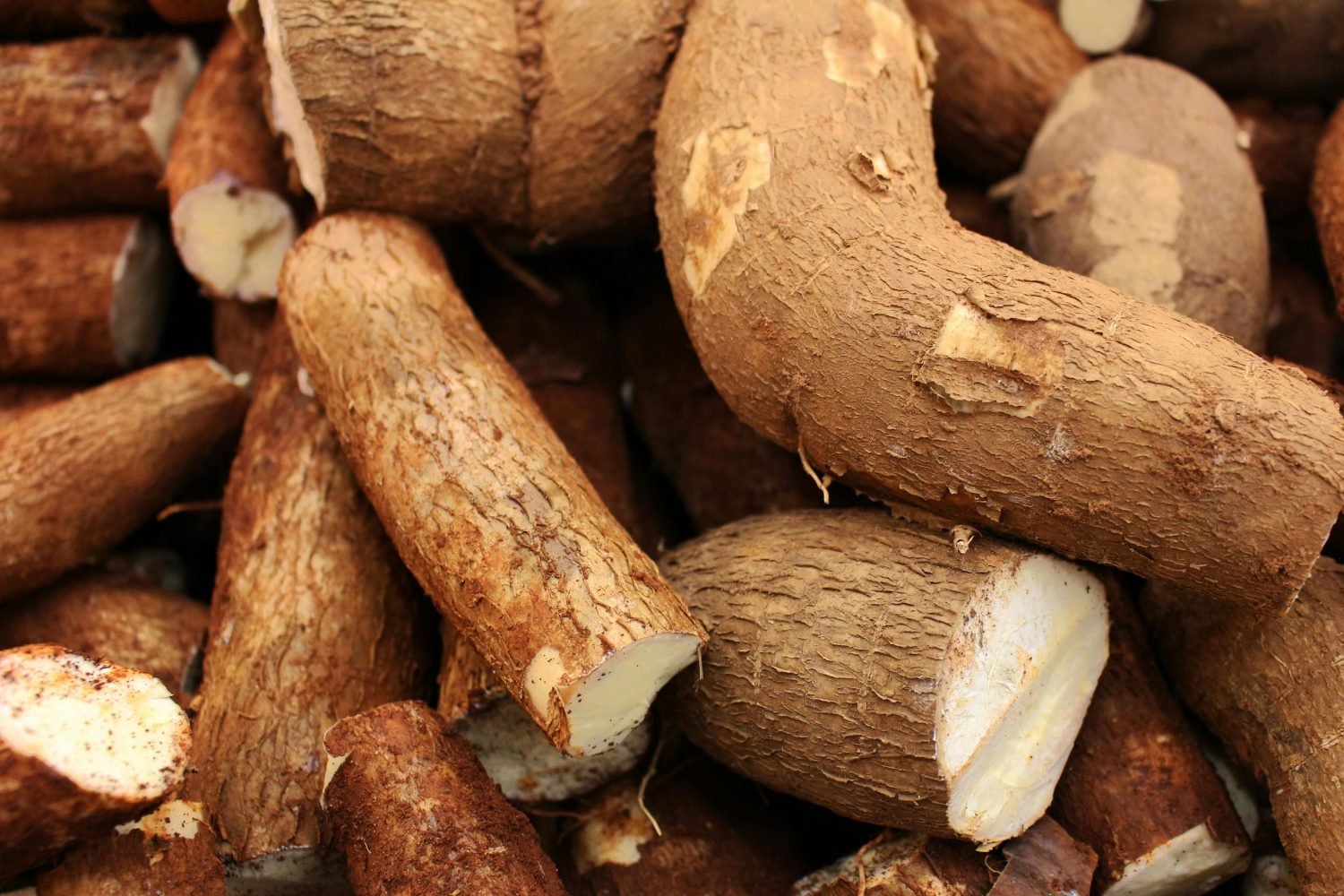
Produces large, starchy tubers that can be boiled, fried, or made into flour
Fast-growing, reaching 2-3m tall in one season
Drought-tolerant once established
Leaves are edible when cooked
Chop-and-drop plant for mulch and soil improvement
Helps prevent soil erosion with its strong root system
Cassava is an excellent survival crop that helps build soil health and provides a reliable food source.
Mulching for the win!
If you’re gardening in sandy soil, these five plants to grow for mulch will help improve organic matter, retain moisture, and build long-term soil fertility. By growing multi-functional, fast-growing plants, you can create a thriving, resilient garden—even in harsh conditions.
Don’t forget to like and subscribe for more gardening tips! 🌱
Links included in this description might be affiliate links. If you purchase a product or service with the links that I provide I may receive a small commission. There is no additional charge to you! Thank you for supporting my blog so that I can continue to provide you with free content.
Are you growing any of these plants? Let me know in the comments! And if you found this helpful, share it with fellow gardeners.
Pigeon pea (Cajanus cajan) is a fast-growing, nitrogen-fixing shrub that thrives in poor soil conditions while providing multiple benefits to the garden. Whether you’re looking for a hardy pioneer plant, a nutritious food source, or an effective soil builder, pigeon pea is a must-have in any sustainable garden or food forest.
Are you struggling with poor sandy soil and crispy plants from not enough summer shade? Then keep reading because this easy-to-grow edible plant could be the answer!
Benefits of Growing Pigeon Pea in a Permaculture Garden
1. Pigeon Pea Improves Soil Health
Pigeon pea is an excellent nitrogen fixer, meaning it naturally enriches the soil by pulling nitrogen from the air and making it available to other plants. This is especially valuable in poor, sandy soils where organic matter is often lacking. Additionally, its deep taproot helps break up compacted soil, improving aeration and water retention. It is a great plant to grow in newly established gardens where soil quality is low.
2. Creates Dappled Shade
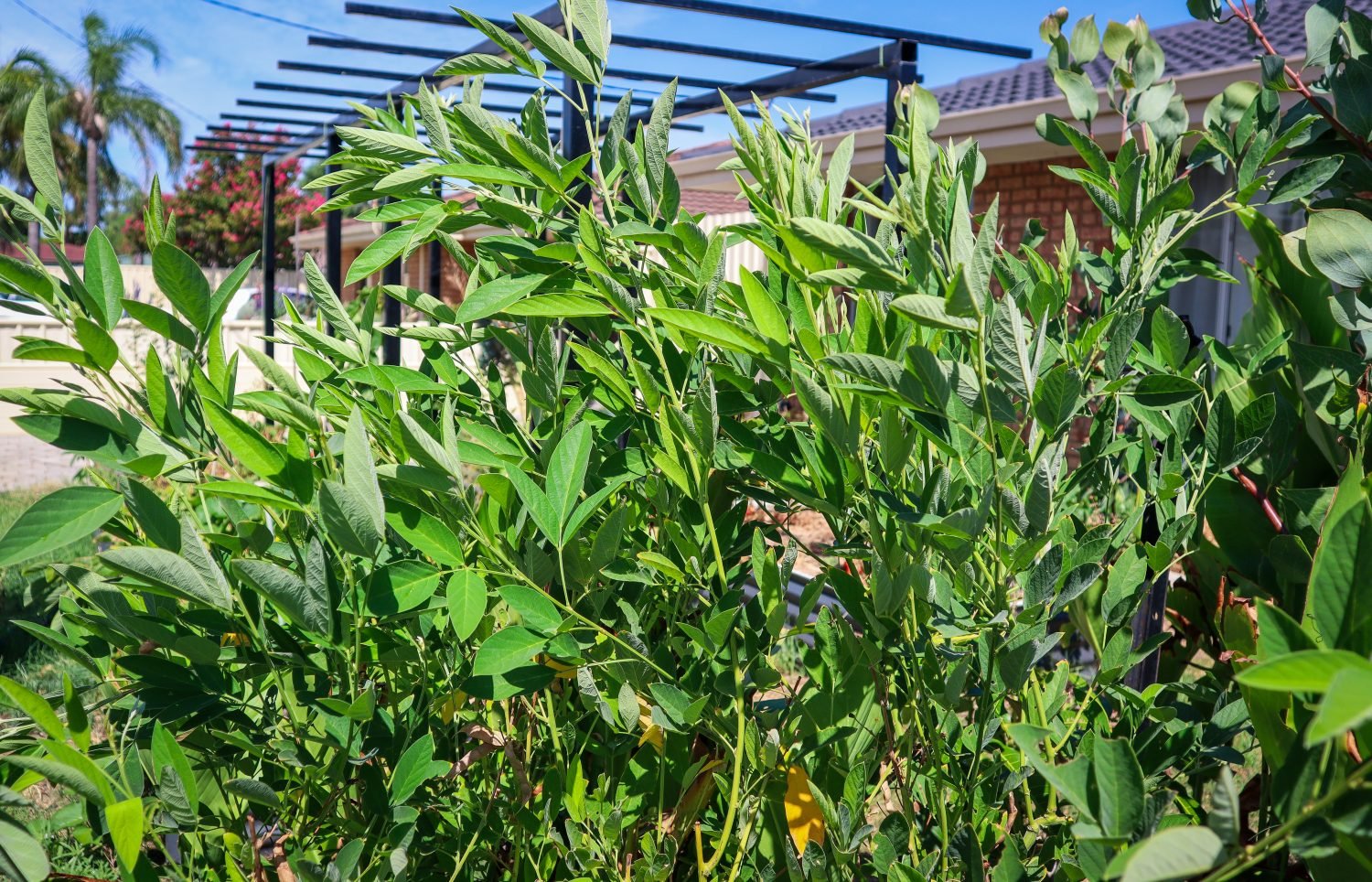
This shrub grows quickly and provides light, dappled shade that protects lower-growing plants from harsh sun exposure. This makes it an excellent companion plant for young fruit trees and vegetable crops that benefit from reduced heat stress.
3. Attracts Beneficial Insects & Pollinators
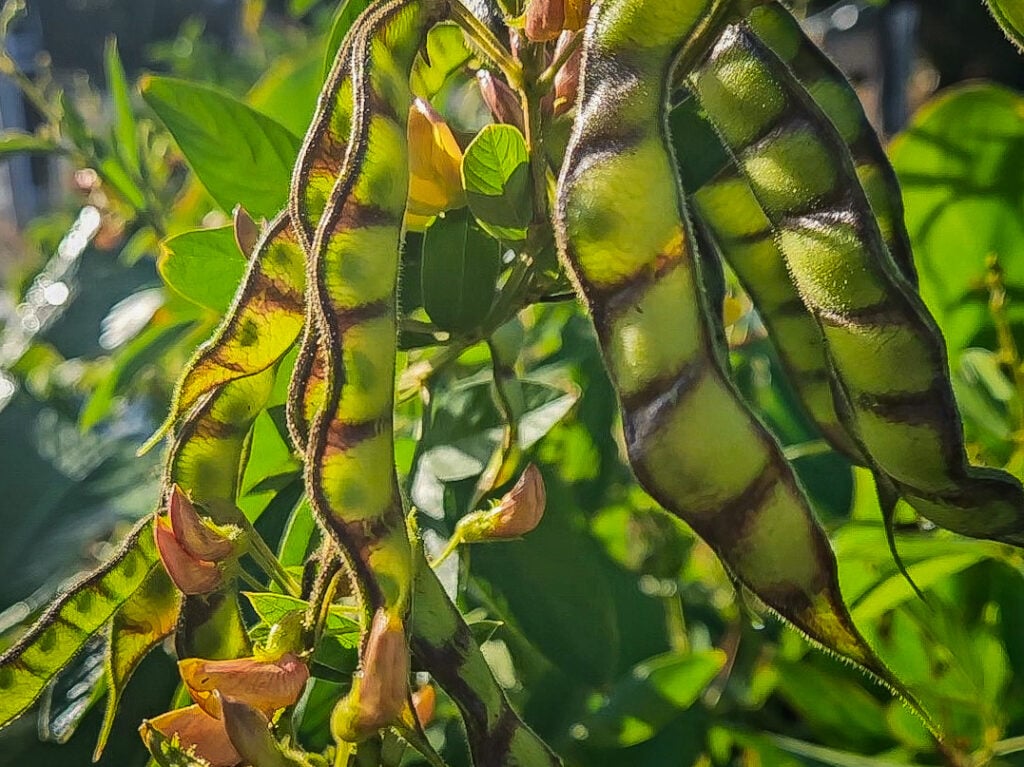
The bright yellow flowers of pigeon pea are highly attractive to bees, butterflies, and other beneficial insects. These pollinators help increase biodiversity in your garden and improve the yield of surrounding fruiting plants.
4. Nutritious & Versatile Edible Crop
Pigeon peas are a rich source of protein, carbohydrates, and fiber, making them a valuable addition to a self-sufficient diet. They can be eaten in various ways:
Fresh in salads
Steamed like edamame
Cooked in stews and curries
Made into burger patties
Dried and stored for long-term use
Not only are pigeon peas beneficial for human consumption, but they also make excellent high-protein animal feed.
5. Provides Abundant Biomass & Mulch
Pigeon pea produces a significant amount of organic material that can be cut back and used as mulch. This helps retain soil moisture, suppress weeds, and build healthy soil over time. Regular pruning encourages new growth and keeps the plant productive.
6. Windbreak & Habitat for Wildlife
This shrub can be grown as a hedge to provide wind protection for more delicate plants. It also creates shelter for small birds and insects, enhancing the overall ecosystem of your garden.
7. Pioneer Plant for New Gardens
Pigeon pea is an ideal “pioneer” species for establishing new gardens. This means it helps pave the way for establishing more valuable long-term crops. It offers:
Fast-growing shade
Nutrient-rich mulch
Green material for composting
Pollinator attraction
Wind protection
Thrives in poor soil
Drought tolerant
It is a short-lived perennial, typically lasting 4-5 years, making it perfect for supporting other plants in the early stages of a food forest or permaculture system. As your garden grows and your main fruit tree crops start to get established you can prune back and remove the Pigeon Pea to make room. With so much seed available you will be able to re-grow more plants in other areas of the garden.
How to Grow Pigeon Pea
Pigeon PeaPlanting & Soil Requirements
Thrives in well-draining soil, including poor, sandy soil
Pigeon Pea prefers full sun but can grow in semi-shade positions
Drought-tolerant once established
Grows well from seed planted directly in the ground
Doesn’t like frosts, but can be grown as an annual crop in cooler climates
Doesn’t like wet feet as this can cause the roots to rot. Plant on mounded soil to help improve drainage in wet areas.
Maintenance & Care
Minimal care is required once established
Benefits from regular pruning to encourage bushy growth and biomass production. It also helps with the ease of harvesting peas at a more manageable height.
Pigeon Pea can be interplanted with fruit trees, vegetables, or other nitrogen-demanding plants
Harvesting & Usage
Harvest fresh peas when pods are still green
Leave pods to dry on the plant for long-term storage of dried peas
Regular pruning ensures continuous production and plant health
Pigeon Pea Permaculture
This pioneer plant is an invaluable addition to any permaculture garden, offering multiple benefits such as soil improvement, food production, pollinator support, and natural wind protection. Whether you’re starting a new garden or enhancing an existing one, this resilient shrub will help create a thriving, self-sustaining ecosystem.
Start growing Pigeon Pea today and enjoy its many rewards in your sustainable garden!