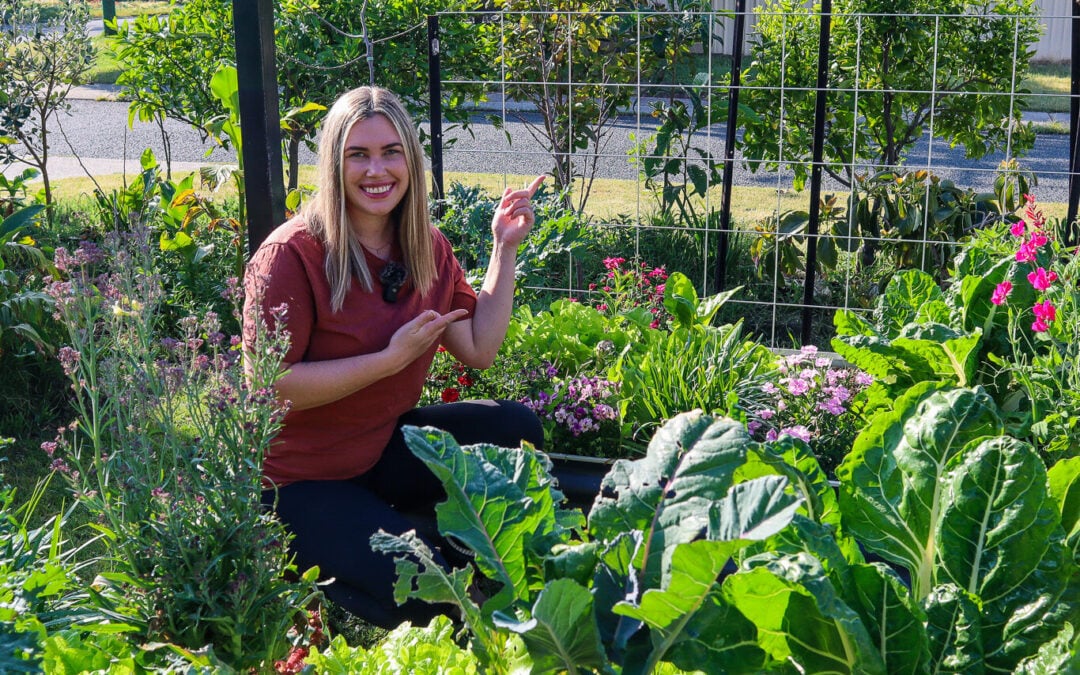
Growing vertically is one of the easiest ways to harvest more food from your garden without needing more space. I am constantly on a mission to make the most of the space I have, and these DIY garden trellises have been such an easy way to double my veggie patch space.
With such a few simple supplies, I have been able to add vertical growing spaces to my raised beds, container gardens and even my mini driveway food forest (to grow kiwiberries).
Whether you’re growing climbing beans, cucumbers, peas, luffa, sweet potatoes, gourds or even tomatoes, a sturdy DIY garden trellis can support healthy growth, improve airflow and make harvesting much easier.
It’s such a quick and easy project that can help you maximise the amount of food you can grow, keep plants disease-free and off the ground. If you’re looking for an easy DIY garden trellis for raised beds that is affordable and durable, this simple setup might become your new favourite garden upgrade. I hope you love it as much as I do!
Why Every Garden Space Needs a Trellis
Many gardeners focus on improving soil, composting, and watering systems, but vertical growing is often overlooked and definitely underrated. A trellis or frame transforms a raised bed or garden into a three-dimensional growing space, allowing you to harvest more food from the same area. I have many different arbours and trellises throughout my gardens to give shade, structure and more room to grow! These are some of the reasons I am always looking to add more…
Grow More Food in Less Space
Instead of sprawling across the ground, climbing vegetables grow upward. This leaves plenty of room to grow both vining plants AND lower shrubs, companion plants, herbs, and leafy greens underneath. More food in the same space! Perfect for small spaces or just to condense gardens to save water and time.
Improve Airflow Around Plants
Plants growing vertically receive better airflow, which can reduce fungal diseases and improve overall plant health. Wet leaves on things like pumpkins, watermelons, tomatoes or even peas can result in powdery mildew and other unwanted problems.
Easier Harvesting
There’s no need to hunt through tangled vines. You can see your fruit and veggies and monitor when they are ready (to get to them before other critters do), making harvesting quicker and more enjoyable.
Less Pest Pressure & Damage
Vegetables growing off the ground stay cleaner and are less likely to develop rot or pest damage. Vertical gardening does help slow down pests like slugs, snails and slaters.
Garden Aesthetics
I want my gardens to not only be productive but also look good! Trellis or arbors help frame a garden space and also allow you to create privacy and direct shade or light.
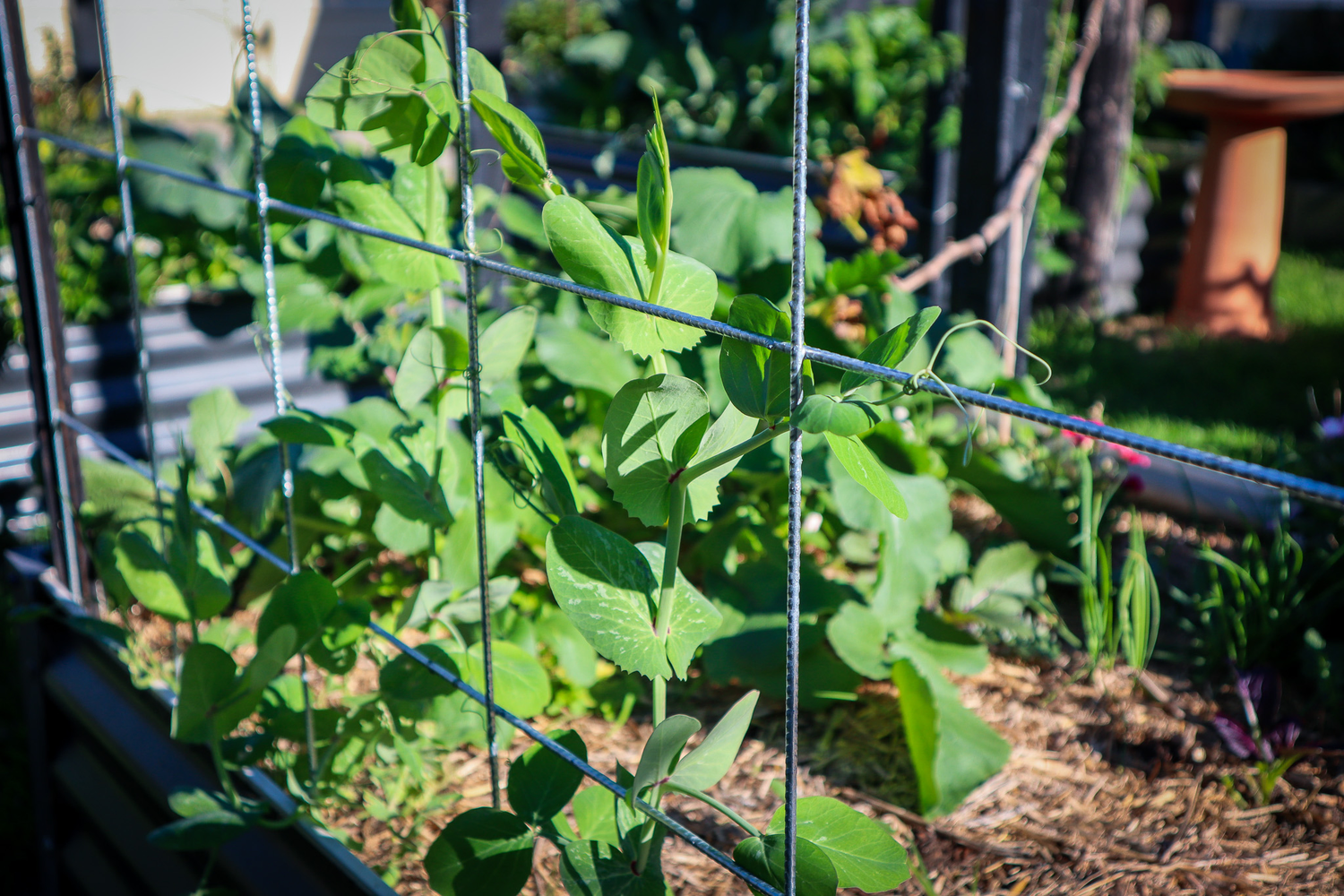
The DIY Garden Trellis I Use
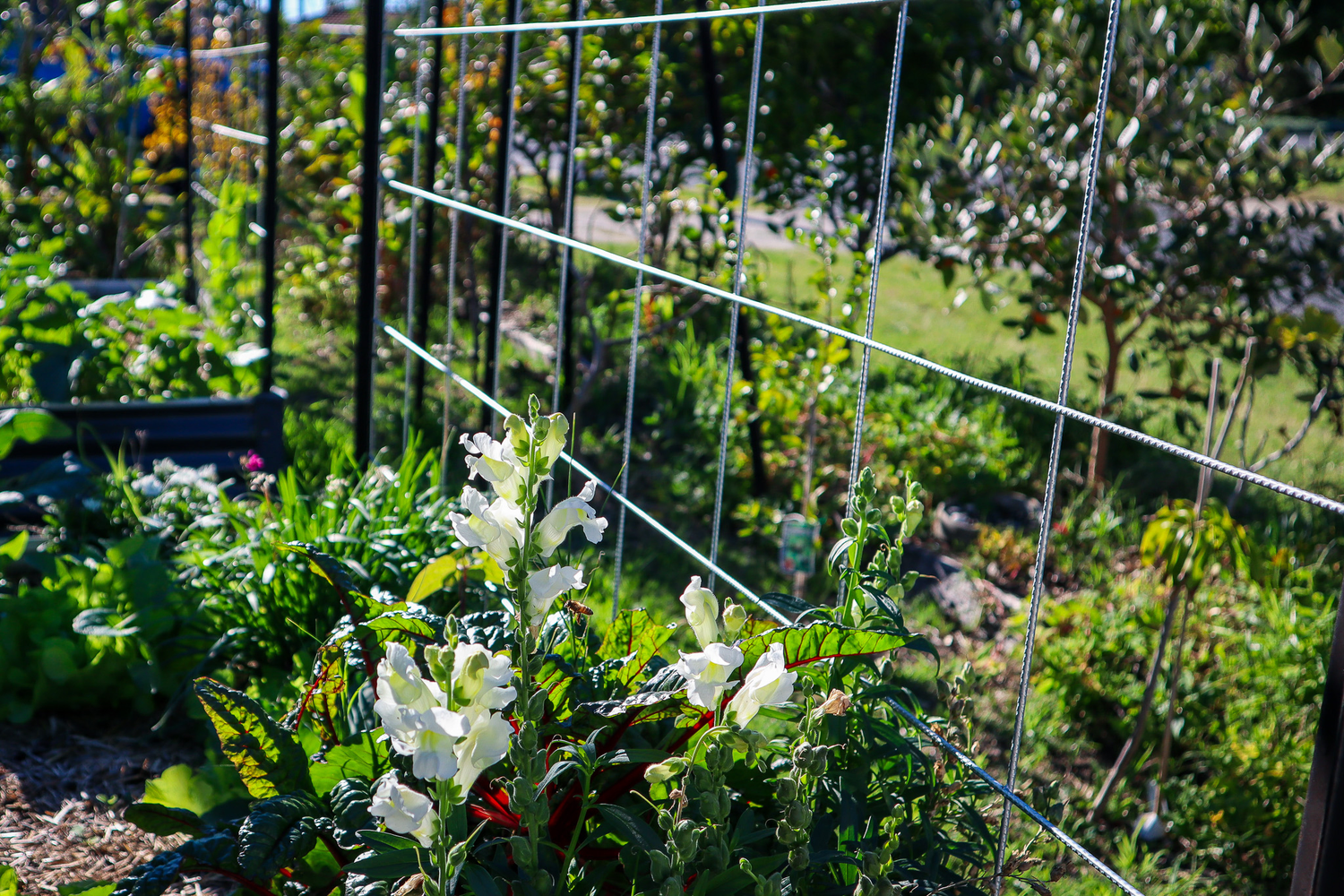
Over the years, I’ve experimented with bamboo structures, string trellises, and various DIY supports. While many work well initially, they often require maintenance or struggle under the weight of productive crops. Usually just lasting one season…I wanted something that lasted longer and i could grow a wide range of plants on.
My favourite DIY Garden Trellis is simple:
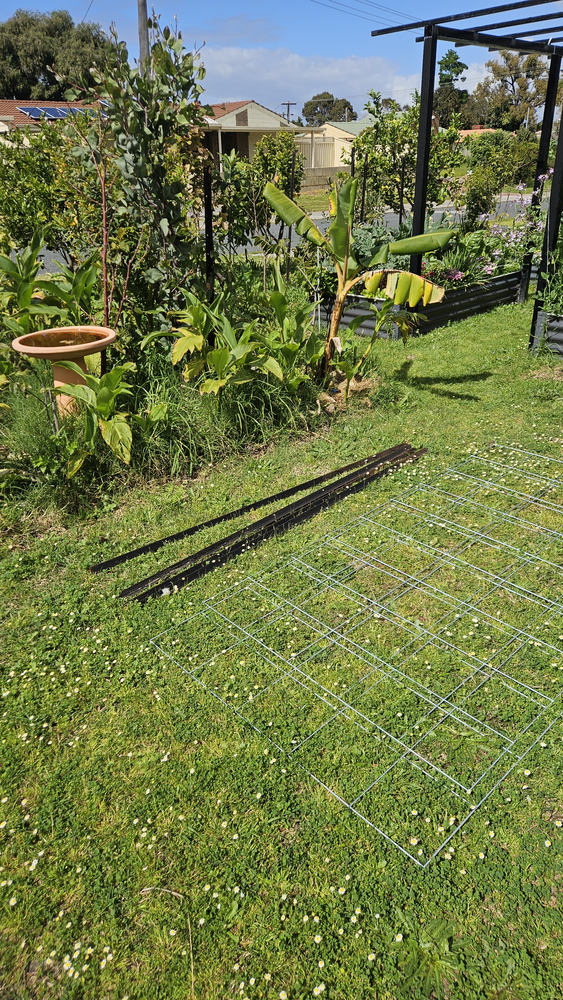
- One “Grip and Grow” garden panel or welded mesh fencing
- Two star pickets
- Wire ties
That’s it.
The result is a sturdy raised bed trellis that can support heavy crops while withstanding wind, weather, and multiple growing seasons. Because the setup is so simple, I can install a new trellis whenever I need one without spending hours building structures or buying expensive materials.
What Size Wire or Grids Should be Used for a Trellis?
I like to use a large grid wire or mesh compared to a smaller (chicken mesh) style because it is much easier to remove plants. At the end of the season, or if you want to replace or prune plants, the smaller mesh trellis can be very time-consuming to remove the plants from! Not something you think about until that time comes…so hopefully this helps future you!
What Side of the Garden Should I Install a Trellis – Does it Matter?
It is important to figure out the right placement for your trelilis! As your plants attach and climb up vertically, they can shade out other parts of your garden beds. Here in the southern hemisphere (Perth, Australia), I have mine set up on the two southern garden beds and have the trellis on the south side of those beds. That way the sun tracks around the front (north) and no light is blocked from my veggie patch.
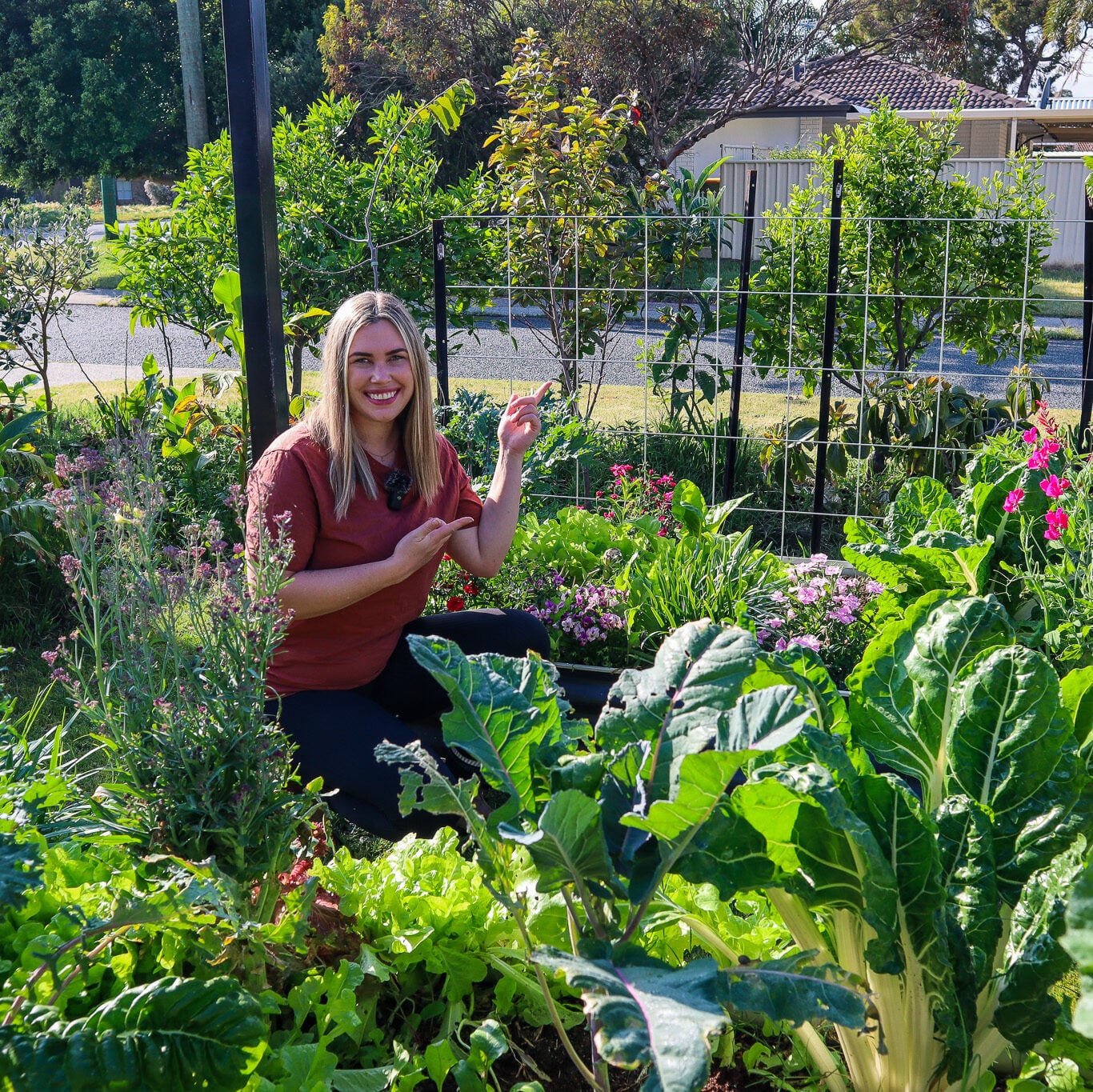
DIY Trellis Supplies Needed
Grow Garden Panel
I have used both the Grip & Grow panel and rolls of large mesh fencing wire to form the climbing surface. The grid openings provide plenty of attachment points for tendrils, vines, and climbing stems. The rigid design makes it suitable for supporting heavier crops like bottle gourds, cucumbers, and climbing beans. Keep an eye out for second-hand supplies to make this even more affordable!
Two Star Pickets
Star pickets provide strong vertical support and anchor the trellis securely into the ground. They are easy to bang into many soil types and are usually easy to find second-hand. The height you choose will depend on your crops, but taller pickets allow climbing vegetables to reach their full potential.
Wire Ties
Simple wire ties secure the panel to the pickets. They are inexpensive, durable, and easy to replace if needed. I initially used zip ties as that is all I had, but wire ties are a much better option.
Optional Extras
- Gloves
- Mallet or hammer
- Pliers
- Zip ties
How to Build This DIY Garden Trellis
One of the best things about this project is how quickly it comes together.
Step 1: Install the Star Pickets
Drive one star picket into the ground at each end of your raised garden bed but make sure they are the same distance as your panel or mesh. Make sure they are firmly secured and positioned vertically.
Step 2: Position the Panel
Stand the panel between the two pickets. Adjust the height so the panel sits comfortably above the bed while remaining secure.
Step 3: Secure with Wire Ties
Attach the panel to each picket using wire ties. These go through the holes in the star pickets and the corners of the mesh. Use several ties along the height of the panel to prevent movement during strong winds or when supporting heavy crops.
Step 4: Plant Your Climbing Vegetables
Once installed, the trellis is ready for planting immediately. Seeds or seedlings can be planted directly at the base of the trellis. The entire setup process typically takes less than ten minutes!
Why I Love This DIY Raised Bed Trellis
There are plenty of trellis ideas, and over the last 10+ years, I have tested out quite a few, but this system keeps winning me over for a few simple reasons.
It’s Fast – Installation takes minutes rather than hours.
It’s Affordable – There are no expensive materials or specialised tools required. Many supplies can even be found second-hand! The panels I used cost $36 each, but i also used free fencing mesh for other ones.
It’s Strong – The trellis can support vigorous crops and heavy harvests.
It’s Freestanding – It can be placed anywhere and stand on its own (after being secured into the ground)!
It’s Reusable – At the end of the season, the structure remains ready for the next crop. No need to remove it.
It Works Year-Round – The same trellis supports summer vegetables and winter vegetables without modification.
What I Grow on My Trellis During Summer
Growing vertically in summer can also help offer shade or wind protection to your garden.
Cucumbers
Cucumbers naturally climb and produce cleaner fruit when grown vertically. Growing cucumbers on a trellis improves airflow and makes harvesting easier. I like to grow lebense and the heat-tolerant varieties (Poonah Kheera and Armanian cucumbers)
Climbing Beans
Both climbing beans and runner beans thrive on this support system. Regular harvesting encourages continuous production throughout the season.
Snake Beans
Snake beans are one of my favourite hot-climate crops. Their long vines quickly cover the trellis and produce heavily through warm weather.
Bottle Gourd
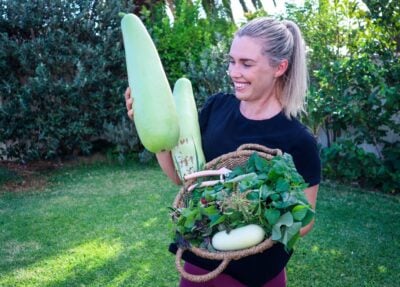
Bottle gourds can become surprisingly heavy, but these panels handle the weight with ease.
Luffa
Growing luffa vertically produces straighter fruits and makes harvesting much simpler.
What I Grow on My Trellis During Winter
A good trellis isn’t just for summer. In my garden, it remains productive throughout winter.
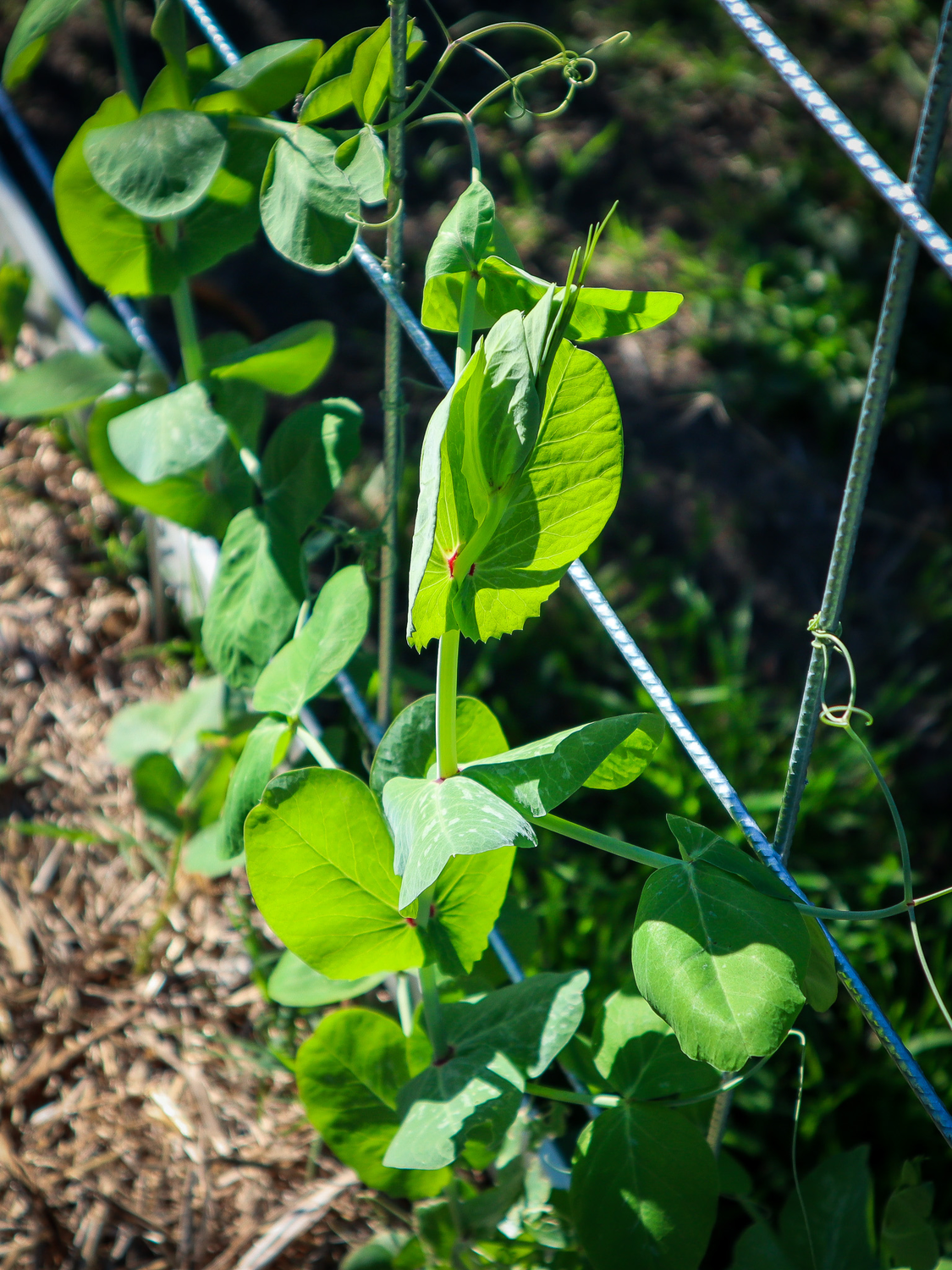
Peas
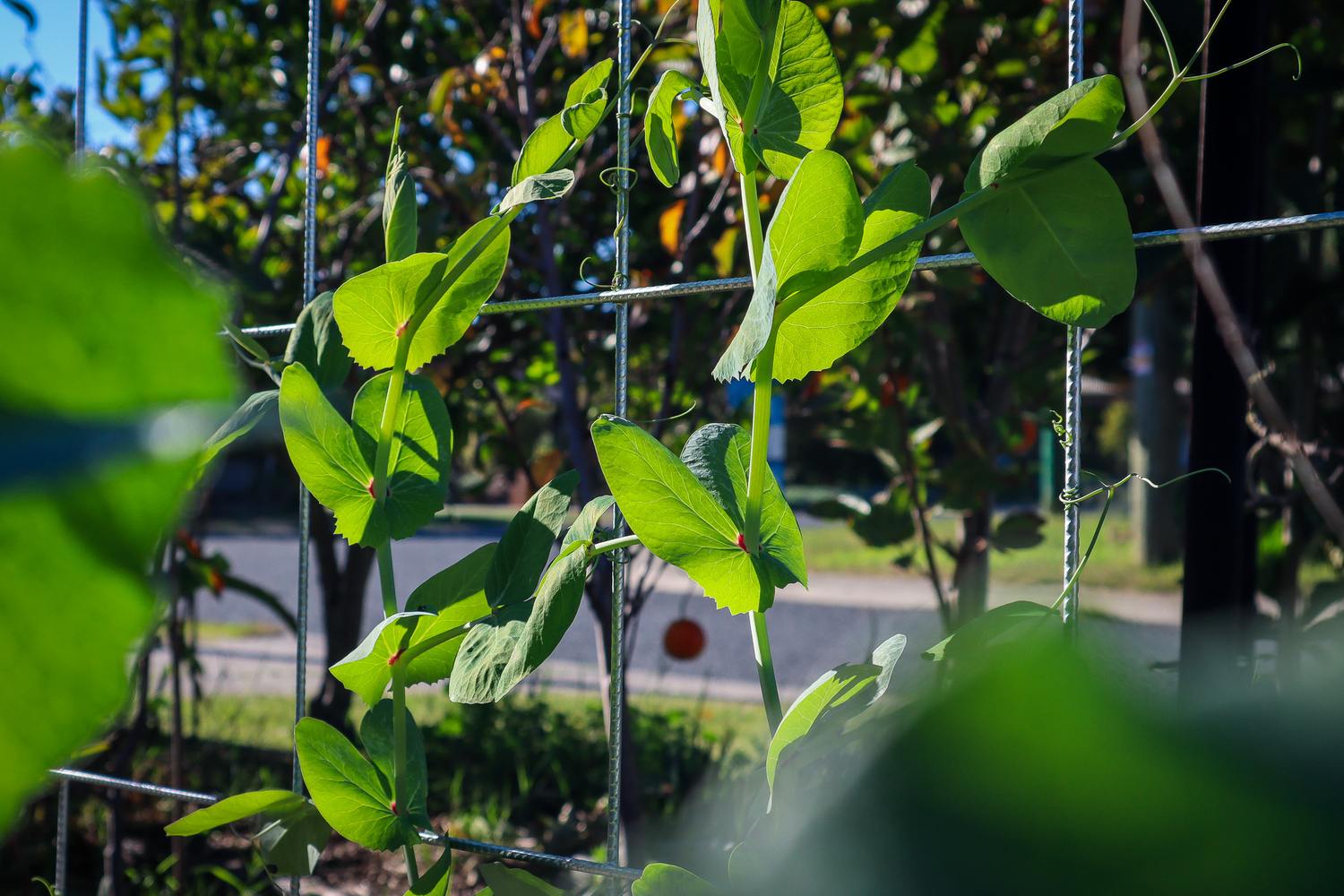
Peas are one of the easiest climbing vegetables for cool-season gardens. They make the best garden snacks!! I grow different peas each winter. including snow peas, purple podded peas and sugar snap peas. Peas also help fix nitrogen and improve your soil!
Climbing Nasturtiums
Nasturtiums attract pollinators while providing edible flowers and leaves. They can get a little wild so growing them vertically can help contain there spread.
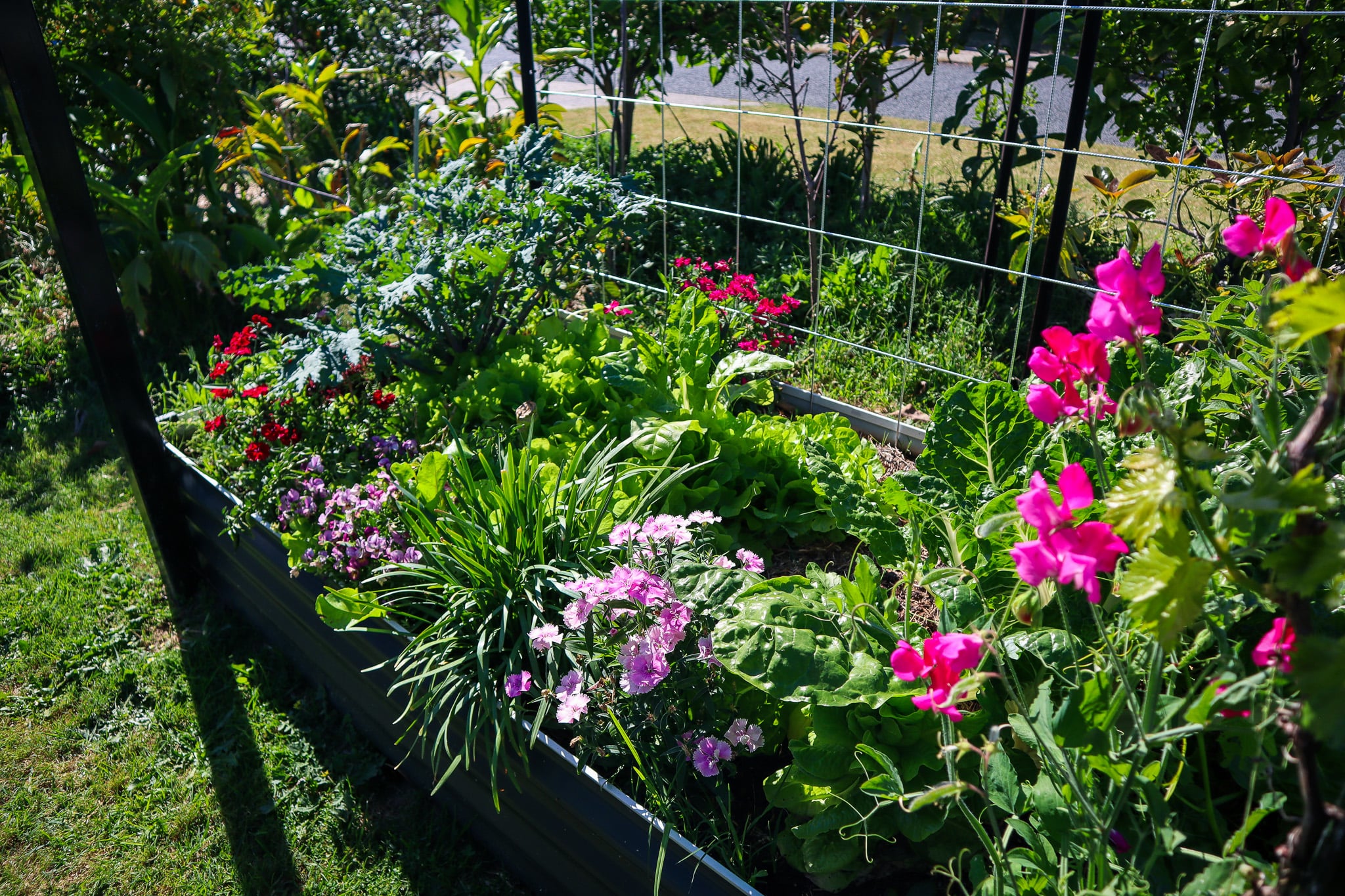
Sweet Peas
While ornamental rather than edible, sweet peas can add colour and fragrance to winter beds. They also offer flowers for the bees during a lean time.
Tips for Growing Vegetables on a Trellis
To get the best results from a garden trellis, plant your seeds or seedlings close to the base so they can easily reach the support as they grow. As young vines begin to develop, gently guide them onto the trellis while the stems are still flexible. I check my plants daily to add coffee grinds to stop the pests naturally and also direct the plants to the trellis. Regular harvesting will help encourage ongoing production as the plant’s main goal is to provide seeds for a new generation….if we harvest them before they get to that stage, the plant will produce more = more food for us! Healthy soil is also key to strong growth, so add plenty of compost and organic matter before planting to feed the soil and support vigorous, productive vines.
Common Trellis Mistakes to Avoid
Installing the Trellis Too Late
Trust me… it’s much easier to train young plants than try to wrangle mature vines without snapping them.
Using Weak Supports
Many DIY trellises struggle once crops become productive. Build with strength in mind from the start.
Ignoring Crop Weight
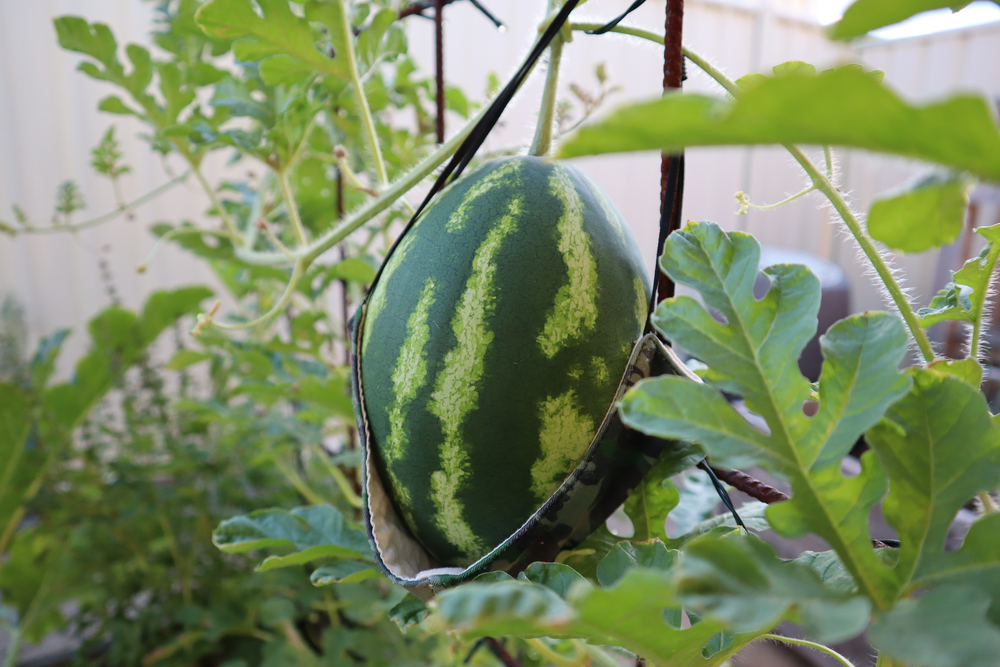
Large gourds, pumpkins, and vigorous vines require strong support systems. Sometimes i also offer extra support by making the large fruits little hammocks.
Forgetting to Secure Against Wind
Strong winds can place significant pressure on climbing crops and their supports.
Frequently Asked Questions
What is the best DIY garden trellis for raised beds?
A sturdy panel supported by star pickets is one of the simplest and most durable options. It installs quickly, lasts for years, and supports a wide range of climbing vegetables.
What vegetables grow best on a trellis?
Cucumbers, peas, snow peas, climbing beans, snake beans, bottle gourds, luffa, and Malabar spinach all perform well on a trellis.
Can I add a trellis to an existing raised bed?
Yes. This DIY garden trellis can be installed alongside existing raised beds without modifying the bed itself.
How tall should a vegetable trellis be?
Most climbing vegetables benefit from a trellis between 1.5 and 2 metres tall, although vigorous crops may grow even higher. The higher you go the more vulnerable the trellis will be to winds, so the support pickets will need to be longer and go deeper into the ground.
Is vertical gardening worth it?
Absolutely. Vertical gardening allows you to grow more food in less space, improves airflow, simplifies harvesting, and helps maximise the productivity of small gardens.
Vertical Gardening in Urban Spaces
Of all the upgrades I’ve made to my raised garden beds, this DIY garden trellis has delivered some of the biggest returns for the least effort. Which i am all about! With nothing more than a metal panel, two star pickets, and a few wire ties, you can create a strong support system that helps climbing vegetables thrive year-round.
Whether you’re growing cucumbers in summer, peas in winter, or experimenting with productive crops like bottle gourds and luffa, vertical gardening is one of the simplest ways to maximise your harvest.
If you’re looking for an easy DIY garden trellis for raised beds, this quick and affordable setup is a practical solution that can help you grow more food in less space.
Happy Gardening,
Holly 🌱