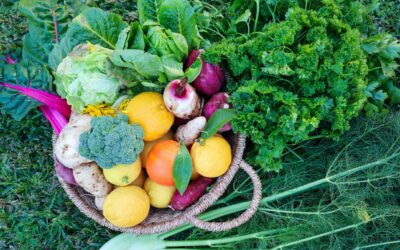
Your home garden can do more than just look nice… You can grow your own groceries and boost your homegrown food security!
With rising food prices and a growing desire for self-sufficiency, growing your own groceries has never been more important. Keep reading to see what to grow in your home garden to replace supermarket staples, from natural sweeteners, salt and pepper, protein-rich legumes, to fresh herbs, healthy fats, and easy-to-harvest fruits and vegetables.
Whether you have a small balcony, a suburban backyard, or a larger food forest, these plants will help you create a homegrown, chemical-free supply of staple crops to grow your own groceries! This guide is based on my garden in Perth, Australia, in a warm climate (zone 10b). :
Your Grow-Your-Own Grocery List
🍬 Sugar and Sweeteners
Instead of buying refined sugar, these plants naturally sweeten your food. They’re easy to grow and provide fresh, chemical-free sweetness straight from your garden. Most ripe fruits will offer you natural sugars, but below are some of my top picks!
Plants to Grow for Sugar and Sweeteners:
Sugarcane (Saccharum officinarum) – accounts for about 80% of global sugar production. You can grow sugar cane at home and start producing juicy stalks of sugar!
Sugar Beets (Beta vulgaris subsp. vulgaris) – a cool-climate option for natural sugar; roots can be processed into sugar. Like a white beetroot but super sugary! BONUS: Leaves can also be used as a green.
Stevia (Stevia rebaudiana) – a perennial herb; leaves can be used fresh or dried as a natural sweetener.
White Mulberry (Morus alba) – ripe berries taste like honey and sugar combined!
Yellow Figs (Ficus carica, Honey Fig) – yellow figs particularly are super sweet, soft, and perfect fresh or dried.
Bananas (Musa spp.) – ripe bananas can sweeten baking or be frozen and blended for natural ice cream.
Grapes (Vitis vinifera) – homegrown grapes are naturally sweet, like nature’s candy.
Pineapple (Ananas comosus) – homegrown pineapple is so sweet! Plus, they grow well in pots or indoors near a sunny window.
Jujube (Ziziphus jujuba) – extremely drought-tolerant and produces sweet apple-like fruit that dries naturally into date-like sweets.
Melons (Cucumis melo / Citrullus lanatus) – if you have ever dehydrated watermelon, you would know just how sugary sweet it is! Vine-ripened watermelon, rockmelon, or honeydew melon are all very sweet options.
🧂 Salt and Pepper
Yes! You can grow your own salt and pepper in the garden! These plants add salty or peppery flavour while being easy to grow.
Plants to Grow for Salt and Pepper:
Old Man Saltbush (Atriplex nummularia) – hardy Australian native with silvery leaves that are naturally salty! Excellent in salads and cooking. Hardy an ddrough tolerant shrub.
Seaberry Saltbush (Rhagodia candolleana) – red, slightly sweet and salty berries and salty leaves; great for cooking.
Peppervine (Tasmannia lanceolata) – produces Tasmanian peppercorns; berries can be harvested at different stages and dried for red, white, or black pepper.
Kawakawa (Piper excelsum) – NZ native; leaves and ripe orange (female) seeds can be dried for pepper!
Nasturtium (Tropaeolum majus) – edible flowers and leaves with a natural peppery bite. The leaves pack more of a spicy punch, and the flowers have a nice, mild pepper flavour. The green seed pods can be pickled and made into “poor man capers”.
Rocket / Arugula (Eruca vesicaria) – fast-growing leafy green with a strong peppery flavour.
💪 Protein-Rich Plants
Legumes and other protein-rich plants are essential for a self-sufficient garden. They are easy to grow, nutritious, and have the added bonus of naturally improving soil fertility – to grow more food!
Plants to Grow for a Source of Protein:
Bush Beans (Phaseolus vulgaris) – fast-growing, compact, and perfect for vertical gardening.
Perennial Beans / Madagascar Bean (Phaseolus coccineus) – also called the seven-year bean; keeps producing for many seasons.
Edamame / Soybean (Glycine max) – high protein with 12g of protein per 100g, similar to two eggs.
Pigeon Pea (Cajanus cajan) – edible pods can be eaten green or dried; nitrogen-fixing for healthy soil. One of my top support plants in the garden for mulch and food!
Peas (Pisum sativum) – eat pods and shoots; excellent garden snack for the cooler months.
Chickpeas (Cicer arietinum) – dry and store for long-term use.
Lentils (Lens culinaris) – nutritious and easy to store.
Broccoli and other Brassicas (Brassica oleracea) – surprisingly high in protein compared to many vegetables.
🍎 Snacks and Fruit
Swap packaged snacks for fresh, garden-grown fruits. I love nothing more than a wander through the garden to find snacks!
Plants to Grow for Snacks:
Lemon Cherry Guava (Psidium cattleyanum) – sweet and compact. I love the yellow variety with sweet snackable fruit!
Berries – give us all the berries! Strawberries, blueberries, raspberries, kiwiberry, the list goes on!
Apples (Malus domestica) – a versatile staple base crop
Bananas (Musa spp.) – come with natural packaging, and homegrown bananas are so delicious!
Passionfruit (Passiflora edulis) – robust skin, easy to take with you on the go.
Loquat (Eriobotrya japonica) – sweet, tangy fruit – tastes like a mix of apricot, pear and mango.
Mulberries (Morus spp.) – prolific and easy to harvest. Eat fresh off the tree as a garden snack.
Snap Peas (Pisum sativum) – crunchy and great for snacking. These never make it out of the garden! They are too delicious.
Carrots (Daucus carota subsp. sativus) – long-lasting root crop. Great to eat with some homemade hummus using your legumes!
Lebanese Cucumber (Cucumis sativus) – Snack- sized cucumbers are usually sweeter and crisper than store-bought ones because they can be harvested and eaten immediately.
🥑 Healthy Fats
Healthy fats from plants are easy to grow and replace processed oils.
Plants to Grow for Healthy Fats and Oils:
Avocado (Persea americana) – high in monounsaturated fats. Delicious substitute for butter in many meals. I feel like having an avocado tree in the backyard is living rich 😆
Macadamia (Macadamia integrifolia) – slow to mature but productive for years.
Sunflower (Helianthus annuus) – seeds for snacking, butter, or oil.
Almond (Prunus dulcis) – nutrient-dense and versatile.
Peanuts (Arachis hypogaea) – peanuts are so fun and easy to grow in warm climates. They can also be grown in a pot or a container.
Olives (Olea europaea) – can be pressed for oil; collaborate with neighbours to share processing costs.
🥬 Greens and Salad
Leafy greens are one of the easiest edibles to grow at home and replace pre-packaged salads! You don’t need a big garden, pots and containers work great too!
Plants to Grow for Greens and Salads:
Lettuce (Lactuca sativa) – cut-and-come-again varieties for continuous harvest. Let one lettuce go to seed each year, and you will have an endless supply!
New Zealand Spinach (Tetragonia tetragonioides) – great edible ground cover, drought-tolerant, self-seeding greens. Great for soups, stir-fries, and curries.
Chard (Beta vulgaris subsp. cicla) – nutrient-dense and versatile. I love growing chard, especially rainbow chard, in my kitchen garden. The colours brighten up a winter garden! Plus, make easy one-ingredient preservative-free wraps!
Kale (Brassica oleracea var. sabellica) – robust, flavorful leaves. Kale gets a bad rap, but it is easy to grow, and its rough leaves and curls are amazing at holding on to flavour. So the key is to cook it or massage dressing into it for a salad!
Longevity Spinach (Gynura procumbens) – perennial, nutrient-rich, especially good for warm climates. Known for managing blood sugar and reducing inflammation.
🍠 Carbs and Staples
Processed carbs aren’t necessary when you can grow your own and boost your homegrown food security. Root crops are one of the highest accumulators of herbicides and pesticides because they spend their whole life in the soil that is commercially sprayed with nasties. So if you want to replace supermarket food with spray-free veggies, I would have these high on my “to grow list”.
Plants to Grow for Carbs:
Sweet Potato (Ipomoea batatas) – one of my top edible plants, it is sooo easy to grow, and once you grow sweet potato, you literally will never have to buy another plant ever again. To get started, you can grow from a store-bought by either placing it in soil or a jar of water to sprout. The leaves are also edible, which is always a bonus when talking about food security.
Pumpkin (Cucurbita spp.) – the great thing about pumpkins is that you can grow a bunch and then dry or cure them for long-term storage and use throughout the rest of the year.
Queensland Arrowroot (Canna edulis /indica) – another core plant in my garden because of the multiple uses! As a carbohydrate, it grows rhizomes under the ground that can be used as a substitute for potatoes. A perennial potato! You can also make flour to use in cooking and baking. But it is also great at providing shade, wind protection and the water-filled stems make amazing chop and drop mulch to feed the garden.
Potato (Solanum tuberosum) – a classic staple – you don’t need a lot of space to grow potatoes; they can be easily grown in tubs and containers. Perfect for small gardens.
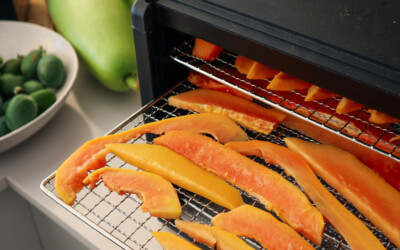
Papaya (Carica papaya) – It is a nutrient-dense, low-calorie fruit, with most of its calories coming from these healthy carbohydrates. The amazing thing about papaya is that you get two options to eat it: green as a vegetable or ripe as a fruit, two for the price of one space in the garden!
Plantain (Musa paradisiaca) – offering a sustained energy release due to its high resistant starch and fibre content. Also, ripe plantains can still be eaten as bananas; they just aren’t as sugary.
🌿 Flavour and Herbs
Instead of buying lifeless flavour from jars, grow your own and give your meals real freshness straight from the garden 🌿
Plants to Grow for Carbs:
Herbs – herbs are a powerhouse flavour enhancer. Fresh herbs are stronger and have more nutrients than the plain, processed dried herbs found in stores. Go outside and pick what you need fresh for each meal, or dehydrate and make your own natural blends of dried herbs.
Chilli (Capsicum spp.) – versatile flavour with a wide range of flavours and varieties. Also, make your own green and red curry pastes.
Onion (Allium cepa) – foundational flavour in so many dishes. Can be dried and stored.
Ginger (Zingiber officinale) – very medicinal and packs a punch of flavour. You can grow an amazing amount in a tub or container, too.
Garlic (Allium sativum) – staple culinary flavour! You can grow a bunch and dry to use throughout the year, or grow perennial forms of garlic flavour with garlic chives or society garlic flowers (Tulbaghia violacea)! for a year-round source of garlic in the garden.
Lemongrass (Cymbopogon citratus) – a fragrant addition to many dishes and teas!
Turmeric (Curcuma longa) – both medicinal and culinary uses. Like ginger, turmeric can be grown in small gardens and containers. freeze or make a dried powder to use throughout the year.
Spring onion (Allium fistulosum) – easy to grow and just cut at the base, and they regrow! Such an easy swap to make! Sprinkle plants or seeds throughout your garden to fill the gaps.
🍃 Medicinal Plants
Grow natural remedies for common ailments. Many medicinal plants have multiple functions in a garden, including medicinal, culinary, pollinator and wildlife habitat.
Skip the microplastic tea bags and grow your own herbal teas.
Lemongrass Cymbopogon citratus) – easy to use and full of flavour. Simply tie a bunch of leaves in a knot and add to hot water.
Lemon balm (Melissa officinalis) – I love lemon balm in teas and infused into a lemon and honey drink. Lemon balm has calming properties.
Mint(Mentha spp.) – strong flavour and an insane amount of types of mint, such as apple mint, orange, ginger, and chocolate – just remember this is one you really want to keep contained away from your garden.
Rosella (Hibiscus sabdariffa) – the calyces make a vibrant, tart and cranberry-like flavoured tea or drink. mix with honey for sweetness. packed full of vitamin C. They can also be used to make jams, syrups and chutney.
Lemon Myrtle (Backhousia citriodora) or Cinnamon Myrtle (Backhousia myrtifolia) – Are Australian natives that are full of flavour.
Holy basil (tulsi) (Ocimum tenuiflorum)– a great natural sleepy tea or anti-anxiety tea for a relaxing evening brew.
Ginger (Zingiber officinale)– full of flavour and immune qualities for a health-boosting tea
Pineapple sage (Salvia elegans) – sweet, fragrant tea herb with pineapple scent and flavour. The red flavours are popular with small birds or great for flavour and garnish.
Start Building Your Homegrown Supermarket
Growing your own food and boosting your homegrown food security does not have to happen all at once. Actually…The most sustainable gardens usually grow slowly over time. Start with a few staple plants that you already use in your kitchen, herbs for flavour, leafy greens for salads, or a fruit tree for snacks and expand from there.
One of the biggest benefits of growing your own groceries is freshness and no nasty chemicals! Fruit and vegetables picked straight from the garden are often sweeter, more nutritious, and far more flavourful than produce that has travelled long distances to reach the supermarket. You also gain the peace of mind that comes from knowing exactly how your food was grown.
For gardeners in warm climates like mine in Western Australia, many of these plants thrive with very little input once established. Hardy staples such as sweet potato, pigeon pea, mulberry, lemongrass, and arrowroot can produce food, mulch, and soil improvement all at the same time. Over time, these plants start to form the foundation of a productive backyard ecosystem. Food security does not mean growing absolutely everything yourself. It simply means bringing more of your food supply closer to home. Every herb you harvest, every fruit you pick, and every staple crop you grow reduces your reliance on supermarket supply chains.
Start with one plant, then another, and before long, you may find that your backyard begins to feel less like a garden and more like a small, living supermarket.
10 ways to become more self-sufficient right now! Start small but start today. These 10 steps to becoming more self-sufficient are things that you can easily start implementing in your life right now. Build layers of knowledge and experience to create a life that is not only more self-sufficient, but is also sustainable. Slow and steady solutions are what will make this lifestyle change last long term. I know, it is so exciting! and we want to do all the things, but, get the basics right from the start and it will flow and be easy.
Click to watch 10 ways to become more Self-sufficient
1. Grow your own food
Growing your own food is a great step towards living a more self-sufficient lifestyle and it doesn’t have to be overwhelming. Start small but start today. Whether that means, converting part of your garden to edibles, planting a herb garden, starting a veggie patch, or planting a fruit tree.
Herbs are a great place to start for beginners because they are easy to grow and incorporate into your daily meals. Herbs are also quite pest-resistant and can tolerate a range of growing conditions. Herbs can be grown in pots and even indoors on a sunny windowsill.
You don’t need to be self-sufficient in everything but you can be self-sufficient in something. Take a look at what you buy regularly eg: salad mixes and plant that. Each season you can continue to expand and work your way up to providing more and more of your household’s fruit and vegetables.
Planting a fruit tree is also a great step towards self-sufficiency. Even if you have a small space or you are in a rental, you can still plant a fruit tree in a pot. That way when it does come time for you to move to a bigger location, you can take your established fruit tree with you. Fruit trees can take a while to start producing, so establishing trees in pots can allow you to get abundant harvest without waiting until you have more space.
So grab some seeds, get them in the soil and start growing your own food on your journey to become more self-sufficient.
2. Compost Scraps
Composting turns your scraps into organic, nutrient-rich soil that is going to help you grow a lot more plants. As well as reducing waste, composting will save you buying lots more soil and compost, because you will be able to produce your own soil at home using what you already have.
Composting your waste helps close the loop and make your gardening more sustainable.
You can purchase compost bins or tumblers at most of your local garden or hardware stores. You may even be able to pick one up cheap or free on marketplace or local buy and sell pages.
3. Learn to Cook Garden to Plate
This is another important one, and I think second to growing food, it is so important to learn how to cook. Even if you are a great cook, it is very different cooking from your garden. You need to get creative and come up with new ways to use and maximize the veggies you grow. Most cooks will be used to incorporating a lot of packaged products into their cooking and to be more self-reliant, you need to get creative.
Whether you use Zucchini as pasta, or Rainbow Chard as wraps, or Cauliflower as a pizza base, there are so many ways to get the most out of everything that you grow. That way, you can create more meals from the garden, and rely less on the shops! Saving you a lot of money. Because, we all know that when you pop to the shops for a couple of things… you end up with 3 bags full.
It takes lots of practice and is a skill to continually work on. Learning to cook with vegetables in lots of interesting ways will help you to become more self-reliant and build up your self-sufficiency. Having lots of recipes and ideas will help you to create exciting and wholesome meals so that you can sustain the lifestyle long term.
Garden to plate cooking is something I am incredibly passionate about, and the main reason I started my online membership. This is where I share my recipes with creative ways to use your harvest from root to shoot! I try to keep them simple, easy and of course delicious! If that is something you’re interested in Click Here to find out more.
4. Preserve Extra Food
Make hay while the sun shines as my dad always used to say! When you grow an abundance of produce in the garden, learn ways to preserve that to use throughout the year. That way you can still create balanced and wholesome meals all year round.
You don’t need a big garden to start doing this. People are often giving away lemons or extra fruit they can’t eat. So utilize this and learn how to preserve them. You can always trade a big bag of fruit for a finished jar of jam, chutney, dehydrated fruit or sauce. Utilize what’s in season. If you see in-season fruit and vegetables that are really cheap or have bulk buying options, buy them and test out some ways to preserve them. That way, you will be building knowledge and experience for when you are growing your own! Plus your pantry will be full for the rest of the year.
5. Learn to Take Cuttings
Growing food from cuttings will boost your garden’s level of sustainability. This is the best way to level up and grow more food for less. You can make an endless amount of trees and plants when you learn how to take cuttings. I have an ebook on cuttings if you want to learn the basics and I go through the easiest plants to grow from cuttings. This guide will show you some easy and quick ways to grow a tonne of food. You’ll be eyeing off your friends’ gardens in no time.
Saving seeds can go a long way towards creating a sustainable lifestyle. Seeds have the power to grow an endless supply of food if they are continuously saved. Saving your own seeds will not only provide you with a sustainable food source but it will also save you money in replenishing your seeds each year.
Each vegetable you grow has the potential to grow an endless amount if you learn how to save seeds. Save seeds from heirloom or open-pollinated varieties to ensure the next generation will be “true to type”.
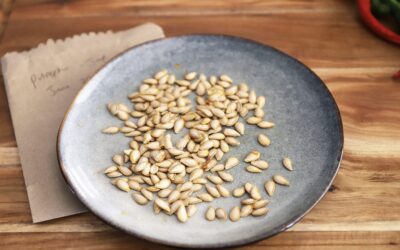
You can even try saving seeds from vegetables you have purchased. Pumpkins and squash are the easiest ones to try! Clean off the flesh and let them dry out on a plate. then keep them in a brown paper bag or somewhere cool, dark, and dry, and then pop them in the soil in spring. You can try this with others such as Passionfruit, capsicum or tomatoes. It is best to choose organic heirloom varieties from your local farmers markets as many store bought vegetables are hybrids. Both can work for a bit of fun a bit of fun.
Saving your seeds is a great step towards self-sufficiency and when a world crisis happens, (hello 2020) the seed shelves are empty. People became more aware that they are relying on others to provide for them. Having your own seeds will mean you will have more resilience and can be more self-reliant.
7. Swap and Trade
Get into a habit of swapping and trading items rather than purchasing new. Use your new found skills of propagating and saving seeds to trade with others for more plants. Or if you have extra produce, try hosting a swap meet and encourage your friends or local community to get involved. This can be a great way to recycle your unwanted items and get useful items in return. Swap meets can be great for extra seeds, produce, cuttings, houseplants, books, furniture or clothing.
8. Learn about Edible plants
There are so many edible plants around you every day and you may not even know it. Learning to identify plants and what parts are edible will hugely increase your food sources and self-sufficiency. This means you will be able to get the most out of everything growing in your garden! There are so many native plants and even weeds that are edible. Continue to build knowledge by learning to identify plants.
9. Harness Natural Resources
Every day nature is providing us with so much energy that is often ignored. Harness the sun, rain, and wind to use to your advantage.
Dry your washing
Capture water for your gardens
Dehydrate herbs, flowers, and food using the sun
Create power with solar panels
You can even make solar ovens
Put your pot plants outside when it rains
10. Up-cycle and Re-use
Use what you have. Get creative. Train your mind to come up with new ways, rather than slipping into the consumer mindset. Try to forage sticks for Tomato stakes and make your own trellis or up-cycle cups and crates for pots. Whatever it is you need, think about other ways that you could achieve the same outcome.
It can seem hard at first, but over time, you will start switching your mindset to up-cycle rather than consume and it will become so much easier. This will save you a lot of money and reduce the number of things you have lying around that get used on rare occasions.
I hope you found some inspiration and tip to get stuck in and started today. Let me know in the comments what you are going to start with to become more Self-sufficient right now!
Holly 🌱
MY GARDENING ESSENTIALS //
Garden Bag: https://bit.ly/3t5zc6h
Pink Secateurs: https://bit.ly/3qytl6s
Fertiliser spray gun: https://bit.ly/366nL1t
Retractable Hose: https://bit.ly/2TSC0Bo
More gardening tools: https://bit.ly/32IQmbD
DISCLAIMER: Links included in this description might be affiliate links. If you purchase a product or service with the links that I provide I may receive a small commission. There is no additional charge to you! Thank you for supporting my page so I can continue to provide you with free content!
Saving seeds can go a long way towards creating a sustainable lifestyle. Seeds have the power to grow an endless supply of food if they are continuously saved. Saving your own seeds will not only provide you with a sustainable food source but will also save you money in replenishing your seeds each year.
Saving your seeds is a great step towards self-sufficiency and when a world crisis happens, (hello 2020) the seed shelves are empty. People become more aware that they are relying on others to provide for them. Having your own seeds will mean you will have more resilience and can be more self-reliant.
Saving seeds from your best vegetables will help you develop your own SUPER plants! Selecting for pest resilience, size, strength, taste or timing, means you can grow more plants with those desired traits.
You will also get seeds and vegetables that are acclimatised to your exact growing conditions. They have adapted to their surroundings and will thrive! If you are already growing these vegetables you may as well save the seeds!
Can you save any seeds?
Heirloom or open-pollinated seeds are the best to save. These are varieties have been passed down for generations and have been bred “true to type”. This means they haven’t been cross-pollinated so they will produce the same or very similar vegetables each time they are planted.
Hybrid seeds have been cross-pollinated with two different varieties to get the 3rd outcome. The seeds saved from these can have extremely varied results, that can often be less desirable.
Over the years many heirloom seed varieties have been lost forever as more and more hybrid seeds are produced by large corporations that control the market. Saving your own heirloom seeds can help keep those varieties alive for future generations.
Saving seeds from the best-performing vegetables in your garden is such a valuable skill to have. It means you will have direct access to high-performing vegetables that you know and love.
Our family have tomato seeds that have been passed down from our grandpa and they produce the most incredible tomatoes for making sauce! Each year we grow the tomatoes and come together to make a big batch of tomato sauce. It is a fun, family tradition.
Annuals, Biennials, and Perennials
Not all plants go to seed in the first season. Annuals are often most of your common seasonal vegetables such as lettuce, tomatoes, watermelon, pumpkin, beans, peas and cucumbers. These produce seeds at the end of each crop or are in the ripe fruit. This means you can save the seeds from these each year. By choosing the best fruit and vegetables to save seeds from, each year your plants will get better depending on the desired traits you have selected for eg: biggest fruit, best flavour, most pest resistant.
Biennials will only go to seed in their second season and you will need to keep them growing throughout winter. This can mean you need to transplant them to a greenhouse if your winters are too cold. Biennials can be a little trickier to save seeds from. They also take up a lot of space whilst not producing much food while you wait for the seeds. These are many of the root vegetables and vegetables such as beetroot, carrot, onions, cabbage, kale, rainbow chard, and cauliflower.
Perennials are even trickier again as they are plants that regrow by themselves every year such as asparagus. It is often easier to transplant perennials by splitting the plant and transplanting than saving seeds.
Cross-Pollinating Varieties
When deciding to save seeds from your heirloom vegetables make sure that they are not getting cross-pollinated. Pollination can happen from insects or even wind for some varieties. So it is best to keep varieties of the same vegetable separate and in different corners of the garden. Another great way to protect and avoid cross-pollination is to stagger your planting. So if you want to plant two different types of tomatoes then plant them so that the first variety has finished flowering before the second one starts. This will just help ensure you get true-to-type seeds and know exactly what tomatoes you will have to plant the next year.
If you are growing multiple varieties at the same time, they may cross-pollinated but you can still save the seeds as this process will be good practice. If you plant those seeds out it will be a bit of an experiment to see what will regrow.
That doesn’t mean you can’t have some fun and try to cross-pollinate each season and see what happens.
Wait Until They’re Mature
Many fruit and vegetable seeds are only viable once they become over-ripe. This means you may miss out on getting to eat them. To save the seeds from vegetables you want to leave them on the plant until they are either dry or with fruit such as tomato and cucumbers they should be so over-ripe that they are starting to rot or go way past eating quality. This is how they naturally produce seeds in the wild.
Plants such as lettuce, celery, chard and radish will send off flowers once they get ripe and then these flowers will turn to seed pods. You will want to wait until the seed pods start to go brown and dry before harvesting for seeds.
Selecting Plants to Save Seeds From
This is an important step to make sure you save the best seeds! It can also be one of the hardest steps to commit to, as you will often have to forfeit eating that top-performing vegetable. If you see the perfect cucumber or tomato growing during the season, you will have to let it go overripe and bad before saving the seeds. This can often be disheartening, but just remember you will have even better crops in the years to follow!
Selecting “the best” vegetables to save seeds from is completely up to you. You may select for the biggest fruit, best tasting, plants that produce a lot, early fruiting, cold-hardy, disease-resistant, colour, or pest resistant.
How to Save Seeds?
There are two main ways to save seeds depending on the plants.
1 . Wait for the flowers to turn to seed or the seed pods to dry on the plant (beans, peas, flowers, radish, parsley, fennel). Once dry, pick and allow them to dry even further. Seed heads such as flowers can be hung upside down with the seeds heads secured in a paper bag. Once they are completely dry, you can shake off the seeds into the bag.
For seed pods such as beans, peas, and radish, once they are completely dry, you can remove the seeds from the pods and place them in a jar or brown paper bag. This can be quite time-consuming, especially with smaller seed pods.
2. Let fruit or vegetables go overripe on the plant to mature the seeds. They may change colour or start to break down ( tomatoes, cucumber, eggplant, chilli, capsicum, squash).
Once they are overripe, pick them and cut them open to reveal the seeds. Clean off the flesh and dry.
FermentFleshy Fruit Seeds
When saving seeds from fleshy fruits such as cucumbers, melons, or tomatoes, it can be hard to separate out the slimy layer surrounding the seed. This layer is to protect the seed when it is ingested by animals, birds, or from soil bacteria, and allows the seed to make it safely to the next season.
In nature, the fruit will rot on the plant producing mature seeds, then fall to the ground and the slimy film will protect the seed while the soil bacteria and microbes start breaking it down. Then, by the time the soil has warmed up again the following season, the seed will be ready to burst into life! This is why your volunteer tomatoes that grow from the compost are so hardy and fast-growing! They have been processed correctly.
We can mimic nature by squeezing the fresh fleshy seeds into a jar of filtered water to ferment (will be stinky) for a few days. Leave a lid loosely on the top of the jar and you will notice a white film starting to cover the surface. This is the lacto-fermenting process.
The viable seeds will be at the bottom of the jar and the bad seeds will float. Once the film covers the top of the surface you can separate off the bad seeds, rinse your seeds, dry them, and store them.
The easiest way to do this, is to dry them on a paper towel and when they are completely dry fold it up and place them in a brown paper bag or jar to store.
Is Fermenting Necessary?
No, you can simply rinse your seeds and dry them out. The fermenting phase helps eliminate the bad seeds, remove the protective layer and kill off some of the seed-borne diseases.
Dry the Seeds Completely
You want to make sure your seeds are completely dry before storing them. Lay them flat on a tray, moving them around every day or so until they are dry. Thicker seeds such as pumpkin may take a week or so to fully dry. Remove as much of the extra plant matter as possible (seed pods, petals, protective layers).
Storing the Seeds
Store your seeds somewhere cool, dark, and dry. I like to keep my seeds in brown paper bags, envelopes or recycled vitamin/pill canisters. Make sure you label them well with the name and/or desired trait (early tomatoes, best-tasting pumpkins, etc) and put the date.
Store your seeds in the coolest room or area of your house. Seeds can also be kept in the fridge in airtight containers.
How Long will Saved Seeds Last?
It is best to plant your seeds and resave each year or two, but if they have been stored correctly, some seeds may last over 10 years. Saving seeds and gifting them to friends and family, will mean you will be able to keep heirloom varieties available for generations to come.
If in doubt don’t throw them out! Old seeds can still be sown, you may just get less successful germination.
Saving seeds and figuring out how to save seeds from each plant can be tricky. Let me know if you have any questions about saving your seeds. This guide may also come in handy to determine whether plants are annual or biennial and how they are pollinated.