How to Grow Your Own Groceries and Replace Supermarket Staples in Your Garden
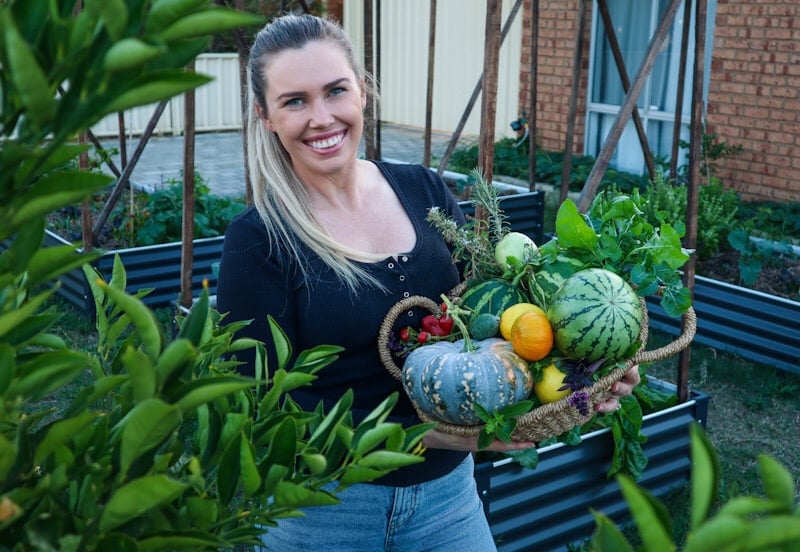
Your home garden can do more than just look nice… You can grow your own groceries and boost your homegrown food security!
With rising food prices and a growing desire for self-sufficiency, growing your own groceries has never been more important. Keep reading to see what to grow in your home garden to replace supermarket staples, from natural sweeteners, salt and pepper, protein-rich legumes, to fresh herbs, healthy fats, and easy-to-harvest fruits and vegetables.
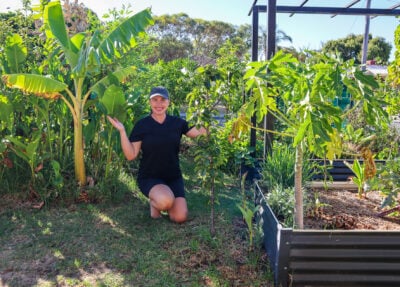
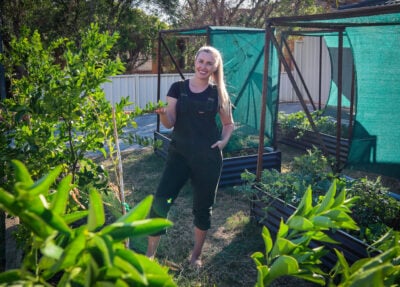
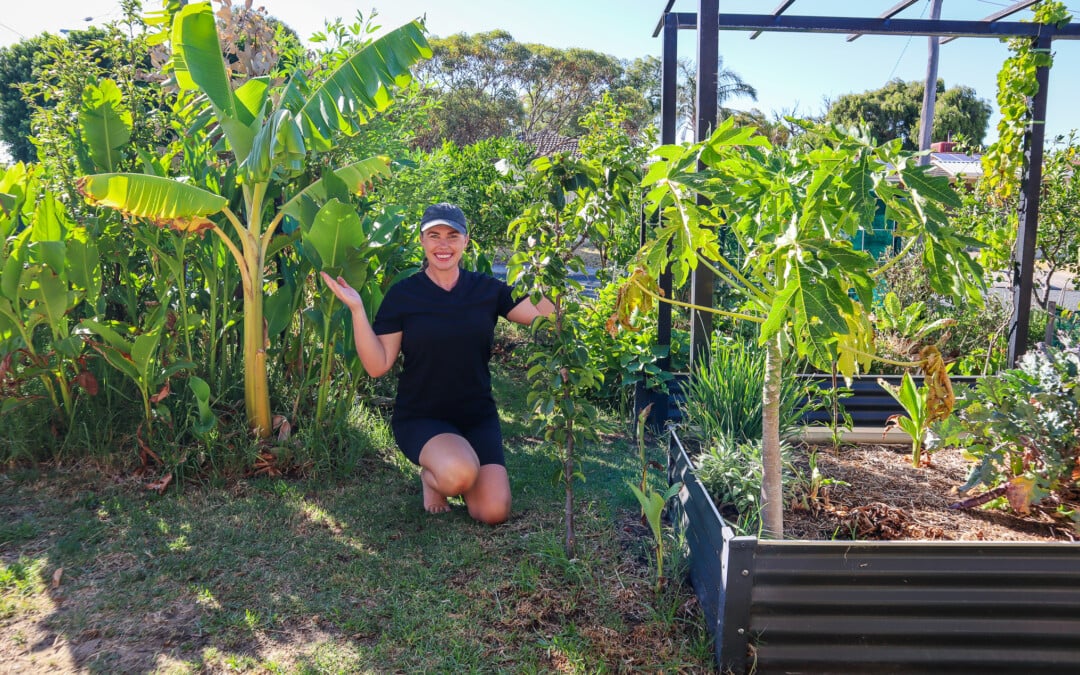
Whether you have a small balcony, a suburban backyard, or a larger food forest, these plants will help you create a homegrown, chemical-free supply of staple crops to grow your own groceries! This guide is based on my garden in Perth, Australia, in a warm climate (zone 10b).
:
Your Grow-Your-Own Grocery List
🍬 Sugar and Sweeteners
Instead of buying refined sugar, these plants naturally sweeten your food. They’re easy to grow and provide fresh, chemical-free sweetness straight from your garden. Most ripe fruits will offer you natural sugars, but below are some of my top picks!
Plants to Grow for Sugar and Sweeteners:
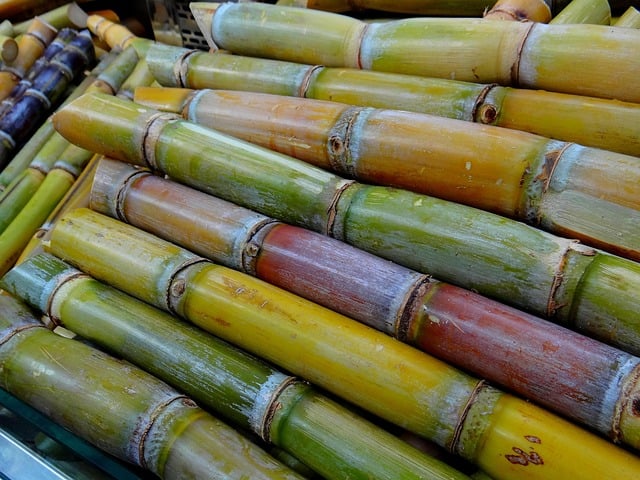
Sugarcane (Saccharum officinarum) – accounts for about 80% of global sugar production. You can grow sugar cane at home and start producing juicy stalks of sugar!
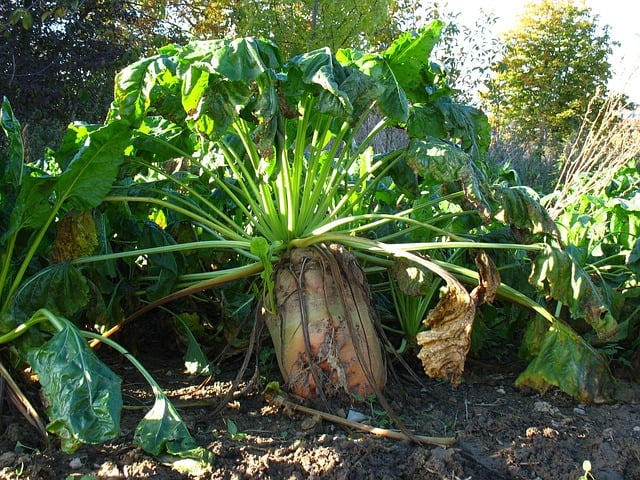
Sugar Beets (Beta vulgaris subsp. vulgaris) – a cool-climate option for natural sugar; roots can be processed into sugar. Like a white beetroot but super sugary! BONUS: Leaves can also be used as a green.
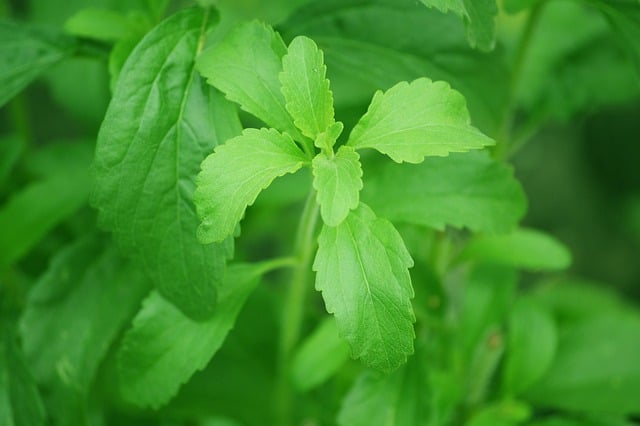
Stevia (Stevia rebaudiana) – a perennial herb; leaves can be used fresh or dried as a natural sweetener.
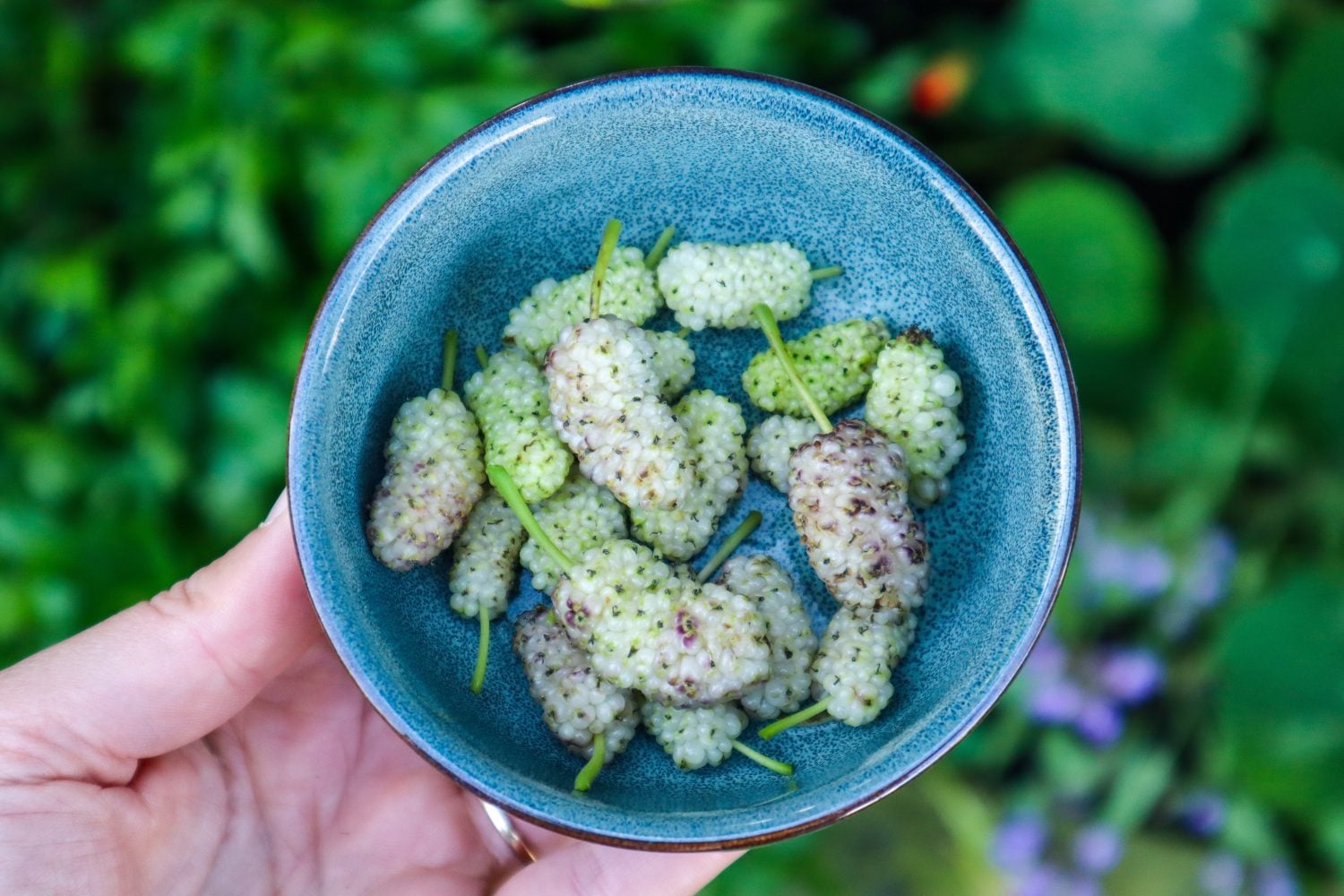
White Mulberry (Morus alba) – ripe berries taste like honey and sugar combined!
Yellow Figs (Ficus carica, Honey Fig) – yellow figs particularly are super sweet, soft, and perfect fresh or dried.
Bananas (Musa spp.) – ripe bananas can sweeten baking or be frozen and blended for natural ice cream.
Grapes (Vitis vinifera) – homegrown grapes are naturally sweet, like nature’s candy.
Pineapple (Ananas comosus) – homegrown pineapple is so sweet! Plus, they grow well in pots or indoors near a sunny window.
Jujube (Ziziphus jujuba) – extremely drought-tolerant and produces sweet apple-like fruit that dries naturally into date-like sweets.
Melons (Cucumis melo / Citrullus lanatus) – if you have ever dehydrated watermelon, you would know just how sugary sweet it is! Vine-ripened watermelon, rockmelon, or honeydew melon are all very sweet options.

🧂 Salt and Pepper
Yes! You can grow your own salt and pepper in the garden! These plants add salty or peppery flavour while being easy to grow.
Plants to Grow for Salt and Pepper:
Old Man Saltbush (Atriplex nummularia) – hardy Australian native with silvery leaves that are naturally salty! Excellent in salads and cooking. Hardy an ddrough tolerant shrub.
Seaberry Saltbush (Rhagodia candolleana) – red, slightly sweet and salty berries and salty leaves; great for cooking.
Peppervine (Tasmannia lanceolata) – produces Tasmanian peppercorns; berries can be harvested at different stages and dried for red, white, or black pepper.
Kawakawa (Piper excelsum) – NZ native; leaves and ripe orange (female) seeds can be dried for pepper!
Nasturtium (Tropaeolum majus) – edible flowers and leaves with a natural peppery bite. The leaves pack more of a spicy punch, and the flowers have a nice, mild pepper flavour. The green seed pods can be pickled and made into “poor man capers”.
Rocket / Arugula (Eruca vesicaria) – fast-growing leafy green with a strong peppery flavour.
💪 Protein-Rich Plants
Legumes and other protein-rich plants are essential for a self-sufficient garden. They are easy to grow, nutritious, and have the added bonus of naturally improving soil fertility – to grow more food!
Plants to Grow for a Source of Protein:
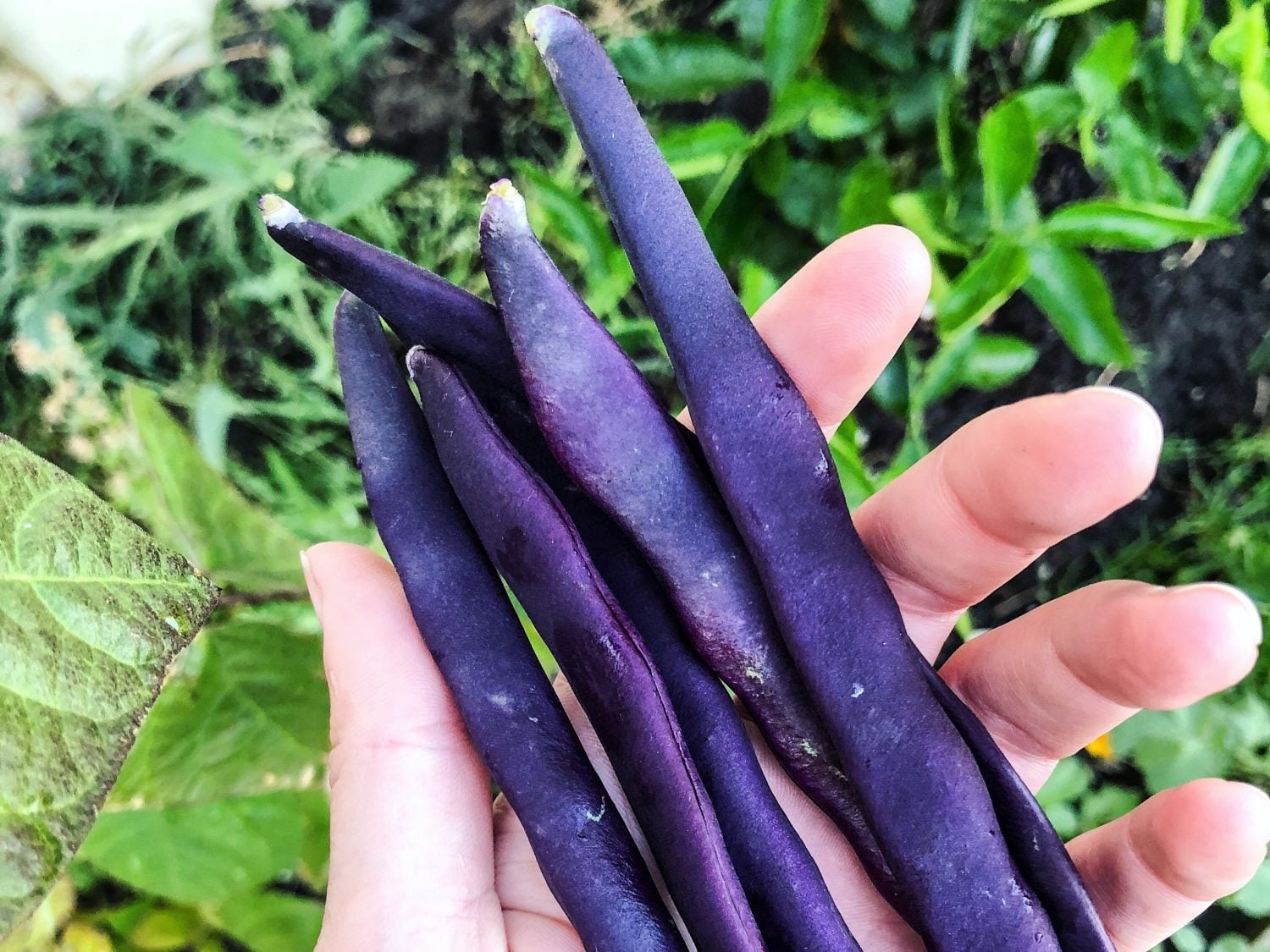
Bush Beans (Phaseolus vulgaris) – fast-growing, compact, and perfect for vertical gardening.
Perennial Beans / Madagascar Bean (Phaseolus coccineus) – also called the seven-year bean; keeps producing for many seasons.
Edamame / Soybean (Glycine max) – high protein with 12g of protein per 100g, similar to two eggs.
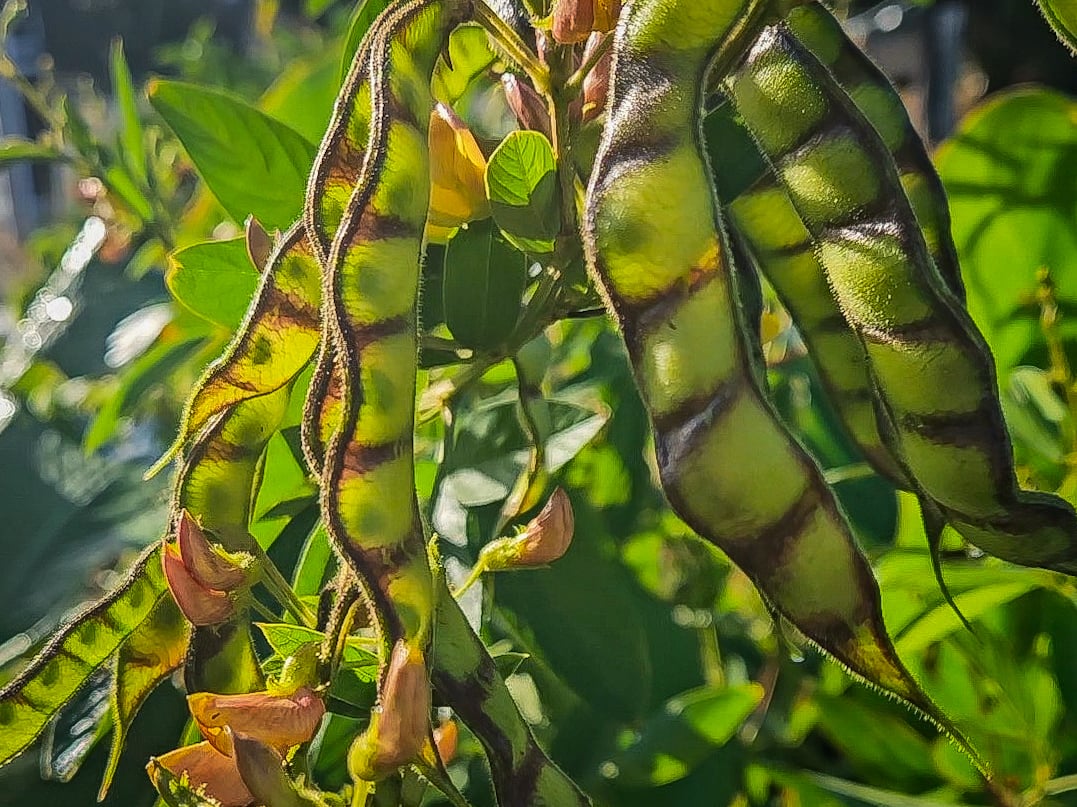
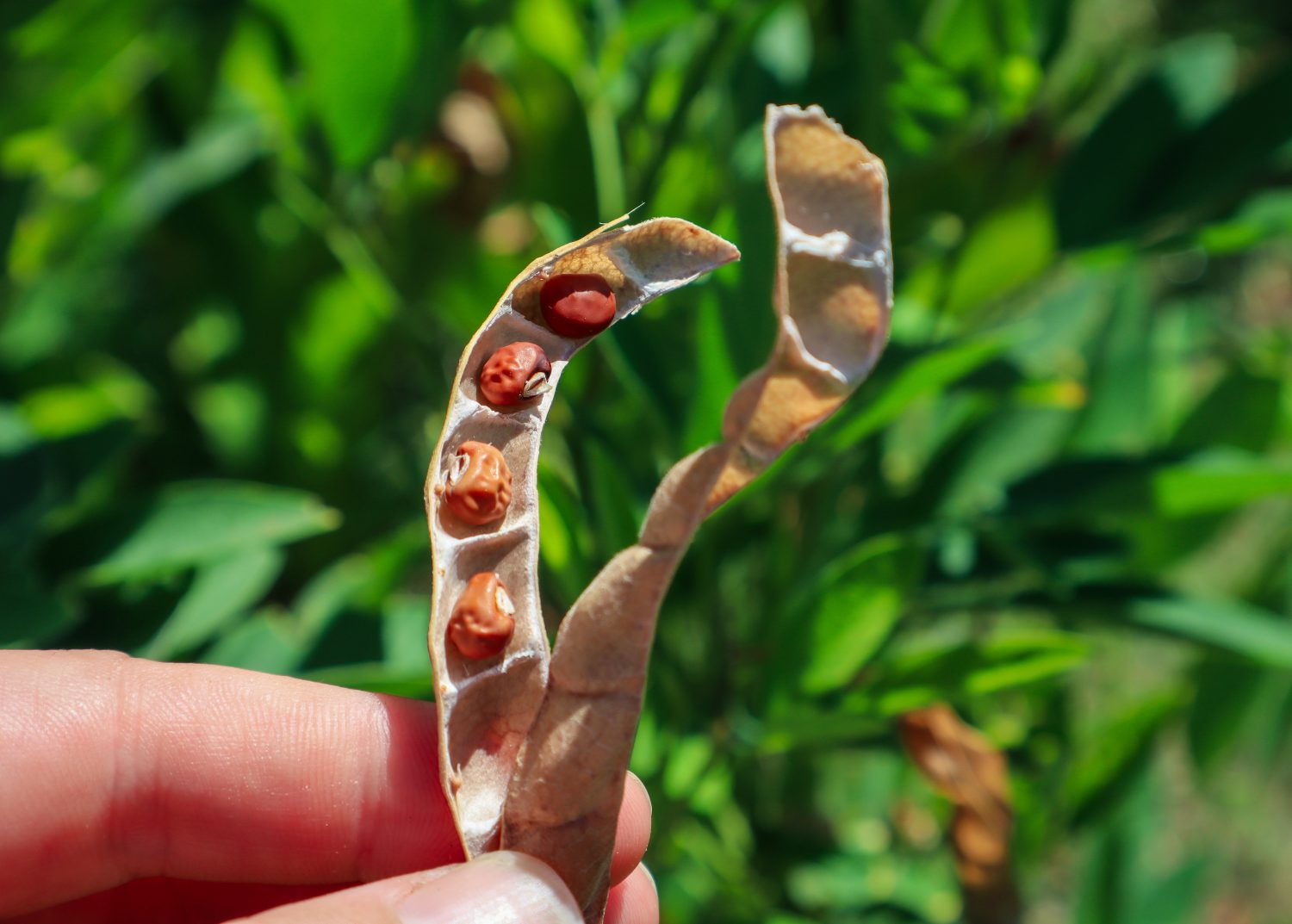
Pigeon Pea (Cajanus cajan) – edible pods can be eaten green or dried; nitrogen-fixing for healthy soil. One of my top support plants in the garden for mulch and food!
Peas (Pisum sativum) – eat pods and shoots; excellent garden snack for the cooler months.
Chickpeas (Cicer arietinum) – dry and store for long-term use.
Lentils (Lens culinaris) – nutritious and easy to store.
Broccoli and other Brassicas (Brassica oleracea) – surprisingly high in protein compared to many vegetables.

🍎 Snacks and Fruit
Swap packaged snacks for fresh, garden-grown fruits. I love nothing more than a wander through the garden to find snacks!
Plants to Grow for Snacks:
Lemon Cherry Guava (Psidium cattleyanum) – sweet and compact. I love the yellow variety with sweet snackable fruit!
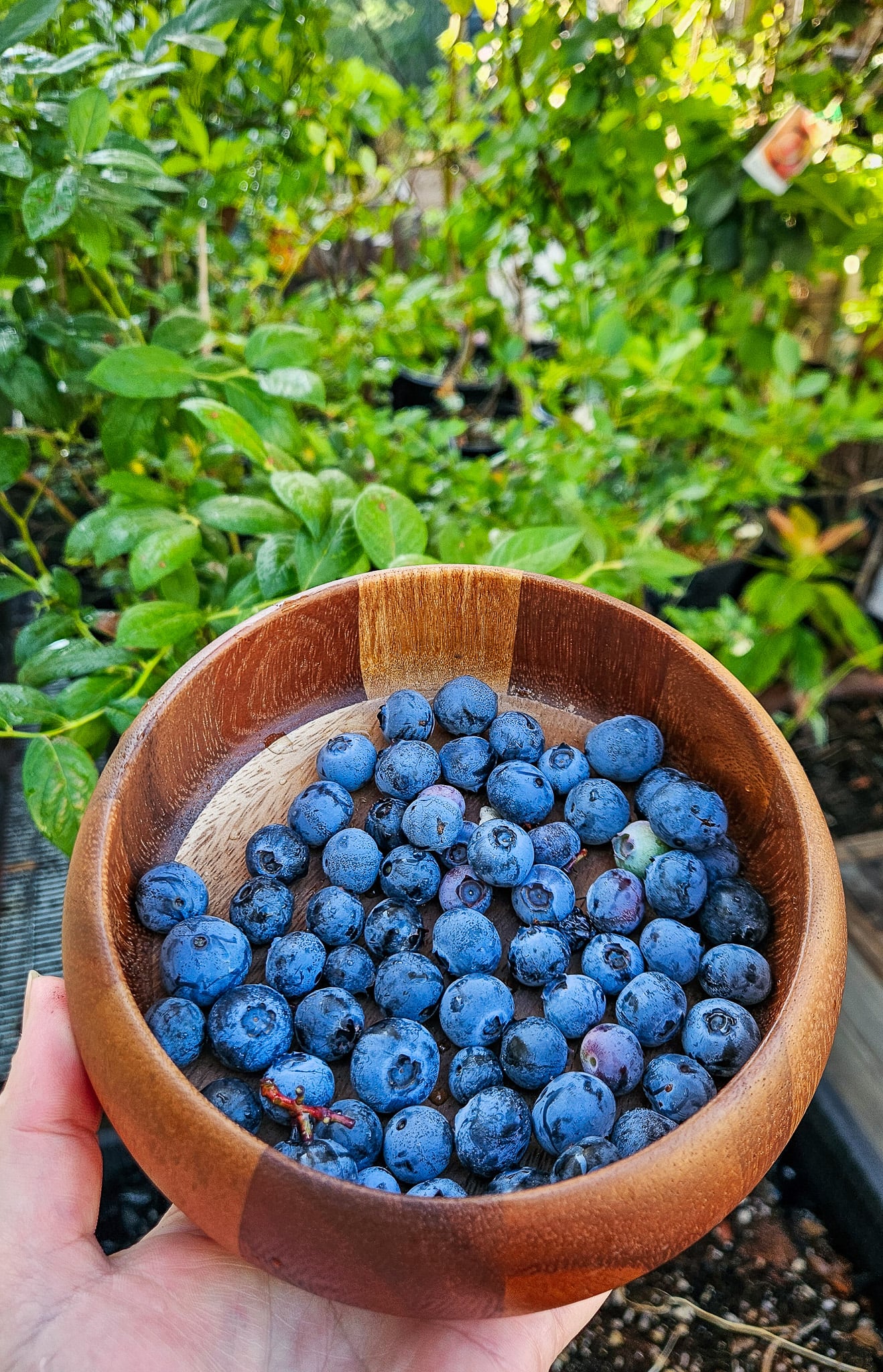
Berries – give us all the berries! Strawberries, blueberries, raspberries, kiwiberry, the list goes on!
Apples (Malus domestica) – a versatile staple base crop
Bananas (Musa spp.) – come with natural packaging, and homegrown bananas are so delicious!
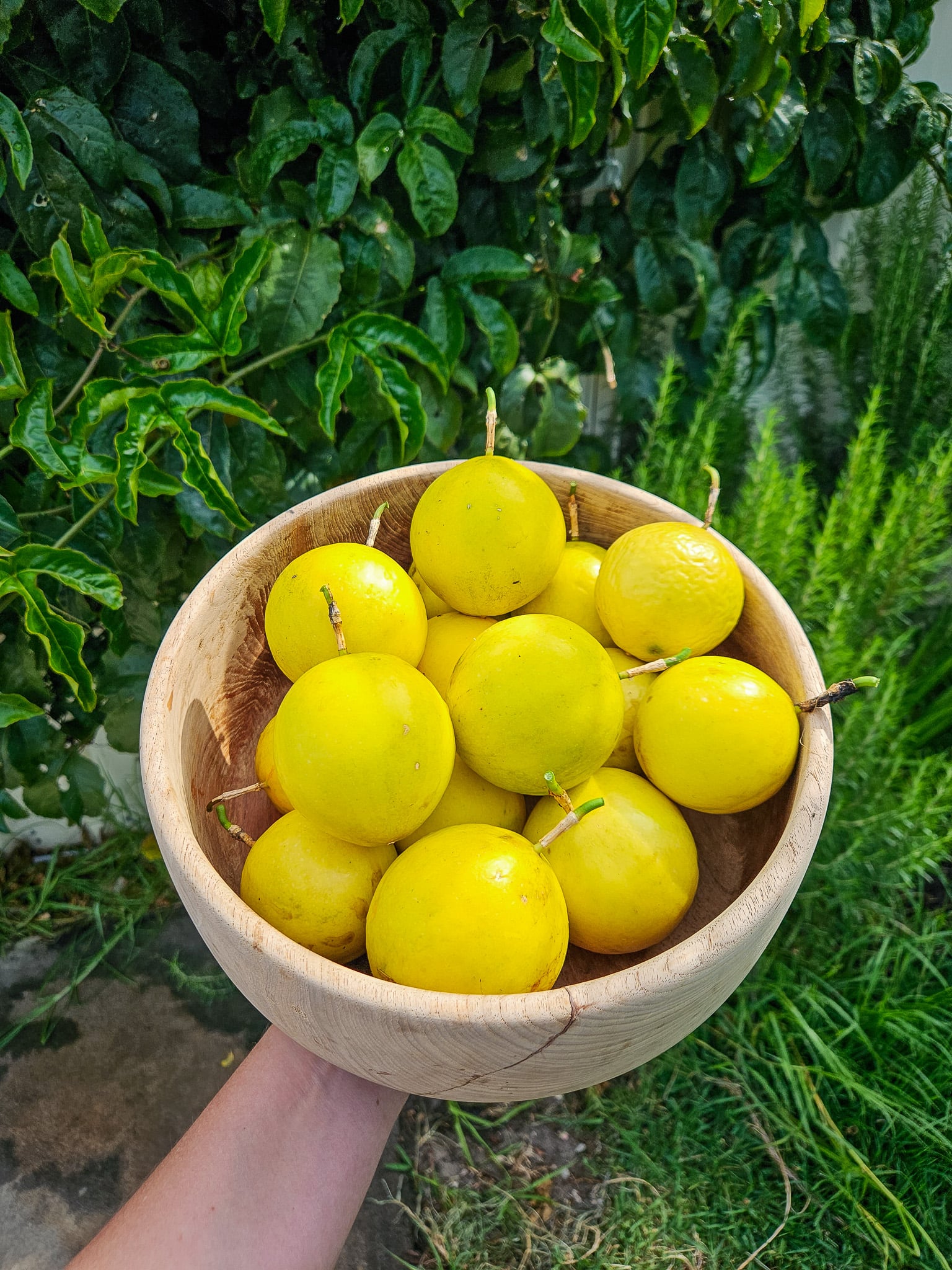
Passionfruit (Passiflora edulis) – robust skin, easy to take with you on the go.
Loquat (Eriobotrya japonica) – sweet, tangy fruit – tastes like a mix of apricot, pear and mango.
Mulberries (Morus spp.) – prolific and easy to harvest. Eat fresh off the tree as a garden snack.
Snap Peas (Pisum sativum) – crunchy and great for snacking. These never make it out of the garden! They are too delicious.
Carrots (Daucus carota subsp. sativus) – long-lasting root crop. Great to eat with some homemade hummus using your legumes!
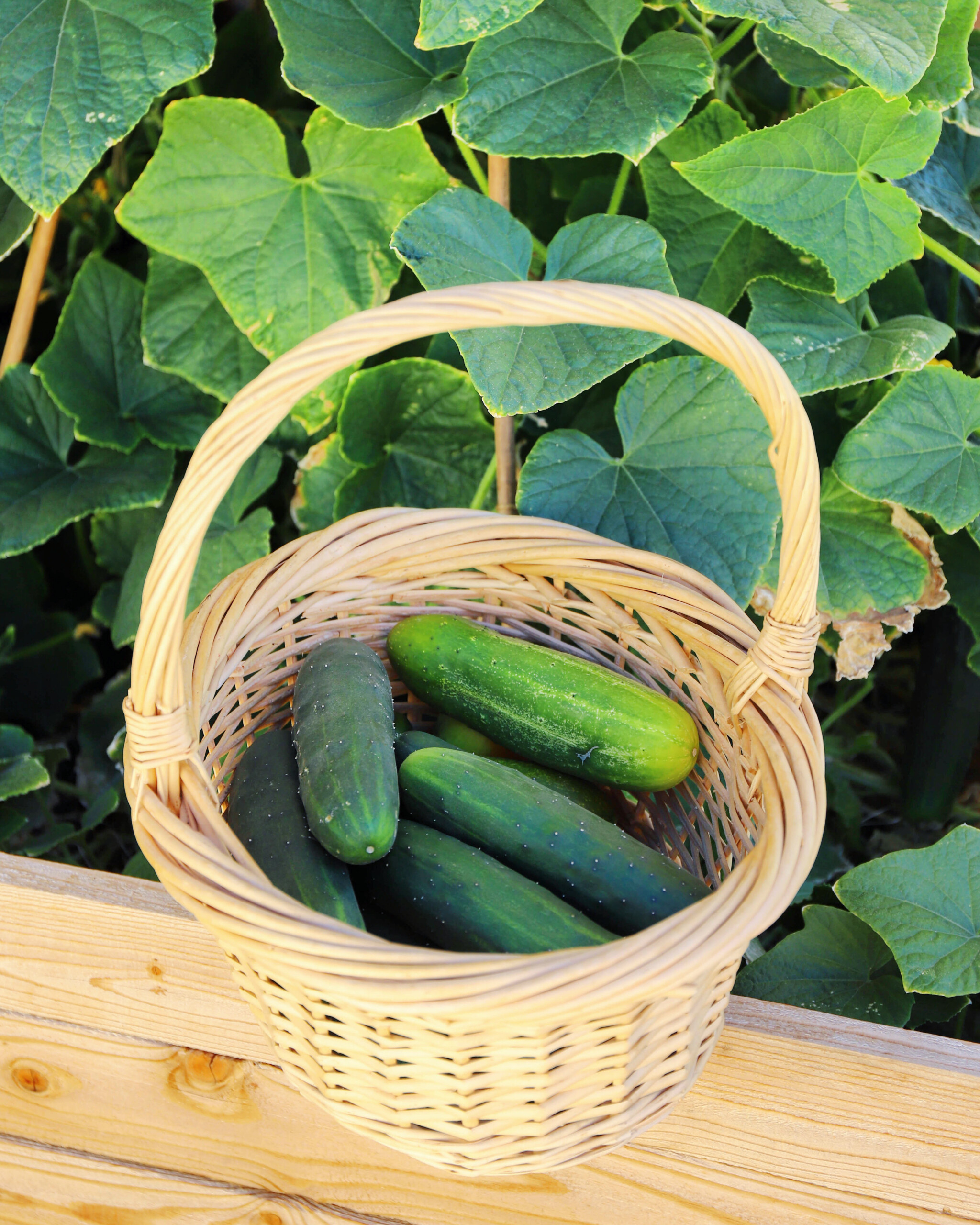
Lebanese Cucumber (Cucumis sativus) – Snack- sized cucumbers are usually sweeter and crisper than store-bought ones because they can be harvested and eaten immediately.


🥑 Healthy Fats
Healthy fats from plants are easy to grow and replace processed oils.
Plants to Grow for Healthy Fats and Oils:
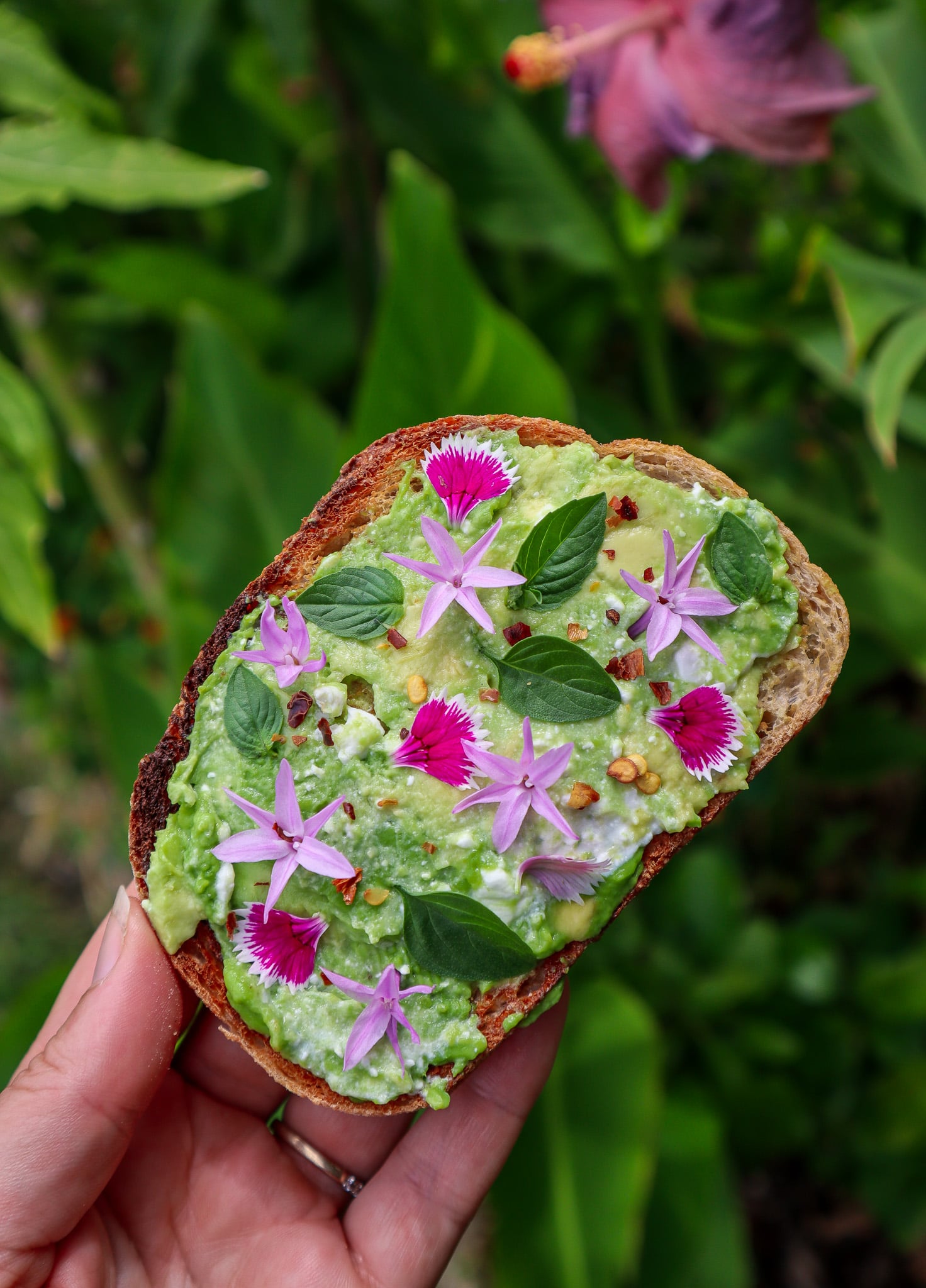
Avocado (Persea americana) – high in monounsaturated fats. Delicious substitute for butter in many meals. I feel like having an avocado tree in the backyard is living rich 😆
Macadamia (Macadamia integrifolia) – slow to mature but productive for years.
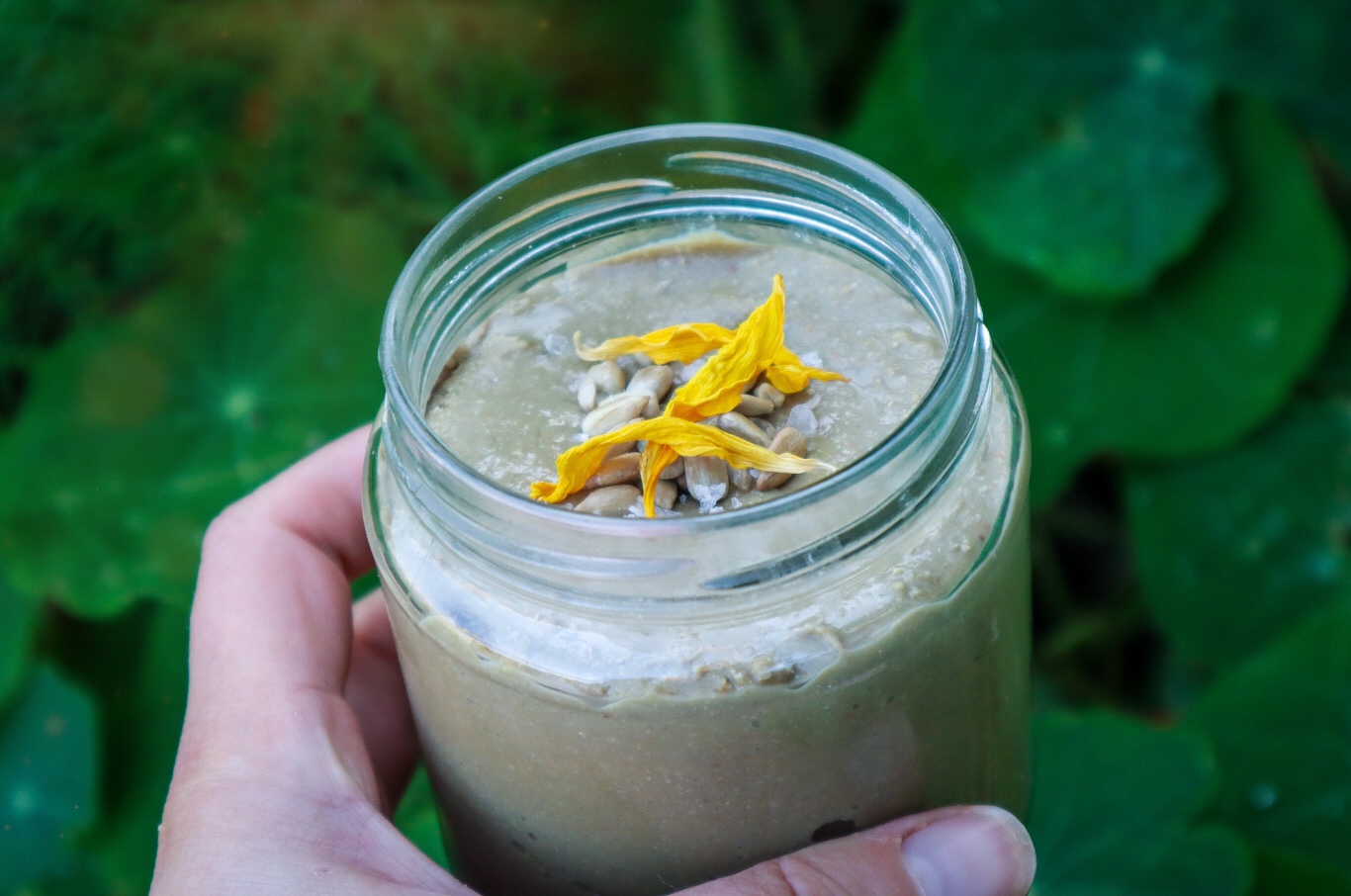
Sunflower (Helianthus annuus) – seeds for snacking, butter, or oil.
Almond (Prunus dulcis) – nutrient-dense and versatile.
Peanuts (Arachis hypogaea) – peanuts are so fun and easy to grow in warm climates. They can also be grown in a pot or a container.
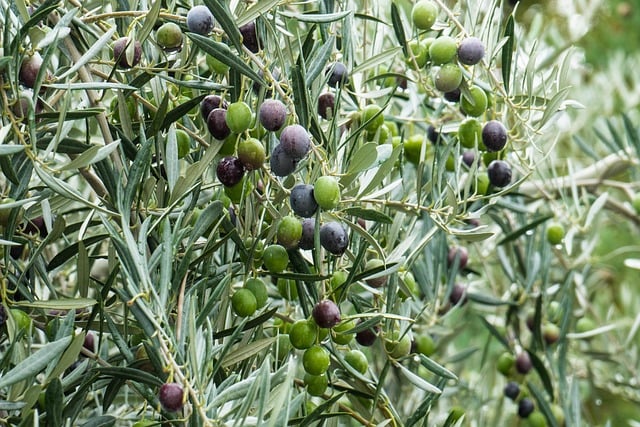
Olives (Olea europaea) – can be pressed for oil; collaborate with neighbours to share processing costs.

🥬 Greens and Salad
Leafy greens are one of the easiest edibles to grow at home and replace pre-packaged salads! You don’t need a big garden, pots and containers work great too!
Plants to Grow for Greens and Salads:
Lettuce (Lactuca sativa) – cut-and-come-again varieties for continuous harvest. Let one lettuce go to seed each year, and you will have an endless supply!
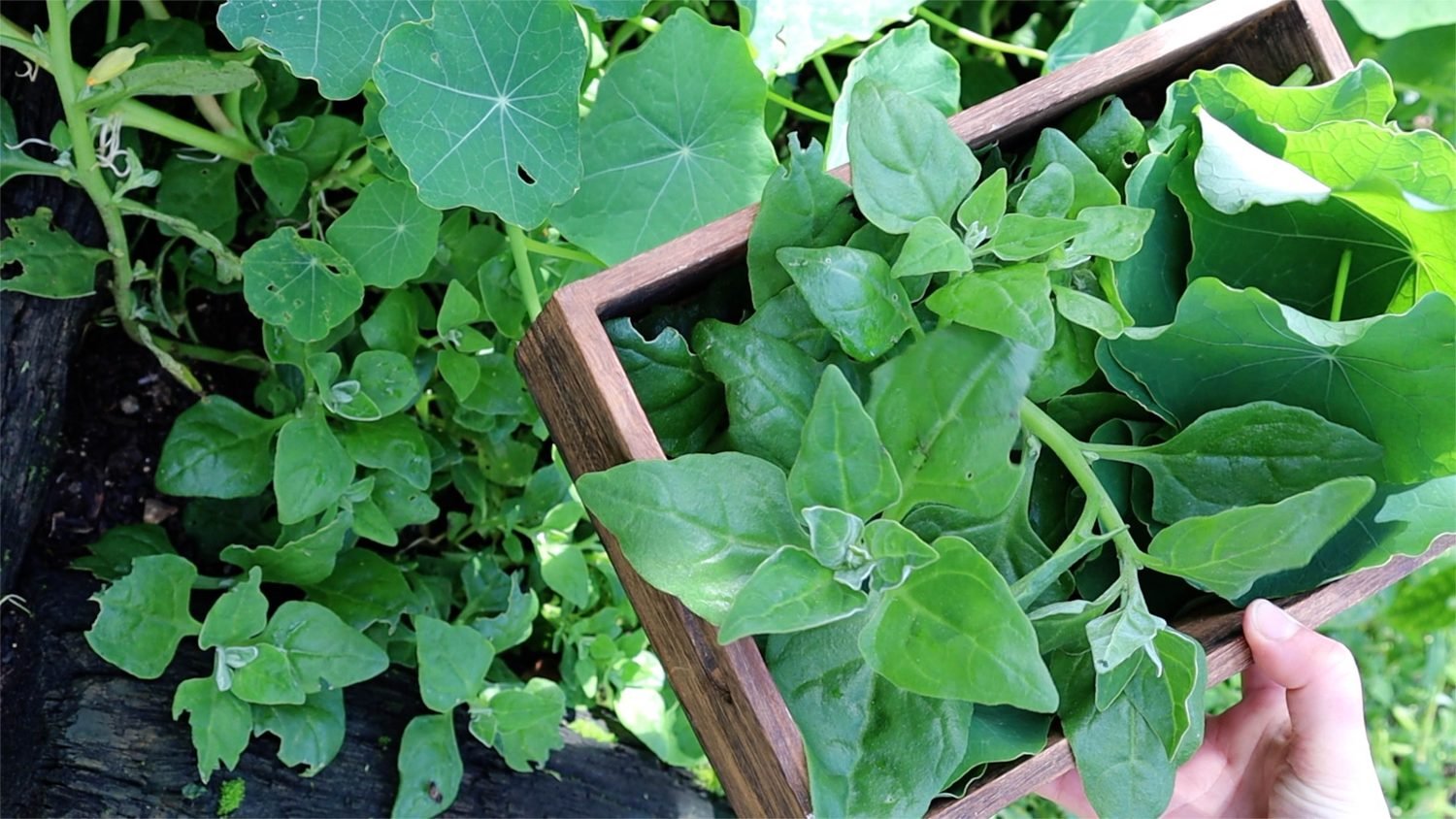
New Zealand Spinach (Tetragonia tetragonioides) – great edible ground cover, drought-tolerant, self-seeding greens. Great for soups, stir-fries, and curries.
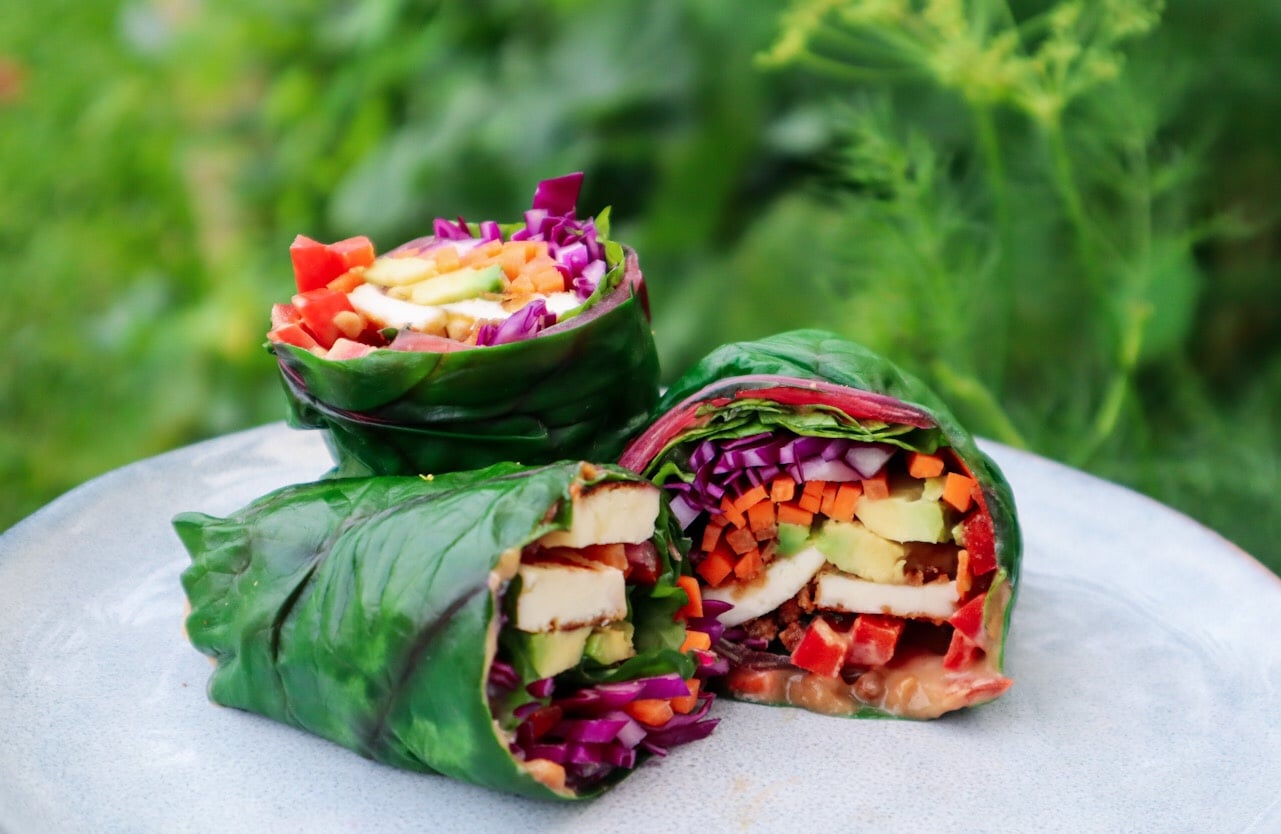
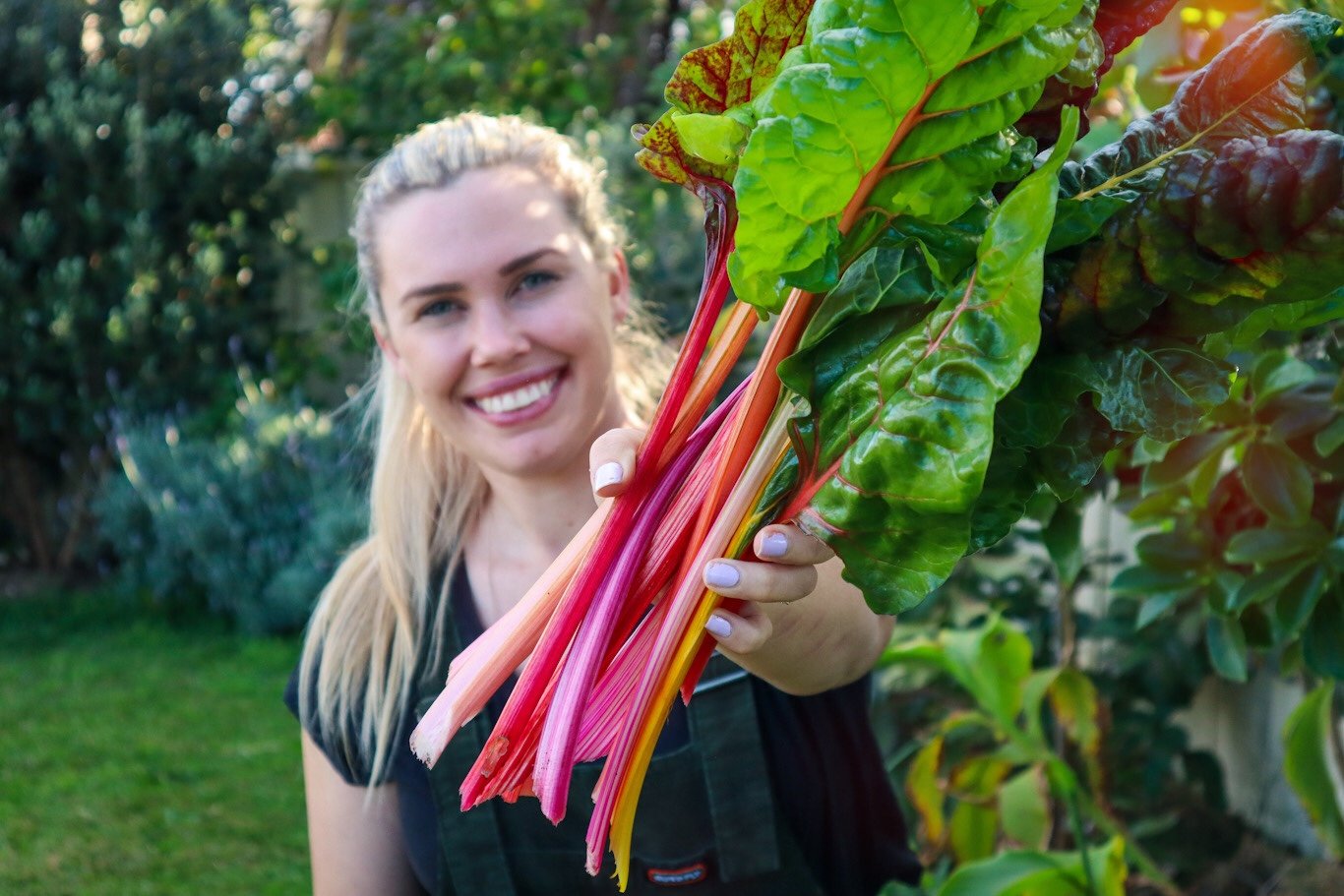
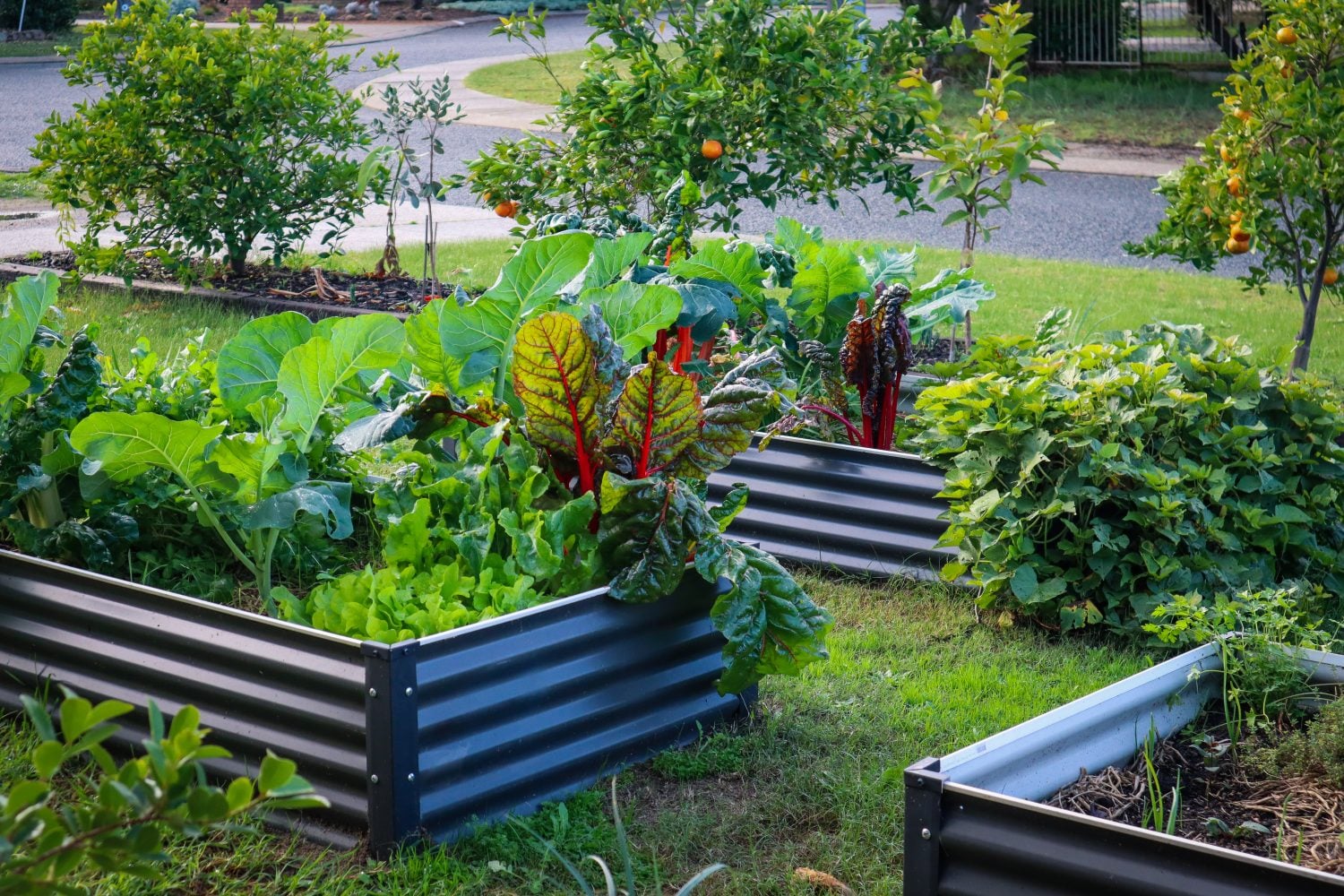
Chard (Beta vulgaris subsp. cicla) – nutrient-dense and versatile. I love growing chard, especially rainbow chard, in my kitchen garden. The colours brighten up a winter garden! Plus, make easy one-ingredient preservative-free wraps!
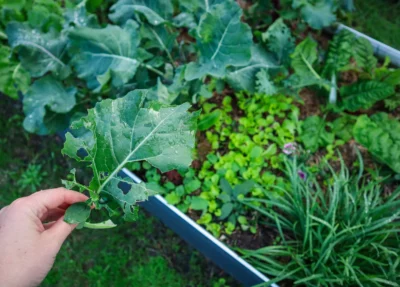
Kale (Brassica oleracea var. sabellica) – robust, flavorful leaves. Kale gets a bad rap, but it is easy to grow, and its rough leaves and curls are amazing at holding on to flavour. So the key is to cook it or massage dressing into it for a salad!
Rocket / Arugula (Eruca vesicaria) – peppery, fast-growing.
Longevity Spinach (Gynura procumbens) – perennial, nutrient-rich, especially good for warm climates. Known for managing blood sugar and reducing inflammation.

🍠 Carbs and Staples
Processed carbs aren’t necessary when you can grow your own and boost your homegrown food security. Root crops are one of the highest accumulators of herbicides and pesticides because they spend their whole life in the soil that is commercially sprayed with nasties. So if you want to replace supermarket food with spray-free veggies, I would have these high on my “to grow list”.
Plants to Grow for Carbs:
Sweet Potato (Ipomoea batatas) – one of my top edible plants, it is sooo easy to grow, and once you grow sweet potato, you literally will never have to buy another plant ever again. To get started, you can grow from a store-bought by either placing it in soil or a jar of water to sprout. The leaves are also edible, which is always a bonus when talking about food security.
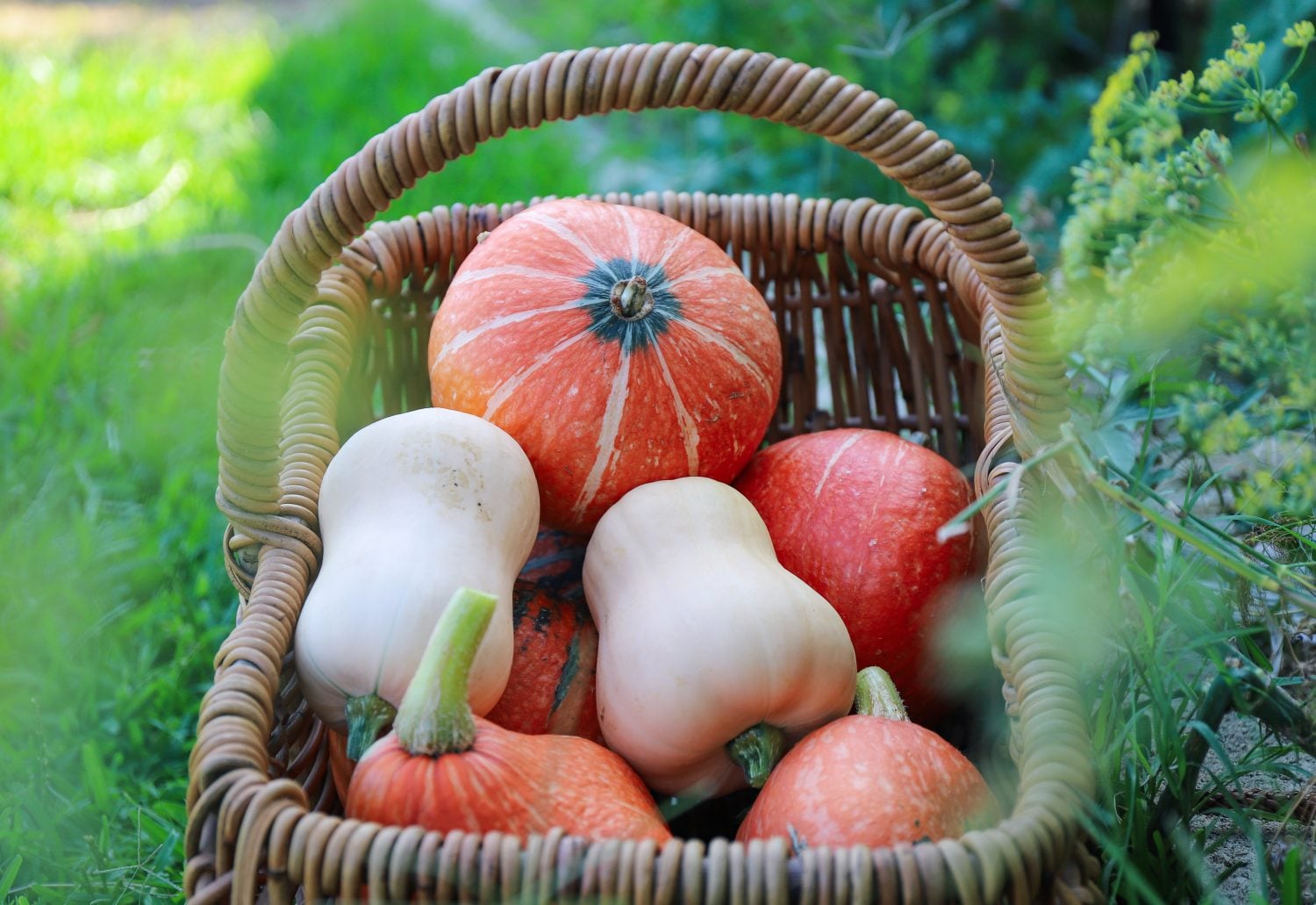
Pumpkin (Cucurbita spp.) – the great thing about pumpkins is that you can grow a bunch and then dry or cure them for long-term storage and use throughout the rest of the year.
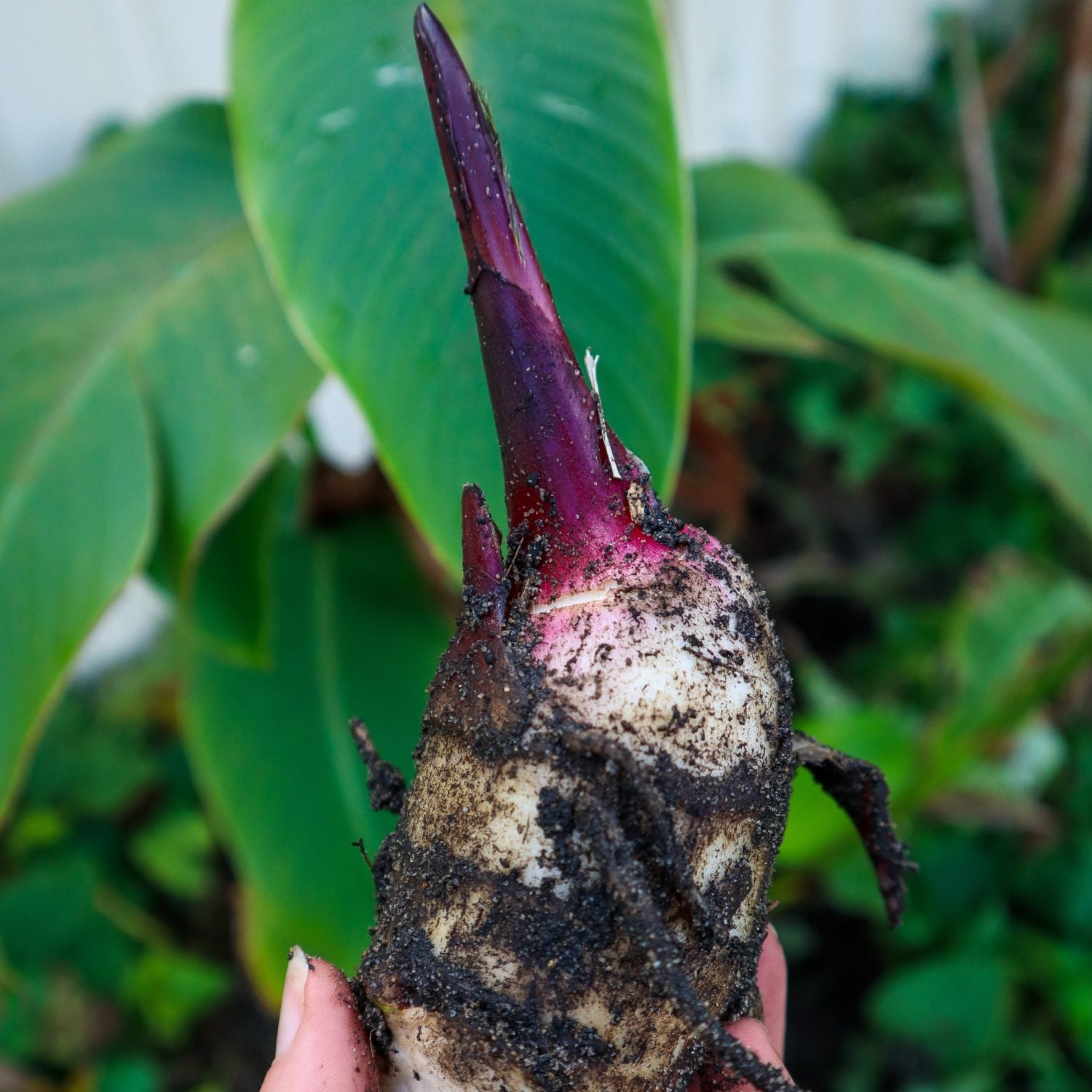
Queensland Arrowroot (Canna edulis /indica) – another core plant in my garden because of the multiple uses! As a carbohydrate, it grows rhizomes under the ground that can be used as a substitute for potatoes. A perennial potato! You can also make flour to use in cooking and baking. But it is also great at providing shade, wind protection and the water-filled stems make amazing chop and drop mulch to feed the garden.
Potato (Solanum tuberosum) – a classic staple – you don’t need a lot of space to grow potatoes; they can be easily grown in tubs and containers. Perfect for small gardens.
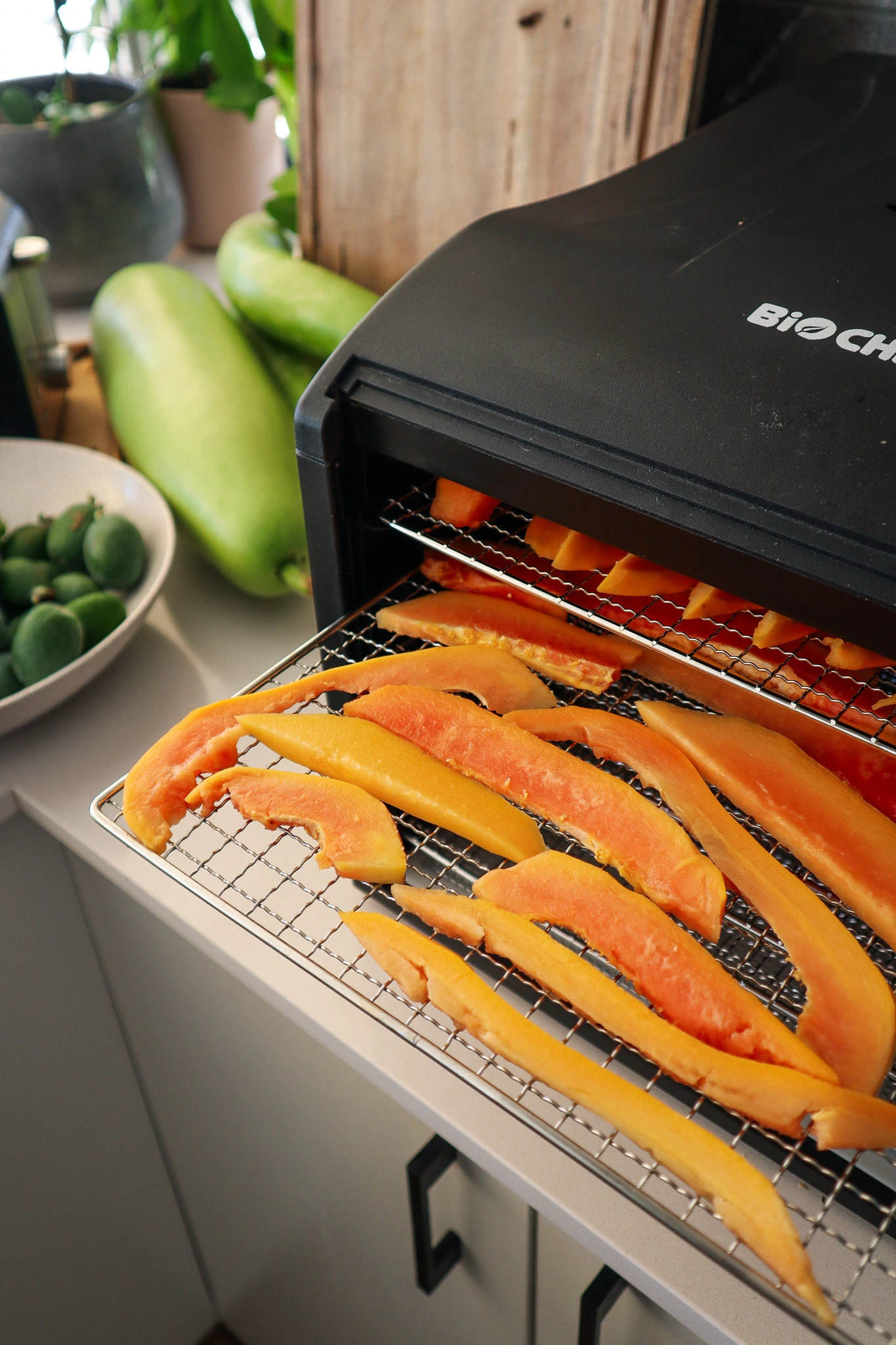
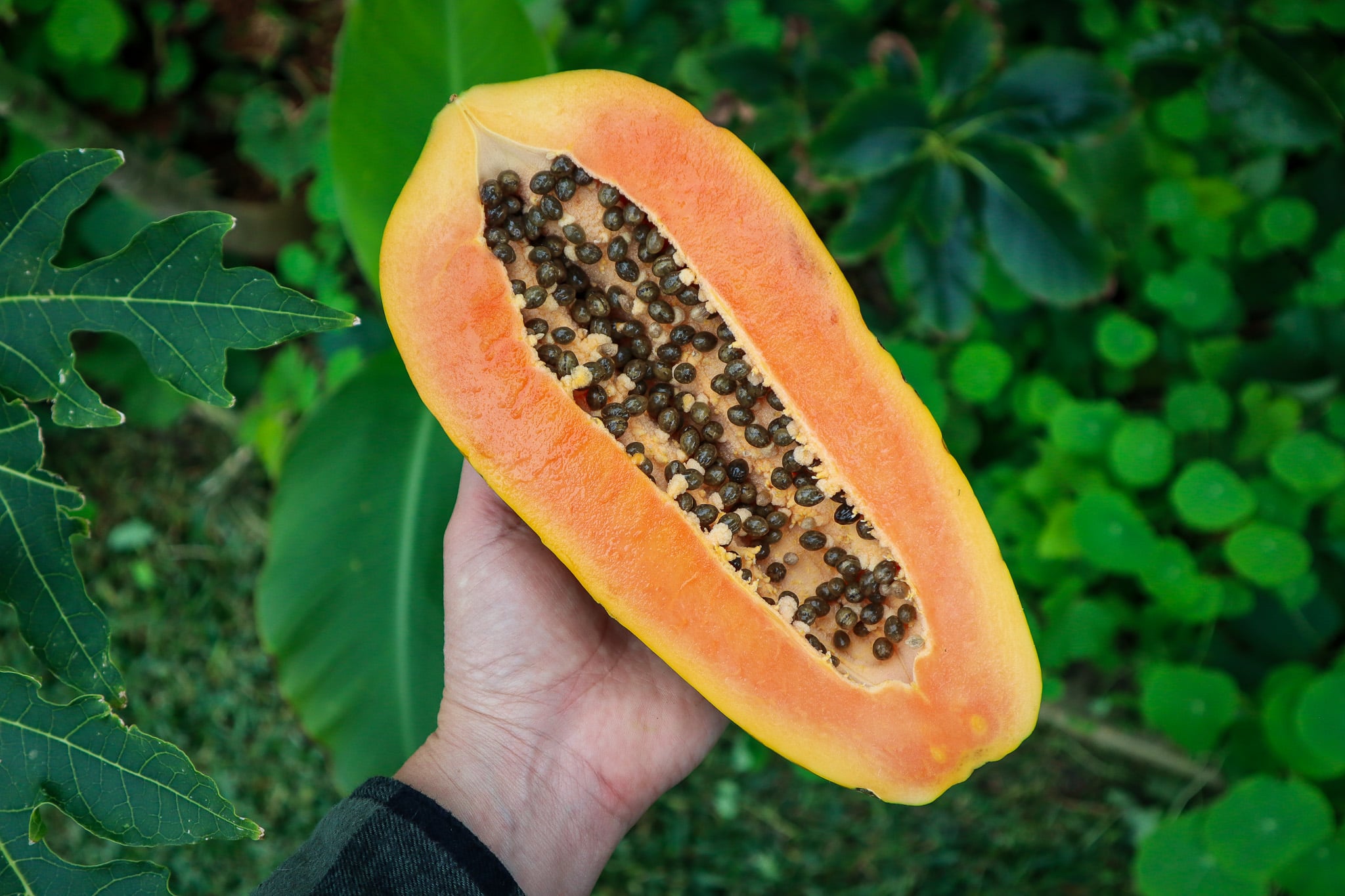
Papaya (Carica papaya) – It is a nutrient-dense, low-calorie fruit, with most of its calories coming from these healthy carbohydrates. The amazing thing about papaya is that you get two options to eat it: green as a vegetable or ripe as a fruit, two for the price of one space in the garden!
Plantain (Musa paradisiaca) – offering a sustained energy release due to its high resistant starch and fibre content. Also, ripe plantains can still be eaten as bananas; they just aren’t as sugary.

🌿 Flavour and Herbs
Instead of buying lifeless flavour from jars, grow your own and give your meals real freshness straight from the garden 🌿
Plants to Grow for Carbs:
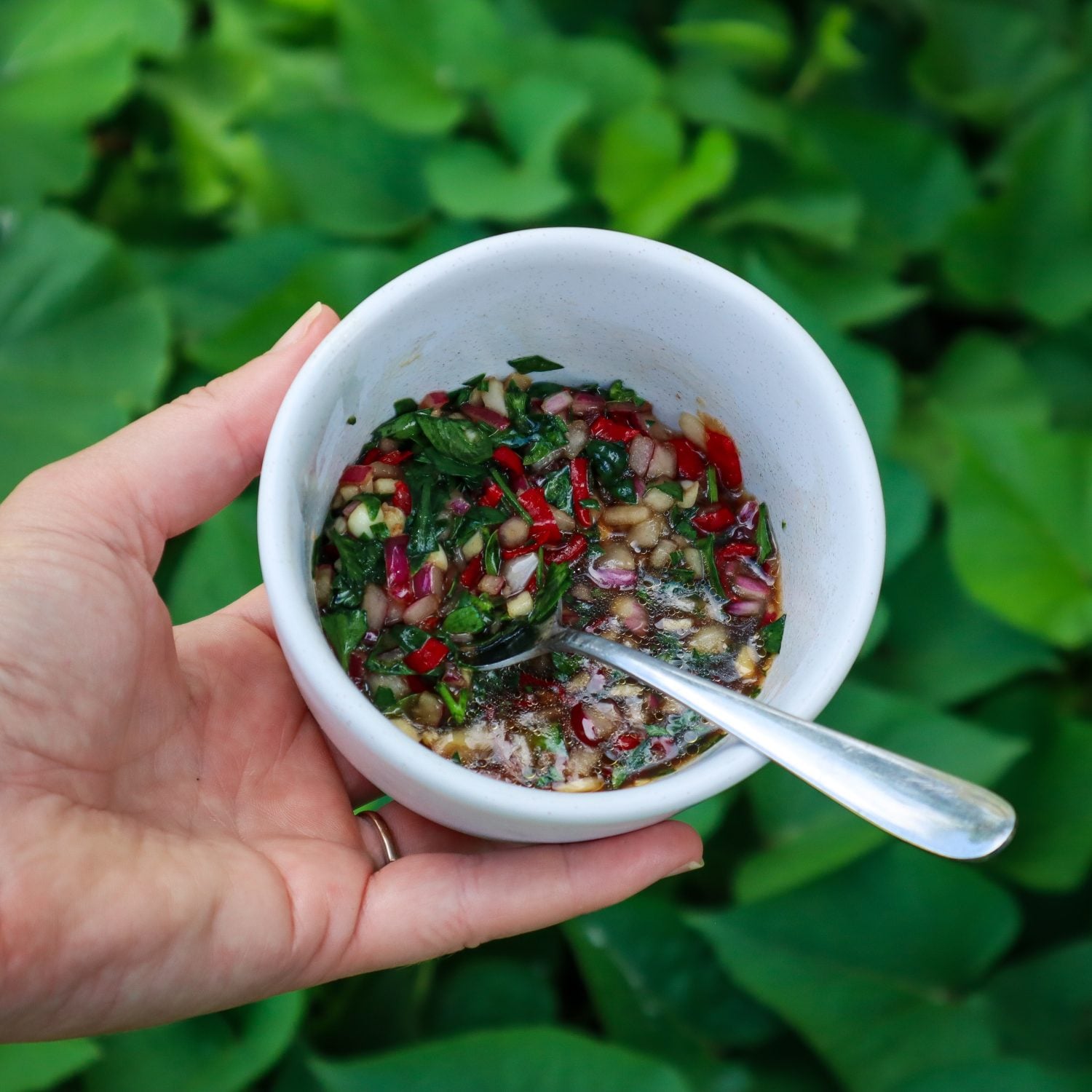
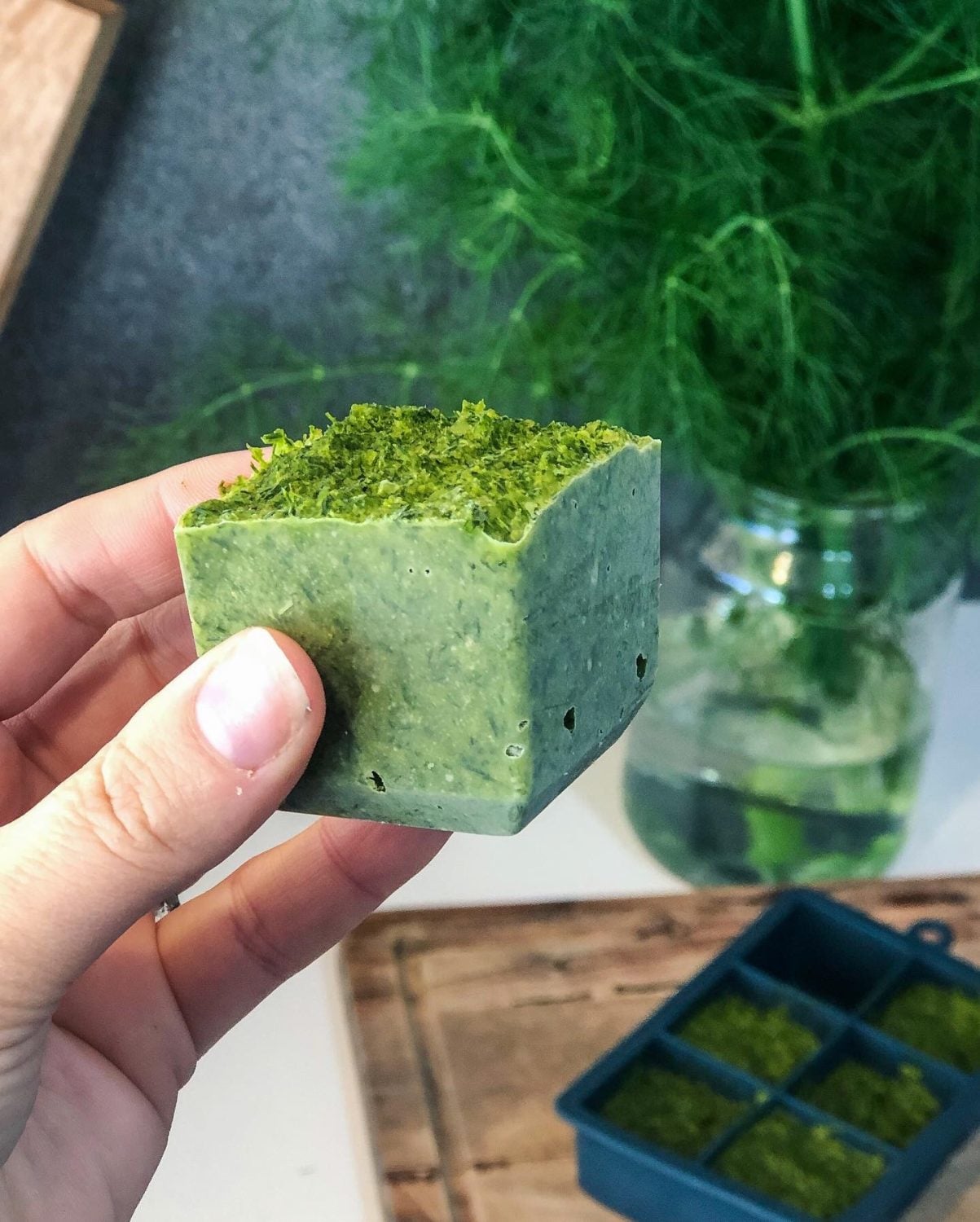
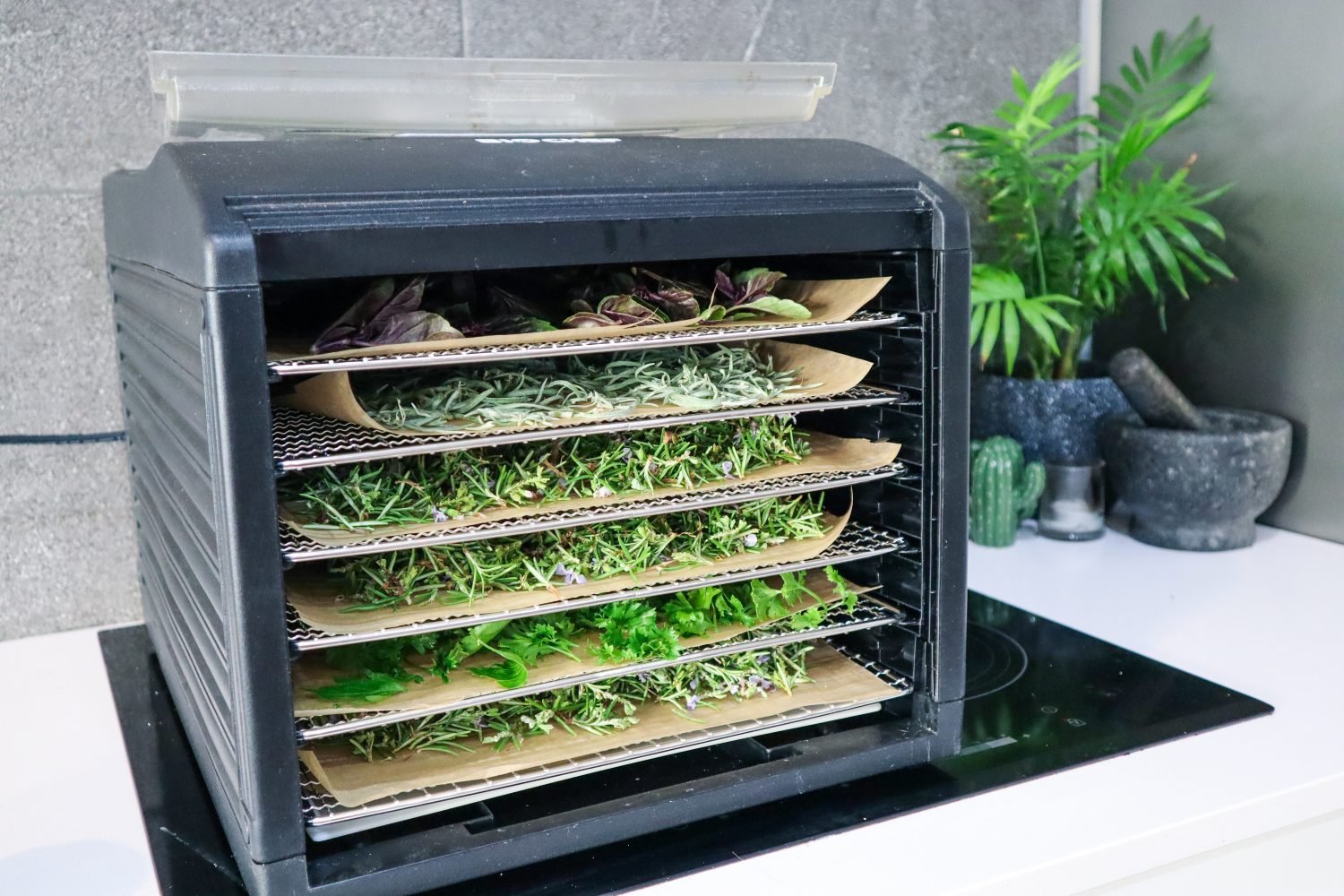
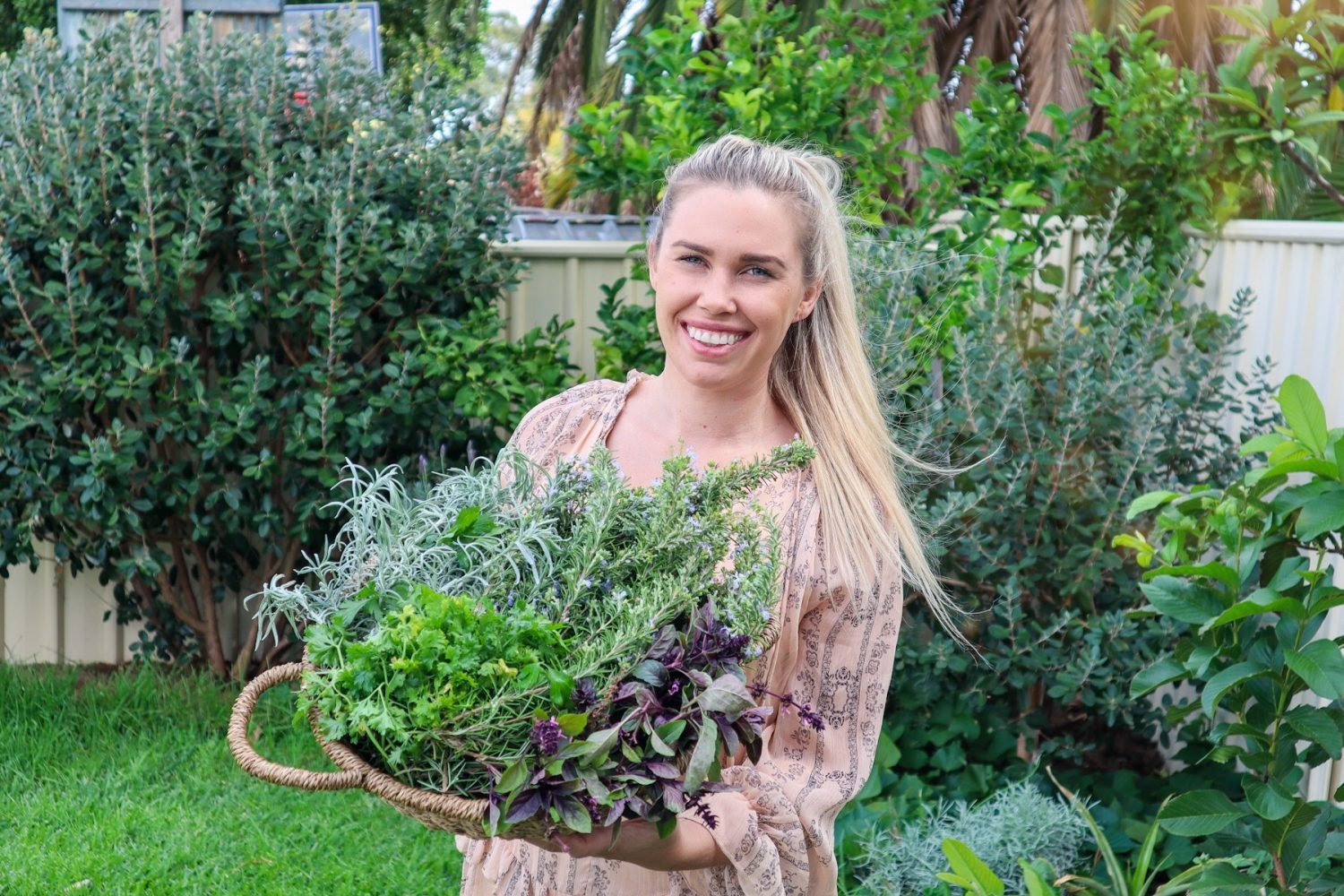
Herbs – herbs are a powerhouse flavour enhancer. Fresh herbs are stronger and have more nutrients than the plain, processed dried herbs found in stores. Go outside and pick what you need fresh for each meal, or dehydrate and make your own natural blends of dried herbs.
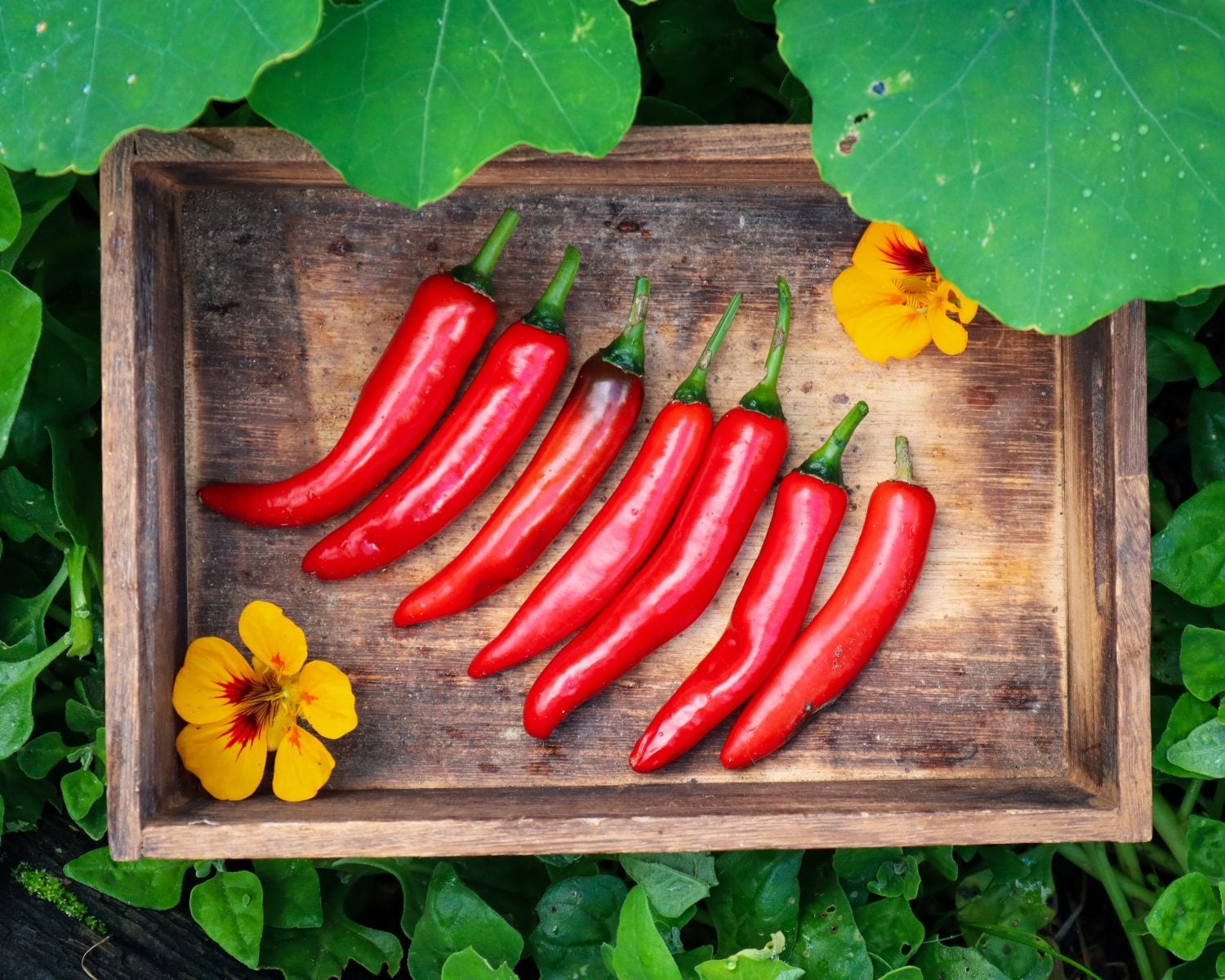
Chilli (Capsicum spp.) – versatile flavour with a wide range of flavours and varieties. Also, make your own green and red curry pastes.
Onion (Allium cepa) – foundational flavour in so many dishes. Can be dried and stored.
Ginger (Zingiber officinale) – very medicinal and packs a punch of flavour. You can grow an amazing amount in a tub or container, too.
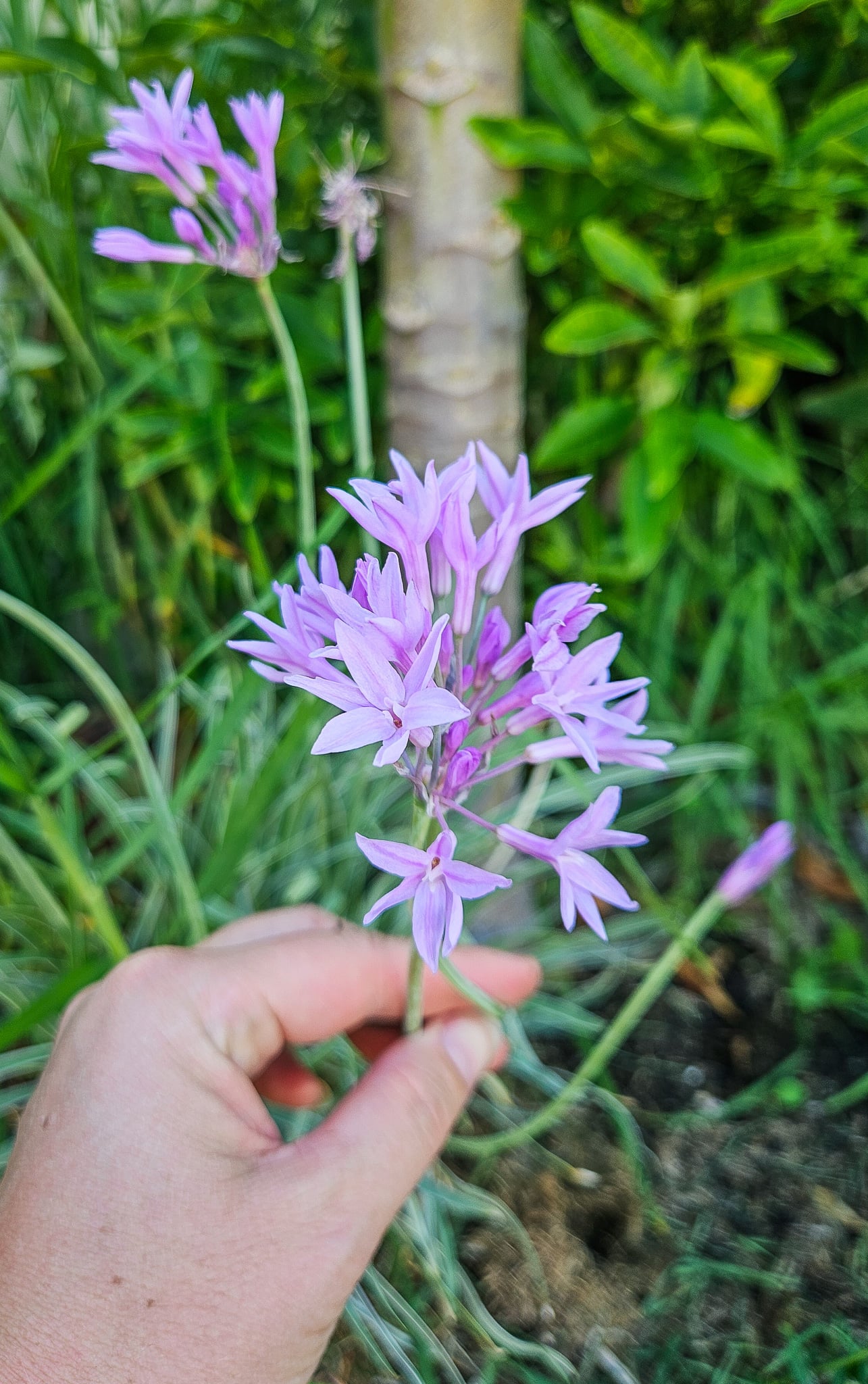
Garlic (Allium sativum) – staple culinary flavour! You can grow a bunch and dry to use throughout the year, or grow perennial forms of garlic flavour with garlic chives or society garlic flowers (Tulbaghia violacea)! for a year-round source of garlic in the garden.
Lemongrass (Cymbopogon citratus) – a fragrant addition to many dishes and teas!
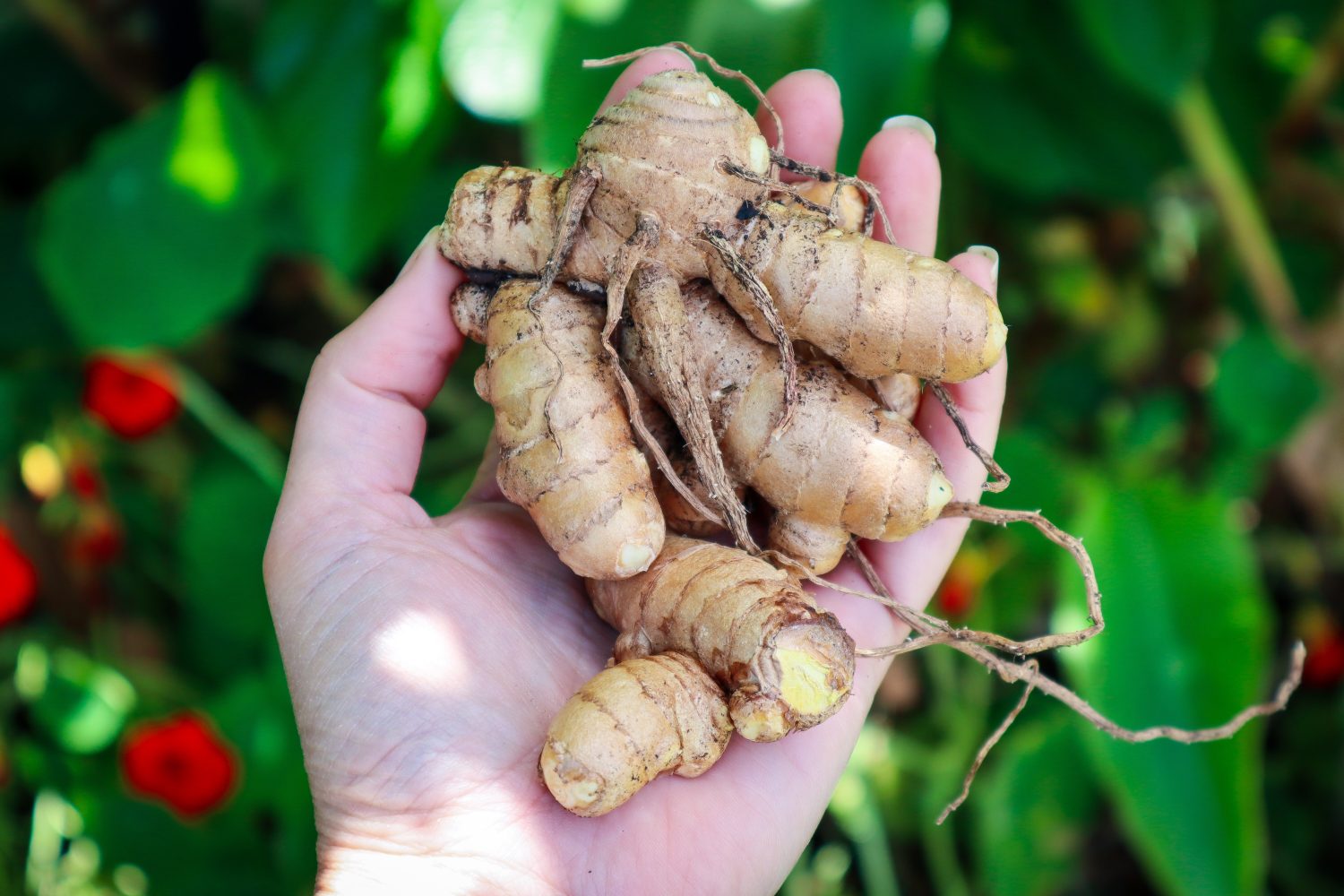
Turmeric (Curcuma longa) – both medicinal and culinary uses. Like ginger, turmeric can be grown in small gardens and containers. freeze or make a dried powder to use throughout the year.
Spring onion (Allium fistulosum) – easy to grow and just cut at the base, and they regrow! Such an easy swap to make! Sprinkle plants or seeds throughout your garden to fill the gaps.
🍃 Medicinal Plants
Grow natural remedies for common ailments. Many medicinal plants have multiple functions in a garden, including medicinal, culinary, pollinator and wildlife habitat.
Plants to Grow for a Medicinal Garden:
Echinacea (Echinacea purpurea) – immune booster, anti-inflammatory.
Lemon (Citrus limon) – supports colds and flu; adds flavour to cooking.
Ginger (Zingiber officinale) – anti-inflammatory and digestive aid.
Turmeric (Curcuma longa) – medicinal and culinary uses.
Aloe Vera (Aloe vera) – heals burns and skin irritations.
Holy Basil / Tulsi (Ocimum tenuiflorum) – supports stress relief, wound healing, and immunity.
🫖 Teas and Drinks
Skip the microplastic tea bags and grow your own herbal teas.
Lemongrass Cymbopogon citratus) – easy to use and full of flavour. Simply tie a bunch of leaves in a knot and add to hot water.
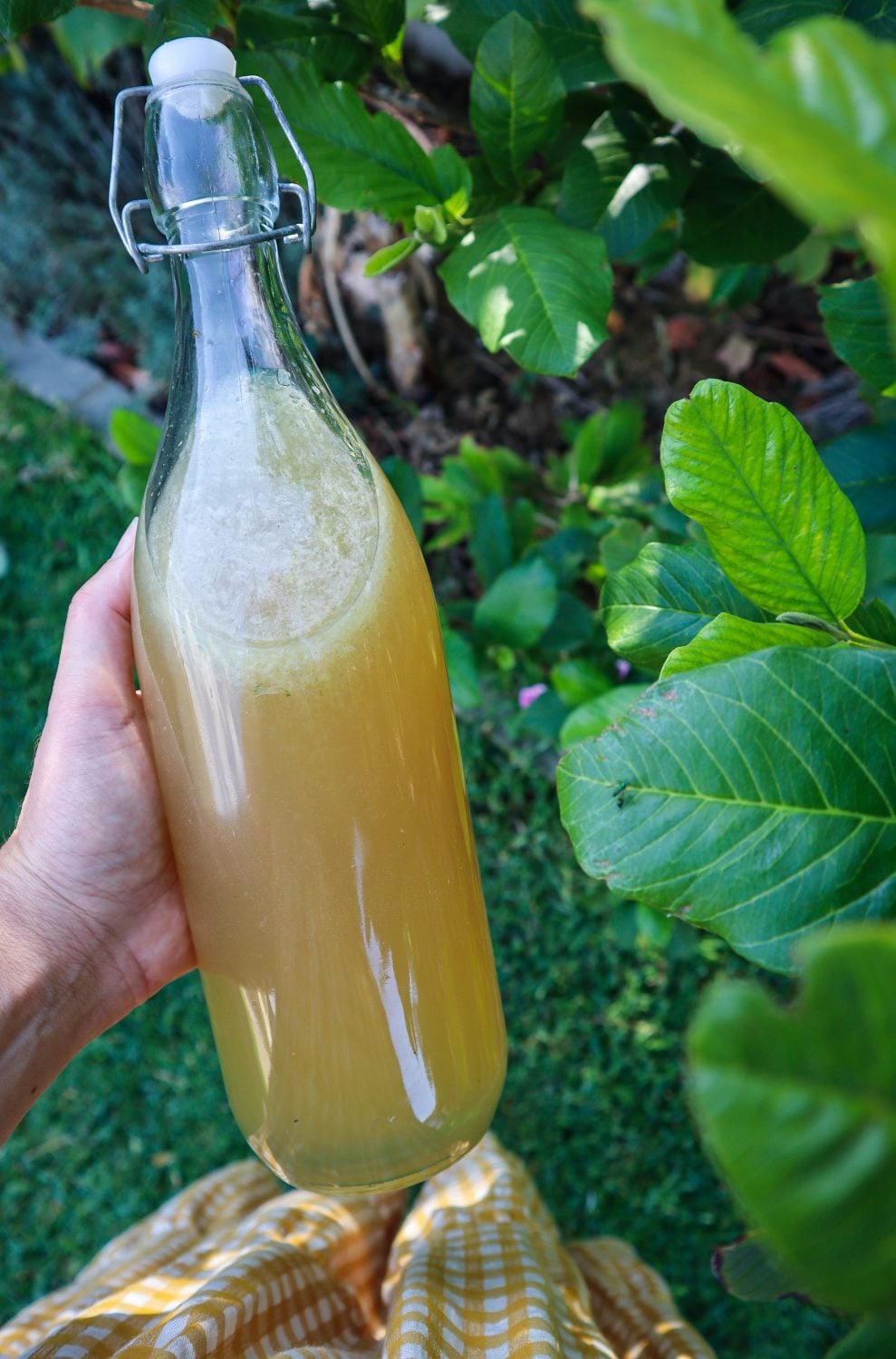
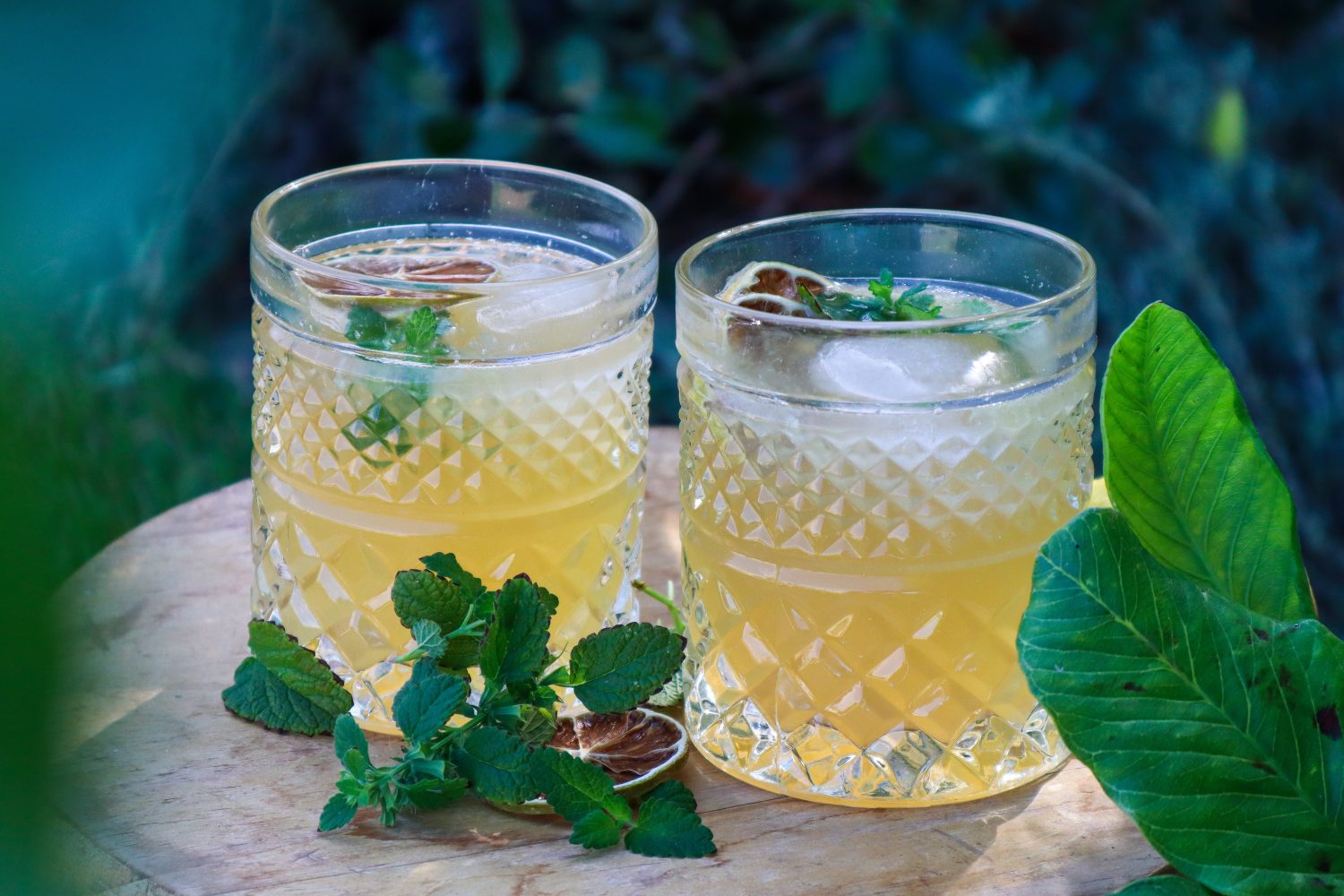
Lemon balm (Melissa officinalis) – I love lemon balm in teas and infused into a lemon and honey drink. Lemon balm has calming properties.
Mint (Mentha spp.) – strong flavour and an insane amount of types of mint, such as apple mint, orange, ginger, and chocolate – just remember this is one you really want to keep contained away from your garden.
Rosella (Hibiscus sabdariffa) – the calyces make a vibrant, tart and cranberry-like flavoured tea or drink. mix with honey for sweetness. packed full of vitamin C. They can also be used to make jams, syrups and chutney.
Lemon Myrtle (Backhousia citriodora) or Cinnamon Myrtle (Backhousia myrtifolia) – Are Australian natives that are full of flavour.
Holy basil (tulsi) (Ocimum tenuiflorum) – a great natural sleepy tea or anti-anxiety tea for a relaxing evening brew.
Ginger (Zingiber officinale) – full of flavour and immune qualities for a health-boosting tea
Pineapple sage (Salvia elegans) – sweet, fragrant tea herb with pineapple scent and flavour. The red flavours are popular with small birds or great for flavour and garnish.

Start Building Your Homegrown Supermarket
Growing your own food and boosting your homegrown food security does not have to happen all at once. Actually…The most sustainable gardens usually grow slowly over time. Start with a few staple plants that you already use in your kitchen, herbs for flavour, leafy greens for salads, or a fruit tree for snacks and expand from there.
One of the biggest benefits of growing your own groceries is freshness and no nasty chemicals! Fruit and vegetables picked straight from the garden are often sweeter, more nutritious, and far more flavourful than produce that has travelled long distances to reach the supermarket. You also gain the peace of mind that comes from knowing exactly how your food was grown.
For gardeners in warm climates like mine in Western Australia, many of these plants thrive with very little input once established. Hardy staples such as sweet potato, pigeon pea, mulberry, lemongrass, and arrowroot can produce food, mulch, and soil improvement all at the same time. Over time, these plants start to form the foundation of a productive backyard ecosystem. Food security does not mean growing absolutely everything yourself. It simply means bringing more of your food supply closer to home. Every herb you harvest, every fruit you pick, and every staple crop you grow reduces your reliance on supermarket supply chains.
Start with one plant, then another, and before long, you may find that your backyard begins to feel less like a garden and more like a small, living supermarket.
Happy Gardening,