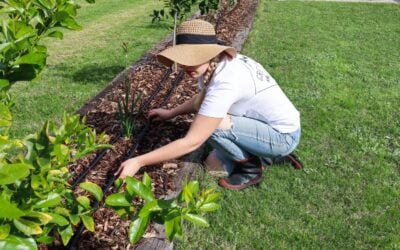
Grass is one of the biggest challenges when turning a backyard into a productive food forest. Instead of constantly fighting it, I’ve developed a simple strategy to stop grass growing and gradually transform the lawn into thriving garden spaces. If you’ve ever felt like you’re failing because grass keeps popping up in your garden beds… you’re not alone. When I first started gardening, I thought success meant having perfectly clean, grass-free beds. But over time, I realised something important:
👉 Grass isn’t the problem …it’s actually playing an important role.
And once you understand why it’s growing, you can actually make your garden a place where grass struggles… and your plants thrive. In this post, I’ll show you exactly how I’ve gone from grass-filled garden beds to low-maintenance, mostly grass-free systems…without chemicals or constant weeding or chemicals. I’ve managed to get two of my garden beds to be pretty much grass-free from this strategy. So, I want to share it with you so that you can start working on it in your garden as well, and not feel like you are failing. If you prefer to watch, check out the full video below.
Why Grass Keeps Growing in Your Garden Beds
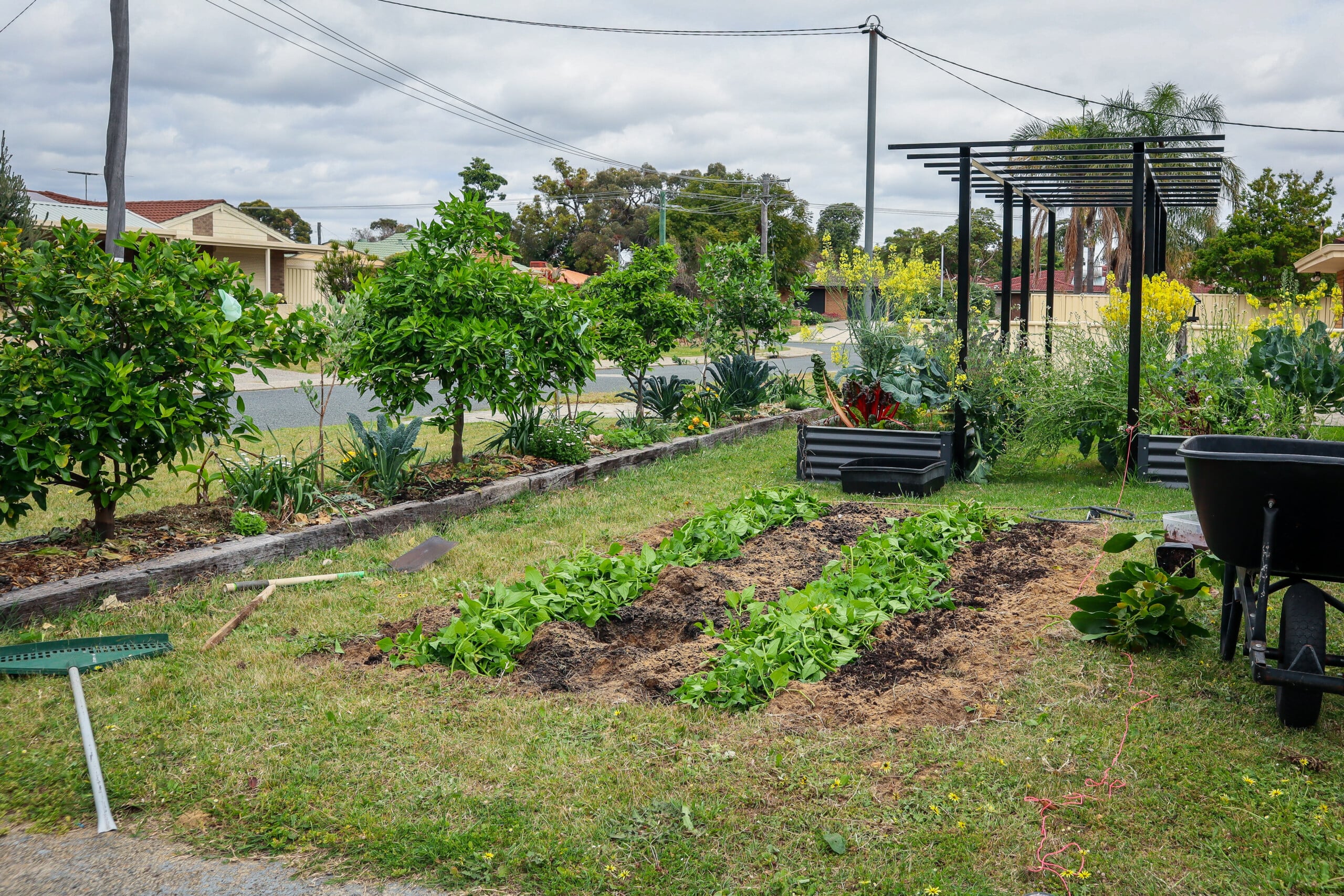
You may be able to see in some of my videos or photos that I do have grass growing in some of my garden beds. And it’s not something I’m worried or stressed about because I know I’ve got plans in place that are going to help me manage that long term. I have transformed two of my main food forest garden beds from half-full of grass to almost zero grass!
It’s really important to figure out some of the key factors on what grass needs to grow and thrive so that we can flip that and make it a less desirable environment for grass to grow, so that we can slow it down while we wait for our long-term strategy to kick in.
Grass is a pioneer plant. It shows up first. It covers the soil to try and protect it, try and get things to grow. So it does have an important role in the garden. Grass likes two key things: SUNLIGHT & FREE DRAINING SOIL. My hot, open front yard is prime growing conditions for grass to thrive! So if we know what grass likes, we can FLIP IT and make a less desirable environment for grass.
Roots in the ground are always better than dry, bare soil. Grass is quick to turn sunlight and water into available sugars as well as provide shade and habitat for beneficial soil microbes and insects. But some of us do prefer grass-free garden beds…so how do we start to slow down the grass growth and eliminate it FOREVER? 👉 Let’s talk about my 2-phase grass suppression strategy.
My Easy Two-Phase Grass Suppression Strategy
Stopping grass growing in your garden beds isn’t going to happen overnight, but with a plan and some patience, you can have grass-free gardens bursting with edible plants. There are TWO key parts to the plan!A long-term strategy and some short-term solutions to get started with while you wait for the long-term strategy to kick in. They both work together to create one solution: no grass in your garden beds!
1. Long-term Strategy to Stop Grass
We know that grass likes sunlight, so the long-term plan is to block all sunlight reaching the ground level of your garden beds. We do this by:
Growing a tall dense canopy – this is your long-term tree crops, for me this is Avocado and Mango, but for you, it could be whatever tall trees your heart desires! These trees can take YEARS to reach a height and size that will block light to the ground, which is why we also have our short-term solutions (which we will touch on soon).
Growing multiple layers of plants – To help block the light from getting to the ground, you can create layers like a forest does. Grass rarely grows in a forest, and if it does, it is usually where tall canopy trees have fallen or been removed to let sunlight in! This means planting shorter shrubs and ground covers to add more density and let less light to the ground level.
Build rich organic soil – have you ever noticed grass or weeds come out much easier in good soil than hard or dry compact soil? Grass is not only easier to remove in rich soil, but it can also slow down the growth.
2. Short-term Solutions to Stop Grass – fast
Once we have our long-term strategy in place and our tall canopy trees planted, what can we do quickly to slow down and suppress grass growing while we wait for those trees to grow? The key is to ALWAYS COVER AND SHADE THE SOIL.
What are effective and quick ways to cover and shade the soil to suppress grass?
Use cardboard (with no sticky tape), newspaper or other natural products to cover the soil. This is something I would only do when starting a brand-new garden from scratch. It gives your plants time to grow before the grass gets through.
Layers of mulch – different types of mulch will break down at different rates. I often use two different types of mulch to add nutrition and suppress grass. Options like pea straw and lupin will break down fast, so these usually get added first, then a harder woodchip type mulch on top of that.
Chop & Drop – putting mulch on once and then leaving it will almost always result in the grass growing through. That is why I love using plants in my garden to regularly “chop & drop” to add new layers. In summer, I use quick-growing plants like Queensland Arrowroot, Autumn is when I prune many of my fruit trees and turn this into mulch, then in winter i use brassica leaves or bug-eaten leaves from my annual veggie patch. Using different plants will help give a range of nutrients to your soil. Adding layers of mulch and chop and drop will not only suppress the light but also start building rich organic soil to help your main plants and trees thrive and outgrow the grass!
Add barriers or edging – this can slow down the grass, especially if your garden borders on to the lawn. There is a huge range of things from hardscape elements such as bricks, pavers and metal edging to natural elements such as clumping grasses or plants, logs and even banana trunks!
Grow groundcovers – planting dense and hardy ground covers will act as another layer to block the light. Hardy ground covers are best so that you can add extra mulch or chop and drop straight on top of them and not worry about killing them off.
Outplant it with high-density planting – this is my favourite way to suppress grass! In my annual raised veggie patch, I will plant out my main crops first with enough space, e.g., broccoli, cabbage, cauliflower etc then I will go in and sprinkle seeds in ALL OF THE GAPS! Things like lettuce, radish, carrots, herbs and edible flowers don’t need as much light and can be grown in tight spaces. This blocks the light from reaching the soil and slows down grass and weeds. I take this same approach in my food forest and edible gardens by planting short-term crops in all the gaps. These will be things like: herbs, flowers, Queensland arrowroot, papaya, banana or pigeon pea.
Stop grass from going to seed – regularly trimming the edges and maintaining the grass BEFORE it goes to seed will help stop grasses or weeds from spreading further and making your job harder than it needs to be.
Removing runners and grass periodically – Removing grass or trimming before adding fresh mulch can be a good idea, especially in a young garden. Grass that has not gone to seed can be cut using a whipper snipper or weed eater to create mulch too!
In a natural system, grass is just the beginning…not the end
If there’s one thing to remember, it’s this: Stopping grass in your garden beds isn’t a one-time job… It’s a long-term strategy.
You’re not trying to remove it all at once with nasty chemicals. You’re slowly changing the conditions, so it no longer wants to grow there. Every layer of mulch, every plant you add, every bit of shade you create… it’s all part of that bigger plan. And yes… it takes time. But while your trees establish and your system fills in, your short-term actions are already making a difference. You’re slowing the grass down, building better soil, and making it easier to manage along the way.
So don’t worry if your garden isn’t grass-free yet 👉 It doesn’t have to be perfect… it just has to be moving in the right direction.
Your home garden can do more than just look nice… You can grow your own groceries and boost your homegrown food security!
With rising food prices and a growing desire for self-sufficiency, growing your own groceries has never been more important. Keep reading to see what to grow in your home garden to replace supermarket staples, from natural sweeteners, salt and pepper, protein-rich legumes, to fresh herbs, healthy fats, and easy-to-harvest fruits and vegetables.
Whether you have a small balcony, a suburban backyard, or a larger food forest, these plants will help you create a homegrown, chemical-free supply of staple crops to grow your own groceries! This guide is based on my garden in Perth, Australia, in a warm climate (zone 10b). :
Your Grow-Your-Own Grocery List
🍬 Sugar and Sweeteners
Instead of buying refined sugar, these plants naturally sweeten your food. They’re easy to grow and provide fresh, chemical-free sweetness straight from your garden. Most ripe fruits will offer you natural sugars, but below are some of my top picks!
Plants to Grow for Sugar and Sweeteners:
Sugarcane (Saccharum officinarum) – accounts for about 80% of global sugar production. You can grow sugar cane at home and start producing juicy stalks of sugar!
Sugar Beets (Beta vulgaris subsp. vulgaris) – a cool-climate option for natural sugar; roots can be processed into sugar. Like a white beetroot but super sugary! BONUS: Leaves can also be used as a green.
Stevia (Stevia rebaudiana) – a perennial herb; leaves can be used fresh or dried as a natural sweetener.
White Mulberry (Morus alba) – ripe berries taste like honey and sugar combined!
Yellow Figs (Ficus carica, Honey Fig) – yellow figs particularly are super sweet, soft, and perfect fresh or dried.
Bananas (Musa spp.) – ripe bananas can sweeten baking or be frozen and blended for natural ice cream.
Grapes (Vitis vinifera) – homegrown grapes are naturally sweet, like nature’s candy.
Pineapple (Ananas comosus) – homegrown pineapple is so sweet! Plus, they grow well in pots or indoors near a sunny window.
Jujube (Ziziphus jujuba) – extremely drought-tolerant and produces sweet apple-like fruit that dries naturally into date-like sweets.
Melons (Cucumis melo / Citrullus lanatus) – if you have ever dehydrated watermelon, you would know just how sugary sweet it is! Vine-ripened watermelon, rockmelon, or honeydew melon are all very sweet options.
🧂 Salt and Pepper
Yes! You can grow your own salt and pepper in the garden! These plants add salty or peppery flavour while being easy to grow.
Plants to Grow for Salt and Pepper:
Old Man Saltbush (Atriplex nummularia) – hardy Australian native with silvery leaves that are naturally salty! Excellent in salads and cooking. Hardy an ddrough tolerant shrub.
Seaberry Saltbush (Rhagodia candolleana) – red, slightly sweet and salty berries and salty leaves; great for cooking.
Peppervine (Tasmannia lanceolata) – produces Tasmanian peppercorns; berries can be harvested at different stages and dried for red, white, or black pepper.
Kawakawa (Piper excelsum) – NZ native; leaves and ripe orange (female) seeds can be dried for pepper!
Nasturtium (Tropaeolum majus) – edible flowers and leaves with a natural peppery bite. The leaves pack more of a spicy punch, and the flowers have a nice, mild pepper flavour. The green seed pods can be pickled and made into “poor man capers”.
Rocket / Arugula (Eruca vesicaria) – fast-growing leafy green with a strong peppery flavour.
💪 Protein-Rich Plants
Legumes and other protein-rich plants are essential for a self-sufficient garden. They are easy to grow, nutritious, and have the added bonus of naturally improving soil fertility – to grow more food!
Plants to Grow for a Source of Protein:
Bush Beans (Phaseolus vulgaris) – fast-growing, compact, and perfect for vertical gardening.
Perennial Beans / Madagascar Bean (Phaseolus coccineus) – also called the seven-year bean; keeps producing for many seasons.
Edamame / Soybean (Glycine max) – high protein with 12g of protein per 100g, similar to two eggs.
Pigeon Pea (Cajanus cajan) – edible pods can be eaten green or dried; nitrogen-fixing for healthy soil. One of my top support plants in the garden for mulch and food!
Peas (Pisum sativum) – eat pods and shoots; excellent garden snack for the cooler months.
Chickpeas (Cicer arietinum) – dry and store for long-term use.
Lentils (Lens culinaris) – nutritious and easy to store.
Broccoli and other Brassicas (Brassica oleracea) – surprisingly high in protein compared to many vegetables.
🍎 Snacks and Fruit
Swap packaged snacks for fresh, garden-grown fruits. I love nothing more than a wander through the garden to find snacks!
Plants to Grow for Snacks:
Lemon Cherry Guava (Psidium cattleyanum) – sweet and compact. I love the yellow variety with sweet snackable fruit!
Berries – give us all the berries! Strawberries, blueberries, raspberries, kiwiberry, the list goes on!
Apples (Malus domestica) – a versatile staple base crop
Bananas (Musa spp.) – come with natural packaging, and homegrown bananas are so delicious!
Passionfruit (Passiflora edulis) – robust skin, easy to take with you on the go.
Loquat (Eriobotrya japonica) – sweet, tangy fruit – tastes like a mix of apricot, pear and mango.
Mulberries (Morus spp.) – prolific and easy to harvest. Eat fresh off the tree as a garden snack.
Snap Peas (Pisum sativum) – crunchy and great for snacking. These never make it out of the garden! They are too delicious.
Carrots (Daucus carota subsp. sativus) – long-lasting root crop. Great to eat with some homemade hummus using your legumes!
Lebanese Cucumber (Cucumis sativus) – Snack- sized cucumbers are usually sweeter and crisper than store-bought ones because they can be harvested and eaten immediately.
🥑 Healthy Fats
Healthy fats from plants are easy to grow and replace processed oils.
Plants to Grow for Healthy Fats and Oils:
Avocado (Persea americana) – high in monounsaturated fats. Delicious substitute for butter in many meals. I feel like having an avocado tree in the backyard is living rich 😆
Macadamia (Macadamia integrifolia) – slow to mature but productive for years.
Sunflower (Helianthus annuus) – seeds for snacking, butter, or oil.
Almond (Prunus dulcis) – nutrient-dense and versatile.
Peanuts (Arachis hypogaea) – peanuts are so fun and easy to grow in warm climates. They can also be grown in a pot or a container.
Olives (Olea europaea) – can be pressed for oil; collaborate with neighbours to share processing costs.
🥬 Greens and Salad
Leafy greens are one of the easiest edibles to grow at home and replace pre-packaged salads! You don’t need a big garden, pots and containers work great too!
Plants to Grow for Greens and Salads:
Lettuce (Lactuca sativa) – cut-and-come-again varieties for continuous harvest. Let one lettuce go to seed each year, and you will have an endless supply!
New Zealand Spinach (Tetragonia tetragonioides) – great edible ground cover, drought-tolerant, self-seeding greens. Great for soups, stir-fries, and curries.
Chard (Beta vulgaris subsp. cicla) – nutrient-dense and versatile. I love growing chard, especially rainbow chard, in my kitchen garden. The colours brighten up a winter garden! Plus, make easy one-ingredient preservative-free wraps!
Kale (Brassica oleracea var. sabellica) – robust, flavorful leaves. Kale gets a bad rap, but it is easy to grow, and its rough leaves and curls are amazing at holding on to flavour. So the key is to cook it or massage dressing into it for a salad!
Longevity Spinach (Gynura procumbens) – perennial, nutrient-rich, especially good for warm climates. Known for managing blood sugar and reducing inflammation.
🍠 Carbs and Staples
Processed carbs aren’t necessary when you can grow your own and boost your homegrown food security. Root crops are one of the highest accumulators of herbicides and pesticides because they spend their whole life in the soil that is commercially sprayed with nasties. So if you want to replace supermarket food with spray-free veggies, I would have these high on my “to grow list”.
Plants to Grow for Carbs:
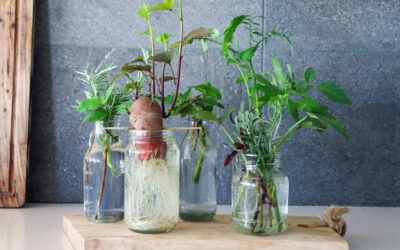
Sweet Potato (Ipomoea batatas) – one of my top edible plants, it is sooo easy to grow, and once you grow sweet potato, you literally will never have to buy another plant ever again. To get started, you can grow from a store-bought by either placing it in soil or a jar of water to sprout. The leaves are also edible, which is always a bonus when talking about food security.
Pumpkin (Cucurbita spp.) – the great thing about pumpkins is that you can grow a bunch and then dry or cure them for long-term storage and use throughout the rest of the year.
Queensland Arrowroot (Canna edulis /indica) – another core plant in my garden because of the multiple uses! As a carbohydrate, it grows rhizomes under the ground that can be used as a substitute for potatoes. A perennial potato! You can also make flour to use in cooking and baking. But it is also great at providing shade, wind protection and the water-filled stems make amazing chop and drop mulch to feed the garden.
Potato (Solanum tuberosum) – a classic staple – you don’t need a lot of space to grow potatoes; they can be easily grown in tubs and containers. Perfect for small gardens.
Papaya (Carica papaya) – It is a nutrient-dense, low-calorie fruit, with most of its calories coming from these healthy carbohydrates. The amazing thing about papaya is that you get two options to eat it: green as a vegetable or ripe as a fruit, two for the price of one space in the garden!
Plantain (Musa paradisiaca) – offering a sustained energy release due to its high resistant starch and fibre content. Also, ripe plantains can still be eaten as bananas; they just aren’t as sugary.
🌿 Flavour and Herbs
Instead of buying lifeless flavour from jars, grow your own and give your meals real freshness straight from the garden 🌿
Plants to Grow for Carbs:
Herbs – herbs are a powerhouse flavour enhancer. Fresh herbs are stronger and have more nutrients than the plain, processed dried herbs found in stores. Go outside and pick what you need fresh for each meal, or dehydrate and make your own natural blends of dried herbs.
Chilli (Capsicum spp.) – versatile flavour with a wide range of flavours and varieties. Also, make your own green and red curry pastes.
Onion (Allium cepa) – foundational flavour in so many dishes. Can be dried and stored.
Ginger (Zingiber officinale) – very medicinal and packs a punch of flavour. You can grow an amazing amount in a tub or container, too.
Garlic (Allium sativum) – staple culinary flavour! You can grow a bunch and dry to use throughout the year, or grow perennial forms of garlic flavour with garlic chives or society garlic flowers (Tulbaghia violacea)! for a year-round source of garlic in the garden.
Lemongrass (Cymbopogon citratus) – a fragrant addition to many dishes and teas!
Turmeric (Curcuma longa) – both medicinal and culinary uses. Like ginger, turmeric can be grown in small gardens and containers. freeze or make a dried powder to use throughout the year.
Spring onion (Allium fistulosum) – easy to grow and just cut at the base, and they regrow! Such an easy swap to make! Sprinkle plants or seeds throughout your garden to fill the gaps.
🍃 Medicinal Plants
Grow natural remedies for common ailments. Many medicinal plants have multiple functions in a garden, including medicinal, culinary, pollinator and wildlife habitat.
Skip the microplastic tea bags and grow your own herbal teas.
Lemongrass Cymbopogon citratus) – easy to use and full of flavour. Simply tie a bunch of leaves in a knot and add to hot water.
Lemon balm (Melissa officinalis) – I love lemon balm in teas and infused into a lemon and honey drink. Lemon balm has calming properties.
Mint(Mentha spp.) – strong flavour and an insane amount of types of mint, such as apple mint, orange, ginger, and chocolate – just remember this is one you really want to keep contained away from your garden.
Rosella (Hibiscus sabdariffa) – the calyces make a vibrant, tart and cranberry-like flavoured tea or drink. mix with honey for sweetness. packed full of vitamin C. They can also be used to make jams, syrups and chutney.
Lemon Myrtle (Backhousia citriodora) or Cinnamon Myrtle (Backhousia myrtifolia) – Are Australian natives that are full of flavour.
Holy basil (tulsi) (Ocimum tenuiflorum)– a great natural sleepy tea or anti-anxiety tea for a relaxing evening brew.
Ginger (Zingiber officinale)– full of flavour and immune qualities for a health-boosting tea
Pineapple sage (Salvia elegans) – sweet, fragrant tea herb with pineapple scent and flavour. The red flavours are popular with small birds or great for flavour and garnish.
Start Building Your Homegrown Supermarket
Growing your own food and boosting your homegrown food security does not have to happen all at once. Actually…The most sustainable gardens usually grow slowly over time. Start with a few staple plants that you already use in your kitchen, herbs for flavour, leafy greens for salads, or a fruit tree for snacks and expand from there.
One of the biggest benefits of growing your own groceries is freshness and no nasty chemicals! Fruit and vegetables picked straight from the garden are often sweeter, more nutritious, and far more flavourful than produce that has travelled long distances to reach the supermarket. You also gain the peace of mind that comes from knowing exactly how your food was grown.
For gardeners in warm climates like mine in Western Australia, many of these plants thrive with very little input once established. Hardy staples such as sweet potato, pigeon pea, mulberry, lemongrass, and arrowroot can produce food, mulch, and soil improvement all at the same time. Over time, these plants start to form the foundation of a productive backyard ecosystem. Food security does not mean growing absolutely everything yourself. It simply means bringing more of your food supply closer to home. Every herb you harvest, every fruit you pick, and every staple crop you grow reduces your reliance on supermarket supply chains.
Start with one plant, then another, and before long, you may find that your backyard begins to feel less like a garden and more like a small, living supermarket.
In hot climates, heat isn’t the only thing stressing your garden – create windbreaks to reduce heat stress and protect your garden this summer. Here in my Perth garden, summer not only brings disgustingly hot temperatures (40+ degree club) but it also brings HOT WINDS to double the heat stress. Wind pulls more moisture from leaves, dries soil faster than the sun ever could, and turns hot days into survival mode for plants. Even a “mild” breeze can double water loss in summer, which means wilting, leaf scorch, poor fruiting, and stressed soil life! Most summer gardening advice focuses on sun and water…But in hot climates, windbreaks and shade are key! If you’re gardening in heat, windbreaks are one of the most underrated tools for building a resilient, productive summer garden.
Why Wind Is So Damaging in Hot Climates
In summer, plants are already working hard to stay cool. They regulate temperature by releasing water through their leaves (transpiration). Wind forces this process to speed up. Creating windbreaks for heat stress will help your gardens survive a hot summer!
The result: Faster moisture loss from leaves, increased evaporation from soil, reduced humidity around plants, and greater demand on root systems. This creates compound stress: Heat stress + wind stress means plants end up burnt and crispy faster! That’s why a garden can fail in summer even when you’re watering well.
What a Windbreak Actually Does for Heat Stress
A windbreak doesn’t stop wind completely…instead, it slows and filters airflow, creating a calmer environment for plants to thrive. By reducing the speed of the wind, it lowers evaporation from both soil and leaves, helping your garden retain moisture more effectively. Young plants and fruit trees benefit particularly, as they are less stressed and more likely to grow strong. Even partial wind protection can reduce wind speed by 30–50%, producing a noticeable improvement in plant health and water retention throughout the garden.
Where Windbreaks Matter Most in Hot Summer Gardens
Front yards and newly established gardens tend to be hit hardest because they’re often open on multiple sides, with little existing shelter. This creates a funnel effect and increases the speed of the winds. Exposed sites and sandy soils make the problem worse, as moisture is already quick to drain, and wind accelerates drying even further.
Here in my garden the the western and south-western sides of the garden are usually the most vulnerable. This is where hot afternoon winds arrive, compounding heat stress at the exact moment plants are already struggling to cope. Summer winds tend to be predictable, so it is important to work out which direction your garden is getting hit with. You may live near the coast and have a strong afternoon sea breeze or swirling winds from nearby buildings.
Also, some plants just really hate wind more than others! Trees like avocado, banana, tamarillo, papaya, and even young citrus really do not like wind. Their large, soft leaves lose moisture quickly, stems snap or bend under pressure, and growth often stalls despite good soil and regular watering. In windy conditions, these trees may survive, but they rarely thrive or are productive. Tall Banana leaves can get shredded, and that causes a huge reduction in photosynthesis – resulting in smaller banana racks or none at all….
How to Create Effective Windbreaks to Reduce Heat Stress in the Garden
The most successful windbreaks don’t try to block wind completely. Instead, they slow it down, filter it, and soften its impact. Solid walls or fences often create swirling winds, sending fast-moving air over the top and around the edges. A good windbreak works with airflow, not against it.
In summer gardens, wind protection usually falls into three categories: living windbreaks, temporary windbreaks, and permanent structures. Many gardens use a combination of all three, especially while new plantings are establishing.
I prefer to use living windbreaks in the garden, but while I’m waiting for these to establish, I set up temporary relief around more vulnerable plants such as Avocados.
Living Windbreaks: The Most Effective Long-Term Solution
Living windbreaks are the ultimate goal for long-term sustainable gardens inhot climates.Because they’re permeable, they reduce wind speed gradually rather than deflecting it harshly, creating calmer, more stable growing conditions – which we like! And so will your plants.
Well-chosen and placed plants also provide multiple benefits beyond wind protection — shade, organic matter for chop & drop, habitat for beneficial insects, and often food. Having plants that have multiple uses and benefits will skyrocket your garden’s success!
Good options for hot climates include pigeon pea, moringa, pomegranate, mulberry, feijoa, katuk, queensland arrowroot, natives, and clumping bamboo (always clumping, never running). These plants handle heat well and respond positively to pruning, making them easy to shape over time. Some, like the Mulberry and Pomegranate, are deciduous, so they will let light in during winter. If you want wind protection or privacy screening all year round, go for an evergreen tree such as Feijoa or Pigeon pea.
I have recently planted a bunch or queensland arrowroot and pigeon pea around the western sides of my raised garden beds. These will grow fast to offer protection from the hot afternoon sun. Helping not only shade the annula veggie patch but also reduce the sides of the garden beds from heating up.
The key to success is layering. A mix of heights and leaf textures filters wind far more gently than a single solid hedge. Taller trees slow high winds, shrubs reduce mid-level airflow, and ground-level plants protect soil from drying out. As a bonus, living windbreaks improve the overall resilience and productivity of the garden as they mature. If you don’t need them during a season, then you can cut them back to let light in or increase airflow during the wet season. Essentially, growing a windbreak and your own mulch or fertiliser.
Plants That Make the Best Living Windbreaks and more!
A living windbreak doesn’t just slow wind, it can also feed your garden, protect your soil, and improve the microclimate. Choosing plants with multiple benefits ensures your windbreak contributes to long-term garden productivity.
Perennial Options
Pigeon pea (Cajanus cajan) – Nitrogen-fixing, fast-growing, excellent for chop-and-drop mulch, summer shade.
Moringa (Moringa oleifera) – Edible leaves, mulch, deep roots for soil stabilisation, drought-tolerant.
Mulberry (Morus spp.) – Fruit for humans and wildlife, deciduous (lets light in winter), dense foliage for wind filtering.
Corn (Zea mays) – Tall seasonal buffer, biomass for mulch, edible stalks and cobs.
Amaranth (Amaranthus spp.) – Tall leafy annual, edible leaves and seeds, provides shelter for smaller plants.
Using Native Plants for Hardier Windbreaks
Native plants are often underappreciatedin hot, windy gardens. Because they’ve evolved in local climates, many are naturally hardy, drought-tolerant, and well-adapted to cope with constant airflow. Their sturdy, scrubbing growth habit makes them particularly effective as living windbreaks, creating dense layers of protection without requiring excessive maintenance.
Using native trees and shrubs can also boost biodiversity, providing habitat and food for local birds, insects, and beneficial wildlife. Many species are evergreen, giving year-round wind protection. By selecting a mix of heights, textures, and flowering times, you can build a multi-functional windbreak that slows wind, stabilizes soil, and adds so much value to the garden, as well as creating windbreaks for heat stress! I plan to have a row growing along my verge to act as a buffer from the road, not only providing wind breaks but also plenty of food for the pollinators.
Some examples of hardy native windbreak plants for hot climates include:
Acacia spp. – Nitrogen-fixing, fast-growing, excellent for screening.
Callistemon / Bottlebrush – Dense, flowering shrubs that tolerate heat and wind.
Leptospermum spp. (Tea tree) – Tough shrubs or small trees, wind- and drought-hardy.
Eucalyptus spp. (small varieties) – Provide taller screening with minimal water once established.
By integrating natives into your windbreak design, you not only protect your more delicate plants but also create a resilient, self-sustaining garden ecosystem. In combination with perennials, annuals, and temporary barriers, natives make wind protection both effective and beautiful.
Temporary Windbreaks: When You Need Protection Fast
Not every garden has the luxury of time. New plantings, heatwaves, or exposed sites often need immediate protection while permanent solutions are slowly establishing. Temporary windbreaks are not always the most aesthetic…. but they can dramatically reduce stress in a very short time.
Shade cloth at 30–50% allows airflow while slowing wind speed.
Mesh fencing and trellises act as effective filters, especially when combined with climbing plants.
Tall, fast-growing seasonal crops like corn, sunflowers, or sorghum can also act as living wind buffers during the hottest months.
These short-term solutions are flexible and forgiving. They can be adjusted, moved, or removed as conditions change, and often become part of a longer-term windbreak strategy rather than a wasted effort.
Permanent Structures: Supporting the System
Fences, walls, sheds, and pergolas can all form part of a broader windbreak system to reduce heat stress when combined with planting. On their own, solid structures tend to create wind tunnels and pressure points, but softened with plants or placed strategically, they help redirect and slow airflow across the garden. Planting vertical climbers can not only reduce the speed of the wind but also help cool it down. Passionfruit is a great heat-tolerant climber that can help soften permanent structures, or try grapes for a deciduous option.
The most resilient summer gardens rarely rely on a single solution. Instead, they build layers of protection over time, starting with temporary measures and evolving toward living windbreaks that grow more effective with each season.
Plants That Struggle in Hot Windy Gardens
Some plants simply don’t cope well with high winds. Wind can tear leaves, stress stems, accelerate water loss, and stunt growth in these species. Knowing which plants are vulnerable helps you place them wisely and protect them with windbreaks.
Avocado (Persea americana) – Large, soft leaves and shallow roots make it prone to leaf damage and windburn.
Banana (Musa spp.) – Tall, flexible stems and wide leaves shred easily, resulting in poor growth and production. They also topple over easily.
Tamarillo / Tree Tomato (Solanum betaceum) – Fragile stems and leaves are easily damaged, affecting fruit production.
Papaya (Carica papaya) – Tall, thin stems with large leaves are highly susceptible to wind stress.
Young citrus (especially lemon, lime, and mandarin) – Small branches can snap, flowers drop, and young trees struggle in constant wind.
Soft-leafed subtropicals – Any tender, large-leafed plant benefits from partial wind protection until established.
Maximising Your Windbreak to Reduce Heat Stress
The key to a resilient windbreak for heat stress is layering plants of different heights and growth habits. Tall trees or fast-growing perennials slow high winds, shrubs reduce mid-level airflow, and annuals or low-growing perennials fill in gaps and protect soil. Combining food, mulch, and nitrogen-fixing plants ensures your windbreak contributes to soil fertility, provides food, and stabilises the microclimate for your main crops. Even a small suburban garden can benefit from a multi-layered, multifunctional windbreak, giving you calm, protected spaces, improved yields, and less stress in a hot climate!
If your garden struggles every summer, you’re not alone! Trying to protect your garden from Heat in a hot climate, especially in places like Perth… is tough! The sun is so harsh, and summer seems to drag on forever! The soil dries out faster, and plants need backup systems to survive. But it doesn’t have to be a struggle… I want to share everything I’ve learned from growing in a hot climate like Perth, and what I wish I had done sooner….to help keep your garden thriving through a hot summer!
Start Your Garden with Hardy, Heat-Tolerant Plants
A resilient summer garden starts with strong foundations. Hardy plants give structure, create shade, and protect more sensitive species as your garden matures. Think of them as your garden’s framework. This is a garden design strategy I have used since starting my edible gardens, and now that I have more established trees, I have started adding in the more sensitive tropicals. Begin by creating the growth structure from heat-tolerant plants that support everything else. Plant these in hot spots near driveways or to protect your garden from the hot afternoon sun.
Use hardy trees and shrubs on the outer edges, such as:
These plants work as windbreaks, reduce evaporation, cool the garden, and help create microclimates. I focus on planting these in hot spots near driveways or bordering the areas that get hot afternoon sun. Then bring in deciduous trees (like stone fruit) closer to your annual garden beds to provide your patch with much-needed shade in summer but let the sunlight in during winter. And don’t forget perennials!
Grow Living Shade!The Best Way to Keep Your Garden Cool
Fast-growing “living shade” is honestly a game-changer to easily protect your garden from heat… even if it’s temporary. Use quick growers to create a shady “umbrella-like” canopy by planting things like:
Moringa
Papaya
Pigeon pea,
Cassava
Banana
Mulberry
These plants grow fast, create dappled shade, and cool the entire garden. They also act as temporary “nurse plants” for your fruit trees. These don’t need to be permanent. You can utilise them for a few years while your main trees grow, then take cuttings, save seeds and chop and drop them to create mulch and organic fertiliser. I have grown mulberries from a cutting, and after a few years of harvesting fruit and utilising the shade, I have removed them to give my other trees the space they need.
Mulching & Groundcoversto Protect Your Garden from Heat
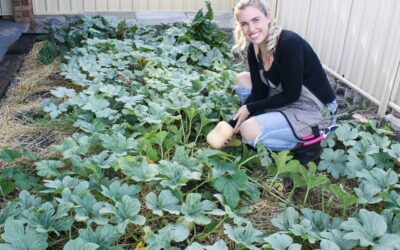
Something I have learned from gardening in sandy soil is the importance of continuously adding fibre and nutrients to my soil. If you’re in a dry, hot climate like me here in Perth, growing mulch plants could save your garden! Use living mulches like sweet potato, pumpkin, New Zealand spinach, and Nasturtium to protect bare soil and suppress weeds. Mulching doesn’t just help retain moisture…It also protects the shallow feeder roots of fruit trees from getting hot and cooked! And the bonus… mulch breaks down into compost, feeding soil microbes and improving soil structure over time.
Add Vertical Gardens
Adding vertical structures like trellises, arches, and fences for climbers (passionfruit, beans, grapes, cucumbers) creates natural shade for the garden beds underneath. Creating micro-shade pockets. Plan your layout to off the best shade for your garden. Growing edible climbers that are deciduous can be a great way to create summer shade, but let the light in during winter when they lose their leaves. I have grape vines growing over my raised garden beds to add summer protection from the heat, produce delicious crops and also allow winter sun to reach my garden.
Watering Strategies for Extreme Heat
Most plants die in heatwaves because they’re watered incorrectly — not because they’re not watered enough. Water deeply and less often. Deep watering encourages deep roots, which makes plants far more heat-tolerant. Consistency is also important. Long periods without water can cause the soil life to die, and the soil will become hydrophobic. Think of your soil as alive (it is) and that you are watering to feed the microbes, not just the plants. Happy, healthy soil will reward you with happy and healthy plants!
Most plants die in heatwaves because they’re watered incorrectly…. not because they’re not watered enough.
✔️ Water deeply and less often- Deep watering encourages deep roots, which makes plants far more heat-tolerant.
✔️ Cover your soil – whether that is with mulch, ground covers/living mulch or even better, a combination of both! This will help retain moisture and keep the soil alive.
✔️ Consistency is also important. Long periods without water can cause the soil life to die, and the soil will become hydrophobic. Think of your soil as alive (it is) and that you are watering to feed the microbes, not just the plants. Happy, healthy soil will reward you with happy and healthy plants!
✔️ Best times to water: early morning (best) or late afternoon (second best). Avoid midday watering — 80% of the water evaporates, and water on the leaves can burn your plants.
✔️ Sandy soils can also drain water fast and can easily become hydrophobic. It is important to add fibre by increasing the organic matter. This can be done by adding compost, manure, chop and drop and mulching.
High-Density & Succession Planting to Create Microclimates
This is honestly one of my biggest summer survival strategies…High-density planting helps shade the soil, reduce evaporation, minimise hot wind, and create cooler microclimates. Plants actually protect each other… more foliage means more shade and less moisture loss.
Annuals – Fill gaps quickly with fast growers like basil, bush beans, or herbs.
Perennials – Use mulch plants, nitrogen fixers, low shrubs, tall canopy plants, hardy fruit trees, and ground covers to fill all the gaps.
Succession planting fruit trees is a concept I dabbled in early on, but I wish I had gone harder! Planting from seed and cuttings will allow you to plant more and utilise high-density without the fear of deleting them later down the track. High-density doesn’t mean overcrowding… it means layering, timing, and letting plants work together… instead of cooking alone. They don’t ALL need to be permanent…some can be “nurse trees” until your “main fruit trees” are established.
What to Do Before a Heatwave Hits
When a heatwave is in the forecast, a little preparation can make the difference between a thriving garden and a fried one. These quick actions help your plants stay hydrated, cool, and protected during extreme temperatures — and they take less than an hour to set up.
Water deeply the night before – Give your plants a long, slow soak so the water reaches deep into the root zone. Moist soil holds temperature better than dry soil and keeps plants stable through the hottest part of the day.
Add temporary shade cloth – A simple 30–50% shade cloth over garden beds, young fruit trees, or tender plants such as avocados and young tropicals can prevent sunburn and drastically reduce heat stress and wind damage. Even a beach umbrella or an old sheet works (allow airflow).
Move pots into shade or under cover – Potted plants heat up far quicker than plants in the ground. Move them against a cool wall, under a patio, or beneath a tree canopy to protect their roots from overheating.
Mulch any exposed soil – Bare soil is the fastest to dry out and heat up. Add a thick layer of mulch around fruit trees, garden beds, and seedlings to keep the soil cool and reduce evaporation.
Water deeply early in the morning – Give your plants a long, slow soak at sunrise. This allows the water to move deep into the soil before the sun becomes intense. Moist soil holds temperature better than dry soil and helps your plants stay hydrated throughout the day.
Grow and Chop-and-Drop Your Own Mulch
I think one of the best ways to protect your garden from heat is to grow your own mulch. It not only offers shade when you need it, but you also get to chop it back to create your own organic mulch or fertiliser. This will help feed your soil and, in turn, improve the water retention! a WIN-WIN. When your garden produces its own leafy biomass, you have a constant supply of materials that cool the soil, protect roots, and feed the microbes that build long-term resilience. It’s a system that works with your climate instead of against it.
Great chop-and-drop plants for hot climates include:
Pigeon pea – fast-growing, drought-tolerant, nitrogen-fixing
Queensland Arrowroot – Repopulates fast with water-filled stems
Moringa – rapid growth and abundant leafy material
Lemongrass – dense, fibrous clumps that suppress weeds
Cassava – hardy, productive, and perfect for biomass
Mexican sunflower (Tithonia) – one of the fastest biomass producers
These plants bounce back quickly after pruning and thrive even in harsh conditions. Each layer protects the roots from harsh sun, reduces water loss, and breaks down into organic matter that improves soil structure over time. It’s the most sustainable long-term strategy for gardeners in hot, dry climates.
🌱 Want a deeper guide to mulch plants, chop-and-drop strategies, and soil-building techniques?
You’ll love my ebookHow to Grow Your Own Natural Fertiliser, where I break down exactly how to select, grow, and use mulch plants to create a self-feeding, low-maintenance garden. It’s packed with practical tips specifically for hot climates and sandy soils.
If you want to fill your garden with fresh food this spring/summer season but don’t have much room…these annual edible climbers are the best for vertical gardening in spring! I don’t know about you, but I always feel like I need more gardening space… BUT incorporating vertical plants into your veggie patch or garden can not only maximise the amount of food you can grow but also help shade and protect your garden. I love growing perennial or long-term climbers as they grow to produce more and more fruit each year without having to replant them but…. It’s also fun to have room to mix it up and try different annual climbers each year.
These fast-growing, productive climbing plants make the most of vertical garden space and can transform fences, trellises, and arches into lush, edible walls. Ideal for spring and summer planting, annual climbers are perfect for renters, small gardens, and food forests needing seasonal coverage and abundant harvest. Check out my top tips and plant list below and start growing more food in the same amount of space!
Annual vs Perennial Climbers? Which are better for Vertical Gardens?
I love growing a mix of both! I will share more about perennial climbers at the end of this post. Annual climbers grow for a season, produce food, and then die off. This means you can use the space to grow different things each season, or usually over two growing periods: summer crops and winter crops. Annual vertical climbers are great for….
Fast Results: Most are quick to establish and produce within one season.
Perfect for Temporary Gardens: Great for renters or testing garden layouts.
Seasonal Versatility: Easily rotated out each year to suit changing garden needs.
Creates Shade: Can provide temporary dappled shade for young fruit trees or veggie beds.
Increasing Pollinators & Biodiversity: Lush greenery, flowers, and harvests attract pollinators during the busy Spring & Summer season.
Ways to Support Your Vertical Climbers
Climbers need something to climb, and it’s best to have this installed before you get busy planting your seeds and seedlings. That way, you don’t risk stepping on them or snapping off stems. Below are some of my favourite ways to create trellis and support for my vertical gardens.
Vertical Pre-made Trellises: You can buy panels of pre-made wood or metal lattice or mesh frames. These can either be scrwed to existing fences or supports or add in your own. Star pickets or bamboo poles are often an easy and cost-effective way to go.
A-Frame or Teepee Supports: These are great for a quick and easy vertical garden. They also add interest to a flat space. Bamboo, stakes, branches, or recycled materials can be tied together to create a strong Aframe support. My mum adds an old bicycle tyre to a support post and ties string lines from the tyre to pegs in the ground . It doesn’t need to be fancy as long as it is strong and secure, the plants will cover the structure and look lush in no time!
Fences & Arches: I love archways in the garden as they give space to grow vertically, plus the added experience of walking under them is a little magical. Premade archways are a quick solution, but are often expensive. DIY arch ways can be made from metal cattle panels, timber trelis, branches, or recycled wood, even PVC piping over metal stakes. Chicken mesh, Rio mesh, or fencing mesh can be used to create small vertical supports for one side of your raised bed. This way, you can grow lower plants in the front of the bed and climbers up the back to maximise growing space.
Nets or Strings: Soccer nets or other string-construction nets can be a great DIY idea. Cheap and flexible, great for beans or light vines.
Ensure your structure is strong enough to support mature vines and fruit weight. The great thing about lightweight DIY structures is that they can be used for a season and packed away. This gives you flexibility each season to design your garden. As opposed to perennial climbers, they do better on more permanent structures.
Top 15 Annual Edible Climbers to Grow in Spring/Summer
These plants are either true annuals or fast-growing tropicals, often grown as annuals in warm climates. Check out the links to find more info on how to grow, harvest, and preserve.
Luffa (Loofah Gourd) (Luffa aegyptiaca / L. acutangula) – edible when young and makes natural sponges.
Bottle Gourd (Lagenaria siceraria) – versatile vegetable, produces a lot of food! A vigorous growing vine that is perfect for creating summer shade
Cucumber (Cucumis sativus) – classic favourite with refreshing fruit for summer salads or pickling.
Tromboncino (Climbing Zucchini) – long fruits, mildew-resistant, great summer for creating shade.
Winged Bean (Psophocarpus tetragonolobus) – edible pods and leaves, great shade plant. Thrives in hot, humid conditions.
Malabar Spinach (Basella alba / rubra) – succulent-like leafy green for warm climates.
Climbing Beans (Purple, Green, Borlotti, etc.) – great for A-frames and Teepee structures.
Chayote/Choko (Sechium edule) – vigorous, edible fruit and shoots. Hardy summer shade plant. It can be perennial in warmer climates.
Cucamelon / Mouse Melon (Melothria scabra) Tiny, cucumber-like fruits with a tangy, citrusy flavor. Fun snacking plant for kids and great in salads or pickled.
Pumpkin / Squash (Cucurbita spp.) Fruits for roasting and soups. Young shoots, flowers, and even leaves are edible.
Climbing Tomatoes (Indeterminate Varieties) – support needed, but highly productive.
Melons (Cantaloupe, Honeydew, Watermelon) – may need individual support slings for the fruit to stop them from dropping when ripe and smashing.
Mini Pumpkins or Gourds – great for a smaller trellis and very ornamental.
Sweet Potato (Ipomoea batatas) – Fast-growing vine with edible roots (tubers), tender young leaves, and shoots. A dual-purpose plant that provides staple carbohydrates and leafy greens through summer.
When to Sow and Planting Tips
Start Seeds Early: Direct sow after frost, or start indoors if needed. Plants that flower and then produce fruit such as melons, pumpkins, and gourds, need the full spring and summer season to grow, flower, and mature their fruit. Plant these in late winter or early spring. If you are likely to get cold snaps or frosts, start them indoors or in a greenhouse until the last frost has cleared.
Get structures installed: Make sure your structures are in place and sturdy before planting out your seeds and seedlings.
Feed the Soil: Mix compost and organic fertiliser into the soil before planting. Quick-growing annual plants require plenty of food and energy to grow.
Mulch: Retains moisture and keeps roots cool during the warmer months.
Train Early: Gently guide vines to supports while young.
Prune Lightly: Remove tangled or unhealthy vines to maintain airflow and access. As they grow, prune off leaves that are in the first 30cm of the soil. This helps reduce bacteria from splashing up onto the plant. Prune old or dead leaves throughout the growing period to increase airflow and reduce wasted energy.
Support fruit: Some large fruits, like pumpkins and melons, may need extra support. Hammock-style nets or string can help take some of the weight off and reduce the chance of the fruit dropping to the ground.
Want More Long-term Vertical Gardening Ideas?
Annual climbing vines are an incredible way to grow more food in less space, add beauty to your garden, and have fun experimenting with new crops each year! I always make room for annual climbers in my raised beds and kitchen garden. I also love perennial climbers for more long-term vertical food and summer shade. Although more permanent, these grow back each year to provide more and more food. Incorporating a mix of both annual and perennial climbers into your garden will help you grow massive amounts of food whilst still having the flexibility and space to try new varieties and plants each year.
Simple, Spray-Free Solutions for Veggie Garden Pest Problems
Just when you think the garden is looking good, the bugs show up in force! I often get asked why the bugs don’t eat my veggie garden, but the reality is they definitely do! If they weren’t, I’d be more worried! Because if the bugs aren’t eating your veggie plants, it means your garden isn’t part of the ecosystem. A few nibbles here and there are normal. Even a good sign that your garden is healthy, alive,and balanced. But.. when pests start taking more than their share, these easy & natural solutions will help you control bugs in your veggie garden.
TopTips for Controlling Bugs in the Veggie Garden
These tips are just second nature to me now, and combined, they reduce the pests in my veggie garden. Allowing me to harvest more of my food without any harmful chemicals or sprays. Each year, this helps improve the strength and resilience of my garden and results in less work for me. I hope these simple solutions help you grow more of your own food at home naturally and sustainably.
Remove the lower leaves
This helps stop slugs, snails, and other crawlers from getting easy access. I check my raised beds every few days. Pick off the lower leaves, both good and the sad, bug-bitten leaves. This allows more light (bugs like slugs and snails love dark, shady, wet spots) and reduces the amount of natural “ladders” up to your veggies. You can always clean off and use your holey veggie leaves to make a delicious, nourishing green soup or garden pesto.
Outplant the pests
This is probably my top tip and my favourite one! If bugs are hitting one patch hard, I just plant more! and randomly… I always interplant different things, so I’m not offering up a buffet of their favourite foods. The idea is to overwhelm the pests with too much choice and increase your chances of getting a harvest. It works especially well with fast-growing seeds like radishes, asian greens, and lettuce. Saving your own seeds is a great way to have more than enough to go around. So you aren’t so precious about using too many seeds or relying on the 6 seedlings you have purchased.
Sprinkle used coffee grounds
Many bugs hate crawling over gritty textures. I’ve been collecting used coffee grounds from my local cafe for years. By sprinkling them around the base of plants and even fully over young seedlings, I found my losses greatly reduced! It works really well to protect young seedlings from getting ring-barked by slaters/roly-poly, too! It’s free, reduces waste, and adds organic matter too!
Keep your plants well-fed
Healthy plants recover faster from pest attacks and are less likely to get smashed. Top up with liquid compost, worm castings, or even just a light mulch of compost to keep your plants thriving.
Relax and let a few “sacrificial” plants go
Sometimes the best defence is distraction! If a few plants just keep getting hit, I let them go and leave them as sacrificial plants. These often allow good predator bugs like Ladybugs or even birds to come visit the patch. The bugs often will focus on plants that have already been eaten…keeping them off your other healthy plants. It’s a simple way to work with nature and keep the peace in the patch.
Diversity makes it harder for the bugs
I focus on encouraging diversity in all my gardens. I do not plant the same thing all in one bed because if the bugs show up in my veggie garden and decide they like that plant… I’ve just made an easy-access all-you-can-eat buffet for them! Spreading them throughout different gardens makes it harder for the bugs and results in more food for me! Interplanting strong plants such as onion, chives, garlic, or leeks also helps confuse and ward off the bugs. Spreading plants out also reduces the nutritional depletion in the soil, as each plant takes different nutrients from varying depths due to their root growth and nutritional needs.
Control Bugs in the Veggie Garden Naturally
Dealing with bugs in the garden doesn’t have to mean reaching for harsh sprays or quick fixes. With a few simple, natural strategies, you can keep pests under control while still supporting a healthy, balanced ecosystem in your veggie patch. Caring for your soil’s health and your own at the same time.
I hope these tips help you feel more confident tackling any winter pest problems in your own garden! And remember, bug-bitten veggies are totally normal and even a sign that your garden is alive and thriving!
Want More Seasonal Garden Tips Like These?
Subscribe to my Tuesday Tips newsletter and get practical, organic garden advice delivered straight to your inbox each week 😊