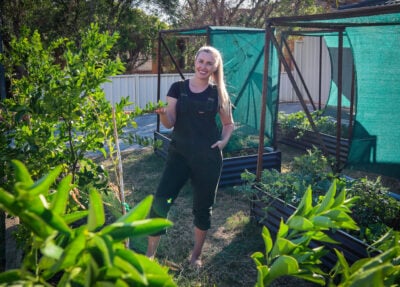
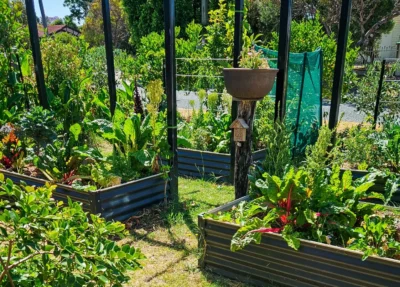
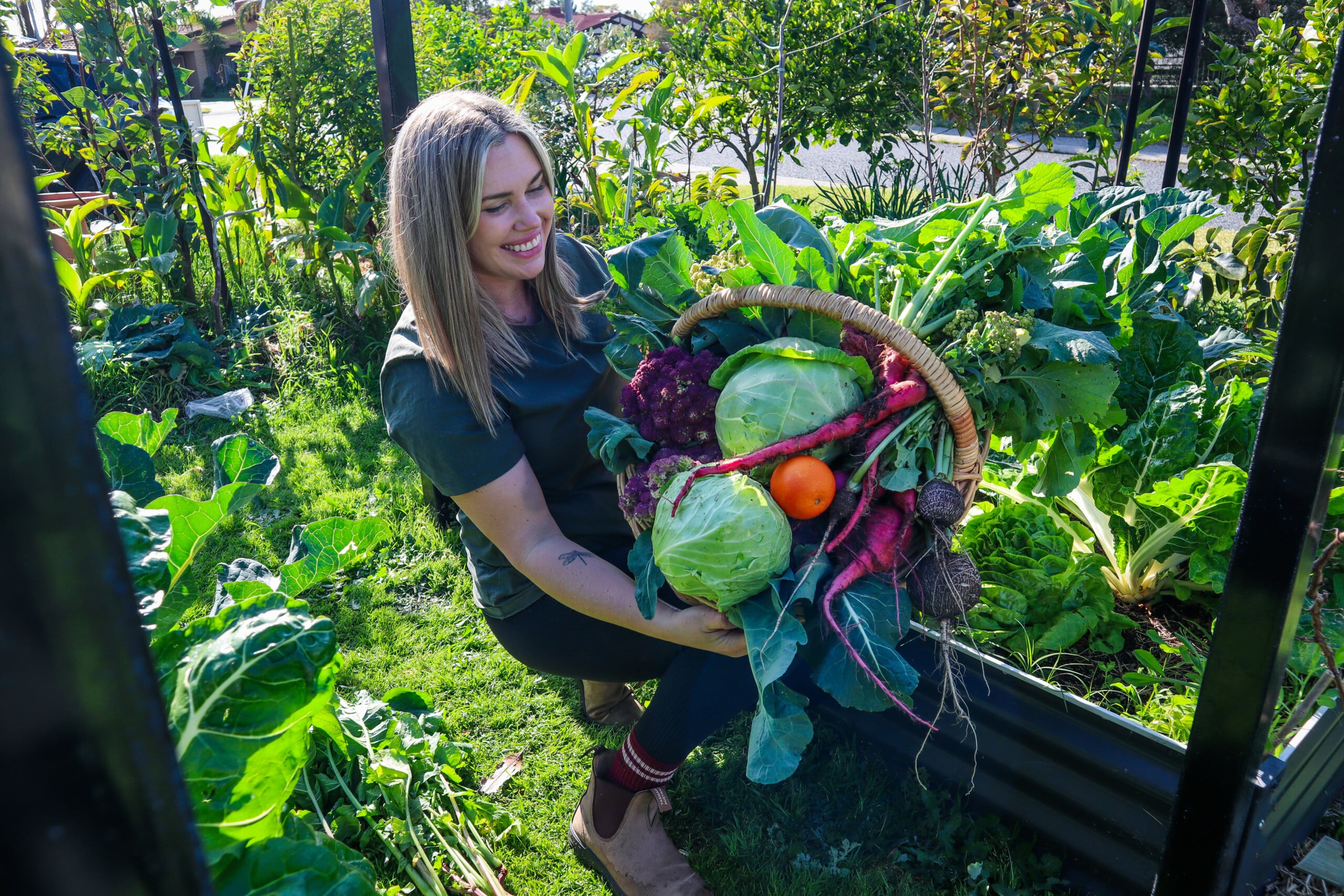
If you’re looking for the best vegetables to plant in autumn in Perth (zone 10b), these 15 vegetables and herbs will set your garden up for a productive season. After months of trying to keep the garden alive through relentless heat, autumn gardening in Perth feels like a breath of fresh air.
This is the season where growing food in Perth actually starts to feel enjoyable again (my favourite season!)….and it’s when my garden puts on some of its best growth all year.
If you’ve been waiting for the right time to start a veggie garden or refresh tired summer beds, it doesn’t get any easier than Autumn (if you can get the pests in check…don’t worry, I will share my top tips for this at the end of the post!).
In this post, I wanted to share 15 vegetables that genuinely thrive during autumn in Perth, along with bonus tips on how to sow and get the most out of your harvests!
Why Autumn Is One of the Best Gardening Seasons in Perth
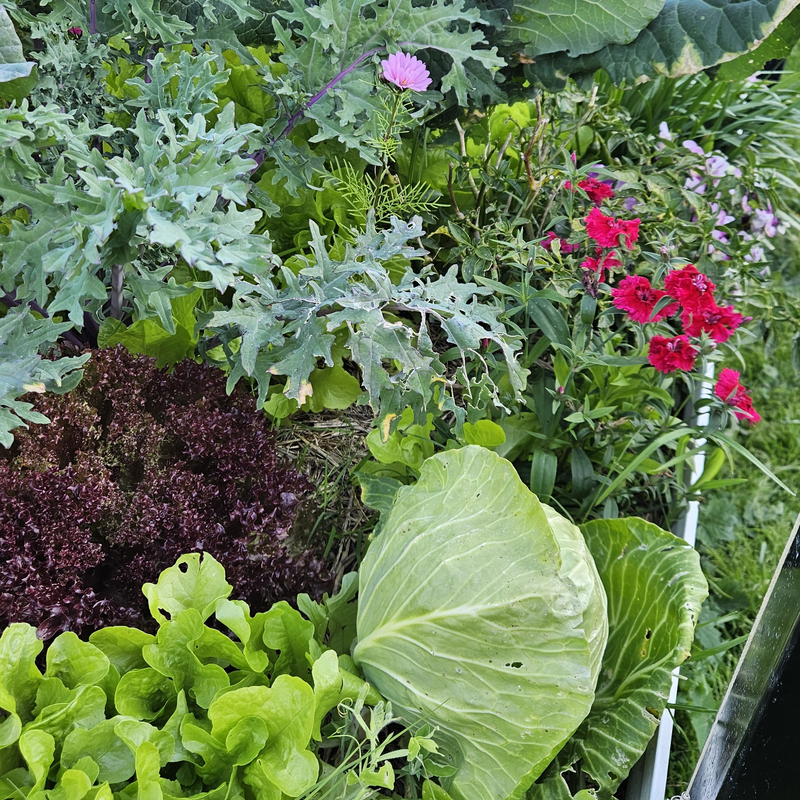
One of the biggest mistakes I see beginner gardeners make in Perth is trying to start everything in the middle of summer. Our summers can be brutal. Between the dry heat, intense sun, warm nights, and sandy soil that dries out quickly, young seedlings can struggle fast. I do very little planting in summer.
Autumn, everything starts bursting out of the soil! I let a lot of plants go to seed, so my gardens often have seeds popping up everywhere! Including cracks in the pavement and lawn. The soil is still warm from summer, which helps seeds germinate quickly, but cooler air temperatures dramatically reduce stress on plants (and help retain moisture!). It’s this sweet spot where growth really takes off again.
I honestly find autumn gardening the MOST enjoyable. Instead of constantly trying to save plants from heatwaves, you can focus on building healthy soil, succession planting, and enjoying the garden again. Take the time to slow down, observe and enjoy your garden!
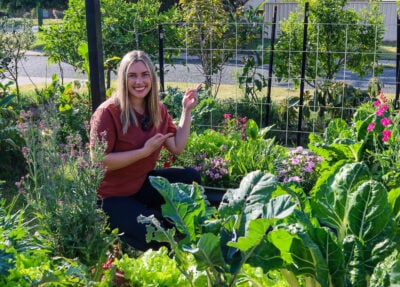
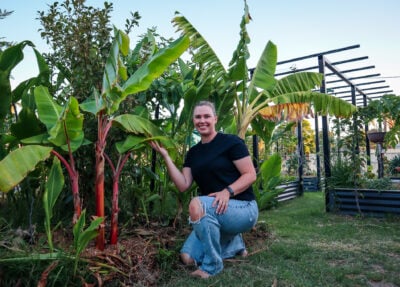
I recently shared a full autumn garden tour over on YouTube, showing what’s growing, what I’m planting right now, and how the food forest is transitioning into the cooler season 👇
15 Vegetables and Herbs to Grow in Autumn (Perth)
Lettuce
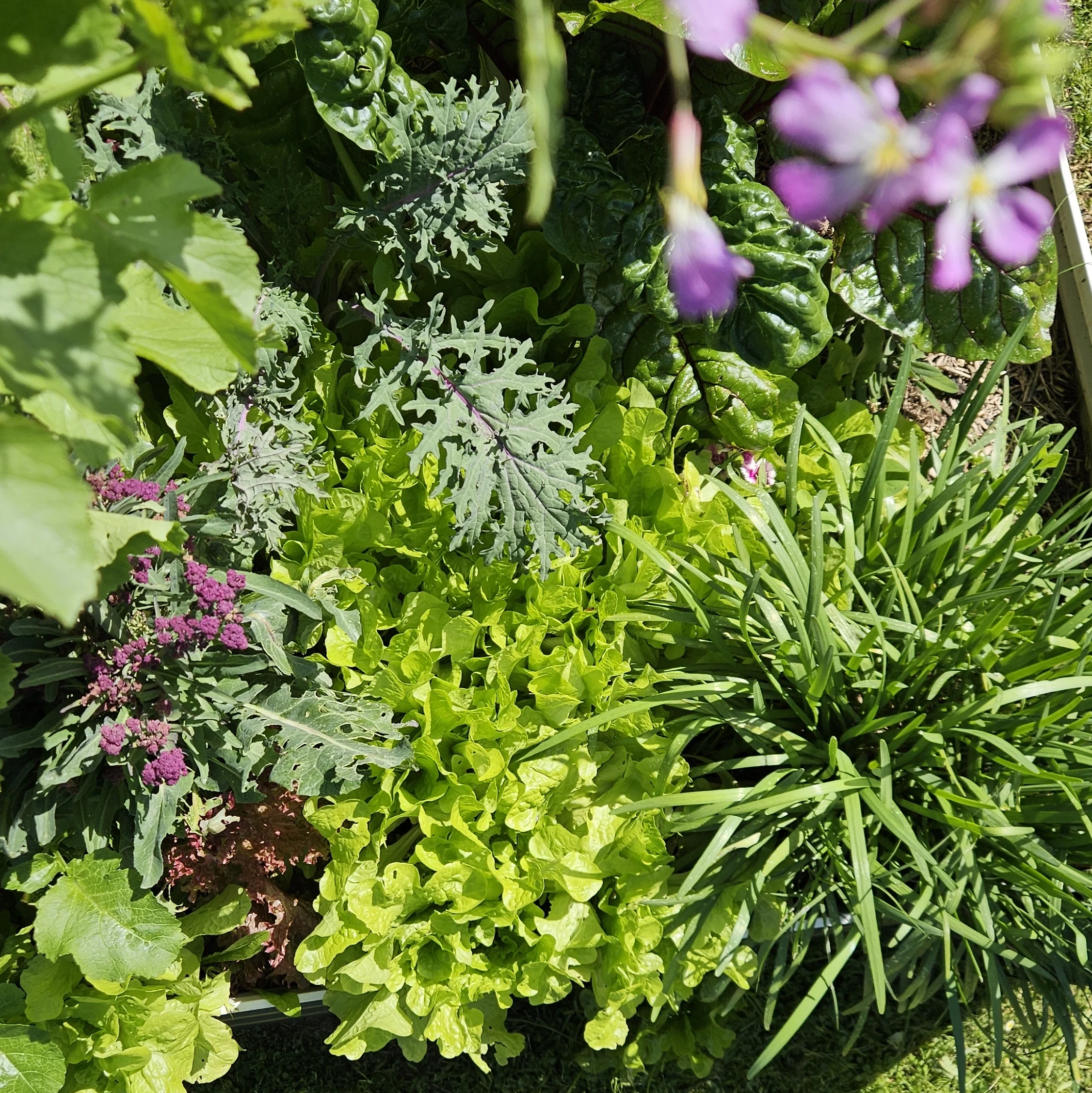
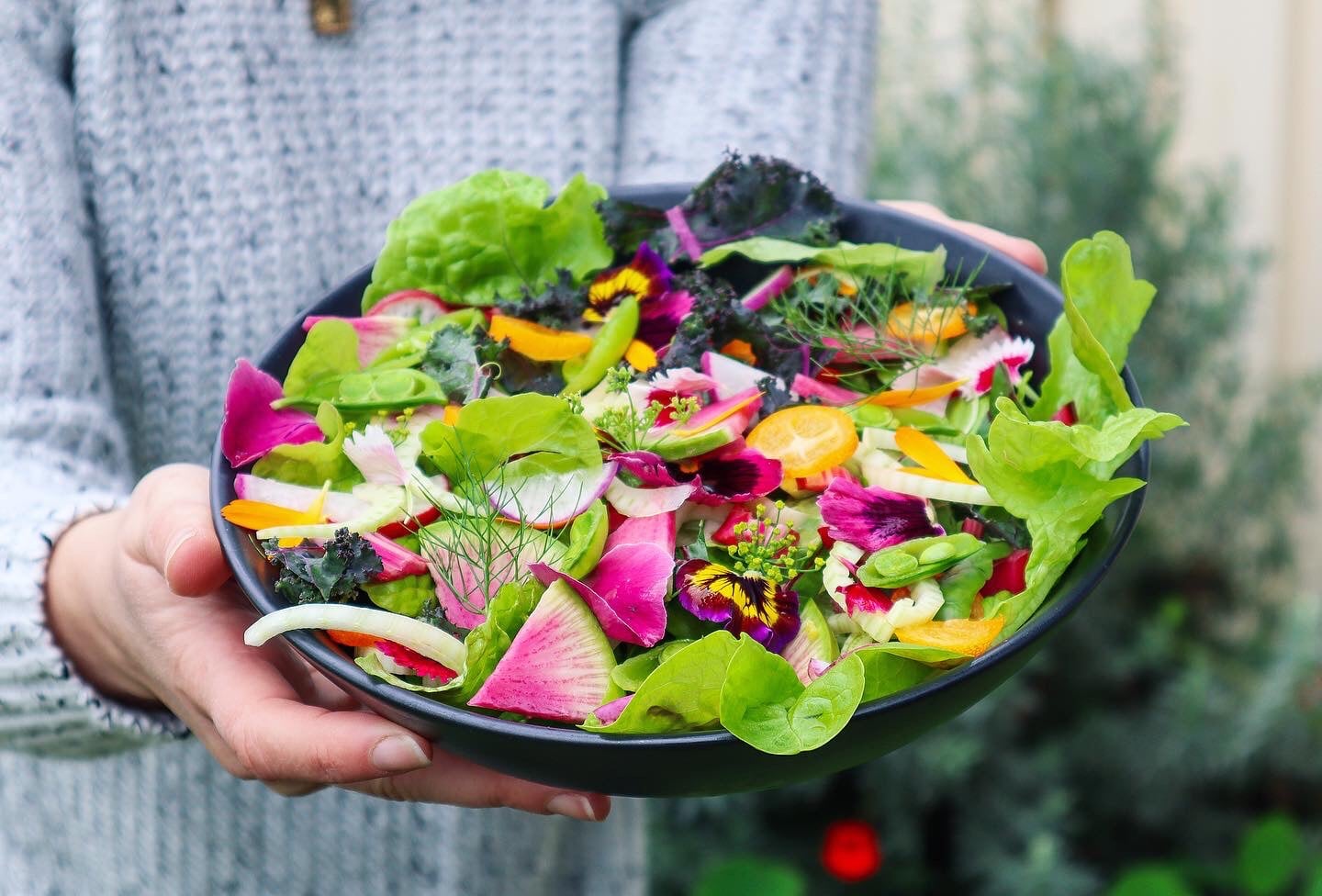
Lettuce absolutely shines in autumn. During summer, it bolts almost instantly in my garden (or just goes pure crisp!), but once the weather cools down, it becomes one of the easiest and most rewarding crops to grow. I love filling gaps throughout my raised garden beds with loose-leaf varieties because you can harvest them continuously over months.
SOWING TIP: Lettuce seeds are delicate, so don’t bury them too deep. I sprinkle them on the surface and only barely cover them with a light sprinkle of soil (or none at all).
ABUNDANCE TIP: I let a lettuce go to seed every year (around spring / early summer), and the seeds fall into the soil and regrow on their own once the weather cools in autumn! I literally did not plant lettuce this year, and yet I have 100s of plants throughout my garden (and the lawn and pavers). Or pop the seed head upside down in a paper bag and dry out for the next season.
Carrots
Carrots grow well during Perth’s cooler months. The milder temperatures help roots develop properly without the stress and inconsistent growth that often happens during hot weather. One thing that’s made a huge difference in my sandy soil is keeping carrot beds consistently moist during germination.
SOWING TIP: I like to lay the seeds directly on the surface and cover with a hessian sack or a plank of wood. Come back and check in a few days to see when they have sprouted. This keeps them moist, stops them blowing away, or birds eating the seeds. I like to sow seeds every couple of weeks for an extended harvest.
ABUNDANCE TIP: Let a carrot continue to grow until it flowers and goes to seed. Not only will the bees and beneficial insects love you, but you will get 100s of free carrot seeds. I find that carrot success is in overplanting, so having excess seeds is always a huge benefit.
Pineapple Sage
This is my favourite herb! I have not had success growing it as a perennial in my garden, so it is something I replant every autumn. Sweet, fragrant leaves and edible flowers, pineapple sage is amazing in teas, salads, and baking. Plus, the small birds love harvesting the nectar from the bright red flowers.
GROWING TIP: I suggest planting from a seedling. They like a warm sunny spot with adequate watering. I have struggled to grow this in the past, so I tried a few different spots in the garden until I found a place where it was happy!
ABUNDANCE TIP: Prune or pinch out the tips of the plant to encourage a bigger, bushier shrub. Once established, pineapple sage becomes an incredible living pollinator plant in the food forest. Helping your fruits and veggies get better pollination (and grow more fruit).
Spinach
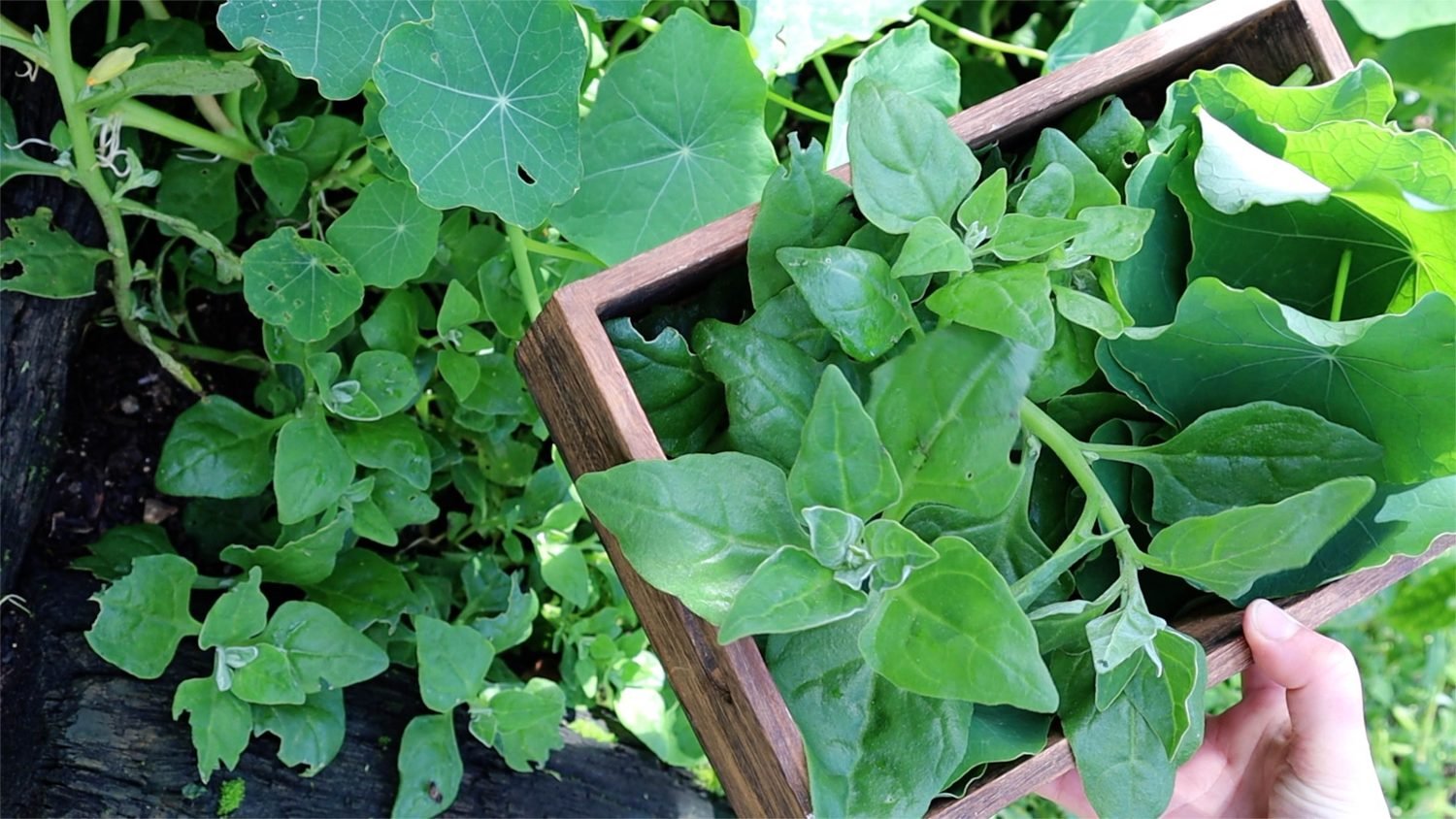
Spinach thrives once temperatures cool down. I grow a mix of traditional spinach and perennial spinach throughout autumn because they produce so much reliable food. NZ spinach/ Warrigal greens makes a great living ground cover. Longevity Spinach is packed with so many nutrients and grows easily from cuttings. Traditional spinach in the raised garden beds offers a regular supply of cut-and-come-again greens.
SOWING TIP: Keep spinach consistently watered while young to encourage tender leafy growth. I like planting it along bed edges where it’s easy to harvest regularly.
ABUNDANCE TIP: Perpetual spinach can continue producing for months if regularly harvested. Instead of removing the whole plant, pick the outer leaves continuously for a much longer harvest. Perennial spinach, such as NZ Spinach, Brazilian Spinach, Longevity Spinach, Okinawa Spinach, Malabar Spinach or Chaya (tree spinach) are a great way to have a continuous supply of leafy greens.
Peas
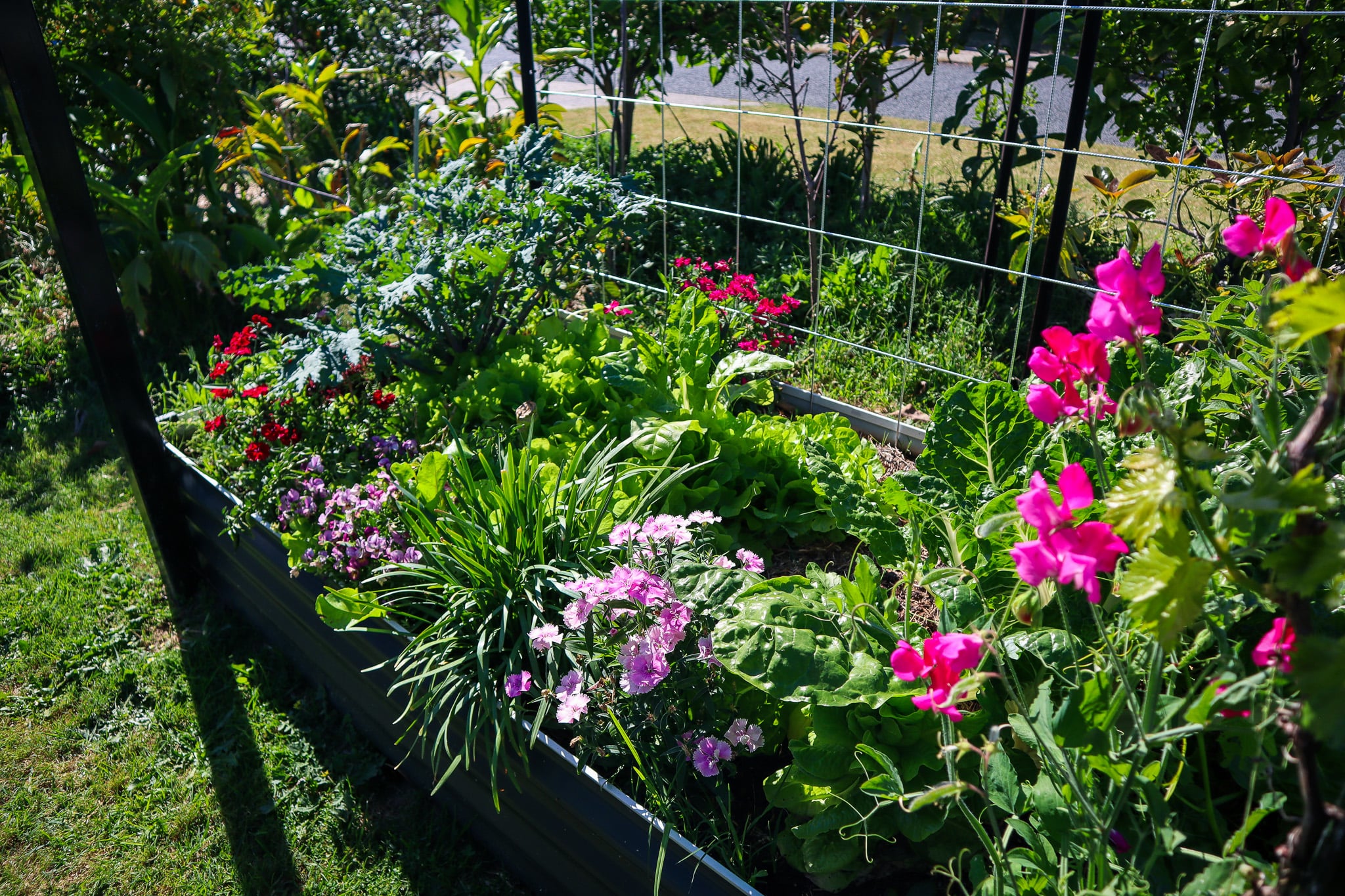
Peas are one of those crops that instantly make the garden feel productive again. Autumn is the perfect time to sow them in Perth because they establish well before winter and love the cooler nights. I usually grow climbing peas along trellises on the back (southern) side of my raised beds, which helps maximise space (without shading out the other plants) while creating beautiful vertical greenery.
SOWING TIP: Peas germinate best in consistently moist soil, so don’t let young seedlings dry out during establishment. Trellising early also makes a huge difference once growth takes off.
ABUNDANCE TIP: Leave the roots in the ground after harvesting. As legumes, peas help add nitrogen back into the soil, which benefits the next crop planted nearby. Leave some peas to fully mature on the plant and save your own seeds. Seeds that have grown from plants in your garden will be well adapted to growing in your exact conditions.
Broccoli
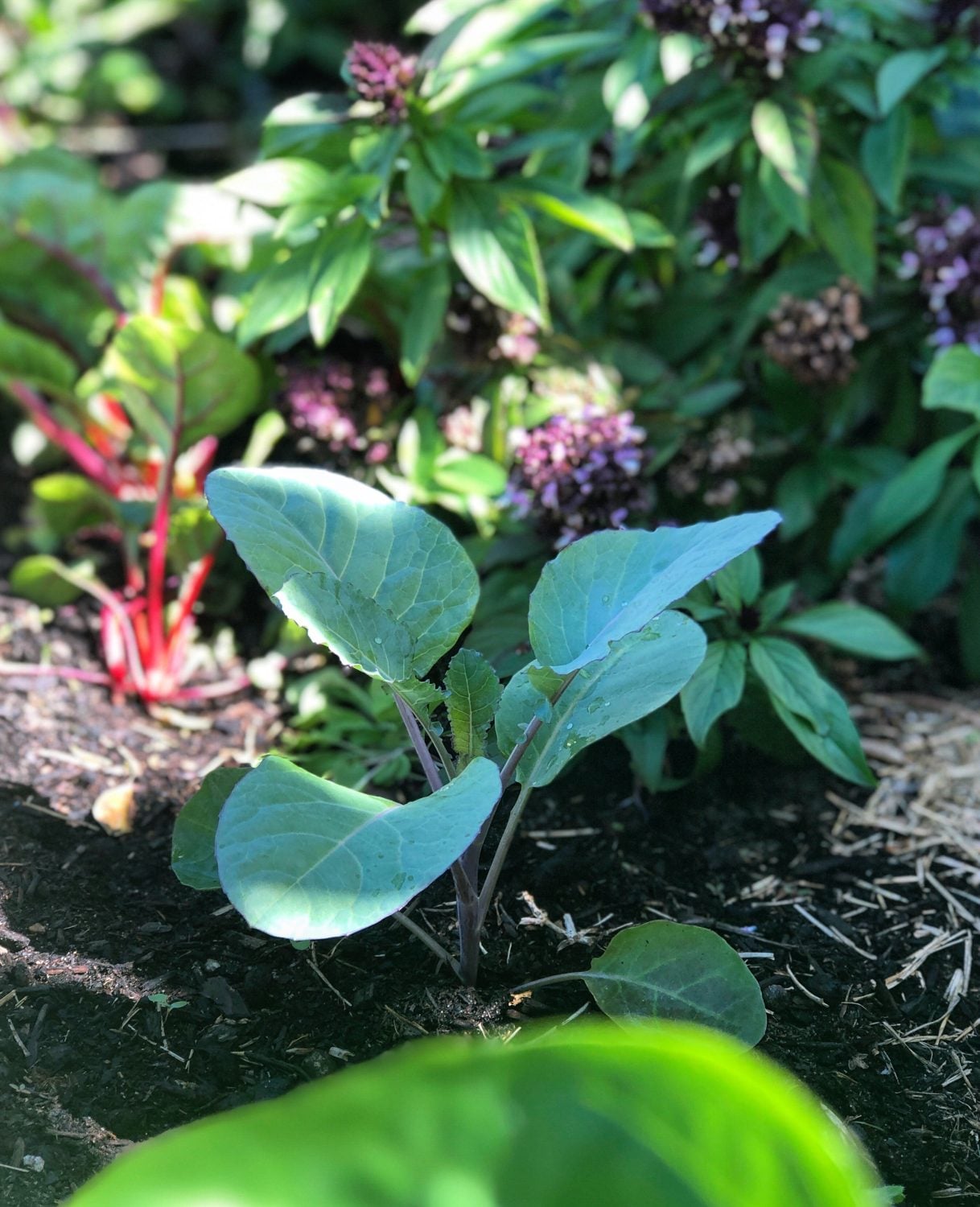
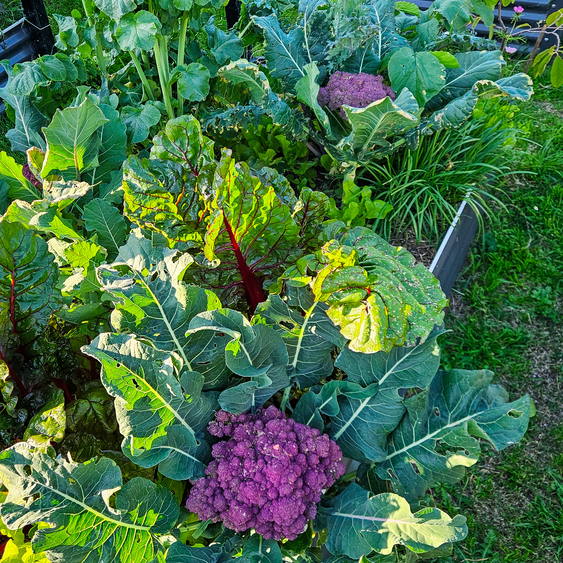
Broccoli can struggle badly in heat, but autumn gives it the conditions it actually wants. This is the time I start planting out seedlings so they can mature through winter. A big lesson I’ve learnt with broccoli is not to skimp on soil fertility. Heavy-feeding crops like this need rich compost soil and consistent moisture to really thrive. I love to grow purple broccoli because it adds colour to a winter garden!
GROWING TIP: Mulch heavily around broccoli seedlings early. This helps regulate soil moisture and reduces stress while the plants establish. I tend to plant seedlings rather than seeds because they do take a while to grow, so you want to make sure they have enough time to produce before the spring heat arrives. So seeds in late summer to early autumn or plant seedlings in mid-late autumn.
ABUNDANCE TIP: The leaves are edible, too! Chop up and cook the leaves just like you would chard for a nutritious bonus harvest! Just take a few from each plant so that there are still plenty of leaves for the plant to grow. Often, if you cut the main head off, some side shoots will appear, so leave the plant in the garden for some smaller side shoots.

Kale
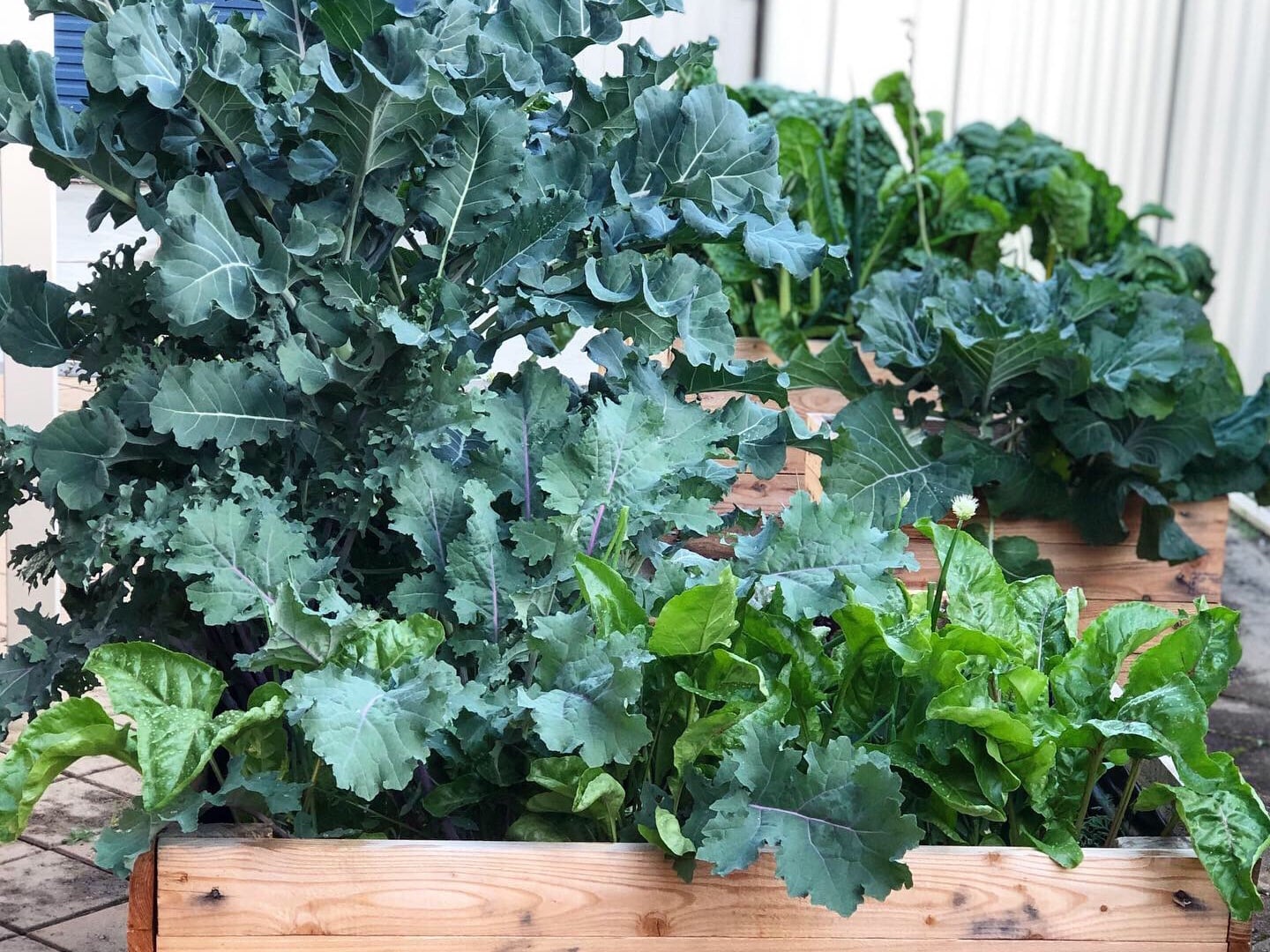
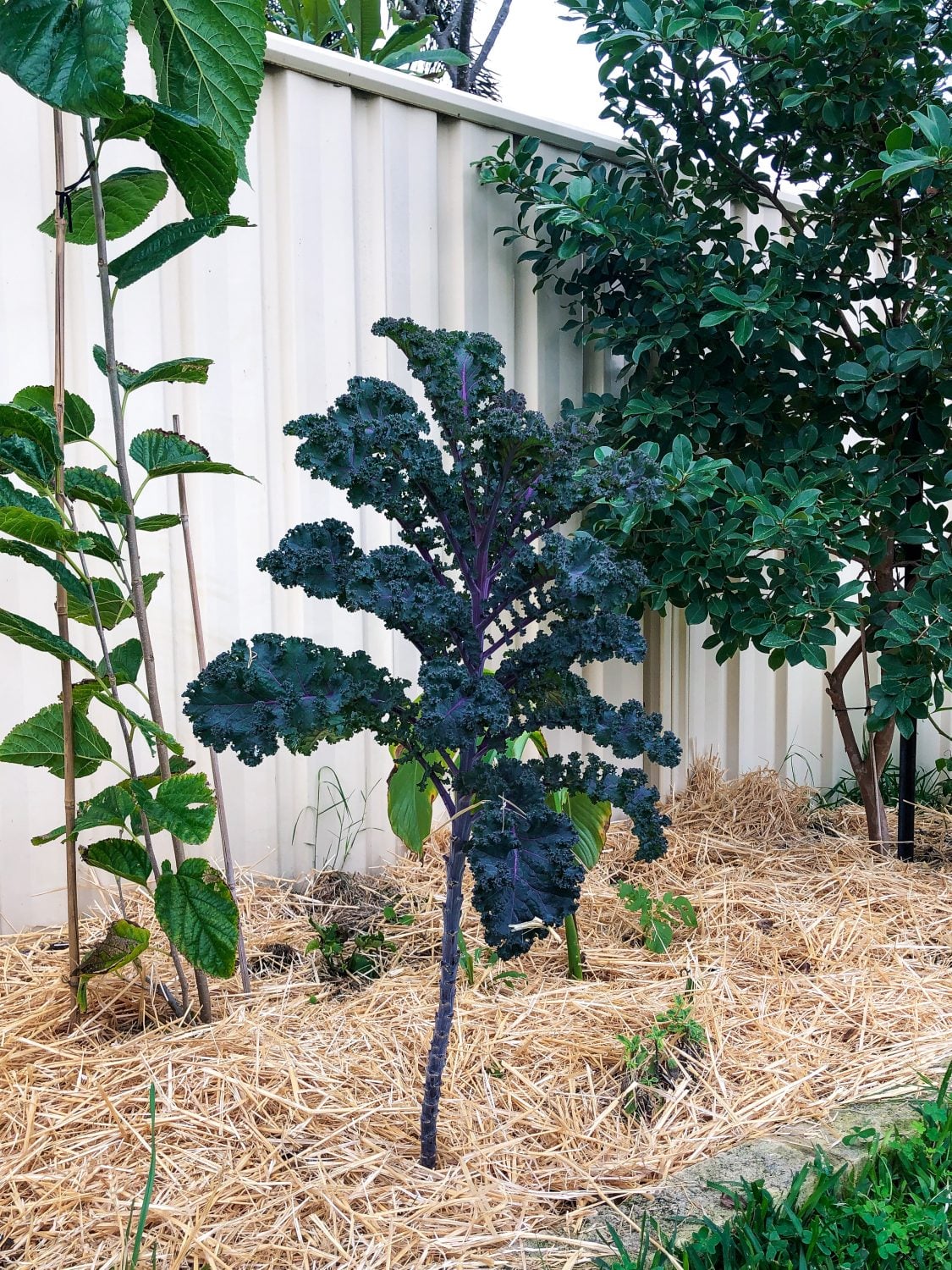
Kale is one of the easiest and most reliable vegetables in my autumn garden. Once established, it handles cool weather beautifully and produces continuously for months. It’s also one of those crops that makes the garden feel abundant because you’re constantly harvesting leaves without needing to replant immediately.
GROWING TIP: Not all Kale is the same…some are spikey and tough. Try out a few varieties and see which one you prefer. My favourite is the Black Tuscan Kale. It is smoother and easier to use meals.
ABUNDANCE TIP: Rather than harvesting the entire plant, pick the lower leaves continuously while allowing the top to keep growing taller. I also prune my kale in spring and let it grow through summer. This means come the following autumn, you already have an established plant ready to start producing!


Beetroot
Beetroot grows surprisingly easily during autumn and doesn’t need a huge amount of space. I often tuck beetroot throughout raised beds and around larger crops because it fits into small gaps really well. The cooler weather also helps produce sweeter roots. For sweeter, less earthy-tasting varieties, try the Golden Beetroot or Chioggia candy-striped Beetroot.
SOWING TIP: Sow directly where you want them to grow because beetroot dislikes being transplanted. Keeping soil consistently moist helps improve germination rates. Sow multiple seeds 2-3 weeks apart for a continuous harvest.
ABUNDANCE TIP: Don’t forget the leaves! Young beetroot greens are delicious and productive long before the roots are fully mature. They are part of the chard family, so you can use the leaves and stalks in soups and stir-fries just like you would silverbeet or chard. Just harvest a few from each plant so they still have enough energy to produce healthy roots.
Cabbage
Autumn is the perfect time to establish cabbages before winter. I’ve found they perform much better once the cabbage moth pressure starts easing compared to spring and summer. Here in Perth, our winters can be short. I love to grow the smaller mini cabbage varieties (Diggers Seeds).
SOWING TIP: Cabbages are heavy feeders, so I always plant them into beds with plenty of compost and organic matter already added. I like to plant cabbage from seedlings, as they can be slow-growing, and pests do love to eat them when they are young. Late summer and early autumn, sow seeds in seed trays. Late autumn or early winter, I would stick to seedlings to have enough time for them to form before the hot weather arrives in spring. Because cabbages a low-growing plant, plant them on the northern or western side or edge of your garden beds, so they don’t get shaded out by taller plants.
ABUNDANCE TIP: Smaller “mini” cabbages not only take up less room (allowing you to fit in more plants), but they are also the perfect size to make sure none goes to waste.

Parsley
Parsley is such an underrated herb in an edible garden. Once the weather cools, it explodes with growth and becomes one of the easiest productive herbs in the garden. It’s also fantastic for filling edges throughout a food forest system. I often cut back extra growth to use as chop and drop mulch. Fresh parsley can be topped on so many meals or added to salads for a boost in nutrients.
SOWING TIP: Parsley appreciates regular moisture while establishing. Once settled in, though, it becomes surprisingly resilient. I tend to direct sow into the garden.
ABUNDANCE TIP: Allow some parsley plants to flower. The flowers attract huge numbers of beneficial insects and pollinators into the garden. Then the seeds can scatter to regrow in their own next autumn. Free plants and zero effort gardening! If you want to extend your growing season and keep parsley well into spring and summer, sow some in a shady part of your garden. This can help stop it from going to seed and allow longer harvests.
Radish
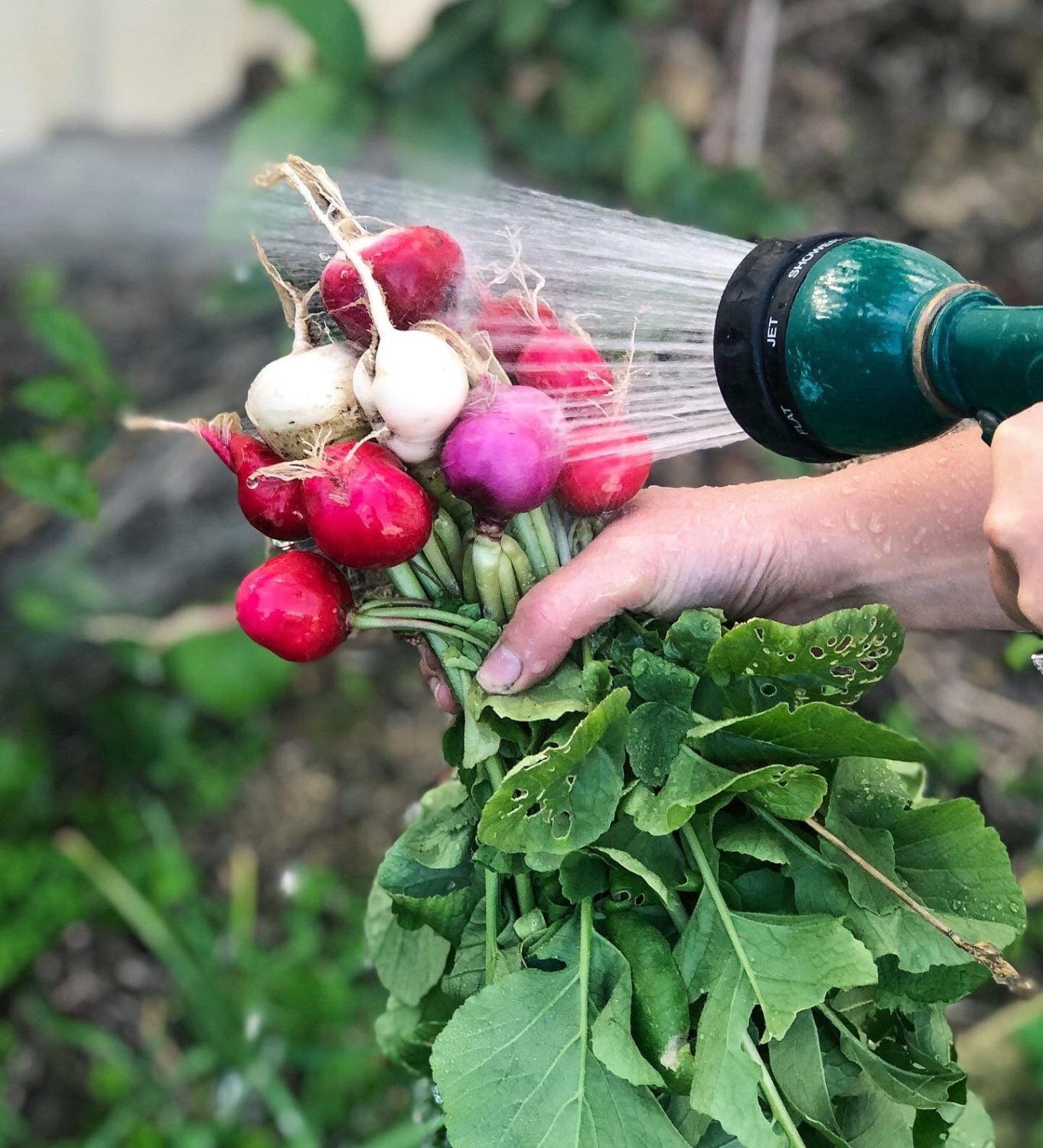
Radish is perfect if you want quick results. Some varieties go from seed to harvest in just 4 weeks, making them ideal for filling empty garden spaces while slower crops establish. They’re also one of my favourite crops for beginner gardeners because they give such fast rewards. If you are not a fan of radish, try roasting them! So delicious.
SOWING TIP: Sow radish frequently and in small batches rather than all at once for a continuous harvest. I sprinkle seeds in the gaps after I have planted in my large crops like cabbage and cauliflower.
ABUNDANCE TIP: Allow a few radishes to flower and go to seed. The young green seed pods are edible, and the flowers are loved by pollinators. Once the seed pods go brown, dry and crack open to release the radish seeds. The leaves are also edible and can be used in meals like soup, pesto or chimichurri.


Spring Onion
Spring onions are one of the lowest-maintenance crops I grow. They fit almost anywhere, handle cooler weather well, help repel pests and are incredibly useful in the kitchen. I usually scatter them throughout beds rather than planting in neat rows. They grow quickly and are much easier to grow here in Perth with our short, mild winters.
SOWING TIP: Direct sow spring onions densely around the gaps between larger crops to maximise small spaces throughout the garden.
ABUNDANCE TIP: Instead of pulling the whole plant out, cut above the roots and allow them to regrow multiple times.
Rainbow Chard and Silverbeet
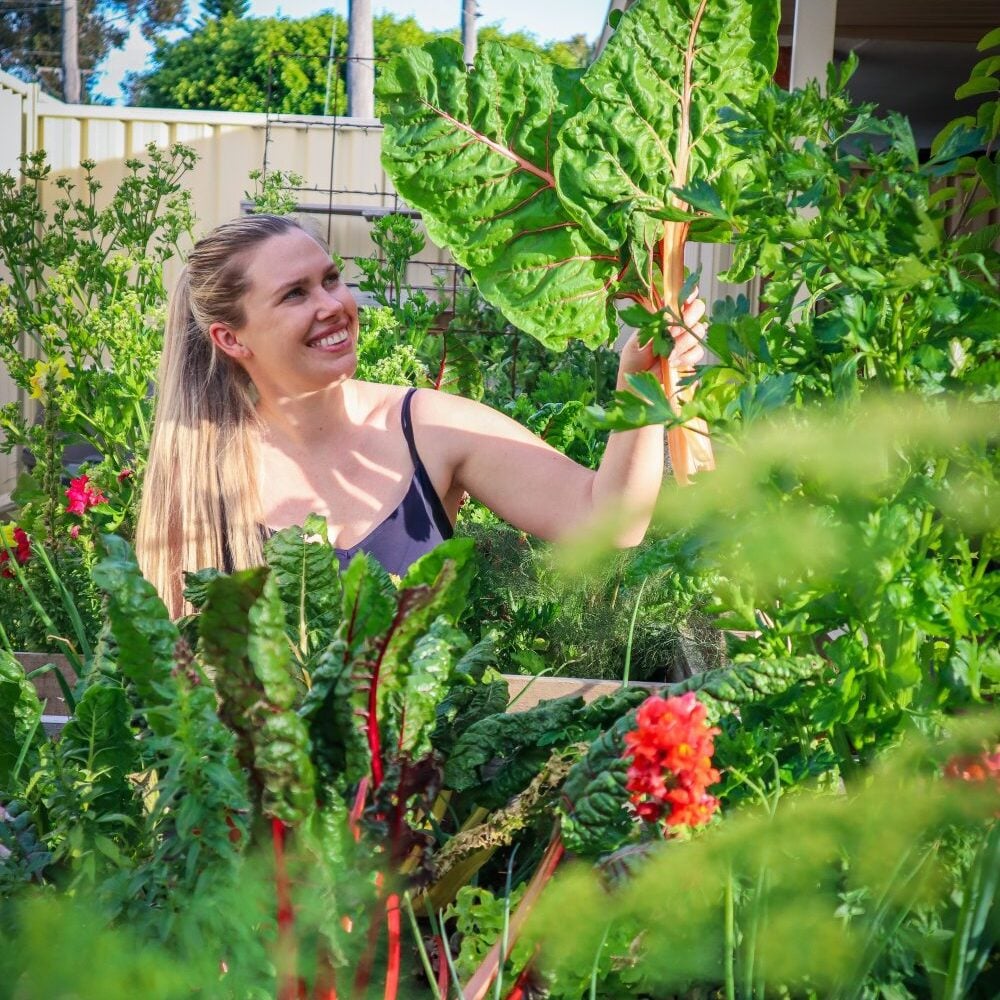
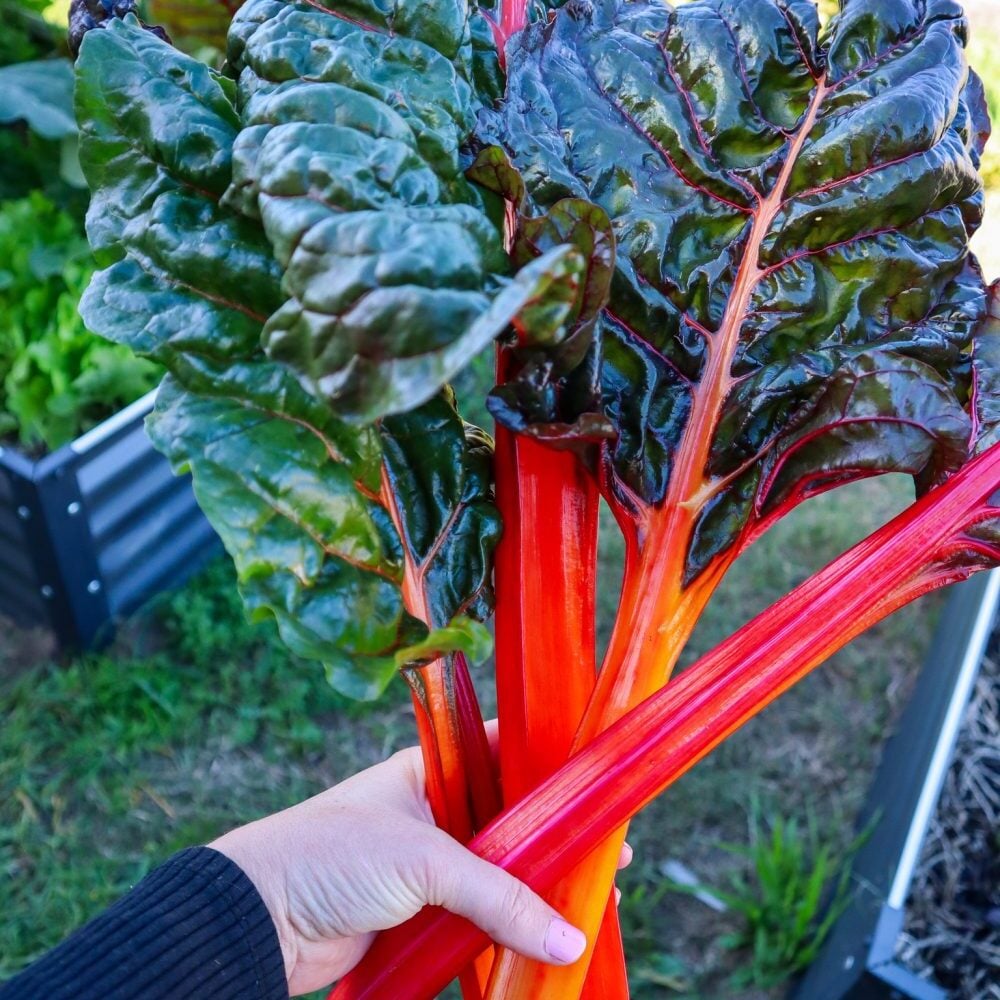
Rainbow chard is a staple must-grow in my autumn and winter gardens. I love the bright colours, and it provides continuous (generous) harvests through the cooler months. It’s one of those dependable crops that keep producing even when other plants struggle.
SOWING TIP: Give chard/silverbeet plenty of compost and regular water for lush leafy growth. Direct sow or seed trays, but I tend to direct sow mine.
ABUNDANCE TIP: Harvest outer leaves continuously instead of removing the whole plant. One or two healthy chard/silverbeet can feed you for months!
Asian Greens
Pak choi, bok choy, tatsoi, and other Asian greens thrive during autumn and winter when it cools down. They grow quickly and are perfect for succession planting. Early autumn in Perth can still be quite warm, plant asian greens mid-late autumn to reduce the chance of them bolting and going straight to flower.
SOWING TIP: Asian greens grow incredibly fast, so sow regularly every couple of weeks for constant harvests. Direct sow and seed trays, as they can be eaten by pests when they are little.
ABUNDANCE TIP: Cut with a sharp knife at the base instead of removing the whole plant, and they can regrow to get multiple harvests.
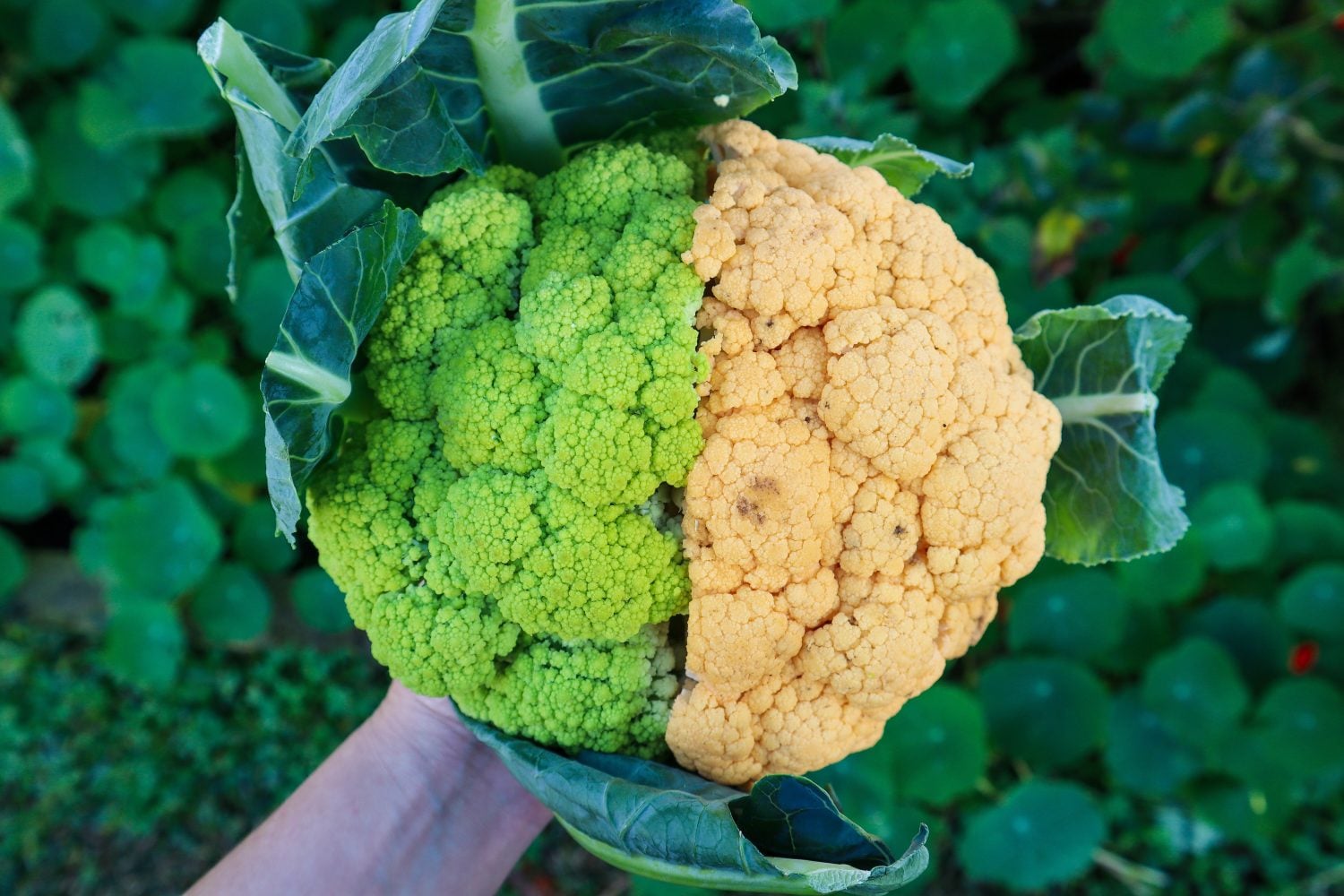
Cauliflower
Cauliflower can be a little slow and patience-testing at times, but autumn gives cauliflower the stable conditions it needs to properly develop. I love to grow the Purple Sicily variety for the bright colour it adds to the garden; it tastes good too!
SOWING TIP: Sow in seed trays and plant out seedlings in Autumn. Enjoy the soil has fresh compost as they are quite heavy feeders.
ABUNDANCE TIP: Don’t pull the whole plant out after harvesting the main head. Some varieties continue producing small side shoots, which give you extra harvests from the same plant. Plus, the leaves are edible too! Great for slicing into soups and stir-fries.
My Biggest Autumn Vegetable Gardening Tips for Perth
1. Plant Extra
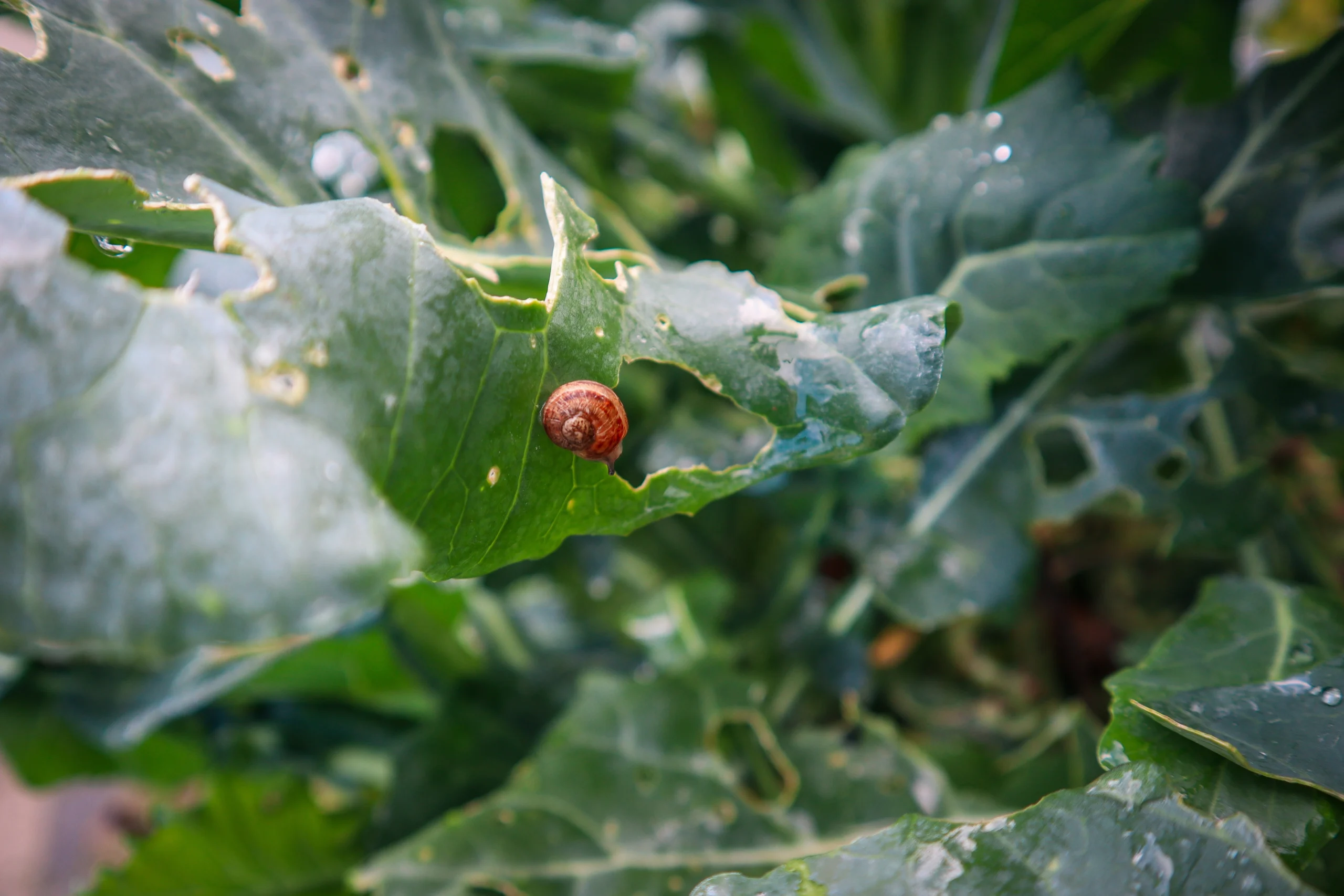
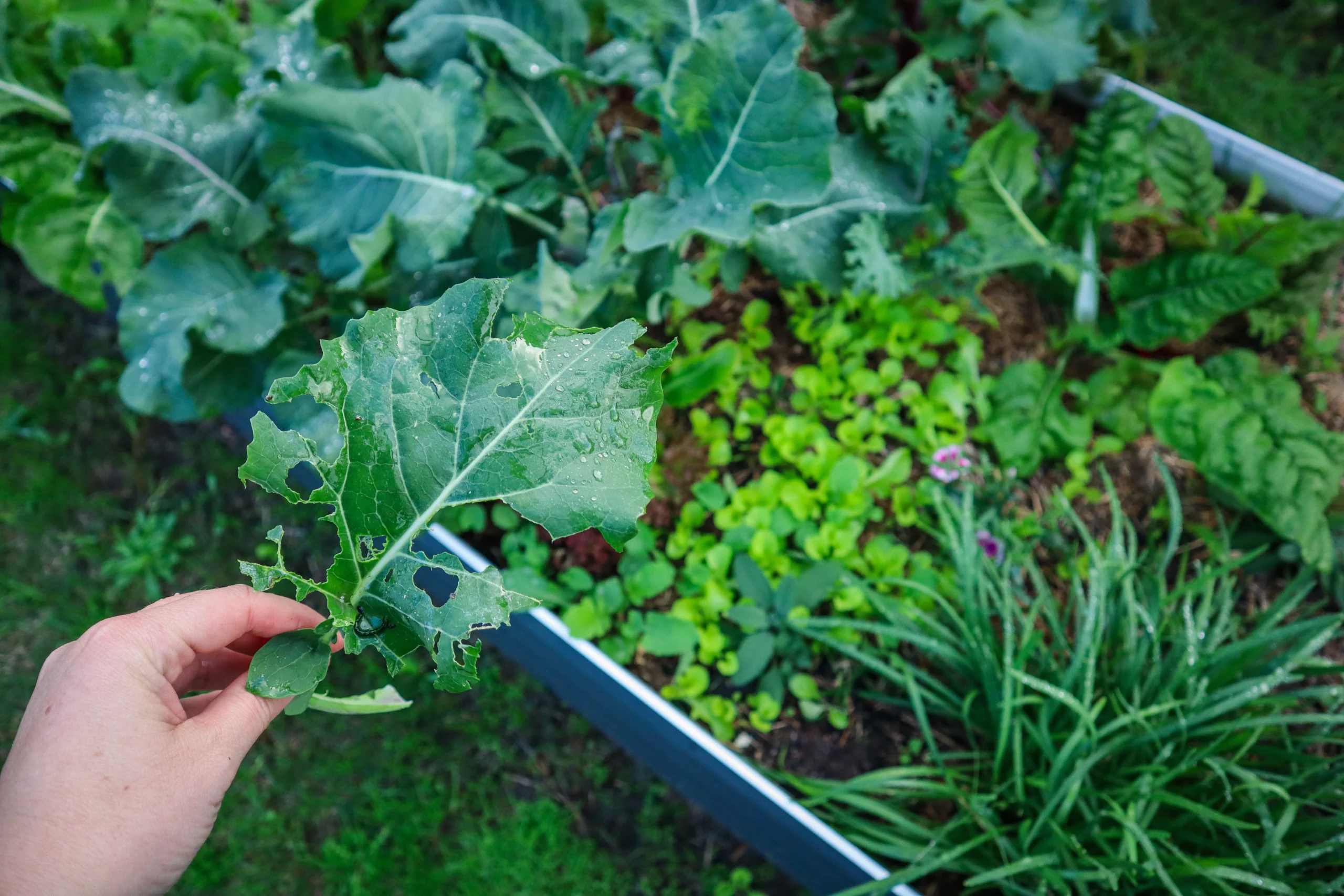
Sow a few rounds of seeds or seedlings as backups in case the pests get to them first. Slugs and snails are busy during the cooler months, and it’s best to hang all your hopes on a select few seedlings.
2. Focus on Soil Building
Early Autumn is the perfect time to add compost, worm castings, and organic matter back into tired summer beds.
3. Plant Little and Often
I usually pop a few seeds in for successional sowing or as backup reserves every couple of weeks, which creates more consistent harvests.
4. Don’t Rush Winter Crops Too Early
Even though it’s cooling down, early autumn days can still be quite warm in Perth. Timing matters. I would plant asian greens mid-late autumn to reduce bolting.
How to Stop Pests from Eating Your Seedlings in Autumn?
Over the last 10+ years, growing my own food here in Perth, I have tried many different techniques to reduce pest pressure during the cooler months. These are the most effective solutions I have found.
1. Used Coffee Grounds
This is really my number one secret weapon for stopping the slugs, slaters and snails eating my young seedlings!! I pick up bags of used coffee grounds from a local cafe for free – saves them going to landfill and makes a huge difference to my garden! Grounds that have been through a large machine with water are close to pH neutral. We also have naturally alkaline soil and water here in Perth, so if there was any slight acidity left, this would help balance that out. Apply small sprinkles over your seedlings.
NOTE: This does need to be regularly applied after any watering or rain. I usually just find the bigger chunks from the last application and re-crumble them on top.
2. Remove Lower Leaves
As your seedlings start to grow and get large enough that their leaves touch the soil. Start to remove the older leaves. The leaves that touch the soil act as a ladder for pests.
3. Plant Extra
In a natural garden, pests are totally normal! I would be more concerned if nothing wanted to eat your veggies! Plant extra so that you always have some backups available and more chance of getting a productive harvest.
🎥 A Look Around My Autumn Food Forest
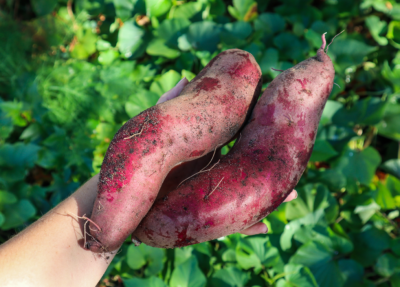
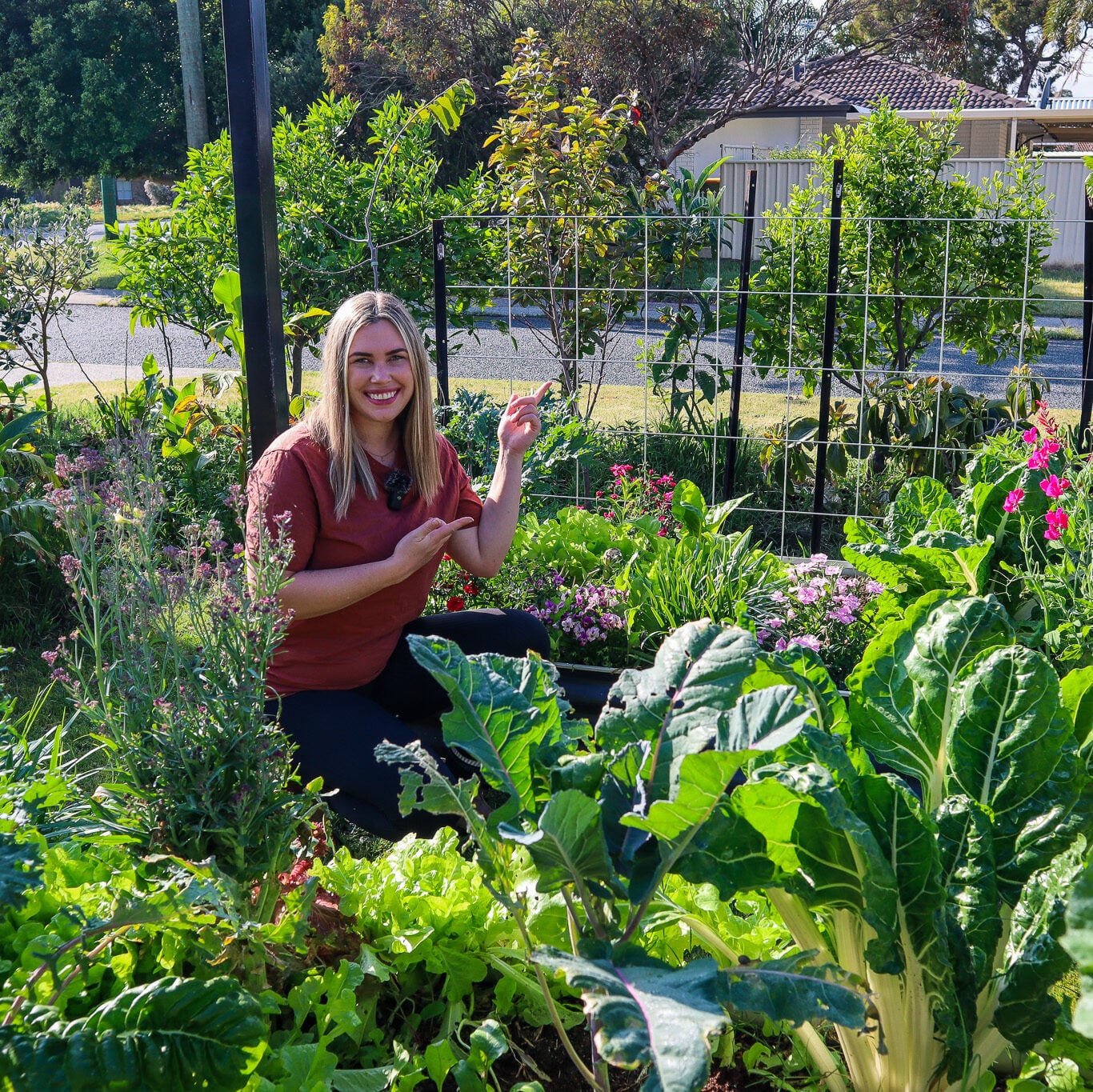
This season is honestly one of the busiest and most exciting transitions in the garden. The sweet potatoes are slowing down, new greens are filling the beds, and the entire space is shifting back into lush growth again after a crispy summer. There’s something really motivating about seeing fresh seedlings establish quickly after months of struggling through heatwaves 😅
If you’d like to see exactly what’s happening in the garden right now, I shared a full autumn garden tour here:
Autumn gardening in Perth truly is one of the best times to grow food. The combination of warm soil, cooler air, and reduced plant stress creates incredible growing conditions for so many vegetables. Whether you’re starting a new garden, refreshing old beds, or simply trying to grow more food at home, this is such a rewarding season to lean into.
Start with a few vegetables that thrive in cooler weather, focus on building healthy soil, and let the garden evolve season by season 🌿
Happy Gardening,
Holly 🌱