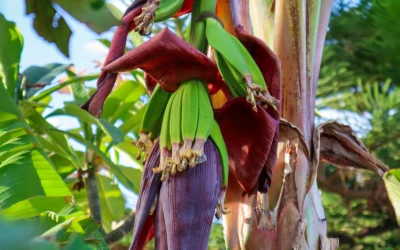
20 Fast-Growing Fruit Trees and Plants for a Productive Edible Garden

20 Fast-Growing Fruit Trees and Plants for a Productive Edible Garden

Don’t want to wait for homegrown fruits? Plant these 20 fast-growing fruits for quick harvests!

When you’re starting a food forest or edible garden from scratch, it can feel like the SLOWEST waiting game for your fruit trees to grow and start producing fruit…or just survive their first few summers!! That’s why I love planting fast-growing, early-yielding fruits and perennials that bring quick shade, soil life, and harvests while the slower long-term trees mature.

After 10+ years of gardening in a hot climate like Perth, I’ve learned that success comes down to three simple things:

🌿 Plant densely
🌿 Focus on perennials
🌿 Grow living shade

Because when plants are left exposed and spaced too far apart, they struggle. But when you fill your garden with layers? Everything grows faster, healthier… and with far less effort. And what do I mean by fast? Fruiting within 12 – 24 months!

This guide is based on what I grow in my urban food forest here in Perth, Australia, which is a zone 10b.

Why Fast-Growing Fruit Trees Matter in a Food Forest

In a natural system, bare soil doesn’t last long. Something will always move in to cover it, whether that’s grass, weeds… or plants you actually want. Fast-growing fruiting plants act as your “in-between” layer while your main trees establish.

They help to:

  • Shade the soil and reduce water loss
  • Protect young trees from harsh sun and wind
  • Feed the soil through leaf drop and chop-and-drop
  • Attract pollinators and beneficial insects

Think of them as your support system…not just quick fruiting plants (but yay bonus!). Many of these are temporary or short-term plants in your garden.

You can:
👉 Chop them back
👉 Take cutting or seeds, then move them
👉 Or remove them completely

…once your long-term trees take over.

20 Fast-Growing Fruit Trees and Plants for Quick Harvests

These fast-growing fruit trees and plants are perfect for filling space in a young food forest while your long-term trees establish. Many will start producing within the first year or two, while also helping to create shade, build soil, and support the overall system. Some will become permanent features in your garden, while others can be pruned, moved, reproduced, or replaced as your space evolves.

1. Banana or Plantain (Musa spp.)

I LOVE growing Bananas in my edible garden. Bananas create an instant canopy and lush tropical vibes within months. They love warm conditions, and their large leaves provide shade, living mulch, and plenty of biomass for chop-and-drop. With the right moisture and feeding, you can harvest fruit within 12–18 months of planting.

I prefer to grow smaller dwarf varieties (dwarf ducasse, dwarf red dacca, and dwarf cavendish) that produce quicker and don’t grow as tall to get damaged by the wind. My plantain Bananas (Pacific Plantain) took exactly 2 years for their first bunch, but that clump will produce much faster now that there is an established rhizome.

2. Papaya (Carica papaya)

Papayas are your value-for-money fast-growing fruit! They start producing quickly, often producing ripe fruit in just 9–12 months from seed. They produce A LOT OF FRUIT on a single plant, and you can regrow 100s more from the seeds. I have grown all mine from seed!

The fast, upright growth provides light shade for young understorey plants. Perfect for filling sunny gaps while your long-term trees mature. I call these my umbrella plants! And having umbrella plants for a HOT SUMMER here in Perth is crucial! Plus, you can eat the fruits green like a vegetable or ripe as a fruit. I have found the key to success with Papaya is strength in numbers.

Planting from seed means you may get bisexual, female, or male plants. They can also be fickle and die off over winter, so having more options means you have backup.

3. Tamarillo (Solanum betaceum)

These fast-growing fruit trees will produce in as little as 12- 18 months and adds a splash of colour with their vibrant red or golden fruit.

Tamarillo isn’t a fan of super hot sun and is best as a middle layer – so it’s great to grow under the dappled light or larger trees such as Mulberry or Banana. Or if you have a shady part of the garden and you are not sure what to grow! I also grow these from seed so that I can have backups.

They are very easy to grow from seed, just like their family members – the tomatoes. Cold snaps or extreme heat can kill off plants quickly. Tamarillo is also known as the tree tomato. Their tart fruits can be eaten fresh and are delicious with ice cream, yoghurt or in an apple crumble! They can also be used savoury in fresh chutneys and sauces. I love growing fruits that can be used in both sweet and savoury dishes. This helps a food forest be twice as productive!

4. Mulberry (Morus spp.)

Mulberries are absolute powerhouses of rapid growth and heavy yields, and are perfect for planting over chicken coops. They grow easily from cuttings and often fruit in their first season.

Mulberries fruit in Spring, which can be a lean time for fruits. Their broad leaves create valuable summer shade. Mulberries are deciduous, so they drop their leaves in winter for lots of garden mulch. As a result, they are often grown next to animal paddocks and chicken coops to offer summer shade and a bonus food source.

🚨 Mulberries do grow rapidly and have large, vast root systems, which can be hard to maintain in a small urban garden. I have used these as quick shade to help my gardens establish and then removed within 2 years (not easily with large roots!).

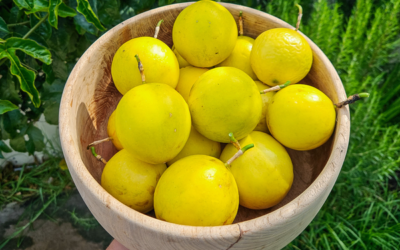
5. Cape Gooseberry (Physalis peruviana)

quick win for any garden, these fruit in as little as 4–6 months from seed. Cape Gooseberry self-seeds, is easy to grow, and thrives in hot, dry climates. They produce golden, tangy berries that are perfect for snacking or jam-making. But…mostly, they don’t make it out of the garden! The plants are compact and usually stay under 1m tall.

6. Passionfruit (Passiflora edulis)

Passionfruit are rapid growers! Racing up fences and trellises to provide privacy and summer shade. If you purchase a plant from cuttings (most store-bought are from cuttings) they can fruit in their first summer, if not the second!

Seed grown will usually be 2-3 years to fruit. Passionfruit are ideal for utilising vertical space to grow more fruits. There are many different varieties, and having different types can extend your season.

I always suggest AVOIDING GRAFTED VARIETIES. Especially here in Perth. They are not needed, and the rootstock can easily get away from you and send up suckers 100s of metres away.

7. Barbados Cherry / Acerola (Malpighia emarginata)

A fast, compact shrub that usually fruits in the first year from cutting grown. Producing bright red berries packed with vitamin C and can produce multiple sets of fruit throughout the year. Drought-tolerant once established and great for small gardens or food forest edges.

A great option for a tropical cherry-like fruit in warm climates. They have beautiful pink flowers that are amazing for attracting pollinators, too. They are easy to grow from cuttings to add in hot spots of your garden to get quick shade and fruit!

8. Brazilian Cherry (Eugenia uniflora)

This tough, evergreen shrub grows quickly, and with glossy, dense leaves, it would make a beautiful edible hedge. Fruits within 1–2 years, often multiple times a year in warm climates. The deep red fruits are tart-sweet and a magnet for birds and bees. It can also be grown as a middle-layer shrub. They grow easily from seed or cutting to multiply throughout the garden.

9. Guava (Psidium guajava & Psidium cattleyanum)

A resilient, quick-establishing fruit tree that’s highly productive within 1–3 years. Guavas handle pruning well, making them easy to shape for compact gardens. They are hardy, and their dense canopy provides valuable shade and leaf litter for mulch. Great for making smoothie bowls or fruit leather!

🚨 In some states and countries, Psidium cattleyanum (cherry guava) self-seeds easily and is spread by birds and are considered a pest. That is not the case here in Perth, but check with your local biosecurity.

10. Feijoa / Pineapple Guava (Acca sellowiana)

This Kiwi’s favourite fruit! Feijoas are both ornamental and edible with silver-green foliage, stunning flowers, and delicious autumn fruit. The KEY is choosing a named variety/ grafted variety for quality fruit that starts producing in the first year.

Feijoas are fast to establish and low-maintenance, and they make excellent edible hedges.

They are also said to have fire-retardant qualities. Usually, they fruit abundantly within 2–3 years. I prune these back by 1/3 each year to create mulch for my garden. The seedling “generic” ones can take more like 5-6 years to fruit.

11. Loquat (Eriobotrya japonica)

A hardy evergreen and fast-growing fruit tree (especially grafted trees). Loquats flower in late winter and fruit in early spring, bringing colour and food in an “in-between” time. Their lush canopy and year-round foliage make them excellent habitat trees.

They do grow very quickly and very large, so they can be hard to maintain in an urban garden. I’m growing mine in a pot, but it would be best to keep them small and well-pruned so you can bag or net the fruits. The fruits are sweet and taste kind of like a mix of pear, mango and apricot!

🚨 In some states and countries, they self-seed easily and are spread by birds and are considered a pest. That is not the case here in Perth, but check with your local biosecurity.

12. Fig (Ficus carica)

Few fruit trees grow faster and produce more than figs. They can bear fruit in their second year and love hot, dry conditions. Their dense canopy provides shade in summer, and being deciduous, their leaves provide organic matter.

One thing that surprised me about figs is the huge range of flavours with different varieties. From the sweet, honey-like yellow figs to the strawberry jam flavours. SO MUCH BETTER than any store-bought fig. Figs also grow well in pots and containers for urban gardens. They can have very strong root systems, so it is important to consider that when planting. Avoid planting them close to structures or pavings.

13. Ice Cream Bean (Inga edulis)

A nitrogen-fixing, fast-growing fruit tree that grows incredibly fast, adding instant shade and biomass. They produce long, sweet pods filled with cottony, vanilla-flavoured pulp. Ideal as a pioneer species to improve soil fertility, create quick shade and microclimates. Ice-cream beans are fast growers and can grow to 8m, so they can be better suited to those with plenty of space or who are happy to regularly prune for garden mulch.

14. Strawberry (Fragaria × ananassa)

A classic quick win for any edible garden! Strawberries fruit within months and spread easily to fill bare soil. Perfect as an edible groundcover or on the edges of your garden beds. They help to shade the soil and retain moisture. Their flowers attract pollinators and their fruit… make the best garden snacks! 🍓

15. Dragon Fruit (Hylocereus spp.)

A fast-growing climbing cactus that can start fruiting within 1–2 years in warm climates. It’s perfect for growing vertically on a trellis, fence, or post, helping you maximise space in a young food forest. Dragon fruit comes in many colours and flavours, making it a collector’s dream! It is important to have a sturdy trellis ready for these fast growers.

16. Rosella (Hibiscus sabdariffa)

A fast-growing tropical plant that produces edible calyxes within just a few months. Rosella thrives in warm climates and is perfect for teas, syrups, and jams, adding both colour and diversity to your garden. It also grows into a productive, shrubby plant that helps fill space and build biomass. Part of the hibiscus family it is both ornamental and edible!

17. Melons (Watermelon, Rockmelon, Honeydew)

Melons are fast-growing, sprawling plants that can produce fruit within a single season. They quickly cover bare soil, helping to suppress weeds and retain moisture while your garden is still establishing.

In hot climates, they thrive with plenty of sun and make a rewarding, high-yield addition to summer gardens. You can also grow melons vertically to save space and add more shade to your summer gardens.

18. Blackberries / Brambles (Rubus spp.)

Blackberries are vigorous, fast-growing brambles that can produce fruit within their first or second season. They spread easily and can quickly fill vertical space along fences or trellises, creating a productive edible barrier – it is important to grow them in contained beds. While they can be a bit wild if left unmanaged, regular pruning keeps them productive and makes harvesting much easier. If you choose a thornless variety like “Chester” or similar, they do not sucker or send runners as vigorously as the traditional blackberries.

19. Lemonade Tree (Sweet Lemon Variety)

A lemonade tree is a great option if you want a citrus that produces in abundance at a young age! and more reliably in warm climates. These sweet, low-acid lemons can often fruit from a young age, especially when grafted, and are incredibly productive once established. They also add structure to your garden while still giving you relatively quick harvests compared to other fruit trees.

20. Pepino Melon (Solanum muricatum)

This low-growing perennial fruits within months, producing juicy, melon-flavoured fruit. It’s perfect as an understorey groundcover or filler plant in young gardens. Quick to root from cuttings and thrives in partial shade beneath taller trees.

🚨Here in Perth, they are a host plant to spider mites (that thrive in hot, dry climates), so always be wary when purchasing them and keep an eye out in your garden. Unfortunately, they are no longer something I grow due to this, but I do love them!

Fast-Growing Fruit Trees Are the Key to a Thriving Food Forest

If you’re starting a food forest, it’s easy to feel like everything is taking too long, but the secret isn’t to wait…. It’s to plant your way through that waiting period.

Fast-growing fruit trees and plants aren’t just about quick harvests; they’re about building a system that supports itself over time. They create shade, protect your soil, and help your long-term trees establish faster, and before you know it, what once felt slow starts to become abundant, layered, and productive.

The key to success in my high-density gardens is to give my long-term crops, such as Mango and Avocado, the most amount of space. Then I go in with these fast-growing fruit trees and plants so that I can offer shade and protection, as well as eventually mulch when I prune them or chop them out completely.

I hope this list offers you some ideas and inspiration to add to your garden for some quick wins! Are you growing any of these in your garden? I would love to know.

Happy Gardening 🌱

Holly

What Edible Plants to Grow for Mulch and Improve Sandy Soil

What Edible Plants to Grow for Mulch and Improve Sandy Soil

Gardening in sandy soil can be a challenge, especially in hot, dry climates. Sandy soil drains quickly, lacks nutrients, and struggles to retain moisture. However, by choosing the right plants, you can naturally improve soil health while also growing food. In this post, I’ll share five of the best plants to grow for mulch and improve sandy soil, all of which are fast-growing, drought-tolerant, and multi-functional. These plants help build organic matter, retain moisture, and create a thriving ecosystem in your garden.

Pigeon Pea (Cajanus cajan)

Pigeon pea is a nitrogen-fixing shrub that grows quickly and thrives in poor soil conditions. This makes it an excellent pioneer plant for mulching to improve sandy soil and support other plants in your garden.

Benefits of Pigeon Pea:

  • Fixes nitrogen, enriching the soil naturally
  • Produces edible, protein-rich peas
  • Attracts pollinators and beneficial insects
  • Provides dappled shade for smaller plants
  • Offers abundant biomass for mulch and soil improvement
  • Works as a windbreak and shelter for small birds and insects

Pigeon pea is a short-lived perennial (4-5 years) and can be used to establish a garden while building soil fertility.

Edible Canna (Canna edulis)

Edible canna is a fast-growing, low-maintenance plant that produces starchy, edible rhizomes and large leaves perfect for mulching.

Benefits of Edible Canna:

  • Edible tubers can be eaten raw, cooked, or made into crispy chips or flour
  • Young shoots can be eaten as a nutritious green vegetable
  • Dense growth provides wind protection and shade
  • Attracts pollinators with its red flowers
  • Grows well in poor soil with little water
  • Chop-and-drop plant for organic mulch
  • Helps stabilize soil and prevent erosion

Edible canna is ideal for hot, dry climates and will quickly improve the organic matter and moisture retention of sandy soil.

Banana (Musa spp.)

Bananas are one of the best plants for improving sandy soil and creating a moist, nutrient-rich microclimate.

Benefits of Bananas:

  • Fast-growing with large leaves that provide valuable shade
  • Produces nutrient-rich mulch when chopped and dropped
  • Helps retain moisture in sandy soil
  • Improves soil structure by breaking down organic matter quickly
  • Provides delicious fruit for home gardens

Bananas are heavy feeders, so they benefit from compost, manure, or worm castings. Plant them in groups to create a thriving, moisture-rich ecosystem.

Feijoa (Acca sellowiana)

Feijoa, also known as pineapple guava, is a hardy shrub that thrives in drought-prone and sandy soil conditions.

Benefits of Feijoa:

  • Tolerates drought and poor soil
  • Produces delicious, fragrant fruit
  • Provides dense foliage for wind protection
  • Low-maintenance and easy to grow
  • Can be used as a hedging plant to protect other crops

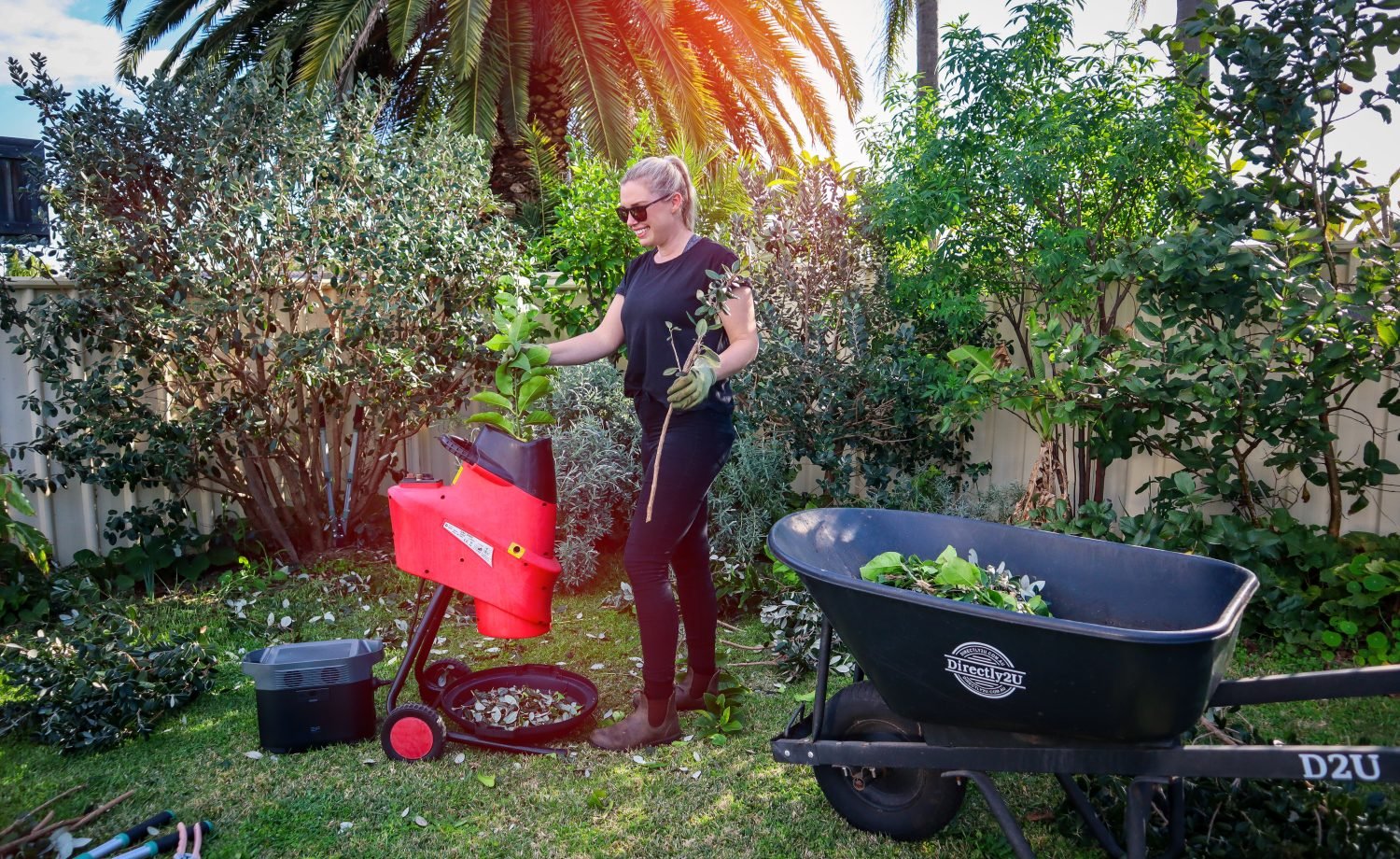
Feijoa is an excellent addition to sandy-soil gardens, offering both food and improved soil structure. They grow so much each year, which provides a consistent supply of green material to mulch. This is currently my top producer for mulch in the garden, and I use a mini mulcher with the Ecoflow battery pack to give me cordless solar power anywhere in the garden.

Cassava (Manihot esculenta)

Cassava is a tough, resilient root crop that thrives in hot, dry climates and nutrient-poor soil.

Benefits of Cassava:

  • Grows well in sandy, well-draining soil
  • Produces large, starchy tubers that can be boiled, fried, or made into flour
  • Fast-growing, reaching 2-3m tall in one season
  • Drought-tolerant once established
  • Leaves are edible when cooked
  • Chop-and-drop plant for mulch and soil improvement
  • Helps prevent soil erosion with its strong root system

Cassava is an excellent survival crop that helps build soil health and provides a reliable food source.

Mulching for the win!

If you’re gardening in sandy soil, these five plants to grow for mulch will help improve organic matter, retain moisture, and build long-term soil fertility. By growing multi-functional, fast-growing plants, you can create a thriving, resilient garden—even in harsh conditions.

Never Lose Power Again! ⚡ My Go-To Solar Battery Pack for Gardening

Watch the full video for more info on mulching

Don’t forget to like and subscribe for more gardening tips! 🌱

Links included in this description might be affiliate links. If you purchase a product or service with the links that I provide I may receive a small commission. There is no additional charge to you! Thank you for supporting my blog so that I can continue to provide you with free content.

Are you growing any of these plants? Let me know in the comments! And if you found this helpful, share it with fellow gardeners.

Happy gardening!
Holly 🌿

Dried Banana Peel Fertilizer

Dried Banana Peel Fertilizer

Turn leftover Banana peels into a natural dried banana fertilizer to grow an abundance of fruit and vegetables.

My name is Holly and I am on a mission to create a self-sufficient edible garden in my suburban property. I am converting grass into thriving urban permaculture gardens.

It’s important to reduce the amount of organic matter going to landfills because when it does go to the landfill, it is piled up and starved of oxygen. This process is not conducive to breaking down our scraps and they end up producing methane gas, which is not good for our environment. That’s where composting and turning our scraps into natural fertilizers not only boosts the health and production of our gardens but is also better for our planet.

Watch how to make Dried Banana Peel Fertilizer

Which plants will benefit the most from banana peel fertilizer?

Banana peels have potassium which is an essential nutrient for promoting more flowers and fruit on plants. Prioritize your dried banana peel fertilizer on your flowering plants such as Pumpkin, squash, capsicum, and fruit trees. Promoting flowers will offer more chances of fruit!

Having potassium on hand can help when you have deficiencies in the soil. Potassium deficiency can show as leaves turning yellow one falling off especially the older leaves.

If you are growing your own bananas and you get to harvest the fruit, then you can use your peels to feed the plants and create your own fully self-sufficient gardening system!

You can also make a banana peel fertilizer by soaking the peels in water. I talk more about that on my video about 15 natural fertilizers so definitely check that out for more ways to turn your homegrown produce into fertilizers to grow more of your own food.

How to make dried banana peel fertilizer?

To make dried banana fertilizer take your banana peels and lay them out on a tray to dry. You want to keep them somewhere warm and dry until they turn black and crispy. Natural Sunlight is great and will take 1-2 days to dry depending on the temperatures. You could also use a dehydrator to remove the moisture.

Chop the peels up a little to help speed up the drying process. Remove the ends and compost them as these will take a lot longer to dry.

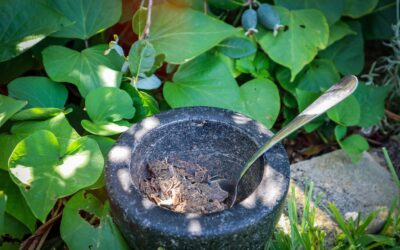
Then once they are completely dry and crumbly. Crush them up into a powder using a mortar and pestle or a coffee grinder/spice grinder.

Sprinkle a couple of TBSP around your fruit and veggie plants. It’s that easy! You can also add 2 TBSP to a jar of water and mix to pour around your plants.

How to Grow Bananas – The Ultimate Garden-to-Plate Guide

How to Grow Bananas – The Ultimate Garden-to-Plate Guide

banana

How to Grow Bananas

Learn tips and tricks on how to grow bananas and get abundant harvests. Bananas (Musa) are fantastic permaculture plants because they have so many uses both in the garden and the kitchen. Bananas are in fact, a perennial herb, not a tree. The bananas grow from a stalk that emerges from the centre of the banana palm.

Bananas come in both full-size and dwarf varieties, allowing you to grow them in both large and small space gardens. Plus, you just can’t beat the flavour of homegrown bananas!

Quick Tips on How to Grow Bananas

PLANT

Spring and Summer.

SOIL

Rich fertile compost and well-drained soil. Mound soil up.

LOCATION

Full sun. Protection from harsh winds.

CARE

Water and feed regularly.

FERTILISE

Feed with compost and with liquid seaweed fertiliser.

PESTS

Rodents may attack the fruit. Root rot in wet soils.

HARVEST

9 months +

REPRODUCE

Small “pups” form at the base of the main trunk.

Why Grow Bananas?

Bananas are quick-growing and have many beneficial relationships within the garden. Once you know what conditions bananas thrive in, they are easy to grow.

Here are some of the many reasons to grow Bananas:

  • Easy to grow
  • Provide shade
  • Reduce soil erosion
  • Leaves used for platters and plates
  • Fibres for weaving
  • Bananas are high in potassium
  • Vitamins A,B and C
  • Great for baking
  • Green matter for composting and mulching gardens
  • Feed and bedding for animals
  • Banana skin fertiliser

Ladyfinger– Popular backyard banana. Small, sweeter fruit. Don’t turn brown once cut. Plant size 2-5m tall.

Gold Finger‘ – Cross between ladyfinger and Cavendish. High wind resistance. Quickest to fruit. Plant size 2-5m tall.

Cavendish – Williams’ – Medium-sized bananas. Popular variety. Thin peel and creamy texture. Plant size 2-5m tall.

Blue Java – Cold-tolerant variety. Known as the ice cream bananas due to their creamy texture. Plant size 2-5m tall.

‘Red Dacca – Dwarf sized plant. Deep maroon-red peel when ripe. Plant size 2.5m tall.

‘Dwarf Cavendish’  – Smaller version of the Cavendish. Ideal for pots or urban gardens. Plant size 1m tall.

‘Dwarf Ducasse – Dwarf sized plant. Known as the sugar banana due to sweetness. Plant size 1-2m tall.

‘DPM 25 – Variety of Cavendish developed to resist Panama disease. Plant size 2-5m tall.

How to Grow Bananas?

Bananas like warm, sunny, sheltered areas. Choose a full sun location with at least 6 hours of sunlight a day. Bananas can be damaged by extreme heat, so in some places like Perth, semi-shade may also work well. Bananas are grown from small plants or “pups” so check out which varieties you want to grow and visit your local nurseries. Due to the spread of diseases, there are restrictions in Australia around swapping and trading bananas. Bananas are heavy feeders, so make sure you add lots of compost and composted animal manure into your soil. Make a mound around the base so that the water drains off and the banana has plenty of food.

In permaculture design, bananas are often grown in a banana circle. This way you can add piles of compost, mulch and plant matter to break down and feed all the plants around the circle.

Papaya and root crops such as turmeric and ginger are often planted alongside the bananas to utilise the space. They are also heavy feeders, so make sure there is plenty of compost and plant matter around them. Bananas grow quickly and can be great for preventing soil erosion on sloped blocks.

When to Plant Bananas?

Plant Bananas during the warmer months of spring and summer.

Care/ Maintenance for Bananas

Banana plants are made up of a high percentage of water so they do need adequate moisture to grow. They just don’t like having soggy roots. Well-draining, fertile soil with plenty of mulch or cover crops will help retain moisture. Bananas want all THE FOOD so regularly feeding of compost, natural fertilisers and mulch can help your bananas thrive. The leaves will get damaged by winds and turn brown. You can cut these off and lay them at the base of the plants to return nutrients back into the soil.

Pollination/ Fruiting

Bananas first send up a short leaf about half the size of normal, closely followed by the “flaf leaf”, this is a sure sign a flower is on the way! The flag leaf is short and grows straight upwards. Bananas send up a flower through the centre of the plant on a spike called the inflorescence. The flowers will have both male and female so you do not need multiple plants for pollination to occur. Once the bananas form, you may need to add support to the bunch to stop the weight from pulling the whole tree down. This will depend on the size and strength of the plan,t and also if you have strong winds or storms.

The small bananas will start to form facing downwards. Once they turn upwards over a few days, it may be beneficial to cover the bunch with a bag. This protects the bananas from birds, bats and other insects.

How to tell when bananas are ready to harvest?

The bananas will ripen off the plant if you harvest them at the right time. You want to wait until the bananas start to be more round and less angular. Or wait until the first banana goes yellow, then they will be ready to harvest. You can harvest each “hand” of bananas as they start to ripen, or you can remove the whole bunch and hang it somewhere dark, dry, warm and protected to ripen off the tree. Under a patio or veranda is always a good option.

Bananas only fruit once from each single plant. Once your bananas are ready, you can chop the entire plant down. Cut this up and add to your banana patch as mulch to break down and add nutrients back into the soil.

Pests / Disease

Bananas can be prone to diseases, and due to our high commercial crops here in Australia, there are regulations to help stop the spread of diseases. This includes only purchasing plants from trusted nurseries and not swapping and trading plants around the community.

Bananas are popular among many pests such as birds, bats, rats and fruit flies. Covering the bunch with a banana bag or a recycled plastic bag can help reduce the risk of losing your delicious crop.

How/ When to Harvest Bananas

Bananas will be ready to harvest when they:

  • Are light green to yellow
  • Have no harsh angles but are rounded and smooth
  • The flower remnant at the ends of each banana comes off easily
  • Cut the stalk with at least 20cm at the top to hold and hang
  • Cut the whole tree down as it will die anyway, and use for mulch
  • Remove the ripe bananas and hang the main bunch up somewhere cool and dark to continue ripening.
  • The purple blossom end is also edible. Remove the hard outer leaves to reveal the soft pale centre.

Note:

  • Remove the bag for hanging and ripening purposes, or they will ripen too quickly.
  • Ensure they are hung somewhere that pests cannot get to them.
  • Bananas can be picked when they are still green to use as a savoury “potato” substitute.

Reproducing Bananas

Bananas have been cultivated to have no seeds for optimum eating. The best way to reproduce bananas is to dig up the small suckers or “pups” that start growing from the base of the main stem. Look for suckers that are at least 30cm tall and have narrow, sword-like leaves. The broadleaf suckers will still grow, but have smaller root systems as they rely on the main plant for water. Use a sharp blade or spade to detach and dig up the side sucker.

banana

Cooking and Using Bananas

Bananas are super versatile and can be used for both sweet and savoury dishes. The banana leaves can also be used as a substitute for baking paper to steam and infuse flavours into meals. This technique is often used for steaming fish or rice. Banana leaves also make great natural platters, plates and serving dishes. Simply compost them after!

Banana pairs well with: Citrus, Strawberry, Coconut, Papaya, Coffee, Caramel, Peanuts, Lemon, Blueberry, Chocolate, Cinnamon, Bacon, Honey, Mango, Pineapple, Guava, Vanilla, Walnut

Banana ideas:

  • Frozen for smoothies
  • Fresh in fruit salads
  • Banana bread
  • Muffins and cakes
  • Banana tart
  • Banana pancakes
  • Hot sauce base
  • Custard

Preserving the Harvest

Bananas produce in huge abundance and can ripen quicker than you can eat them. Freezing and dehydrating bananas is a quick and easy way to get the most out of your harvest. Below are a few ways to utilise your ripe bananas:

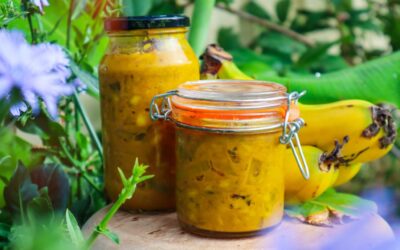
  • Chutney and Relish
  • Frozen pieces – great for smoothies, milkshakes and baking.
  • Dehydrated chips
  • Jam, butter and chutney
  • Dried and powdered for flavouring
  • Baked goods are then frozen
  • Banana Peel Fertilizer

More Banana Posts

Other Grow Guides