Beginners Guide to Edible Flowers

Beginners Guide to Edible Flowers

Edible flowers offer so many beneficial relationships within a home garden. When creating a sustainable permaculture garden, everything should have multiple functions and uses. The more the better! Edible flowers not only look beautiful, but they also aid in pollination, provide food and habitat to beneficial insects for pest management, add diversity to the soil and provide food, and in some cases, offer medicinal qualities for us.
Without adequate pollination, crops may be smaller, less abundant or may not produce at all. So, it is important that we attract pollinators to our gardens to increase yields along with the quality of produce.

Note: not all flowers are edible. Make sure you identify them correctly. Do not eat flowers from florists or areas unknown, as they may have been sprayed with pesticides. The safest option is to grow your own.

Why Grow Edible Flowers?

  • Attract beneficial insects to your garden for natural pest management
  • Attract pollinators to increase harvests
  • Create diversity in the garden
  • Add colour and aesthetics to your garden
  • Have subtle, delicate flavours
  • Add nutrients to your meals
  • Living ground cover to protect the soil
  • Have medicinal qualities
  • Create beautiful aesthetic dishes

How to Harvest Edible Flowers?

Pick your edible flowers in the morning but after the sun has come up. First thing in the morning the flowers will still be closed, so wait until they fully open up. They will be at their best in the morning, full of life and well-hydrated. If you are serving them fresh, pick your edible flowers as close to serving time as possible. Otherwise, place stems in a jar of water or keep in a moistened towel somewhere cool.

Read How to Preserve Edible Flowers – click here

A-Z Top Edible Flowers

Flowers for the bees

Borage

Borago Officinalis

Sow Spring to Autumn

  • Edible flowers
  • Great living ground cover to protect the soil and drop leaves for added nutrients
  • Very popular with the bees!
  • Great for salads and cocktail garnishes

best edible flowers

Calendula

Calendula officinalis

Sow Spring to Autumn

  • Edible petals and leaves (leaves are a bit bitter)
  • Medicinal properties
  • Attracts pollinators
  • Often used as natural dye
  • Vibrant coloured edible petals that look striking as garnishes.

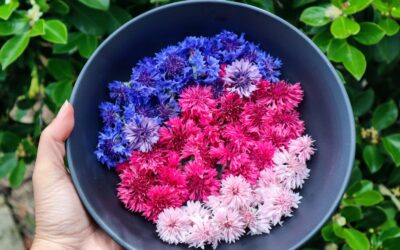
Cornflower

Centaurea Cyanus

Sow Spring & summer

  • Edible petals – no flavour
  • Great living ground cover to protect the soil and drop leaves for added nutrients
  • Attracts pollinators
  • Dry the petals and use as cocktail garnishes or floral salt, tea anything really they are amazing!

chive

Chive Flowers

Allium schoenoprasum

Sow Spring to Autumn

  • Edible flowers (mild chive flavour) and leaves
  • Press the petals or let them dry naturally to use throughout the year
  • Great for pollination
  • Culinary herb – try infusing in vinegar for salad dressings
  • Deter pests for natural pest management

feijoa flower

Feijoa Flowers

Acca sellowiana

Flowers in Spring

  • Edible petals – subtle strawberry flavour
  • Fruit trees that produce sweet green fruit
  • Edible hedge option
  • Attracts small birds and bees for pollination
  • Only select a few to eat as this may reduce fruit crops

fennel

Fennel Flowers

Foeniculum vulgare

Sow Spring & summer

  • Edible flowers, leaves and bulb
  • Attract both bees and butterflies to the garden
  • Anise or liquorice flavour pairs well with pasta and savoury dishes
  • Flowers look like popping Fireworks

hollyhock

Hollyhock

Alcea rosea

Sow Late Summer & Autumn

  • Edible petals
  • Press the petals or let them dry naturally to use throughout the year
  • Attracts Bees, Butterflies and Birds
  • Tall Striking flowers
  • Great for stuffing

hibiscus

Hibiscus

Hibiscus rosa-sinensis

Bloom Spring to Autumn

  • Edible Flowers – citrus notes
  • Press or air dry to preserve
  • Attracts Bees, Butterflies and Birds
  • Medicinal properties
  • Used for teas, jams and garnishes

lavender

English Lavender

Lavandula angustifolia

Blooms Spring & Summer

  • Edible flowers – can be very pungent
  • Attracts Bees and Butterflies
  • Fragrant flowers – pairs well with citrus
  • Dried flowers can be used for teas, baking, fragrance, skincare
  • Medicinal properties

marigold

Marigold

Tagetes patula

Sow Spring to Autumn

  • Edible petals only – peppery can be bitter
  • Strong aroma deters pests
  • Attracts Pollinators to the garden
  • Brighten up the garden

Nasturtium

Tropaeolum Majus

Sow Spring to Autumn

  • Edible flowers , leaves, stem and seeds
  • Peppery flavour
  • Great pollinators
  • Medicinal properties
  • Chicken & animal feed
  • Nasturtiums make great living mulch

best edible flowers

Pansy

Viola Wittrockiana

Sow Spring to Autumn

  • Edible Flowers
  • Press or air dry to preserve
  • Attracts Pollinators to the garden
  • Add fresh to salads or garnishes
  • Crystallise for baking and cakes

pumpkin

Pumpkin

Cucurbita Maxima

Blooms Spring & Summer

  • Edible flowers – choose male (no small pumpkin at the base) or you will not get pumpkins!
  • Attracts Bees
  • Can be eaten raw, stir-fried, stuffed or battered
  • Added nutritional value

rose

Rose

Rosa

Boom Spring to Autumn

  • Edible petals and buds – flavour varies
  • Some have strong scents
  • Attracts Pollinators to the garden
  • Great cut flowers
  • Drinks, baking, jams, sugars

rosemary

Rosemary

Salvia rosmarinus

Blooms mainly Spring to Autumn

  • Edible Flowers – subtle rosemary flavour
  • Medicinal properties
  • Attracts Pollinators to the garden
  • Add fresh to salads, pickles, baking or garnishes

snapdragon

Snapdragon

Antirrhinum Majus

Sow Spring to Autumn

  • Edible flowers
  • Bright vibrant colours
  • Attracts Pollinators to the garden
  • Can be eaten raw in salads or garnish
  • Added nutritional value

Flowers for the bees

Sunflowers

Helianthus Annuus

Sow Spring & summer

  • Edible petals and seeds
  • Press the petals or let them dry naturally to use throughout the year.
  • The bees LOVE sunflowers and so do the birds
  • Sunflowers remove toxins from the soil
  • Tall and don’t take up much space.

zinnia

Zinnia

Zinnia Elegans

Sow Spring & summer

  • Edible petals – slightly bitter
  • Lush green leaves that are great for beneficial insects to live
  • Beautiful stand out cut flowers. The more you cut Zinnia, the more flowers they produce
  • Attract both bees and butterflies to the garden
  • Vibrant coloured edible petals that look striking as garnishes

How to use Edible Flowers?

  • Herbal Teas
  • Cocktail Garnish
  • Infused oils
  • Infused Vinegar
  • Cake decorating
  • Every day meal garnishing
  • Salads
  • Botanical Salts
  • Arts and crafts
  • Bath bombs or decoration
  • Hand scrubs
  • Infused spirits
  • Healing body balms and lotions

More on Edible Flowers

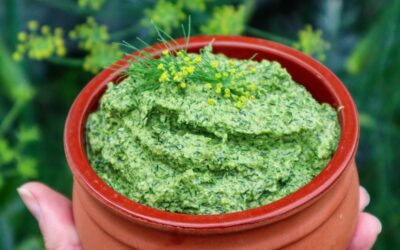
Fennel Frond Pesto

Fennel Frond Pesto

I made this delicious Fennel Front Pesto to use up the all the beautiful fresh fennel fronds I had. Super quick and easy to make! Are you growing fennel and not sure what to make with all those beautiful fennel fronds? I grew fennel for the first time this year so I had to start figuring out what to make with the abundance of greenery after harvesting the fennel.

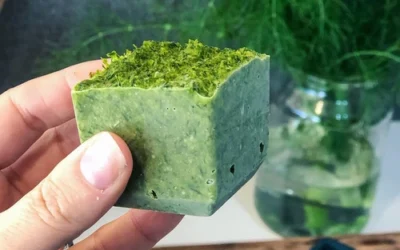
I often will portion out my extra pesto into ice cubes and freeze them in a container to preserve for future meals. Pesto is great to have on hand in the freezer to add to sauces, soups, quick and easy pasta sauce and even just defrosted as a dip for a cheese platter. Fennel Frond Pesto adds a fresh herbaceous flavour and saves buying dip in plastic containers!

fennel frond pesto

Fennel Frond Pesto

Yield: 2 cups
Prep Time: 10 minutes
Total Time: 10 minutes

Ingredients

  • 1/2 cup Walnuts
  • 1/4 cup Olive Oil
  • 1/4 cup Distilled Water
  • 2-3 cups Fennel Fronds
  • 2 Garlic Cloves
  • 2 tsp Fresh Lemon Juice
  • Sprinkle of Salt to Season

Instructions

  1. Wash Fennel Fronds and remove hard woody centre stem.
  2. Place all ingredients EXCEPT Walnuts in a Nutribullet or food processor. Blitz until combined and fronds have broken up into small pieces.
  3. Add the Walnuts and blitz to combine. If the mixture looks a little thick or dry add in an extra dash of water or olive oil.
  4. Taste and add extra salt if needed and ready to serve!

Notes

If you want to preserve divide the extra mixture into ice trays and freeze. I use large Ice trays. Then once it has frozen place in an airtight, freezer-proof container until you are ready to use.

I use a Nutribullet or stick blender as that is all I have. They work well but that is why I split the walnuts and greens up as it takes longer to blitz the greens.

Nutrition Information:
Yield: 4 Serving Size: 1/4 cup
Amount Per Serving: Calories: 64Total Fat: 5.4gCholesterol: 0mgSodium: 72.5mgCarbohydrates: 3.5gSugar: 0gProtein: 1.7g

More about Fennel

Fennel is such a great addition to your permaculture garden. The bulbs provide plenty of food which can be eaten fresh in a salad, roasted or pickled. The leaves are a great addition to salads, soups and teas. It also has beautiful yellow flowers that have a mild liquorice/ aniseed flavour and are an amazing edible flower as well as to attract pollinators to your garden. Their big bushy fronds make a great haven for beneficial insects and they look beautiful in vases as cut greenery and flowers. They self-seed very well so you will have fennel growing for many years to come with very little effort!

fennel frond
Fennel Salad with Kumquat, Watermelon Radish and edible flowers.

I am always learning new ways to use, cook and preserve everything I grow. I want to maximise my harvests and I am doing that by continuously expanding my knowledge and recipe base. Fennel Frond Pesto is now added to my list and I will continue to explore new ways to use all the parts of the fennel plant. Join me over on YouTube for weekly videos as I continue on my journey to live a more Sustainable Lifestyle.

I made this delicious Fennel Front Pesto by swapping out the greens from my garden pesto recipe. It is a super versatile recipe to use up any extra herbs and greens from your garden.

Watch my video below to find out more about my favourite edible flowers.

What do you use Fennel Fronds for? Leave a comment below 🌿

Holly 🌱

MY GARDENING ESSENTIALS //
Fertiliser spray gun: https://bit.ly/366nL1t
Retractable Hose: https://bit.ly/2TSC0Bo
More gardening tools: https://bit.ly/32IQmbD

DISCLAIMER: Links included in this description might be affiliate links. If you purchase a product or service with the links that I provide I may receive a small commission. There is no additional charge to you! Thank you for supporting my page so I can continue to provide you with free content!