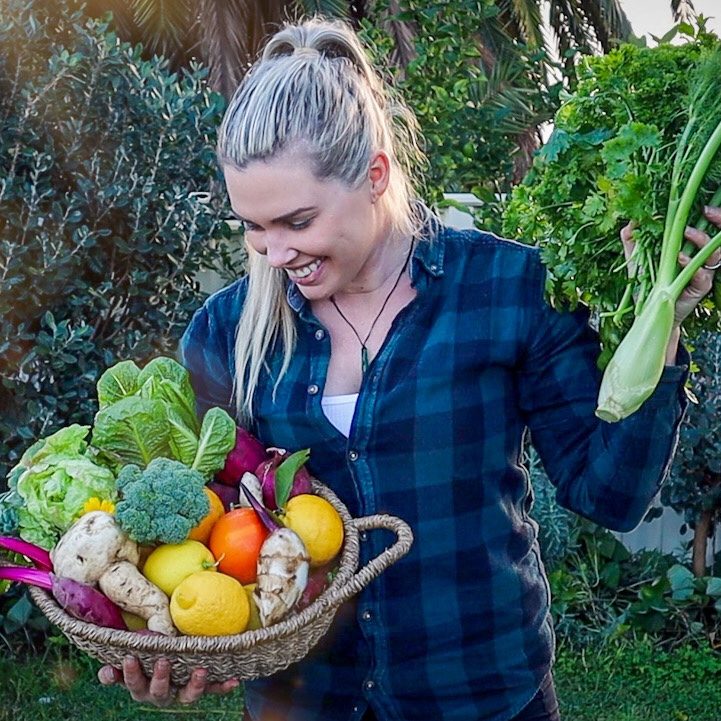
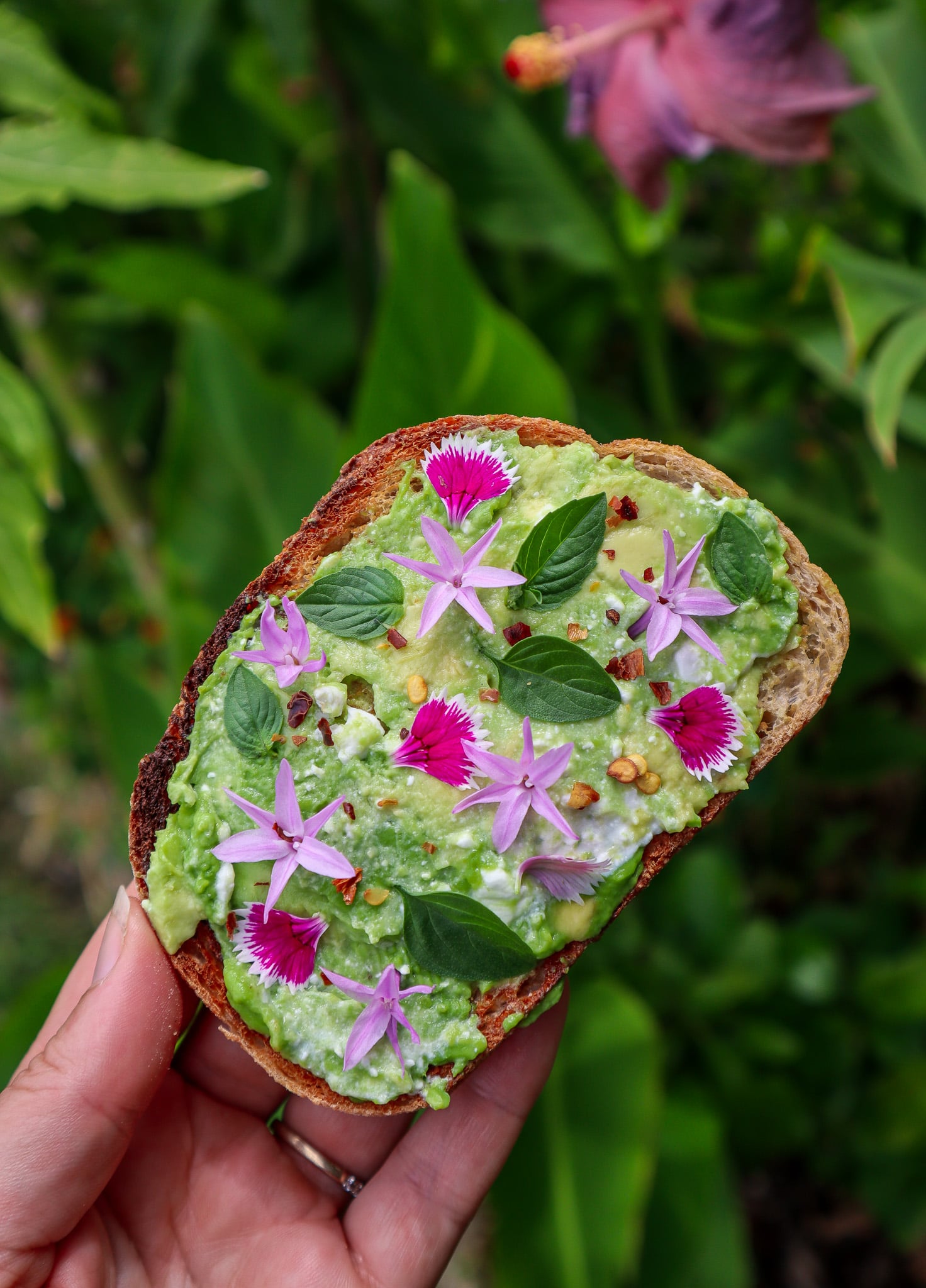
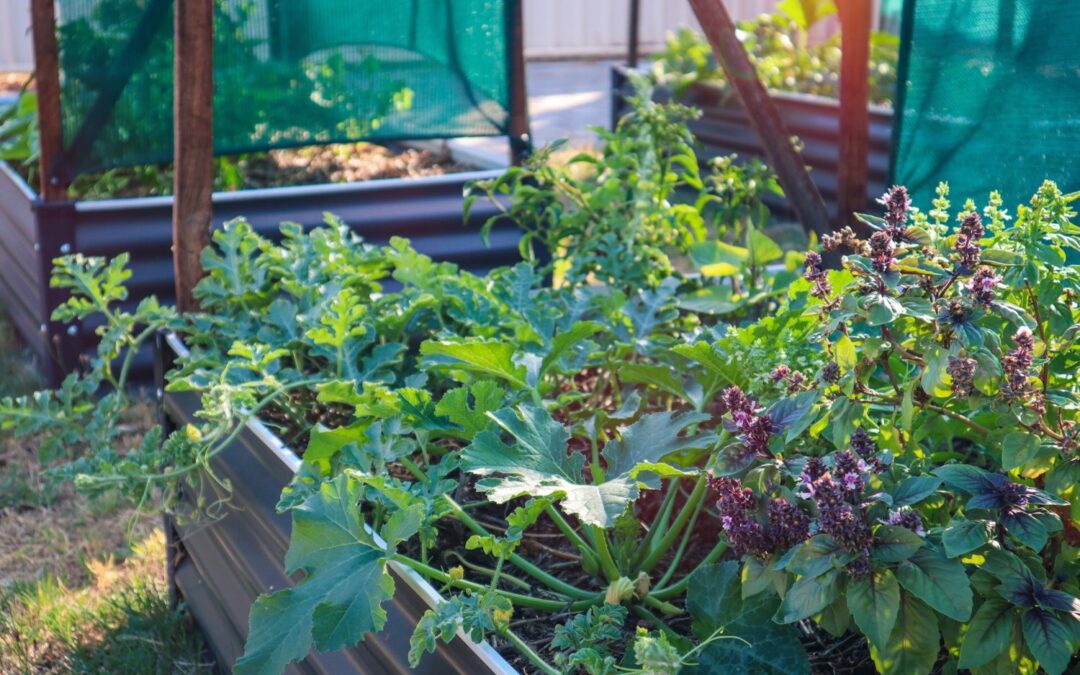
Your home garden can do more than just look nice… You can grow your own groceries and boost your homegrown food security!
With rising food prices and a growing desire for self-sufficiency, growing your own groceries has never been more important. Keep reading to see what to grow in your home garden to replace supermarket staples, from natural sweeteners, salt and pepper, protein-rich legumes, to fresh herbs, healthy fats, and easy-to-harvest fruits and vegetables.
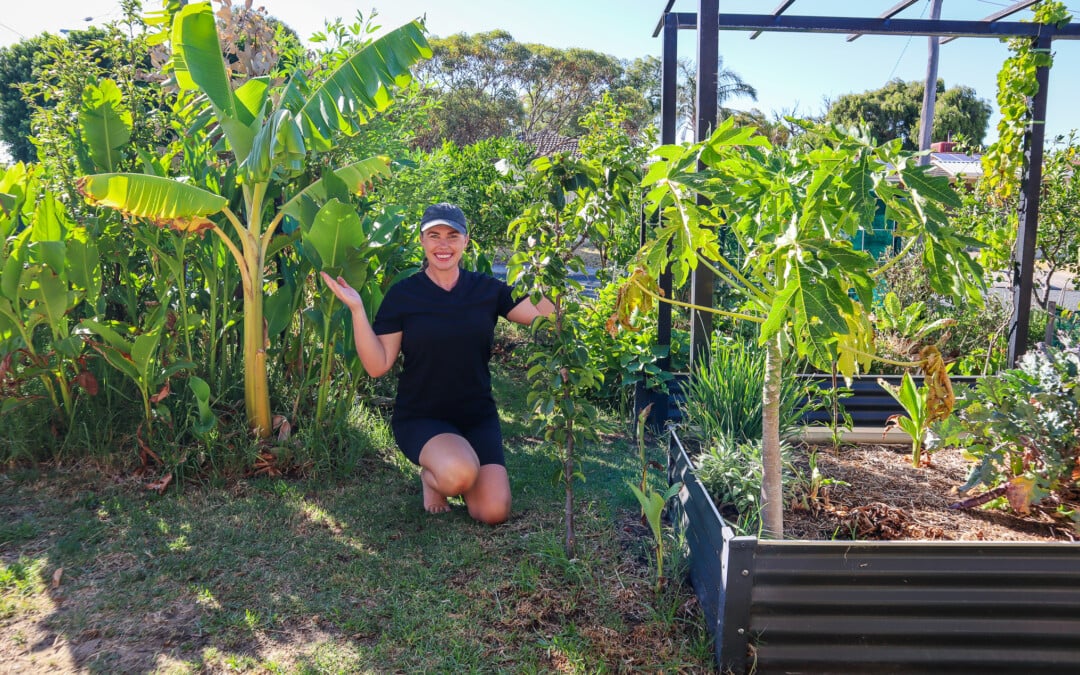
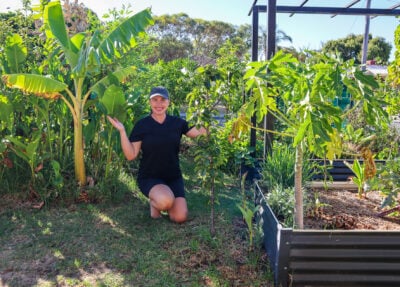
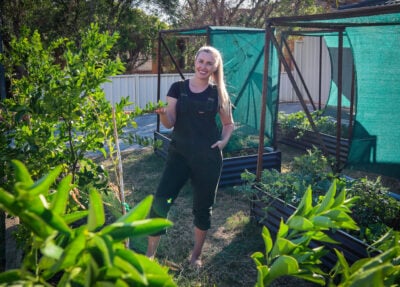
Whether you have a small balcony, a suburban backyard, or a larger food forest, these plants will help you create a homegrown, chemical-free supply of staple crops to grow your own groceries! This guide is based on my garden in Perth, Australia, in a warm climate (zone 10b). :
Your Grow-Your-Own Grocery List
🍬 Sugar and Sweeteners
Instead of buying refined sugar, these plants naturally sweeten your food. They’re easy to grow and provide fresh, chemical-free sweetness straight from your garden. Most ripe fruits will offer you natural sugars, but below are some of my top picks!
Plants to Grow for Sugar and Sweeteners:
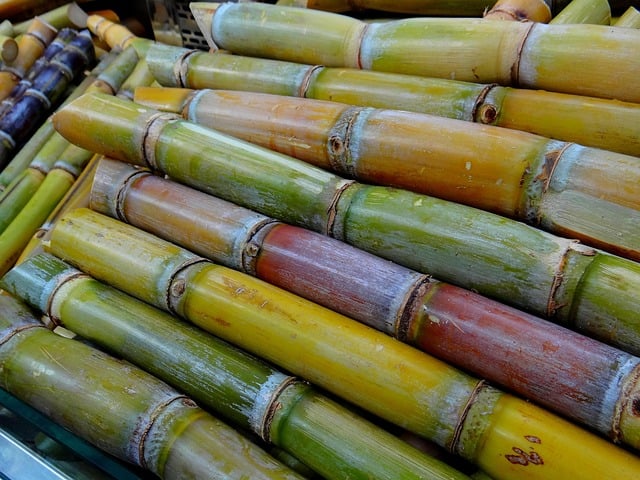
Sugarcane (Saccharum officinarum) – accounts for about 80% of global sugar production. You can grow sugar cane at home and start producing juicy stalks of sugar!
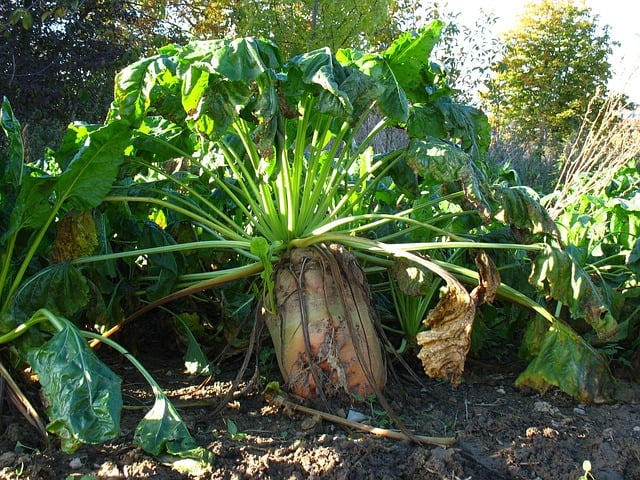
Sugar Beets (Beta vulgaris subsp. vulgaris) – a cool-climate option for natural sugar; roots can be processed into sugar. Like a white beetroot but super sugary! BONUS: Leaves can also be used as a green.
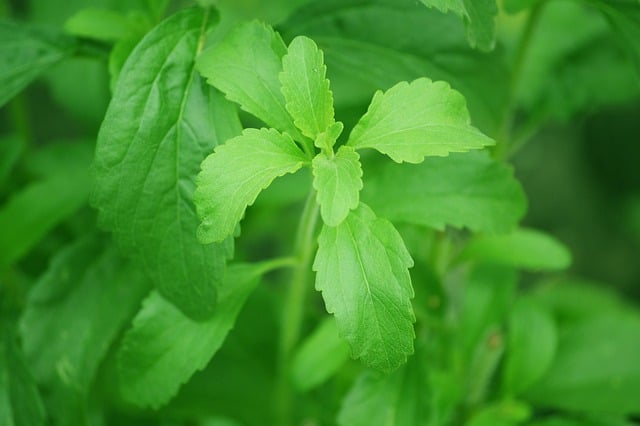
Stevia (Stevia rebaudiana) – a perennial herb; leaves can be used fresh or dried as a natural sweetener.
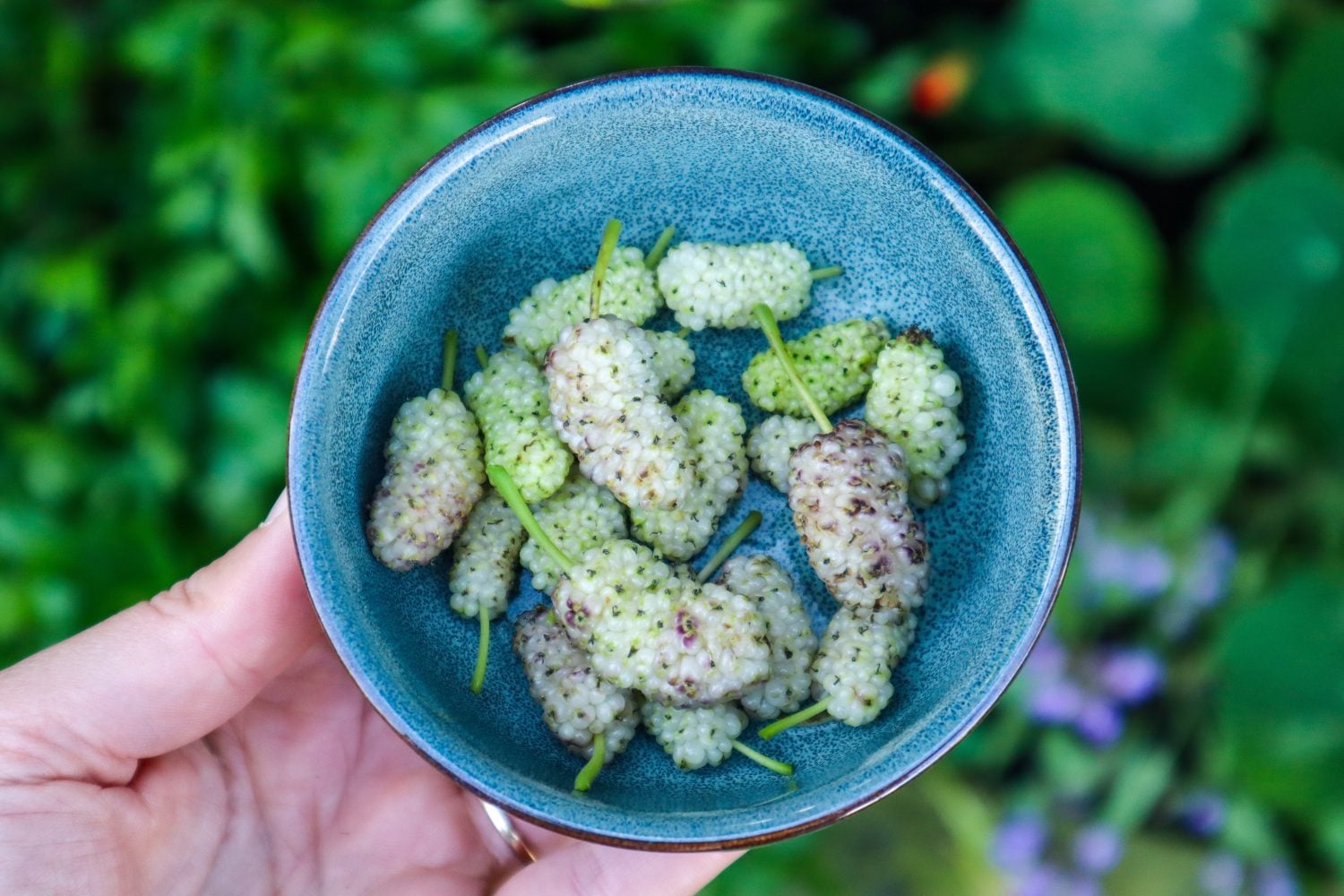
White Mulberry (Morus alba) – ripe berries taste like honey and sugar combined!
Yellow Figs (Ficus carica, Honey Fig) – yellow figs particularly are super sweet, soft, and perfect fresh or dried.
Bananas (Musa spp.) – ripe bananas can sweeten baking or be frozen and blended for natural ice cream.
Grapes (Vitis vinifera) – homegrown grapes are naturally sweet, like nature’s candy.
Pineapple (Ananas comosus) – homegrown pineapple is so sweet! Plus, they grow well in pots or indoors near a sunny window.
Jujube (Ziziphus jujuba) – extremely drought-tolerant and produces sweet apple-like fruit that dries naturally into date-like sweets.
Melons (Cucumis melo / Citrullus lanatus) – if you have ever dehydrated watermelon, you would know just how sugary sweet it is! Vine-ripened watermelon, rockmelon, or honeydew melon are all very sweet options.
🧂 Salt and Pepper
Yes! You can grow your own salt and pepper in the garden! These plants add salty or peppery flavour while being easy to grow.
Plants to Grow for Salt and Pepper:
Old Man Saltbush (Atriplex nummularia) – hardy Australian native with silvery leaves that are naturally salty! Excellent in salads and cooking. Hardy an ddrough tolerant shrub.
Seaberry Saltbush (Rhagodia candolleana) – red, slightly sweet and salty berries and salty leaves; great for cooking.
Peppervine (Tasmannia lanceolata) – produces Tasmanian peppercorns; berries can be harvested at different stages and dried for red, white, or black pepper.
Kawakawa (Piper excelsum) – NZ native; leaves and ripe orange (female) seeds can be dried for pepper!
Nasturtium (Tropaeolum majus) – edible flowers and leaves with a natural peppery bite. The leaves pack more of a spicy punch, and the flowers have a nice, mild pepper flavour. The green seed pods can be pickled and made into “poor man capers”.
Rocket / Arugula (Eruca vesicaria) – fast-growing leafy green with a strong peppery flavour.
💪 Protein-Rich Plants
Legumes and other protein-rich plants are essential for a self-sufficient garden. They are easy to grow, nutritious, and have the added bonus of naturally improving soil fertility – to grow more food!
Plants to Grow for a Source of Protein:
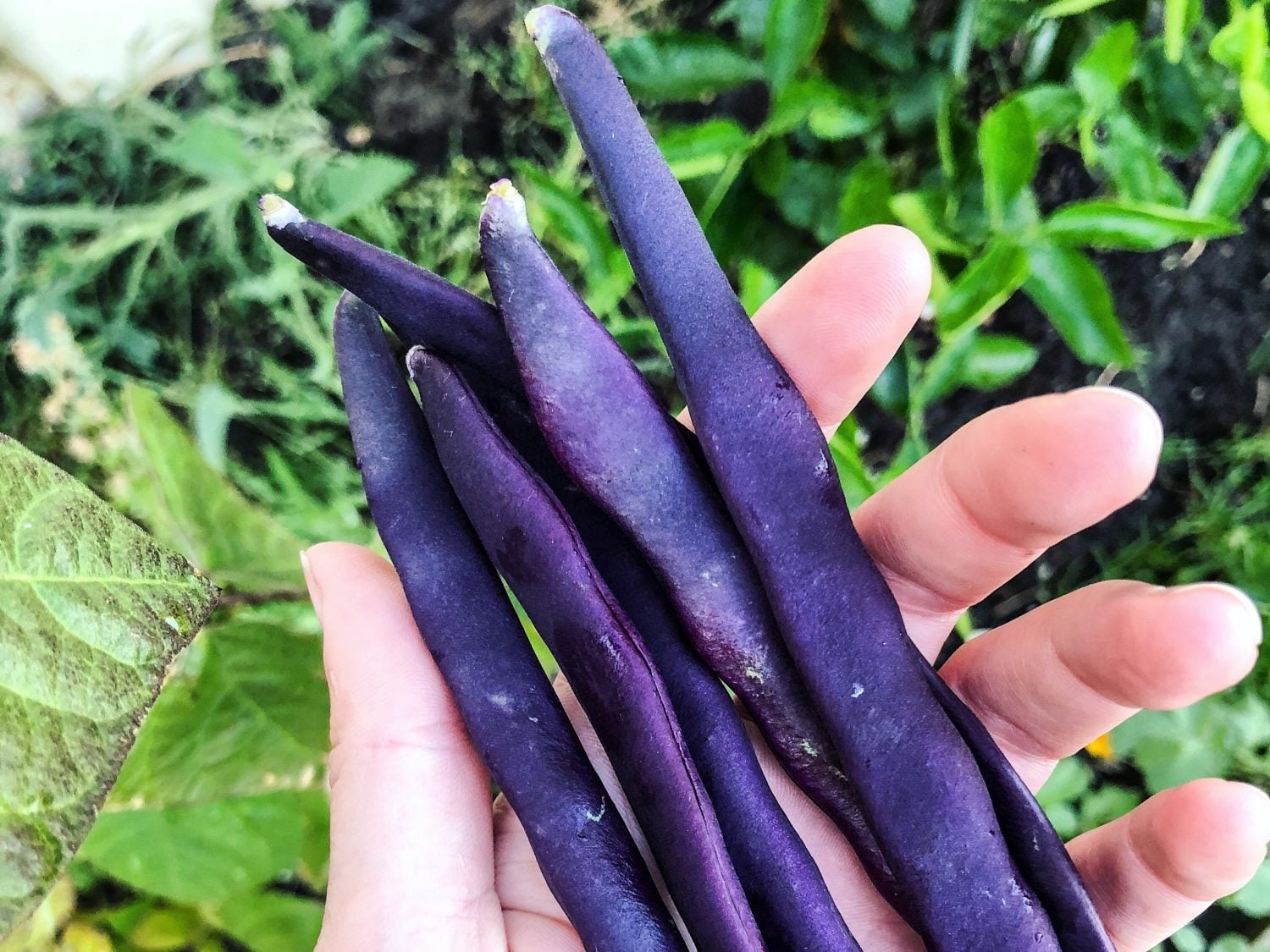
Bush Beans (Phaseolus vulgaris) – fast-growing, compact, and perfect for vertical gardening.
Perennial Beans / Madagascar Bean (Phaseolus coccineus) – also called the seven-year bean; keeps producing for many seasons.
Edamame / Soybean (Glycine max) – high protein with 12g of protein per 100g, similar to two eggs.
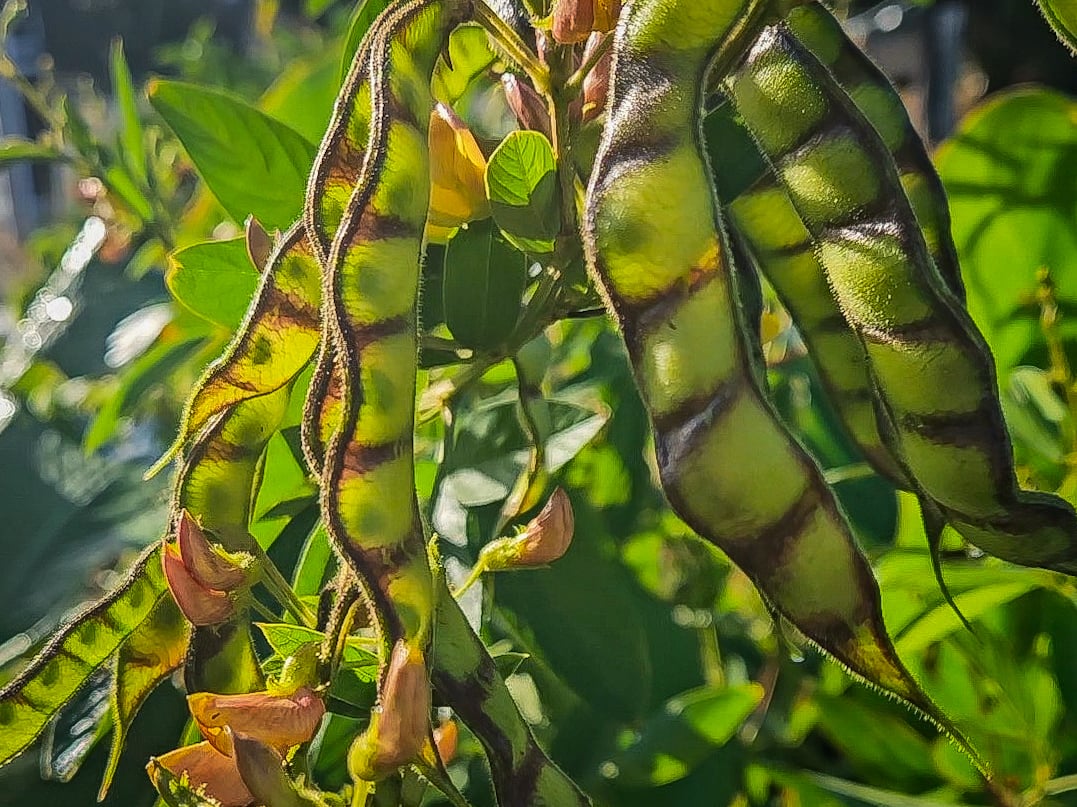
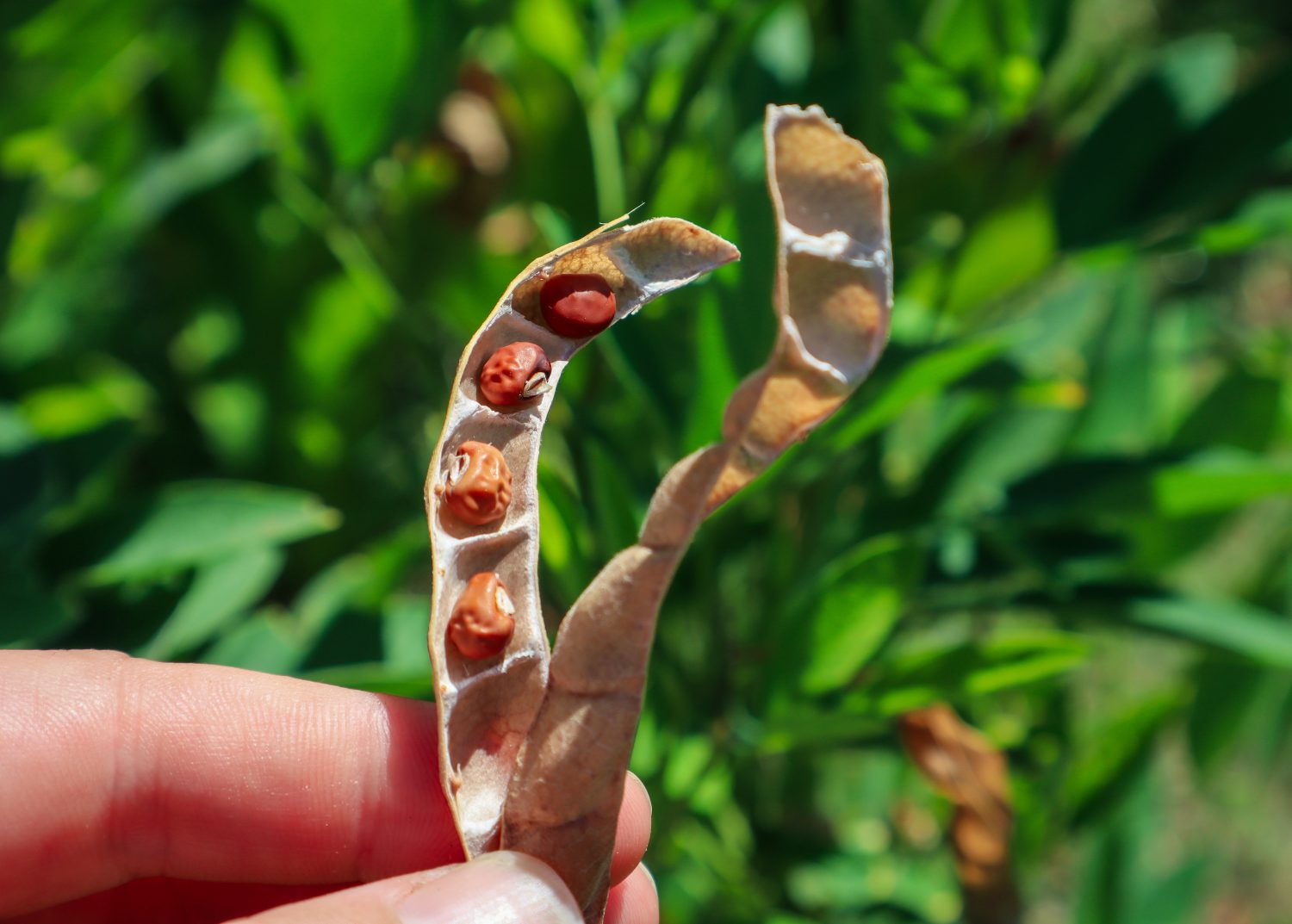
Pigeon Pea (Cajanus cajan) – edible pods can be eaten green or dried; nitrogen-fixing for healthy soil. One of my top support plants in the garden for mulch and food!
Peas (Pisum sativum) – eat pods and shoots; excellent garden snack for the cooler months.
Chickpeas (Cicer arietinum) – dry and store for long-term use.
Lentils (Lens culinaris) – nutritious and easy to store.
Broccoli and other Brassicas (Brassica oleracea) – surprisingly high in protein compared to many vegetables.
🍎 Snacks and Fruit
Swap packaged snacks for fresh, garden-grown fruits. I love nothing more than a wander through the garden to find snacks!
Plants to Grow for Snacks:
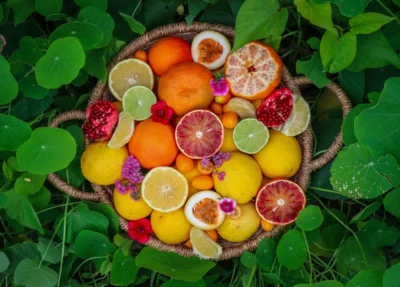
Lemon Cherry Guava (Psidium cattleyanum) – sweet and compact. I love the yellow variety with sweet snackable fruit!
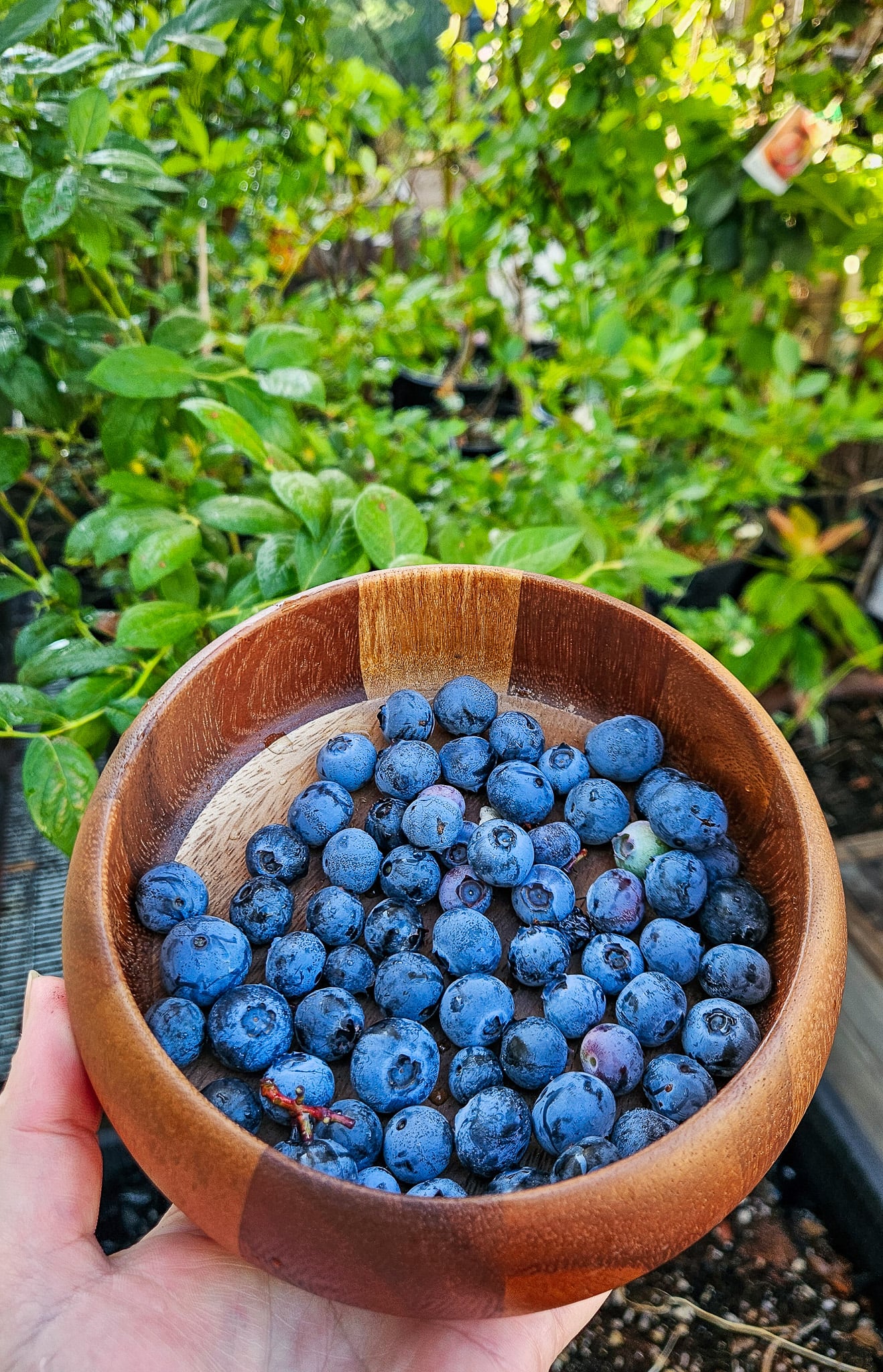
Berries – give us all the berries! Strawberries, blueberries, raspberries, kiwiberry, the list goes on!
Apples (Malus domestica) – a versatile staple base crop
Bananas (Musa spp.) – come with natural packaging, and homegrown bananas are so delicious!
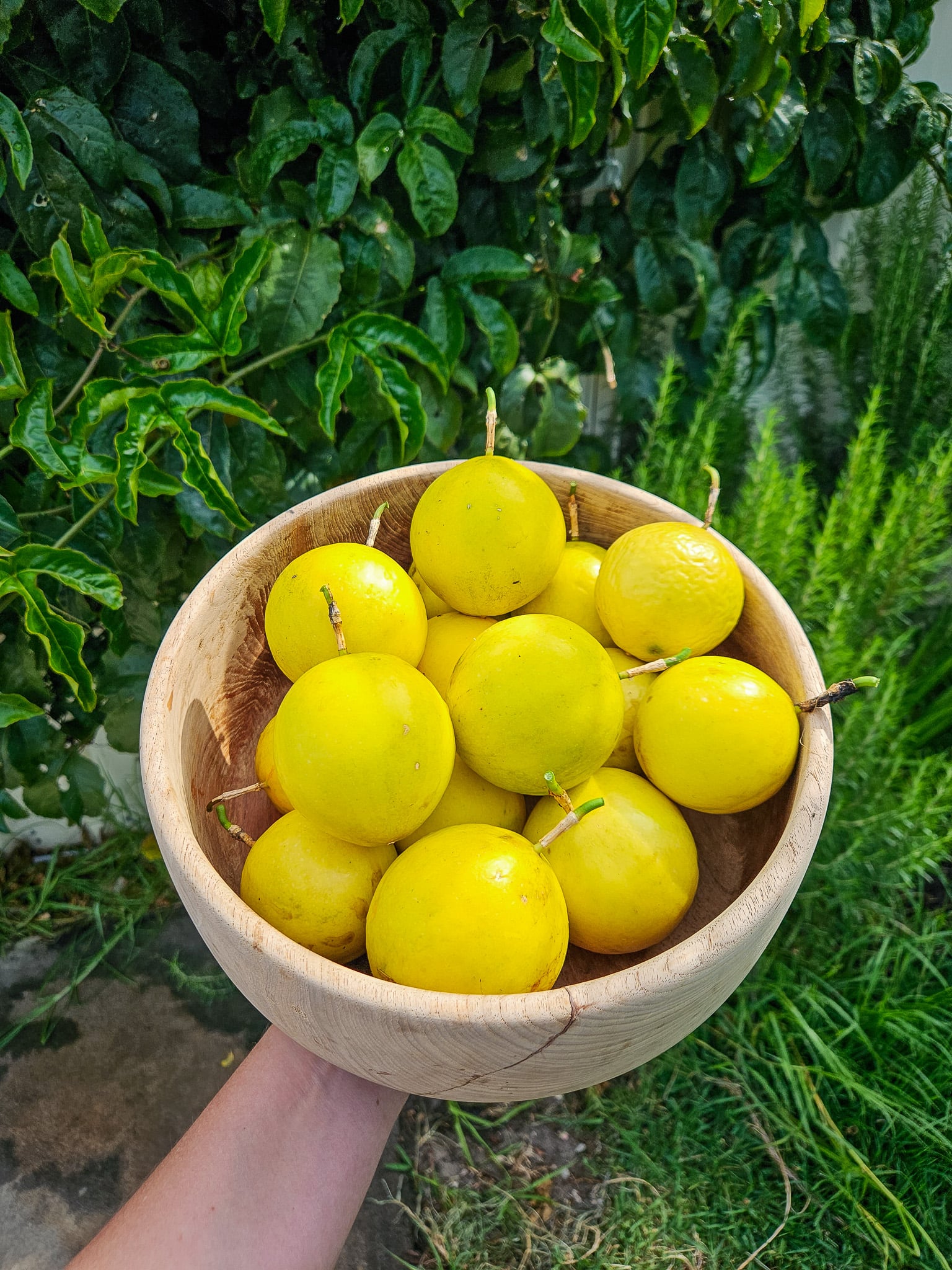
Passionfruit (Passiflora edulis) – robust skin, easy to take with you on the go.
Loquat (Eriobotrya japonica) – sweet, tangy fruit – tastes like a mix of apricot, pear and mango.
Mulberries (Morus spp.) – prolific and easy to harvest. Eat fresh off the tree as a garden snack.
Snap Peas (Pisum sativum) – crunchy and great for snacking. These never make it out of the garden! They are too delicious.
Carrots (Daucus carota subsp. sativus) – long-lasting root crop. Great to eat with some homemade hummus using your legumes!
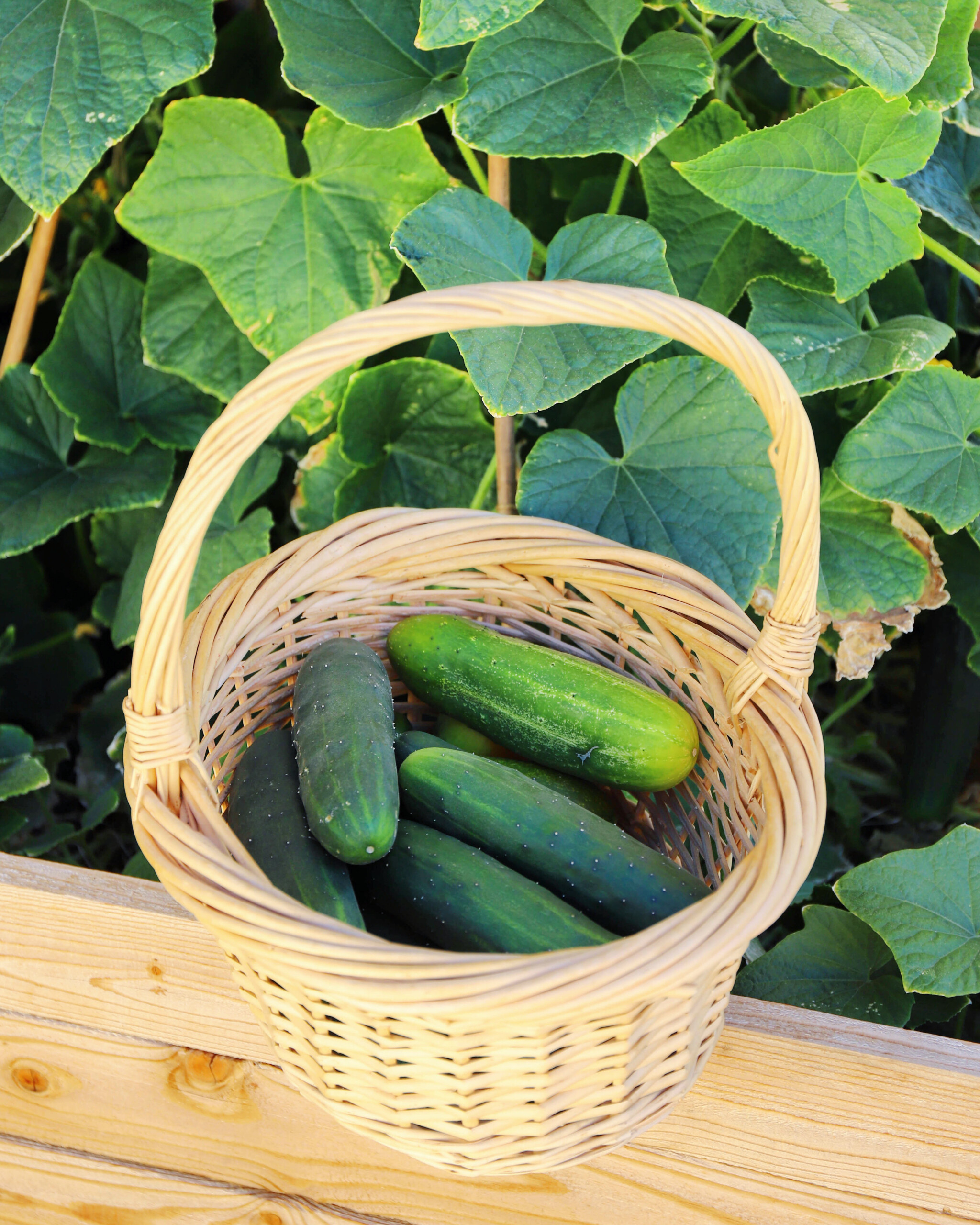
Lebanese Cucumber (Cucumis sativus) – Snack- sized cucumbers are usually sweeter and crisper than store-bought ones because they can be harvested and eaten immediately.
🥑 Healthy Fats
Healthy fats from plants are easy to grow and replace processed oils.
Plants to Grow for Healthy Fats and Oils:
Avocado (Persea americana) – high in monounsaturated fats. Delicious substitute for butter in many meals. I feel like having an avocado tree in the backyard is living rich 😆
Macadamia (Macadamia integrifolia) – slow to mature but productive for years.
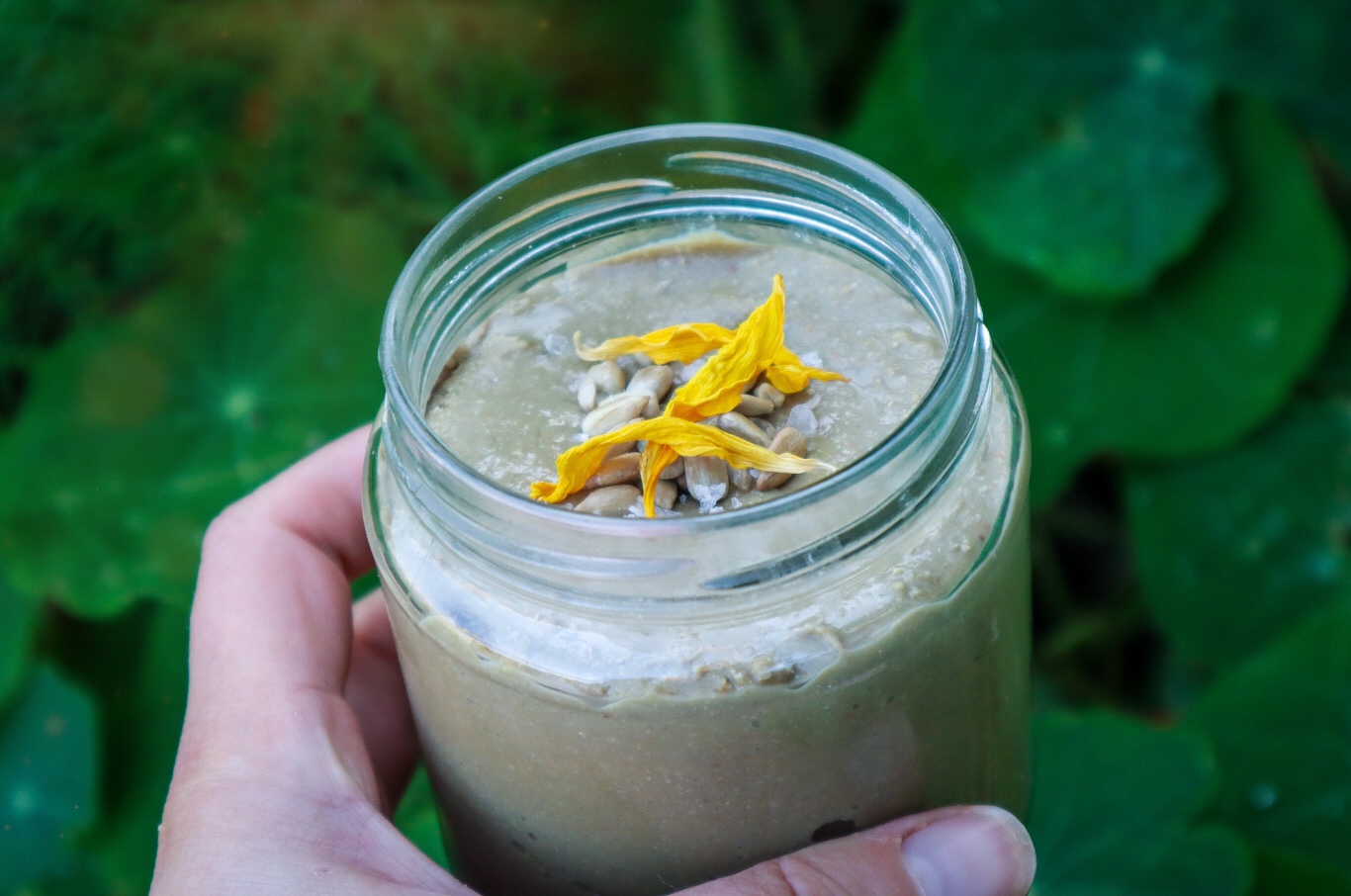
Sunflower (Helianthus annuus) – seeds for snacking, butter, or oil.
Almond (Prunus dulcis) – nutrient-dense and versatile.
Peanuts (Arachis hypogaea) – peanuts are so fun and easy to grow in warm climates. They can also be grown in a pot or a container.
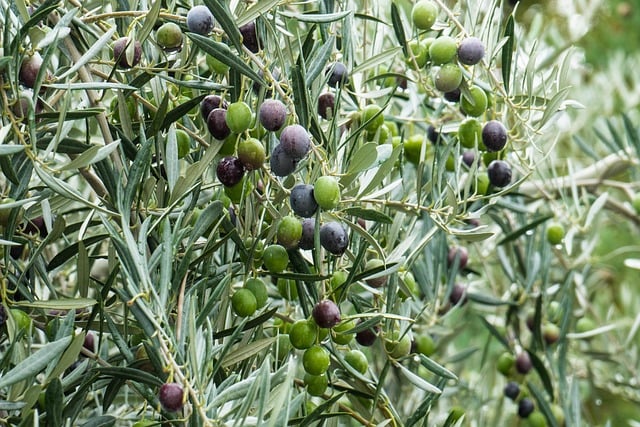
Olives (Olea europaea) – can be pressed for oil; collaborate with neighbours to share processing costs.
🥬 Greens and Salad
Leafy greens are one of the easiest edibles to grow at home and replace pre-packaged salads! You don’t need a big garden, pots and containers work great too!
Plants to Grow for Greens and Salads:
Lettuce (Lactuca sativa) – cut-and-come-again varieties for continuous harvest. Let one lettuce go to seed each year, and you will have an endless supply!
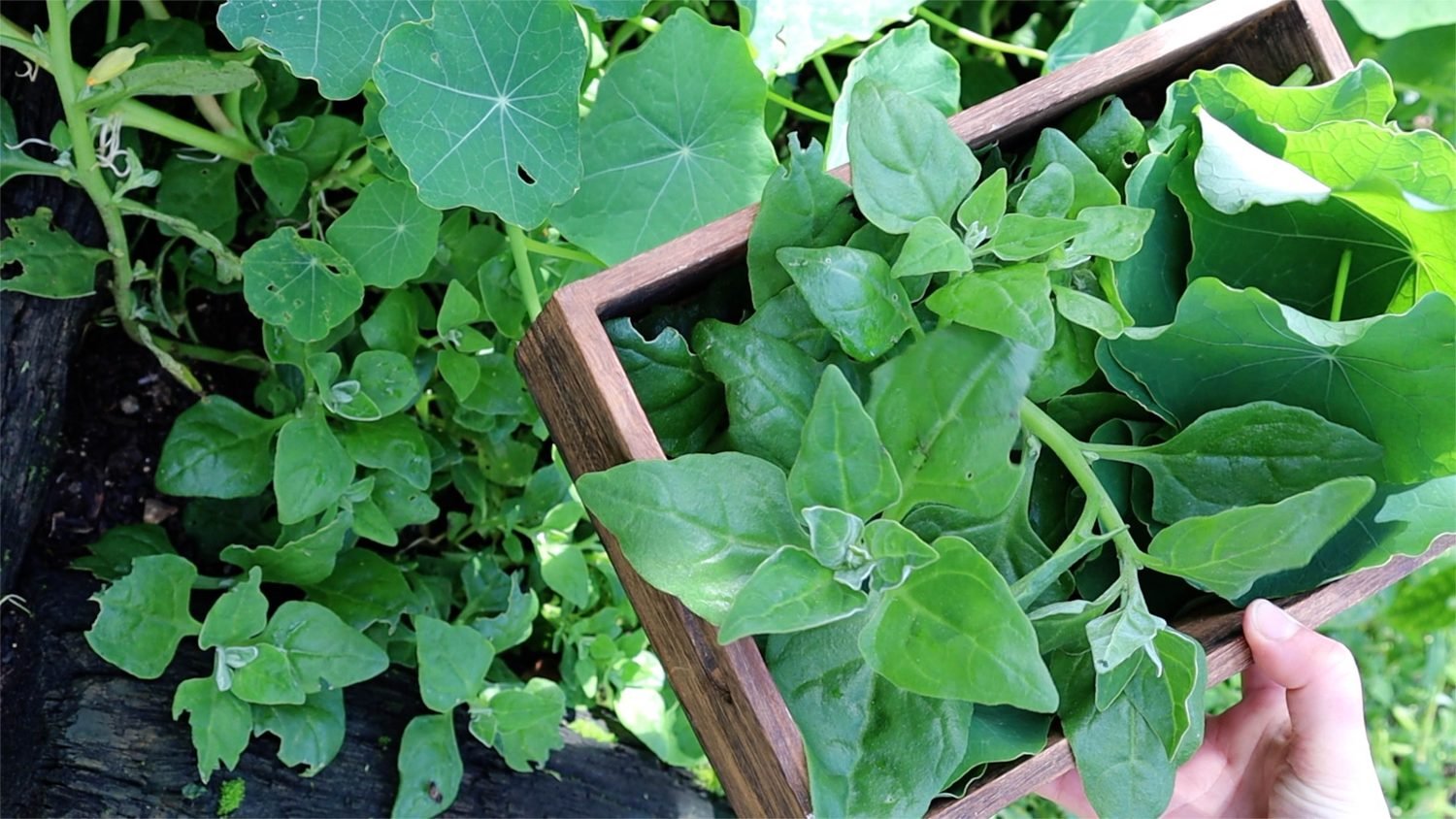
New Zealand Spinach (Tetragonia tetragonioides) – great edible ground cover, drought-tolerant, self-seeding greens. Great for soups, stir-fries, and curries.
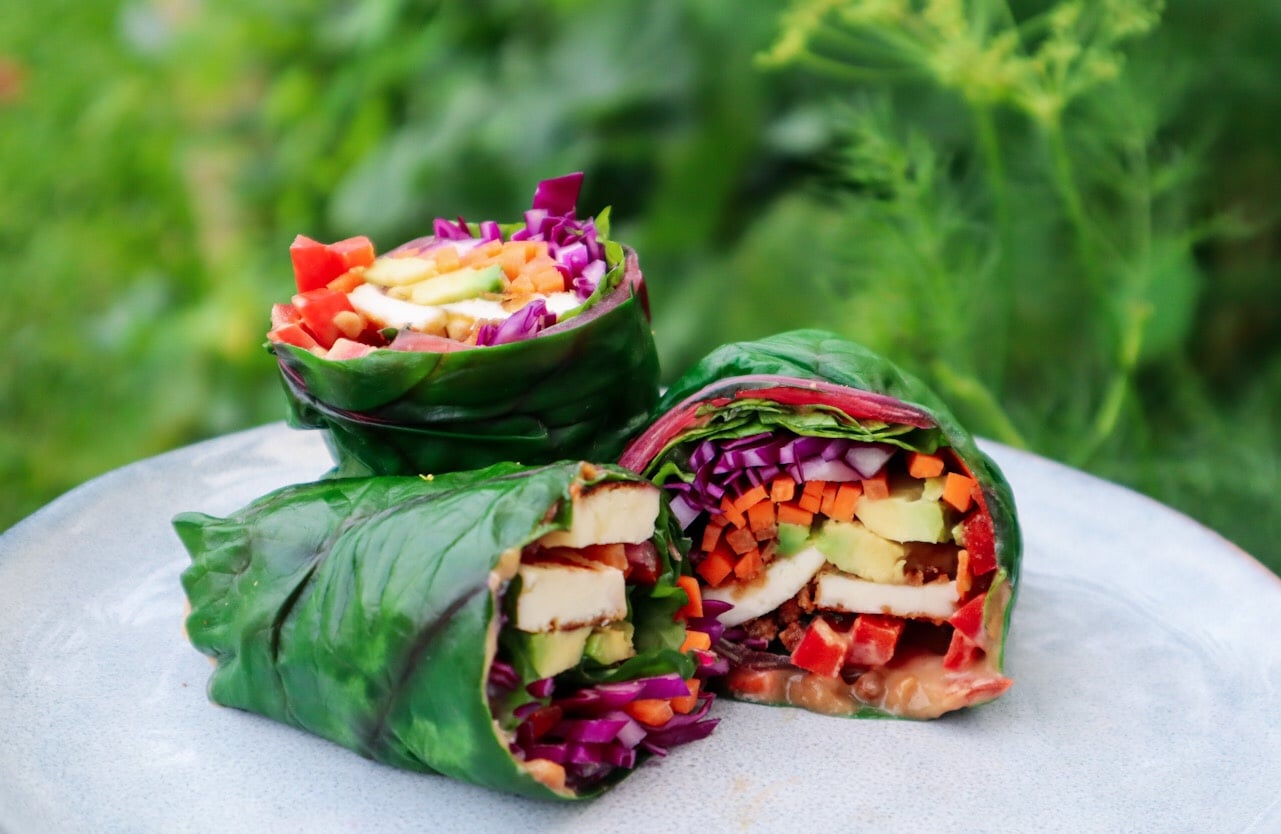
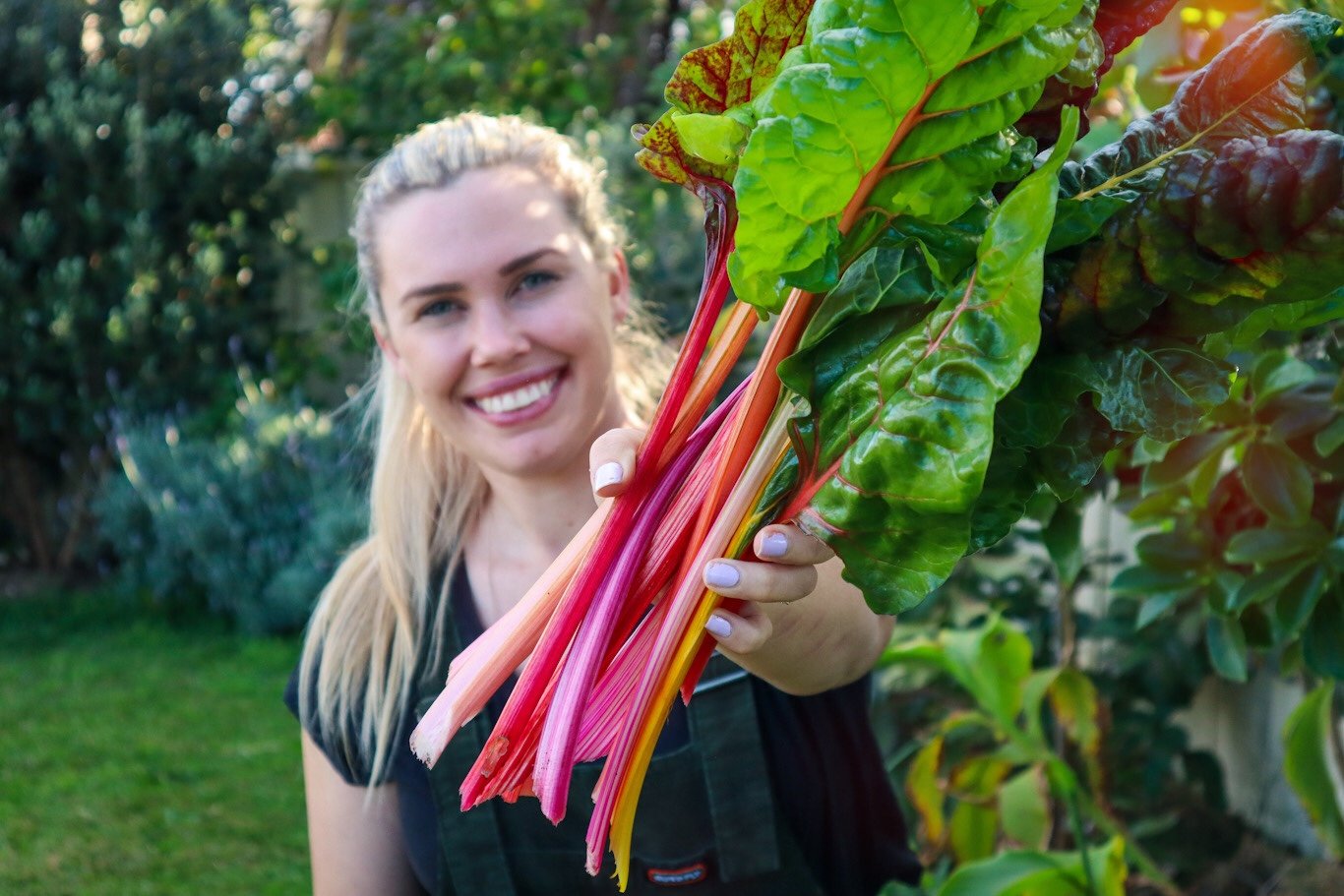
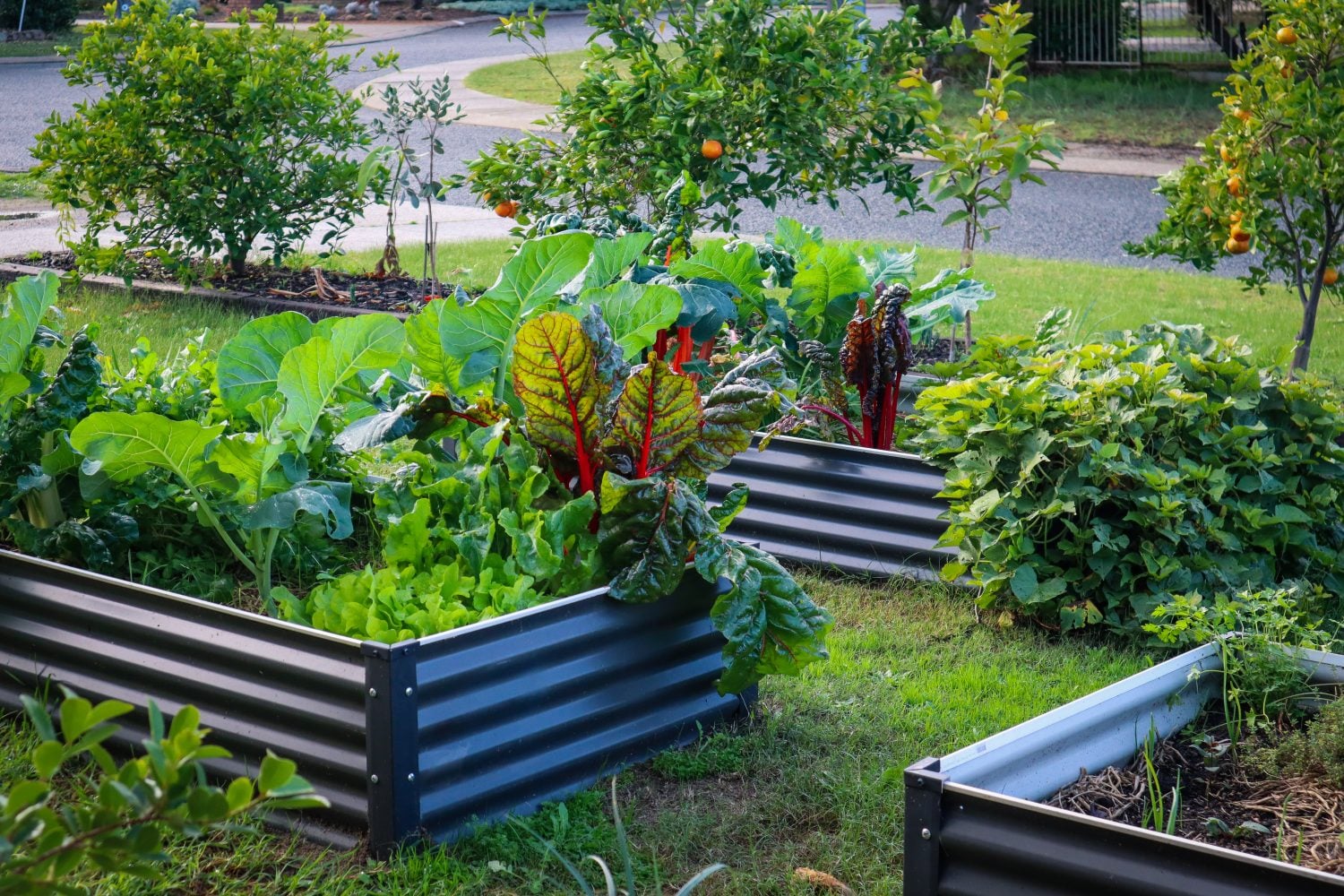
Chard (Beta vulgaris subsp. cicla) – nutrient-dense and versatile. I love growing chard, especially rainbow chard, in my kitchen garden. The colours brighten up a winter garden! Plus, make easy one-ingredient preservative-free wraps!
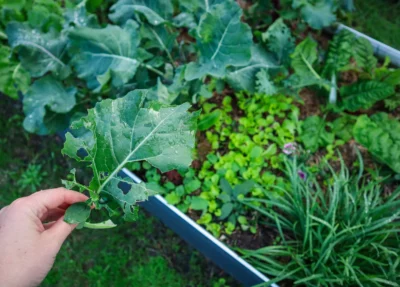
Kale (Brassica oleracea var. sabellica) – robust, flavorful leaves. Kale gets a bad rap, but it is easy to grow, and its rough leaves and curls are amazing at holding on to flavour. So the key is to cook it or massage dressing into it for a salad!
Longevity Spinach (Gynura procumbens) – perennial, nutrient-rich, especially good for warm climates. Known for managing blood sugar and reducing inflammation.
🍠 Carbs and Staples
Processed carbs aren’t necessary when you can grow your own and boost your homegrown food security. Root crops are one of the highest accumulators of herbicides and pesticides because they spend their whole life in the soil that is commercially sprayed with nasties. So if you want to replace supermarket food with spray-free veggies, I would have these high on my “to grow list”.
Plants to Grow for Carbs:
Sweet Potato (Ipomoea batatas) – one of my top edible plants, it is sooo easy to grow, and once you grow sweet potato, you literally will never have to buy another plant ever again. To get started, you can grow from a store-bought by either placing it in soil or a jar of water to sprout. The leaves are also edible, which is always a bonus when talking about food security.
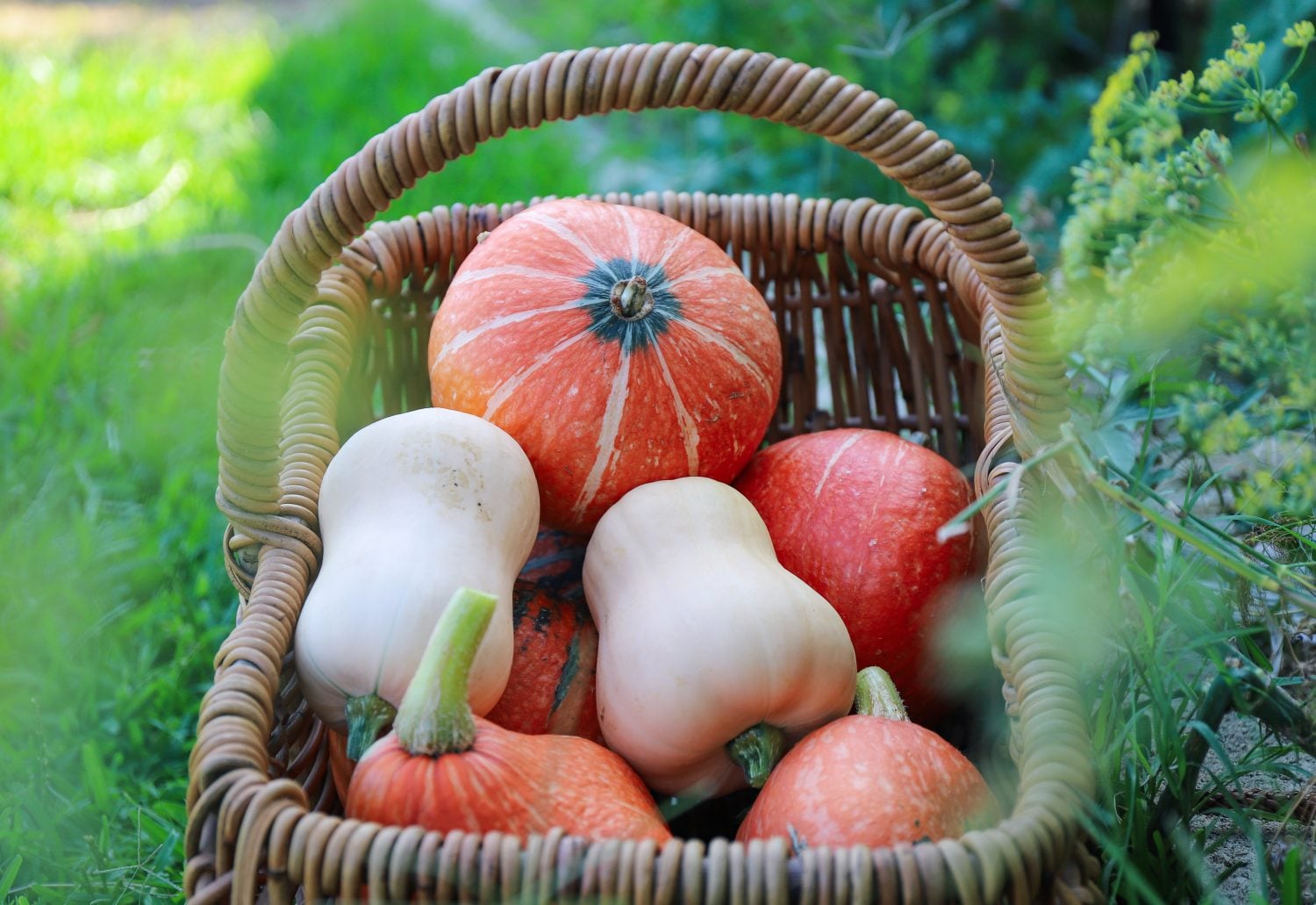
Pumpkin (Cucurbita spp.) – the great thing about pumpkins is that you can grow a bunch and then dry or cure them for long-term storage and use throughout the rest of the year.
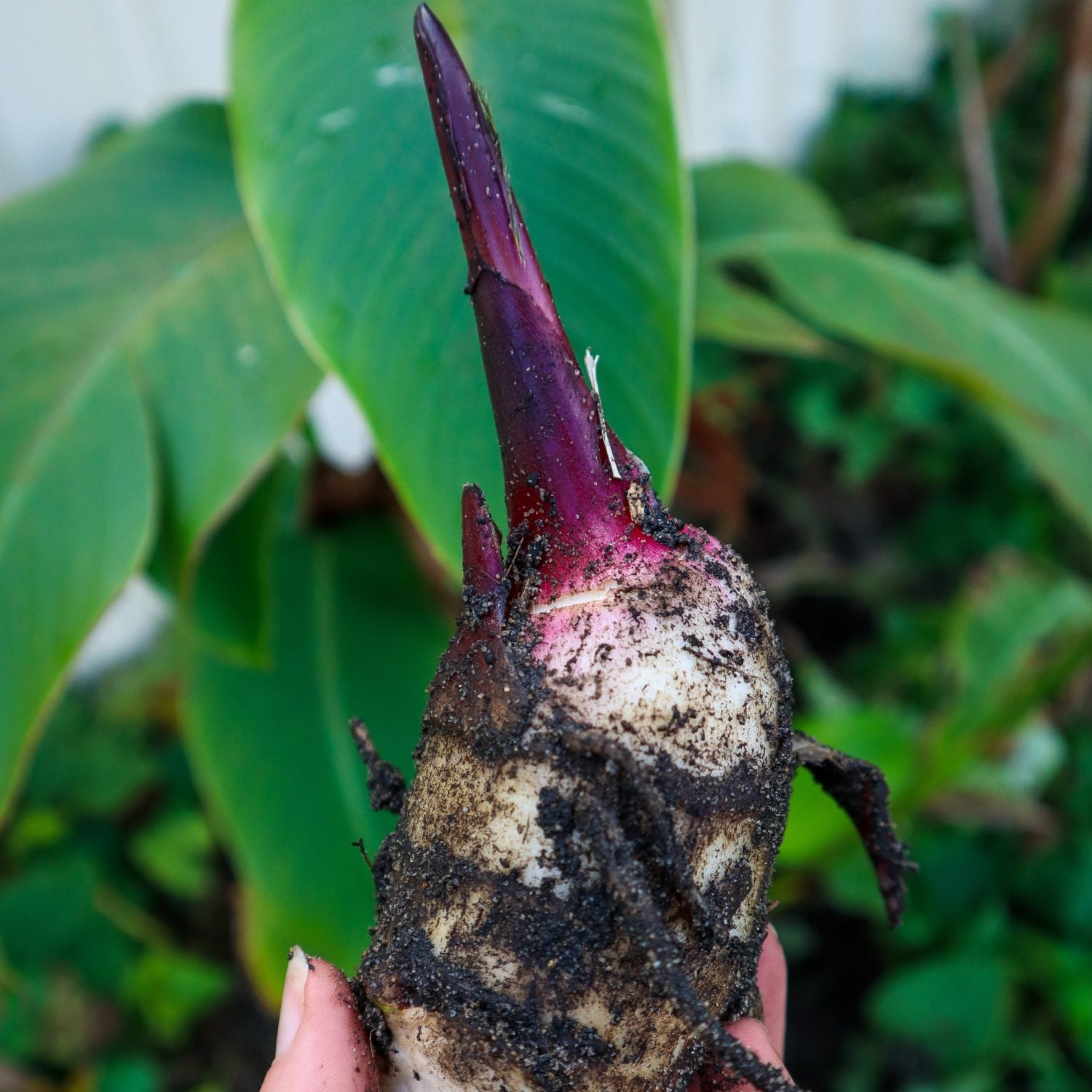
Queensland Arrowroot (Canna edulis /indica) – another core plant in my garden because of the multiple uses! As a carbohydrate, it grows rhizomes under the ground that can be used as a substitute for potatoes. A perennial potato! You can also make flour to use in cooking and baking. But it is also great at providing shade, wind protection and the water-filled stems make amazing chop and drop mulch to feed the garden.
Potato (Solanum tuberosum) – a classic staple – you don’t need a lot of space to grow potatoes; they can be easily grown in tubs and containers. Perfect for small gardens.
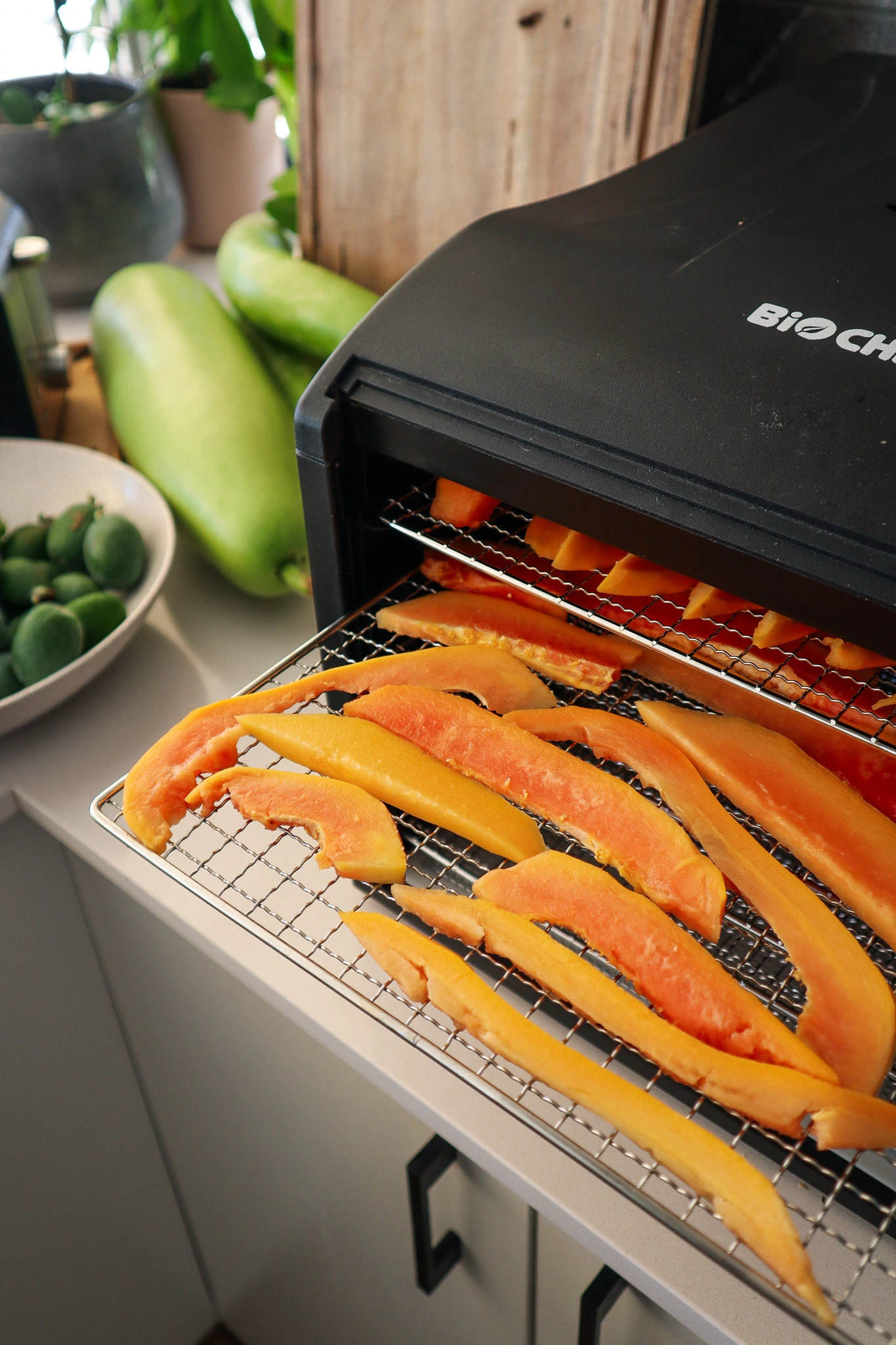
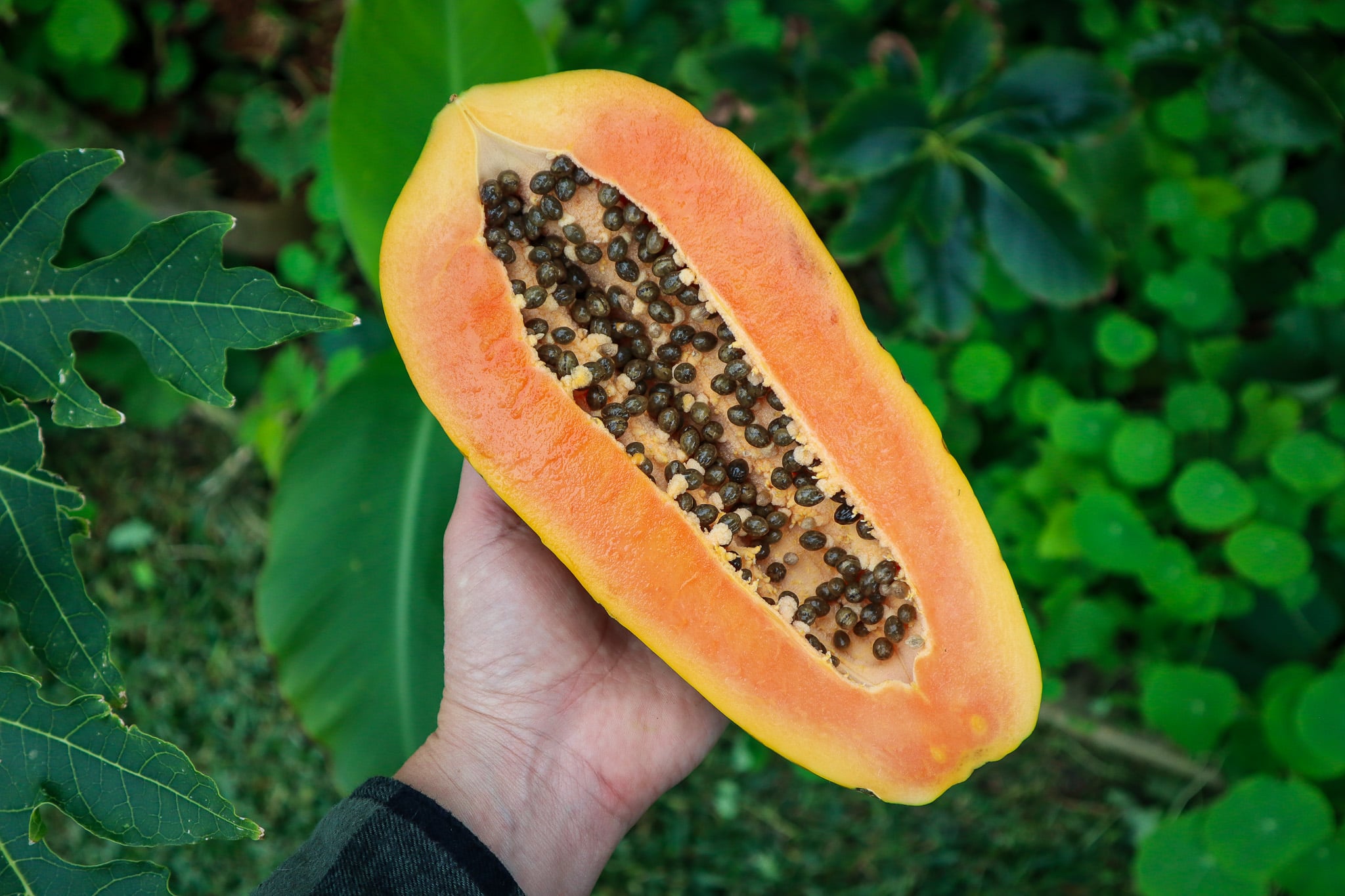
Papaya (Carica papaya) – It is a nutrient-dense, low-calorie fruit, with most of its calories coming from these healthy carbohydrates. The amazing thing about papaya is that you get two options to eat it: green as a vegetable or ripe as a fruit, two for the price of one space in the garden!
Plantain (Musa paradisiaca) – offering a sustained energy release due to its high resistant starch and fibre content. Also, ripe plantains can still be eaten as bananas; they just aren’t as sugary.
🌿 Flavour and Herbs
Instead of buying lifeless flavour from jars, grow your own and give your meals real freshness straight from the garden 🌿
Plants to Grow for Carbs:
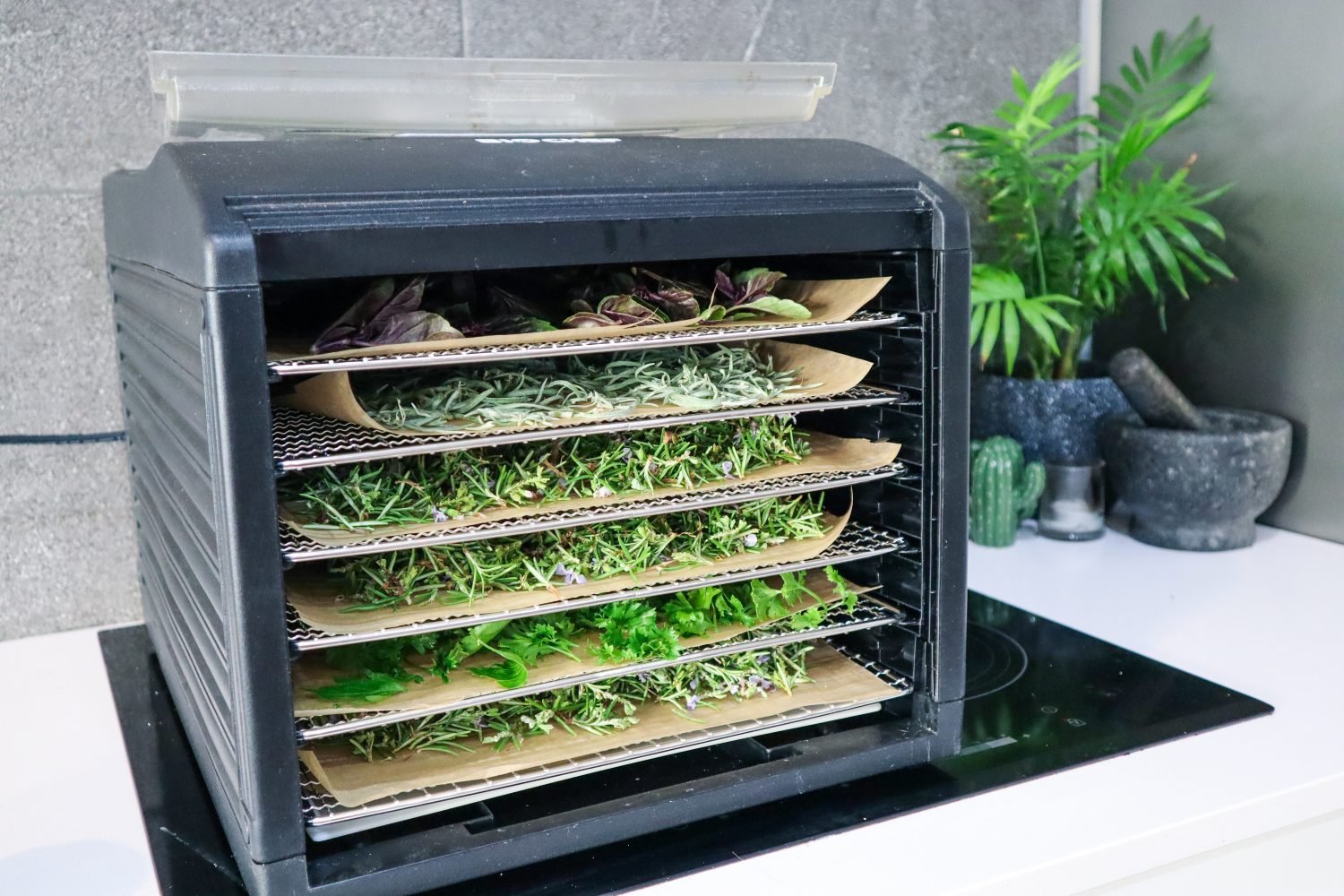
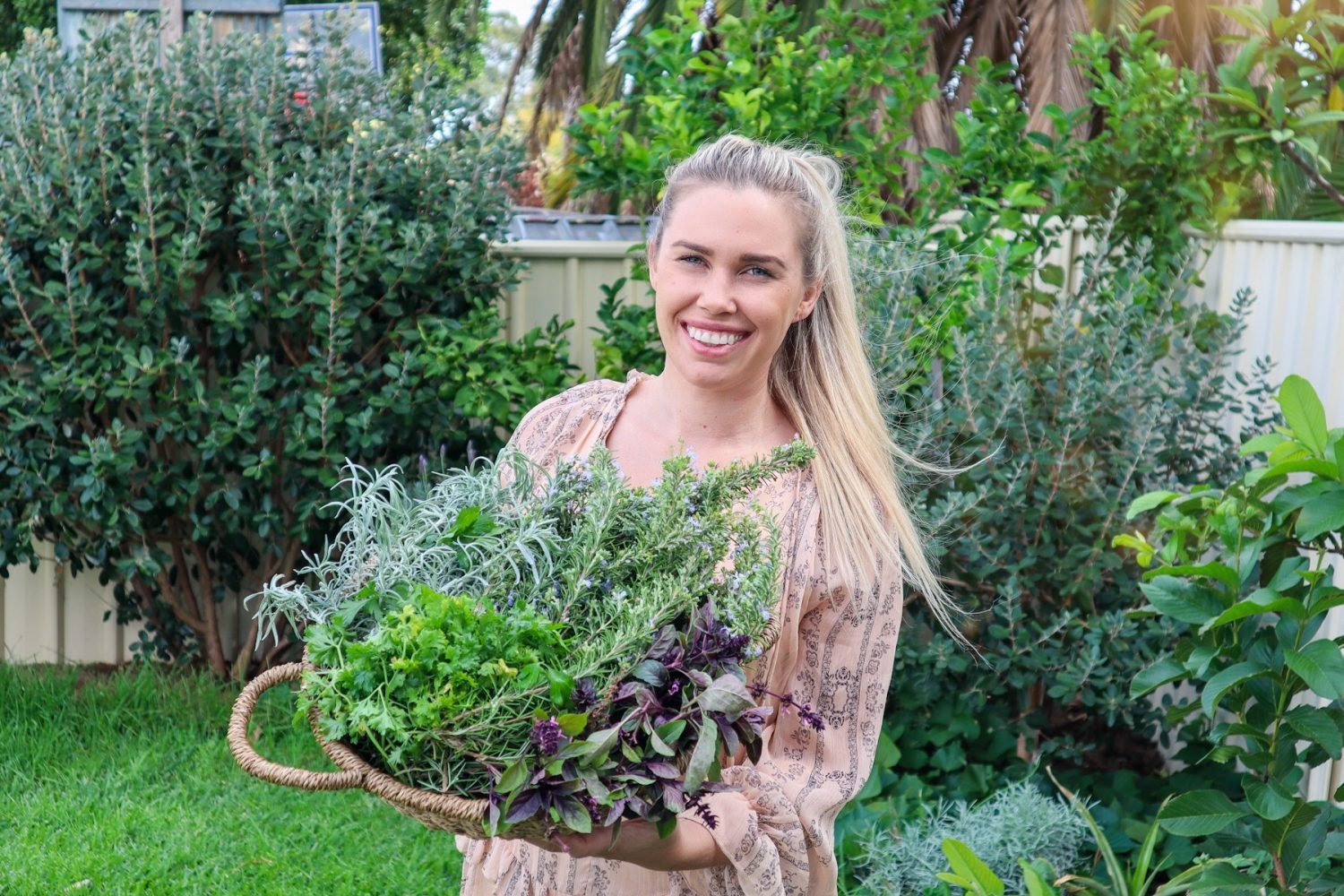
Herbs – herbs are a powerhouse flavour enhancer. Fresh herbs are stronger and have more nutrients than the plain, processed dried herbs found in stores. Go outside and pick what you need fresh for each meal, or dehydrate and make your own natural blends of dried herbs.
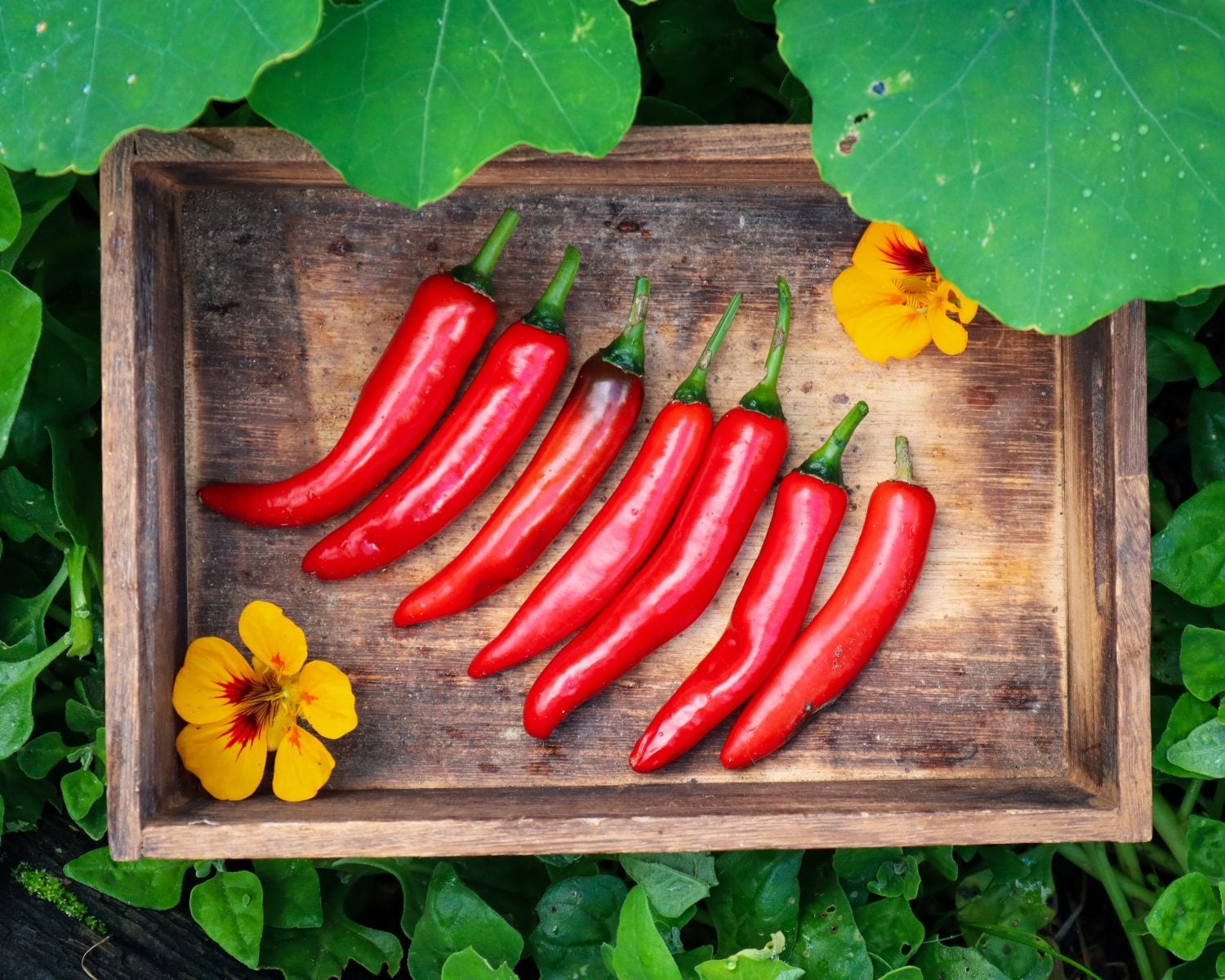
Chilli (Capsicum spp.) – versatile flavour with a wide range of flavours and varieties. Also, make your own green and red curry pastes.
Onion (Allium cepa) – foundational flavour in so many dishes. Can be dried and stored.
Ginger (Zingiber officinale) – very medicinal and packs a punch of flavour. You can grow an amazing amount in a tub or container, too.
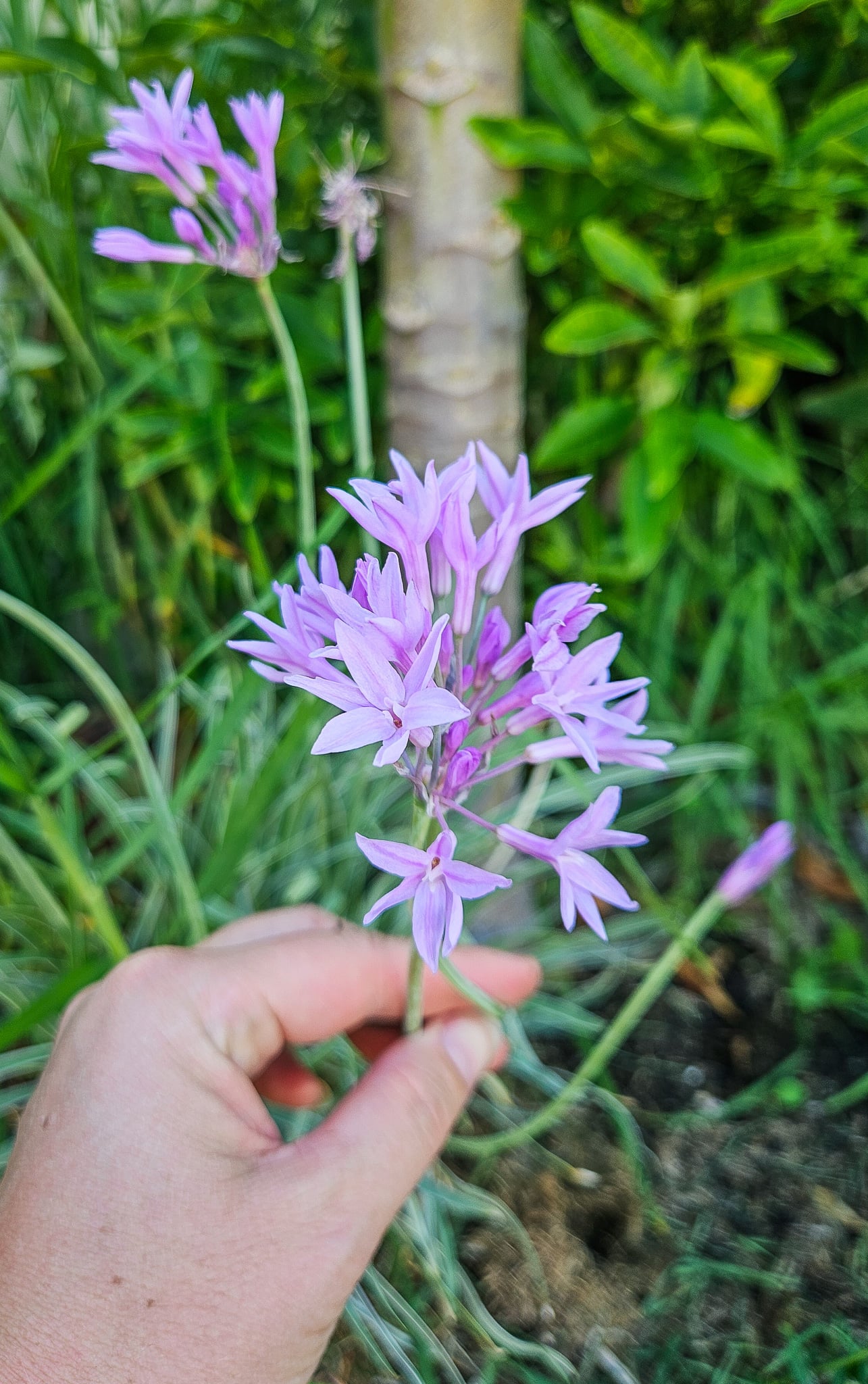
Garlic (Allium sativum) – staple culinary flavour! You can grow a bunch and dry to use throughout the year, or grow perennial forms of garlic flavour with garlic chives or society garlic flowers (Tulbaghia violacea)! for a year-round source of garlic in the garden.
Lemongrass (Cymbopogon citratus) – a fragrant addition to many dishes and teas!
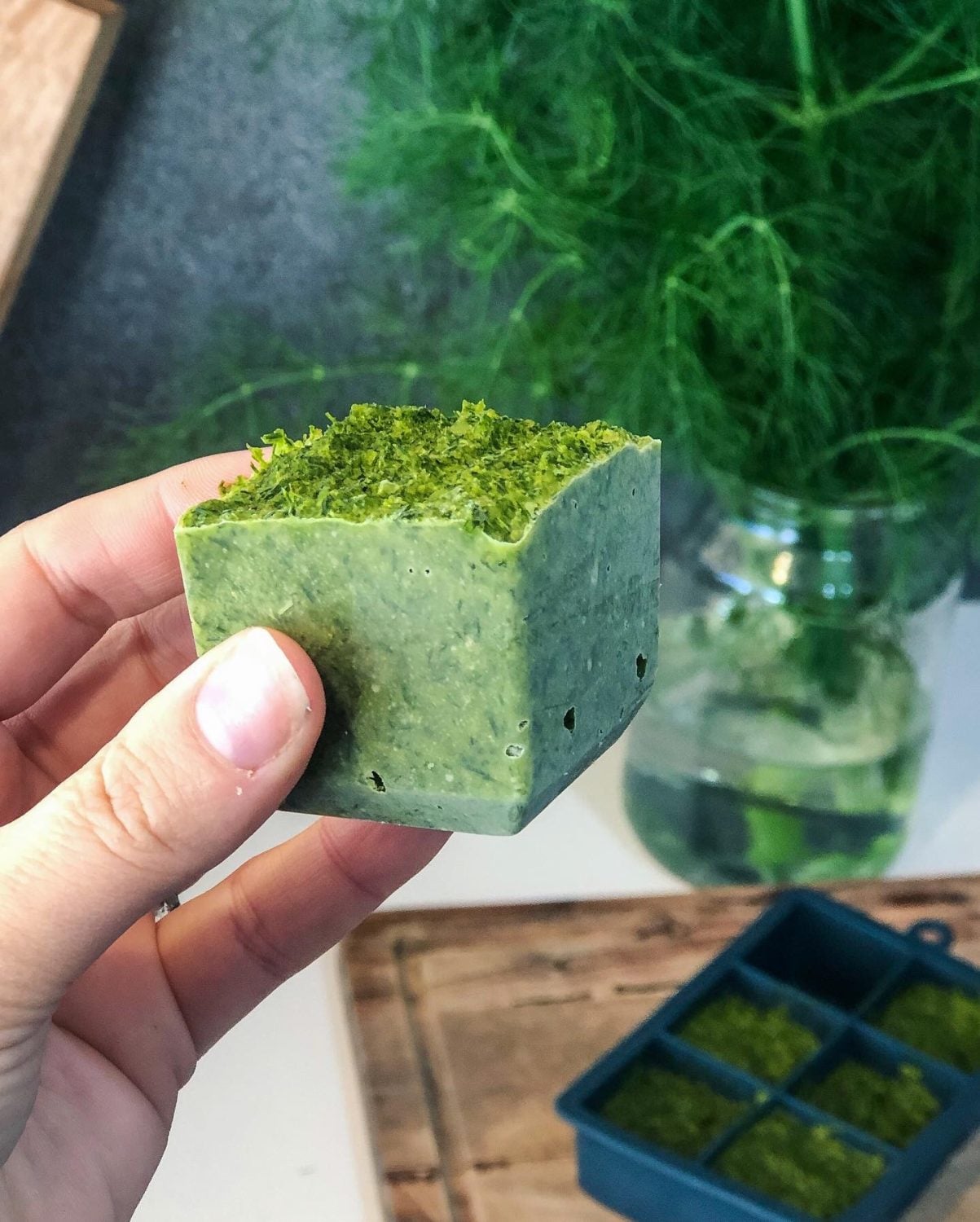
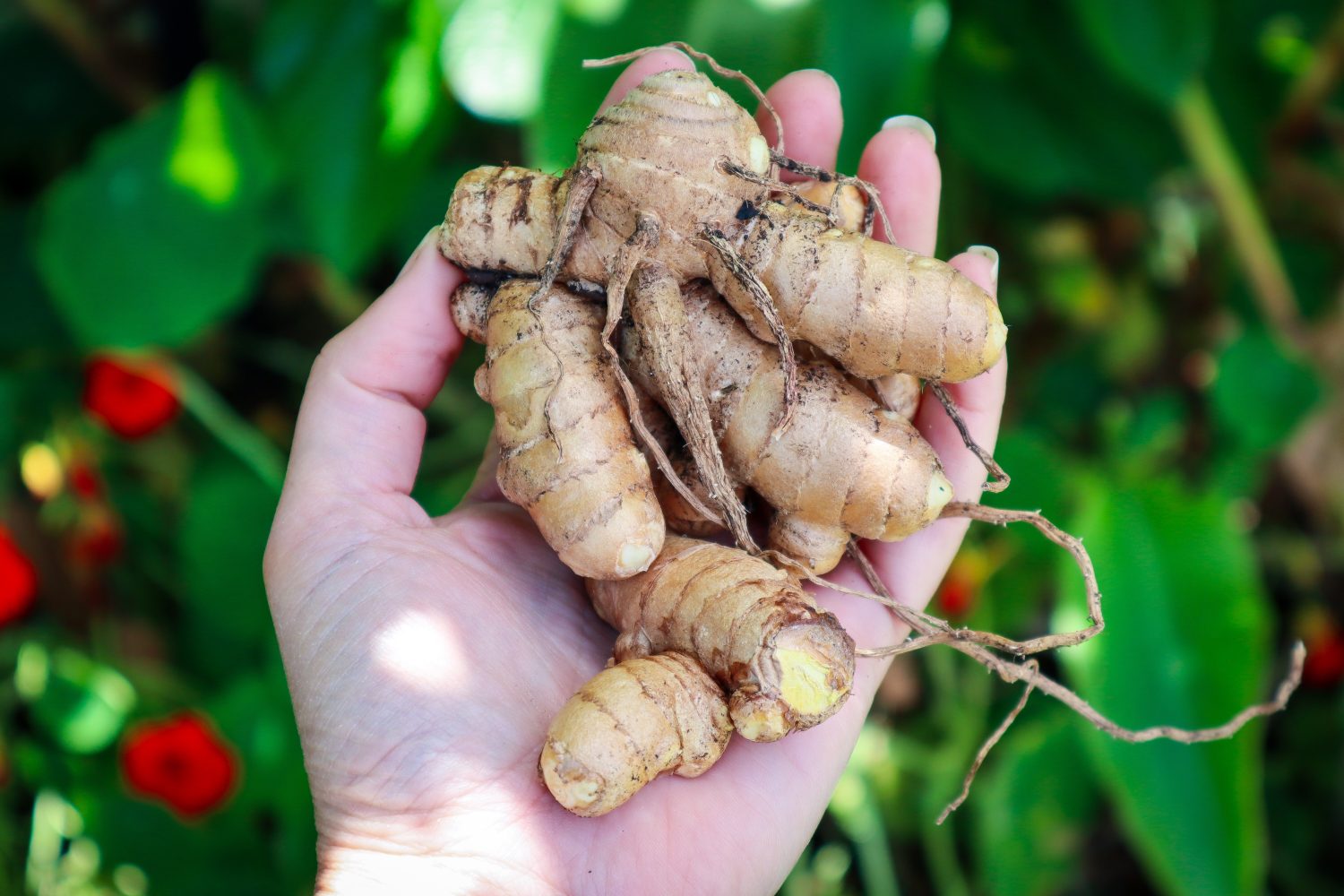
Turmeric (Curcuma longa) – both medicinal and culinary uses. Like ginger, turmeric can be grown in small gardens and containers. freeze or make a dried powder to use throughout the year.
Spring onion (Allium fistulosum) – easy to grow and just cut at the base, and they regrow! Such an easy swap to make! Sprinkle plants or seeds throughout your garden to fill the gaps.
🍃 Medicinal Plants
Grow natural remedies for common ailments. Many medicinal plants have multiple functions in a garden, including medicinal, culinary, pollinator and wildlife habitat.
Skip the microplastic tea bags and grow your own herbal teas.
Lemongrass Cymbopogon citratus) – easy to use and full of flavour. Simply tie a bunch of leaves in a knot and add to hot water.
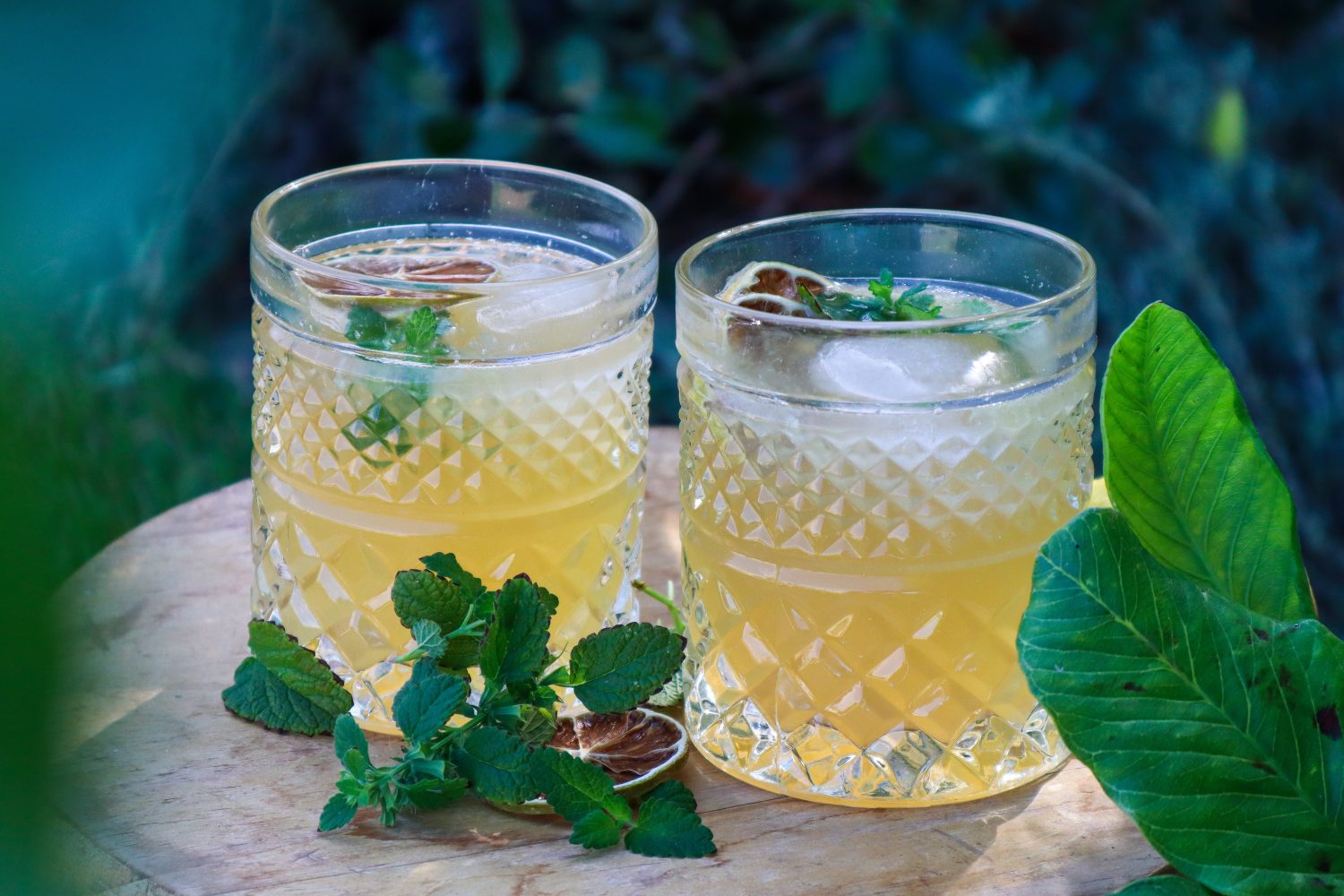
Lemon balm (Melissa officinalis) – I love lemon balm in teas and infused into a lemon and honey drink. Lemon balm has calming properties.
Mint(Mentha spp.) – strong flavour and an insane amount of types of mint, such as apple mint, orange, ginger, and chocolate – just remember this is one you really want to keep contained away from your garden.
Rosella (Hibiscus sabdariffa) – the calyces make a vibrant, tart and cranberry-like flavoured tea or drink. mix with honey for sweetness. packed full of vitamin C. They can also be used to make jams, syrups and chutney.
Lemon Myrtle (Backhousia citriodora) or Cinnamon Myrtle (Backhousia myrtifolia) – Are Australian natives that are full of flavour.
Holy basil (tulsi) (Ocimum tenuiflorum)– a great natural sleepy tea or anti-anxiety tea for a relaxing evening brew.
Ginger (Zingiber officinale)– full of flavour and immune qualities for a health-boosting tea
Pineapple sage (Salvia elegans) – sweet, fragrant tea herb with pineapple scent and flavour. The red flavours are popular with small birds or great for flavour and garnish.
Start Building Your Homegrown Supermarket
Growing your own food and boosting your homegrown food security does not have to happen all at once. Actually…The most sustainable gardens usually grow slowly over time. Start with a few staple plants that you already use in your kitchen, herbs for flavour, leafy greens for salads, or a fruit tree for snacks and expand from there.
One of the biggest benefits of growing your own groceries is freshness and no nasty chemicals! Fruit and vegetables picked straight from the garden are often sweeter, more nutritious, and far more flavourful than produce that has travelled long distances to reach the supermarket. You also gain the peace of mind that comes from knowing exactly how your food was grown.
For gardeners in warm climates like mine in Western Australia, many of these plants thrive with very little input once established. Hardy staples such as sweet potato, pigeon pea, mulberry, lemongrass, and arrowroot can produce food, mulch, and soil improvement all at the same time. Over time, these plants start to form the foundation of a productive backyard ecosystem. Food security does not mean growing absolutely everything yourself. It simply means bringing more of your food supply closer to home. Every herb you harvest, every fruit you pick, and every staple crop you grow reduces your reliance on supermarket supply chains.
Start with one plant, then another, and before long, you may find that your backyard begins to feel less like a garden and more like a small, living supermarket.
Today I’m going to share with you 10 tips to grow more food from your edible home garden. These tips are so easy and you can implement them today to boost your garden’s production. No matter whether you are renting or living in an apartment.
It is no secret that we are facing a very real food security and shortage with many supermarket shelves completely empty. There has never been a better time to start growing your own food or ramp up your home gardens production. These tips will help you maximize the amount of fresh homegrown food you can produce from home. Starting NOW!
WATCH 10 tips to Produce more Food
10 tips to Produce more Food at Home
1. Trim your Herbs
Especially if they are starting to flower. Herbs such as Basil, Mint, and Thyme can all be grown in pots, and trimming the tops will promote a bigger bushier plant. When plants get hot, stressed, or are just left to just grow, they will send off flowers to produce seeds for another generation. Trimming off these seeds will let your herbs know that it’s not time yet, and to keep producing. Just chuck the tops and seeds back in the garden and they will sprout new plants, dry or preserve your herbs, or pop the purple stems in vinegar and make a vibrant basil infusion! You can then use this to make salad dressings by mixing with a little olive oil and lemon juice.
2. Regularly Plant “quick-to-grow” Crops
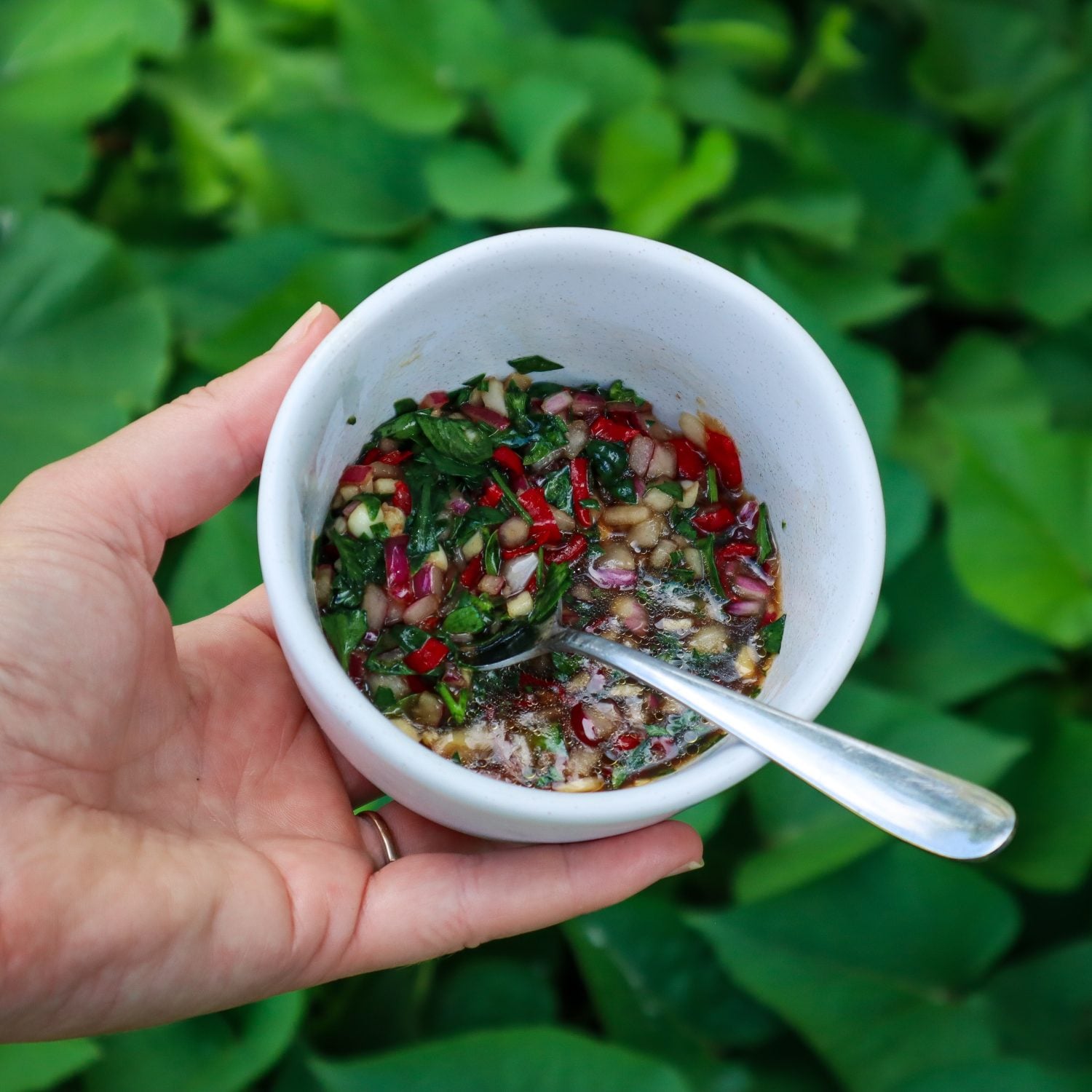
Quick-growing crops are great to continuously interplant in your garden to get quick wins. Edible plants such as Radish and Rocket are super quick to germinate and grow. Plant radish in the gaps of your garden for quick and easy food production. Radish isready from seed to table in just 28 days and is one of the quickest things you can grow! Radish not only provides fresh crunchy vegetables to add to salads but you can also eat the leafy tops by making pesto or chimichurri. If you are not a fan of the spicey radish, then try them with your roast veggies! So sweet and delicious!
3. Succession Planting
A little planning goes a long way in an edible home garden. If you know your veggies will be finishing up soon, plant new seeds to have seedlings ready to go. You can plant your new seedling out before you have pulled out the old ones so that you can transition straight away and prevent empty spaces from going to waste without producing food. I also like to grow different varieties so I plant each type two weeks apart to help stagger the crops.
4. Hand Pollinate
In an ideal world we will have lots of bees and pollinators in our home gardens to do the work for us. This isn’t always the case, especially if you live in an apartment or your gardens are new. Hand-pollinating can help ensure more of your fruit and veggies are pollinated and set to form full-sized fruit. We definitely want to encourage bees and pollinators by planting flowers but hand-pollinating can be an added insurance. This works best on plants such as Melon, Squash, Zucchini, and Pumpkin. Click here for more info on how to hand pollinate.
Your plant’s main goal is actually not to make delicious food to feed us humans… but to produce seeds to secure its future generation. If the plant feels it has enough fruit or vegetables produced with seeds it will slow or stop producing. Regularly picking your harvest when it is just ready will make the plant think that it has lost its seeds to predators so it will continue to produce more and more. So try not to leave things too long on the plant once they look ready. This also reduces the risk of other critters nabbing your produce first too.
7. Learn more about Root to Shoot
Conventionally 30-50%, maybe even more of the edible plants are discarded. Crops such as Beetroot leaves, Carrot tops, Brassica leaves and stems, Sweet Potato leaves, male Pumpkin or Zucchini flowers, and so much more! Learn what parts of the plant are edible and you could double the amount of food you have in your garden in a matter of hours!! I have some recipes on my blog but this is something we dive deeper into inside my membership.
8. Plant Perennials
Perennials are plants that last longer than 2 years. These may be a little slower to establish but once they do, they produce an abundance of food with just a little maintenance. These are plants such as Berries, Fruit trees, Artichoke, Asparagus, perennial Spinach varieties, Rhubarb and so much more! Having perennials in your garden will help you maintain your food supply. I also have an article on A-Z edible perennials available inside my membership.
9. Stack in Time and Space
Use the space you have in your edible home garden to grow both horizontally and vertically. This can maximize the amount of food you can grow. Having a trellis at the back of your garden or container can help create structure and expand your food production capabilities. I also let plants use my fruit trees to grow up. Whether that’s beans, tomatoes, melons, or pumpkins. Growing vertically can double the amount of food you can grow in a single space. Stacking in time is just like succession planting. Plant crops that will be starting to take off as the previous ones are finishing up. If you have a vertical crop that may produce more shade on the lower levels this can also provide a cooler climate to grow some more sun-sensitive crops such as lettuce. Especially in these hot summers.
10.Utilise Space with Container Gardens
Even if you have a large veggie patch, container gardens still have plenty of use. Container gardens are great for growing prolific plants that can be a little invasive. These are plants such as Mint, Nasturtium, and Sunchokes. Not only will you get lots of food but your precious garden space won’t be overrun with the weed-like growth of these plants. Containers are also good for maximizing the sun and shade. You can move them around during the year to follow the sun or reduce the amount of direct sunlight in summer.
Start TODAY with these 10 tips to produce more food from your edible home garden! Let me know if any of these tips sparked inspiration with you in the comments below.
There is no better time to start growing your own food than NOW. Creating your own food security and using your time to help create a greener world is win-win. I have always had the dream of growing my own food and living a more sustainable lifestyle and it is something that I have been continually building and working towards for years. I don’t want to be 100% self-sufficient because there are just some things I either won’t be able to grow or choose not to grow. But there are plenty of ways to supplement my homegrown food supply such as trading, swapping, and local farmers markets. I have put together (in no particular order) 18 simple ways you can start living a more self-sufficient lifestyle today.
1. Start a Herb Garden
No matter whether you have a big garden or live in a tiny apartment, growing herbs can be easy and takes up very little space. Grow in small pots, recycled containers, hanging planter,s or windowsill planters. If you like to use herbs it is a great first step towards self-sufficiency. And no, that does not mean buying those packed herb pots from the supermarket…. they are often grown hydroponically and then placed in the soil so they rarely survive long and don’t handle being planted out into real life. Get a packet of seeds and try growing your own 🙂
2. Start a Vegetable Patch
The best way to learn how to grow vegetables is to simply start trying! Start small with either a planter box or convert one small patch of your garden or even driveway into an edible vegetable patch. You can also start by simply integrating edibles into your established garden. Once you start growing some things you can start expanding bit by bit. Goodbye grass 🙂
3. Plant Fruit Trees
I love fruit trees because although they take a while to get going, once they do, they are abundant and don’t require as much care as vegetables. You can plant them in either a large pot or directly into the garden. I would recommend going to a local specialist fruit tree nursery so they can help you choose the best fruit tree for your location. Also, make sure you get something with fruit you actually enjoy! With the abundant produce you can then preserve, swap, and trade with others!
4. Grow Base Crops
I couldn’t think what else to call them but growing crops that will feed you for longer and create a good base to fill your pantry. Crops such as Pumpkins, Potatoes, Onions, Garlic, and Sweet potatoes will provide decent amounts of food that you can store and use throughout the year! A great base vegetable to feed a family.
5. Grow Soil
Composting is not only great for the fertility of your soil and the secret to AMAZING vegetables but also stops waste from going to landfill. There are a whole bunch of ways to do this depending on your living situation. You can make your own compost bin out of recycled wood, find a second-hand tumbler online or purchase one. You can also simply dig a hole in the garden and bury it (be careful of attracting pests though). There are also some new ways for people with no land to connect with others that do and give them your compost scraps. Either community gardens, local Facebook groups or now in Australia there is even an app! Sharewaste
6. Save Seeds
This is just as important as growing food and will be a huge step towards your self-sufficient journey. Saving seeds helps you maintain food security knowing that you have more healthy seeds to grow next year. Save seeds from your healthiest plants that thrive in your garden. Keep them in a dry dark place.
7. Grow Community
Get your friends involved! Take them over a basket of homegrown food or preserves. Once they see your delicious fresh food they may also get inspired! Help them out with seeds, and cuttings and surround yourself with like-minded people. Community gardens can be a great place to learn, get involved, and even seed/ produce swap. It can be an amazing network of knowledge, especially in relation to your local climate and growing conditions. There are also some great social media forums and groups that are great for finding answers to your questions and local knowledge.
8. Shop Local
Explore your local farmer’s markets! Grab a friend and go have a browse! They are usually on a Saturday or Sunday morning and I look forward to it every week. Although I love my local farmers market (Kalamunda) every few months I like to check out other farmers markets to mix things up and find new and interesting produce. Bulk food stores have been making a come back and I am sold! Lucky for me there is a fantastic Bulk Store ( Replenish Kalamunda) right by my local farmer’s markets. So I head there straight after I have picked up some fresh veggies. They may seem daunting at first but there are always plenty of signs explaining how to do it. I also love how each product clearly states where they have come from as I try to only choose Australian products.
9. Learn to Cook from Scratch
This is a big one! Learning to cook a wide range of meals from scratch using simple ingredients is key! I mean we can all make a butter chicken right…you just get the sauce and pour it in… Ditch the sauces from the supermarket and learn to make your own. I am constantly experimenting and expanding my knowledge so I can make a wide selection of meals from the produce I grow. Try to buy vegetables that are in season and fruits and vegetables that you are planning to grow. That way you can practice and become a pro at recipes for YOUR future harvests!
10. Grow Food From Scraps
Ok, this is one of my favourites! It is so quick and easy and a lot of fun! Plus you are getting the most out of your food. Buy one get multiple free!! Cut off the ends of your farmers market vegetables such as Spring Onion, Leek, Pineapple, Sweet Potato and regrow!
11. Forage and Trade
Keep an eye out on your walks and day trips for wild or excess food. So often there are olive trees, fruit, nuts or wild apple trees going to waste. Do your research and learn how to identify plants. That way you will know what you are looking at. It is also important to be careful if things have been sprayed by the council. I would be always cautious of things such as blackberries. You may even notice a neighbours tree loaded with fruit that is going to waste on the ground. Politely ask if you can have some in exchange for some preserves or baking you make with it. They will probably be happy for it to be used!
12. Repair and Upcycle
Get the most out of your things by fixing or updating them! Even if you don’t know how you may be able to pay someone a fraction of the cost to fix it rather than buying brand new. We often are so quick to throw out and buy new, we don’t even stop to consider if it can be fixed or repurposed. My hair straighteners and been fixed multiple times by electrician friends over the past 12 years and are still working amazingly! Recovering cushions, and couches, DIY, get creative, and even find a local seamstress if you don’t have access to a sewing machine.
13. Shop Second Hand
I try my best to not buy new and it is something I am continuing to work on. Most items you want can be found on Facebook market place, Gumtree (Trademe, Craigslist, etc). You can usually pick up a bargain and keep things in the loop rather than consuming more new things. You can even post in your local community groups and borrow or buy. Especially with things like appliances as many people often have them sitting in the cupboard collecting dust…Pasta maker, I’m talking about you 🙂
14. Backyard Chickens
Chickens make an excellent addition to sustainable living. They provide eggs, eat leftover scraps, produce manure for fertilising your garden, and can they also be incorporated into an integrated pest management system to help you keep your slugs and snails at bay. Many councils will allow backyard chickens in suburbia. Although I do not have chickens …yet (Pictured above is mums ‘Chick Inn’) my council allows x6 backyard chickens on properties 600sqm -2000sqm.
15. Back to Basics
Bread/milk/butter/pizza dough. The age-old skill of baking your own bread is a fantastic skill to have! How amazing to just whip up a fresh loaf of bread or make your own pizza bread without the preservatives or plastic packaging. Milk is super easy and you can make delicious plastic, preservative-free milk whenever you want! Whether that’s oat, rice or almond milk.
16. Learn to Preserve Harvests
I am not really at a point yet where I have an abundance of produce to preserve but I have planted a lot of fruit trees…so I am starting to learn different ways to preserve things so that when I am flooded with produce (yay!) I will be able to make the most of it! Get some produce from the farmer’s markets and give it a go! Jams, chutneys, sauces, pickles, nasturtium capers and all those delicious things. They also make great gifts and can be used to swap for other produce with your friends and family and community.
17. Make your Own
Ditch the toxic chemicals and pesticides and start making your own natural cleaning and garden products. You can get a few ingredients from your local bulk stores such as white vinegar and bicarb soda and make a huge range of cleaning products. Check out my Citrus cleaner here. I also used crushed eggshells to keep slugs and snails at bay. Natural pest management
18. Learn, Read, Practice
I can’t stress how important this is! Knowledge is power. Join your local library and get a book on jam making or search YouTube for “how to prune a lemon tree”. Educating yourself and giving things a go will get you a long way on your journey to living a more self-sufficient lifestyle. Take things one a time and really try and master it before moving on. It can be overwhelming if you try to do it all at once and may lead to failure and giving up.
Small and slow solutions!
Holly 🌱
MY GARDENING ESSENTIALS // Fertiliser spray gun: https://bit.ly/366nL1t Retractable Hose: https://bit.ly/2TSC0Bo More gardening tools: https://bit.ly/32IQmbD
DISCLAIMER: Links included in this description might be affiliate links. If you purchase a product or service with the links that I provide I may receive a small commission. There is no additional charge to you! Thank you for supporting my page so I can continue to provide you with free content!