Post updated 26th June 2026
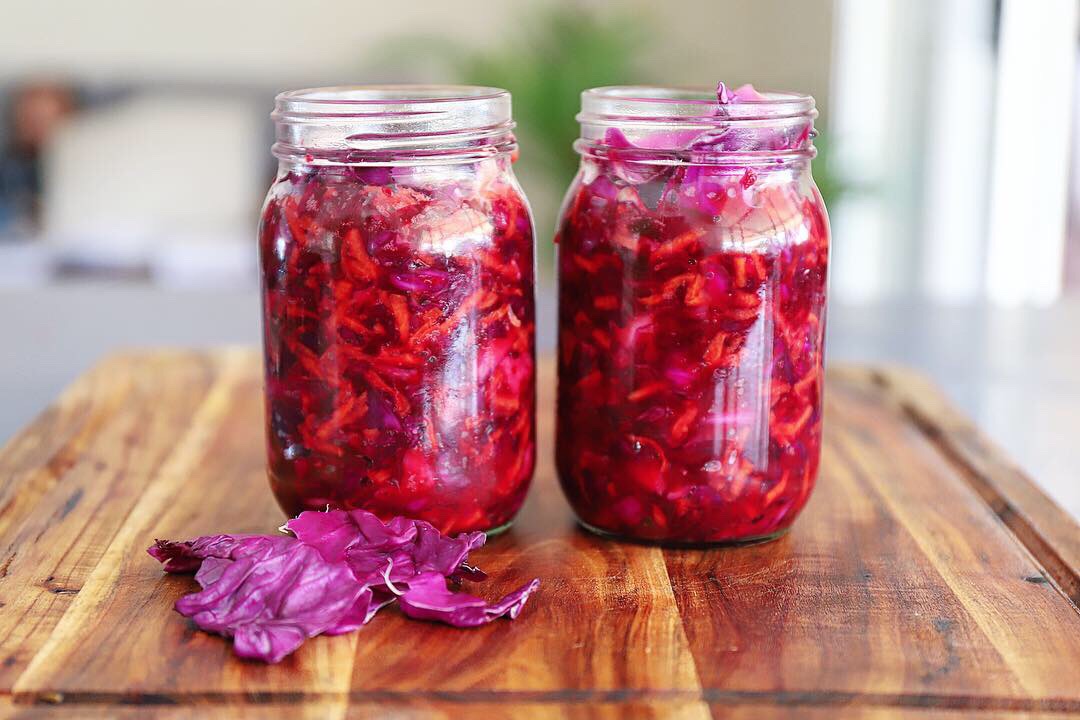
Beet sauerkraut is a simple way to preserve extra veggies while creating a delicious probiotic-rich side dish. I made this kraut with red cabbage, beetroot and carrot, but I also have a list of other fun additions i like to mix in. This bright and vibrant cabbage ferment is packed with flavour, crunch and all the natural goodness.
It’s an easy recipe for reducing food waste, preserving a garden harvest and adding more fermented foods to your plate.
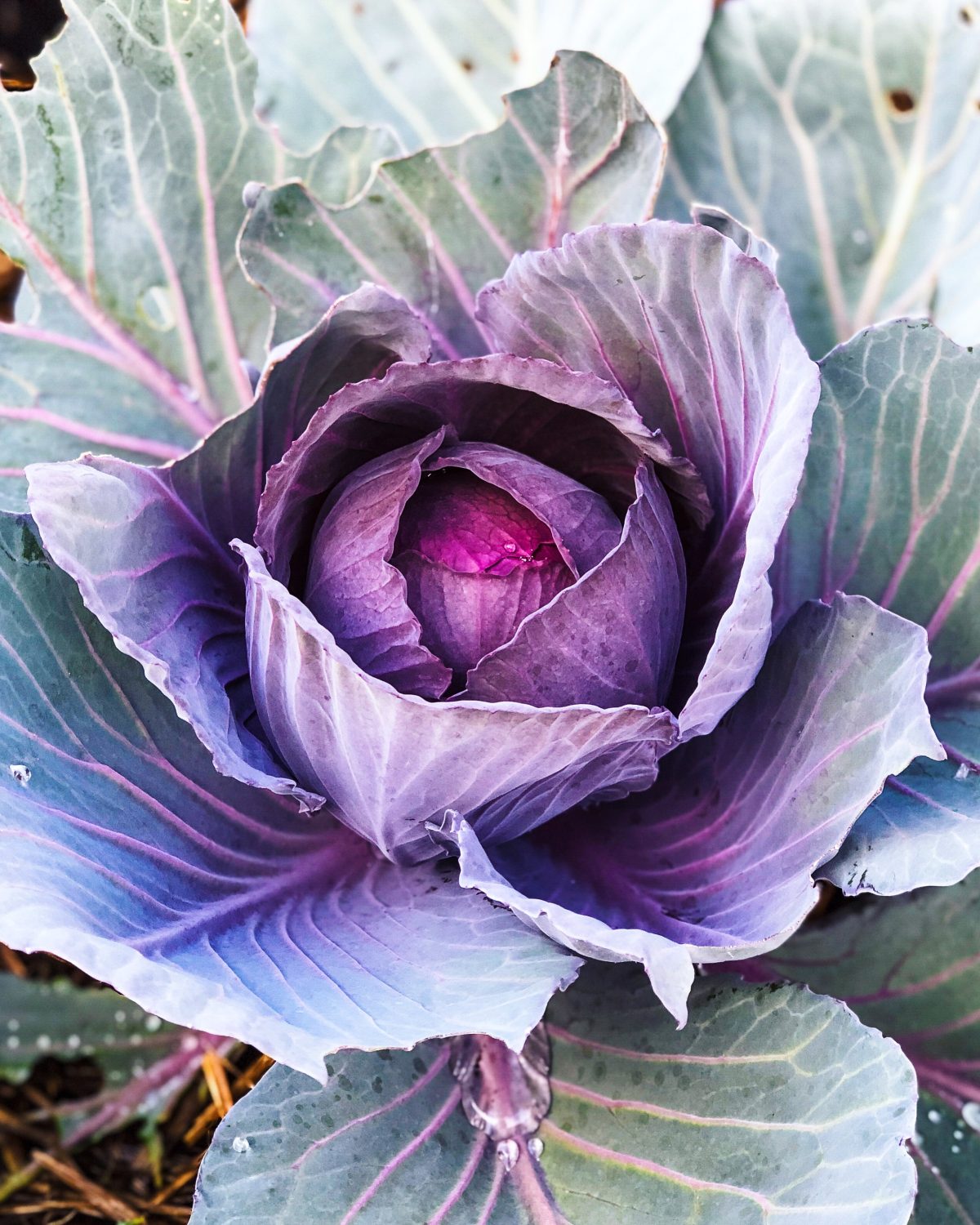
I love growing red/ purple cabbage (always have to have purple veggies growing!), but if too many are ready at the same time – it can be a lot of cabbage! If you have an abundance of cabbage or root veggies from the garden, this easy red cabbage and beet sauerkraut recipe is a great way to turn them into something that will last for weeks in the fridge.

Why Make Beet Sauerkraut?
Fermentation is one of the oldest food preservation methods and requires very little equipment, and I love to keep things simple! Salt draws moisture from the vegetables, creating a brine that encourages good bacteria to thrive. This may help give your whole immune system a boost. Unlike store-bought kraut, which is pasteurised and all the good live bacteria are killed off.
Making sauerkraut at home is:
- A great way to preserve excess garden produce
- Rich in natural probiotics
- Easy and inexpensive
- A simple way to reduce food waste
- Packed with flavour and crunch

What Salt to Use for Sauerkraut
The best salt for sauerkraut is a natural, unrefined salt like sea salt, kosher or rock salt. These don’t contain additives that can interfere with fermentation and help create a healthy brine for the vegetables. Avoid iodised table salt if possible, as it can sometimes affect the fermenting process and slow down the growth of beneficial bacteria. You only need a small amount of salt, but it plays a big role in drawing out moisture from the cabbage and helping everything ferment safely.
Fermentation Timeline
The speed will depend on your room temperature.
- Day 1–2: You may start to see small bubbles forming as fermentation begins
- Day 3–5: The flavour becomes tangy and slightly sour
- After Day 5: The sauerkraut becomes stronger, softer and more sour
Cooler temperatures slow fermentation, while warmer temperatures speed it up. Always taste as you go to find your preferred flavour.
Ingredients
- 3 cups shredded red cabbage
- 1 medium red beetroot (or try golden beets or candy cane beets for a sweeter less earthy flavour)
- 2 medium carrots
- 1½ teaspoons salt
Equipment
- Large mixing bowl
- Grater or mandoline
- Sterilised 700ml jar
- Clean spoon or tamper
Instructions – Beet Sauerkraut Recipe
1. Salt the Cabbage
Finely shred the cabbage and place it in a large bowl. Reserve one whole outer cabbage leaf for later. Other outer leaves can also be used to make my unicorn noodles! Sprinkle the salt over the cabbage and massage it with your hands for 5–7 minutes until it begins releasing liquid.
2. Add the vegetables
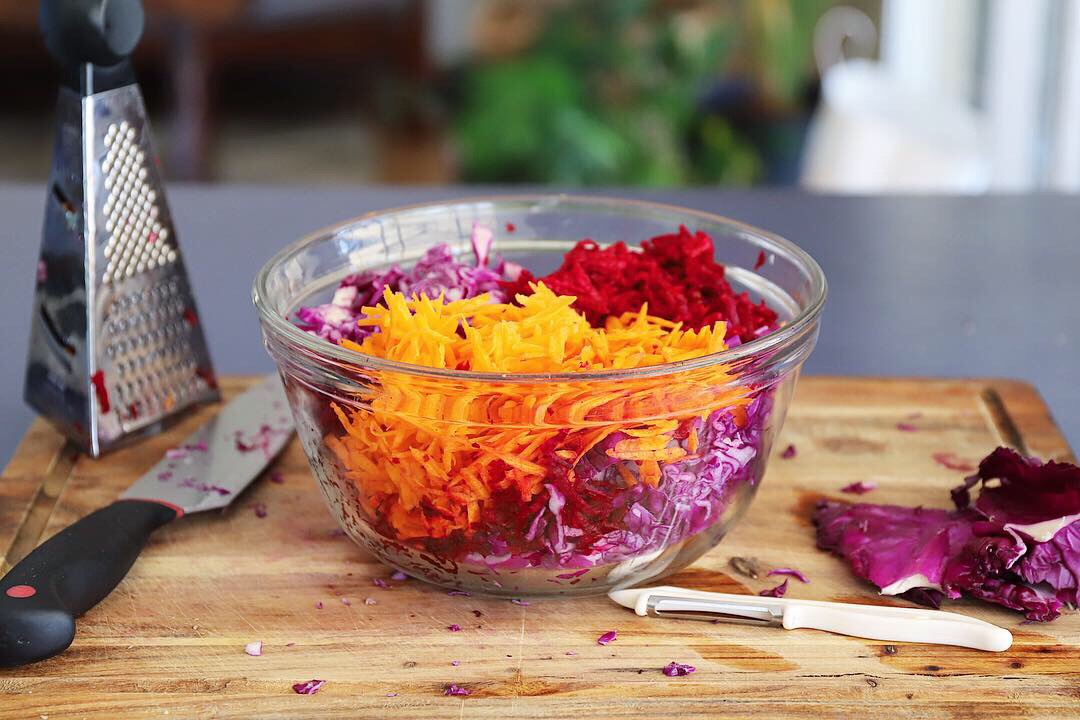
Grate the beetroot and carrots and add them to the cabbage mixture bowl. Stir everything together and leave the mixture to rest for 5 minutes.
3. Pack the Jar
Give the mixture another squeeze and transfer it to a sterilised jar. Press it down firmly as you go to remove air pockets. Pour any juices left in the bowl over the vegetables.The veggies should be fully covered by liquid. If needed, add a small amount of filtered water.
4. Keep Everything Submerged
Place the reserved cabbage leaf over the surface of the vegetables to help keep everything below the brine. Leave approximately 2cm of space at the top of the jar.
5. Ferment
Store the jar in a cool, dark place for 3–5 days. Check it daily to ensure the vegetables remain submerged beneath the liquid. Taste the sauerkraut after a few days. The longer it ferments, the tangier and more sour it will become.
6. Refrigerate
Once the flavour is to your liking, secure the lid and move the jar to the refrigerator. Once in the fridge it will continue to ferment but at a much slower rate. Helping the flavour continue to get better!
Cabbage, Beet and Carrot Sauerkraut
Ingredients
Method
- Finely slice or grate cabbage using a mandoline or grater. Reserve a whole piece to cover the contents at the end. Add to a large mixing bowl and sprinkle over the salt. at the
- Squeeze the salted cabbage to extract the moisture. Do this for 5-7 minutes.
- Grate carrot and Beetroot and add to the cabbage bowl. Peeled or unpeeled is optional – see notes.
- MIx to combine. Cover and let it sit for 5 minutes.
- Give the mixture a final squeeze and mix. Then add to a sterilised jar. This mix will fit a 700gram jar so you could also use two smaller jars. Allow 2cm of empty space at the top of the jar. Press the mixture down to remove air bubbles and pour over any remaining liquid from the bowl. The liquid should cover the cabbage. Add a little bit of filtered water if you need it. Place a piece of cabbage leaf over the top to keep the mix submerged in liquid.
- Store in a cool dark place for 3-5 days or until you like the flavour. It will get increasingly sour the longer you ferment it. Once you are happy secure the lid and place it in the refrigerator. This will mellow out the smell and slow the fermentation down.
Notes
How Long Does Homemade Sauerkraut Last?
When stored in the refrigerator and kept below the brine, homemade beet sauerkraut can last for several months. Always use a clean utensil when serving to help maintain quality.
Tips for Success
Use Fresh Cabbage
Freshly harvested cabbage contains the beneficial bacteria needed for fermentation. Avoid using pre-shredded store-bought cabbage, as it may not ferment as well.
Keep the Vegetables Under the Brine
The most important rule of fermentation is keeping the vegetables submerged under the liquid. Exposure to air can lead to spoilage.
Don’t Worry About the Colour
The beetroot will naturally stain the cabbage and carrots a deep pink-purple colour. This is completely normal and one of the reasons this kraut looks so stunning.
Ways to Use Beet Sauerkraut
Once fermented, beet sauerkraut can be used in many ways! It is the perfect side to add a good contrast and help freshen up heavier meals.
- Added on top of eggs on toast (my favourite way!)
- Added to sandwiches, wraps or tacos
- Served with burgers
- Mixed through salads
- Topped onto grain bowls
- Paired with roasted vegetables
Where to Ferment Sauerkraut
Once your beet sauerkraut is packed into the jar, it’s best to leave it somewhere cool, dark and out of direct sunlight. A kitchen bench is fine as long as it’s not in full sun, but a pantry, cupboard or shaded corner of the kitchen works even better. You want a stable temperature without too much heat or light.
Avoid placing your jar in direct sunlight, as this can speed up fermentation too quickly and affect the flavour.
During the first few days, it’s also important to check the jar daily. Make sure the vegetables stay fully submerged under the brine, as anything exposed to air can spoil. If needed, press the mixture back down or add a small weight to keep everything below the liquid.
Sauerkraut Storage, Shelf Life & Safety
Once your beet sauerkraut is ready and moved to the fridge, it will keep for several months as long as it stays submerged under the brine and you use a clean utensil each time you serve it.
Like all fermented foods, it’s important to trust your senses. If something looks, smells or feels off, it’s best to discard it. Signs of spoilage can include mould that is fuzzy or brightly coloured (a thin white film on the surface is usually harmless kahm yeast), a rotten or unpleasant smell rather than a sour fermented smell, or a slimy texture that doesn’t improve after stirring.
A healthy ferment should smell tangy, sour and slightly salty, with a crisp texture and a vibrant colour.
Other Garden Additions You Can Try
One of the best things about making sauerkraut is how flexible it is. Once you understand the basic cabbage and salt base, you can start adding whatever you have growing in the garden.
Some other ingredients that work really well in this beet sauerkraut include:
- Garlic – adds a deeper, savoury flavour
- Ginger – gives a gentle heat and freshness
- Kale or silverbeet – helps bulk it out with extra greens
- Radish – adds crunch and a peppery bite
- Chilli – for a little heat if you like spice
- Fresh herbs like dill, parsley or coriander stems for extra flavour
- Apple – adds natural sweetness and balances the earthiness of beetroot
- Caraway seeds – a traditional sauerkraut spice that adds a warm, earthy flavour
- Fennel seeds – give a light aniseed flavour and pair really well with cabbage and beetroot
- Turmeric – adds a warm, earthy flavour and a golden colour that pairs beautifully with beetroot
You don’t need to add much… even a small handful of extras can change the flavour of your cabbage ferments. The key is still keeping the cabbage as the base so the ferment process works properly.
Frequently Asked Questions
Can you ferment beetroot and cabbage together?
Yes. Beetroot and cabbage ferment well together and create a colourful sauerkraut with a slightly earthy flavour.
Do I need to peel the beetroot?
Not necessarily. If the beetroot is freshly harvested and clean, simply wash it well. Peeling is recommended if the skin is dirty, difficult to clean or non-organic with chances of pesticide residue.
How do I know when sauerkraut is ready?
The flavour is the best indicator. Start tasting after 3 days and continue fermenting until it reaches the level of tanginess you enjoy.
Why does my sauerkraut smell strong?
Fermentation naturally produces a sour aroma. Once refrigerated, the smell usually becomes much milder.
Common Fermentation Problems
My sauerkraut is too salty
You may have added too much salt or not enough vegetables. You can balance it by adding more fresh cabbage and letting it ferment again briefly.
My vegetables are not submerged
Press them down firmly or use a small fermentation weight. You can also add a little filtered water if needed.
There is white film on top
This is usually kahm yeast and is harmless. You can skim it off the surface.
My sauerkraut smells bad
A strong sour smell is normal, but a rotten or unpleasant smell means it should be discarded.
From Garden to Plate
One of my favourite things about making small batches of sauerkraut is how little you need to create something delicious. A few simple in-season veggies, salt and a bit of patience can turn a garden harvest into a probiotic-rich food that lasts for months. If you’ve never tried fermenting before, this beet sauerkraut recipe is a great place to start.
Happy gardening,
Holly 🌱
More Cabbage Recipe Ideas

15 Best Vegetables to Plant in Autumn For Perth Gardens + Growing Tips
If you’re looking for the best vegetables to plant in autumn in…

Cabbage Steaks with Roasted Beetroot Garlic Sauce
Cabbage steaks are one of the easiest ways to turn the humble…

Japanese Cabbage Pancake – Okonomiyaki
Okonomiyaki is a delicious cabbage dish similar to a fritter or hash…

How to Grow Cabbage – The Ultimate Garden-to-Plate Guide
How to Grow Cabbage Cabbage (Brassica oleracea) is a classic staple winter…


Cauliflower Fried Rice
Cauliflower is fantastic at absorbing flavour which makes it a perfect substitute…

Winter Gardening Guide Perth: What to Plant, Grow & Harvest This Winter
Winter is one of the most productive (and busiest) seasons in the…


Growing Staple Base Crops for Self-Sufficiency
Growing Base Crops On a journey to grow your own food and…

How to Make Color-Changing Unicorn Noodles Naturally
Colour-changing unicorn noodles are a simple but magical kitchen experiment that kids…