Winter is one of the most productive (and busiest) seasons in the garden here in Perth, and this winter gardening guide Perth will show you why. While many gardeners assume growth slows to a stop, the reality here in Perth is very different…The cooler temperatures, reliable winter rainfall, and (did I mention) no crispy hot burning sun create ideal conditions for growing leafy greens, brassicas, herbs, and root vegetables.
If you’re gardening in Western Australia, winter is not a quiet season…it’s a time of abundance, soil building, planting, and preparation for the warmer months ahead.
This guide will walk you through exactly what to plant in winter in Perth, how to manage changing sun patterns, what to harvest, and the key seasonal gardening jobs that will set your garden up for success!
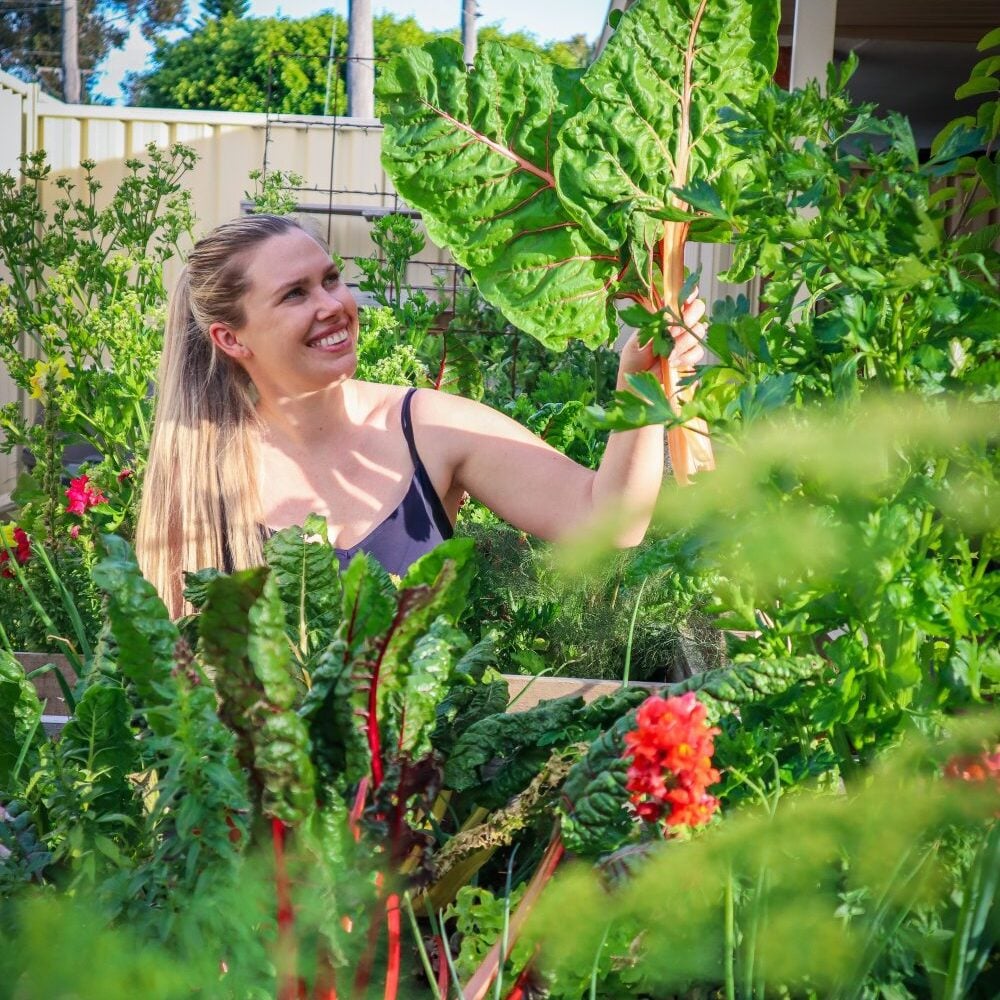
Winter Gardening in Perth: What Makes It Different?
Perth has a unique climate 😅 with extremely hot summers and low rainfall. Summer can be a tough time to grow a garden…which makes winter one of the best times for vegetable gardening.
Key winter conditions include:
- Mild daytime temperatures compared to other parts of Australia
- Cool nights, but usually limited frost in most suburbs
- Reliable seasonal rainfall reduces irrigation needs
- Ideal conditions for cool-season crops
This combination means winter is often the easiest and most productive growing season in a Perth garden.
Understanding Winter Sun and Shade in Perth Gardens
One of the biggest changes in winter gardening is how the sun moves across your space. Especially in urban areas or if you have large neighbouring trees.
In Perth, the sun sits lower in the sky during winter, which means:
- Areas that were full sun in summer may become partially shaded
- Trees, fences, sheds, and buildings cast longer shadows
- Some garden beds may only receive morning or afternoon sun
This is why observation is one of the most important gardening skills.
Before planting, spend time watching:
- Where the sun lands in the morning
- Which areas stay shaded all day
- How water moves after rain
- Wind exposure across your space
Once you understand these patterns, you can match plants to the right conditions instead of forcing them into unsuitable spots. The more we can work with what we have, the easier it is and the more enjoyable gardening becomes.
10 Edible Plants That Thrive in Shade During Winter
Not every part of your garden needs full sun. In fact, winter shade can be an advantage for many edible plants in Perth.
- Nasturtiums – Tropaeolum majus. They thrive pretty much anywhere and are so abundant even in shaded areas. Most of the plant is edible!
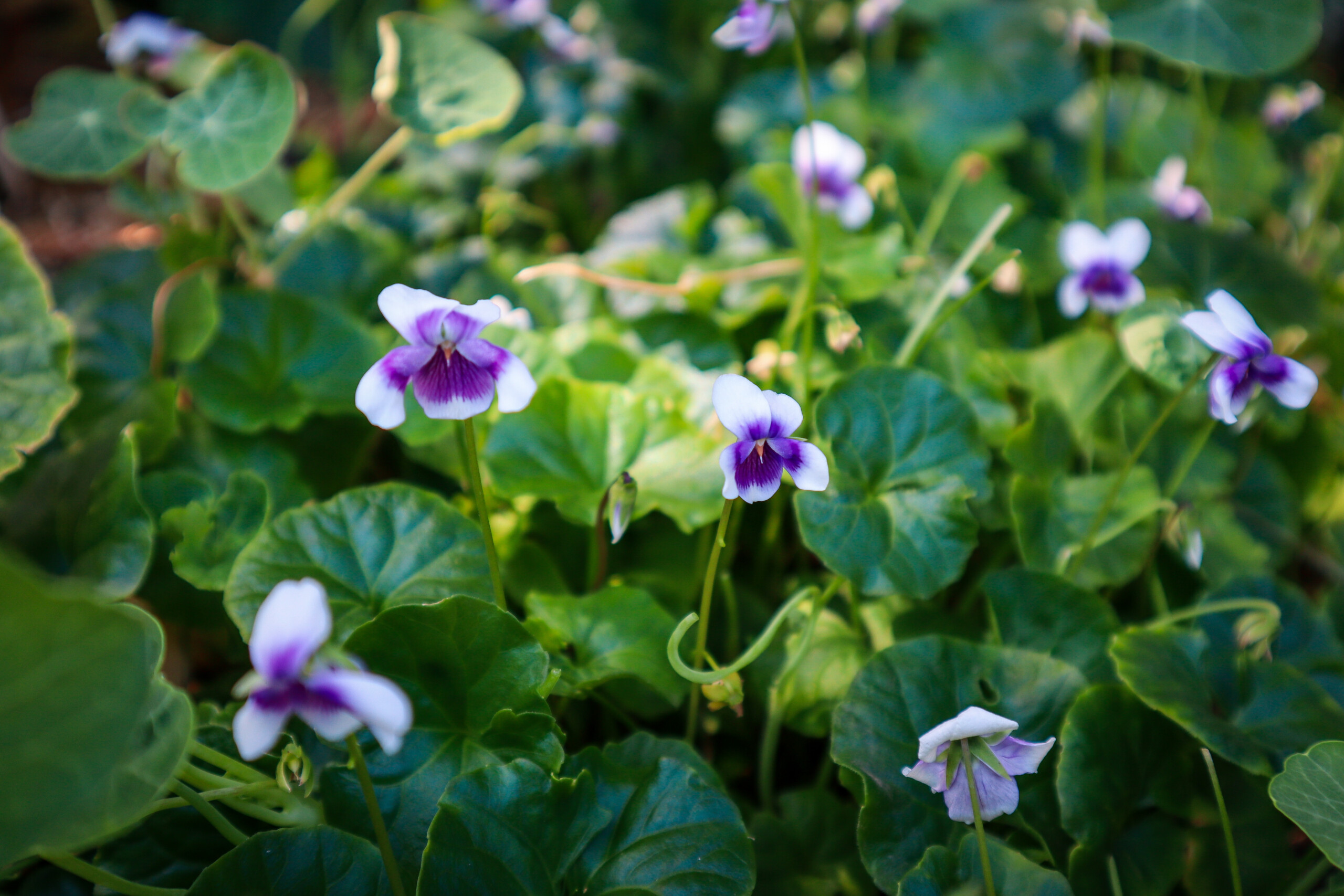
- Sweet Violets – Viola odorata. Sweet violets, also known as English Violets, Wood Violets, or Common Violets, have cute little purple or white and purple edible flowers and make a beautiful carpeted edible ground cover.
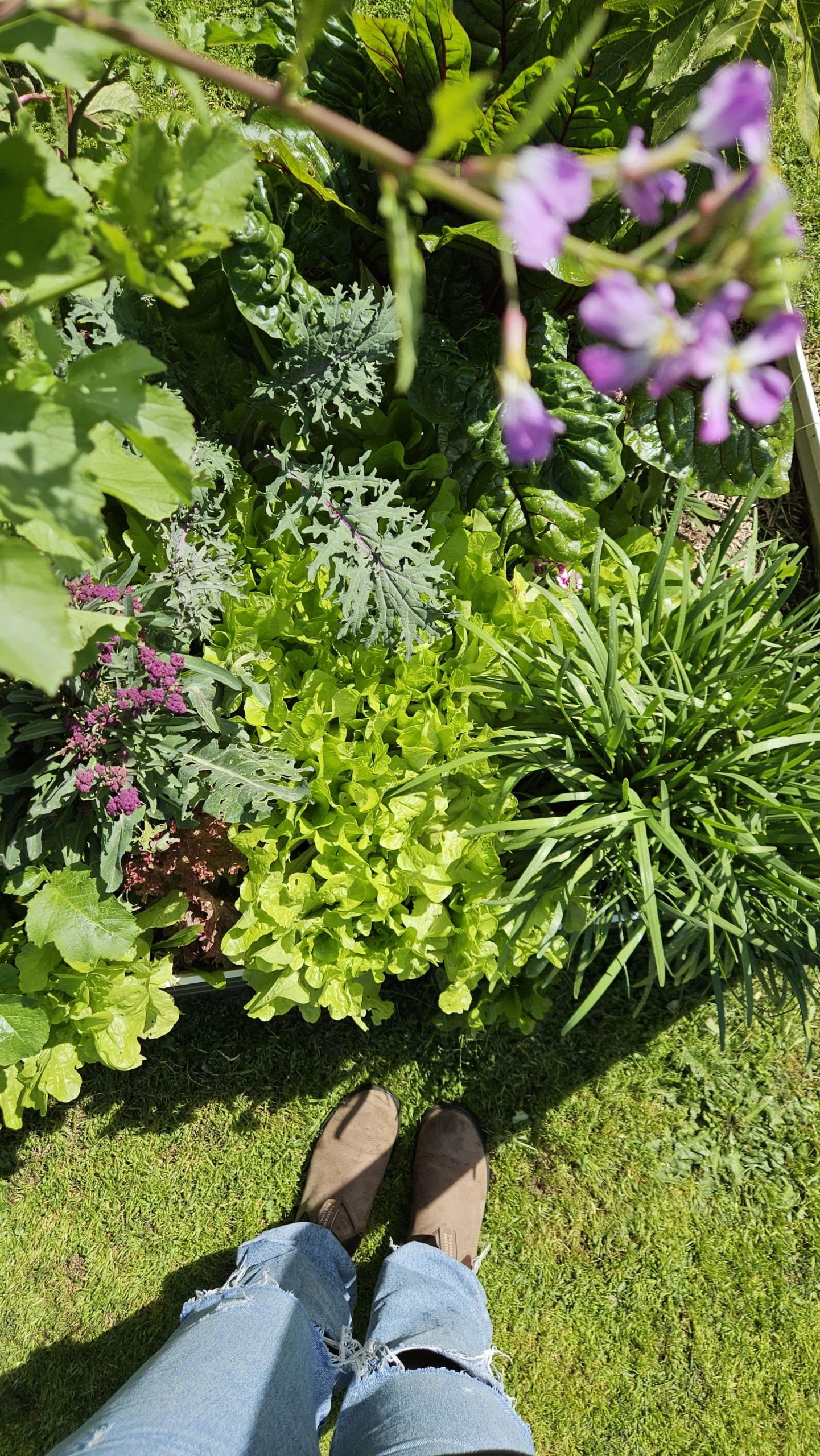
- Lettuce – I grow many different varieties of lettuce, and they don’t seem to mind the shade. In fact, in Perth, WA, I find they do better in the shade.
- Chives – Allium schoenoprasum. I have chives planted in the shade year-round, and they do well. They add great oniony freshness to omelettes, and the flowers are also edible.
- Kale – Brassica oleracea var. acephala. Kale grows well in the shade due to its large leaves being able to sustain adequate energy. It does grow at a slower rate (like most plants in the shade), which I like because although I like Kale it is much easier to keep up with it.
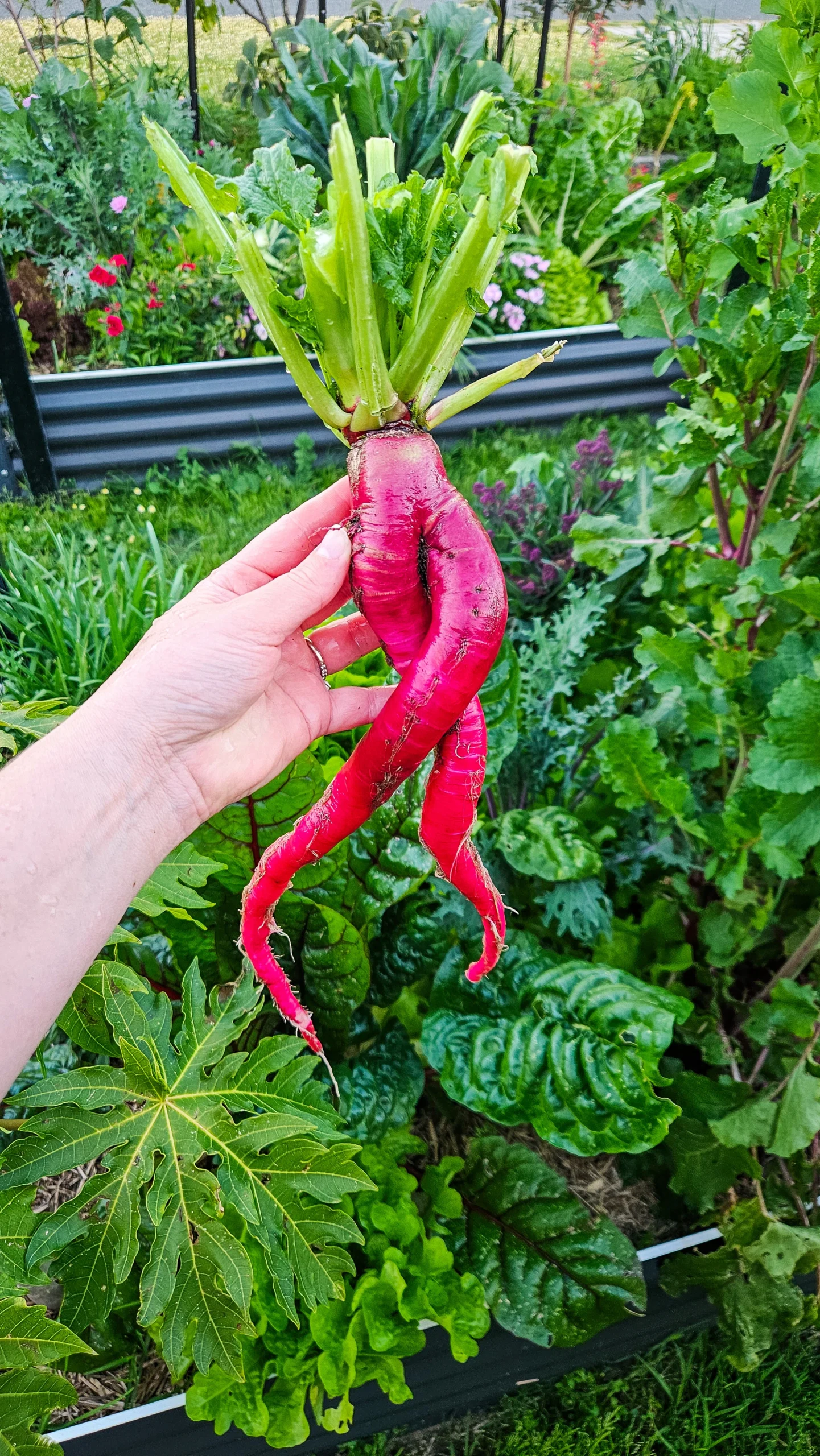
- Radish – Raphanus raphanistrum subsp. sativus. Radishes are fast-growing and will do well in the shade. They are a perfect fresh accompaniment to a salad or pickled.
- Asian Greens – Bokchoy, Tatsoi, Choy Sum, these are some of my favourite Asian leafy greens, and they all do well in the shade or part shade.
- Parsley – Petroselinum crispum. Parsley will tolerate shade, and I find it grows at just the right rate for me to use without having masses going to waste.
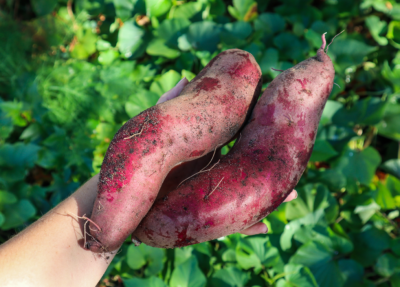
- Sweet Potato – Ipomoea batatas. Although full shade is not ideal growing conditions, my Sweet Potato still does well. Slower growing but a great ground cover and still produces decent-sized crops.
- Rocket – Eruca vesicaria ssp. sativa. Rocket (or Argula) does fine in the shade too and is a great addition to any salad, served with Pizza or make a delicious rocket pesto!

What to Plant in Winter in Perth
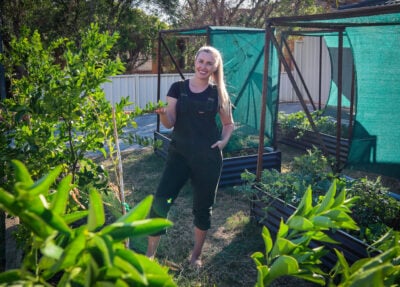
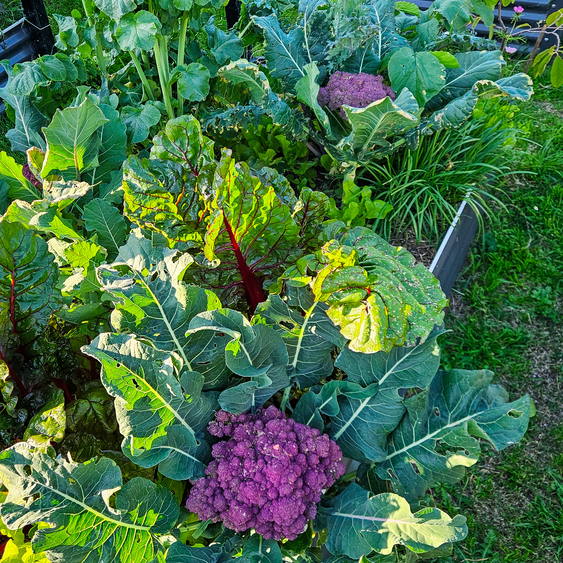
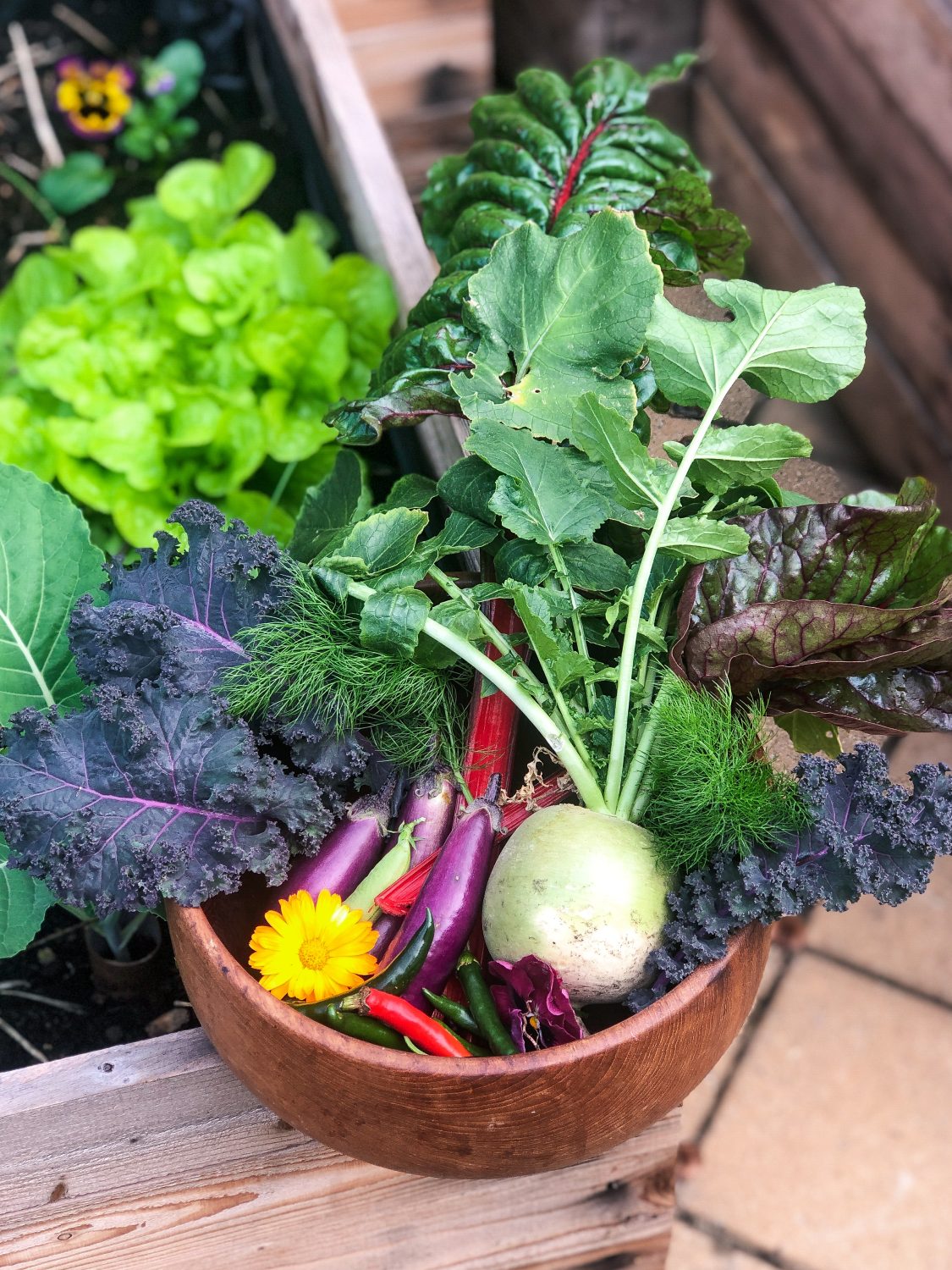
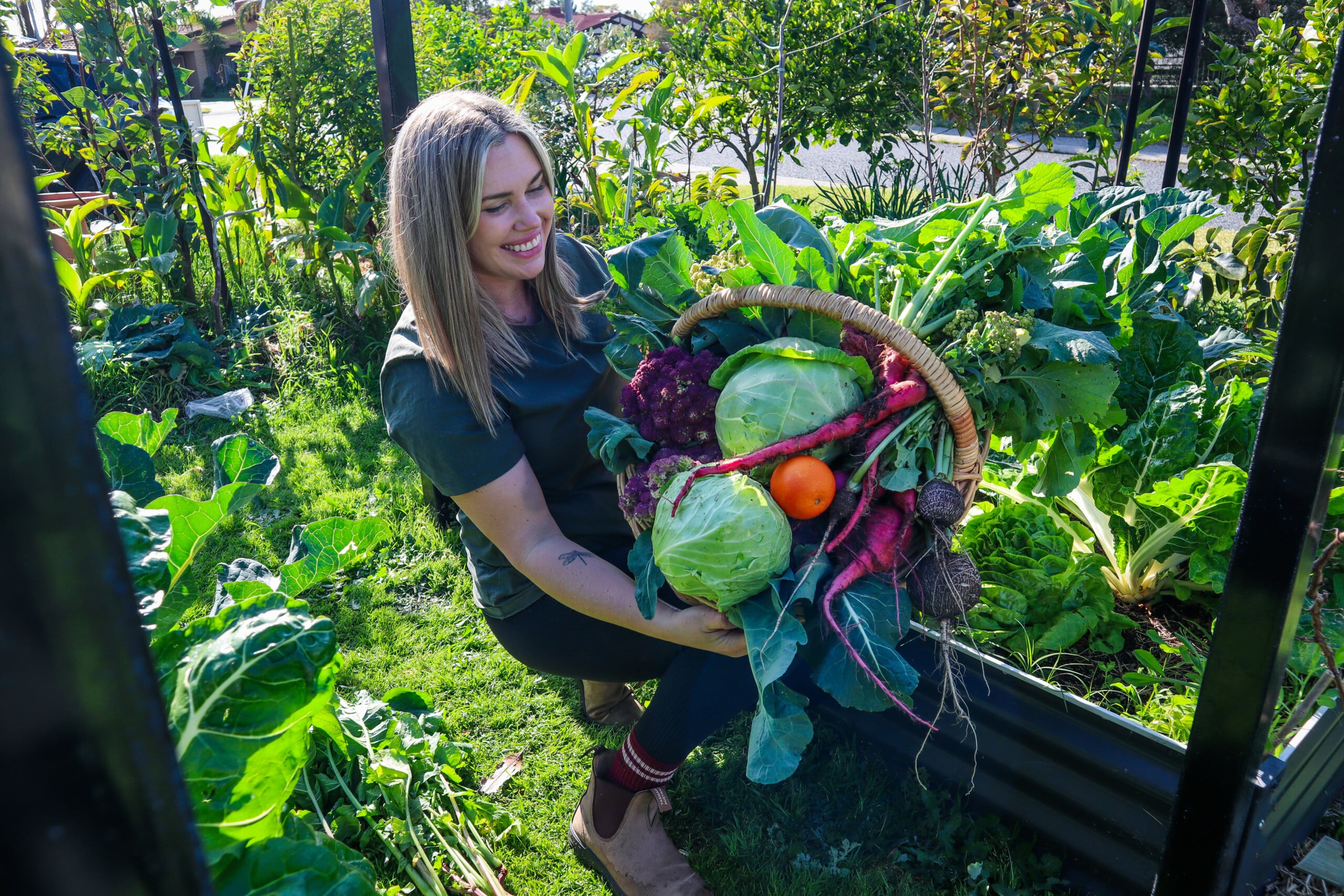
Winter is peak planting season for cool-climate crops here in Perth, Western Australia. My winter veggie patch is by far the most productive of the entire year!
Leafy Greens
These are fast, productive, and ideal for continuous harvest:
- Lettuce
- Spinach
- Rocket
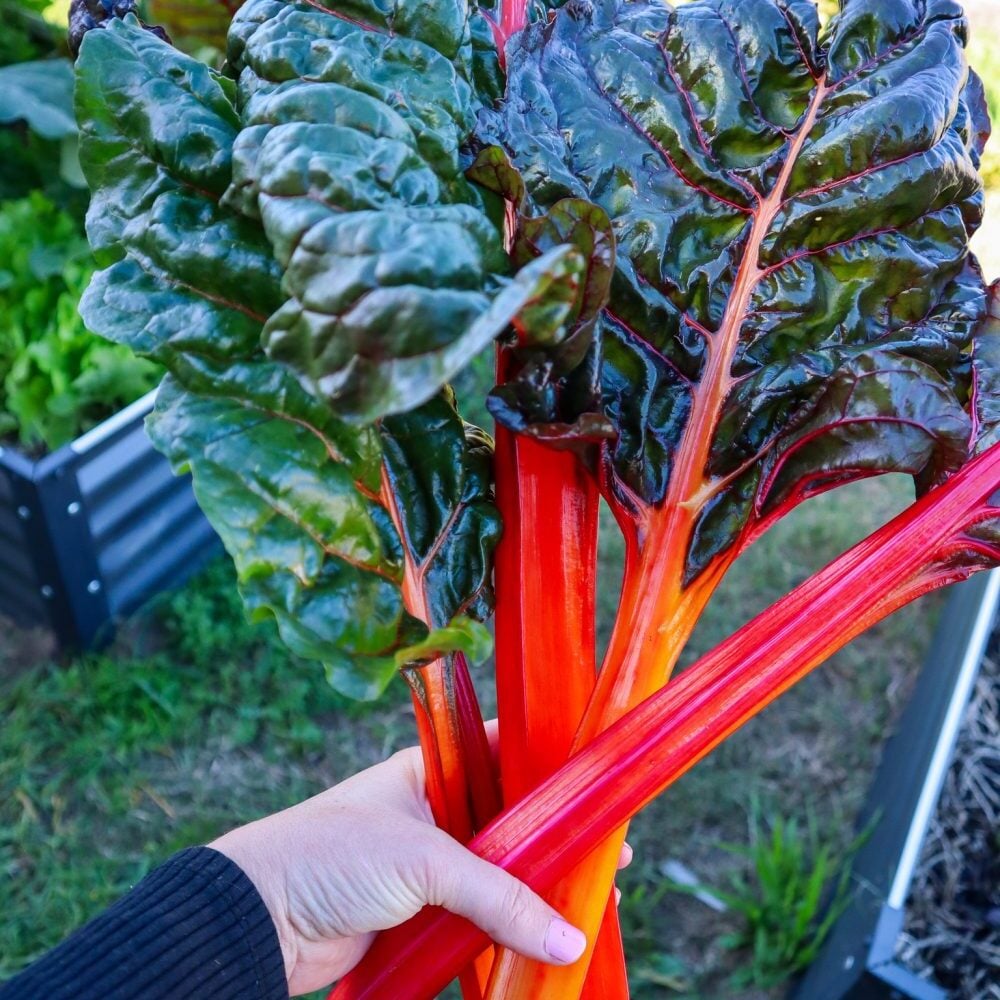
- Rainbow chard/ Silverbeet
- Kale
- Asian Greens
Brassicas (Winter Power Crops)
These thrive in cool conditions and form the backbone of winter harvests:
- Broccoli
- Cauliflower
- Cabbage
- Kohlrabi
I have found the most success with mini cabbages and sprouting broccoli due to our shorter winters.
Root Vegetables
Perfect for deeper beds and sandy soils when well mulched:
- Carrots
- Beetroot
- Radish
- Turnips
Herbs
Winter herbs grow steadily without bolting:
- Parsley
- Coriander (if you like that soapy flavour 🙃)
- Chives
- Dill
- Sage
- Thyme
- Oregano
Legumes
Great for soil improvement and early spring harvest:
- Peas
- Broad beans
- Bush Beans
Planting a mix of these crops ensures continuous harvest throughout the season.
Fruit Trees
Winter can be a good time to plant many fruit trees such as:
- Stonefruit
- Apples
- Citrus
- Guava
- Feijoa
But… there are a few I would avoid planting in winter. These are tropical or subtropical trees such as mango, avocado, papaya, and banana (although I still do, and they haven’t died). It’s best to be safe and wait until the last cold spell is over in spring.

Winter Garden Maintenance Tasks
Winter is not just about planting… It’s also the perfect time to improve your soil and prepare for spring.
Feed Your Fruit Trees
Apply compost, mulch, and natural liquid fertilisers around established fruit trees. Winter is a rest period, so nutrients can slowly integrate into the soil.
Improve Your Soil
Add compost or worm castings to vegetable beds before planting winter crops. Healthy soil equals healthier plants.
Mulch Heavily
Mulch helps:
- Retain moisture
- Stabilise soil temperature
- Suppress weeds
- Protect soil biology
Chop and Drop
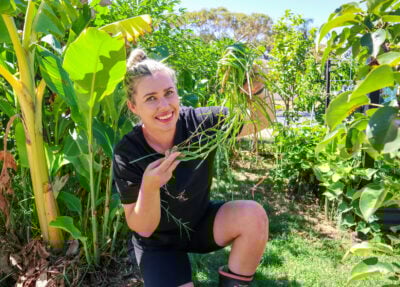
If you have shade or mulch plants, it can be a good idea to chop and drop these in early winter to allow more sunlight into your garden AND get lots of mulch.
Manage Watering
Winter rainfall usually reduces irrigation needs, but newly planted seedlings still need consistent moisture. Keep an eye on the weather as we still get plenty of dry periods during the start of our Perth winters.
Watch Out For Pests
Winter is also a busy time for pests! Keep on top of these naturally with used coffee grounds and natural pest management.
Plant Bare-Root Fruit Trees
Winter is the ideal time to plant deciduous fruit trees while they are dormant.
Prune Fruit Trees
Winter can be a good time to prune fruit trees such as Guava and Feijoa (early winter) and deciduous fruit trees (apart from Apricots – these are better in autumn).
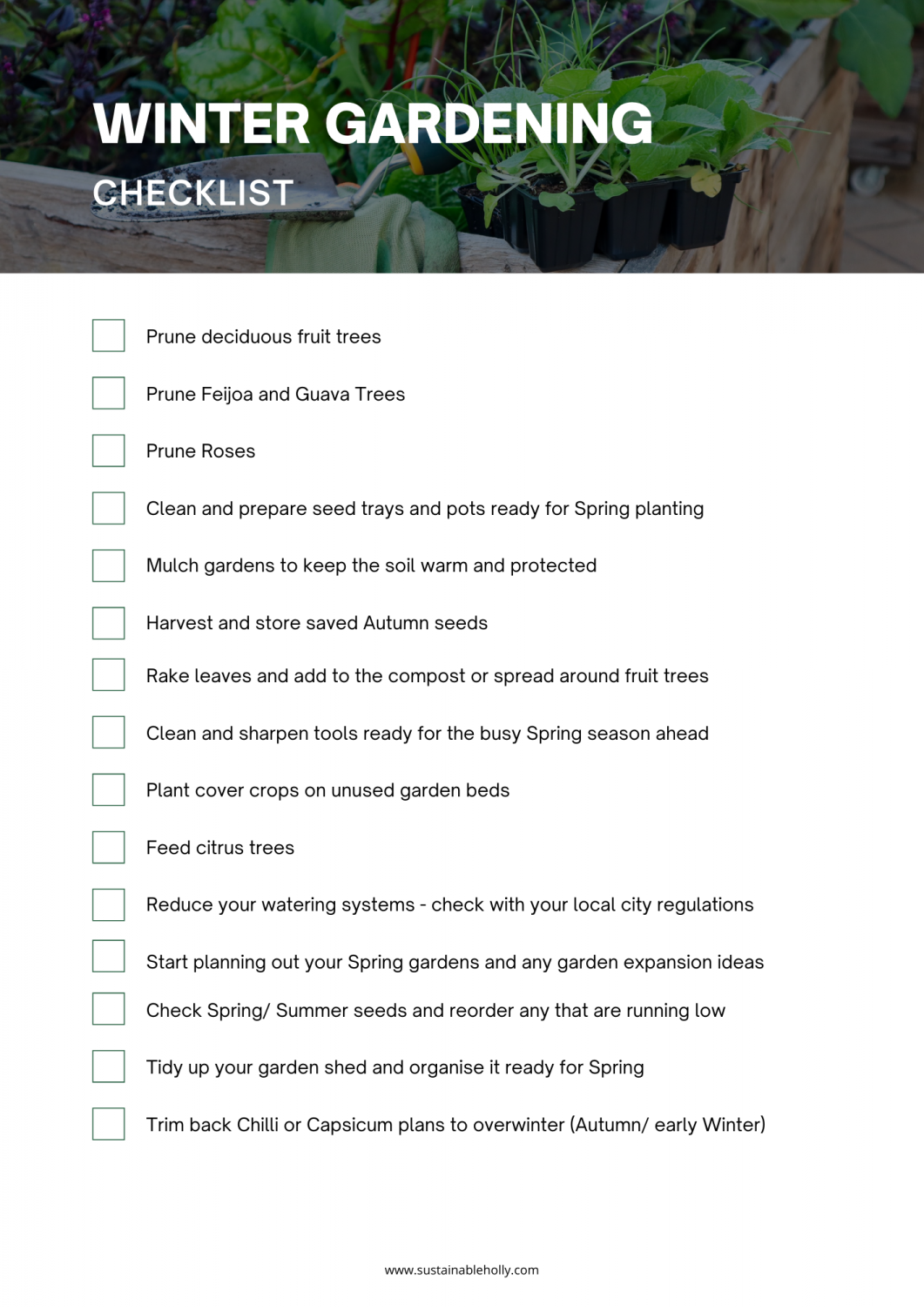
Grab Your Winter Gardening Checklist!
Harvesting and Preserving
Preserve your winter harvests such as:
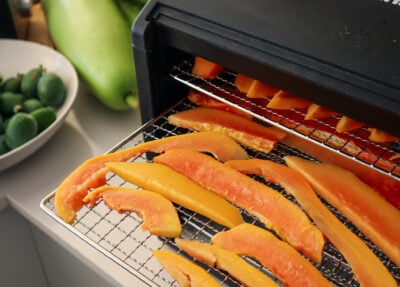
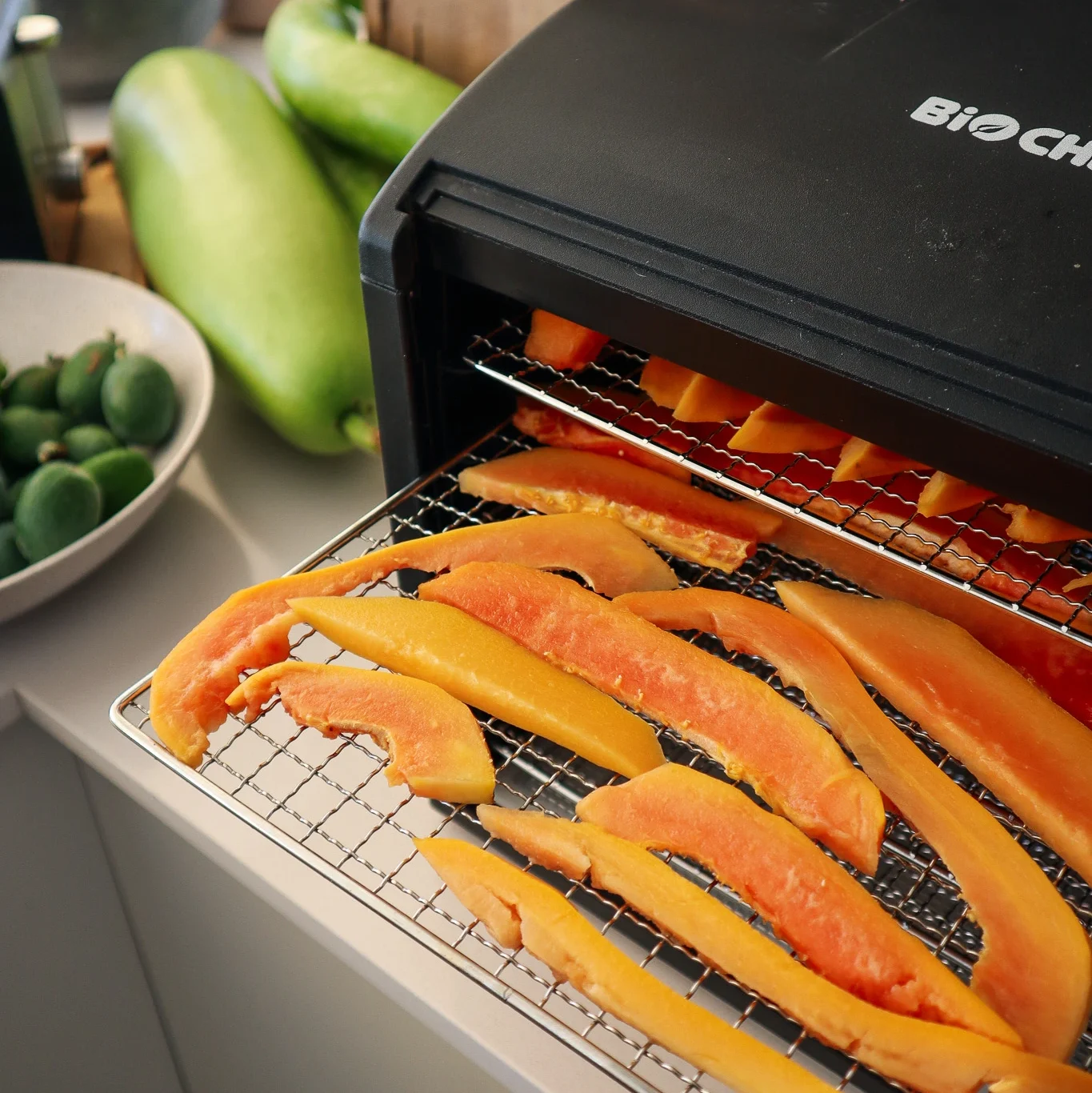
- Dehydrating citrus for teas, baking, and a delicious pot of mulled wine.
- Squeeze lemons and freeze the juice in ice cubes
- Use leftover citrus scraps to make house cleaner or lemon sprinkles
- Blanch and freeze extra greens such as Rainbow Chard, Spinach, Silverbeet, Spinach Greens
- Chop and freeze spinach for smoothies
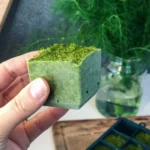
- Make garden pesto and freeze it in large ice cubes for soups, easy pasta dishes, and platters for entertaining.
- Dry and preserve extra herbs
- Blanch and freeze extra broccoli and cauliflower
- Turn extra cabbage into sauerkraut
- Flavoured Salts
- Save the ends and scraps of your greens, herbs, onions, and root vegetables and make a batch of Veggie Scrap Stock


What to Harvest in a Perth Winter Garden?
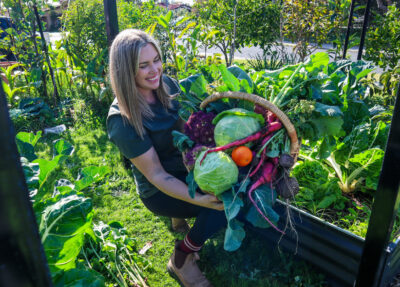
Winter is surprisingly abundant in Perth gardens. If you feel like your winters are too lean, try adding some of the below fruit trees and edible plants to your garden.
Common harvests include:
- Citrus (lemons, oranges, mandarins, lemonade)
- Kale and leafy greens
- Rainbow Chard Silverbeet
- Broccoli and cauliflower
- Cabbage
- Herbs like parsley and coriander
- Winter root vegetables
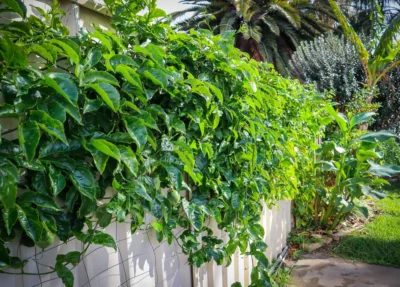
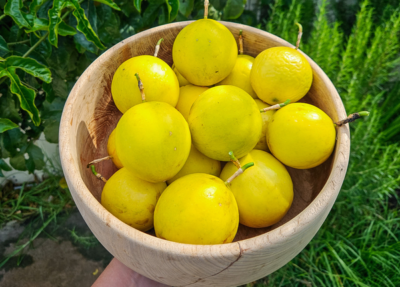
- Passionfruit
- Pomegranate
- Guava
A well-planned winter garden can provide continuous harvests even in cooler months.
Planning for Spring
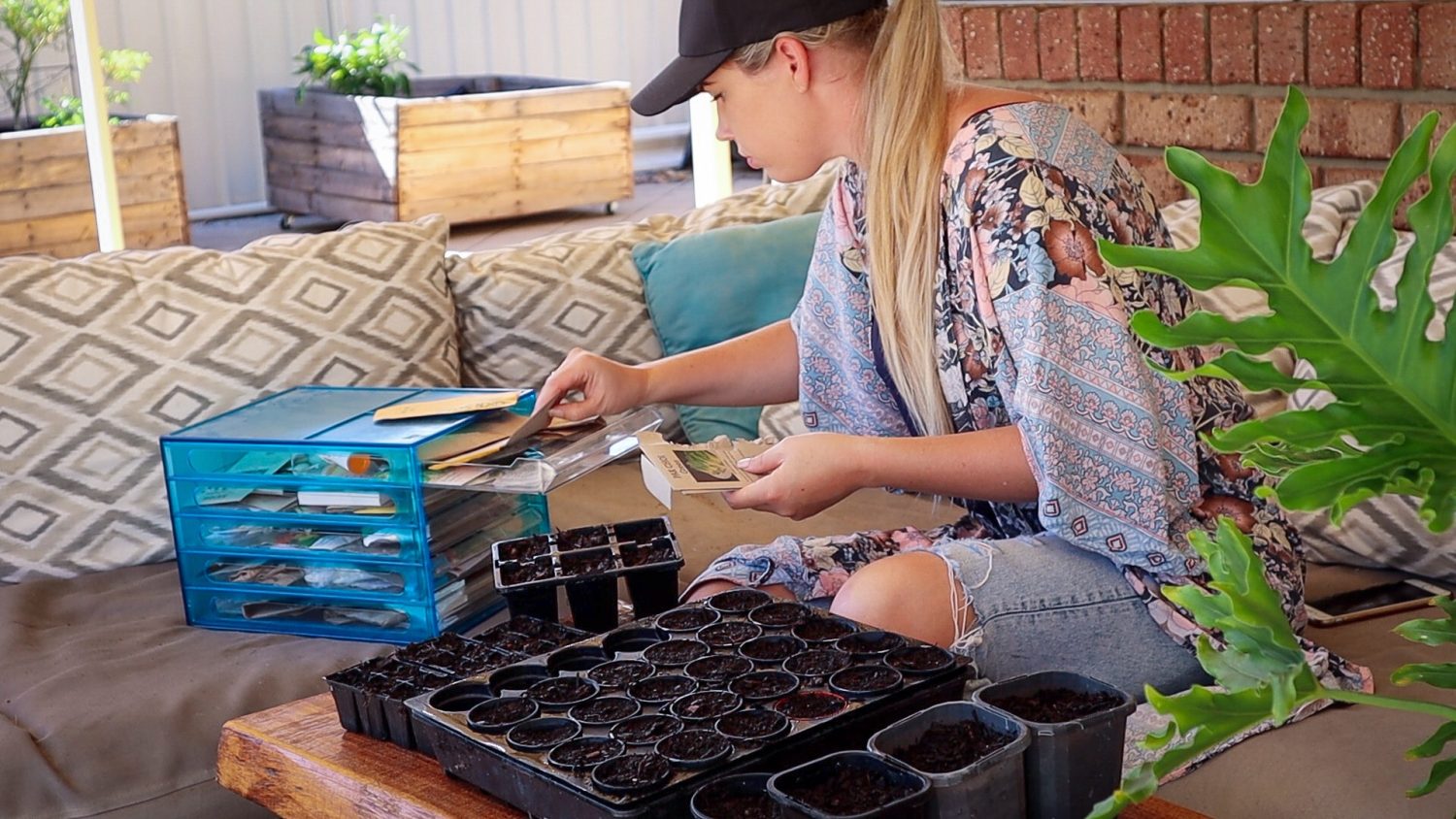
Sometimes it can feel like you are always behind when it comes to planting seeds and seedlings. Here are some tips to do in Winter that will have you speeding ahead in your Spring and Summer gardens!
- Check your seed collection and order your spring and summer seeds (tomatoes, pumpkins, zucchini, capsicum, chilli)
- Start planting any early spring seeds inside or in the greenhouse. The last month of winter can be a great time to do this and get a few things growing to kickstart your spring garden.
- Sprout Sweet Potatoes for sweet potato shoots.
- Clean and organise seed trays ready for planting.


Winter gardening in Perth is one of the most rewarding times of the year. With the right plant choices and a good understanding of your garden’s seasonal sunlight patterns, it could be your most productive season in the garden!
Instead of slowing down, winter becomes a season of growth, planning, and building the foundation for year-round harvests.
If you found this post helpful, please consider sharing it with others 💚
Happy Gardening,
Holly 🌱