Cabbage Steaks with Roast Beet and Garlic Sauce

Cabbage Steaks with Roast Beet and Garlic Sauce

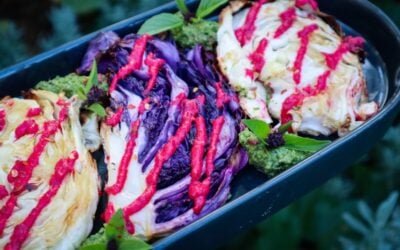
Cabbage Steaks are so simple and easy to make! The roast garlic and beet sauce is packed full of flavour and the colour is unreal! Simple ingredients for a delicious, hearty winter dish.

cabbage steaks

Cabbage Steaks with Roast Garlic and Beet Sauce

Easy and delicious! This garlic and beet sauce is a show stopper.

Ingredients

  • 1-2cm thick cabbage slices
  • Olive oil
  • Salt and Pepper

Beet and garlic sauce

  • 1 medium Beetroot
  • 1 Garlic Clove
  • 1/2 cup coconut yoghurt (or greek yoghurt)
  • salt and pepper to season

Instructions

  1. Preheat your oven to 170 degrees Celcius
  2. Slice your Cabbage into "steaks" 1-2cm thick.
  3. Drizzle a baking tray with olive oil, place your cabbage steaks on, and drizzle a little extra on top. For extra flavour you can brush on some butter.
  4. Cut the beetroot into 4-6 pieces approx 1-inch chunks. Drizzle in oil and add to the baking tray with the garlic clove (skin on).
  5. Bake the cabbage for 15 minutes then turn it over for a further 15 minutes. Cook the beetroot and garlic for the full 30 minutes.
  6. Remove from the oven. Place the beetroot and peel the garlic and pop in a blender or mixer. Blitz to a puree.
  7. Add yoghurt and mix to combine. Season with salt and pepper.
  8. Drizzle over your cabbage to serve.

Notes

Serving suggestion: Garden pesto

Cabbage, Beet and Carrot Sauerkraut

Cabbage, Beet and Carrot Sauerkraut

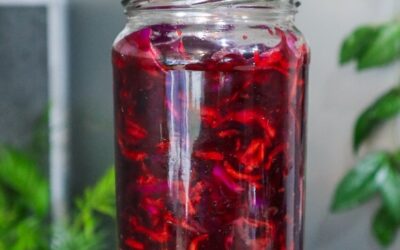
Sauerkraut is a great way to preserve extra cabbage and make a delicious probiotic accompaniment. Red Cabbage, Carrot, and Beet make this a vibrant colourful Sauerkraut but you could use regular cabbage.

sauerkraut

Cabbage, Beet and Carrot Sauerkraut

Prep Time: 10 minutes
Total Time: 10 minutes

Vibrant kraut full of gut-loving probiotics. This is a quick and easy way to see up extra Cabbage harvests.

Ingredients

  • 3 cups shredded cabbage (1/4 of a whole cabbage)
  • 1 medium Beetroot
  • 2 Medium Carrots
  • 1 1/2 tsp Salt

Instructions

  1. Finely slice or grate cabbage using a mandoline or grater. Reserve a whole piece to cover the contents at the end. Add to a large mixing bowl and sprinkle over the salt. at the
  2. Squeeze the salted cabbage to extract the moisture. Do this for 5-7 minutes.
  3. Grate carrot and Beetroot and add to the cabbage bowl. Peeled or unpeeled is optional - see notes.
  4. MIx to combine. Cover and let it sit for 5 minutes.
  5. Give the mixture a final squeeze and mix. Then add to a sterilised jar. This mix will fit a 700gram jar so you could also use two smaller jars. Allow 2cm of empty space at the top of the jar. Press the mixture down to remove air bubbles and pour over any remaining liquid from the bowl. The liquid should cover the cabbage. Add a little bit of filtered water if you need it. Place a piece of cabbage leaf over the top to keep the mix submerged in liquid.
  6. Store in a cool dark place for 3-5 days or until you like the flavour. It will get increasingly sour the longer you ferment it. Once you are happy secure the lid and place it in the refrigerator. This will mellow out the smell and slow the fermentation down.

Notes

- Peel the beets and carrots if the skin is particularly dirty and hard to remove or if you have purchased the beets from the store.

- Don't use pre-shredded store-bought cabbage as it will not have the active bacteria.

- Check the mix daily to ensure it is fully submerged in liquid. You may need to add a small weight to keep it down.

Japanese Cabbage Pancake – Okonomiyaki

Japanese Cabbage Pancake – Okonomiyaki

Okonomiyaki is a delicious cabbage dish similar to a fritter or hash brown (although referred to as a pancake). They make a great base to build any toppings you like! Add a fresh salad, pickles, or anything really! As the dish translates to “how you like it”.

cabbage pancake

Cabbage Pancake - Okonomiyaki

Prep Time: 10 minutes
Cook Time: 10 minutes
Total Time: 20 minutes

Delicious and easy cabbage meal for breakfast, lunch, or dinner!

Ingredients

  • 3 cups of tightly packed finely sliced cabbage
  • 2 eggs
  • 1/2 cup flour
  • 1/4 cup water
  • 1/2 tsp salt
  • pinch chilli flakes

To serve

  • Japanese Mayo
  • Tonkatsu Sauce
  • Fresh chilli
  • Sesame seeds
  • Salad

Instructions

  1. Finely slice the cabbage. A mandoline is a great way to do this quickly. The finer the cabbage the easier it will stick together. Add to a large mixing bowl.
  2. In a small bowl whisk eggs and add the remaining ingredients. Whisk to form a batter.
  3. Add the batter to the cabbage and stir until the cabbage is fully coated in the batter.
  4. Heat a frypan to medium heat. Drizzle with a little oil (or butter for a browner crust).
  5. Add the cabbage and press to form one large fritter or make two smaller ones.
  6. Cook for 5mins and flip onto a plate. Carefully transfer the uncooked side back to the pan (push off the plate.
  7. Cook for a further 4-5mins.
  8. Top with sauces and sesame seeds. Add a fresh garden salad.

Notes

For a vegan alternative replace the eggs with 2 TBSP Sushi seasoning and allow the full cabbage mix to sit for 5 minutes before cooking. This will make the pancakes a pack more vinegary flavour so balance with a creamy salad.

Cabbage

Cabbage

Plant of The Month Info Card

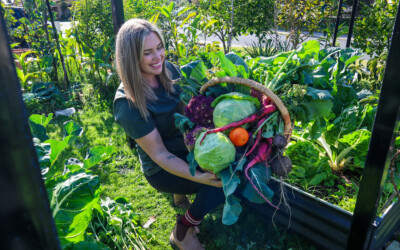
Cabbage (Brassica oleracea) is a classic staple winter veggie that provides your homestead with a hearty base crop to build many dishes.

Cabbage is a great supporting veggie BUT it can also be the star of the show! Learning to grow, cook and preserve cabbage will go a long way to supporting your ability to become more self-sufficient. Cabbage is low-calorie but packed with vitamins, antioxidants, and nutrients.

What parts of the Cabbage are edible?

PLANT

Autumn – Winter. Some varieties all year round.

SOIL

Rich well-drained soil. Prefer pH 7.5

LOCATION

Full sun position

CARE

Consistent watering.

FERTILISE

Feed with compost and with liquid seaweed fertiliser.

PESTS

Slaters, slugs, snails, green caterpillars.

HARVEST

When heads are firm. Cut with a sharp knife.

REPRODUCE

Seeds can be saved in the second year of growth. See below.

Why Grow Cabbage?

Cabbage is a great crop to grow to feed the family and they look beautiful and ornamental in the garden.

Here are some of the many reasons to grow Cabbage:

  • Easy to grow
  • Low maintenance
  • Produce a lot of food
  • Can be used raw or cooked.
  • Rich in vitamin C, K, B12
  • High in anti-oxidants
  • High in fibre
  • Nutrient-dense
  • Can be used as a food colouring
  • Promote cardiovascular health

‘Mini’ – Small green cabbage great for urban gardens. Slow blot. 18 weeks to harvest. 1.3kg size.

‘Early Jersey Wakefield’ – Tight cone-shaped green cabbage. Space-saving for urban gardens. Harvest small or allow to 2-3kg size.

Brunswick – German heirloom green cabbage. Late season crop. Large 3kg Cabbage.

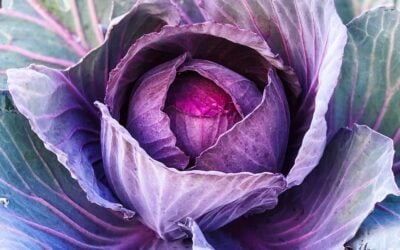
‘Red Drumhead -Heirloom red cabbage with beautiful purple leaves. Large 3kg+ size. Caterpillar resistant so good for warmer months.

‘Red Express’  – Compact small red cabbage. Quick to grow and will produce an early harvest.

‘Savoy Green cabbage with distinctive curly texture. Mild flavour. Rich in vitamins.

When to Plant Cabbage

Cabbage is mainly grown in the colder seasons of Autumn and winter but some varieties can be grown in the warmer months to allow for a full year of cabbage harvests. Plant seeds at the start of Autumn.

How to Grow Cabbage

  • Choose a sunny location.
  • Prepare compost-rich soil ( pH 7.5 preferred)
  • Direct sow or plant your seeds in seed trays.
  • Plant seeds or seedlings 40cm apart
  • Protect young seedlings from slugs and snails but adding a ring of crushed eggshells
  • Add mulch to keep retain moisture

Care/ Maintenance

  • Cabbage are heavy feeders and can benefit from a liquid fertilizer every 2-3 weeks
  • Regular watering

Pests / Disease

Slugs and snails may eat young seedlings. Use natural pest management. Green caterpillars from the white butterflies are usually the main culprits. Especially during warmer months of the year. In some cases, exclusion nets over your cabbage plants or entire patch may be the best option.

How/ When to Harvest

When the cabbages form a tight ball and look about the right size to harvest (check the variety to how big you can expect them to grow) Use a sharp knife to slice the cabbage stem at the base. Remove some of the old outer leaves and rinse well checking for bugs and poop.

Reproducing

Cabbage plants are biannual meaning they will produce seeds in their second season. This means saving seeds from cabbage can be quite time consuming and will take up space in your patch. Cabbages grown in warm months will also attract a lot of white butterflies to your veggie patch. Most of the time it is easier and more effective to purchase cabbage seeds. If you would like to try to save your own – leave a few cabbages without harvesting them for a year to produce flowers and then seeds. Once the seed pods start to dry on the plant, pick and dry further inside. Separate out the seeds from the seed pods and store them.

Cooking and Using Cabbage

Cabbage is a versatile veggie that can be used raw, cooked, roasted and pickled.

Pairs well with: thyme, mustard, ginger, honey, apple, carrot, beetroot, fennel, lemon, vinegar, butter, sour cream, cheese, onion

Cabbage ideas:

Preserving the Harvest

Cabbage can be easily preserved to use throughout the year.

  • Freeze
  • Pickle
  • Bottle/can

Cabbage Posts

Cabbage

Plant of The Month Info Card Cabbage (Brassica oleracea) is a classic…

Rainbow Slaw

Rainbow slaw not only looks amazing but it’s also packed full of…

Previous Feature Plants

Rainbow Slaw

Rainbow Slaw

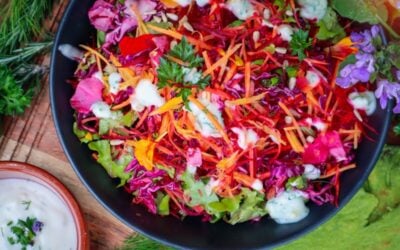
Rainbow slaw not only looks amazing but it’s also packed full of nutrients. Just like planting diversity creates a healthy garden, eating diversely also has many health benefits. Each vegetable has different levels of vitamins, minerals, phytochemicals, dietary fibre, and antioxidants. This slaw can be adjusted to suit your seasonal produce – see the notes for other vegetables to try out. Rainbow slaw is very quick and easy to make and can be a delicious and wholesome accompaniment to any meal.

rainbow slaw

Rainbow Slaw

Vibrant and full of nutrients, this Rainbow Slaw is the ultimate Spring side salad.

Ingredients

  • 1 cup shredded Red Cabbage
  • 2-3 Carrots
  • 1 cup chopped Lettuce
  • 1 medium Red Beetroot
  • 3-4 Radishes
  • 5cm cube Butternut Pumpkin
  • 2 TBS Sunflower Seeds

Dressing

  • 3 TBS Coconut (or greek) Yoghurt
  • 1 tsp Lemon Juice
  • 1 Clove Garlic
  • 2 tsp finely chopped fresh Fennel Frond or Parsley
  • 1 TBS Water
  • 1 Tbs Olive Oil
  • 1/2 tsp Chilli Flakes
  • Salt and Pepper to season

Instructions

  1. Rinse your veggies and clean off any grit or soil.
  2. Finely slice the Cabbage using the thin-medium section of the mandolin. If you don't have a mandoline, you can either grate or finely slice using a knife.
  3. Peel the Carrot, Butternut, and Beetroot (The skins dressed in olive oil and seasoned make delicious chips - see notes below).
  4. Using the Julienne teeth on the mandoline, finely slice the Carrot, Radish, Butternut, and Beetroot into thin strips. Use a grater if you do not have a mandoline.
  5. Roughly chop your lettuce into small pieces.
  6. Add a little of each vegetable to a bowl so they are all mixed without having to stir through (otherwise the beetroot will turn everything red and you will lose some of your colours).
  7. Drizzle with olive oil and a squeeze of lemon juice. Lightly toss.
  8. To make the dressing, add yogurt to a small bowl. Then add crushed garlic, finely chopped fennel frond, lemon juice, water, chilli flakes, and salt and pepper to season. Stir well and taste. Add extra salt or lemon juice if needed.
  9. When ready to serve, drizzle the dressing over the salad and top with sunflower seeds and edible flowers - I used nasturtium petals.

Notes

- Use vegetable skins from Carrot, Beetroot, and Butternut to make vegetable chips

  1. Coat your skins in a light drizzle of oil.
  2. Place your vegetable skins on a baking tray and sprinkle with a little salt.
  3. Cook at 190 degrees celsius for about 5 minutes turning once halfway through. Keep an eye on them as they are so thin they will overcook easily.
  4. Remove when they are golden and slightly crispy. They will also crisp up as they cool.


- Other vegetables that would be great in this slaw are: coloured Capsicums, Fennel, Nasturtium leaves, other Beetroot Varieties.

Serving Suggestions

This salad would go great with a summer BBQ or try piled into the Garden Green Flatbread.