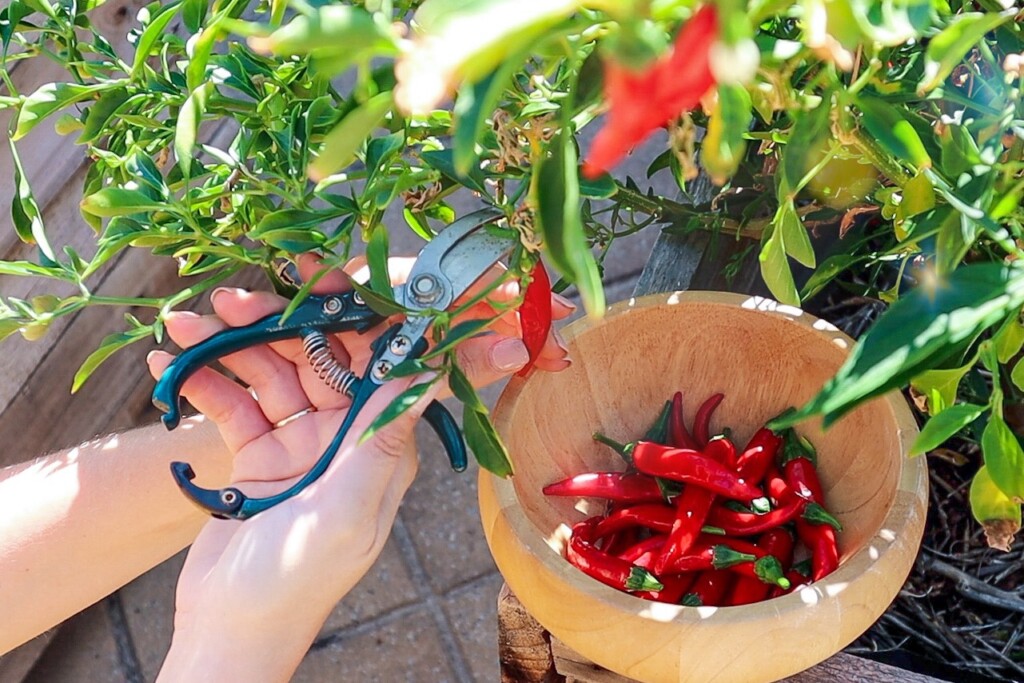
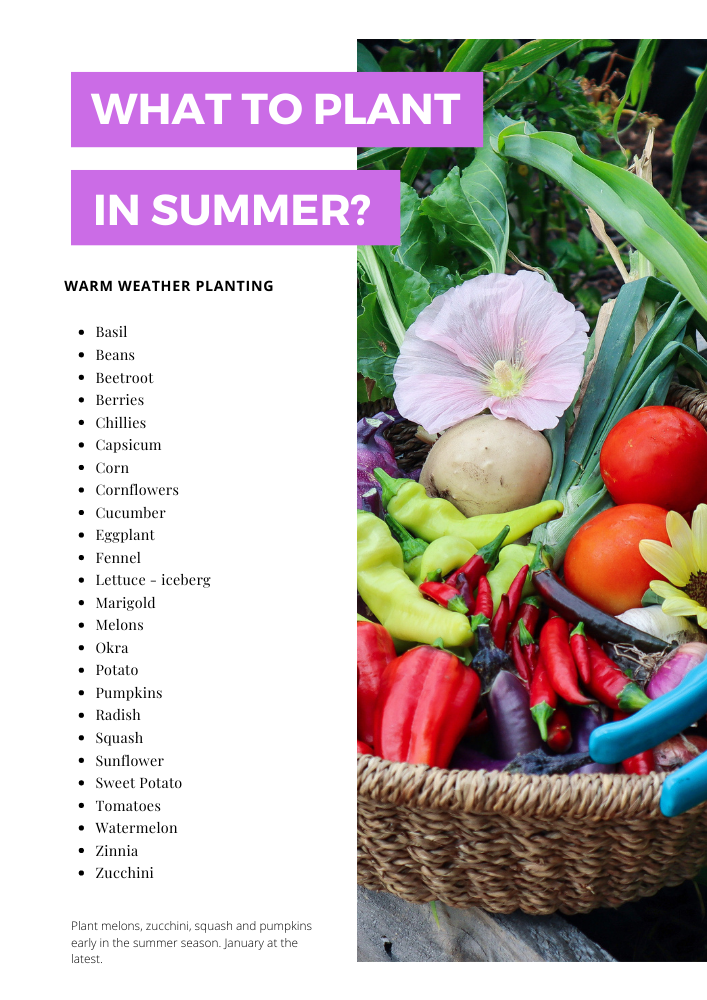
Summer is a busy time in the garden and also in life! It can often feel overwhelming with harvesting, watering, and generally trying to keep your garden alive during hot periods, all whilst trying to enjoy time with loved ones. Summer harvests can come on hard and fast and we want to make the most of that time to use and preserve extra harvest to use throughout the year. It can be a great time to stock up the pantry with homemade preserves. Tomatoes, Cucumbers, Zucchini, Watermelon, Chillies and Capsicum are just a few of the fruit and vegetables that are in abundance during the warmer months. If you go away a lot, or want to spend more time relaxing, then it can be a great idea to prep your harvests and freeze so that you can use the slower autumn months to create your jams, chutneys and other preserves using your summer harvests.
Summer can bring really harsh weather for your gardens and it pays to be prepared to keep your gardens happy and healthy. Creating sustainable systems and working with nature rather than against it, can help you maintain lush gardens without too much time and effort.
Summer Gardening
Summer can be a little chaotic in the garden. Warm weather can bring quick growth spurts and an abundance of ripe fruit and vegetables. It can also bring harsh weather conditions with summer storms and high temperatures. Summer is also a time when we tend to go away more often, or spend more time out and about with friends and family. It is important to establish systems to keep your gardens hydrated and thriving, so you don’t loose all your hard work with just a few hot days.
Below are a few tips to help keep your gardens thriving through summer without having to put in any extra time or effort.
Ensure gardens are mulched and soil is not exposed to direct sun
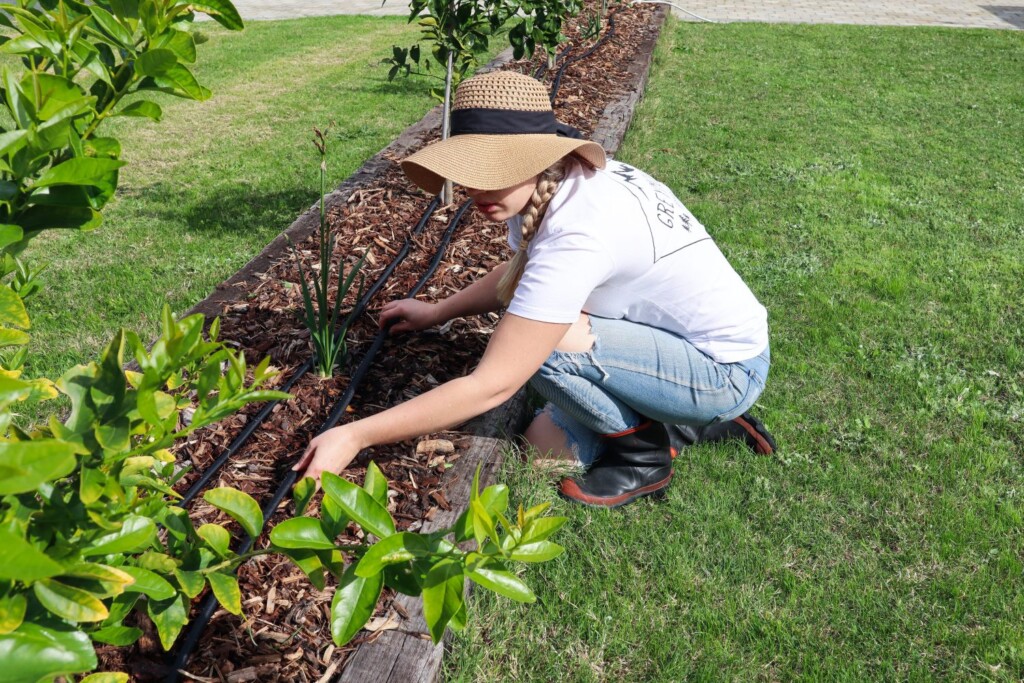
Set up automatic sprinklers or irrigations systems
Set your automatic sprinklers to very early morning so the plants have time to absorb the water before the sun rises and drys it out
Utilise shade or set up temporary shade
Move pots under shade when you’re going away to reduce heat exposure
Water-wise Gardening Tips
🌱 SLOW AND STEADY | The best way to get your plants to effectively absorb the water is to slowly distribute it and allow the plant time to absorb it. If you simply pour it on and walk away a lot of water will spread and run away across the surface and not be drawn down to the roots.
🌱 WATER UNDER MULCH | If you have a thick layer of mulch and only a limited amount of water, it is a good idea to pull back some of the mulch around the plant and pour the water directly onto the soil. Mulch can sometimes absorb ALL the water and not leave any for the plants. Mulch is great for protecting the soil and stopping evapouration so once the water is on the soil, push the mulch back around to keep the moisture locked in.
🌱 TIME IT RIGHT | Timing is everything. Choose cooler times to water your plants such as the early morning or late evening. This allows the plants to absorb as much of the water as possible before the sun and heat evapourate it. I tend to water any plants that are prone to mildew such as pumpkins, melons, cucumbers etc early in the morning rather than at night. That way they have time to absorb the moisture but they will also have all day to dry out if any moisture has reached their leaves. The rest of my gardens I tend to water in the evenings.
🌱 IMPROVE SOIL | Poor soil structure will be so hard to keep well watered as it will just let the water runoff or filter away. Sandy soils can become aquaphobic and be basically waterproof. Clay rich soils will become hard and compact restricting water flow to the roots. The best way to improve soil structure is to add fibre to your soils. Adding fibre means adding more plant matter by either compost of composted manure. Compost rich soil will retain more moisture and feed your plants. Healthy well-feed plants won’t require as much watering as their roots will be more developed and widespread to capture water more effectively.
🌱 SELECTIVE PLANTING | If you often have water restrictions or know there is likely to be a real water shortage in your area then make sure you are selective in what you choose to grow. Some plants will require more water than others so do your research and select plants that will work best for your conditions. Plants such as watermelons, tomatoes, cucumbers and lettuce will require a lot more water than plants such as chilli, natives, citrus, corn, sweet potato or mini eggplant.
Summer is all about harvesting and maintaining your crops. It’s an abundant time in the garden with rapid growth. Keep on top of staking and tying tomatoes.
Often the more you pick, the more your plants will produce, so keep picking your harvests to ensure you maximise crops and don’t let food go to waste.
Tie and stake tomatoes regularly
Net or bag stone fruit
Pick any fruit from the ground as to not attract bugs and fruit flies
Keep pathways clear
Pick weeds before they go to seed
Apply mulch to keep moisture in
Apply fruit fly nets or bags after the fruit has been pollinated
Clean your tools regularly to stop any diseases from spreading
Remove any plants that look unhealthy or diseased to stop the spread
Dead-head any flowers bushes such as chrysanthemums or lavender to encourage more flowers
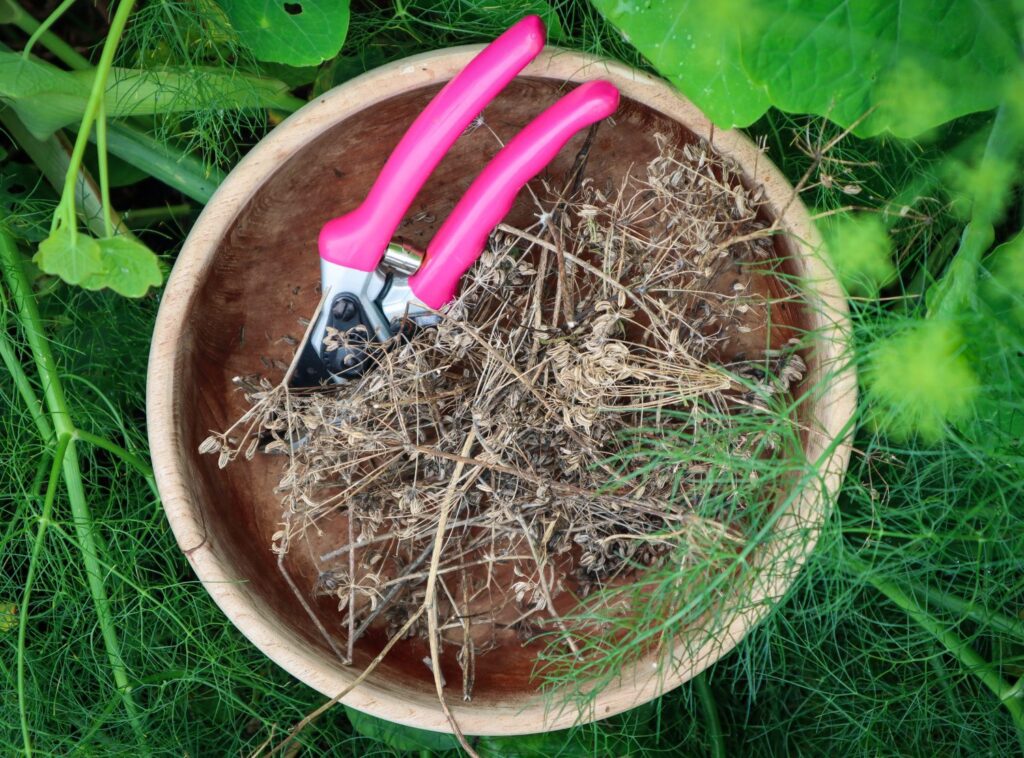
Pick and save any seeds from your successful plants
Picking your veggies is actually a very important part of growing if you want to have an abundance. Your veggie plants are producing flowers and fruit to then produce seeds and be able to reproduce.
If you are constantly picking the harvests, your plants will work harder to make sure they are producing more to get its seeds out there for another year. If you leave your veggies on the plant too long, they will think their job is done and slow down production.
Summer fruit and veggies are some of our all-time favourites, so it’s important to harvest as much as we can and preserve them for later in the year.
Ways to preserve summer produce:
Tomato sauce, passata, chutney.
Freeze whole or chopped tomatoes for future sauce or add straight to cooking.
Freeze Chopped Zucchini for smoothies, soups and future preserves
Make garden pesto using any leftover greens and freeze in large ice-cubes.
Make preserves, jam, sauce, chutney and relish to gift and trade
DIY Pots and gift seedlings
Plant a pineapple from scraps
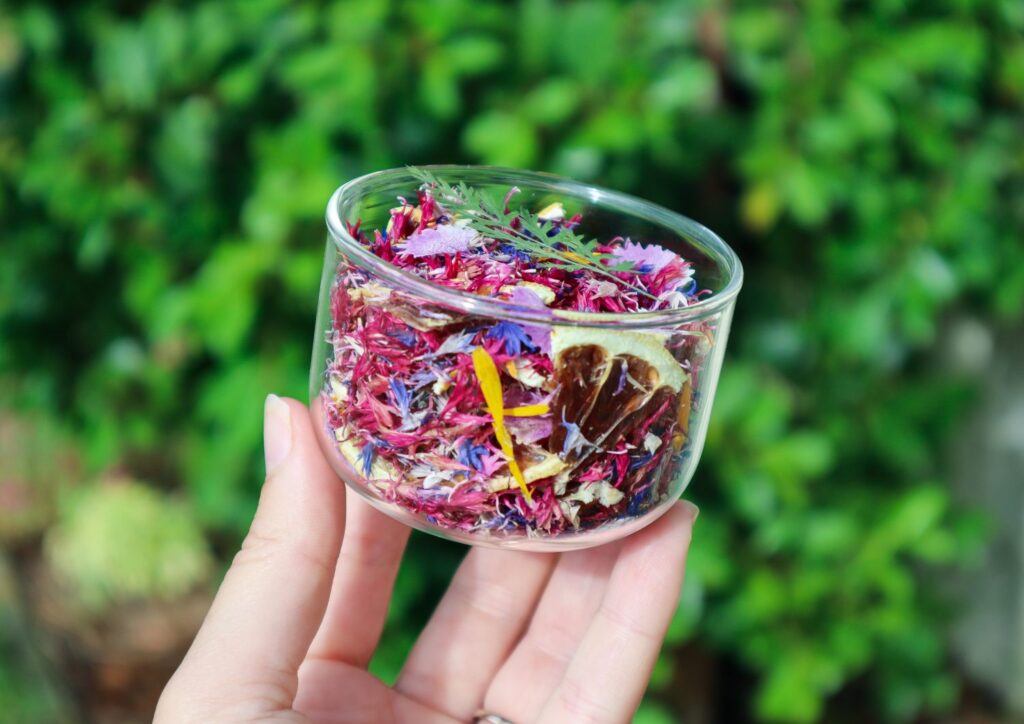
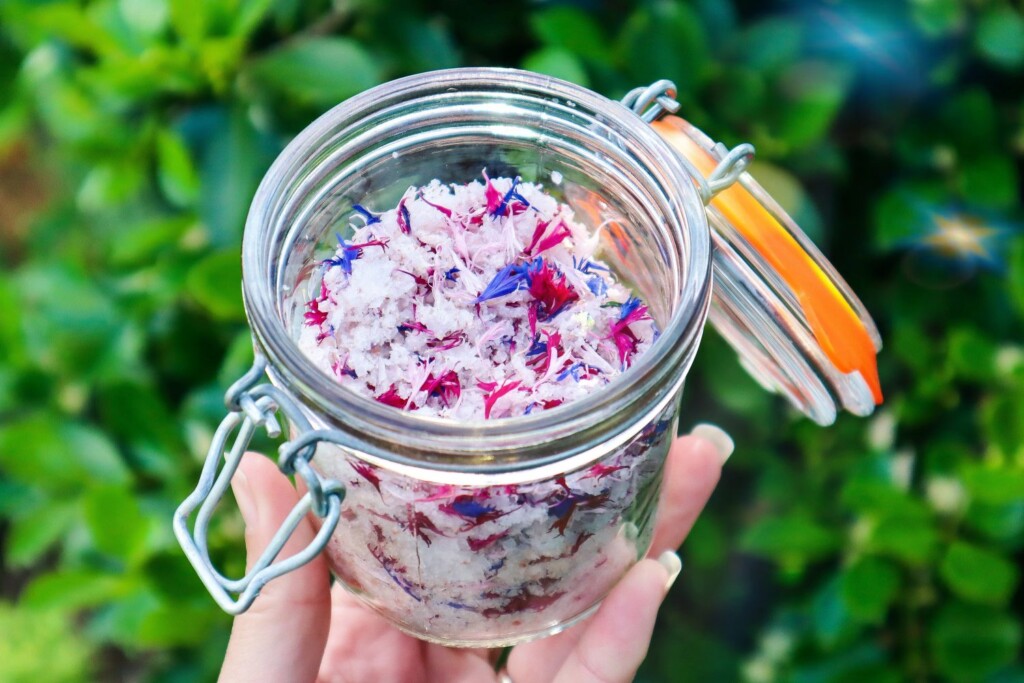
Start a cocktail garden – Plant herbs and flowers so you can enjoy beautiful refreshing summer drinks.
Press flowers – Preserve the colourful blooms of spring to create cards and art during the slower seasons.
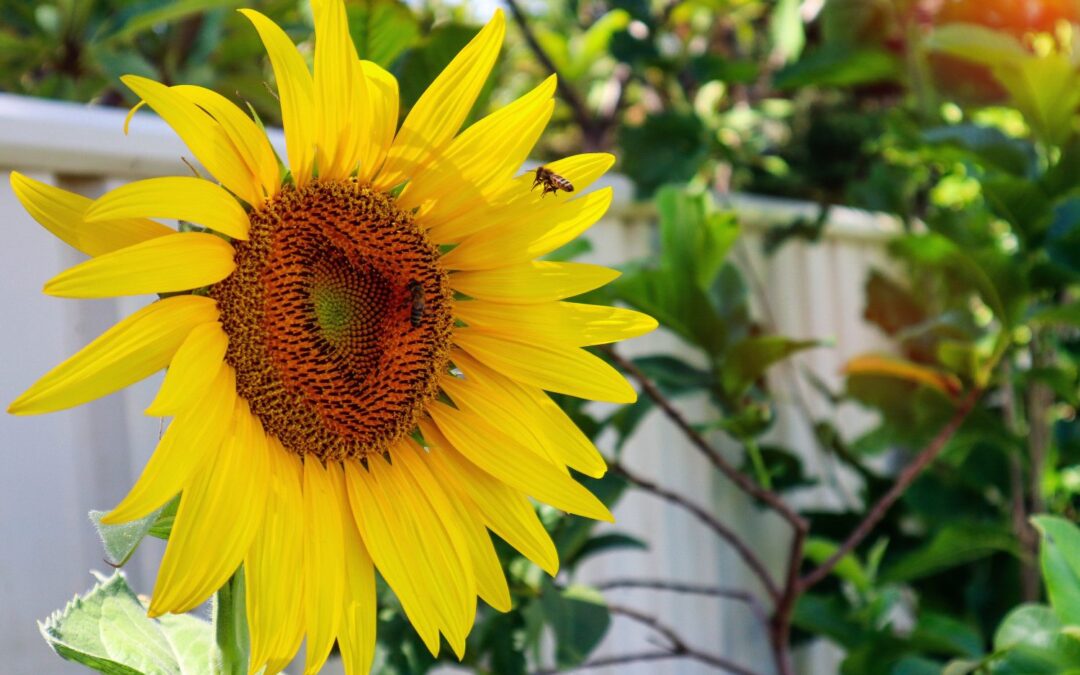
Try your hand at some photography! The bees and flowers will be putting on a brilliant show.
Have a picnic in your backyard
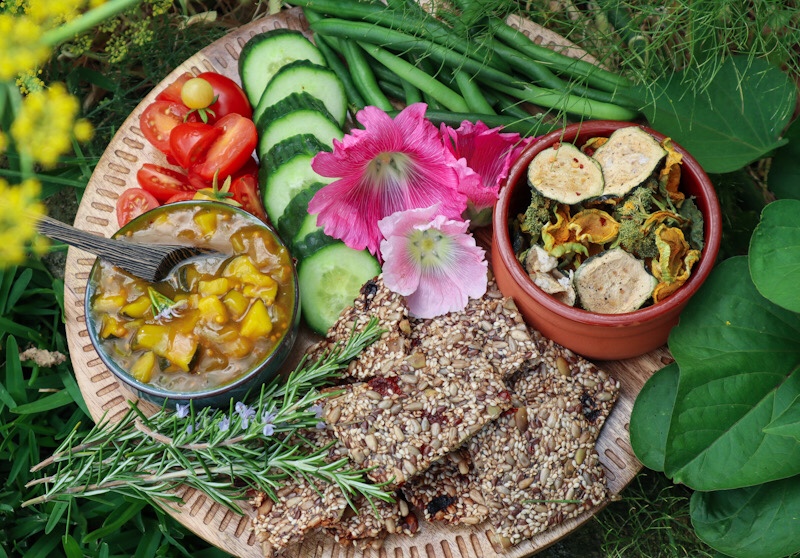
Host a summer dinner party or high tea to celebrate and welcome the change of season. Use edible flowers to create show-stopping, colourful drinks and dishes.
Planning for Autumn
The key to easy and successful gardens is to plan ahead. This can help you maximise your food production and help maintain momentum. Summer can be a harsh season in the garden and Autumn will come as a welcomed relief. Production will be slowing down and you can start planting out your winter seeds.
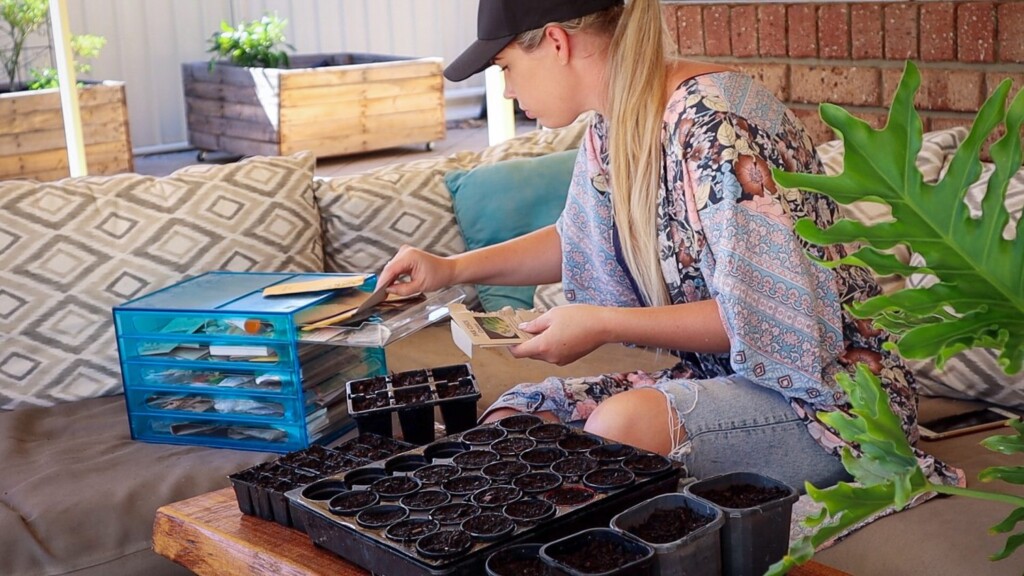
Planting seeds will give you a head start and a smooth transition of food across the seasons.
Harvest and preserve as much as you can
Save seeds from successful plants or identify ones you want to leave to go to seed
Plan out where you want to have your winter gardens and which crops you want to grow where
It’s a good idea to grow crops in different beds than you did the previous year to allow the soil time to recover from the specific minerals each crop depletes
Pull out any crops that have finished and compost them
Deadhead annual flowers to encourage repeat flowering
Remove any dying or diseased looking plants. This stops any diseases from spreading to other plants and they may attract unwanted pests. Plus if they aren’t very productive anymore they are taking up valuable real estate for more plants
Keep your compost hydrated. In summer composts can dry out too, so give them a sprinkle of water every now and then. Make sure you turn it to aerate
At the end of summer, you can start planting your early autumn and winter seeds
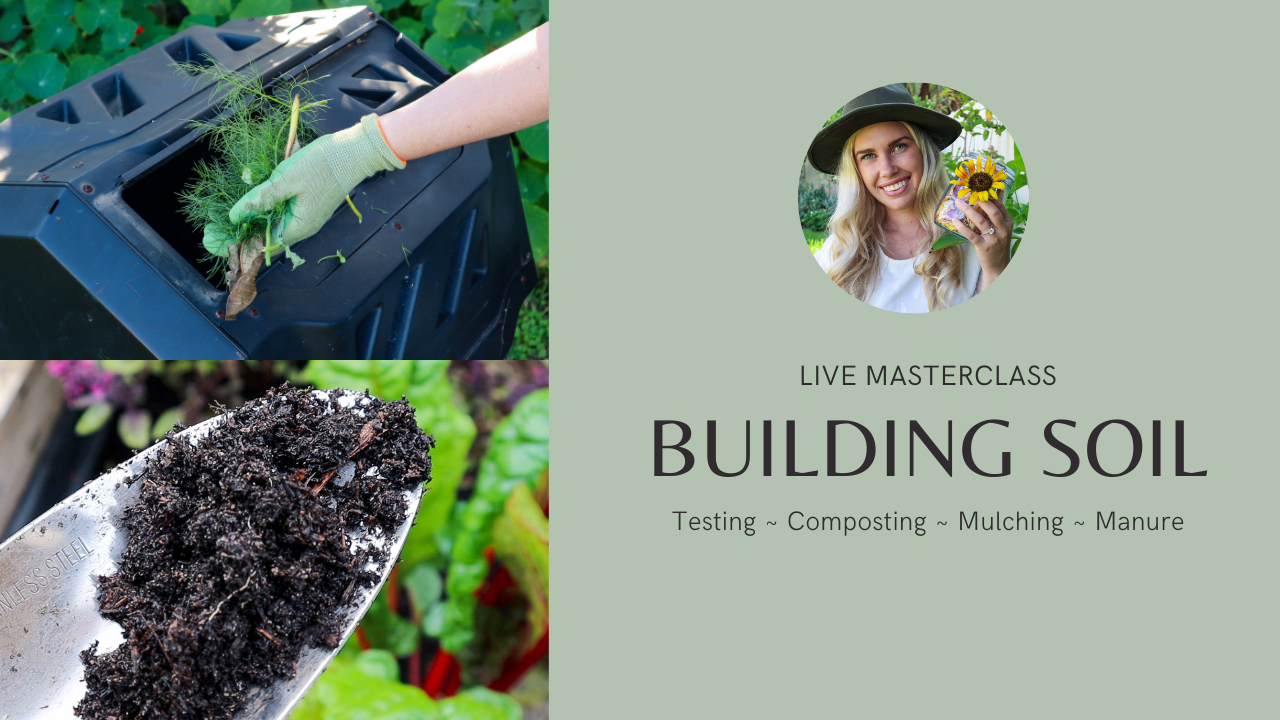
Soil is the KEY to a healthy, successful, and thriving garden. If you want to grow healthy, nutrient-dense food, you need healthy nutrient nutrient-producing soil. Healthy soil is ALIVE with a web of beneficial interconnected relationships that support life. If you want a thriving, resilient garden, start with the soil. Healthy soil is the foundation of a productive and sustainable garden. Soil is a living, breathing ecosystem filled with microbes, fungi, organic matter, and nutrients that work together to feed your plants and protect them from disease and drought.
In this post, you’ll learn how to build and maintain nutrient-rich, living soil that supports long-term garden health. Whether you’re starting from scratch or improving existing beds, these regenerative techniques will help you reduce inputs, boost biodiversity, and grow stronger, more nutrient-dense food—all while supporting the planet.
Watch the live masterclass for more info
Why is Soil Health Important?
Healthy soil is going to feed and nourish your plants so they can grow strong and healthy. If the soil is not providing those nutrients, plants may become weak. Weak plants are more likely to be attacked by bugs and if they do get attacked by bugs, they are more likely to die. Whereas a healthy plant will be able to push on through and keep producing.
Healthy Plants – Healthy plants grow quicker and easier.
Bug Resistance – Healthy plants are less susceptible to bug infestations. Bugs tend to attack weaker plants and then the whole team piles on and you get diseases. So, having healthy strong plants will reduce the amount of loss and also, if your healthy plants do get some bugs, they will be strong enough to continue to produce.
Increased Harvests – Healthy soil is going to help you get better harvests. Your plants will be happy and healthy, and therefore, will produce a bigger and better harvest. Which of course, we want!
Less Disease – as per the bug-resistant – healthy strong plants will be less likely to get diseases. Diseases usually come at the end when the plant is already under stress. So, soil health can reduce the risk of that.
Promotes Soil Life – Getting the foundations right and building healthy soil, will be a snowball effect. Healthy soil will attract so many beneficial insects and microorganisms that will improve your soil further. Worms are fantastic for aerating the soil by tunneling. They also provide nutrients by eating plant matter to produce a by-product that can be easily absorbed by the plants. Healthy soil will have a hive of activity and produce nutrients to do all the work for you!
Better Nutrition – If we grow food in poor soil with no nutrients, how can we expect the food that plants produce to be extremely high in nutritional value? It’s just not going to happen. The better the soil health is, the more nutrients will be transferred into the food we eat.
Less Watering – Healthy soil will require less water. Fibre and plant matter in the soil will retain moisture. If the soil is dead and dry, water will run off it, or, just filter right through and your plants will need constant watering. So, healthy soil is also waterwise.
Abundance without Force – We want to create sustainable gardens that consistently produce food without having to force it. Poor soil will mean plants will grow slowly, get bugs and diseases and require more care and maintenance. We will constantly be having to feed them, water them, and fight off the bugs. It’s a tiring concept that is not sustainable long-term. This is what commercial soil looks like. It has been stripped and never replenished, so to get the crops they need to sell, they have to constantly feed with artificial food and spray bugs with pesticides. This will further kill of the living soil micro-organisms, so the next year, they will need to repeat and maybe even increase. Its a downward spiral. We on the other hand, will be caring for our soils and the plants will just grow themselves. Meaning, we can put in less and less work overtime, and receive more and more food. I know which way I would rather grow!
Where to Start to improve your Soil?
Ok, so we know why it is so important to build healthy soil, but where do we start?
Observe
Whether you have just moved into a new property or you are new to gardening, observing is key! Take a look around your gardens. Is there rubbish in the soil, are there buildings nearby, what would they be used for? Animals? Plants? What is growing in the area? This can be a good start to figuring out your soil health.
The other thing you will want to do is, have a little dig in the gardens. Dig down at least 30cm and observe what kind of soil you have. The top layer may be covered in mulch or grass, and then, the next inch or so will be the topsoil. This is the most fertile soil. Further down you will see more of your true soil. Is it sandy or is it clay-heavy? Observe, touch, and explore. Note this down as this will help you figure out what to do next.
Soil Testing
Professional tests for toxicity – If you find rubbish or anything that seems like it could have a toxic effect on your soil, it would be best to get it professionally tested. This is very important if you want to grow food directly in the soil.
Jar test for soil structure – There are also two easy tests you can do at home to find out the structure and pH of your soil. You can test your soil structure by placing a small soil sample (1/2 cup) in a jar of water. Give it a shake, and allow it to sit for a day. Layers will start to appear and you will be able to see the sand, clay, and silt levels.
If you have clay-heavy soil water will get clogged and not free drain. However, if you have really sandy soils, the water will disappear through the gaps and not stay long enough to be absorbed by the plants. You can amend your soil by adding other materials to help balance out and rehabilitate your soil structure. But first, you need to understand what you are working with.
pH test – The pH test will help you work out where your base soil is. pH is important because it affects the root activity and the absorption of nutrients from the soil. Most plants like to grow around pH neutral 6-7 so it is best to try and get the majority of your gardens to a neutral level. Some plants do prefer it a little more alkaline or acidic. Blueberries for example, like more acidic soil. It is a good idea to test your soil if you have never grown in it before or you have just purchased new soil. A pH test kit can be found at your local garden centres or Bunnings. To test your soil, just dig down 10-15cm for veggie gardens and if you’re testing soil for deeper root plants like fruit trees, take a sample from 25-30cm down. Then you place the indicator dye and Barium powder from the kit and match the indications to the colour chart provided.
Now that you have an understanding of what you’re working with, we want to create our baseline foundations. This is where we prep our gardens.
Remove rubbish and rubble.
Add compost – if you don’t do anything else, this is the most important takeaway. Compost is the best thing to add to your soil no matter where it is are at. Good compost supplies organic matter for soil building, fertilizer to feed plants, and most importantly, it’s packed with living soil mirco-organisms that kickstart biological activity. It adds fresh, healthy microbes that will start to digest the nutrients present in the soil and feed your plants. Compost is the key ingredient for building and maintaining healthy soil. If you’ve just moved to a new garden and want productivity, then compost will rapidly make your soils fertile.
Cover – you want to protect all that good soil and hard work you have just done. We will dive in a little deeper next about why covering and mulching is so important and the different ways to do that
How to Build Soil for a Sustainable Garden?
Now that we have our foundations sorted, it is so important that we continue to build soil on a regular basis. Below are some tips to add to your gardening routines, to help build layers of good soil. Helping your gardens to thrive for many years to come.
Compost – start composting at home and turning your food scraps, household recycling and greenwaste into healthy soil to feed your gardens. It is important that we continue to keep adding nutrients to our soil as the plants use it to grow. I like to add compost at the change of each season and top up my garden beds. If you want to learn more about composting click here to watch.
Chop & Drop – this is one of my favourite methods because it’s so easy. I don’t use this method on all of my gardens as it is more suited to fruit trees or areas where you don’t have a lot of little plants. I do this in my food forest style back fence garden. Everything that grows in that area gets returned directly to the soil. So when i prune trees or pull weeds, or cut plants, I just chop them up and leave them in the garden as mulch. This covers the soil and will break down and release nutrients to feed the plants. Eventually, over time, the layers of good, healthy soil will get thicker and thicker. Which is what we want! This method can also be used for paddocks or areas you don’t use often. Growing specific plants in an area where you want to use this method can be a great idea. Plants that hold nutrients in their leaves such as comfrey are great to add to the garden for this exact purpose. Then just give them a haircut and allow them to re-enter the soil.
Mulch– It is so important that we cover the soil. Protecting the soil from drying out or from excess rain washing away nutrients. Because, if soil gets too hot or dry, the plants will start to die, and so will the good bugs and micro-organisms in the soil. Then, once that happens, the soil is no longer supporting life, and it becomes dirt that will not grow anything. Cover your soil with a thick layer of mulch and this will start to break down and feed the soil. Basically, turning your whole garden into a living compost system! Always try to mimic nature. In nature, leaves fall to create a cover for the soil and then breakdown to produce rich, healthy soil for the young seeds to grow.
Cover crops – Cover crops can be grown to protect the soil during a down season and then cut to mulch and feed the soil. Cover crops are planted specifically to build and hold soil and to smother weeds. They range from long-growing perennials to short-term green manures but the aim is the same: a solid cover of plants. Their leaves will protect the soil from hammering rains and eventually cover the surface with nutritious, topsoil. Weeds can actually be more beneficial for your garden than bare soil. Weeds protect the soil and support soil health just as any other cover crop would.
Plant for diversity – Different plants have different root structures and depths. They also use and excrete different nutrients. It is important to grow a wide variety of plants together to access different layers and levels within the soil. There is so much going on under the soil with the relationships between the roots and the microorganisms. The more diversity we have in plants, the more life we are encouraging beneath the surface. Diversity also helps reduce severe deficiencies, as all the plants aren’t competing for the exact same nutrients.
Minimal disruptions – it is important to try to keep the digging of the soil to a minimum. Unless you need to amend drainage or plant something, try not to disrupt the soil. Add layers on top of layers and allow the soil microbiology to thrive.
Go organic – this one is quite self-explanatory but, we want to reduce any harmful sprays and unnecessary fertilizers. These can kill off our delicate microbes, which we are of course trying to grow and promote.
Natural fertilizers– It is beneficial to use natural fertilizers weak and often. Things like banana skin fertilizers are great for adding potassium to the soil for your fruiting plants. Weed tea and other teas made from breaking down plants in water, can also be a great way to recycle nutrients back into the soil.
Can I use any type of animal manure?
Herbivore animal manure is a great source of nutrients for growing food. This includes animals such as sheep, horses, cows, goats, rabbits, and chickens. It is best to choose composted animal manure rather than fresh off the paddock. This is because fresh grass seeds will still be viable and your garden may become overgrown with all sorts of weeds and grasses. This will end up causing you more trouble than it was worth.
Composting can help break down the seeds and leave you with weed-free nutrient-rich soil. The other reason it is better to choose composted manure rather than raw is that it can be very harsh on plant root systems. If you do not have the option for old or composted manure, then it is best to bury it on a bottom layer of the garden so the new young roots won’t dive straight into it. By being deeper under the soil the weed seeds will not get the light they need to grow so this can also help with the seed issues.
Composting
Composting is not only great for the fertility of your soil and the secret to AMAZING vegetables, but it also stops waste from going to landfills. There are a whole bunch of ways to do this, depending on your living situation. You can make your own compost bin out of recycled wood, find a second-hand tumbler online, or purchase one. You can also simply dig a hole in the garden and bury it (be careful of attracting pests). There are also some new ways for people with no land to connect with others who do and give them their compost scraps. Community gardens, local Facebook groups, or now in Australia, there is even an app! Sharewaste
Care for your soil and your plants will grow with more ease, abundance, and it will feel less forced. Working with nature and not against it.
Links included in this description might be affiliate links. If you purchase a product or service with the links that I provide, I may receive a small commission. There is no additional charge to you! Thank you for supporting my blog so that I can continue to provide you with free content.
Choosing a new fruit tree is exciting, daunting, and at times, overwhelming with possibilities! I am adding another fruit tree to my garden and I would love to share that process with you. Plus, some tips to help you select the best fruit tree for your garden.
Click Below to Watch
Growing Fruit Trees at Home
Fruit trees can be grown and incorporated into many home garden designs to create abundant, fresh food. Fruit trees can even be grown in pots or containers for urban gardens. There really is so many ways to grow your own delicious fruit at home, no matter the size of your garden.
Tips to Choose a New Fruit Tree
Below are some tips or things to consider when you are looking to buy a new fruit tree. Take down a few notes and this will help you eliminate or come up with a clear idea to speak with your local fruit tree nurseries.
Analyse theSun and Shade – is there a specific spot you are looking to fill or are you limited with where you can plant a fruit tree? If this is the case, just do a quick analysis of the conditions. Does it get full sun? are there large trees? or buildings that will shade it during winter? The sun tracks lower in the sky during Autumn and Winter and this means more shadows will be cast across your garden. This can have a huge impact on the growth of your tree.
Learn from my mistakes! I once planted a lime in an area that only gets full sun during the middle of summer. It never grew well and when I moved it to a full sun location, it has took off and is loaded with limes! Citrus like 6+ hours of sunlight a day. So noting down the sun and shade will help you pick a fruit tree that will thrive.
Wind – Does your property get strong winds? If so, what direction do they typically go? This can be very helpful to note down. Some fruit trees do not cope well with strong winds. Papaya, Tamarillo and Banana do not like strong winds. Especially while they are young and delicate. It may mean you need to plant a wind shelter or position your fruit tree in an area that receives less wind. Creating temporary barriers may also be a great solution to protect the tree while it is young and vulnerable.
Temperatures – Take note of your maximum and minimum temperatures. This can be a factor in whether or not you will be able to grow a particular fruit tree or if it will perform below average because of it. Do you receive snow? Frosts? These are important to note down and you may be able to find this information out on local weather reports. Feijoa or “Pineapple Guava” like to have at least 50 chill hours per year to produce good quality crops. Here in Perth, Australia, we can grow Feijoa, but they don’t taste quite as good ( in my opinion). This is also the case with extremely high temperatures, some fruit trees will not perform well. Sometimes, this can be managed with microclimates. Microclimates are areas in your garden that that have unique qualities. For example – next to a metal fence may be warmer, or a shady area with a pond may be cooler with more humidity. This can help you tailor and customise the surrounding to better suit your fruit tree.
Root systems – Take note if you have any concrete, pavers, a pool or plumbing nearby. Some fruit trees have huge root systems that can crack concrete or damage pools. If that is a factor then note that down. There are plenty of trees that have shallow or small root systems or you can plant in containers or pots.
Height Restrictions – would it matter if the fruit tree grew too tall? Fruit trees can be pruned to keep manageable but if you have restrictions such as neighbouring buildings, power lines, roof, eves or fences, it may be worth choosing a shorter variety grafted on dwarf root stock. This will mean the maximum height will be a lot shorter and you will not need to prune and maintain it as often.
How much time do you have to Care and Maintain the Fruit Tree? – Some fruit trees will require a lot more care and maintenance to actually get a good harvest from. Stone fruit for example, will often need to be netted to prevent fruit flies, bats or birds from decimating your crop. If you are wanting a low maintenance fruit tree then there are plenty of options available. Speak to your local fruit tree nursery to see what low maintenance fruit trees thrive in your local area.
What other Fruit Trees do you have? I have a lot of citrus already, so I want to get something different for my next fruit tree.
Have you tried that Fruit before? Once you have an understanding of your specific climate and have a few key points noted down on sun, shade, wind and surroundings, the next thing is to taste some fruit! You don’t want to spend money, allocate space and time, to grow something that you don’t actually like! This can seem obvious, but is often overlooked with the excitement of new fruit trees. Some fruit will be hard to find as there are many types of fruit that don’t travel well and cannot be sold commercially. These can often be found at local growers markets or on local gardening pages. Imagine waiting four or five years for your tree to fruit and then hate the fruit..that would be so annoying!
Observe & Interact – take time to slow down and observe your garden.
What Next? Choose a New Fruit Tree!
Now that you have a little more of an understanding of your climate and restrictions, it’s time to start looking for a new fruit tree! Taking the time to stop and observe, will help you select a fruit tree that will not only thrive in your location, but, that you will also LOVE to eat! Visit your local fruit tree nurseries or fruit tree specialists for valuable local knowledge. They may even be able to order in rare varieties. Local community groups also offer a wealth of knowledge.
In this video I try some tropical fruit to decide whether or not I want to purchase those fruit trees.
What fruit tree do you want to plant next? Let me know in the comments.
On a journey to grow your own food and live more sustainably, it is important to grow a selection of staple base crops to set yourself up for success. Base crops are ones that produce a large amount of food and will provide a great platform to build complete dishes. Just like we have staples in the pantry to create meals, it is important to have staples in the garden to carry us through each season. Base crops are easy to grow, harvest and store and will provide a good level of calorie-dense nutrition and carbohydrates. They also include things that can be grown in bulk and used throughout the year. Below are some of my favourite annual base crops.
Autumn / WinterCrops
Cabbage
Cabbage is a hearty winter vegetable to grow that provides a lot of food for one plant. A single cabbage can go a long way when creating meals for your family. Cabbage can be preserved to use throughout the year by fermenting it and making sauerkraut. This is a great way to use up lots of your cabbage and is also great for your gut health. Cabbage is a great way to bulk up salads, stirfries, or sauteed as a side dish of its own. Cabbage can also be used for bunless burgers and steaks. I can’t wait to showcase as many cabbage recipes as I can.
Cauliflower
Cauliflower is another hearty winter crop that can be the base of many different meals. You can also use the leaves of the cauliflower as another form of leafy greens for vitamins and nutrients. Cauliflower can be pickled or frozen to use throughout the year. Cauliflower has so many uses and can be used to replace rice and flour in many dishes. Cauliflower can be blitzed to make pizza bases, bread, rice, pasta, or a substitute for mashed potato. Cauliflower can be roasted whole or the florets used in stirfries, curry, and soups. You can also slice it into steaks and oven-roast it. There are just so many ways to create wholesome dishes with the humble cauliflower. Cauliflower sushi is one of my favourites! Cauliflower also comes in many varieties and colours including purples and green!
Onions
Onions are the base of many dishes and are a staple flavour-enhancing vegetable. The great thing about onions is that they store well and can be dried and kept for many months after harvesting. Onions can also be dehydrated, pickled or frozen to use throughout the year. They are also easy vegetables to grow and grow well in many different conditions. Onions prefer the cooler weather of Autumn here in Western Australia and in colder climates, they can be sown in Spring. The onion family come in many shapes and sizes from spring onions, red onions, bunching onion, pickling onions, white onions and many more. They are a great staple vegetable to add flavour to many dishes.
Garlic
Just like the onions, Garlic is another staple flavour enhancer. You can grow a large crop of garlic and use it throughout the year. Garlic is not only great for enhancing the flavour of your food but is also medicinal with antibacterial and anti-fungal properties. It is a great allrounder for your health, home and kitchen needs.
Rainbow Chard
Rainbow chard or Swiss Chard are powerhouse greens for your edible garden. They are easy to grow and produce an abundance of nutrient-dense food. You can pickle or freeze your extra produce to eat throughout the year. I choose to grow the rainbow chard because I love the pop of colour in my winter garden and in the meals I produce with it. You can use chard in so many dishes from stirfries, curry, soup, omelette, pesto, salads and as a stand-alone side dish. Chard can also be used as an alternative to wraps.
Spring / SummerCrops
Pumpkins
Pumpkins are a fantastic vegetable to grow as they produce a lot of food and can be easily stored to use throughout the year. Pumpkins are easy to grow and prefer warm dry weather. It is important to water pumpkins in the morning or under the leaves as they can be prone to mildew if their leaves remain moist for too long. Pumpkins can be used in both sweet and savoury dishes and a single pumpkin can go a long way to help provide garden-to-plate meals. Watch how to preserve pumpkins for storage in this linked video.
Sweet Potato
Growing Sweet Potatoes (Ipomoea batatas) in your home garden is a great step towards self-sufficiency. Sweet Potatoes are my favourite permaculture plant and are an easy crop to grow for beginner gardeners. It is important to grow plants that support and encourage other plants and beneficial insects in your garden. Creating a cohesive ecosystem that promotes the growth and success of your garden’s health and supports abundant harvests. The leaves of the sweet potato are also edible which provides a great source of greens whilst your crop is growing. Sweet potato are very versatile in the kitchen and can be used for both sweet and savoury dishes.
Tomatoes
Tomatoes are a plant that grows in abundance during summer and can easily be preserved to use throughout the year. You can grow a huge amount of tomatoes on just a few plants which makes them a great staple for self-sufficiency. You can preserve your tomatoes by canning, bottling, making sauce, chutney, relish, soup, dehydrating or simply freezing them whole. Whole frozen tomatoes can be used to make sauces or relish at a later date or added to soups and dishes throughout the year.
Beans
Beans are another vegetable that produces a huge abundance in a small time frame. You can grow a lot of beans in a small space by creating a vertical trellis to grow them up. Beans can be frozen, fermented, or bottled/canned to preserve for use throughout the year. Beans are an easy vegetable to throw into many meals such as stir-fries, curries, soups, salads, and as a side dish on their own.
Fruit Trees
Apple
Apple trees are a great staple fruit tree for a home garden because they can be used in so many ways. Apples are an extremely versatile fruit. You can preserve apples by freezing slices or puree, dehydrating or canning in juice or syrup. Apples can be used to form the base of many homemade sauce recipes, relish, chutney and jams. Apple sauce can even be added to baking in replace of eggs to retain moisture as well as to bulk up a fruit pie.
Lemon
Lemon is another great staple tree to start with on your journey to self-sufficiency. Lemons can be used in both sweet and savoury dishes and are a great flavour enhancer. Lemons can also be used to aid health and wellness or in-home cleaning products. They are a staple all-round fruit. You can preserve lemons by dehydrating, juicing, freezing, preserving in salt, or making into lemon butter.
Choosing what vegetables to grow at home can be so hard! But this selection of staples will help you form a good base to work from. Having vegetables preserved will help you during the slower months or when your garden is transitioning between seasons.