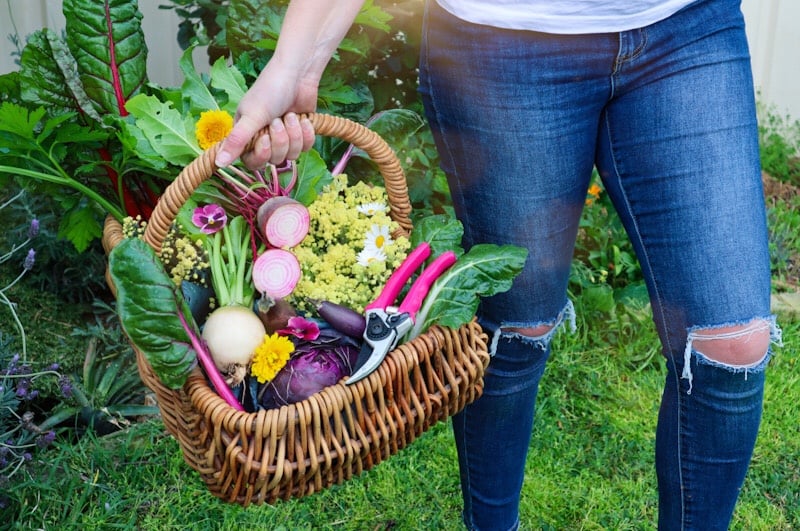
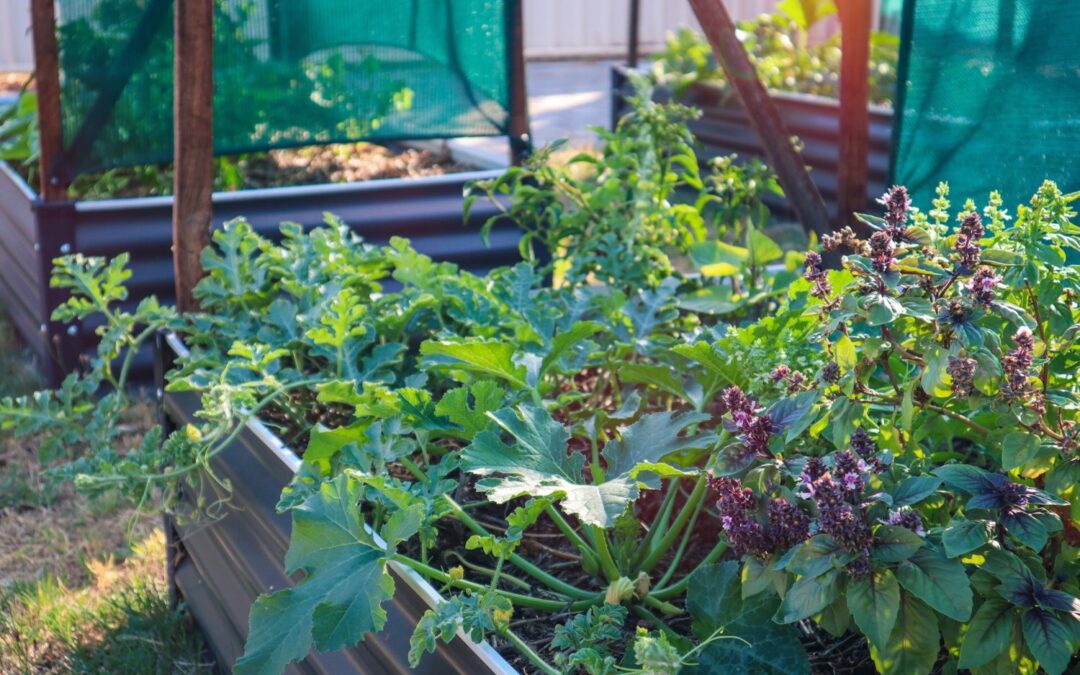
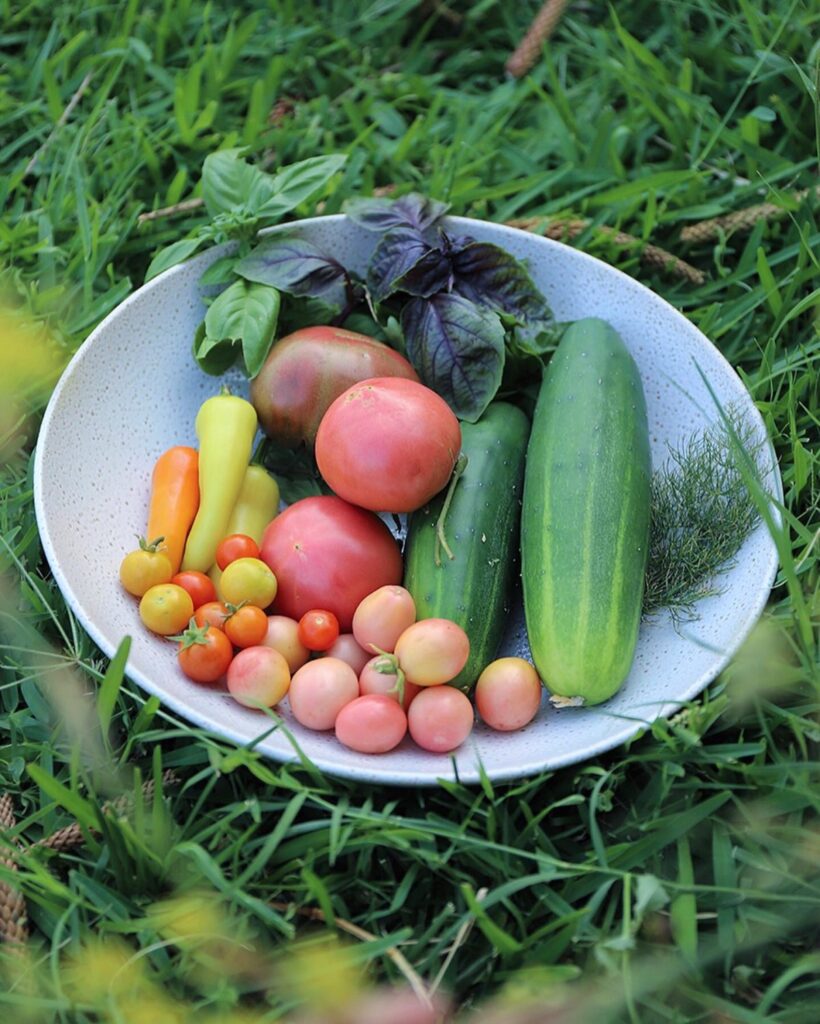
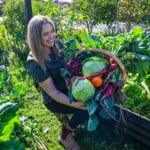
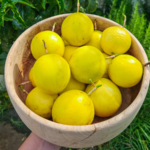
Autumn is a busy month in the garden and it is time to prepare your garden beds for new plants by adding compost and fresh mulch. Autumn is also the season to sowyour cool-season seeds. Create succession planting by sowing seeds in batches 2-3 weeks apart. Autumn is also when our summer fruit and vegetables will be finishing up. This is a great time to harvest as much as you can and preserve any extra food.
What to Plant
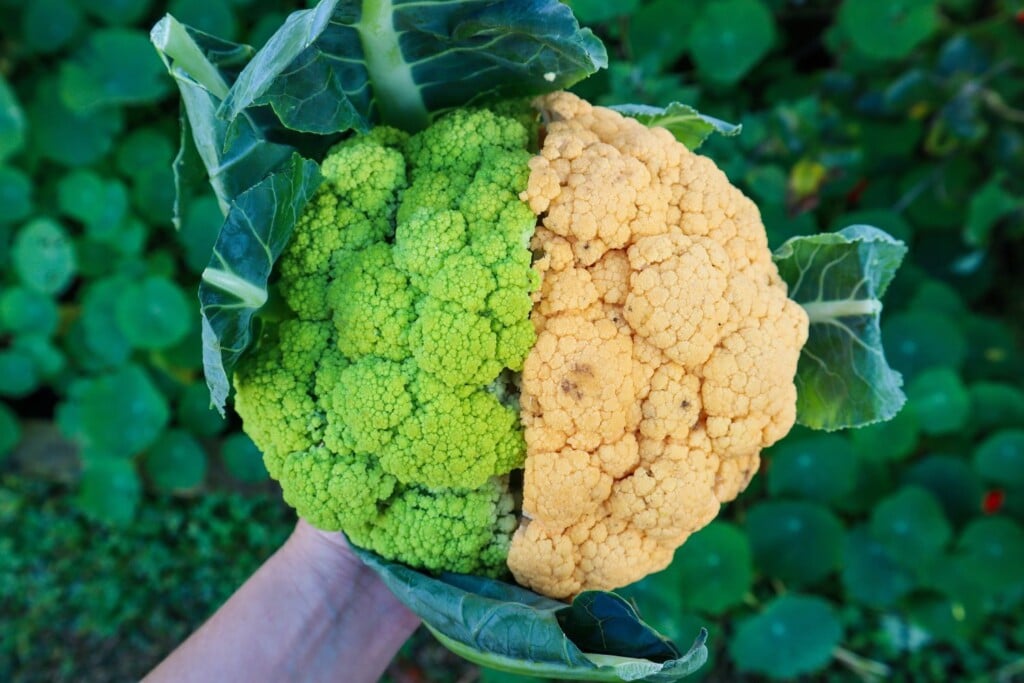
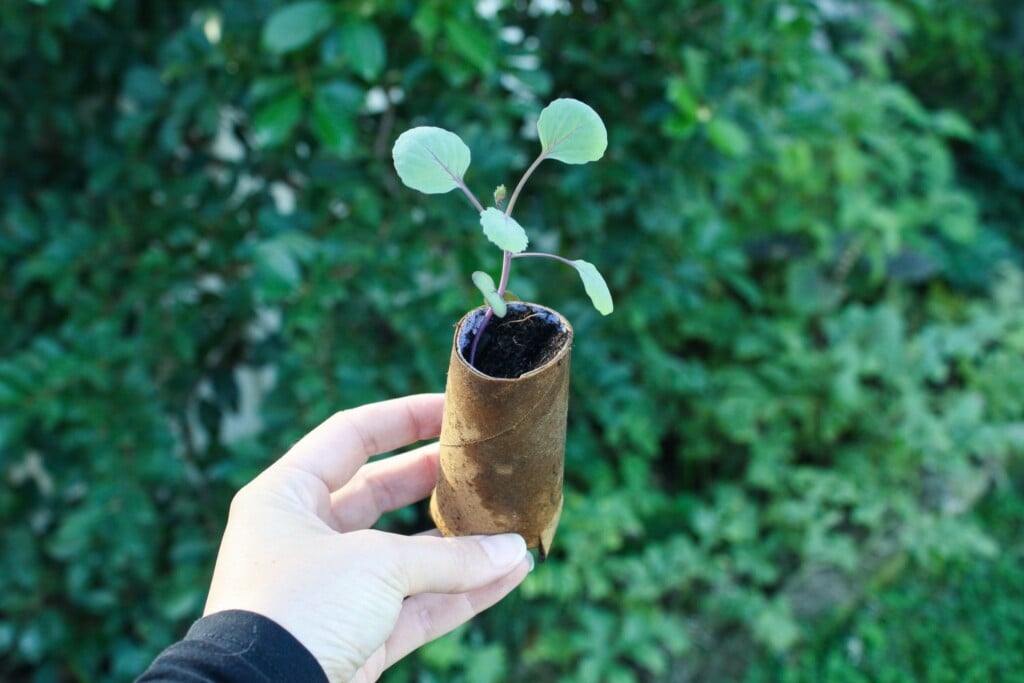
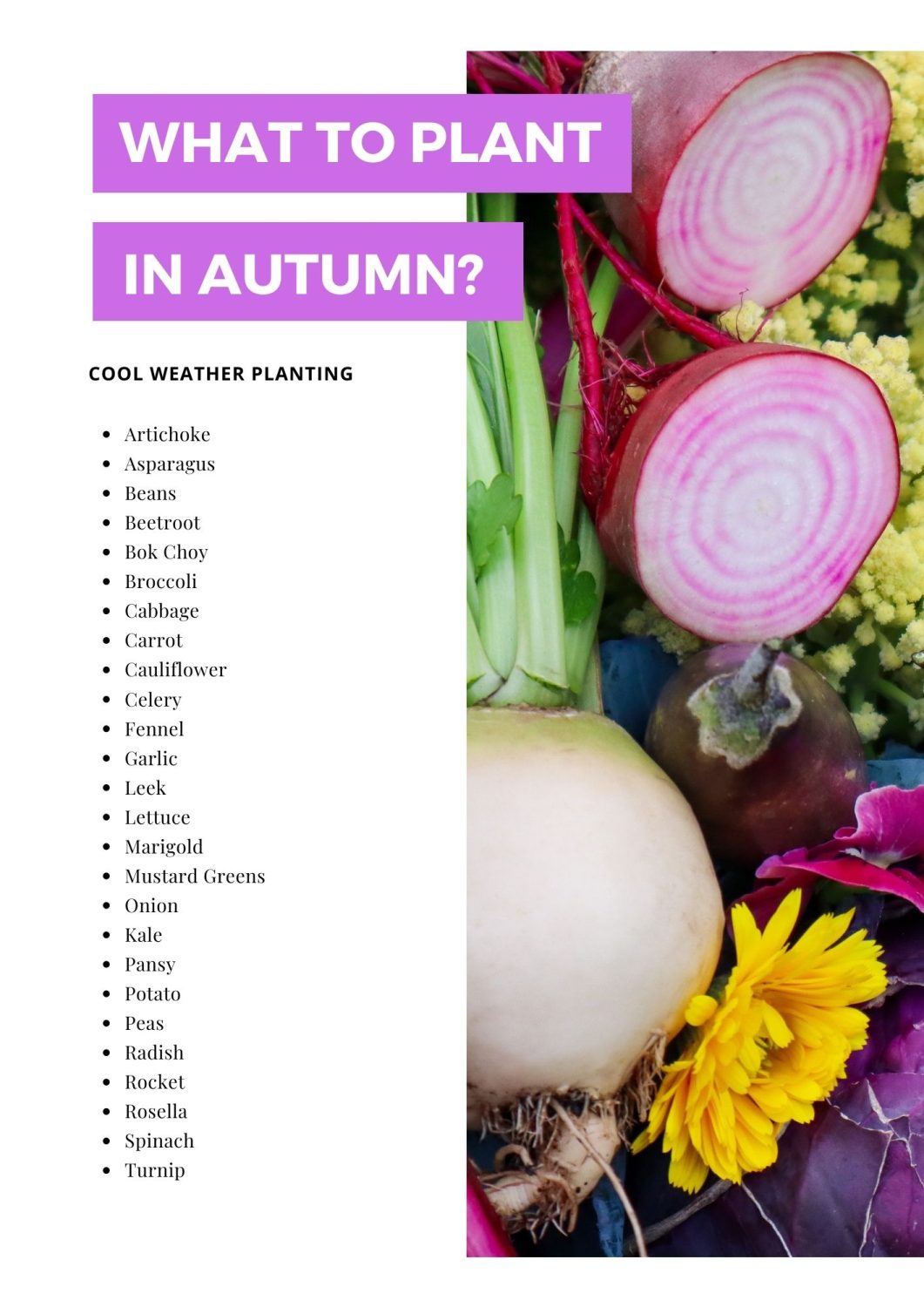
Autumn is a great time to start planning and planting out your winter seeds. If you are planting seedlings that are already small plants, it may be too hot still for many cool-season plants. Check out these 10 edible plants to sow at the beginning of autumn. These 10 edibles are great to sow for that in-between stage. Your cool-season crops such as broccoli, cabbage, and cauliflower are great to start from seed in late March because, by the time they are small seedlings and ready to plant out into the garden, the temperatures will be cool enough.
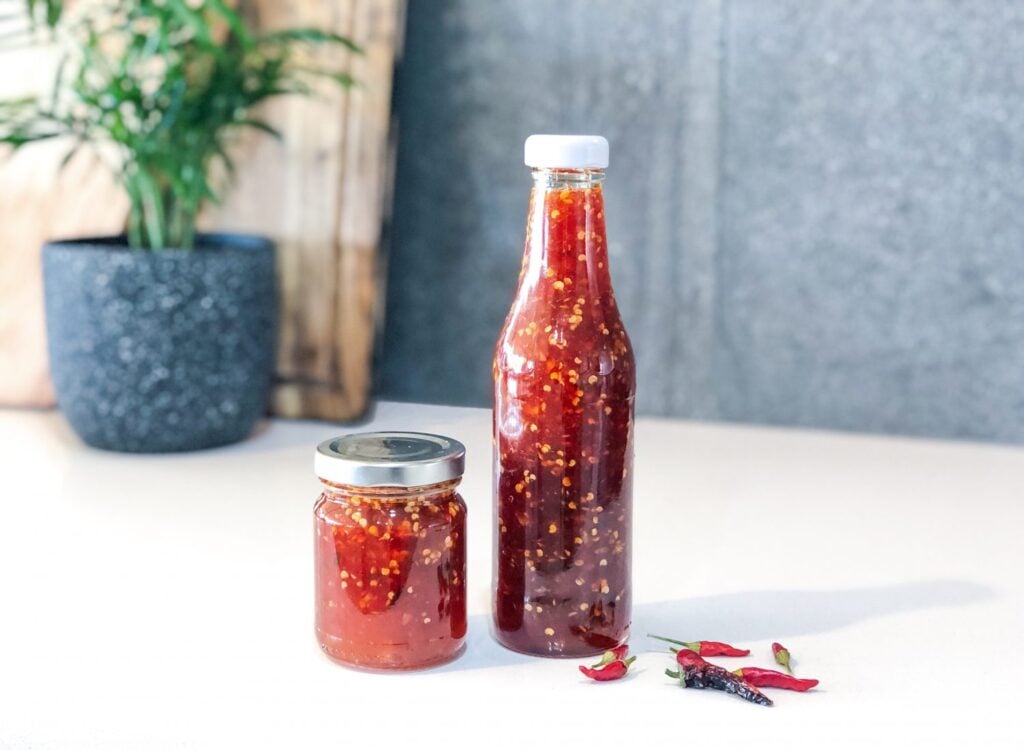
The end of Summer and the start of Autumn is often when your fruit and vegetable production is at its highest. This can be a busy time in the kitchen preparing jams, chutney, dried fruits, and preserves. If you find it hard to keep up with the production of fruit and vegetables (an amazing problem to have!) gifting or freezing excess can be a great idea.
The cooler days of autumn can be a welcomed relief after a hot summer. The nights are still warm and light so it is a great time to dine outside and enjoy your garden. Set up a meal outside and celebrate your summer harvests with family or friends. Below are some inspiring ideas to embrace Autumn.
Hang fairy lights and dine outside
Create Sculptures or garden structures using pruned trees
Pack a picnic and enjoy the balmy nights
Host a preserving night and have your friends help process your ecxess harvests in return for homemade goodies
Swap and trade cuttings with friends
Planning for Winter
The key to easy and successful gardens is to plan ahead. This can help you maximise your food production and help maintain momentum. Autumn can be a busy season in the garden to prepare beds and seeds for winter production. Plants tend to grow slower in winter with decreases in sunlight and temperature. Getting your plants in the ground in Autumn and the start of winter will allow you to focus on harvesting food and dreaming up new garden ideas.
These 10 edible plants to sow in March will get your Autumn garden off to a productive start. These edible plants can all be grown in containers or the garden so you can grow more of your own food at home. I am gardening in Perth, Australia and these 10 edible plants to sow in March are great transition plants to bridge the gap between summer and winter to help you produce a continuous supply of food at home.
There is nothing better than walking out into your garden to pick and harvest your own fresh, nutrient-rich food. No chaotic shops are needed!
WATCH 10 Edible Plants to Sow in March
Top 10 Edible Plants to Sow in March
1. Radish
Raphanus sativus
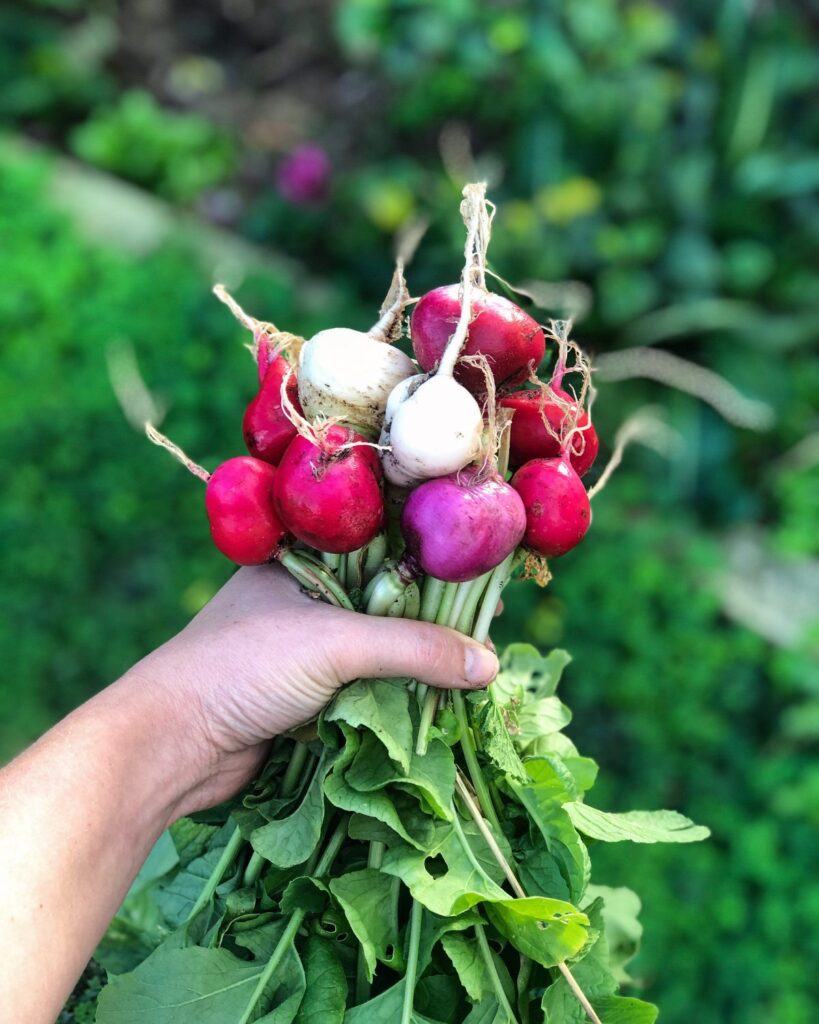
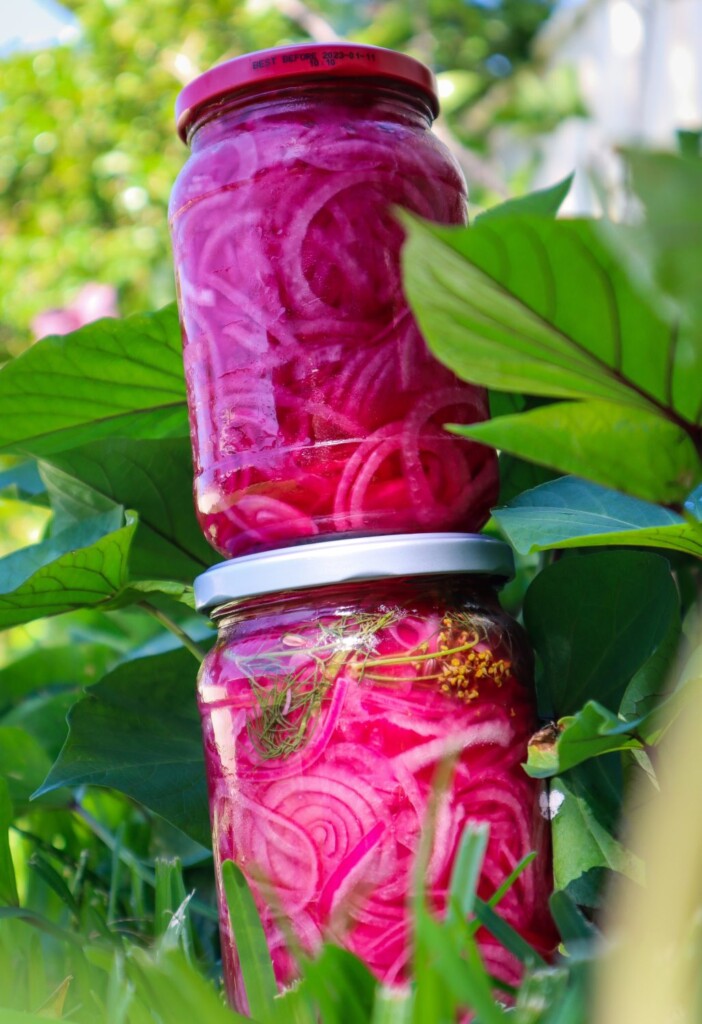
Radish are so easy to grow, they can handle a range of soils and environments, and they are also one of the quickest veggies to grow! From seed to table in just 4 weeks. Also, the whole plant is edible. The roots are delicious fresh in a salad, or, added to your roast veggies, and the leaves can be chucked into stirfries or blitz to make pesto or chimichurri to dress your salads and meals. There are a lot of different varieties of Radish that range in flavour, so if you don’t enjoy the pepperiness of Radish, choose the white or light coloured varieties. Radish also makes delicious pickles and you all know I’m obsessed with pickles.
If the Radish is not harvested it will send up a flower and create seed pods. The seed pods are also edible when they are young or they can be left to dry and save the seeds for a sustainable food supply.
The thing I love most about Radish is you can plant them in between your veggies. They grow so fast that they are ready to pick before the other vegetables take up too much space. This means you maximise your space to grow more food.
2. Rainbow Chard
Beta vulgaris
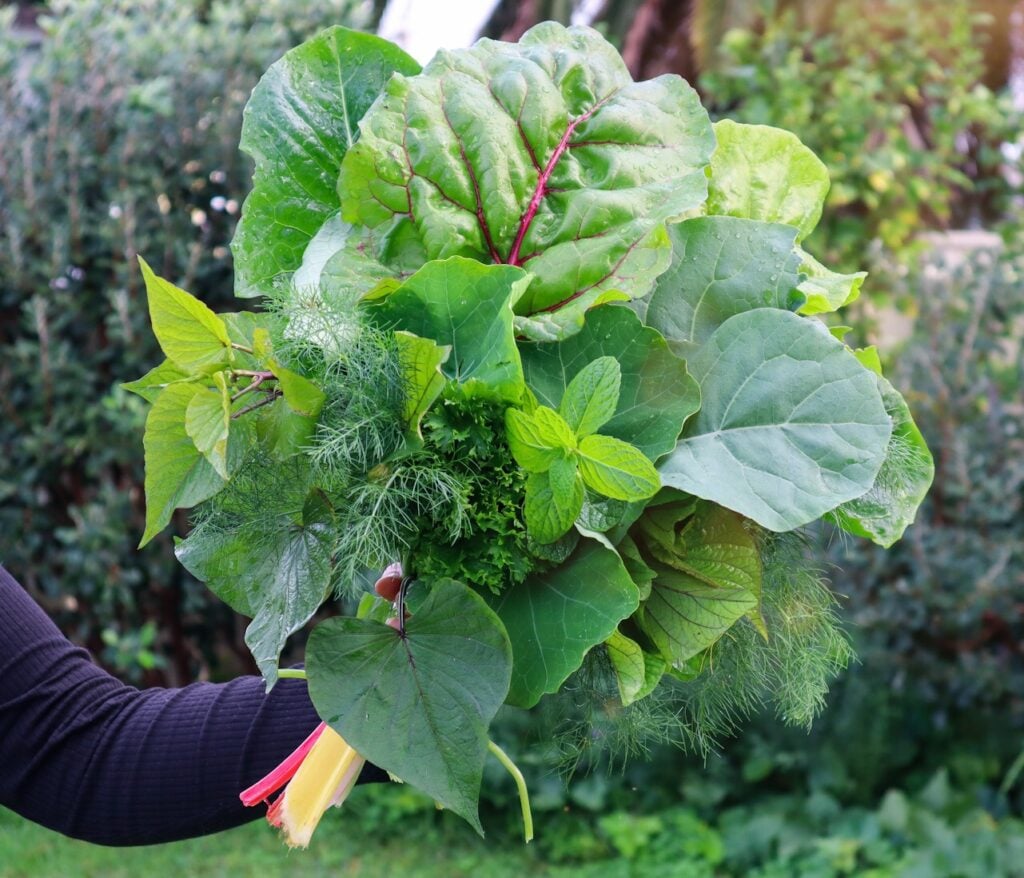
Rainbow chard doesn’t do too well in the heat of summer so most climates will only grow chard over the cooler months. Rainbow chard has large leaves so it can lose moisture and wilt quickly. If you plant Chard over the summer choose a shady location. Autumn is a great time to sow your Rainbow Chard seeds. Rainbow Chard is super versatile in the kitchen and it brightens up the winter garden with its’ neon coloured stems.
Rainbow Chard can be used in nearly every meal as a substitute for spinach.
3. Lettuce
Lactuca sativa
Lettuce can be a delicate plant to grow and doesn’t tolerate the heat well. Autumn is a great time to plant lettuce in the garden. If you want to grow lettuce during summer then find a cool spot that receives shade during the hot afternoons. Otherwise, it will just go to flower and seed if it gets too hot and then it tastes awful and bitter. Due to its’ delicate nature, lettuce is best sown in seed trays and planted out into the garden when it is a seedling. Little seeds and seedlings will be susceptible to pests such as slugs, snails and slaters. Check out natural pest management for tips on how to reduce loss from pests.
4. Beetroot
Beta vulgaris
The whole Beetroot plant is edible and the leaves can be used just like chard or spinach. You can pick off the outer leaves just one or two from each plant while they grow to get a prolonged harvest.
Fun fact: Rainbow chard is actually part of the beetroot family!
You can use the roots grated fresh in a salad, roasted beetroot is sooo good, especially the yellow and white varieties they are so sweet! Beetroot is also delicious pickled and canned to preserve the harvest.
I have planted the White, Golden, and Chioggia varieties. The Chioggia has beautiful candy cane stripes. It is also very sweet.
5. Spinach
Spinacia oleracea
Spinach is another great Autumn veggie to plant and will offer you an abundance of greens for the rest of the year. There are many different types of spinach and a few that I like to grow are the Malabar Climbing Spinach – it seems to do well here in Perth as it is more like a succulent type of plant. Perpetual Spinach is also another great producer that can offer you greens for most, if not all of the year.
6. Onions
Allium cepa
Onions are a staple vegetable to grow for adding flavour to meals and there are many different varieties. Planting onions randomly throughout your gardens can help deter pests due to their strong scent. Egyptians walking onions are a great perennial onion variety. They grow onion bulbs on the base like most onions but the difference is, they also grow mini bulbs on the tips too and as these grow they get heavy and bend over to touch the ground and then this bulb will start growing so they sort of move around the garden which is pretty neat! Plus, they just regrow on their own which supports a sustainable garden.
7. Rocket
Eruca vesiculate
Rocket or Arugula is a great leafy green to grow because it is fast-growing and it can be added to a range of meals. Add fresh baby rocket leaves on top of your meals for added flavour and nutrition. Rocket will get quite bitter if it doesn’t get enough water and also will bolt if it’s still too warm. If you are sowing it early in the season or in summer, grow it somewhere with a little shade. I sow little patches of Rocket throughout my garden at different times to have a continuous supply.
8. Rosella
Hibiscus sabdariffa
Rosella is a type of hibiscus that has edible leaves that you can use as a substitute for spinach. The flower buds are edible and are great for making tea, syrups and jams.
9. Fennel
Foeniculum vulgare
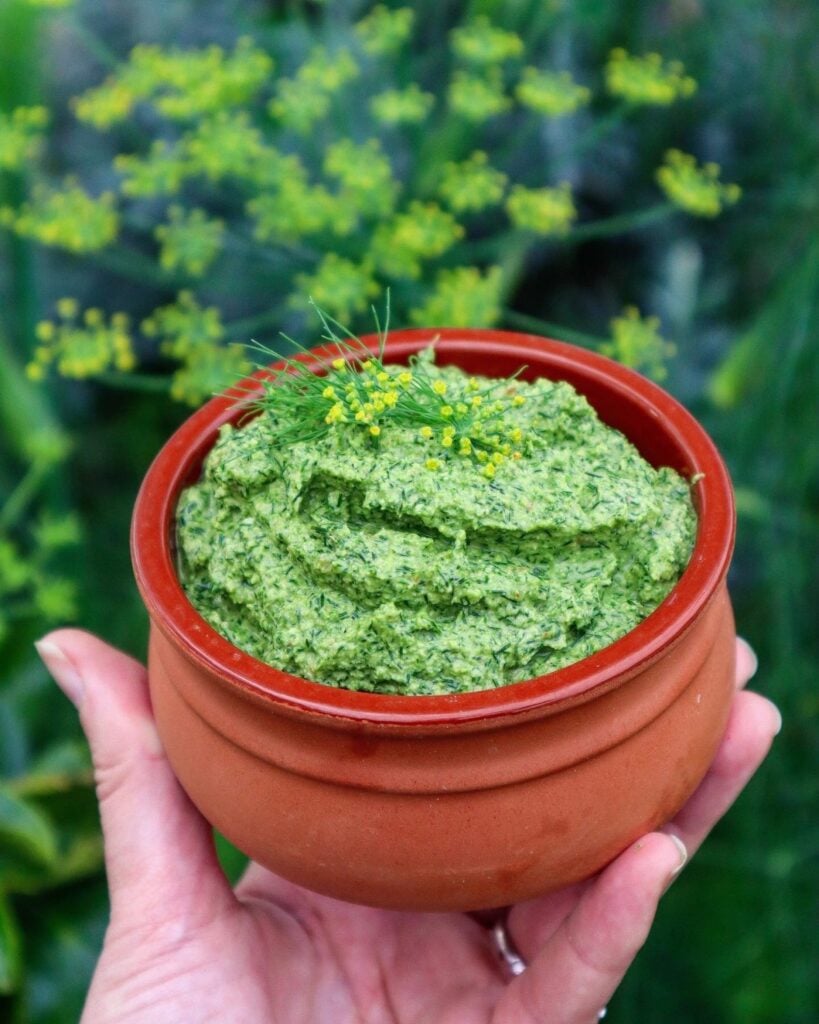
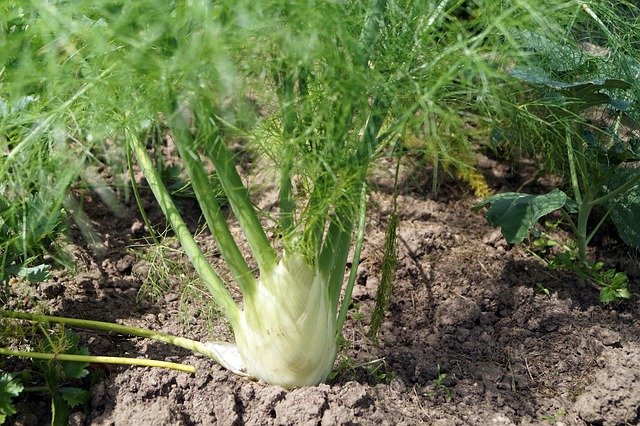
Fennel is a top edible plant to grow at home as the whole plant is edible. During the warmer months, Fennel plants mainly produce leaves/fronds and flowers which are great flavour enhancements for meals or pickling. The fronds can be used to make a delicious pesto. Once the weather cools down in Autumn the bulbs will start to bulk up. Fennel is so crunchy and fresh and pairs really well with citrus. Roasted fennel is also super delicious. There are two main varieties green Florence and bronze. The green Fennel does tend to go a little wilder than the bronze.
10. Chives
Allium schoenoprasum
Chives have a delicious onion flavour and produce purple flowers that are also edible. Chives are another edible plant to mix in your garden beds and help deter pests naturally.
Comment below if you are going to grow any of these Edible Plants to Sow in March 🌱👇
Today I’m going to share with you 10 tips to grow more food from your edible home garden. These tips are so easy and you can implement them today to boost your garden’s production. No matter whether you are renting or living in an apartment.
It is no secret that we are facing a very real food security and shortage with many supermarket shelves completely empty. There has never been a better time to start growing your own food or ramp up your home gardens production. These tips will help you maximize the amount of fresh homegrown food you can produce from home. Starting NOW!
WATCH 10 tips to Produce more Food
10 tips to Produce more Food at Home
1. Trim your Herbs
Especially if they are starting to flower. Herbs such as Basil, Mint, and Thyme can all be grown in pots, and trimming the tops will promote a bigger bushier plant. When plants get hot, stressed, or are just left to just grow, they will send off flowers to produce seeds for another generation. Trimming off these seeds will let your herbs know that it’s not time yet, and to keep producing. Just chuck the tops and seeds back in the garden and they will sprout new plants, dry or preserve your herbs, or pop the purple stems in vinegar and make a vibrant basil infusion! You can then use this to make salad dressings by mixing with a little olive oil and lemon juice.
2. Regularly Plant “quick-to-grow” Crops
Quick-growing crops are great to continuously interplant in your garden to get quick wins. Edible plants such as Radish and Rocket are super quick to germinate and grow. Plant radish in the gaps of your garden for quick and easy food production. Radish isready from seed to table in just 28 days and is one of the quickest things you can grow! Radish not only provides fresh crunchy vegetables to add to salads but you can also eat the leafy tops by making pesto or chimichurri. If you are not a fan of the spicey radish, then try them with your roast veggies! So sweet and delicious!
3. Succession Planting
A little planning goes a long way in an edible home garden. If you know your veggies will be finishing up soon, plant new seeds to have seedlings ready to go. You can plant your new seedling out before you have pulled out the old ones so that you can transition straight away and prevent empty spaces from going to waste without producing food. I also like to grow different varieties so I plant each type two weeks apart to help stagger the crops.
4. Hand Pollinate
In an ideal world we will have lots of bees and pollinators in our home gardens to do the work for us. This isn’t always the case, especially if you live in an apartment or your gardens are new. Hand-pollinating can help ensure more of your fruit and veggies are pollinated and set to form full-sized fruit. We definitely want to encourage bees and pollinators by planting flowers but hand-pollinating can be an added insurance. This works best on plants such as Melon, Squash, Zucchini, and Pumpkin. Click here for more info on how to hand pollinate.
Your plant’s main goal is actually not to make delicious food to feed us humans… but to produce seeds to secure its future generation. If the plant feels it has enough fruit or vegetables produced with seeds it will slow or stop producing. Regularly picking your harvest when it is just ready will make the plant think that it has lost its seeds to predators so it will continue to produce more and more. So try not to leave things too long on the plant once they look ready. This also reduces the risk of other critters nabbing your produce first too.
7. Learn more about Root to Shoot
Conventionally 30-50%, maybe even more of the edible plants are discarded. Crops such as Beetroot leaves, Carrot tops, Brassica leaves and stems, Sweet Potato leaves, male Pumpkin or Zucchini flowers, and so much more! Learn what parts of the plant are edible and you could double the amount of food you have in your garden in a matter of hours!! I have some recipes on my blog but this is something we dive deeper into inside my membership.
8. Plant Perennials
Perennials are plants that last longer than 2 years. These may be a little slower to establish but once they do, they produce an abundance of food with just a little maintenance. These are plants such as Berries, Fruit trees, Artichoke, Asparagus, perennial Spinach varieties, Rhubarb and so much more! Having perennials in your garden will help you maintain your food supply. I also have an article on A-Z edible perennials available inside my membership.
9. Stack in Time and Space
Use the space you have in your edible home garden to grow both horizontally and vertically. This can maximize the amount of food you can grow. Having a trellis at the back of your garden or container can help create structure and expand your food production capabilities. I also let plants use my fruit trees to grow up. Whether that’s beans, tomatoes, melons, or pumpkins. Growing vertically can double the amount of food you can grow in a single space. Stacking in time is just like succession planting. Plant crops that will be starting to take off as the previous ones are finishing up. If you have a vertical crop that may produce more shade on the lower levels this can also provide a cooler climate to grow some more sun-sensitive crops such as lettuce. Especially in these hot summers.
10.Utilise Space with Container Gardens
Even if you have a large veggie patch, container gardens still have plenty of use. Container gardens are great for growing prolific plants that can be a little invasive. These are plants such as Mint, Nasturtium, and Sunchokes. Not only will you get lots of food but your precious garden space won’t be overrun with the weed-like growth of these plants. Containers are also good for maximizing the sun and shade. You can move them around during the year to follow the sun or reduce the amount of direct sunlight in summer.
Start TODAY with these 10 tips to produce more food from your edible home garden! Let me know if any of these tips sparked inspiration with you in the comments below.
Edible Perennial Plants are an investment in your future food production. Perennials grow back each year and provide long-term sustainable harvests. When creating a self-sufficient garden, edible perennials can form a really good base to build from. Annual vegetables can be a lot of work and it can be devastating if you lose a crop after all that time and effort. Having a mix of edible perennials in your garden will give you the comfort of knowing you will still have food available that will re-grow year after year.
Most of the vegetables we see in the supermarkets are annual vegetables that are grown for a single season and then harvested. This means that perennials are a little unusual for home gardeners to grow and cook.
What is a Perennial Vegetable?
Annuals – Grow for a single season and then harvested completely or die off
Biennials – Grow for a season and then flower or seed for the second season. Most are grown as annuals or left to collect seeds.
Perennials – Grow for more than two years and many can continue to grow for decades. They often die back in winter and re-grow in spring on their own accord.
Why Grow Edible Perennial Plants?
Re-grow each year without planting
Stable consistent food supply
Create diversity in the garden
Economical plant purchases
Low maintenance
Form deeper root systems to require less watering
Stabilise soil and reduce erosion
Require less feeding as they are slow-growing
Habitat for wildlife long term
Support no-dig gardens
Pros and cons of Edible Perennial Plants vs Annuals?
Many edible perennial plants are quite slow-growing. This helps them form strong established root systems to feed and support their growth for many years to come. This can mean that you may not get food from your perennial plants within the first year or two. However, all good things take time and time is going to pass anyway. Think of it as an investment that will have compounding growth and provide you with a sustainable future food supply. Saving your future self, time, and money!
Perennials stay in the same spot and regrow year after year so you need to make sure you select a suitable spot from the start. Look into how much sunlight/shade and type of soil they prefer before planting. This also means your garden beds will be allocated to that plant long-term. The great thing about annuals is that you can mix and match different plants constantly.
Note: Plants behave differently in each climate. What may grow as a perennial in some climates may not in others. For instance if it gets too cold or too hot each year the plant may die off and need to be replanted each year just like an annual would.
A-Z Top Edible Perennial Plants
Artichoke
Cynara cardunculus var. scolymus
Full Sun – summer harvest
Edible flowers
Beautiful aesthetic plant
Very popular with the bees!
Most produce in their second year
Harvest buds before they flower
Reproduce from side suckers
Asparagus
Asparagus officinalis
Full sun – spring & summer harvest
Produces for up to 30 years
Beds can look bare for part of the year
Grow underground and pop up in spring
Mulch well
Feed with animal manure
Seeds form from berries
Brazilian Spinach
Alternanthera sisssoo
Sub-tropical or tropical climate – All year round
Low growing lush green plant
Hardy easy to grow plant
Use as you would spinach
Propagate from cuttings
Likes humid weather
Blueberry
Vaccinium sect. Cyanococcus
Full sun – part shade
Grow to about 2m tall
Can fruit for up to 30 years
Likes acidic soil
Fruit starts really producing after two years
High in antioxidants
Produce up to 7kg of fruit each year
Chicory
Cichorium intybus
Full sun – part shade
Eat fresh or cooked to reduce bitterness
Great animal feed
Beautiful edible flowers
Attracts bees for pollination
Can be grown as an annual or perennial
Short lived 7 year perennial
Fennel
Foeniculum vulgare
Full sun – part shade
Green variety can be invasive
Edible leaves, flowers, seeds and bulbs
Easy care free plant
Leaves, seeds and flowers are great for flavouring pickles and ferments
Medicinal qualites
Horseradish
Armoracia rusticana
Full sun – part shade
Root crop that spreads (can be invasive)
Edible leaves and roots
“wasabi” like flavour used as a condiment
Great for flavouring pickles and ferments
Medicinal qualities
Likes cooler climates
Jerusalem Artichoke (sunchoke)
Helianthus tuberosus
Full sun
Edible roots
Low maintenance
Attracts Bees and Butterflies
Abundant production of crops
Drought tolerant
Good for mulch and biomass
Can be invasive – keep conatained
Pepino
Solanum muricatum
Full sun – part shade
Low-lying fruiting shrub
Melon flavour
Abundant production
Frost sensitive
Easy to grow, low maintenance
Easily grown from cuttings
Pineapple
Ananas comosus
Full sun – warm climates
Low maintenance
Re-grow from the top and side suckers
Low lying and can be grown in pots
Slow growing can take 2 years to fruit
Regrow to have many on the go and have regular fruit
Turn leftover Banana peels into a natural dried banana fertilizer to grow an abundance of fruit and vegetables.
My name is Holly and I am on a mission to create a self-sufficient edible garden in my suburban property. I am converting grass into thriving urban permaculture gardens.
It’s important to reduce the amount of organic matter going to landfills because when it does go to the landfill, it is piled up and starved of oxygen. This process is not conducive to breaking down our scraps and they end up producing methane gas, which is not good for our environment. That’s where composting and turning our scraps into natural fertilizers not only boosts the health and production of our gardens but is also better for our planet.
Watch how to make Dried Banana Peel Fertilizer
Which plants will benefit the most from banana peel fertilizer?
Banana peels have potassium which is an essential nutrient for promoting more flowers and fruit on plants. Prioritize your dried banana peel fertilizer on your flowering plants such as Pumpkin, squash, capsicum, and fruit trees. Promoting flowers will offer more chances of fruit!
Having potassium on hand can help when you have deficiencies in the soil. Potassium deficiency can show as leaves turning yellow one falling off especially the older leaves.
If you are growing your own bananas and you get to harvest the fruit, then you can use your peels to feed the plants and create your own fully self-sufficient gardening system!
You can also make a banana peel fertilizer by soaking the peels in water. I talk more about that on my video about 15 natural fertilizers so definitely check that out for more ways to turn your homegrown produce into fertilizers to grow more of your own food.
How to make dried banana peel fertilizer?
To make dried banana fertilizer take your banana peels and lay them out on a tray to dry. You want to keep them somewhere warm and dry until they turn black and crispy. Natural Sunlight is great and will take 1-2 days to dry depending on the temperatures. You could also use a dehydrator to remove the moisture.
Chop the peels up a little to help speed up the drying process. Remove the ends and compost them as these will take a lot longer to dry.
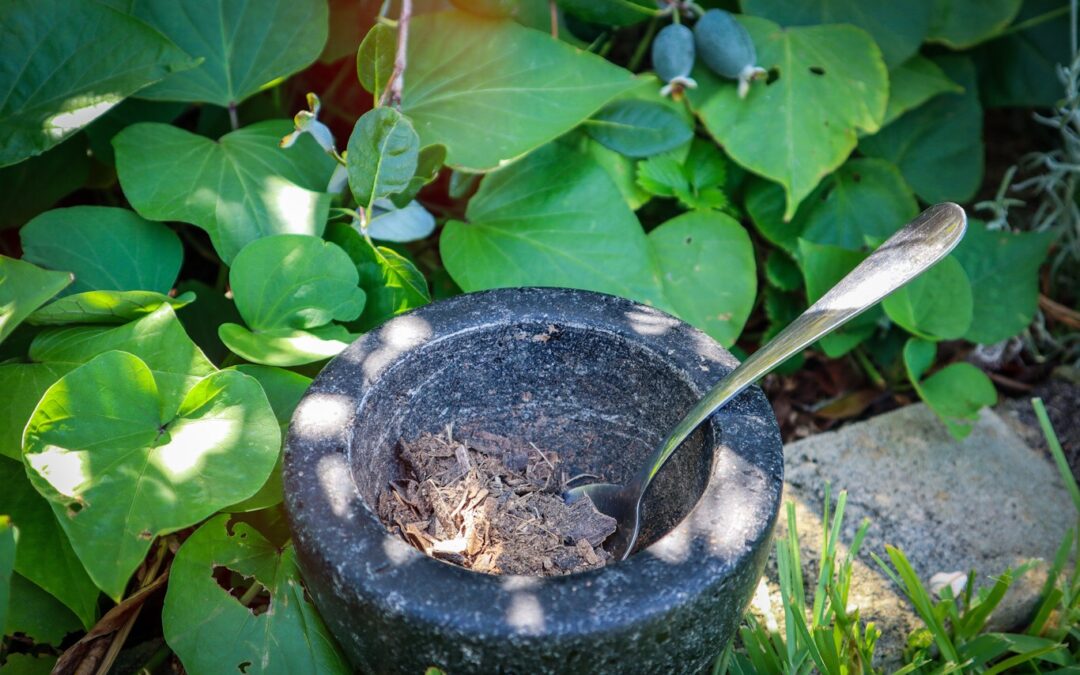
Then once they are completely dry and crumbly. Crush them up into a powder using a mortar and pestle or a coffee grinder/spice grinder.
Sprinkle a couple of TBSP around your fruit and veggie plants. It’s that easy! You can also add 2 TBSP to a jar of water and mix to pour around your plants.
Cucumber (Cucumis sativus) is a delicious and refreshing summer crop that are easy to grow and produce an abundance of food on a single plant. Cucumber can also be grown in pots or grow bags, so they make a fantastic high-yield option for urban gardens.
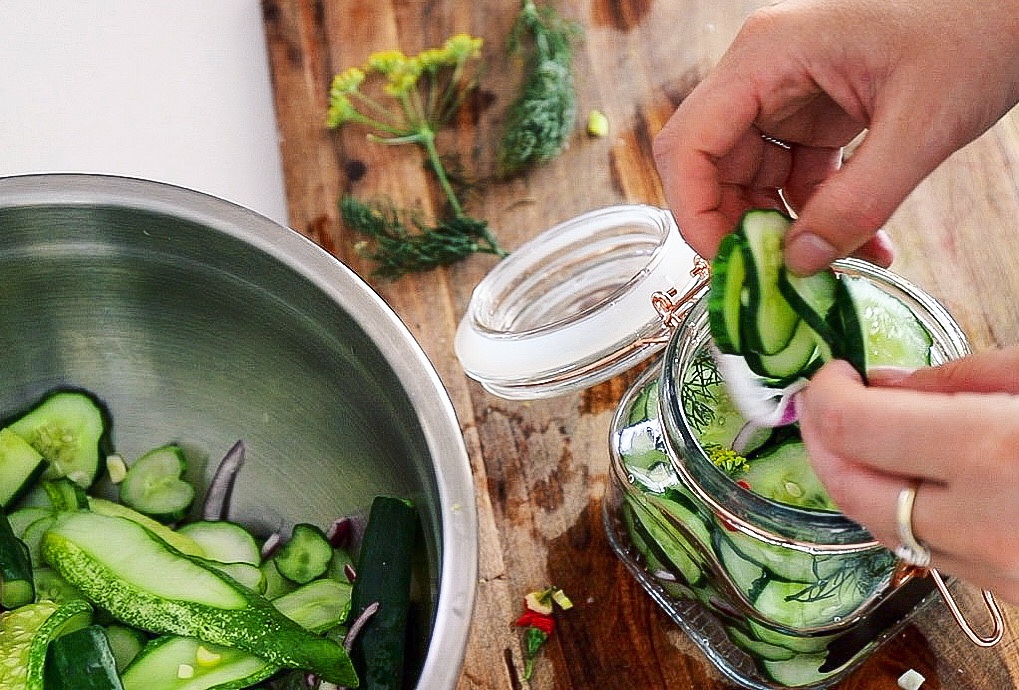
Cucumber is light, fresh, and great for pickling or eating fresh in salads. The great thing about growing Cucumbers is that you will have more than enough to preserve, gift, swap, or trade.
Full – part sun. Protection from harsh midday sun can help.
CARE
Water at the base to prevent mildew on the leaves.
FERTILISE
Feed every 2-3 weeks with liquid seaweed fertiliser.
PESTS
Mildew in humid climates.Rodents may attack the fruit.
HARVEST
Spring and Summer. Usually around 7-weeks after planting.
REPRODUCE
Save seeds from your best Cucumber at maturity.
Why Grow Cucumber?
Cucumber is quick-growing and can be pickled and preserved to use throughout the year. Cucumber is a great base crop to grow, allowing you to create more meals straight from your garden.
Here are some of the many reasons to grow Cucumber:
Easy to grow
Prolific production on each plant
High in Vitamin C & K
Rich in Antioxidants
Can promote healthy digestion
Hydrating food source
Make quick pickles and salsas
Cool, calm and reduce skin inflammation
Generous crops for gifting, swapping, or trading
The whole plant is edible including shoots, stems and leaves
Popular Cucumber Varieties
‘Marketmore‘– Popular green variety. Prolific, quick-growing, disease resistant. 15-20cm sized fruit.
‘Space Master‘ – Compact vine for small spaces. Great for slicing. 20cm green fruit. 30 fruit per plant.
‘Lebanese Mini‘ – Small mini fruit with edible skin. Great for snacks, salads, and pickles. 40 fruit per plant.
‘Crystal Apple‘ – Australian heirloom. White apple-sized fruit with citrus flavours.
‘National Pickling‘ – Small Heirloom variety. Great for pickling, snacks, and salads.
How to Grow Cucumber
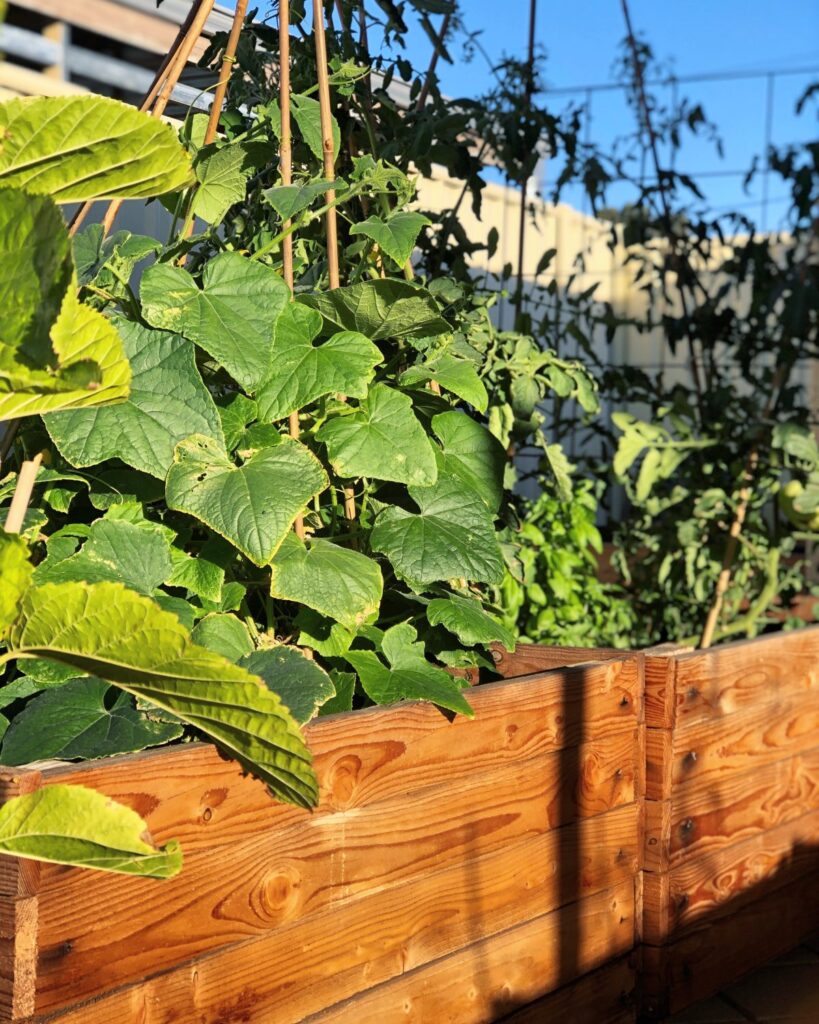
Cucumber grows in a vine structure and can be easily trained to grow vertically up a trellis or a teepee structure. It can be a good idea to get the vines up off the ground to improve airflow and reduce disease. Choose a full sun location with at least 6 hours of sunlight a day. Cucumbers can also be grown in pots and containers. Some varieties are more of a bush than a vine but this will say on the packet.
Cucumbers are warm-loving plants and can be damaged by frosts. It may be best to plant your seeds in small pots or seed trays until your last frost has passed. Plant your seeds as per the packet instruction as each variety and climate will have different growing suggestions. Once your seedlings have 4-5 leaves and your likelihood of frosts has passed, plant your seedlings in free-draining soil with plenty of compost.
When to Plant Cucumber
Plant Cucumber during the warmer months of spring and summer. For early crops, you can plant seeds inside in seed trays and plant outside once your last frost has finished.
Care/ Maintenance
Cucumbers like plenty of water so keep the soil moist and hydrated.
Mulch around your plants to protect the soil and retain moisture. Water the Cucumber at the base to avoid getting the leaves wet, as Cucumber can be prone to powdery mildew. Watering in the morning can also help to prevent this, as the leaves will have time to dry out and not sit wet for too long. If you do see white powdery mildew, remove the affected leaves and make up an organic spray with a mix of 9 parts water to 1 part milk. Spray this over the Cucumber leaves.
It can be beneficial to remove the older leaves at the base of the plant to increase airflow and prevent moisture from sitting around too long. Use sharp and clean secateurs to reduce the spread of any diseases. It can also be helpful to feed your plants withliquid seaweed or garden fertilizerevery 2-3 weeks for added nutrition.
Pollination/ Fruiting
Our bees do a fantastic job at pollinating, so planting flowers nearby will help to encourage plenty of pollinators to your garden. Pick your cucumber harvest often to encourage more to grow.
Pests / Disease
Protect young seedlings from slugs, snails and slaters. They can get some fungal diseases in humid weather. It is important not to wet the leaves to prevent powdery mildew from forming. If you do start to see some powdery mildew, remove the leaves (if it is only a few) or create a spray of 1 part milk to 9 parts water and spray over the affected area. Once the fruits start to mature be aware of rodents or other animals finding your harvests.
How/ When to Harvest
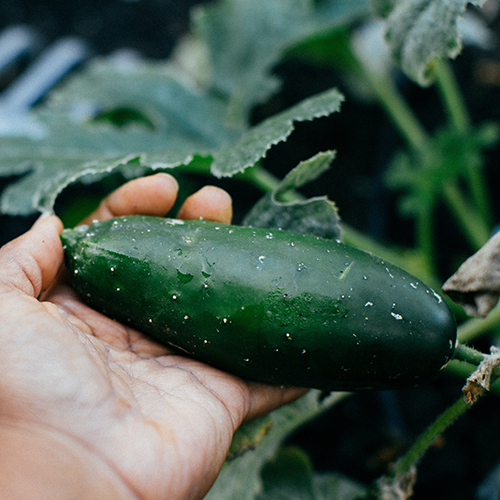
Harvest your Cucumber when they are small and often. They will start to go yellow once they are getting too mature and maybe bitter and the seeds inside will be hard.
Cucumber grows very quickly once the plant is established, so you may need to check every day or every other day for new produce.
The young leaves and tendrils are also edible and can be used in salads and stirfrys.
Reproducing
Cucumber seeds are the easiest way to reproduce. Let 1-2 of your best-looking Cucumbers grow to maturity (until the skin is yellow). This will be when the seeds are mature and ready to harvest. Wash the flesh off the seeds and allow them to dry before storing it in a cool, dry, dark space. Early in the season, you can also take cuttings from the plant and place them in a jar of water. They will spout roots from the nodules where the leaves were and you can replant.
Cooking and Using Cucumbers
Cucumbers are great for adding to summer salads, refreshing water and of course all the pickles!