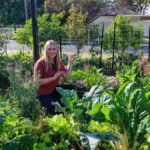
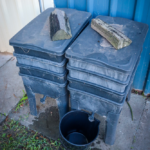
Autumn is a busy month in the garden and it is time to prepare your garden beds for new plants by adding compost and fresh mulch. Autumn is also the season to sow your cool-season seeds. Create succession planting by sowing seeds in batches 2-3 weeks apart. Autumn is also when our summer fruit and vegetables will be finishing up. This is a great time to harvest as much as you can and preserve any extra food.

What to Plant
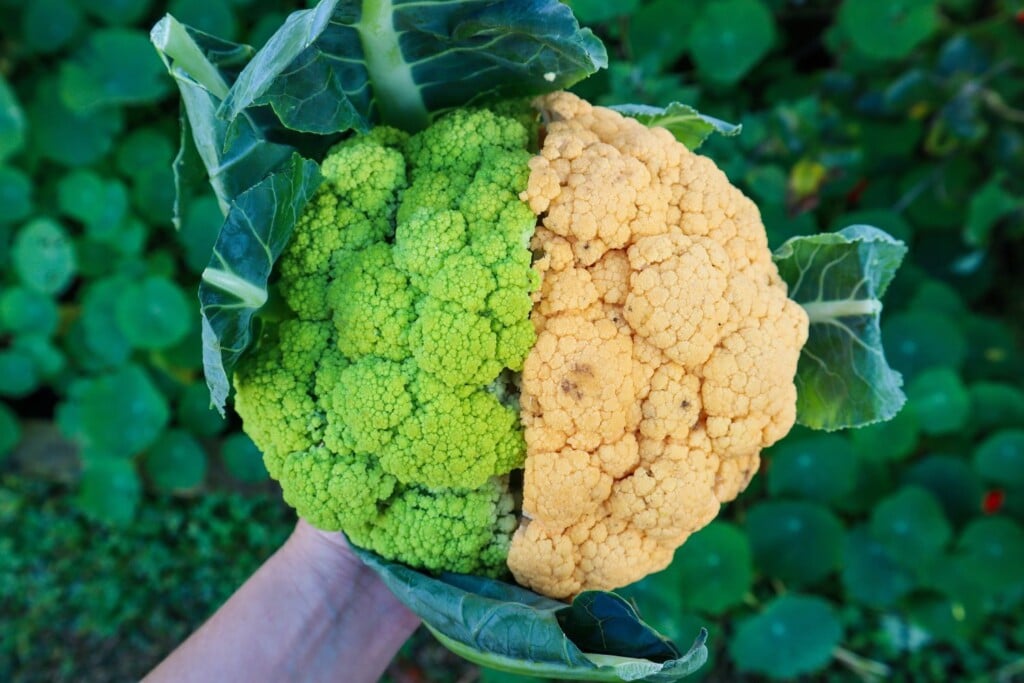
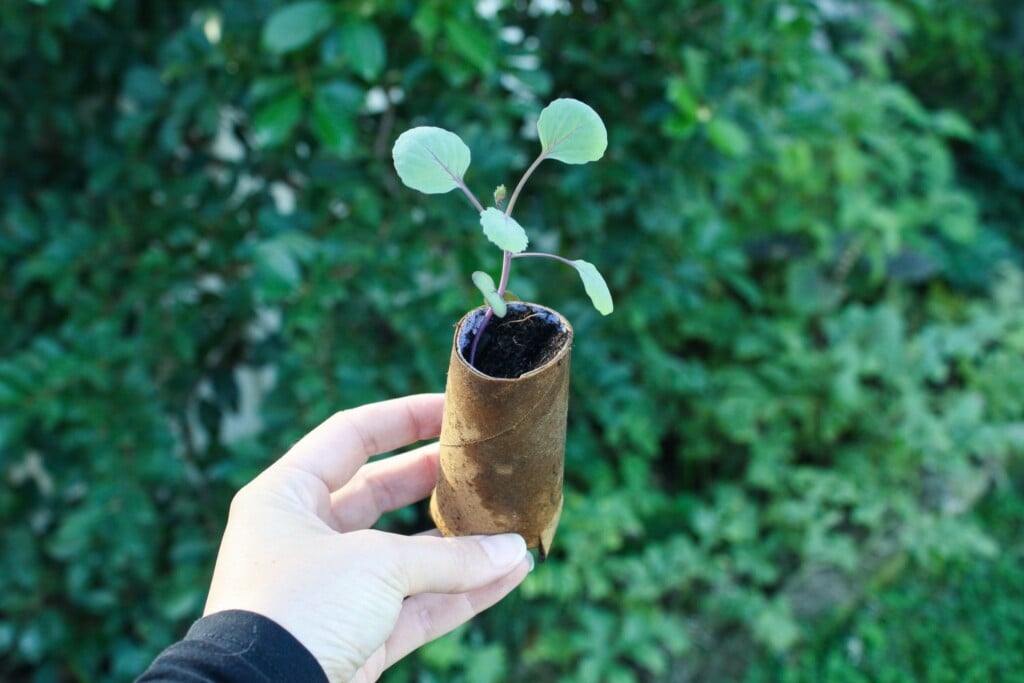
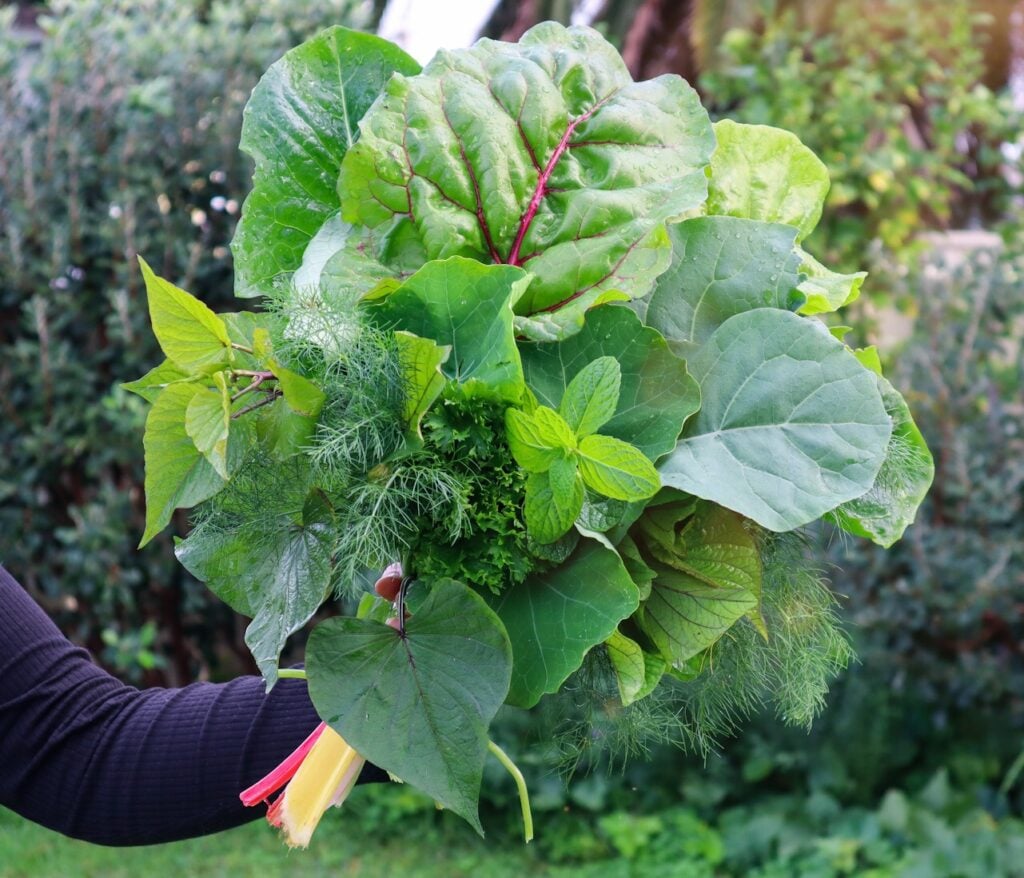
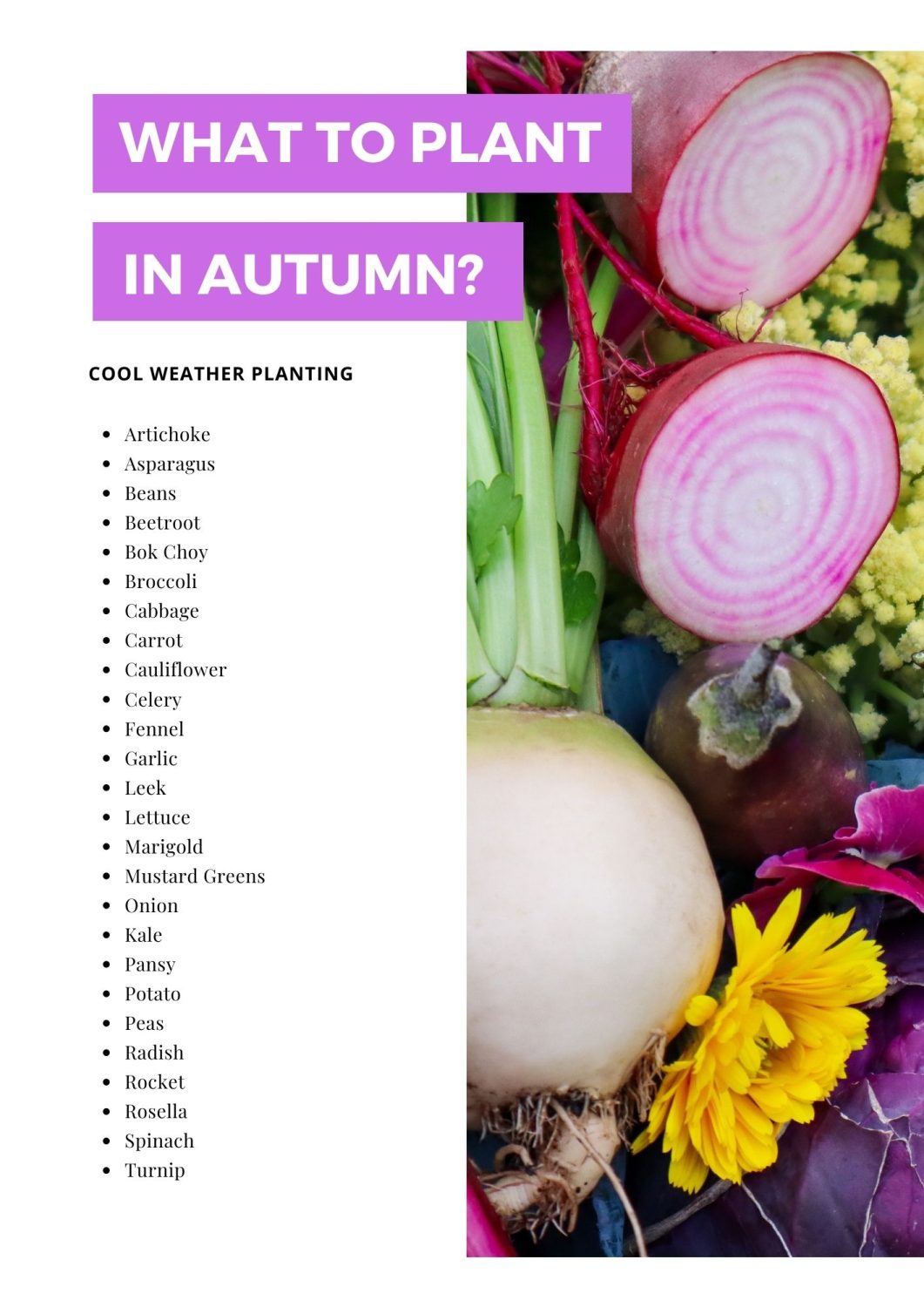
Autumn is a great time to start planning and planting out your winter seeds. If you are planting seedlings that are already small plants, it may be too hot still for many cool-season plants. Check out these 10 edible plants to sow at the beginning of autumn. These 10 edibles are great to sow for that in-between stage. Your cool-season crops such as broccoli, cabbage, and cauliflower are great to start from seed in late March because, by the time they are small seedlings and ready to plant out into the garden, the temperatures will be cool enough.
Autumn Maintenance
Autumn checklist
- Remove summer annuals
- Compost old and dead plants
- Save seeds from summer crops
- Harvest and preserve summer crops
- Plant seeds, seeds, seeds
- Take cuttings
- Feed and replenish soil after summer crops
- Remove garden stakes and ties from old crops
- Remove fallen leaves to compost
- Clean around the base of trees and pull mulch back to prevent rot
- Plant bulbs for spring flowers
Harvesting and Preserving
The end of Summer and the start of Autumn is often when your fruit and vegetable production is at its highest. This can be a busy time in the kitchen preparing jams, chutney, dried fruits, and preserves. If you find it hard to keep up with the production of fruit and vegetables (an amazing problem to have!) gifting or freezing excess can be a great idea.
- Chilli sauce
- Chilli Jam
- Fruit jams
- Wine and ferments
- Dehydrated fruit
- Frozen smoothie bags
- Tomato sauce
- Tomato pasata
- Dehydrated tomatoes
- Dehydrated watermelon
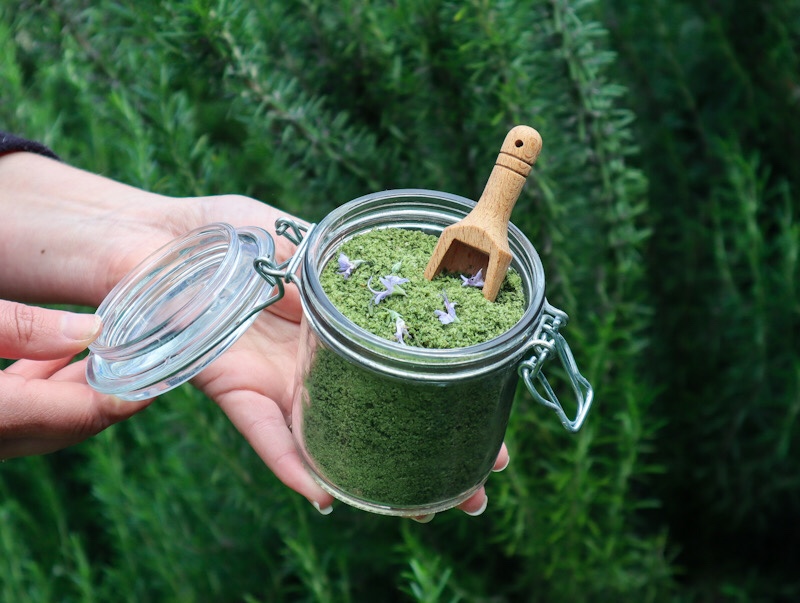
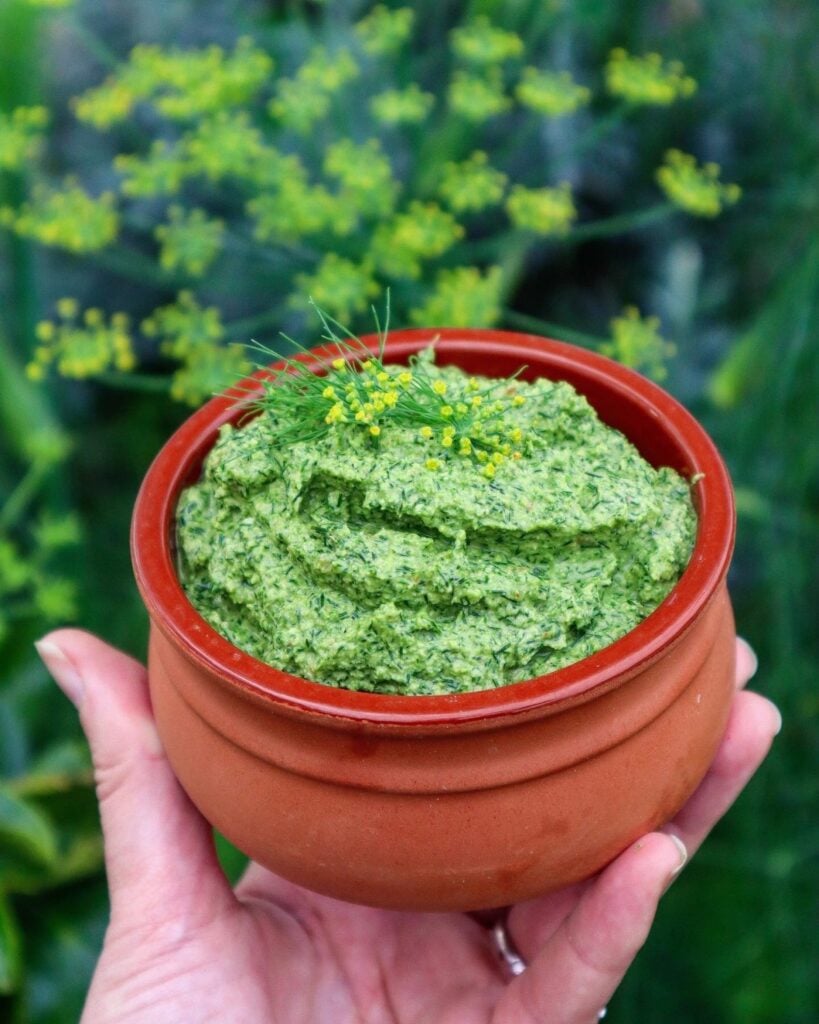
- Pesto
- Dried flowers
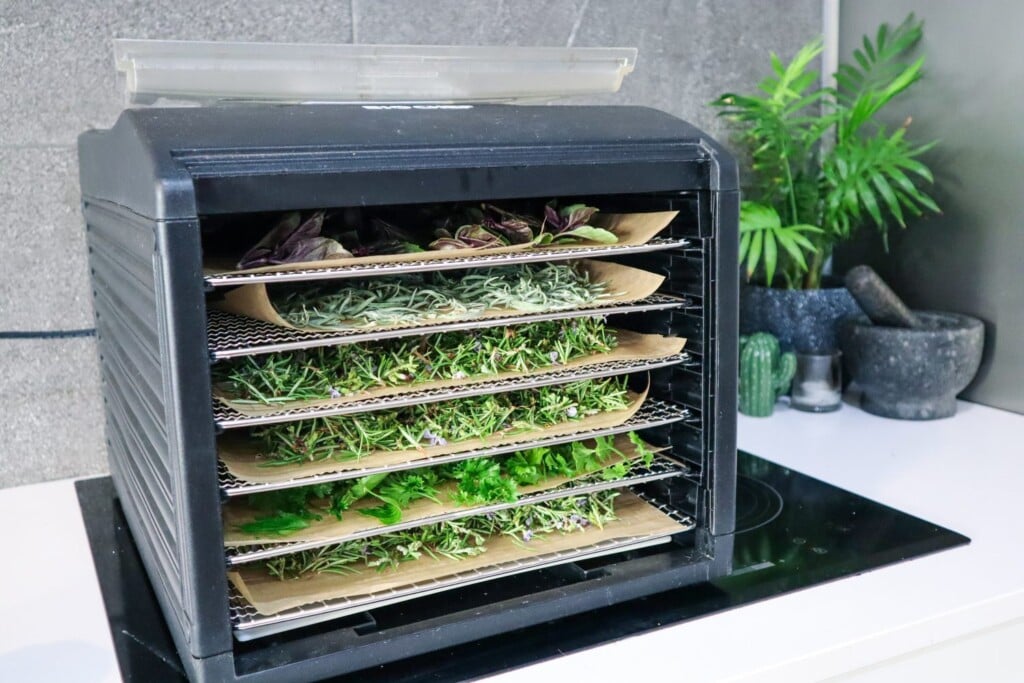
- Dried herbs



Inspired by Autumn
The cooler days of autumn can be a welcomed relief after a hot summer. The nights are still warm and light so it is a great time to dine outside and enjoy your garden. Set up a meal outside and celebrate your summer harvests with family or friends. Below are some inspiring ideas to embrace Autumn.
- Hang fairy lights and dine outside
- Create Sculptures or garden structures using pruned trees
- Pack a picnic and enjoy the balmy nights
- Host a preserving night and have your friends help process your ecxess harvests in return for homemade goodies
- Swap and trade cuttings with friends
Planning for Winter
The key to easy and successful gardens is to plan ahead. This can help you maximise your food production and help maintain momentum. Autumn can be a busy season in the garden to prepare beds and seeds for winter production. Plants tend to grow slower in winter with decreases in sunlight and temperature. Getting your plants in the ground in Autumn and the start of winter will allow you to focus on harvesting food and dreaming up new garden ideas.
How to get ready for winter
- Top up beds with compost
- Add fresh mulch
- Harden off seedlings to plant outside
- Keep on top of natural pest management
- Reduce watering or use rain sensor controls
- Pack up and remove shade cloths