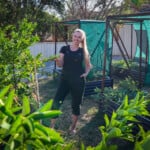
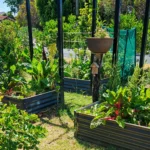
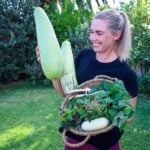
Planting Flowers for the Bees is high on my current list of gardening goals. Bees are such an important element in the garden and it wasn’t until I really started trying to grow my own food that I realised just how important they are! Previously, although, I knew they were important for pollination, I had mixed feelings towards bees because my dad is deadly allergic. One Bee sting will quickly send him into anaphylactic shock and growing up this was such a scary reality. Today, I continue to learn more and more about bees and I am amazed at how incredible they really are.
Trying to grow food without pollinators can be hard and sometimes impossible without intervention. If you have ever tried growing pumpkin or watermelon you will understand what I mean! It is so important that we try and look out for our bee friends and provide them with healthy, organic, pesticide-free gardens. I am constantly planting flowers for the bees and also letting things go to seed, so there is always an abundance of flowers and bees in my garden.
Having water available for the bees is also another great idea, especially in Perth’s warm climate. If you have a bird bath you can place a flat rock in it so that the bees can stop by for a drink. Below are some of the plants that I grow and the Bees love!
Top 5 Flowers for the Bees
1. Rosemary – This is my number one plant for the bees. There is always a hive of activity on my rosemary plant and I love seeing so many bees in my garden. Of course, it is a staple in the kitchen as well!
2. Borage – Bees love borage flowers and they are so pretty and edible too! They are usually blue, pink or white but often you get this fantastic tie-dye effect!
3. Lavender – is such a great fragrant addition to the garden and you can make natural perfumes, beauty products and it is also edible! Lavender is so easy to grow from cuttings so you can just cut off a stalk and plant it in other areas of your garden or pot up and give as a gift to your family and friends.
4. Sunflowers – These have to be one of my favourite flowers! The bees love them and they are an absolute show stopper in the garden. Sunflowers are also known to be soil remediators and extract any toxins in the soil.
5. Zinnia – I am new to growing zinnia but I absolutely love them! They come in so many amazing colours (even green!) and the flowers are also edible! These are now a much-loved staple in my garden. I even grew them down the side of a fence with very poor soil and they thrived.
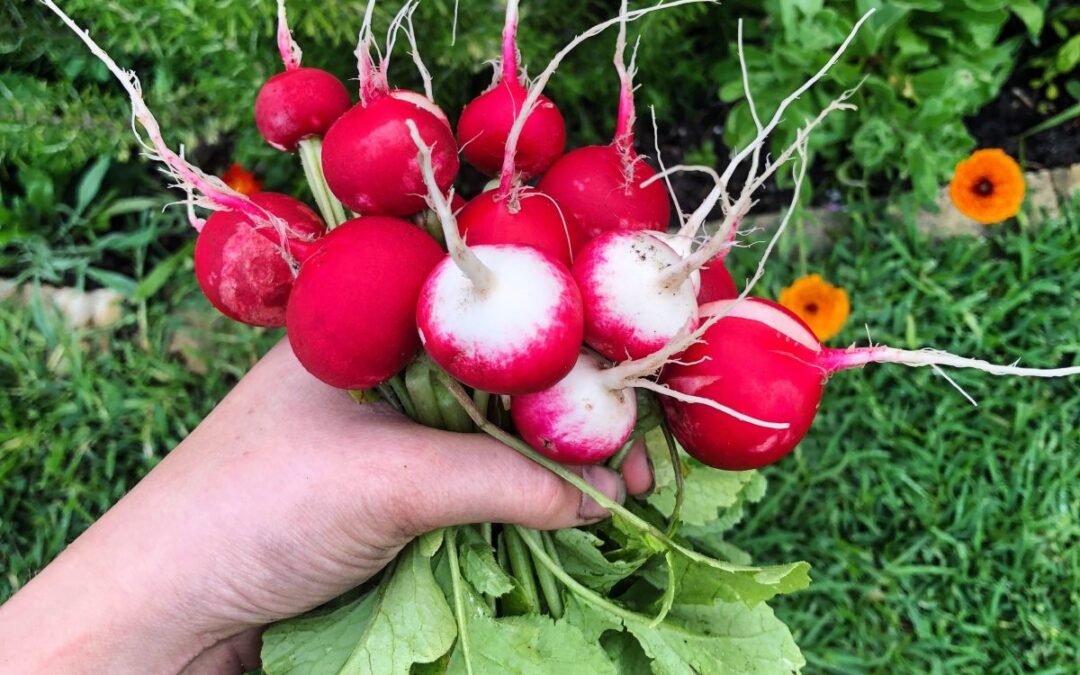
Bonus – The other thing I do let some of my veggies go to seed. Diversity in the garden is important and you will see different types of bees like different flowers. Radish flowers for example, always attract our native Blue Banded bees which are amazing to watch! Having a diversity of plants and insects in your garden will help create a thriving ecosystem.
Take the time to slow down and observe your garden and you will start to recognise which flowers are attracting beneficial insects. You may even find some you have never seen before! Most weekends I have my morning coffee in the garden and just spend some time observing without any distractions. We are often so busy trying to do something that we lose sight of all the little things going on.
This weekend I challenge you to give it a go! Make a coffee and spend just 10 minutes or so sitting in the garden or nature and observe. And if you can plant some more Flowers for the Bees.
Holly ✨
MY GARDENING ESSENTIALS //
Fertiliser spray gun: https://bit.ly/366nL1t
Retractable Hose: https://bit.ly/2TSC0Bo
More gardening tools: https://bit.ly/32IQmbD
DISCLAIMER: Links included in this description might be affiliate links. If you purchase a product or service with the links that I provide I may receive a small commission. There is no additional charge to you! Thank you for supporting my page so I can continue to provide you with free content!
Absolutely! Growing edible plants in the shade is not only possible but can also be beneficial for many crops. One of the most important aspects of designing a productive edible garden is observing your environment and understanding your garden’s unique conditions. This principle, outlined in David Holmgren’s Permaculture Principles, emphasizes observation and interaction as key factors in successful gardening.
Understanding how sunlight and shade move across your garden throughout the year will help you plan your planting strategy. Rather than planting a full-sun-loving tree in an 80% shaded area and wondering why it struggles (been there, done that!), thoughtful observation will lead to better plant selection and higher yields.
Why Grow Shade-Tolerant Edible Plants?
Many gardens have areas that receive limited sunlight due to trees, buildings, or fences. Instead of letting these areas go to waste, take advantage of them by planting shade-loving edible plants. While growth may be slower in the shade, this can be an advantage, as it reduces bolting in leafy greens and extends harvesting periods.
If you’re looking for productive plants to grow in shady spots, here are my top recommendations.
Tips for Growing Edible Plants in the Shade
Growing shade plants requires some adjustments to maximize success:
Expect slower growth – Less sunlight means plants will take longer to mature.
Use shade strategically – Leafy greens often thrive in partial shade, especially in warm climates.
Improve soil quality – Shade gardens benefit from rich, well-draining soil and plenty of organic matter.
Water less frequently – Shady areas retain moisture longer, reducing water needs.
10 Best Edible Plants for Shade
1. Nasturtiums (Tropaeolum majus)
A personal favorite! Nasturtiums thrive in partial shade and are incredibly versatile. The leaves, flowers, and seeds are all edible, adding a peppery kick to salads. They also attract beneficial insects and act as a natural pest repellent.
2. Sweet Violets (Viola odorata)
Also known as English Violets, these beautiful little plants make an excellent ground cover in shady areas. The flowers are edible and can be used in salads, desserts, or herbal teas.
3. Lettuce (Lactuca sativa)
One of the easiest crops to grow in the shade! Inhot climates, lettuce actually performs better in partial shade, as it prevents the leaves from wilting or becoming bitter.
4. Chives (Allium schoenoprasum)
Chives do well in both sun and shade, making them a versatile addition to any garden. Use them to add a mild onion flavor to omelets, salads, and soups. The flowers are also edible!
5. Kale (Brassica oleracea var. acephala)
Kale grows well in low-light conditions due to its large, energy-efficient leaves. While it may grow a bit slower in the shade, this can be a positive if you prefer a steady, manageable harvest.
6. Radish (Raphanus sativus)
Radishes are quick-growing and shade-tolerant, making them perfect for filling gaps in the garden. They thrive in partial shade and add a crunchy, peppery flavor to dishes. The great thing about Radishes is that they are ready to harvest from seed in just 30 days! Don’t love Radishes raw? Try this delicious Roasted Radish Salad! Game Changer!
7. Asian Greens (Bok Choy, Tatsoi, Choy Sum)
These fast-growing leafy greens thrive in the shade and produce a continuous harvest. They are excellent in stir-fries, salads, or soups.
8. Parsley (Petroselinum crispum)
Parsley tolerates shade well and grows at a steady pace, preventing waste from overproduction. It’s packed with vitamins and minerals, making it a nutrient-dense choice for shady gardens.
9. Sweet Potato (Ipomoea batatas)
While full shade is not ideal for large tubers, sweet potatoes can still produce a decent harvest in partial shade. Their sprawling vines make a fantastic ground cover, suppressing weeds and protecting the soil.
10. Rocket (Eruca vesicaria)
Also known as arugula, rocket grows well in shade and has a strong, peppery taste. It’s a great addition to salads, pizzas, and pestos.
Want more Plant ideas? Watch my Video for 21 Edibles to grow in the Shade
Growing edible plants in the shade is a smart way to make the most of every inch of your garden. Whether you have dappled shade under trees or a fully shaded wall, there are plenty of delicious and nutritious plants you can grow successfully. Want even more ideas? Watch my latest video for 21 edible shade plants! 🌱
👉 [Watch the Video Here]
What shade-loving edible plants do you grow? Leave a comment below! ⬇️
Holly🌱
MY GARDENING ESSENTIALS // Fertiliser spray gun: https://bit.ly/366nL1t Retractable Hose: https://bit.ly/2TSC0Bo More gardening tools: https://bit.ly/32IQmbD
DISCLAIMER: Links included in this description might be affiliate links. If you purchase a product or service with the links that I provide, I may receive a small commission. There is no additional charge to you! Thank you for supporting my page so I can continue to provide you with free content!
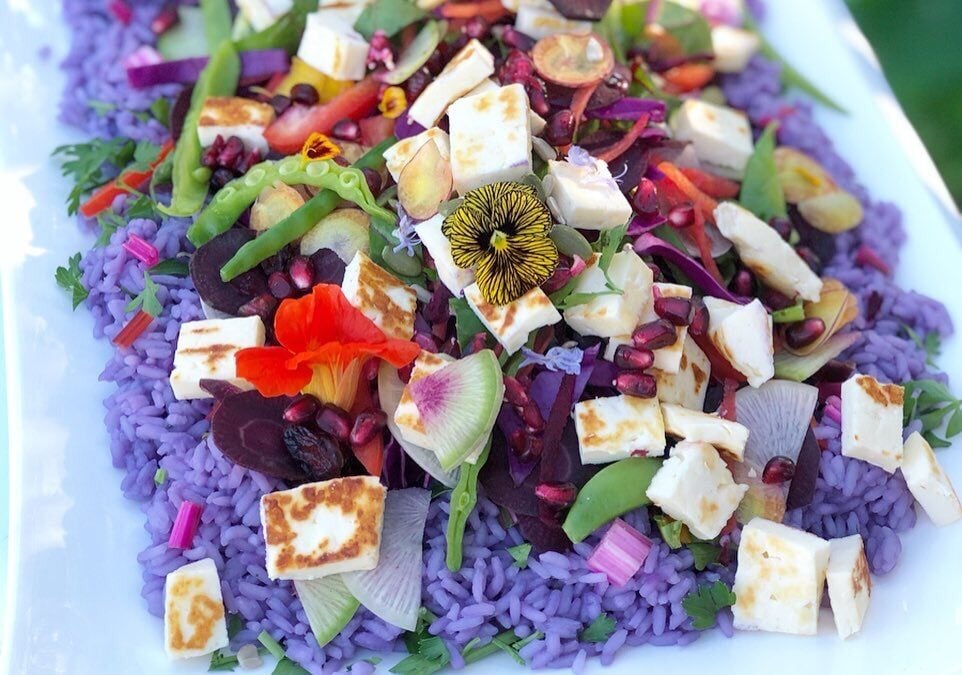
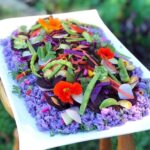
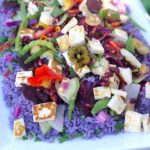
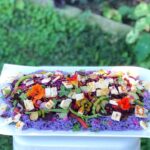
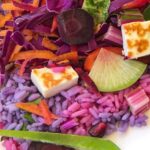
Unicorn Rice Salad is the perfect dish for entertaining! It’s such a fun dish and so easy to prepare! I’m not one for strict recipes so this one is super flexible and you can adjust the vegetables to whatever is in season or available.
Unicorn Rice
3-4 Red Cabbage leaves (Use the outside leaves you would normally discard. They are richer in colour and you can get some use before they hit the compost).
1 1/4 Cups White Jasmine Rice
Pinch of Salt
2 1/2 Cups water
To make the Purple Rice roughly chop the red cabbage leaves into quarters. Place in a saucepan with 2 1/2 cups of water and a pinch of salt.
Bring to the boil and then reduce the heat and let it simmer for 5 minutes. Stir and bruise the cabbage a few times to release the colour.
Strain into a bowl and discard the cabbage leaves to the compost.
Measure the liquid back into the saucepan in relation to how much is needed for the rice. You may need to top up with a little water if your purple liquid has evaporated. I used the absorption method so that the rice absorbed all the liquid and colour (If you have a rice cooker use that).
To cook the rice I first rinsed the 1 1/4 cups of rice with water to remove some starch and then added to the purple liquid. Bring to the boil. Reduce the heat and simmer with a lid on for about 5 minutes stirring regularly. Reduce heat right down to the lowest setting and let the rice absorb all the liquid. You may have to add a little more water if needed.
Once the unicorn rice is cooked quickly rinse under water to remove extra starch. The colour should stay but try to rinse minimally.
Salad
2 cups of finely sliced red cabbage
2 orange carrots peeled and grated
1/2 Beetroot peeled and grated
1/2 Cup of parsley roughly chopped
1-2 Cups of chopped garden greens I used colourful Rainbow Chard.
1/2 pomegranate
1 Watermelon Radish (optional)
5 Snow Peas finely sliced
2 Purple Carrots peeled and thinly sliced on Mandoline
Edible Flowers to serve (Nasturtium, Pansey, Marigold, Calendula)
1/2 Lemon cut into 2 wedges
1 Packet of Haloumi, fried and cut into cubes (any protein could be added)
Your favourite Salad Dressing ( Mine is Japanese Sesame Dressing)
The Salad is totally flexible and just use whatever colourful vegetables you have growing in the garden or available to you. The above is just what I used and had in my garden at the time.
Add the sliced Red Cabbage, grated Beetroot and Orange Carrots into a bowl and mix well.
Lay your purple rice out on a platter and make a well in the centre (push more rice to the edges so you can see it when the salad is on top).
Sprinkle the chopped parsley on the rice.
Place your Red Cabbage mix along the centre of the rice.
Top with the rest of your veggies, Haloumi, Pomegranate, and edible flowers.
Serving
To serve up your salad add your dressing. In front of your guests squeeze quartered lemon wedges over the salad and rice. This will start to turn the rice hot pink!
Magic 💖
If you make my Unicorn Rice Salad be sure to tag me on Instagram @sustainable_holly so I can see your beautiful creations! Get Creative!
MY GARDENING ESSENTIALS //
Fertiliser spray gun: https://bit.ly/366nL1t
Retractable Hose: https://bit.ly/2TSC0Bo
More gardening tools: https://bit.ly/32IQmbD
DISCLAIMER: Links included in this description might be affiliate links. If you purchase a product or service with the links that I provide I may receive a small commission. There is no additional charge to you! Thank you for supporting my page so I can continue to provide you with free content!
Nasturtium wraps with green papaya salad, Haloumi, garden greens, and edible flowers. I can’t even describe how incredible this tastes! The sweetness from the salad, salty Haloumi, and mild peppery nasturtium is an absolute combo I’m telling ya!! Get amongst it ⚡️
Nasturtium Wraps
This recipe will serve about 4 people so halve it if necessary or just store the leftover salad for another meal!
Papaya Salad
2 cups grated green papaya
1 carrot
1 cup garden greens ( i used rainbow chard and kale)
1 packet of halloumi
8-10 fresh sugar snap pea pods
Dressing
1 TSB soy sauce
1 TBS sweet chilli sauce
1 garlic clove
1 TBS lemon juice
1 tsp lemon zest
3-4 mint leaves
Nasturtium Wraps for Serving
10-15 Medium size nasturtium leaves
edible flowers to garnish
Method
Grate the green papaya and carrot and place in a salad bowl.
Slice up the garden greens (roughly 1/2cm wide strips) and add to salad.
Finely chop or mince garlic and add to a small bowl.
Slice mint leaves and add the remanding dressing ingredients and mix.
Pour dressing over the salad, mix and leave to marinate while you cook the Halumi.
Rinse nasturtium leaves and layout to dry on tea towel.
Finely slice pea pods and set aside.
Slice the haloumi into 1cm wide strips and add to a heated frypan on medium-high heat until lightly brown on each side. Slice in to bite size cubes and set aside.
Place nasturtium on a serving board and add a heaped tablespoon of salad to the centre of each. Add 3-4 cubes of haloumi on top.
Finally, place pea pod strips and edible flowers on top to serve.
Nasturtium wraps could be used for many different flavour combinations. They are so vesitile and a completely underated plant in my opinion! What have you used Naturtium leaves for? Let me know in the comments below.
MY GARDENING ESSENTIALS //
Fertiliser spray gun: https://bit.ly/366nL1t
Retractable Hose: https://bit.ly/2TSC0Bo
More gardening tools: https://bit.ly/32IQmbD
DISCLAIMER: Links included in this description might be affiliate links. If you purchase a product or service with the links that I provide I may receive a small commission. There is no additional charge to you! Thank you for supporting my page so I can continue to provide you with free content!
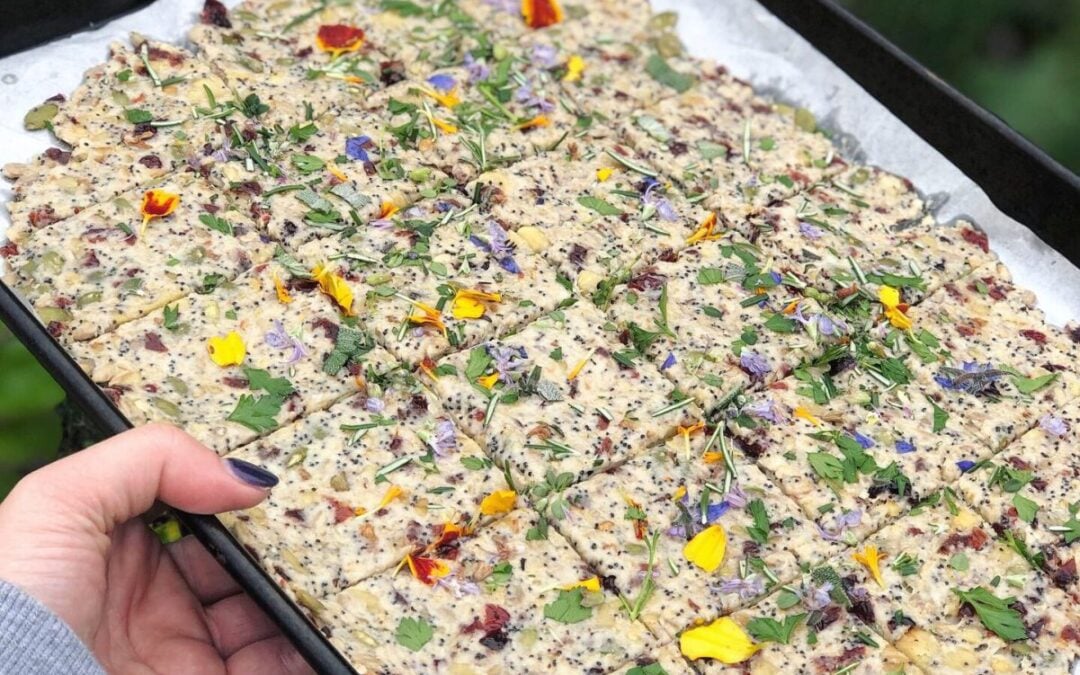
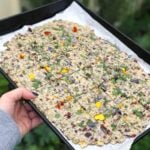
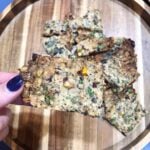
These Flower, Herb and Seed Botanical Crackers are the perfect addition for any cheese platter! The nuts and seeds could be adjusted to whatever you have available, I’m all for kitchen experiments!
Recipe
1/2 cup flour
1/3 cup oats
1/4 cup sunflower seeds
1/4 cup pumpkin/ pepita seeds
1/4 cup walnuts – chopped
1/4 cup dried cranberries – chopped
2 TBS Poppy Seeds
1/2 t salt
1/4 t black cracked pepper
1/8 t baking powder
2 TBS Olive Oil
1 TBS Honey
4 TBS Cold Water
1 cup herbs and edible flowers roughly chopped. I used Marigold, parsley, thyme, rosemary, chive flower. Note: I did use borage but I wouldn’t recommend as it doesn’t look appealing after being cooked..
Method
Preheat oven to 200-220 Degrees Celcius.
Place all ingredients in a bowl and mix to combine. Should be a sticky dough consistency.
Place mixture on a sheet of baking paper in the centre and make a rough ball.
Place a second sheet of baking paper on top and using a rolling pin roll out as thin as you can. You should try and roll out to a rectangle or a shape that will fit onto your baking tray. It is important to try and get the centre rolled out nice and thin so it can crisp up.
Once rolled out remove the top layer of baking paper.
Scatter the chopped flowers and herb on top of the rolled dough and gently press in so they stick.
Grind some extra salt and pepper on top.
Cut the dough into the size you want your crackers. I did roughly 6cm x 4cm.
Place the baking paper with your dough onto an oven tray and bake for 12-14 minutes until golden. The ends may crisp up before the centre so I kept an eye on it and cut off the end rows with scissors and allowed the centre to cook for longer.
Once you have made your own Homemade Botanical Crackers you will never look back. The reat thing about this recipe is that you can mix and match the ingredients to whatever you have availble! Get creative and try new versions each time. Remebr it is important to get the mixture rolled out as thin and even as possible.
Let me know if you make your own version of these Botanical Crackers i would love to see. You can tag me on Instagam 🙂
MY GARDENING ESSENTIALS //
Fertiliser spray gun: https://bit.ly/366nL1t
Retractable Hose: https://bit.ly/2TSC0Bo
More gardening tools: https://bit.ly/32IQmbD
DISCLAIMER: Links included in this description might be affiliate links. If you purchase a product or service with the links that I provide I may receive a small commission. There is no additional charge to you! Thank you for supporting my page so I can continue to provide you with free content!
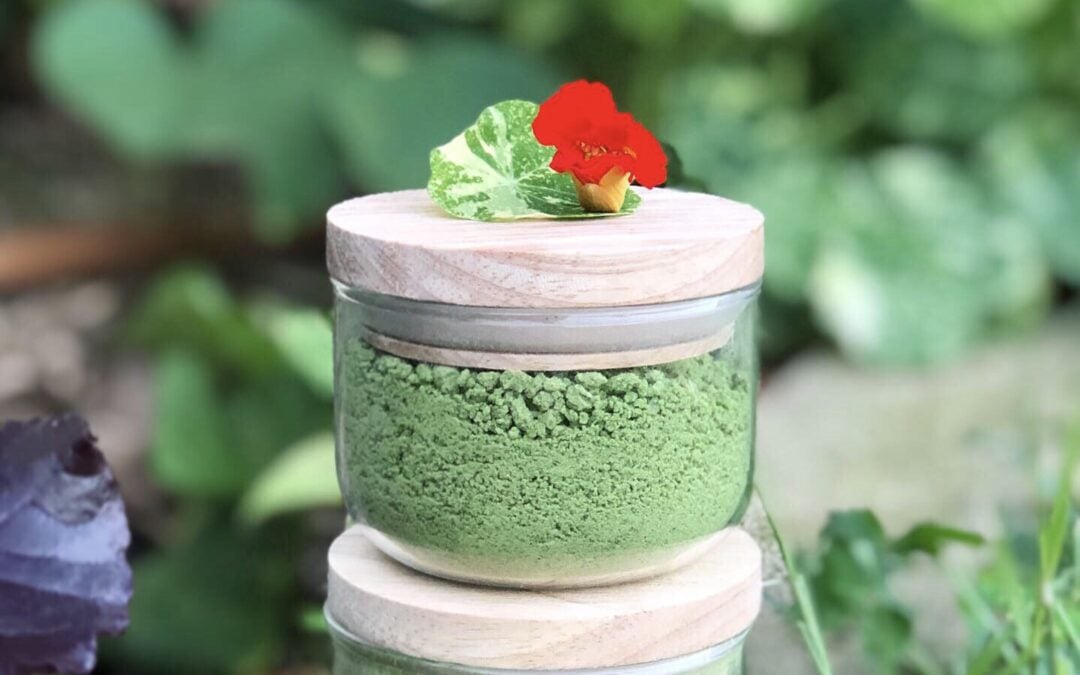
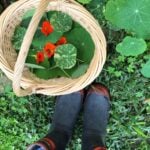
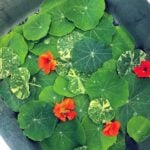
Delicious and beautiful Nasturtium Salt is a great way to add some fun and flavour to your meals. The beautifully abundant Nasturtium is back for the Autumn/ Winter season and this year I’m giving this humble plant time to shine! It is so often under-utilised and I will admit that previously I have only ever used the flowers and leaves in a salad and as a garnish. So I am on a mission to put together a series of recipes and tips to help you get the most out of your Nasturtiums.
Nasturtium Salt
Packed full of flavour, vitamin C and beneficial minerals, this Nasturtium salt is a magical addition to your pantry staples.
Ingredients:
Two cups/ handfuls of Nasturtium flowers and leaves
1 cup of Salt – I used a mix of Australian blossom salt and pink Himalayan rock salt
1 teaspoon lemon zest
Method:
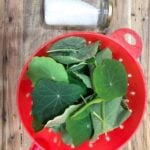
Rinse and check Nasturtium for any bugs.
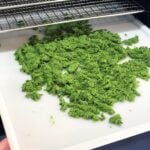
Blitz all the ingredients in a mixer, blender or NutriBullet until the leaves are all broken down.
Then spread on to a tray and dehydrate on low 30-40 degrees Celcius until completely dry. It will lighten in colour so if you break up any larger pieces and they are still dark green it needs longer. Mine took 3 hours in the dehydrator. You can use the Oven too if you do not have a Dehydrator.
Pour into a bowl or mortar and pestle and break up any larger pieces.
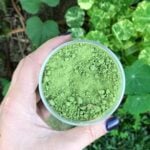
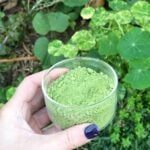
Place in a jar and you have a beautiful, nutrition-packed salt! I used the Pink Himalayan salt for added beneficial minerals. A mild peppery salt to enjoy on your morning eggs on toast and add a nutritious flavour boost to any cooking.
What ways do you like to use Nasturtiums? Another great way is these delicious Nasturtium Wrap – Recipe Here. Leave me a comment below.
Holly 🌱
DISCLAIMER: Links included in this description might be affiliate links. If you purchase a product or service with the links that I provide I may receive a small commission. There is no additional charge to you! Thank you for supporting my page so I can continue to provide you with free content!
It’s Lemon Season and nature times it perfectly with the start of the flu season. My lemon tree is about 5 years old and has really started producing decent crops this year. Part of my journey has been to learn different ways to preserve and use excess crops (as well as gifting extra to friends). I love dehydrated lemons as they not only look pretty on the shelf but they are also so easy to make and use.
How to make Dehydrated Lemons
Rinse lemons
Slice evenly – I use a mandoline to do this. It’s definitely worth it! I love mine.
Lay out the lemon slices on your dehydrator tray and turn the setting to around 60 degrees Celsius.
Dehydrate for 6-8 hours until the flesh is no longer sticky to touch.
Allow to cool and place into jars.
You can do this in the oven if you don’t have a dehydrator. It all depends on how thick your slices are and your oven type but I did mine at 60degrees celsius for 8-9 hours and cracked the door for the first few hours to let the moisture escape.
How to use dehydrated Lemons
This is a question I got asked a lot on Instagram. So here are some of the ways I like to use my dehydrated lemons.
Tea – Place a couple in hot water or green tea. I also add fresh mint or honey too.
Mulled Wine – I love a wintery mulled wine and adding these at the end makes it look and taste amazing!
Baking – I made a delicious lemon slice and cut the dehydrated lemons into quarters and placed on top for an extra lemony taste. You can also place in cakes and muffins and it will have a chewy texture so make sure they are small pieces.
Broken up into a Laksa soup – once the lemons rehydrate they are similar to a fresh slice so treat them as you would a fresh lemon.
The decoration on any cakes, baking, platters or fish meals.
Cocktails! or Mocktails. They make a beautiful addition and will elevate any drink.
What dehydrator do I use?
If you are looking to invest in a dehydrator I highly recommend keeping an eye out for a second hand one or borrow from a friend. They are the type of thing that people buy and don’t find enough things to make so it collects dust in the cupboard. Also, not all dehydrators are made the same…Some are super noisy and slow so make sure you look into the reviews before you purchase.
I have the Bio Chef Arizona 6 tray one and I love it.
Let me know in the comments below if you have made dehydrated lemons before and how you use them.
MY GARDENING ESSENTIALS //
Fertiliser spray gun: https://bit.ly/366nL1t
Retractable Hose: https://bit.ly/2TSC0Bo
More gardening tools: https://bit.ly/32IQmbD
DISCLAIMER: Links included in this description might be affiliate links. If you purchase a product or service with the links that I provide I may receive a small commission. There is no additional charge to you! Thank you for supporting my page so I can continue to provide you with free content!
Making Homemade Almond Milk is super easy and tastes so good! Being able to make milk from only a couple pantry staples will be great for those times when you can’t get to the shops. Plus you can create zero waste by saving the almond pulp and make delicious bliss balls. The recipes are below.
[wpvideo FcDrULXX ]
As you can see I did it in two batches as I only have a small NutriBullet. This is the only blender I have and it works just fine! I like to make the most of what I have rather than buying unnecessary appliances. I also save the almond meal and use to make bliss balls! Recipe below..
Treat Yourself
As an added treat I add drinking chocolate to part of the batch and make delicious choccy milk. This is a fantastic way to make milk if you have run out or if you would like to reduce your plastic use!
Storing and Shelf Life
I keep my almond milk in a glass jar or bottle in the fridge for up to 3-4 days. You have to shake it well before use each time as the layers will settle. When using it in hot drinks be careful as Almond Milk can tend to curdle if it is added to water that is too hot. This even happens with many store-bought types. The best way to reduce this is by leaving your boiled water to cool for a minute or two before adding the milk. I also find adding the milk first often helps too.
I love making my own almond milk because I know exactly what is it in. The fact that it is stored in the pantry aisle at the supermarket always concerns me due to the number of preservatives that must be used!
Homemade Almond Milk
Yield: 1L
Prep Time: 10 minutes
Total Time: 10 minutes
Homemade almond milk requires a little bit of prep ahead of time but is so easy to make! You can also mix it up and make chocolate almond milk too.
Ingredients
1 cup Raw Almonds
4 cups distilled water (or boiled and cooled water)
3 Dates
Instructions
Place Almonds in a jar with 1 cup of water. Place in the fridge overnight.
Blend almonds, water and dates.
Strain the milk through a fine cloth such as cheesecloth or similar.
Pour into a bottle or jar and store in the fridge. Use within 3-4 days.
Notes
Shake each time before use. Be careful when using it in hot drinks. If the temperature is too hot when you add the milk it may curdle.
To make chocolate milk add your favourite drinking chocolate and shake to mix.
Other flavours you can add are honey, cinnamon or chai.
Nutrition Information:
Yield: 8Serving Size: 1/2 cup Amount Per Serving:Calories: 65Total Fat: 4.3gSaturated Fat: 0.3gCarbohydrates: 8.2gSugar: 6.4gProtein: 1.6g
Almond Milk using a NutriBullet
x1 cup of raw Almonds soaked overnight in water.
x4 cups of distilled water ( I just boil water and cool it).
x3 dates
Blend and strain!
Zero Waste Almond Bliss Balls
Don’t waste the almond pulp because you can make these delicious bliss balls.
Almond Pulp Bliss Balls
Yield: 12 balls
Prep Time: 10 minutes
Total Time: 10 minutes
After you have made your fresh almond milk you can make these easy and delicious bliss balls. Add your favourite dried fruits or chocolate to mix it up each time.
Ingredients
1 cup almond pulp
1/2 cup walnuts
1/2 dates
1/4 cup cacao powder
3 TBS coconut oil
1/2 cup dark chocolate buttons
1/2 cup desiccated coconut
Instructions
1. Roughly chop up the chocolate buttons and dates.
2. Add all ingredients except desiccated coconut to a mixer until combined.
3. Roll into balls and coat in desicated coconut.
4. Store in the fridge and eat within 4-5 days.
Let me know if you make your own Almond Milk. I found it so empowering to be able to whip up some milk if we have run out!
MY GARDENING ESSENTIALS //
Fertiliser spray gun: https://bit.ly/366nL1t
Retractable Hose: https://bit.ly/2TSC0Bo
More gardening tools: https://bit.ly/32IQmbD
DISCLAIMER: Links included in this description might be affiliate links. If you purchase a product or service with the links that I provide I may receive a small commission. There is no additional charge to you! Thank you for supporting my page so I can continue to provide you with free content!
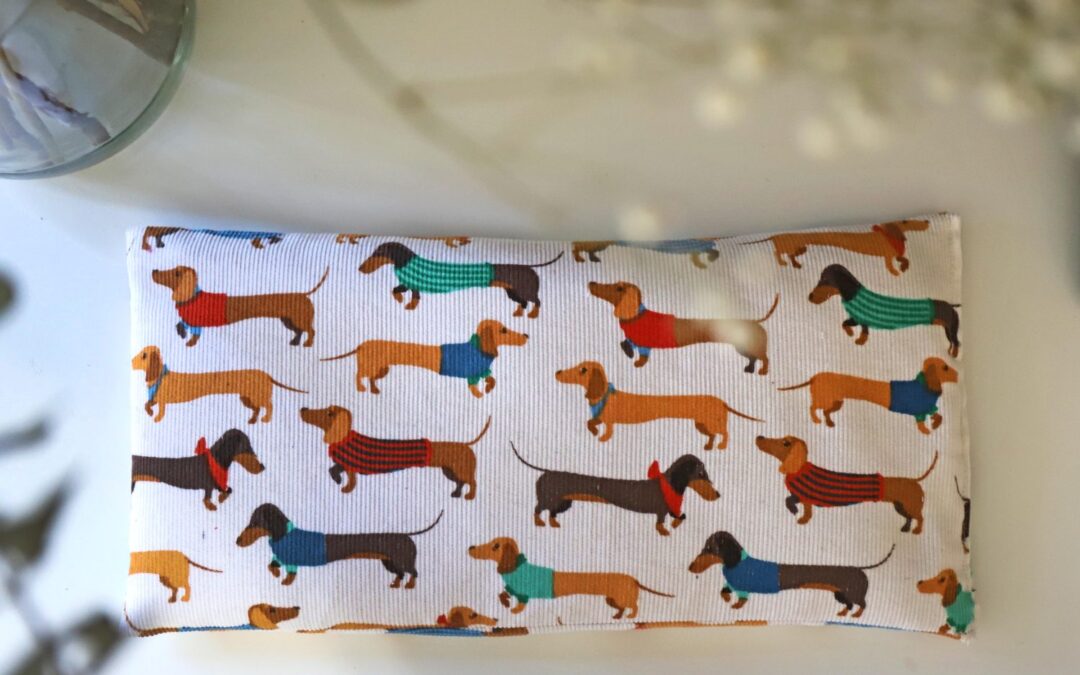
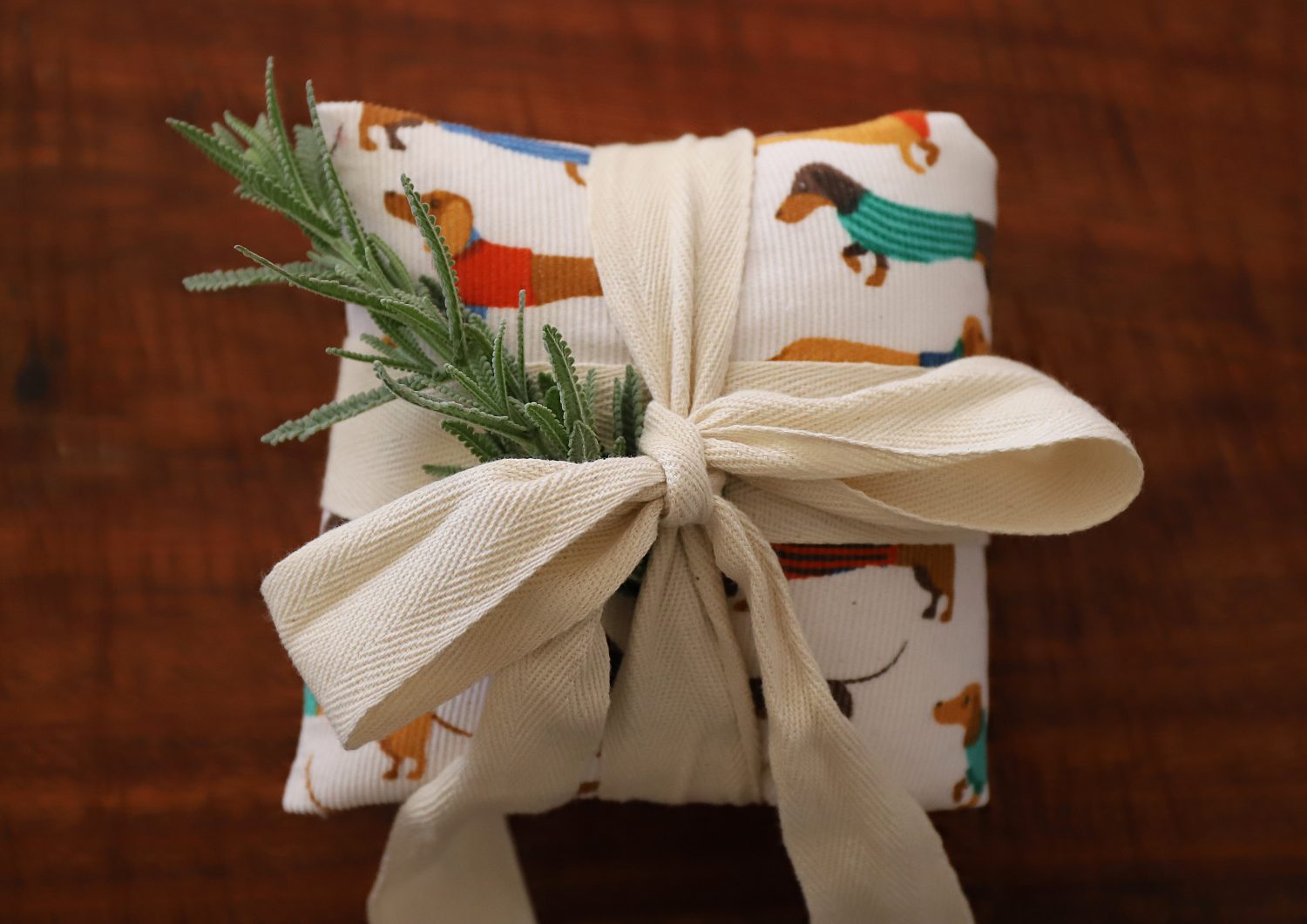
A cute little DIY Heat Pack gift I made for my friends birthday. Courdroy offcuts I found at Spotlight that I sewed and filled with jasmine rice and finished off with a fresh sprig of lavender from my garden.
Making gifts is something I love to do and I am trying to do it more often. People love the thought and effort that goes into a handmade gift. It also can cost a whole lot less than buying gifts and getting sucked into the consumerism funnel of having to spend more and more on gifts. This also means you can give gifts more often. Have you ever recieved a gift out of the blue for no reason? It’s such a nice feeling and I plan to do more of this. Try this DIY Heat Pack for your next gift idea.
Another great gift idea is some of my Nasturtium Salt, you can find the Recipe here.
What handmade gifts have you given? I would love to know, leave me a comment below.
MY GARDENING ESSENTIALS //
Fertiliser spray gun: https://bit.ly/366nL1t
Retractable Hose: https://bit.ly/2TSC0Bo
More gardening tools: https://bit.ly/32IQmbD
DISCLAIMER: Links included in this description might be affiliate links. If you purchase a product or service with the links that I provide I may receive a small commission. There is no additional charge to you! Thank you for supporting my page so I can continue to provide you with free content!
New year, fresh goals! I love taking time to reflect, set new goals and revisit/ refocus on ongoing ones.
So here are my rambling thoughts inspired by Brooke McAlary’s book “SLOW” and some of the steps I am taking towards setting goals and making the next year of my life filled with much more of the things I love!
If you were to think about what are the top most important things in your life (no order). Write them down!
• Family
• Friends
• Pets
• Nature
• Adventures
And then think about where the majority of your time and thoughts are spent each day…
Working? Thinking about going to work? Thinking about all the work you need to do? How long do you spend on your phone a day? How long do you spend scrolling Instagram? How long do you spend thinking about things you can’t control? How long do you spend cleaning your house or washing or even just thinking about doing it in my case 😂 How long do you spend watching tv?
Evaluate, does how you spend your time and what occupies the MOST time/space in your thoughts add up and reflect what you love the most?
Mine definitely doesn’t… So I’m making some changes and Fresh Goals. Small changes towards spending more time and thoughts on the things I love 💕
1. So that doesn’t mean no washing (sadly) but I can have fewer things to wash (I recycled and threw out about 25 non-matching, scratchy towels and purchased 4 quality dreamy ones (which is still probably in excess).
2. I waste a lot of time procrastinating and therefore washing and chores occupy so much more time in my thoughts than just doing it!
3. Cups is another thing..well most items in the kitchen actually. There is usually only one to two people in our house at any one time, so why do I have 50 cups to wash, 4 spatulas and 10 frypans that don’t even work on our new induction stove??? Cyaaaa
4. Break the habit. Sitting on the couch after dinner watching tv but actually just scrolling Instagram for hours…now to walk the dog, tend to the garden until dark and I allocate one episode of tv, then read a book.
5. Randomly call your friends and family just to see how they are. My brother called me for an hour recently and it was the best! He does this more regularly these days because a year ago if he called me I would have had a panic attack thinking something was wrong. If your family and friends are one of the most loved things in your life they should take up more time than one text here and there.
This is a constant work in progress for me and I always need a reminder to get back on track (luckily I have Halen to nag me about clutter) but… “great things are done by a series of small things brought together” ✨