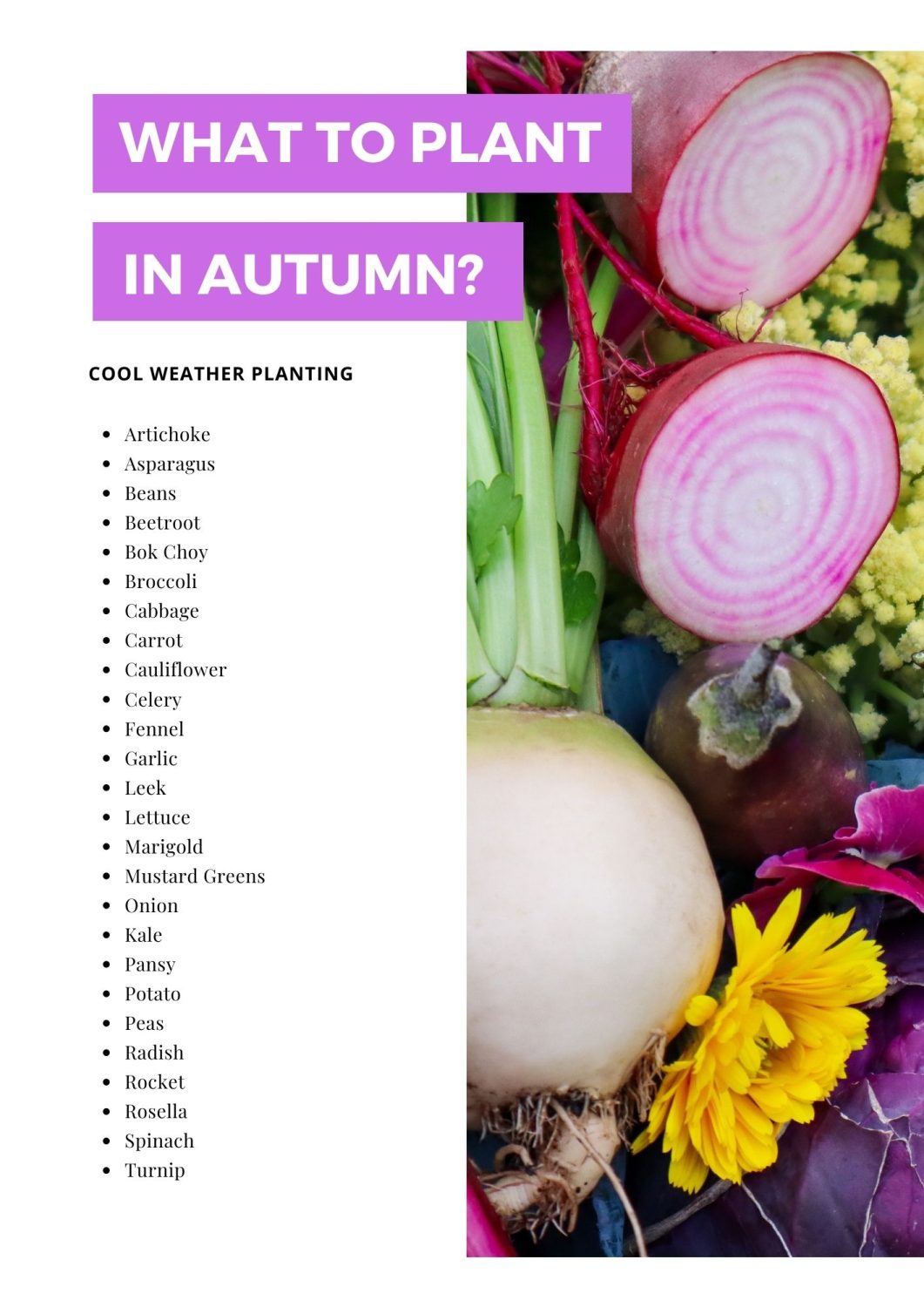
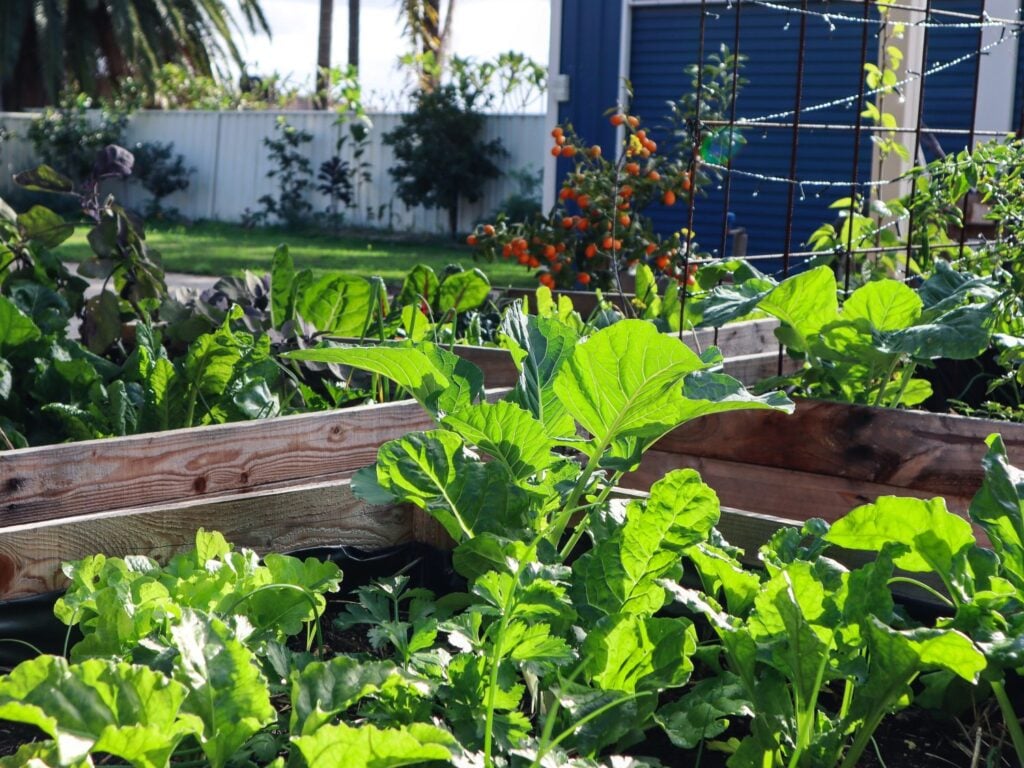
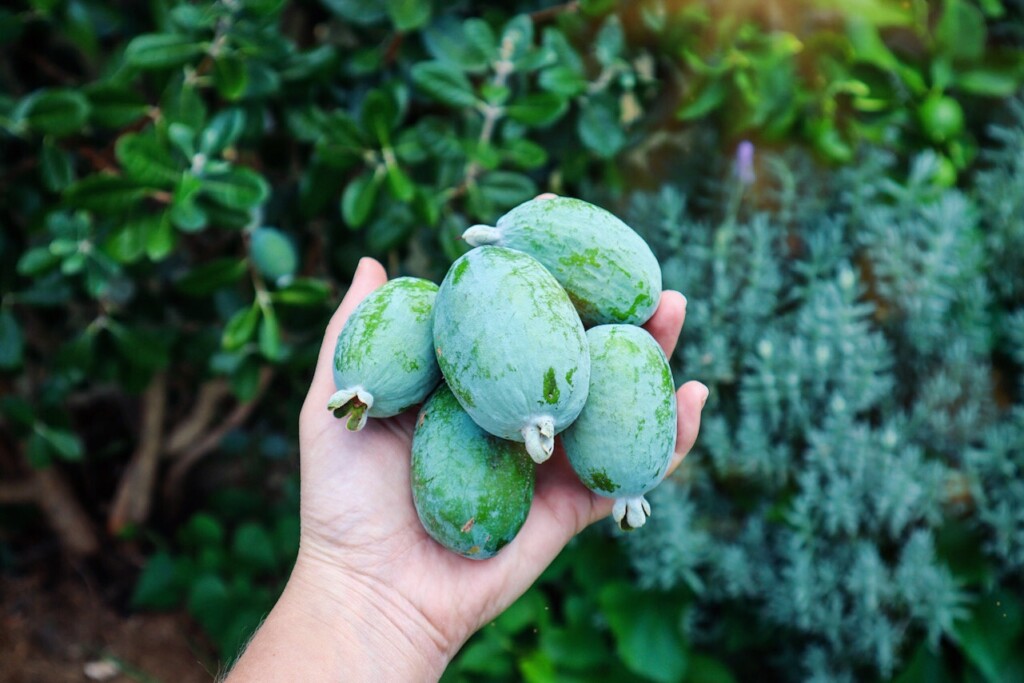
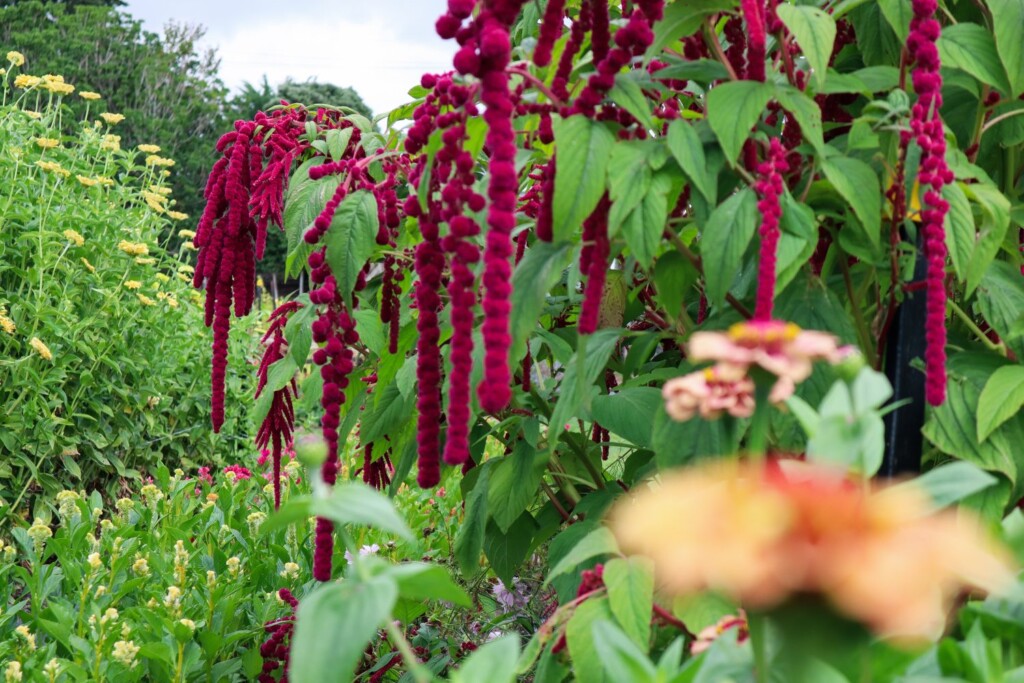
Autumn is a busy month in the garden and it is time to prepare your garden beds for new plants by adding compost and fresh mulch. Autumn is also the season to sowyour cool-season seeds. Create succession planting by sowing seeds in batches 2-3 weeks apart. Autumn is also when our summer fruit and vegetables will be finishing up. This is a great time to harvest as much as you can and preserve any extra food.
What to Plant
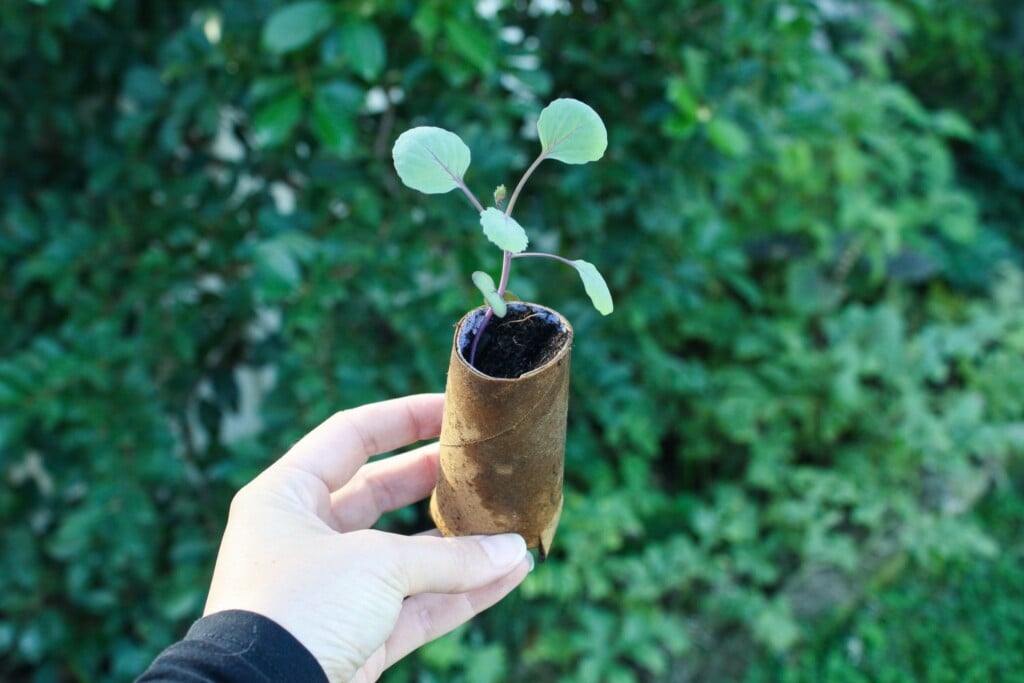
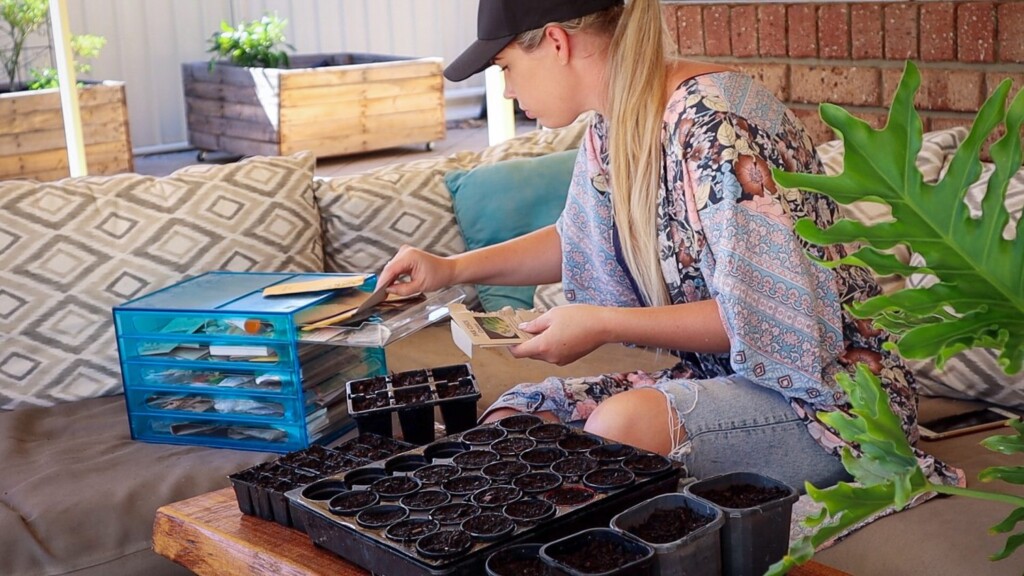
Autumn is a great time to start planning and planting out your winter seeds. If you are planting seedlings that are already small plants, it may be too hot still for many cool-season plants. Check out these 10 edible plants to sow at the beginning of autumn. These 10 edibles are great to sow for that in-between stage. Your cool-season crops such as broccoli, cabbage, and cauliflower are great to start from seed in late March because, by the time they are small seedlings and ready to plant out into the garden, the temperatures will be cool enough.
The end of Summer and the start of Autumn is often when your fruit and vegetable production is at its highest. This can be a busy time in the kitchen preparing jams, chutney, dried fruits, and preserves. If you find it hard to keep up with the production of fruit and vegetables (an amazing problem to have!) gifting or freezing excess can be a great idea.
The cooler days of autumn can be a welcomed relief after a hot summer. The nights are still warm and light so it is a great time to dine outside and enjoy your garden. Set up a meal outside and celebrate your summer harvests with family or friends. Below are some inspiring ideas to embrace Autumn.
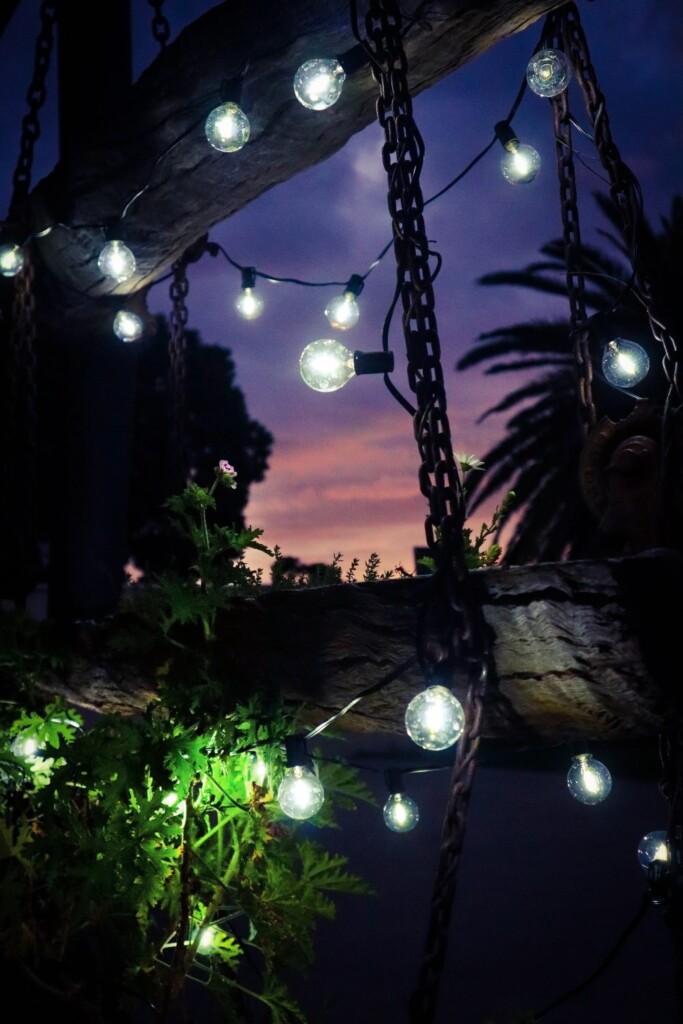
Hang fairy lights and dine outside
Create Sculptures or garden structures using pruned trees
Pack a picnic and enjoy the balmy nights
Host a preserving night and have your friends help process your ecxess harvests in return for homemade goodies
Swap and trade cuttings with friends
Planning for Winter
The key to easy and successful gardens is to plan ahead. This can help you maximise your food production and help maintain momentum. Autumn can be a busy season in the garden to prepare beds and seeds for winter production. Plants tend to grow slower in winter with decreases in sunlight and temperature. Getting your plants in the ground in Autumn and the start of winter will allow you to focus on harvesting food and dreaming up new garden ideas.
What do Banana, Zucchini, and Avocado have in common? They make a dream cake that is out of this world! This Banana Cake is so decadent and delicious! No one will even know there are hidden veggies.
Banana Layer Cake with Avocado Chocolate Mousse
Ingredients
3 ripe Bananas
1 medium Zucchini
2 1/2 cups Plain Flour
2 tsp Baking Soda
1/4 tsp Baking Powder
1/2 cup Extra Virgin Olive Oil
1/2 cup Raw Sugar
1/4 cup Honey
1 tsp Vanilla Essence
1 tsp salt
extra salt for zucchini (1/4 tsp)
Instructions
Wash and grate the zucchini into a bowl. Sprinkle with roughly 1/4 tsp salt and mix through. Allow to sit while you prepare the other ingredients.
Preheat oven to 175 degrees celsius. In a bowl mix flour, baking soda, baking powder, and salt and set aside.
In a mixer (or bowl with a whisk) add in the sugar, honey, oil, and vanilla essence. Whisk until combined.
Mash the banana and add to the wet mixture.
Gradually add the wet mixture to the flour mix and stir to combine.
Strain and squeeze the extra moisture out of the zucchini using a sieve. Add to the mixture and stir to combine.
Grease a cake tin (20cm). Pour in the cake mix and cook for 40 mins to 1hr or until a cake skewer comes out clean.
Remove the cake from the tin and allow it to cool.
Once the cake is cool pop it in the fridge whilst you make the Avocado chocolate mousse (see recipe card below)
Cut the cake in half horizontally through the middle using a sharp knife.
Spread half of the chocolate mousse on the bottom layer and place the second layer on top. Top with the remaining mousse and garnish.
Notes
See the next recipe card for the chocolate mousse.
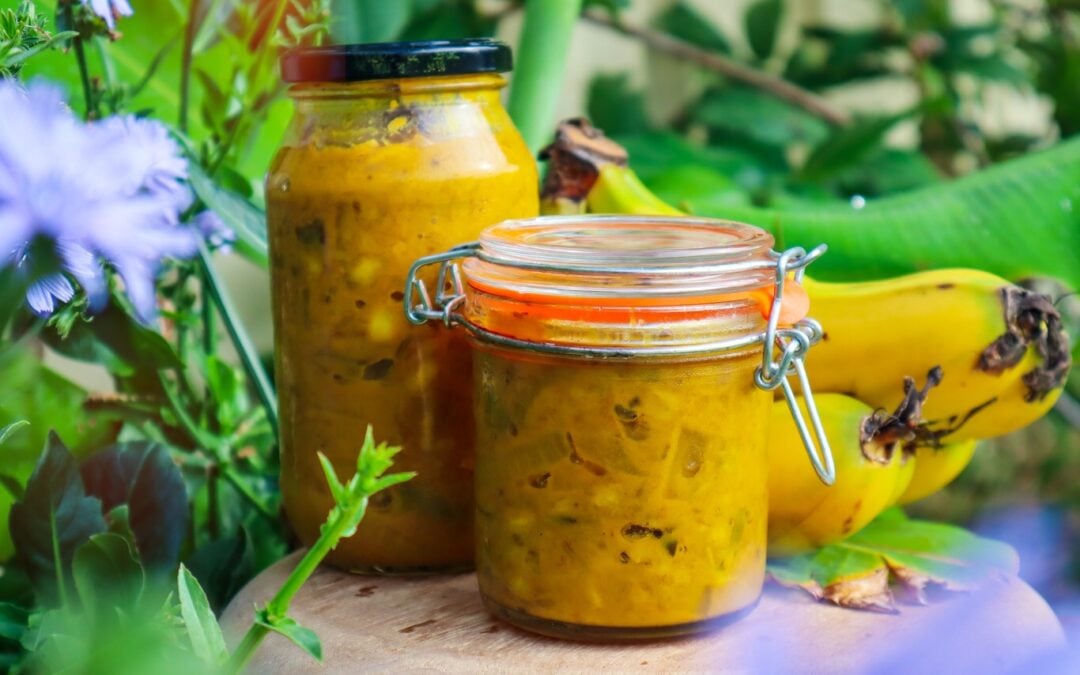
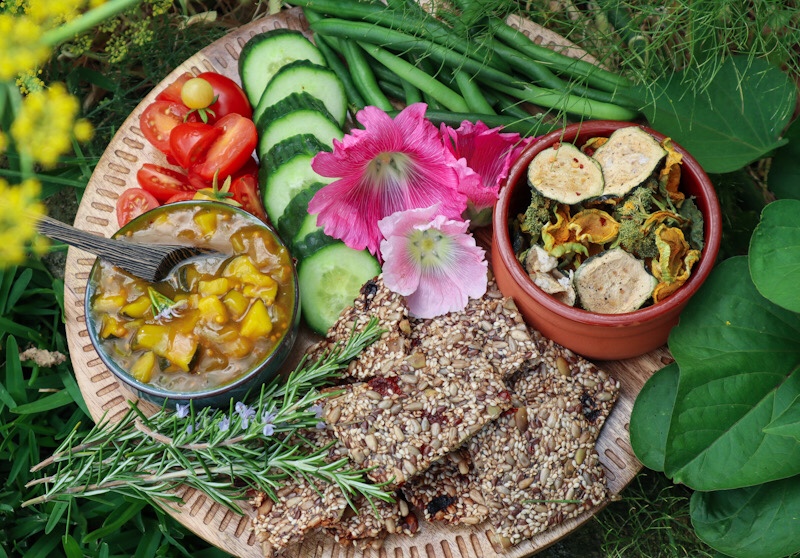
Banana peels are often discarded but they have so many uses both in the garden AND the kitchen! This Banana Peel Chutney is just one way to use up your leftover Banana Peels. This chutney has a warming, spicy kick to it and would go great served with fish or just on a platter with cheese. The banana peels are cooked down to be soft and have a similar texture to cooked onions. Give this Banana peel chutney recipe a try to produce more food and less waste.
[wlm_private “Garden to Plate Membership”]
Banana Peel Chutney
Yield: 3 cups
Prep Time: 10 minutes
Cook Time: 45 minutes
Total Time: 55 minutes
Warming Banana Peel and Onion chutney with turmeric and chilli.
Ingredients
3-4 Yellow Banana Peels
1 Mashed Banana
2 Brown Onions
2 Garlic Cloves
1 Medium Green Chilli
1 tsp Dijon Mustard
1 tsp Ground Turmeric
1 TBSP Raw Sugar
1 TBSP Coconut Sugar
1/3 cup Apple Cider Vinegar
1 TBSP Oil
1 tsp Salt
Instructions
Wash your Banana Peels well. It is best to use yellow-greenish organic Bananas. Cut off the ends and place the peels in a saucepan of water. Simmer on low-medium heat for 20 minutes. This helps soften the skins.
While your bananas are cooking, slice up your onion and cook in a frypan with oil. Stir regularly until onions have softened and started to brown (approx 20-25 mins)
Remove the Banana Peels, strain, and slice into small strips or chunks approx 1cm.
Add the garlic (crushed or finely chopped) to the onion pan. Stir for 1-2 minutes.
Add in the Tumeric, green chilli, and stir to combine.
Add in the mustard, vinegar, salt, and sugar. Mix to combine.
Add in the Banana Peels and mashed Banana, stir to combine. Simmer for 5-10 minutes until all the flavour has been incorporated into the banana peels. Taste and add extra salt or sugar to your liking.
Spoon into Sterilised Jars and allow to cool before placing in the fridge.
Notes
To sterilise your jars either run them through a hot wash on the dishwasher, cover them in boiling water, or clean and heat them in the oven at 110 degrees Celcius for 10 - 15 minutes.
Cucumber salad is a quick and easy way to use up your summer harvests. This salad is a light and refreshing side dish that would go great with any summer BBQ or rice dish. Simple, vibrant, fresh ingredients are what make a salad!
Cucumber Salad with Ginger Tamari Dressing
Prep Time: 5 minutes
Total Time: 5 minutes
Light and refreshing cucumber salad with ginger, tamari dressing.
Ingredients
1 - 2 Cucumbers
1 TBSP Tamari or light soy sauce
1 tsp Olive Oil or Seasme Oil
1 tsp fresh grated Ginger Root
1 fresh Red Chilli
1/2 tsp Honey
1 tsp Sesame Seeds
1 tsp fresh Lemon juice
1 small sprig of mint
edible flowers to serve
Instructions
In a small bowl mix Tamari, Oil, Honey, Lemon, Ginger, and 1/2 the Red Chilli sliced. Stir to combine.
Cut thin ribbons of cucumber length way using a peeler or the thin setting on a mandoline.
Dress the Cucumber and top with the rest of the fresh chilli, mint sprigs, and sprinkle over sesame and edible flowers to serve.
Garnish with the curled tendrils of the cucumber plant for extra detail.
Notes
This dish is best prepared right before it is ready to serve so that the cucumber stays fresh.
Summer is a busy time in the garden and also in life! It can often feel overwhelming with harvesting, watering, and generally trying to keep your garden alive during hot periods, all whilst trying to enjoy time with loved ones. Summer harvests can come on hard and fast and we want to make the most of that time to use and preserve extra harvest to use throughout the year. It can be a great time to stock up the pantry with homemade preserves. Tomatoes, Cucumbers, Zucchini, Watermelon, Chillies and Capsicum are just a few of the fruit and vegetables that are in abundance during the warmer months. If you go away a lot, or want to spend more time relaxing, then it can be a great idea to prep your harvests and freeze so that you can use the slower autumn months to create your jams, chutneys and other preserves using your summer harvests.
Summer can bring really harsh weather for your gardens and it pays to be prepared to keep your gardens happy and healthy. Creating sustainable systems and working with nature rather than against it, can help you maintain lush gardens without too much time and effort.
Summer Gardening
Summer can be a little chaotic in the garden. Warm weather can bring quick growth spurts and an abundance of ripe fruit and vegetables. It can also bring harsh weather conditions with summer storms and high temperatures. Summer is also a time when we tend to go away more often, or spend more time out and about with friends and family. It is important to establish systems to keep your gardens hydrated and thriving, so you don’t loose all your hard work with just a few hot days.
Below are a few tips to help keep your gardens thriving through summer without having to put in any extra time or effort.
Ensure gardens are mulched and soil is not exposed to direct sun
Set up automatic sprinklers or irrigations systems
Set your automatic sprinklers to very early morning so the plants have time to absorb the water before the sun rises and drys it out
Utilise shade or set up temporary shade
Move pots under shade when you’re going away to reduce heat exposure
Water-wise Gardening Tips
🌱 SLOW AND STEADY | The best way to get your plants to effectively absorb the water is to slowly distribute it and allow the plant time to absorb it. If you simply pour it on and walk away a lot of water will spread and run away across the surface and not be drawn down to the roots.
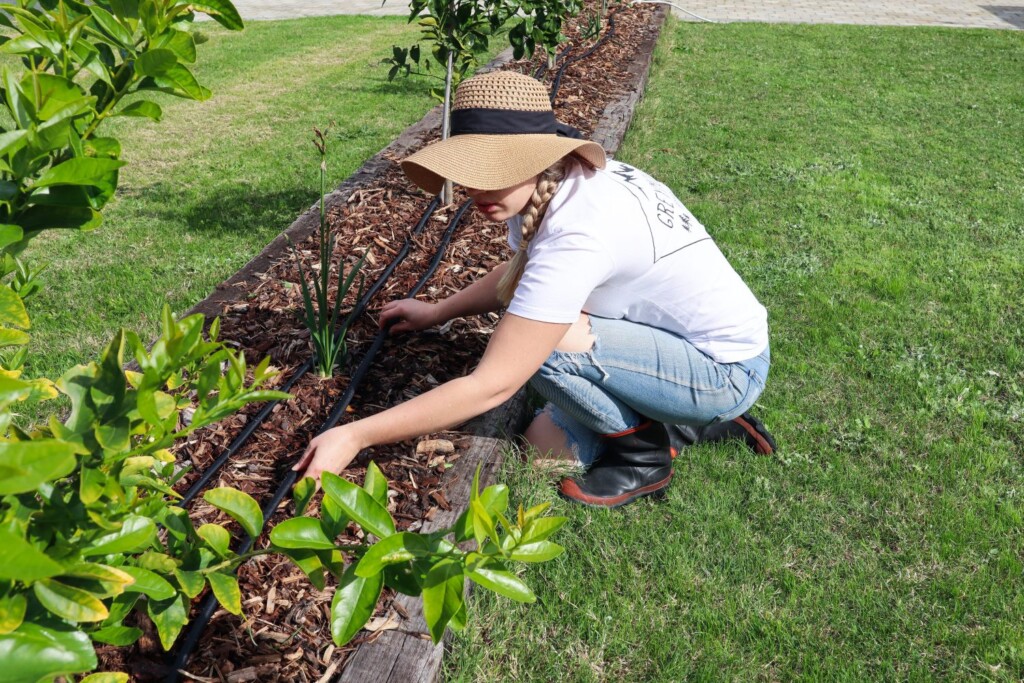
🌱 WATER UNDER MULCH | If you have a thick layer of mulch and only a limited amount of water, it is a good idea to pull back some of the mulch around the plant and pour the water directly onto the soil. Mulch can sometimes absorb ALL the water and not leave any for the plants. Mulch is great for protecting the soil and stopping evapouration so once the water is on the soil, push the mulch back around to keep the moisture locked in.
🌱 TIME IT RIGHT | Timing is everything. Choose cooler times to water your plants such as the early morning or late evening. This allows the plants to absorb as much of the water as possible before the sun and heat evapourate it. I tend to water any plants that are prone to mildew such as pumpkins, melons, cucumbers etc early in the morning rather than at night. That way they have time to absorb the moisture but they will also have all day to dry out if any moisture has reached their leaves. The rest of my gardens I tend to water in the evenings.
🌱 IMPROVE SOIL | Poor soil structure will be so hard to keep well watered as it will just let the water runoff or filter away. Sandy soils can become aquaphobic and be basically waterproof. Clay rich soils will become hard and compact restricting water flow to the roots. The best way to improve soil structure is to add fibre to your soils. Adding fibre means adding more plant matter by either compost of composted manure. Compost rich soil will retain more moisture and feed your plants. Healthy well-feed plants won’t require as much watering as their roots will be more developed and widespread to capture water more effectively.
🌱 SELECTIVE PLANTING | If you often have water restrictions or know there is likely to be a real water shortage in your area then make sure you are selective in what you choose to grow. Some plants will require more water than others so do your research and select plants that will work best for your conditions. Plants such as watermelons, tomatoes, cucumbers and lettuce will require a lot more water than plants such as chilli, natives, citrus, corn, sweet potato or mini eggplant.
Summer is all about harvesting and maintaining your crops. It’s an abundant time in the garden with rapid growth. Keep on top of staking and tying tomatoes.
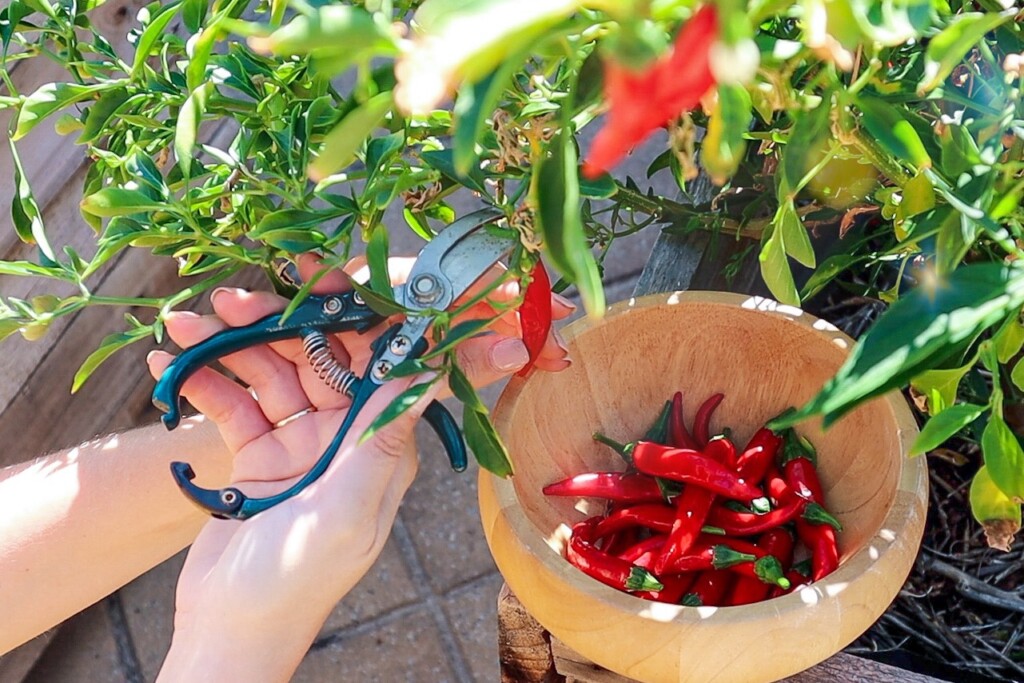
Often the more you pick, the more your plants will produce, so keep picking your harvests to ensure you maximise crops and don’t let food go to waste.
Tie and stake tomatoes regularly
Net or bag stone fruit
Pick any fruit from the ground as to not attract bugs and fruit flies
Keep pathways clear
Pick weeds before they go to seed
Apply mulch to keep moisture in
Apply fruit fly nets or bags after the fruit has been pollinated
Clean your tools regularly to stop any diseases from spreading
Remove any plants that look unhealthy or diseased to stop the spread
Dead-head any flowers bushes such as chrysanthemums or lavender to encourage more flowers
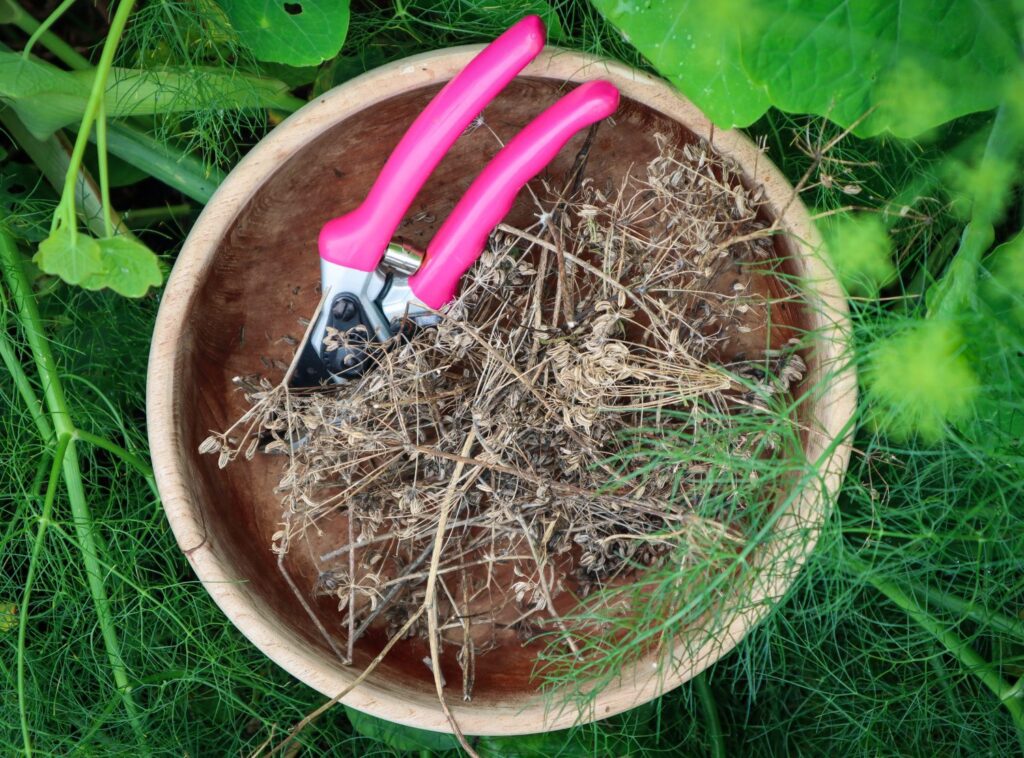
Pick and save any seeds from your successful plants
Picking your veggies is actually a very important part of growing if you want to have an abundance. Your veggie plants are producing flowers and fruit to then produce seeds and be able to reproduce.
If you are constantly picking the harvests, your plants will work harder to make sure they are producing more to get its seeds out there for another year. If you leave your veggies on the plant too long, they will think their job is done and slow down production.
Summer fruit and veggies are some of our all-time favourites, so it’s important to harvest as much as we can and preserve them for later in the year.
Ways to preserve summer produce:
Tomato sauce, passata, chutney.
Freeze whole or chopped tomatoes for future sauce or add straight to cooking.
Freeze Chopped Zucchini for smoothies, soups and future preserves
Make garden pesto using any leftover greens and freeze in large ice-cubes.
Make preserves, jam, sauce, chutney and relish to gift and trade
DIY Pots and gift seedlings
Plant a pineapple from scraps
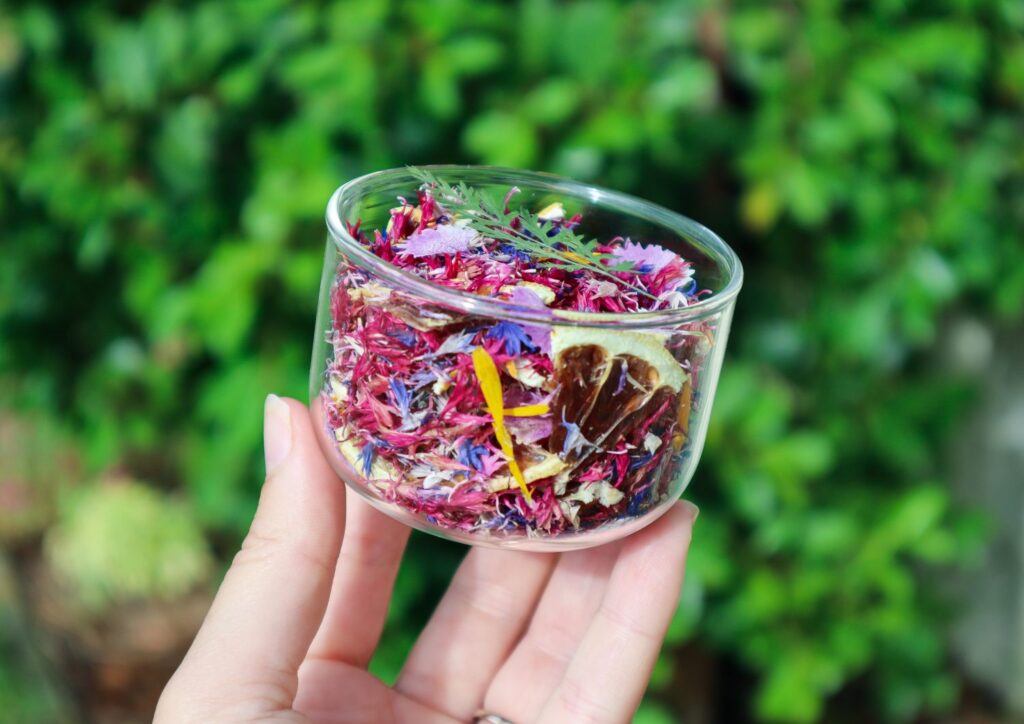
Start a cocktail garden – Plant herbs and flowers so you can enjoy beautiful refreshing summer drinks.
Press flowers – Preserve the colourful blooms of spring to create cards and art during the slower seasons.
Try your hand at some photography! The bees and flowers will be putting on a brilliant show.
Have a picnic in your backyard
Host a summer dinner party or high tea to celebrate and welcome the change of season. Use edible flowers to create show-stopping, colourful drinks and dishes.
Planning for Autumn
The key to easy and successful gardens is to plan ahead. This can help you maximise your food production and help maintain momentum. Summer can be a harsh season in the garden and Autumn will come as a welcomed relief. Production will be slowing down and you can start planting out your winter seeds.
Planting seeds will give you a head start and a smooth transition of food across the seasons.
Harvest and preserve as much as you can
Save seeds from successful plants or identify ones you want to leave to go to seed
Plan out where you want to have your winter gardens and which crops you want to grow where
It’s a good idea to grow crops in different beds than you did the previous year to allow the soil time to recover from the specific minerals each crop depletes
Pull out any crops that have finished and compost them
Deadhead annual flowers to encourage repeat flowering
Remove any dying or diseased looking plants. This stops any diseases from spreading to other plants and they may attract unwanted pests. Plus if they aren’t very productive anymore they are taking up valuable real estate for more plants
Keep your compost hydrated. In summer composts can dry out too, so give them a sprinkle of water every now and then. Make sure you turn it to aerate
At the end of summer, you can start planting your early autumn and winter seeds
Masterclass 1: Introduction to Climate, Pathways and Zones
This masterclass we are talking about how to understand your local climate to maximise your growing potential, and discover your Zones, to create ease and flow in your gardening and sustainability routines.
Objectives:
This masterclass will be divided into 3 core sections, each with an actionable task and worksheet that you will be able to complete for your own property.
Get to know your local climate and how that affects your garden and layout.
Identify your pathways. These are the areas of your property you frequent on a daily basis.
Map out yourZones will help you determine where to place elements within your property.
Understanding your local climate is very important for selecting garden locations, plants, care and maintenance. What works for one person, may not work for you depending on your climate and location. Within each climate there are micro-climates and that is specific to your exact location. You may live at the bottom of a mountain, near a stream or closer to the ocean, and these will all have specific and direct effects on your microclimate. It may also be that your neighbour has a large tree, or there are high rise buildings creating shade or directing wind. It is important to get to know your region’s climate and then take note of your location and microclimate. This will help you determine what to plant and where to plant it.
To do this we need to do a sector analysis. This will help us determine where our external energies (sun, wind, water, frost and fire) may come from. This can include neighbouring buildings, trees or structures.
Sun
The sun is a major factor when considering where to place your garden. Each plant has a certain amount of sunlight hours it needs to perform and be fruitful. So, understanding which areas of your property get the most sun and shade is so important!
When I first moved to my house, I was so excited to plant fruit trees that I planted a lime tree in the shadiest spot on my property. At the time, it was summer, and it received a lot of sun. But, throughout the rest of the year the neighbours tree shaded it, and I spent the rest of the time trying to keep it alive. After observing my property and analysing my sectors, I transplanted it to a full sun location. Since then, it has thrived and is covered in limes. So, getting this right, will make a massive difference and may save you a lot of time and money in sad trees!
Something that is interesting, and not widely known to beginner gardening, is that the sun tracks lower in the sky over winter (here in our temperate climate). Your “perfect sunny spot” may be short lived. With the sun tracking directly above your property over summer, you will have a lot less shade as the shadows will be short. During winter the sun is significantly lower in the sky, so many other objects will cast long shadows such as trees, fences and buildings. Once you have identified this, it can then be managed and used in your favour.
I cannot stress how important it is to be constantly observing your garden and taking notes. The seasonal Gardening Review Sheets make this easy to document.
Solar panels are another way to capture and store the sun’s energy.
Wind
Wind is another factor that can be difficult to analyse without a long term observation. Winds tend to come in patterns and seasons and some research online of local wind patterns can help you get started with this. Once you have identified this, you may be able to plant trees or shrubs to help break the wind or protect your garden.
Water
When it rains do you notice certain areas that pool water? or do you have creeks or dams on your property? When it rains it can be a great idea to stop and take a look at where the water is flowing or moving to. Noting this down will help you capture and store that energy and decide where to place elements in your design. Eg: if an area is prone to getting boggy, can you divert the water and spread it out to water more plants, or plant water loving trees there and avoid planting trees that hate having wet feet. Water naturally flows by gravity so you can use this to your advantage. Water flowing on your property will also pick up nutrients and top soil and deposit them in lower lying areas. This can help you locate fertile soil for edible gardens.
Frost
If you live in an area that has frosts, next time it happens, take a look around. Are there areas that seem more frosty than others? Dips and hollows can really change the temperature of the air, so you may find some areas of your property are more prone to frost than others.
Fire
Planning for a fire is something that many of us, especially here in Australia, should do when designing our gardens and properties. Identifying where weak points may be or the direction in which fire may travel can help you design to minimise loss. Your local council pages may have more information about creating fire plans.
Other External Forces:
You may have neighbouring noise pollution from a factory, farm or noise from a highway. Bad smells, dust or something visually unappealing. Identifying these will help you come up with design solutions. You may be able to plant dense hedges or place elements such as barns and forests to reduce these before they end up at your property.
Knowledge is Power
Having these energies mapped out, will provide you with the information to make decisions and maximise your results. Having them all down on paper can really help you see the bigger picture. Many problems can be turned into solutions, once they are recognised. You can capture and store these wild energies and turn them into free power using solar or wind turbines.
Next we are going to go over pathways and zones. These two work together, so, to figure out our zones, we must first find our pathways. To start with it will be handy to get an aerial view of your property. This way you can see where north is and how your house and structures sit on your land. You can obtain one from google earth, local council or similar. This will help with your worksheets and drawing out your zones.
I do just want to touch on the term ‘Permaculture’ incase you are not familiar with the term. Permaculture comes from “ permanent agriculture”. Permaculture has a set of ethics and beliefs around creating an integrated system to work with nature. Everything is interconnected to create energy efficiency, ease and flow. It is what guides most of my gardening and lifestyle, so many of my lessons will have connections or links to permaculture practices.
Pathways
To workout your pathways, print out the pathways worksheet and choose 3 days to map your daily routine. Choose 3 days that are a fair representation of how you spend most of your time (eg: if you work 5 days a week, choose those days).
Outline the boundary of your property.
Outline your buildings and key elements (house, rooms, garage, car park, mailbox, compost bin, gardens, barn, chicken coop etc).
Each day draw lines or pathways through your map of where you have visited. Do this for at least 3 days.
This will allow you to see patterns and areas that you visit regularly, verses areas you do not.
What are Zones in Permaculture?
Zones are a way to divide your property into sections of areas that are used frequently, versus those that receive less attention. Determining these zones will allow you to place your gardens, animals and elements in areas that will allow the most ease and flow. Creating ease and flow is so important because, it will make tasks more sustainable long term. The permaculture zones generally start from the house at zone zero and work upwards.
Learning your zones is important for the placement of elements. A kitchen garden is something that is used frequently for daily meals, so should be located closer to the home than for example, an orchard. An orchard can be harvested from when fruit is ripe, and in batches, so it can be placed in a zone further away from the house. Chickens will need to be fed and cared for daily, so they are another element that should be placed in a zone close by. The placement of systems that work together should also be considered. For example, if you throw a lot of your old vegetables or weeds in the compost or to the chickens, then these systems should be near each other or on the way to each other, for ease and flow.
The secret to getting started with identifying your zones, is found in your daily routine.
We are creatures of habit, so it can be useful to map your current routines and track which areas of your property you frequent often. I have created a worksheet to help you map your pathways. Once you have these mapped out you can start creating your zones. These may change over time as your garden and lifestyle changes and develops.
Once you have you pathways mapped out, you can start to number or circle zones.
We will all have different zones and pathways because, we all have different routines and priorities. Below are some examples but also take into consideration how often you use or frequent these areas or elements. You may visit your chickens 3 times a day to say hello or you may only use your compost for pruning and weeding rather than everyday scraps. This will also change depending on the size of your property. It’s about finding out what YOUR zones are.
It is useful to go through this every few years, especially, if your lifestyle has changed or you have moved properties.
Zone 0
Typically your house or dwelling as you spend the most time here.
Bokashi
Indoor garden
Zone 1
Kitchen Gardens
Patio or Balcony gardens
Outdoor setting areas
Greenhouse
Seedling Raising areas
Compost
Worm farms
Pot plants or container gardens
Utility sheds
Zone 2
Main vegetable patch
Small animals such as chickens, ducks
High maintenance fruit trees or regular produces (lemons)
Larger composting systems
Dense planting
Vertical gardens
Zone 3
Other animals such as goats, bees, sheeps etc
Milking animals
Hardier fruit trees or food forests
Animal food systems
Windbreaks
Firebreaks
Ponds
Zone 4
Storage of extra supplies or firewood
Low maintenance herd animals such as cattle
Agroforestry
Set and forget planting
Old established non producing trees
Zone 5
Wilderness / bushland
Neighbouring properties
Place and mapping your zones out doesn’t need to be linear. They can be the same distance from the house as each other – it is more about how often you frequent them. For example: zone 3 may be closer to your house than zone 2 but it is out the side door of your house that you don’t often use.
The main goal of creating these zones and sectors is so that you can place your elements such as kitchen garden, shed, chickens, orchards in areas where they can benefit the most from the natural energy forces and create as many interconnected relationships as possible.
So you may place your vegetable patch where it is protected from winds, gets good winter sun and is next to or on the way to your chickens and compost bins. That way your extra garden greens can easily be fed to the chickens or placed in the compost. And then that compost can be easily spread on the gardens to grow more food.
Creating pathways where things can naturally happen along the way makes it so much easier and more achievable.
Remember to think of this as a journey. You may be just starting out with a kitchen garden and vegetable patch but in the future you may have chickens, a pond, a food forest and so on, so it’s important that you place things in areas that you naturally frequent and that are easily accessible. Otherwise, the further down the journey you get, it may get overwhelming and hard. If this happens, then your orchard may not get pruned, garden beds may be forgotten about and die and the wheels might start falling off.
This is such a valuable exercise to do and update regularly. Create systems that work together and have that ease and flow. That way it will actually be sustainable long term with a lot less effort.
If you have any questions please let me know via email, I will be more than happy to help.