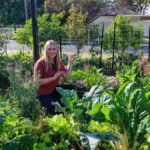
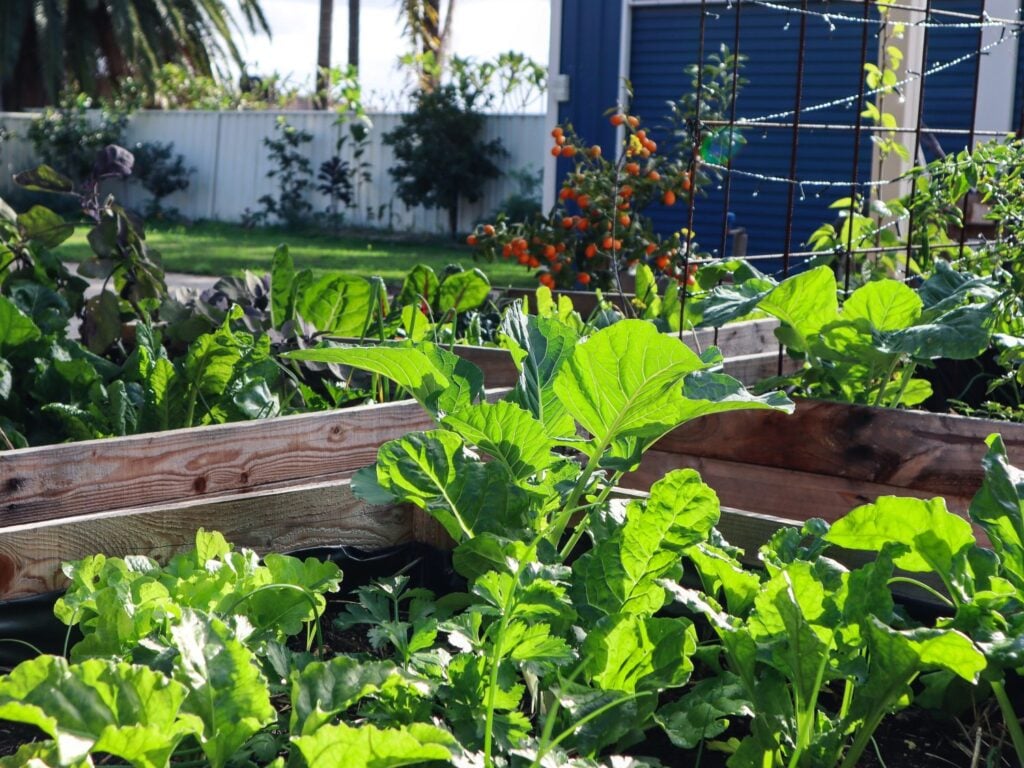
Kitchen gardens are packed full of quick-growing veggies and herbs right outside your kitchen to use in every meal. Integrating a diverse range of plants and structures can help you really maximise the amount of food you can grow in a small space.
In today’s workshop, we will discuss the 7 key steps to set up your kitchen gardens. We will also dive into my own kitchen garden – pallet planters on wheels.
You will also receive a Kitchen Garden Plant list packed with quick-growing edible plants that you can harvest from every single day.

WATCH the full Workshop
Kitchen Garden Point of difference
Kitchen gardens are packed full of quick-growing veggies and herbs to use in every single meal.
- Quick growing – or pick and come again crops
- Often utilising pots or containers
- Within eyesight of your kitchen
- Flavour enhancing plants
1. Choosing a location
Choosing a location is key to starting a successful kitchen garden.
- Close and convenient is key! If you can see it from your kitchen this is ideal! This will be a reminder for you to actually use what you are growing in every meal. It also means you can pick fresh and exactly the amount you need so you don’t have excess waste.
- Adequate sunlight – plants need enough sunlight to grow and for most veggies, it is around 6-8 hours.
- Moveable containers – maximise summer sun/shade and winter sun
- Have a water source nearby.
2. Choose structures or containers
Next up we need something to house our gardens or our soil. There are a wide range of pots and containers or inground gardens that can be used for a kitchen garden. This will be determined whether you are renting, have space available near your house for gardens, or if pots and containers will be best. Multiple pots and containers can be ideal when you are starting out. If you have a plant that gets diseased or something goes wrong your other containers will be ok.
Things to consider with pots and containers:
- Black plastic heats up a lot in summer. This can cook our plants.
- Timber can rot if not protected – using a lining can be useful.
- Do you need them to be moveable? solid casters or pot wheels.
- Drainage and raising the pots. It’s important that water can escape out the bottom.
- Use recycled containers
Structures
- Metal or timber Trellis
- T-pee style sticks
- Archways
- Bamboo stakes
- Wire and string lines
3. Soil Tips
- Good quality soil is alive! Compost and a mix of sandy soil can help balance and be free of draining.
- I also layer small sticks or leftover plant scraps to help bulk up my containers and reduce the amount of soil needed. This breaks down over time to add nutrients and the soil level will drop. Just ensure the top 30cm is just soil.
- Add fresh compost each season or I usually do this by-annually before spring planting and before winter planting.
- Containers have limited access to nutrients so adding compost or liquid fertilizers is important.
4. Planting and layouts
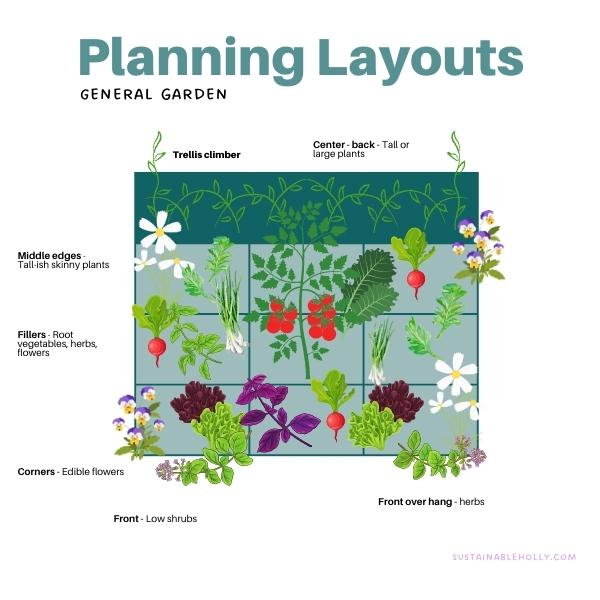
Planting a kitchen garden is fun because it can change each season. I like to plan my gardens with this structure
- Back trellis: climbing plants: Cucumber Malabar Spinach
- Back-centre: large shrubby plants: Rainbow Chard, Tomatoes,
- Corners – edible flowers
- Front – smaller low-level plants:
- Gaps – root vegetables: Carrots, Radish, Beetroot
- Very edge: cascading plants: Thyme, Oregano,
5. Kitchen Garden Planting
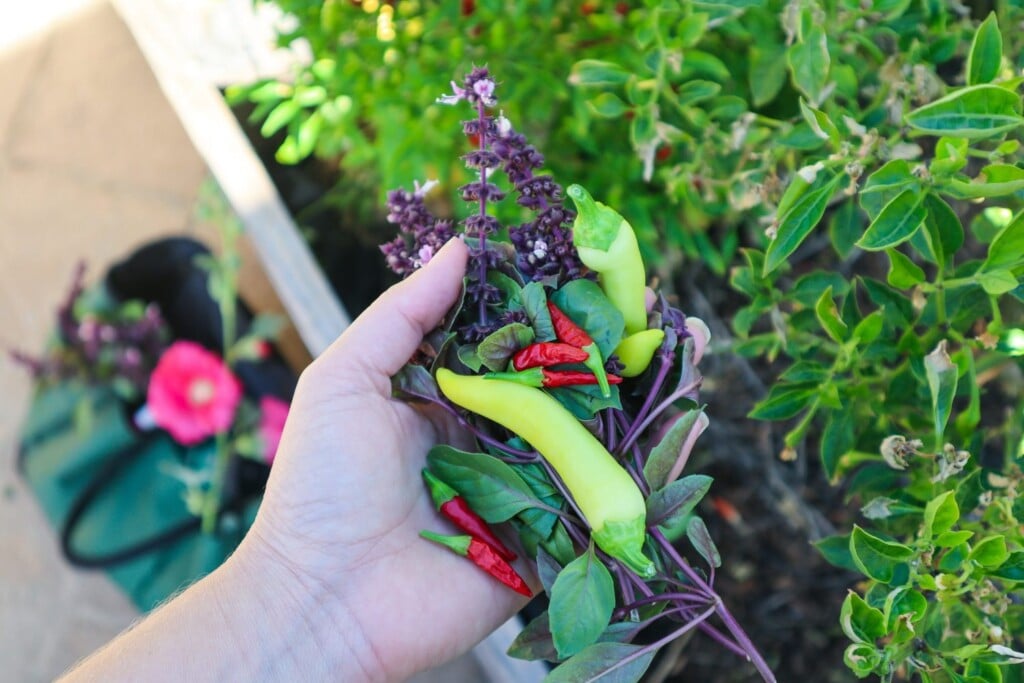
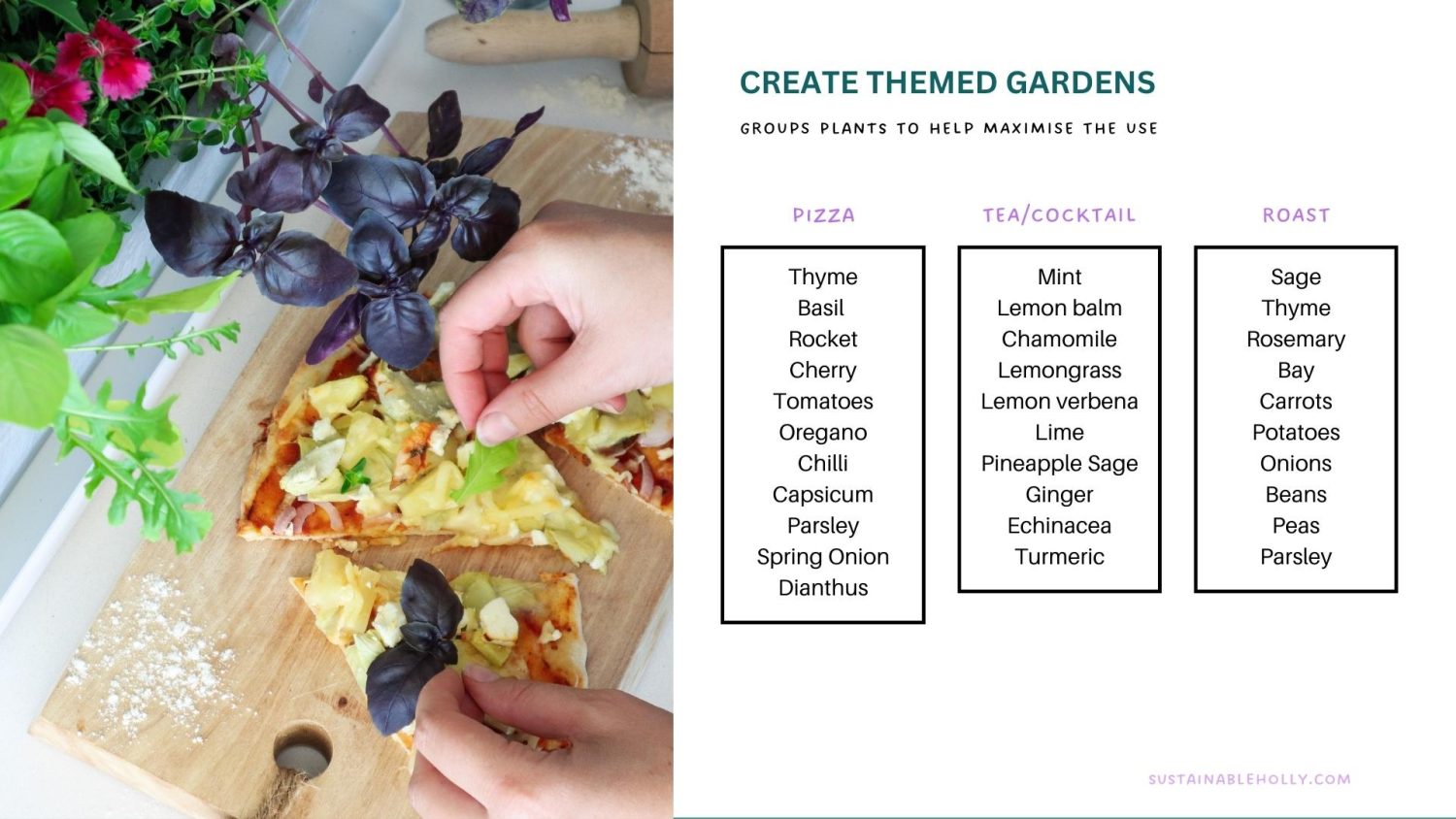
Select plants that grow quickly and have multiple harvests. Miniature versions and “pick and come again” crops are ideal! This means you can harvest small amounts often to use in everyday meals. Growing flavour enhancers such as herbs, lemons and limes means you will have quick and easy access to boost the flavour in your meals or create salad dressings and marinades.
This list will continue to be updated and links for plants that are featured in the A-Z grow guides.
6. Key for Everyday Harvest
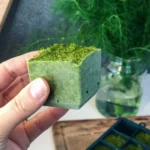
The more you cut and use your herbs and veggies the more they will produce. The plant’s main focus or goal is to grow flowers or fruit in order to produce seeds for its future existence. So by harvesting and using your herbs regularly you may receive more abundance from each plant. Try drying out your herbs or chillies or make a delicious garden pesto to preserve and extend your harvests. Dried herbs can be crushed and placed in a jar or added to salt for delicious homemade salt blends. These make fantastic gifts from the garden for everyone to enjoy.
- Plant multiples in different beds
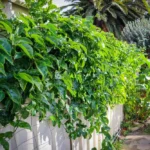
- Utilise vertical gardening space
- Continuously harvest and replant
- Succession plant by time and variety
- Get into a habit of checking the garden for every meal
7. Maintenance and Feeding
- Top up bi-annually or seasonally
- Prune and harvest
- Liquid fertilisers – worm tea, compost, etc
- Empty and clean drip trays
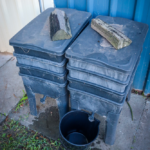
- In-bed composting or worm systems
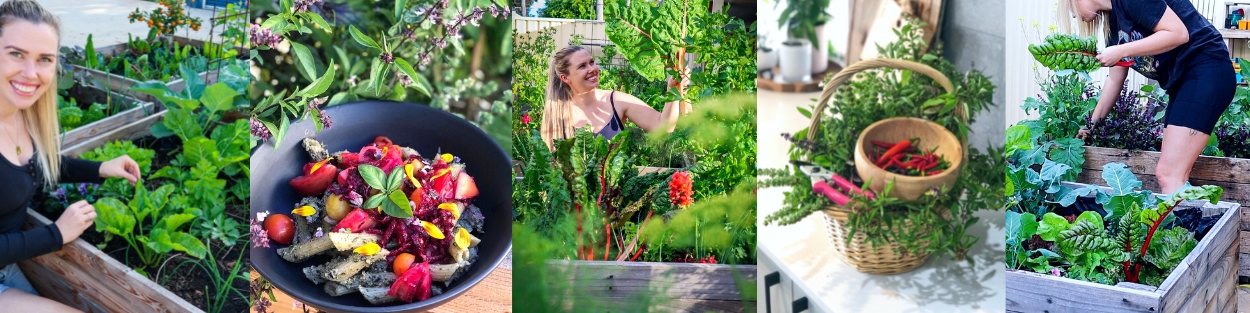
Creating a kitchen garden has so many incredible benefits. It is another way to add design and beauty to your home but with the added bonus of producing delicious, nutrient-dense food. Kitchen gardens are low maintenance and a great way to save money on expensive fresh herbs! In a world where we have lost touch with where our food really comes from, a kitchen garden is a great step towards taking back your food security.